High-Efficiency Stator Production Lines & Essential Motor Hardware
Procuring industrial stator assembly lines requires evaluating both machine-level automation and upstream-downstream sub-component precision. Explore our top engineered equipment and core powertrain assemblies.
Top 10 Stator Assembly Equipment Manufacturers & Suppliers
Modern electric motor manufacturing demands unprecedented slot fill factors, minimal thermal degradation of enamel insulation, and microsecond-level process traceability. Below is an engineering evaluation of the world’s foremost stator equipment suppliers.
1. Ningbo Nakro Intelligent Equipment (Nide Group)
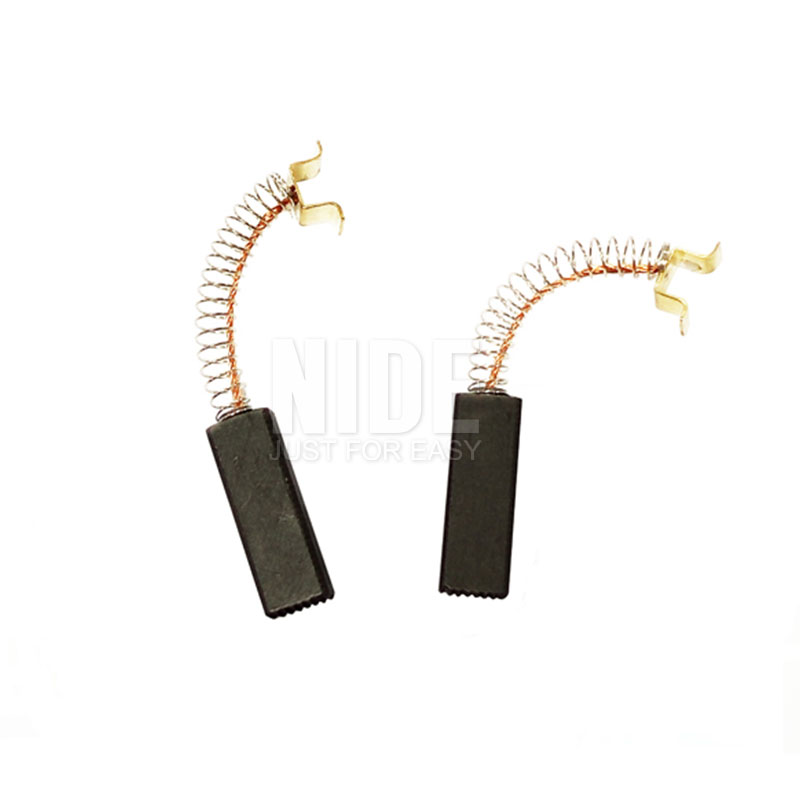
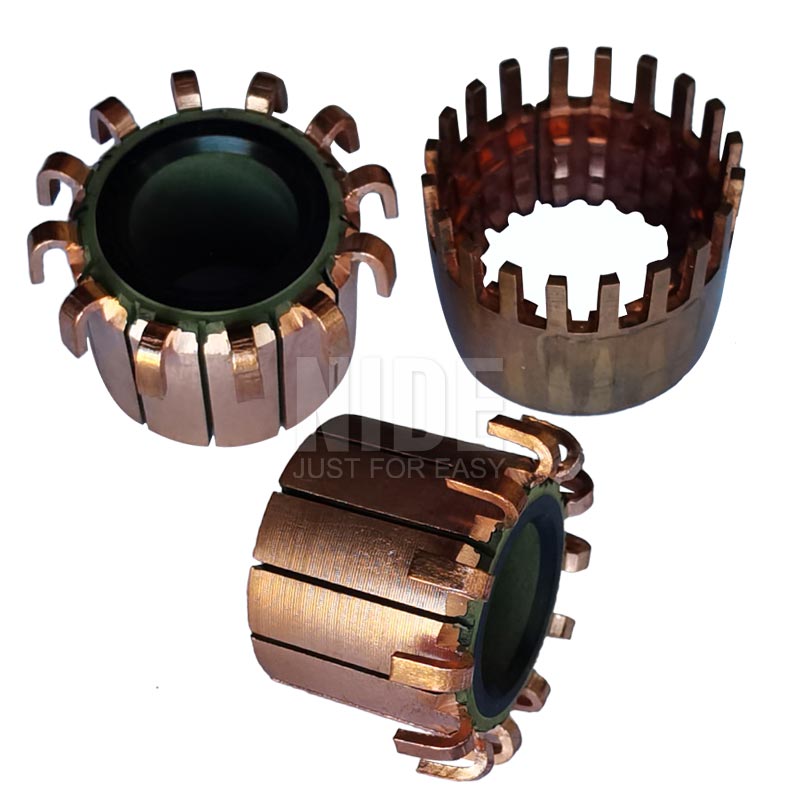
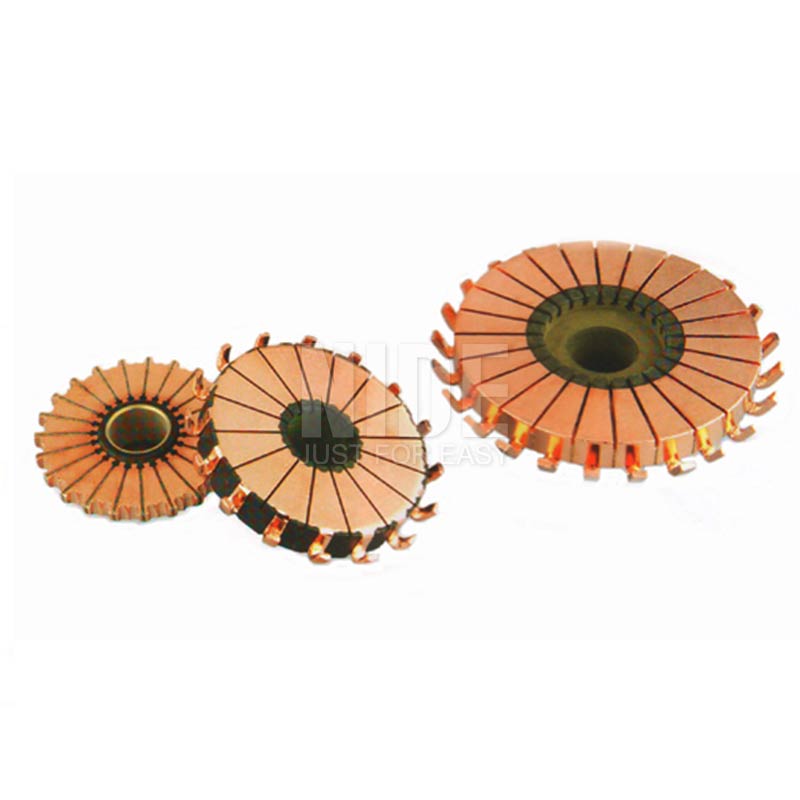
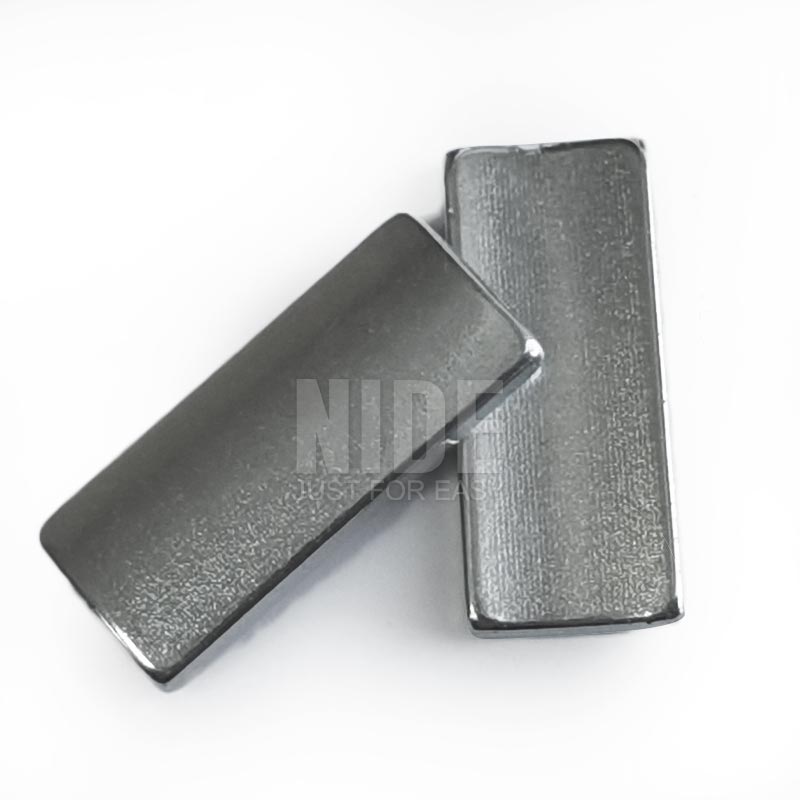
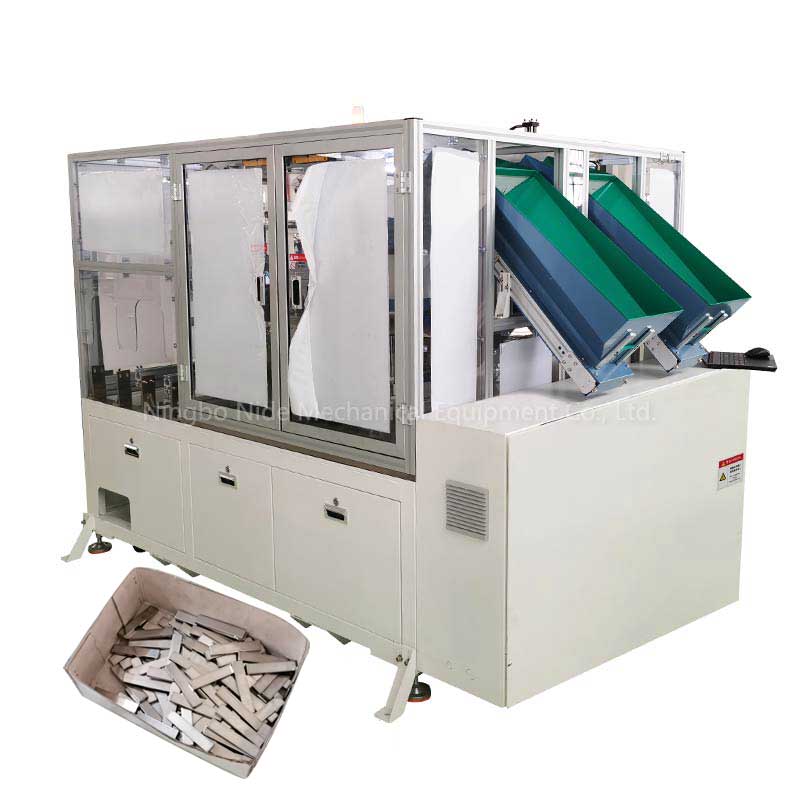
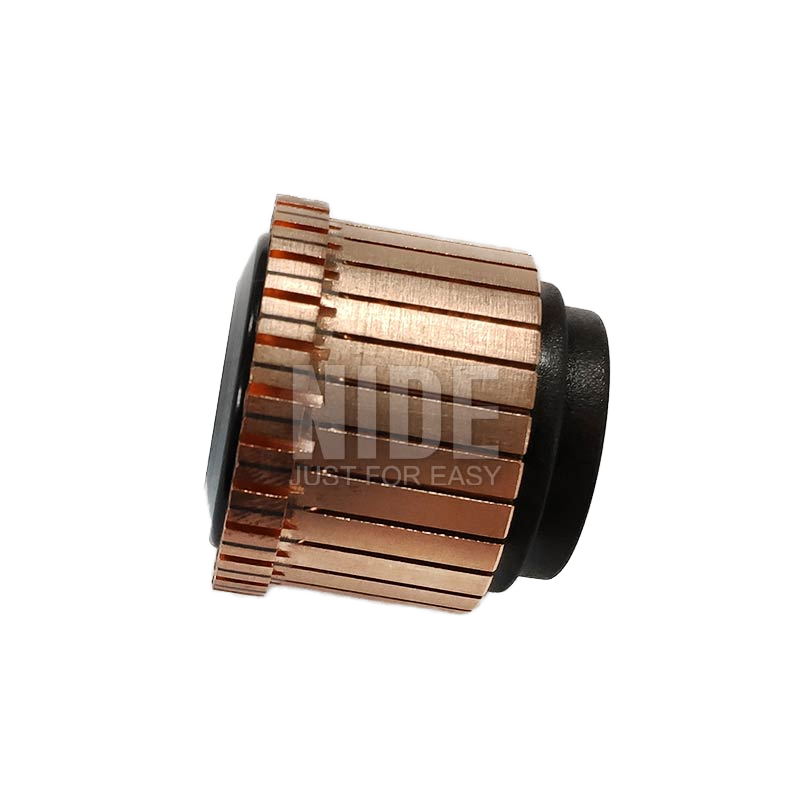
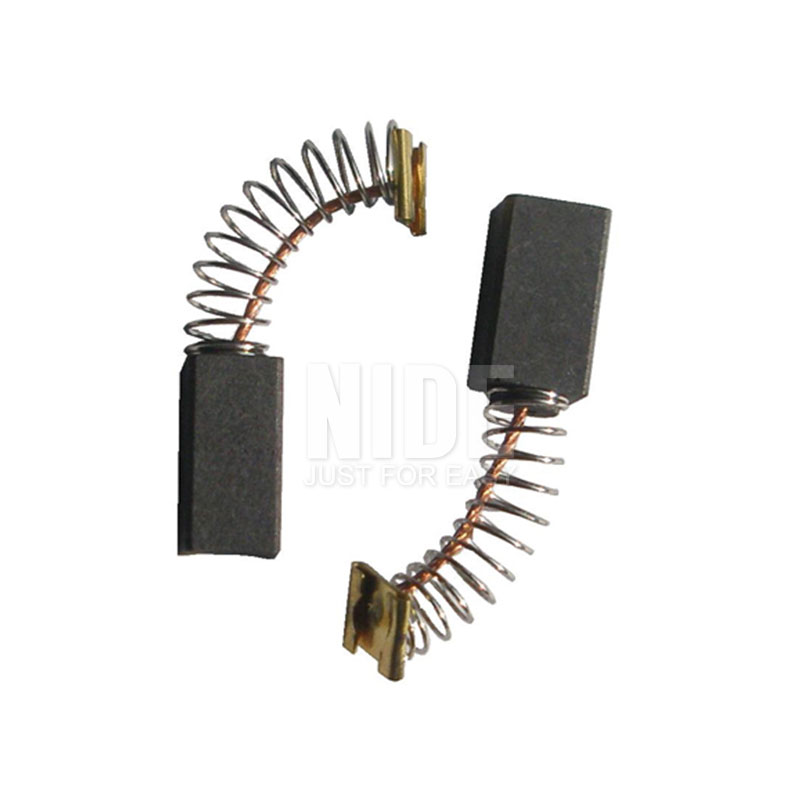
Ningbo Nakro Intelligent Equipment Co., Ltd. (operating within the unified Nide industrial umbrella) has cemented its role as a premier end-to-end stator automation powerhouse. Unlike pure mechanical line integrators, Nakro blends machine engineering with downstream component intelligence—manufacturing commutators, carbon brushes, and magnetic assemblies in tandem with custom automated machinery.
Their stator machinery portfolio covers multi-axis CNC needle winding systems for segmented or concentrated pole stators, semi-automatic inserting machines, and turnkey hairpin assembly lines engineered specifically for 400V/800V e-mobility architectures. Their competitive edge lies in vertical tooling customization (slot insulation, automated wedge insertion, 3D hairpin twisting) backed by factory run-off validation using client copper wire and lamination batches.
- Complete one-stop turnkey capacity: equipment, tooling, and motor sub-components.
- Advanced continuous hairpin, needle winding, and outer-rotor hub motor lines.
2. GROB-Werke GmbH & Co. KG
A titan in automotive manufacturing systems, GROB specializes in large-scale, high-throughput hairpin stator production lines for European and North American tier-1 passenger electric vehicle manufacturers. GROB’s core mechanical achievement is their continuous wave winding technology and ultra-fast hairpin forming, insertion, and high-frequency laser welding cells.
Their machinery features multi-head precision bending capable of forming continuous wave mats, avoiding individual hairpin weld junctions and significantly reducing electrical resistance and copper losses in 800V silicon carbide (SiC) traction inverters.
- Patented continuous wave winding reducing weld points up to 80%.
- Complete line OEE monitoring with sub-millisecond digital twin simulation.
3. Comau S.p.A. (Stellantis Group)
Comau brings immense robotic automation heritage into the electric motor assembly sector. Specializing in modular e-drive lines, Comau has deployed sophisticated hairpin stator lines integrating multi-axis articulated robots with custom end-effectors for slot paper inserting, hairpin twisting, crown expansion, and high-speed CNC laser welding.
Their lines are recognized for flexible tooling changes, allowing manufacturers to assemble multiple stator stack heights and slot configurations across the same modular rail architecture with minimal tooling re-indexing.
- Turnkey robot-assisted stator lamination pressing and pin insertion.
- Vision-guided real-time seam tracking for copper hairpin welding.
4. Aumann AG
Aumann is a world-renowned leader in winding technology, historically pioneering flyer and needle winding technologies for auxiliary automotive motors before expanding aggressively into high-voltage e-mobility traction stators. They excel in concentrated winding for segmented stators and complex round-wire inserting machines.
Aumann’s proprietary wire tensioning units minimize mechanical stress on enamelled copper wires, preventing microscopic micro-cracks in insulation layers—a decisive capability when passing stringent Partial Discharge Inception Voltage (PDIV) testing.
- Unmatched tension control preventing wire stretch and varnish peeling.
- High-speed automated assembly of segmented round-wire and flat-wire cores.
5. Odawara Engineering Co., Ltd.
Odawara Engineering stands as the gold standard of Japanese motor manufacturing precision. They have dominated the industrial induction motor, air conditioning compressor motor, and home appliance stator winding landscape for decades. Their coil inserting machines and multi-station lacing stations are famed for extreme reliability and multi-decade lifespans.
In recent years, Odawara has applied its ultra-precise mechanical kinematics to high-efficiency automotive stator systems, providing automated hairpin inserting machines that boast industry-leading insertion success rates on complex skewed stators.
- Zero-damage coil and wedge insertion kinematics for high-slot-fill stators.
- High-speed multi-spindle needle winders for internal and external stators.
6. Marsilli S.p.A.
Marsilli is globally celebrated for precision winding and automated assembly lines for precision stators, coils, transformers, and electronic components. In brushless DC (BLDC) and Permanent Magnet Synchronous Motor (PMSM) stator production, Marsilli provides state-of-the-art multi-needle CNC winders featuring ultra-compact nozzle heads that navigate dense slot openings.
Their systems excel in high-speed, multi-spindle synchronized needle motions with integrated terminal stripping, wrapping, fusing, and high-voltage insulation testing within ultra-compact modular cells.
- Closed-loop electronic tensioning system responsive down to milli-Newton levels.
- High-speed flyer and spindle systems tailored for small-to-medium stators.
7. Thyssenkrupp Automation Engineering
Thyssenkrupp Automation Engineering acts as a key Tier-1 partner for major global automotive groups, building massive, high-speed automated e-motor assembly facilities. Their stator assembly engineering portfolio focuses heavily on large flat-wire hairpin production lines, integrating stator core stacking, trickling/varnishing, and end-of-line electrical testing.
A hallmark of Thyssenkrupp stator systems is their proprietary hairpin weld quality verification algorithms, incorporating multi-camera optical coherence tomography (OCT) and AI-driven melt-pool analysis in real time.
- Real-time weld geometry monitoring via Optical Coherence Tomography (OCT).
- Fully automated stacking, skewing, and cleating/welding of stator laminations.
8. ATS Automation Tooling Systems
ATS Automation specializes in custom assembly automation across automotive, life sciences, and energy sectors. In stator manufacturing, ATS leverages its patented SuperTrak smart conveyance platforms, enabling asynchronous station cycle times and dynamic pallet re-routing throughout the stator assembly line.
This smart conveyance integration drastically minimizes dead time between processes (e.g., between slot paper insertion, pre-forming, hairpin loading, and varnish curing), delivering higher OEE and easier line rebalancing.
- High-speed asynchronous SuperTrak platform reducing intra-station latency.
- Turnkey integration with end-of-line hipot, surge, and PDIV test stations.
9. KUKA Assembly & Test GmbH
KUKA Systems delivers comprehensive manufacturing and testing systems for electric powertrain assemblies. KUKA’s specialized stator equipment lines cover hairpin wire pre-forming, CNC paper stuffing, robotic hairpin loading, mechanically synchronized twisting heads, and robotized vacuum pressure impregnation (VPI) / trickling cells.
KUKA’s core strength is rapid commissioning using software-in-the-loop virtual validation, which cuts on-site installation and FAT/SAT cycle times by upwards of 40% for automotive manufacturers.
- Complete digital twin verification prior to physical machinery fabrication.
- Modular workcells capable of scaling from pilot lines to full gigafactory volume.
10. Schuler Group (Andritz AG)
While renowned as the world leader in metal forming and stamping presses, Schuler plays an indispensable upstream role in stator assembly through its high-speed stamping presses and bonding systems for ultra-thin electrical steel sheets (0.20 mm to 0.35 mm silicon steel).
Schuler's systems integrate automated stamping with in-die interlocking, laser welding, and automated baking/gluing (Backlack technology) to deliver finished stator core stacks with exceptionally low eddy current losses and perfect tooth concentricity.
- Precision stamping and in-die bonding for ultra-thin silicon steel laminations.
- Exceptional core alignment, minimizing tooth deviation prior to winding.
Ningbo Nakro Intelligent Equipment: Operational Capability
Providing global motor manufacturers with end-to-end stator, armature, and assembly line solutions engineered around custom drawing specifications since 2010.
Future Procurement Trends in Stator Assembly Equipment (2025–2030)
Sourcing directors and technical manufacturing leads are navigating major paradigm shifts. Capital expenditure (CapEx) in stator assembly machinery must balance multi-platform flexibility against ultra-short takt times.
1. Flexible Cellularization Over Monolithic Transfer Lines
Buyers are moving away from rigid, multi-million-dollar monolithic transfer lines that cannot easily pivot when motor stack heights or slot counts change. Modern procurement prioritizes modular autonomous workcells connected via AGVs or smart track conveyance. This architecture permits rapid tooling swaps, isolated station maintenance, and low-risk stepwise CapEx expansion.
2. Digital Twin & Virtual Commissioning FAT Requirements
Factory Acceptance Testing (FAT) now begins in cyberspace. Procurement teams routinely mandate high-fidelity physics-based simulation models before mechanical steel is cut. Virtual commissioning models tool paths, collision zones, copper wire springback, and cycle times—mitigating mechanical commissioning delays and accelerating site launch by up to 40%.
3. In-Line Closed-Loop Quality & Defect Prevention
Post-assembly quality rejection is cost-prohibitive in high-slot-fill stators. Sourcing tenders increasingly mandate real-time optical coherence tomography (OCT) for weld monitoring, continuous wire tension loggers, high-speed vision detection of slot liner folds, and automated sub-milliohm resistance verification directly integrated into the assembly stations.
Engineering & Manufacturing Trends Shaping Stator Assembly
The transition from traditional distributed round-wire windings to advanced rectangular-wire hairpin and segmented stator concepts is driving fundamental transformations in industrial machine design.
Maximizing Slot Fill Factor (>75%)
Conventional round-wire stator insertion reaches typical slot fill factors between 45% and 55%. Rectangular-wire hairpin technology achieves slot copper fill factors exceeding 73% to 78%. Machinery must form, strip, insert, and twist rectangular enamelled conductors without scuffing the microscopic PAI/PEEK insulation coatings that withstand 800V high-frequency inverter spikes.
AI-Assisted Blue & Green Fiber Laser Welding
Hairpin copper welding has migrated from traditional TIG welding to infrared and short-wavelength (blue/green) fiber lasers. Green/blue lasers provide superior copper absorption, mitigating spatter that could cause inter-phase short circuits. Integrated AI vision inspects the melt pool at kilohertz rates, dynamically modulating laser power to ensure zero voids and zero spatter.
Continuous Wave Winding & Automated Trickle Impregnation
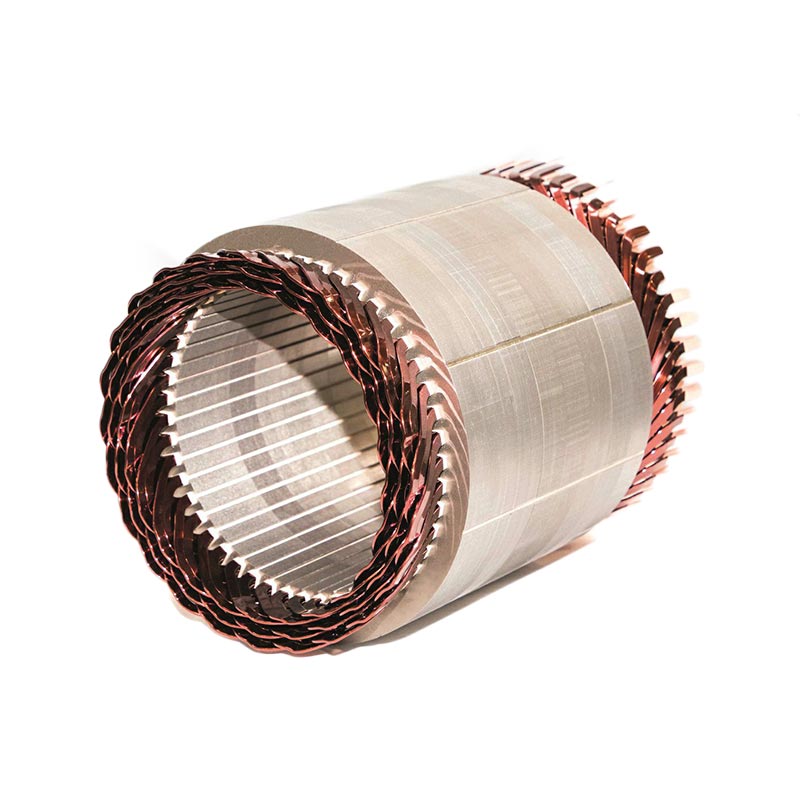
Continuous wave hairpin winding eliminates the hundreds of individual welded tips found in standard hairpin designs, vastly simplifying end-turn geometry and reducing electrical failure points. Concurrently, traditional dip-and-bake varnishing is being replaced by robotic automated trickling systems that precisely apply high-thermal-conductivity resins directly to stator slot openings.
Why Global Manufacturers Partner with Ningbo Nakro
Combining heavy-equipment machine manufacturing with comprehensive motor component supply under one certified industrial entity, eliminating multi-vendor integration friction.
Turnkey Equipment & Tooling Design
From standalone slot paper inserting machines to fully automated BLDC, induction, and e-bike hub motor assembly lines, customized to your exact stator drawings.
Complete Motor Component Sourcing
Direct supply of matching commutators, high-energy NdFeB magnets, carbon brushes, bearings, and insulation paper, ensuring complete mechanical compatibility.
Rigorous Pre-Shipment Validation
Every line completes trial runs using the client's actual steel laminations and magnet wire. Video runs, dimensional reports, and electrical test data are validated prior to crating.
Global Service & Overseas Partners
Over 13 years of overseas machinery export experience, backed by regional after-sales technical partners, on-site commissioning engineers, and remote diagnostics.
ISO 9001 & Verified Credibility
Certified Quality Management System, Alibaba Onsite-Verified manufacturing status, transparent credit ratings, and international CE / CCC compliance.
Flexible Commercial Terms
Support for T/T and L/C payment structures in USD, EUR, or CNY across FOB, CFR, and CIF terms, paired with sea-freight protective crating.
Stator Assembly Equipment: Frequently Asked Questions
Direct technical answers addressing the critical mechanical, electrical, and commercial parameters encountered during stator manufacturing line investments.
How do you determine whether a motor requires needle winding, flyer winding, or hairpin technology?
How does equipment maintain insulation integrity during high-speed coil insertion?
What are the key acceptance metrics during Factory Acceptance Testing (FAT) for a stator line?
Can Ningbo Nakro engineer tooling around customized or proprietary stator designs?
How is hairpin welding controlled to prevent copper spatter and inter-turn short circuits?
What overseas technical support and commissioning services are provided?
What is the typical production line lead time for standard vs. custom stator systems?
Ready to Engineer or Modernize Your Stator Assembly Line?
Submit your stator/rotor CAD drawings, wire specifications, and target annual volume. Our sales engineering team will prepare an in-depth line proposal, station layout, and commercial quote.
Get a Quote