Top 10 Rotor Balancing Line Manufacturers & Suppliers
An authoritative, data-driven analysis of modern dynamic balancing lines, unbalance correction tolerances (ISO 1940-1 Grade G0.4 to G2.5), and next-generation turnkey motor manufacturing equipment.
Factory Machinery & Turnkey Assemblies
High-Precision Rotor Balancing & Motor Stator Equipment
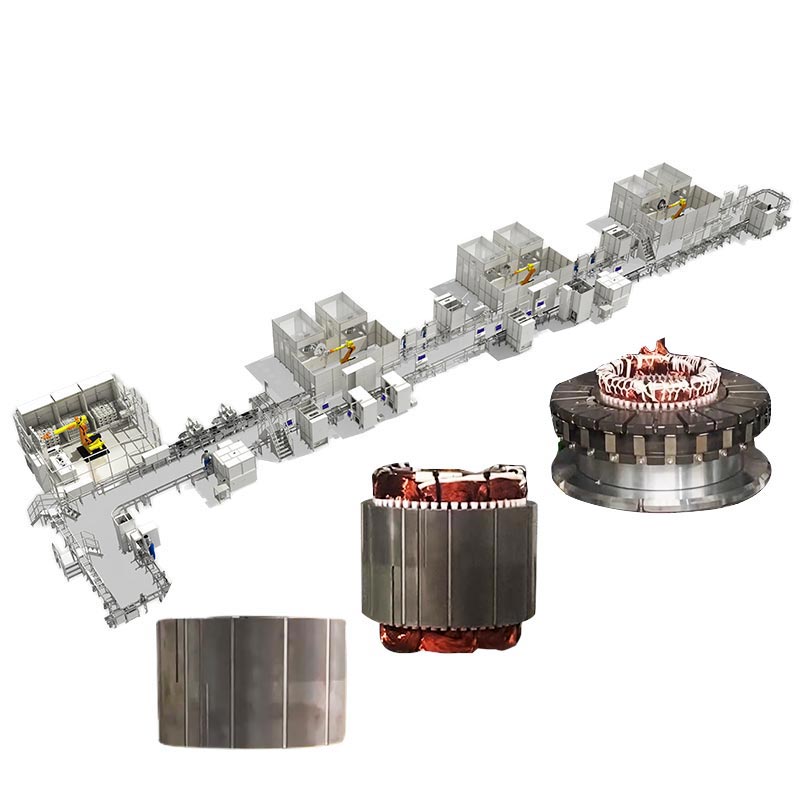
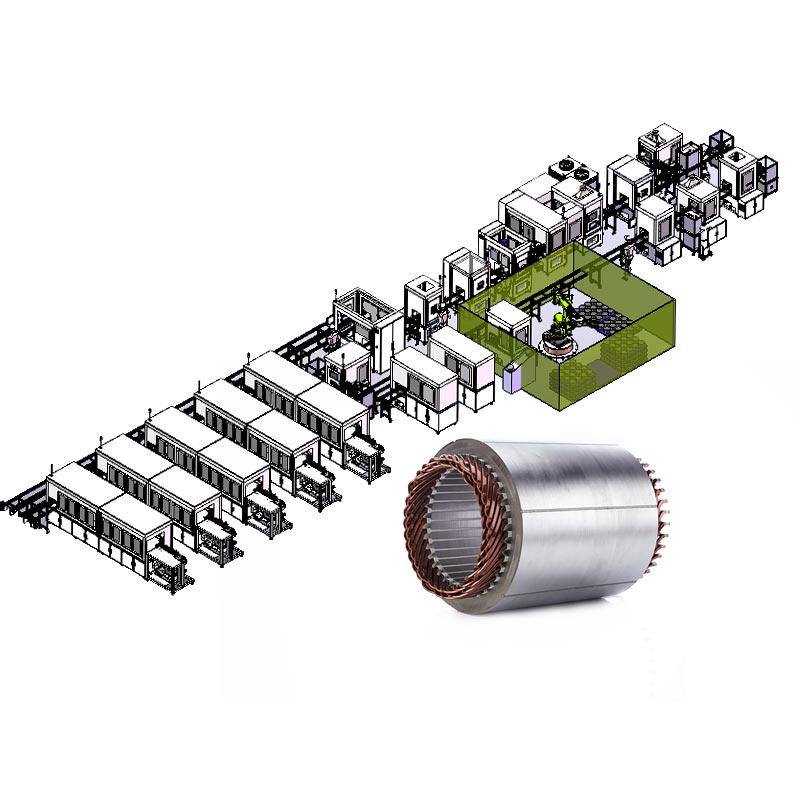
Explore our certified automated manufacturing stations, high-speed armature winder units, and turnkey production line solutions engineered for automotive EV hairpins, precision appliances, and industrial drives.
Rotor Dynamic Balancing: Operational Mechanics & ISO Tolerances
A technical examination of rigid vs. flexible rotor dynamics, centrifugal force mitigation, and automated unbalance correction methods in modern manufacturing.
The Physics of Dynamic Unbalance in High-RPM Rotors
In electric motor manufacturing, rotor unbalance occurs when the mass principal inertia axis of the rotating body fails to coincide with its geometric geometric rotational axis. As rotational speeds ($\omega$) climb in electric vehicle (EV) powertrains—often exceeding 18,000 to 24,000 RPM—the resulting centrifugal force generates dramatic mechanical stresses proportional to the square of angular velocity ($F = m \cdot r \cdot \omega^2$). Left unaddressed, microgram imbalances produce harmonic vibrations, premature bearing brinelling, acoustic noise (NVH), and catastrophic electromagnetic rotor-stator rubs.
Industrial automated rotor balancing lines remediate this phenomenon in single-plane (static) and two-plane (dynamic) topologies. High-performance lines determine unbalance amplitude and angular position utilizing piezoelectric force transducers or capacitive displacement sensors. Once detected, the line seamlessly integrates corrective sub-stations utilizing subtractive machining (multi-axis CNC milling, V-grooving, or robotic drilling) or additive dispensing (UV-curable dynamic balancing adhesives or calibrated weighted rings).
Balancing Method
Typical Quality Grade
Material Displacement Technique
Cycle Time per Unit
Common Applications
Dynamic CNC Radial Milling
ISO G1.0 – G0.4
Subtractive: Servo-controlled end-milling of lamination stack teeth
3.8 – 6.5 seconds
EV Traction Rotors, High-Speed Power Tools
Dual-Plane Drilling Correction
ISO G2.5 – G1.0
Subtractive: Axial drill depths into balance rings or end plates
Subtractive: Lathe blade or high-speed circular blade cutting
4.0 – 6.0 seconds
Universal Power Tool Rotors, Alternators
The goal of modern line engineering is achieving closed-loop stability: measurement, algorithmic plane transformation, automated correction, and secondary audit run-off within an integrated cycle time under 5 seconds per piece.
Global Market Overview
Top 10 Rotor Balancing Line Manufacturers & Suppliers
A rigorous comparative assessment of the engineering powerhouses shaping automated dynamic balancing systems, smart material handling, and Industry 4.0 integration.
01
Ningbo Nakro (NIDE Group)
China • Turnkey Pioneer
Established in 2010, Nakro has established global leadership in turnkey motor assembly, specialized armature winding, hairpin stator systems, and fully integrated dynamic rotor balancing cells. Equipped with custom multi-axis tooling, CNC milling correction, and closed-loop data tracking.
ISO 9001EV Hairpin SystemsTurnkey LinesExport to 50+ Countries
02
Schenck RoTec GmbH
Germany • High-End Precision
The historical global benchmark for balancing technology. Schenck offers robotic, ultra-high-speed automated balancing lines for automotive turbochargers, gas turbines, and premium EV e-mobility traction rotors with ultra-tight G0.4 tolerances.
CAB 920 SystemsTraction RotorsSub-micron Accuracy
03
Hofmann Balancing
Germany • Custom Automation
Renowned for modular automotive line integration, Hofmann delivers fully automatic dual-plane balancing machines equipped with combined drilling and milling stations tailored for high-volume starter/alternator lines.
Specializes in automated, high-throughput balancing equipment for small and medium electric motor armatures, brushless motors, and pump impellers with specialized robotic grippers and quick-change tooling modules.
Distinguished manufacturer of industrial dynamic balancing stations ranging from benchtop development prototypes to fully automated robotic production lines with integrated statistical process control (SPC).
A critical supplier to Japanese automotive and appliance manufacturers, Kokusai excels in multi-axis high-speed rotor balancing with patented seismic electromagnetic pickups and vibration damping frames.
High-Speed SpindlesEV / HEV PowertrainsUltra-low Noise
07
Marposs (Dittel)
Italy / Germany • Sensor Specialist
Renowned for electro-mechanical monitoring sensors, acoustic emission monitoring, and in-process dynamic balancer systems deployed on precision spindles and automotive grinding/balancing assemblies.
Leading North American designer of rugged static and dynamic balancing equipment. Hines specializes in flexible machining stations for industrial electric rotors, drivelines, and heavy-duty aftermarket armatures.
Heavy RotorsDrill / Mill StationsIndustrial Ruggedness
09
Shanghai Jianping (JP)
China • High-Volume Production
Delivers cost-effective automated dynamic balancing units for home appliance motors, automotive fan assemblies, and power tool rotors, offering pneumatic parts handling and touch-screen PLC suites.
Cost-EfficientAppliance RotorsHigh Volume
10
Nagahama Seisakusho Ltd.
Japan • Precision Tooling Automation
Specializes in comprehensive balancing test rigs and automated mass production lines for micro-rotors, dental turbine motors, drone drives, and miniature precision BLDC rotors with sub-milligram correction limits.
How the shift toward hairpin architectures, digital twin telemetry, and multi-plane laser ablation is radically redefining capital equipment investments.
Sub-Micron Laser Ablation
Traditional mechanical drilling and milling introduce cutting fluids, micro-burrs, and localized thermal distortion. Next-generation lines integrate femtosecond/picosecond pulsed lasers for non-contact micro-vaporization of balancing mass, yielding zero mechanical force on sensitive bearings.
Real-Time Edge IIoT & AI
Procurement teams now prioritize line controllers running edge-computed Fourier analysis. Predictive algorithms automatically compensate for ambient shop-floor vibrations, lamination density variations, and spindle thermal expansions without human recalibration.
Multi-Model Turnkey Agility
Dedicated single-part lines are obsolete. Modern RFPs mandate servo-actuated indexing chucks and magnetic robotic grippers that switch between 48V mild hybrid armatures and 800V silicon carbide traction rotors in under 12 minutes with automated recipe recall.
Full Turnkey Single-Sourcing
Instead of managing separate suppliers for slot paper inserters, hairpin winders, and standalone balancing rigs, motor tier-1s are consolidating capital expenditures with end-to-end vendors capable of supplying matching commutators, bearings, and complete balancing cells.
Combining proprietary mechanical precision, custom winding tooling, and comprehensive motor component manufacturing since 2010.
Complete In-House Ecosystem
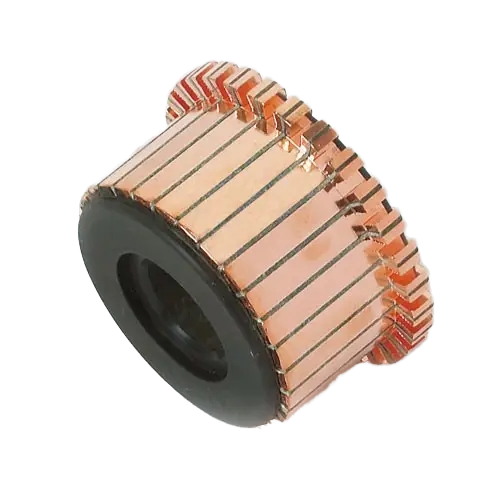
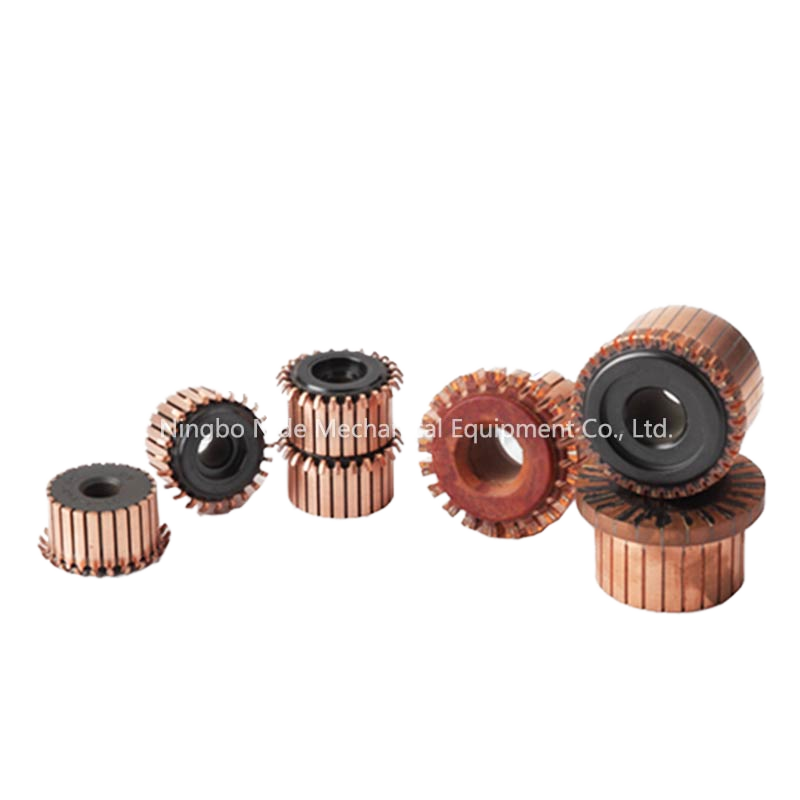
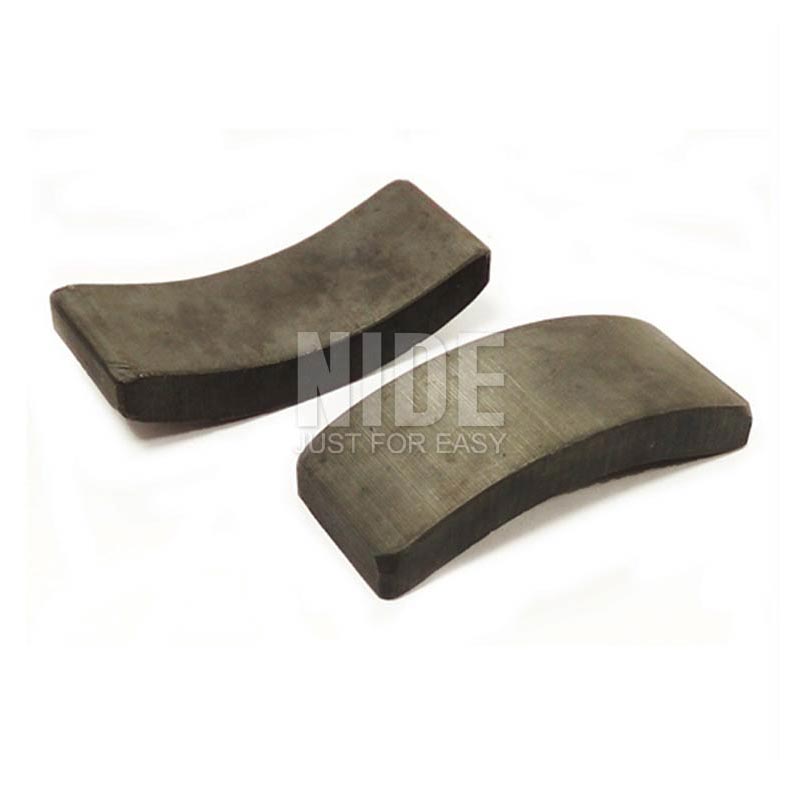
Unlike standalone equipment brokers, Nakro manufactures the equipment and engineers the precision wear components—including silver-copper commutators, ferrite arc magnets, bearings, and rotor shafts—guaranteeing 100% mechanical compatibility.
ISO 9001 & Alibaba Onsite Verified
Operates under verified ISO 9001:2015 quality standards across our 30,000+ m² facility. Every balancing line and stator insertion system undergoes real-part factory run-off approval with the client's own lamination stacks before crating.
Over 13 Years Export Excellence
With machines delivered and running across Southeast Asia, Eastern Europe, South America, and the Middle East, our field engineers deliver fast onsite commissioning, PLC code modifications, and global tooling supply channels.
Procurement Due Diligence
Frequently Asked Questions: Purchasing a Balancing Line
Essential guidance covering acceptance testing, cycle time validation, line integration, and international commercial trade terms.
Which motor rotor types and geometries can Nakro balancing and winding lines handle?
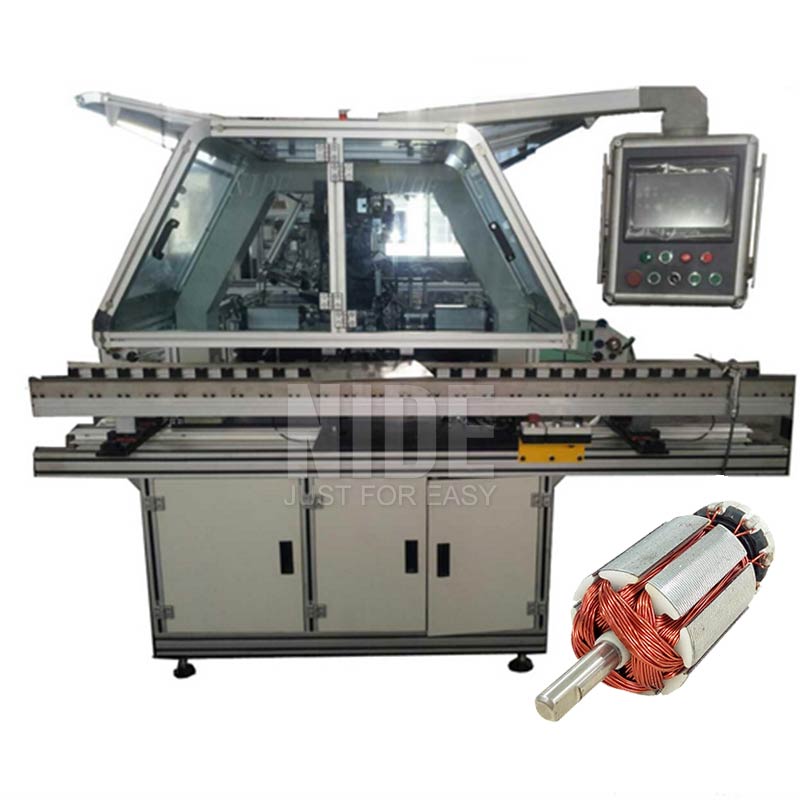
Our automated systems support armatures for universal power tools, automotive starter and DC motors; stators for single-phase and three-phase induction drives; brushless BLDC and PMSM interior permanent magnet (IPM) rotors; outer-rotor wheel hub motors for e-mobility; and high-RPM hairpin stators for passenger electric vehicles.
How does the machine perform unbalance correction without damaging electrical laminations?
Depending on the lamination structure, our lines utilize controlled CNC multi-axis milling or axial drilling that strictly restricts cut depth within calculated boundary layers. Servo-controlled clamps isolate mechanical load from the shaft, while high-velocity vacuum manifolds instantly extract chips to prevent magnetic contamination.
What is the Factory Acceptance Test (FAT) protocol before overseas shipment?
Every production machine undergoes a comprehensive factory run-off test utilizing the customer's actual lamination stacks, copper wire, and shaft components. We verify cycle times, residual unbalance (Cpk ≥ 1.67), electrical hipot, and surge resistance. Live video trials and dimensional inspection sheets are signed off prior to packing.
Can Nakro build and ship a turnkey line encompassing stator winding through final balancing?
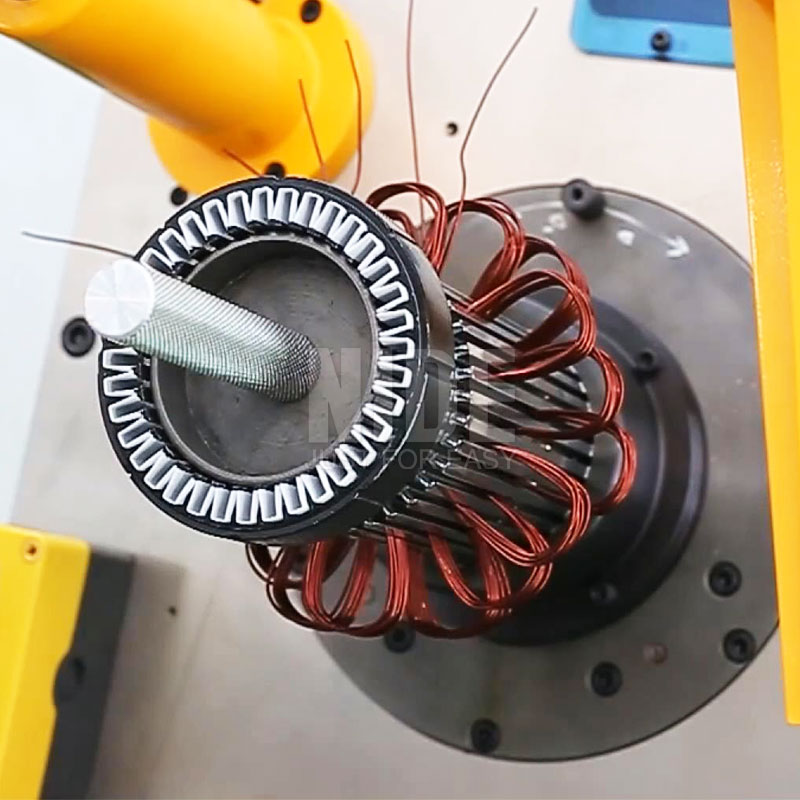
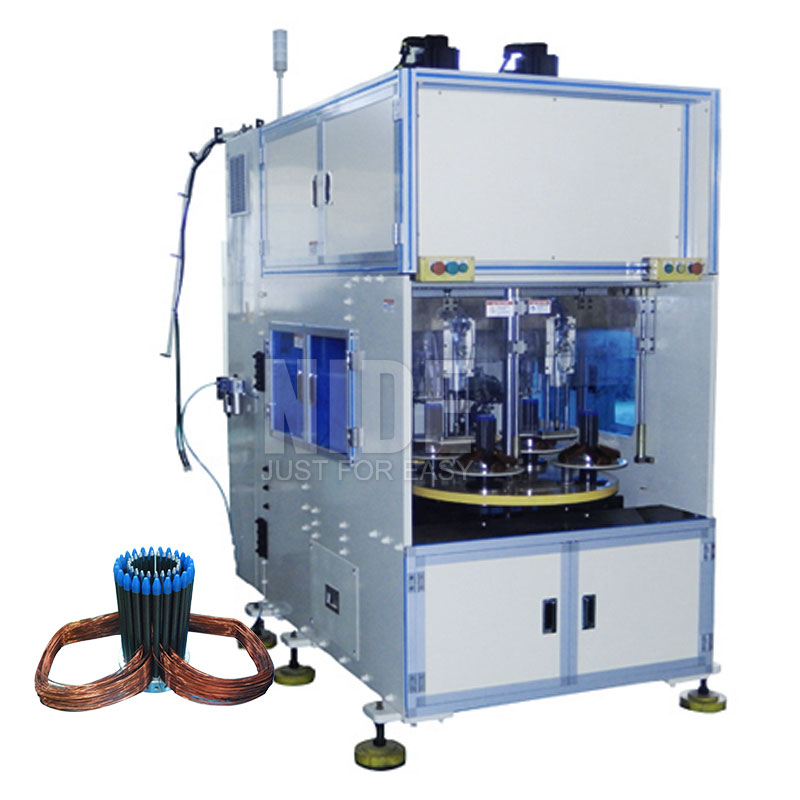
Yes. We design and deliver complete, linked turnkey production systems: from slot insulation paper inserting, high-speed flyer/needle coil winding, commutator hook fusing, wedge inserting, varnishing, to automated dynamic balancing, bearing press-fit, and end-of-line electrical testing.
Which commercial incoterms, payment terms, and after-sales services are supported?
We regularly process orders on FOB, CFR, and CIF terms supporting USD, EUR, and CNY currencies via T/T and irrevocable L/C. After-sales support includes onsite installation by multilingual technicians, remote PLC tele-diagnosis via secure VPN, and guaranteed replacement tooling dispatch.
Accelerate Your Motor Production Line with Nakro
Whether you require a dedicated high-precision dynamic balancing station or a fully automated, high-volume turnkey motor manufacturing line, our senior application engineers will evaluate your drawings and deliver a detailed technical proposal within 24 hours.