Certified Rotor & Stator Assembly Line Solutions
From individual CNC winding units to fully integrated sub-assembly cells, explore industrial-grade rotor technologies configured for electric vehicle hub drives, precision power tools, and high-efficiency induction systems.

Industry Whitepaper: The Evolution of High-Speed Rotor Assembly
Understanding automation vectors, structural dynamics, and manufacturing tolerances in modern electrified powertrain fabrication.
In modern industrial and automotive electrification, the electric motor rotor is no longer treated merely as a passive shaft stacked with electrical steel. Operating velocities frequently exceed 18,000 to 22,000 RPM in modern electric vehicles (EV), high-output power tools, and compressor units. As rotational velocities escalate, centrifugal shear stress, thermal dissipation constraints, and residual unbalance forces elevate the technical threshold for the underlying production equipment. Engineering procurement managers sourcing complete turnkey rotor manufacturing cells require far more than basic winding machines; they necessitate integrated mechatronic workflows that govern lamination stacking, automated shaft knurling, thermal interference shrink-fitting, closed-loop flyer winding, micro-resistance fusing, precision dynamic balancing, and end-of-line (EOL) electrical characterization.
Selecting premier rotor assembly line factories involves an in-depth evaluation of mechanical stiffness, servo responsiveness, inline vision verification, and data tractability. A high-efficiency rotor manufacturing architecture must resolve key physical friction points: eliminating insulation coating abrasion during wire indexing, preventing segment displacement during high-pressure commutator hook fusing, ensuring exact magnetic pole skewing in permanent magnet brushless rotors, and achieving rapid cycle times without compromising ISO 1940 Grade G1.0 balancing targets. Industrial operations requiring scalable throughput are pivoting away from island-style stand-alone units toward uninterrupted linear transfer platforms and palletized pallet-circulating assembly rings.
| Rotor Architecture | Primary Industrial Use-Cases | Critical Assembly Line Stations | Balancing & Tolerance Thresholds |
|---|---|---|---|
| Wound Armature (Universal/DC) | Angle grinders, auto starters, cordless tools, blowers | Shaft press-fit → Slot paper insert → Flyer winding → Hook fusing → Commutator turn | ISO G2.5; Bar runout < 0.003 mm; Hot welding micro-resistance ±1.5% |
| Permanent Magnet (PMSM/BLDC) | EV powertrains, e-bikes, HVAC blowers, robotic actuators | Lamination stack bond → Magnet insertion → Adhesive curing → Carbon fiber sleeve → Shaft press | ISO G1.0; Magnet pole orientation 100% optical verification; Zero air gap void |
| Outer Rotor (Hub Drives) | Electric rickshaws, e-scooters, light mobility wheel drives | Steel rim pressing → Magnet auto-indexing → High-temp bonding → Direct needle winding | Radial runout < 0.05 mm; Hall sensor alignment < 0.2 electrical degrees |
| Squirrel Cage Induction Rotor | Pumps, industrial compressors, variable frequency drives | Aluminum/Copper die-casting → Shaft thermal shrinking → Lathe turning → Dynamic balance | ISO G1.0 to G2.5; Core skew angle ±0.1°; Thermal runout stability at 180°C |
Procurement Vectors Shaping Next-Generation Rotor Fabrication
Strategic directions motor manufacturers must evaluate when auditing capital equipment vendors and export partners through 2026–2030.
Optical Traceability & Vision Guidance
Transitioning from mechanical stops to 3D laser-triangulation vision systems. Modern lines instantly detect microscopic lamination scratches, hook burrs, and magnet misalignment, reducing manual calibration cycles by 85%.
Fast Tooling Changeover (SMED)
Flexible manufacturing operations demand swift conversion between distinct stack heights, core diameters, and slot distributions. Next-generation assembly cells leverage modular quick-clamp toolheads, completing product switchovers in under 15 minutes.
Closed-Loop Active Balancing
Integrating multi-plane dynamic measurement with dual-station automatic milling or drilling. Robotic stations remove corrective mass in continuous feedback loops, delivering repeatable unbalance levels below 0.1 g·mm/kg without operator intervention.
Technological Frontiers: Hairpin Rotors & Carbon-Sleeve Reinforcement
Overcoming rotational stresses, high current density, and thermal dissipation through advanced mechanical and metallurgical tooling.
Advanced Permanent Magnet Handling & Retention
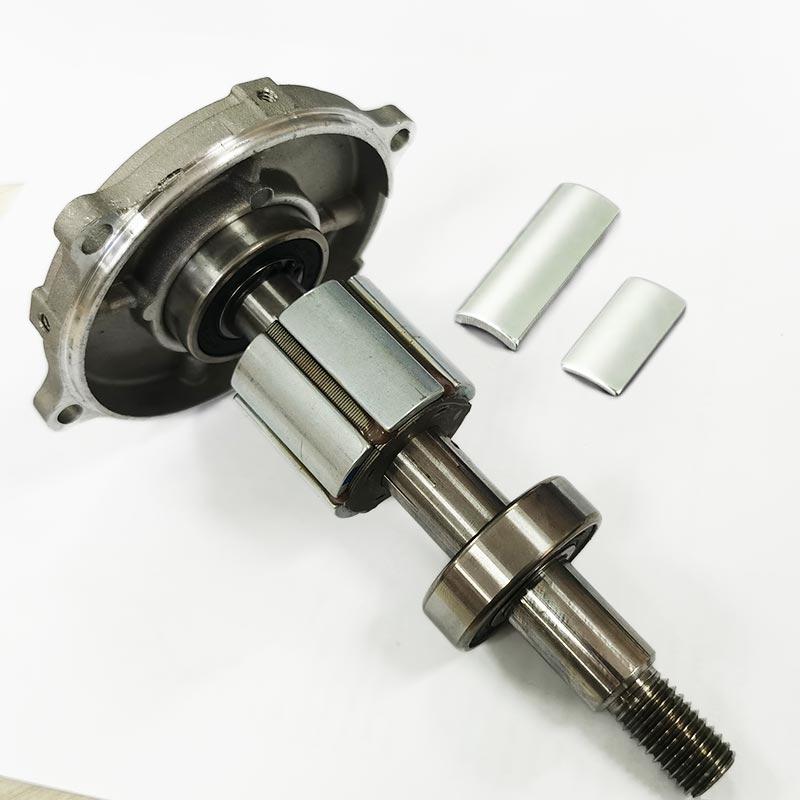
Interior Permanent Magnet (IPM) rotors for high-performance vehicles run near physical thermal limits. Modern assembly lines feature dedicated vacuum-assisted magnet insertion machines with inline flux-density mapping. For ultra-high speed surface-mounted permanent magnet (SPM) rotors, automatic carbon-fiber tension winding and high-precision laser-welded stainless steel retaining sleeves have replaced manual shrink rings, ensuring mechanical integrity past 25,000 RPM.
- High-precision automated magnet dispensing with automated structural resin dispensing.
- Induction-accelerated curing ovens featuring closed-loop infrared temperature monitoring.
- Multi-channel magnetic sensor inspection validating skew angle, flux strength, and pole orientation.
High-Density Copper Inverter Hook Welding
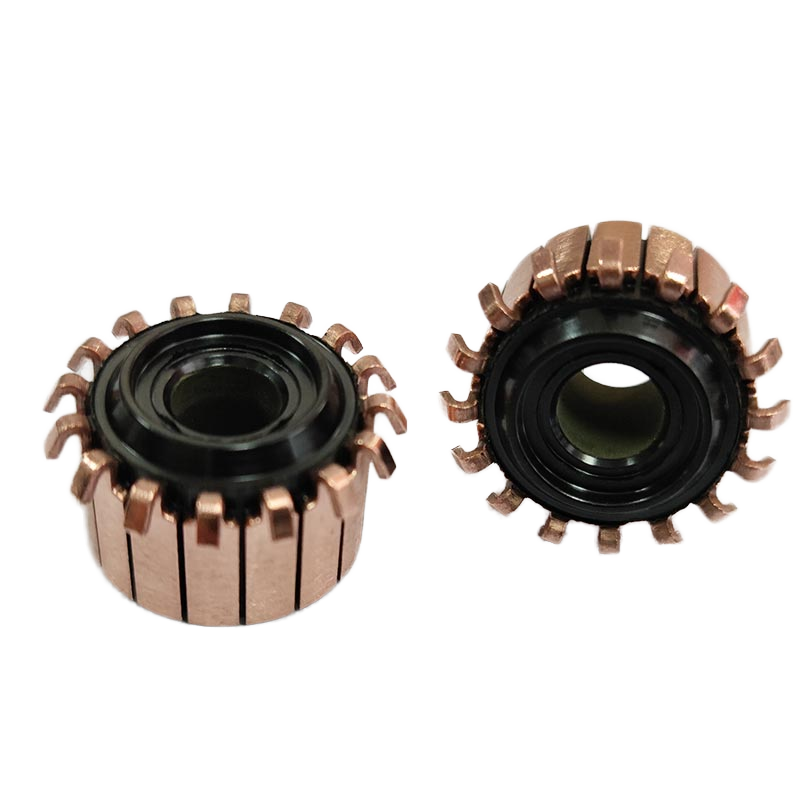
Traditional lead-soldering methods have been entirely displaced by medium-frequency inverter and capacitor discharge hot-welding (fusing) systems. In high-power armatures, heat concentration must be controlled down to milliseconds to safeguard adjacent slot cell paper while forming a solid molecular weld between copper wire and commutator segments.
- Closed-loop linear displacement feedback measuring hook collapse depth during fusion.
- Real-time electrical current, voltage, and dynamic resistance monitoring to flag cold joints.
- Automated diamond-tool commutator turning producing radial runout under 2.5 microns.
Enterprise Strengths & Factory Competencies
Operating from Ningbo's advanced industrial manufacturing corridor, Ningbo Nakro Intelligent Equipment delivers turnkey automation trusted worldwide.
Founded in 2010 in Ningbo, Zhejiang, Ningbo Nakro Intelligent Equipment Co., Ltd. (operating with global industrial affiliations under the NIDE and Nakro umbrellas) was engineered to simplify electric motor fabrication for manufacturers across the globe. Our industrial infrastructure extends across more than 30,000 to 50,000 square meters of state-of-the-art production floors, housing over 200 skilled specialists across precision mechanical design, servo programming, metallurgy, and global commissioning.
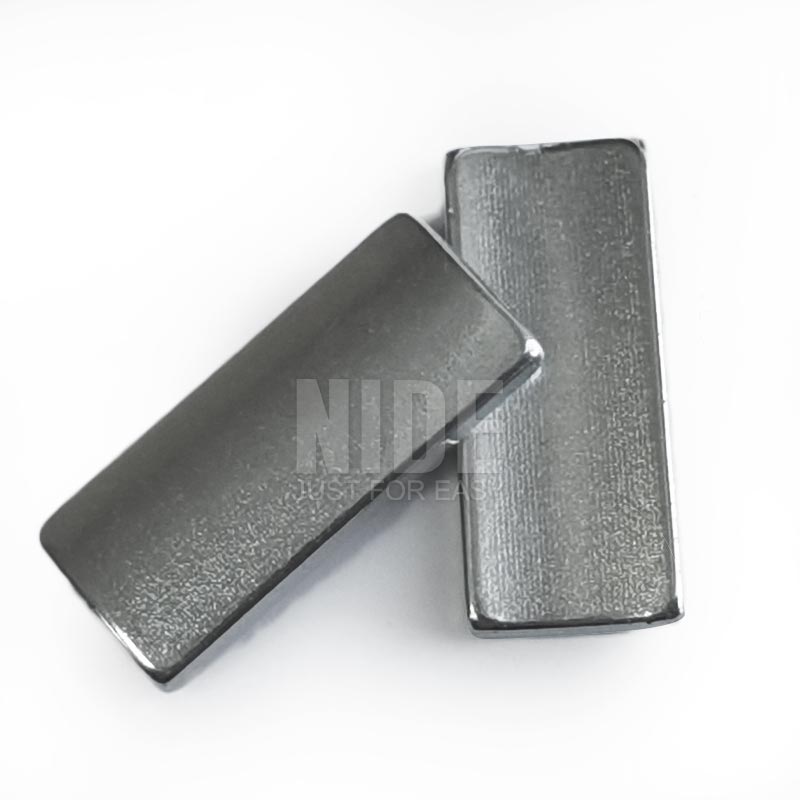
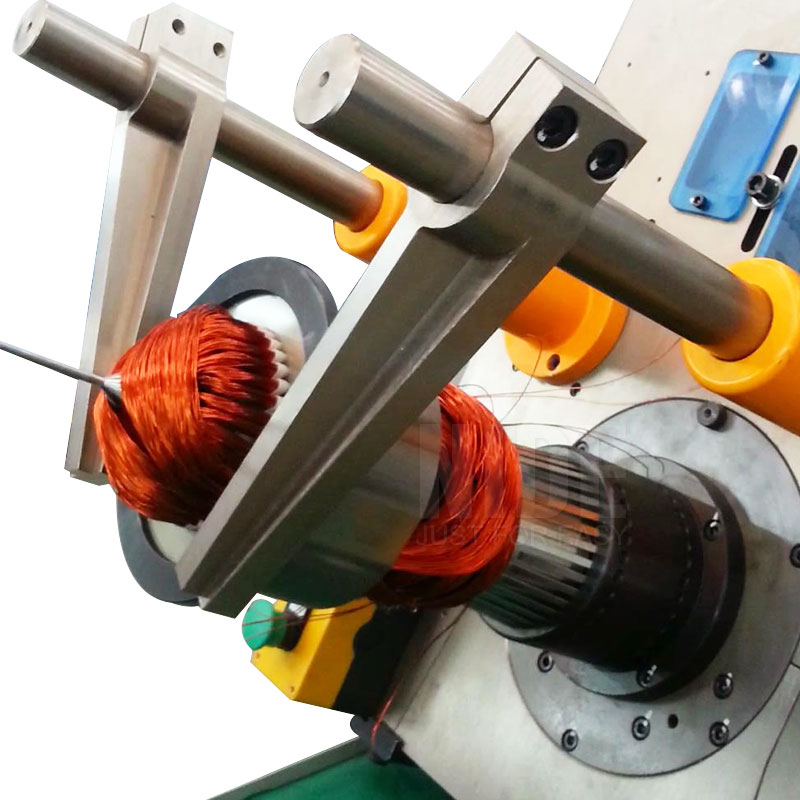
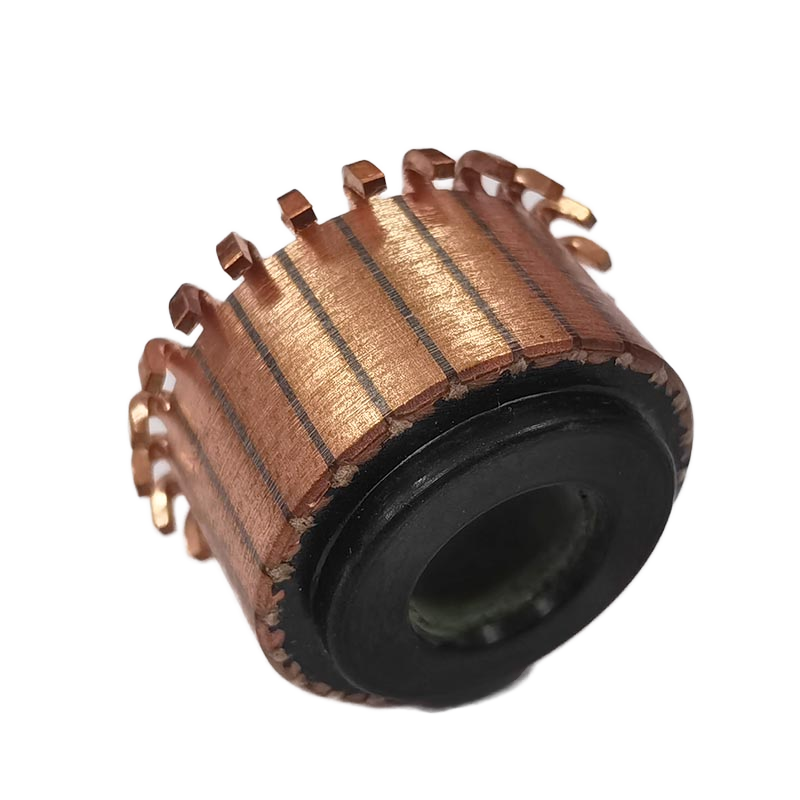
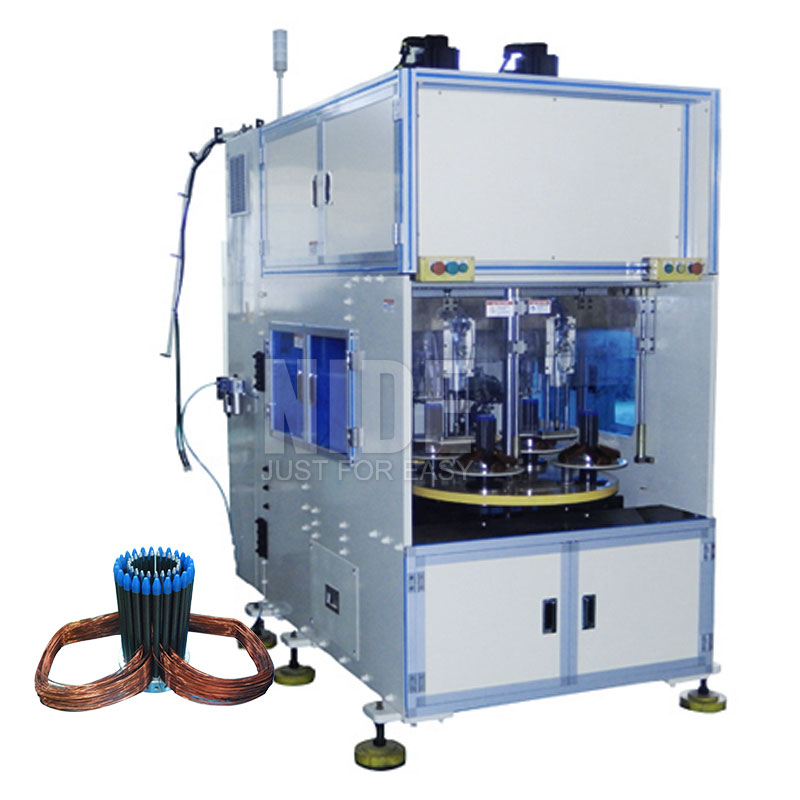
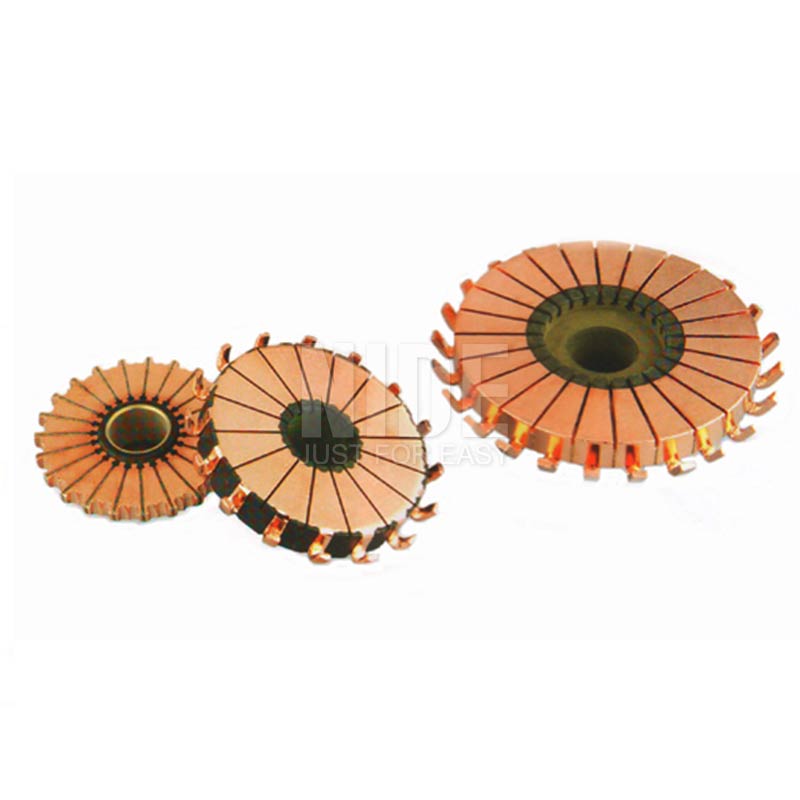
Unlike standard trading intermediaries, our factory delivers a comprehensive one-stop ecosystem. We combine custom machine building (armature lines, stator inserting cells, BLDC needle winders, and hub motor assembly cells) with the direct manufacture of precision motor components: high-grade rectangular N52 NdFeB magnets, hook and planar commutators, shafts, carbon brushes, and insulation assemblies. This dual engineering role guarantees that machines are customized to the exact tolerances of the target parts, reducing tooling adjustments and eliminating finger-pointing between equipment builders and material suppliers.
ISO 9001 & CE Certified
Every rotor winding, fusing, and inserting machine adheres strictly to international CE machinery directives and rigorous ISO 9001 factory audits, backed by third-party onsite verifications.
Export Reach in 50+ Countries
With over 14 years of direct export credentials across Southeast Asia, Eastern Europe, South America, and the Middle East, our technical teams provide seamless international delivery and turnkey startup.
Full Turnkey Acceptance Run-Off
Zero equipment departs our factory without comprehensive pilot runs using your authentic lamination stacks, magnet grades, and enameled magnet wire, fully documented via transparent video and CMM reports.
Frequently Asked Questions for Rotor Line Buyers
Real-world engineering questions addressed to assist plant managers, capital investment committees, and machine buyers.
What specific rotor designs and configurations can Nakro assembly lines support?
How is precision dynamic balance managed across automated rotor cells?
Can Nakro build customized line layouts suited to limited factory footprints?
What are the typical validation steps for Factory Acceptance Testing (FAT)?
What payment currencies and incoterms are supported for international projects?
What post-installation engineering support is provided for overseas facilities?
Design Your Custom Rotor Production Line
Send your motor drawings, target cycle times, and lamination geometries to our engineering team. We will generate a complete station-by-station proposal, 2D line layout, and financial payback analysis within 48 hours.
