PLC Controlled Cooler Motor Stator Coil Winding Machine
High-precision CE-certified CNC coil winder configured specifically for evaporative cooler and HVAC fan stators, delivering high cycle speed and tight tension stability.
Explore our industrial-grade automation platforms, CNC winders, and heavy-duty motor components designed to optimize cycle times, ensure slot fill consistency, and reduce production losses.
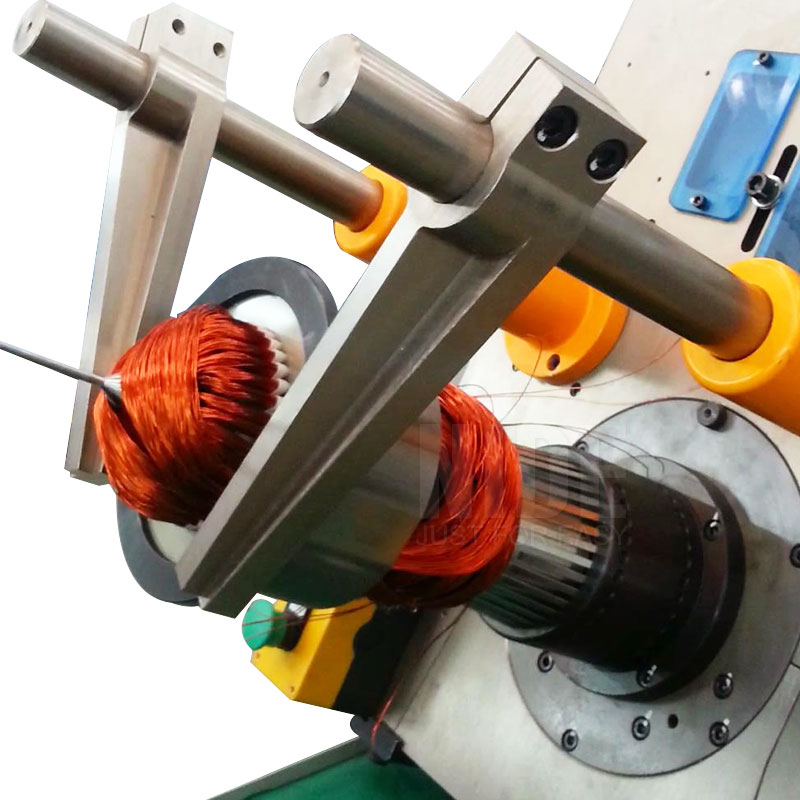
High-precision CE-certified CNC coil winder configured specifically for evaporative cooler and HVAC fan stators, delivering high cycle speed and tight tension stability.
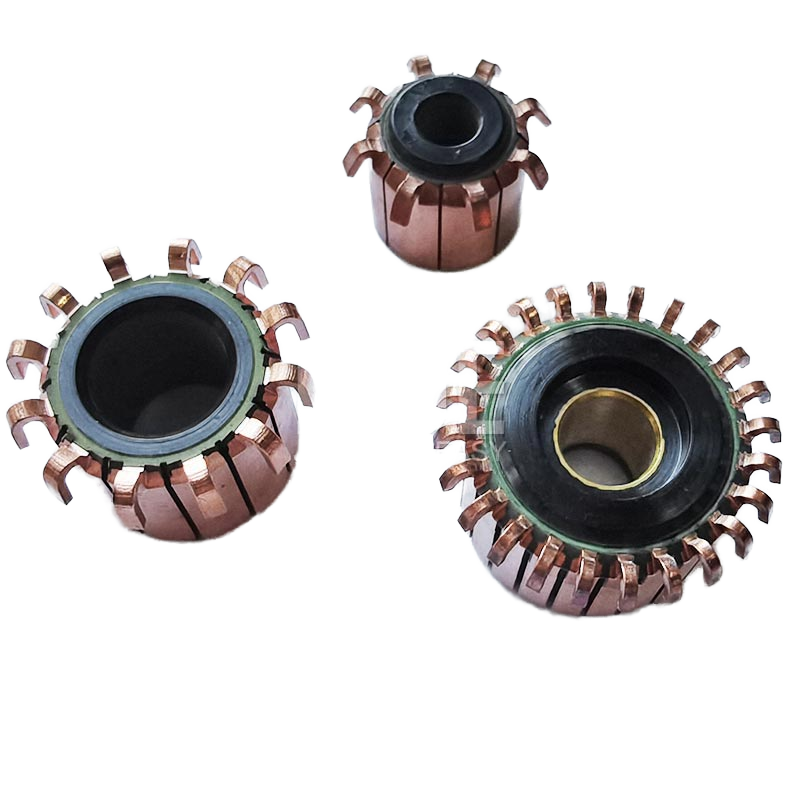
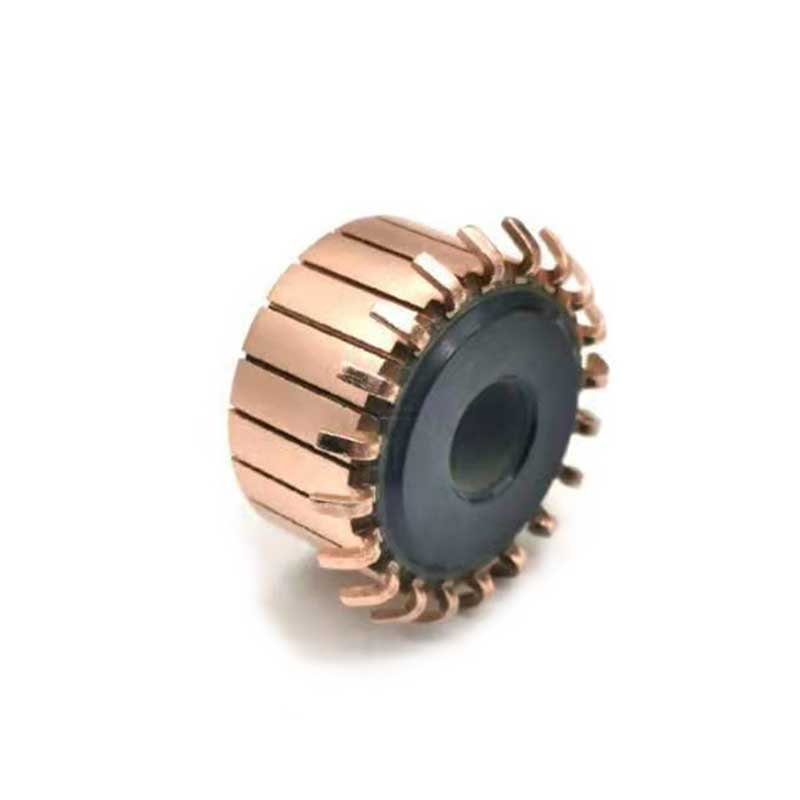
Engineered for extreme thermal resistance and high rotational balance in universal high-speed motors, manufactured with tight segment tolerances to prevent brush arcing.
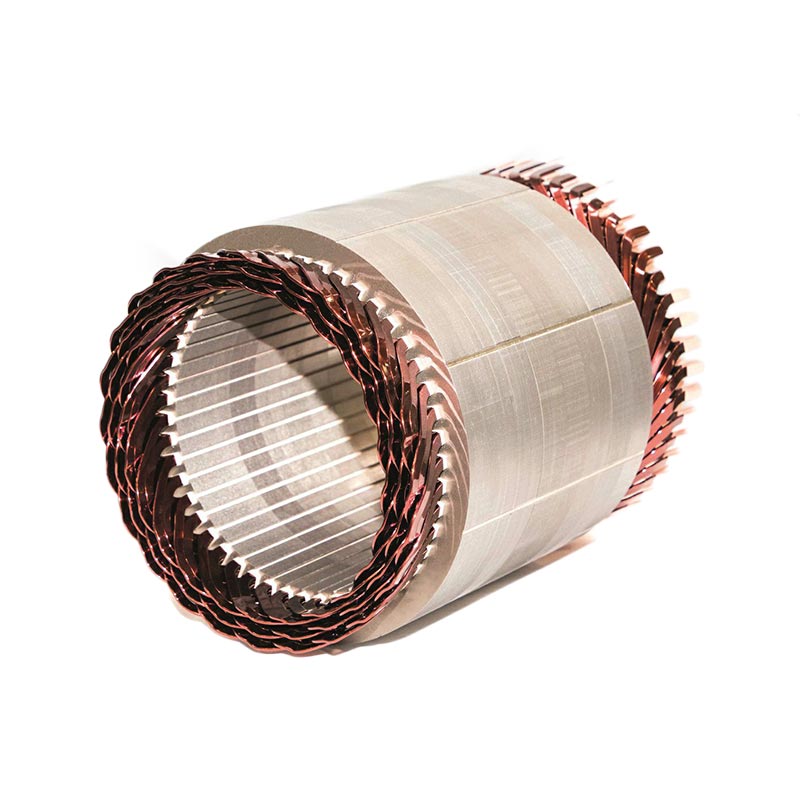
Next-generation turnkey platform integrating wire straight-cut-strip, 3D pin bending, mechanical slot insertion, twisting, and fiber laser welding for high slot-fill EV traction stators.
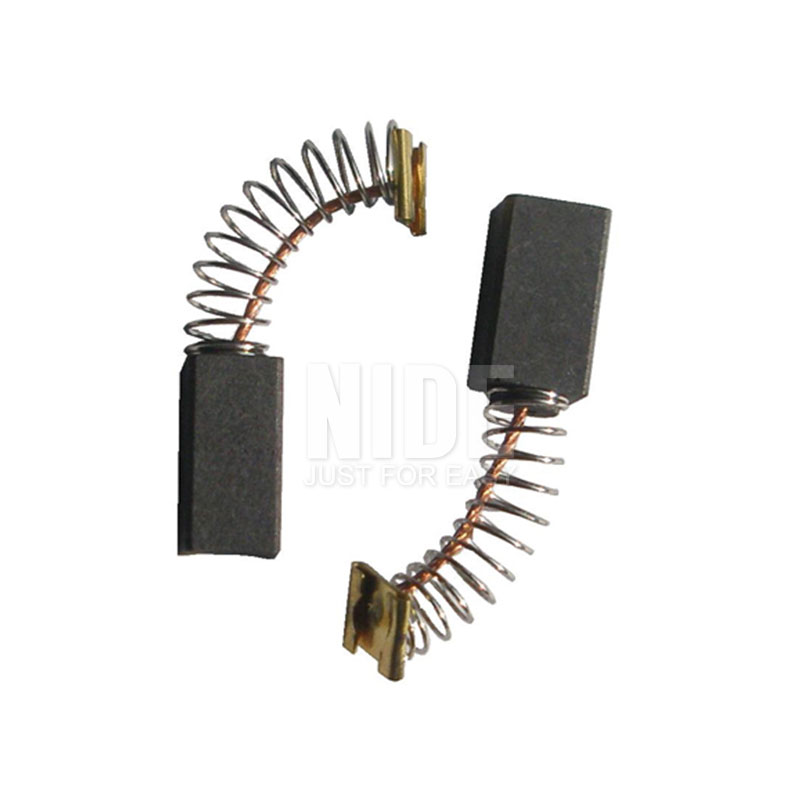
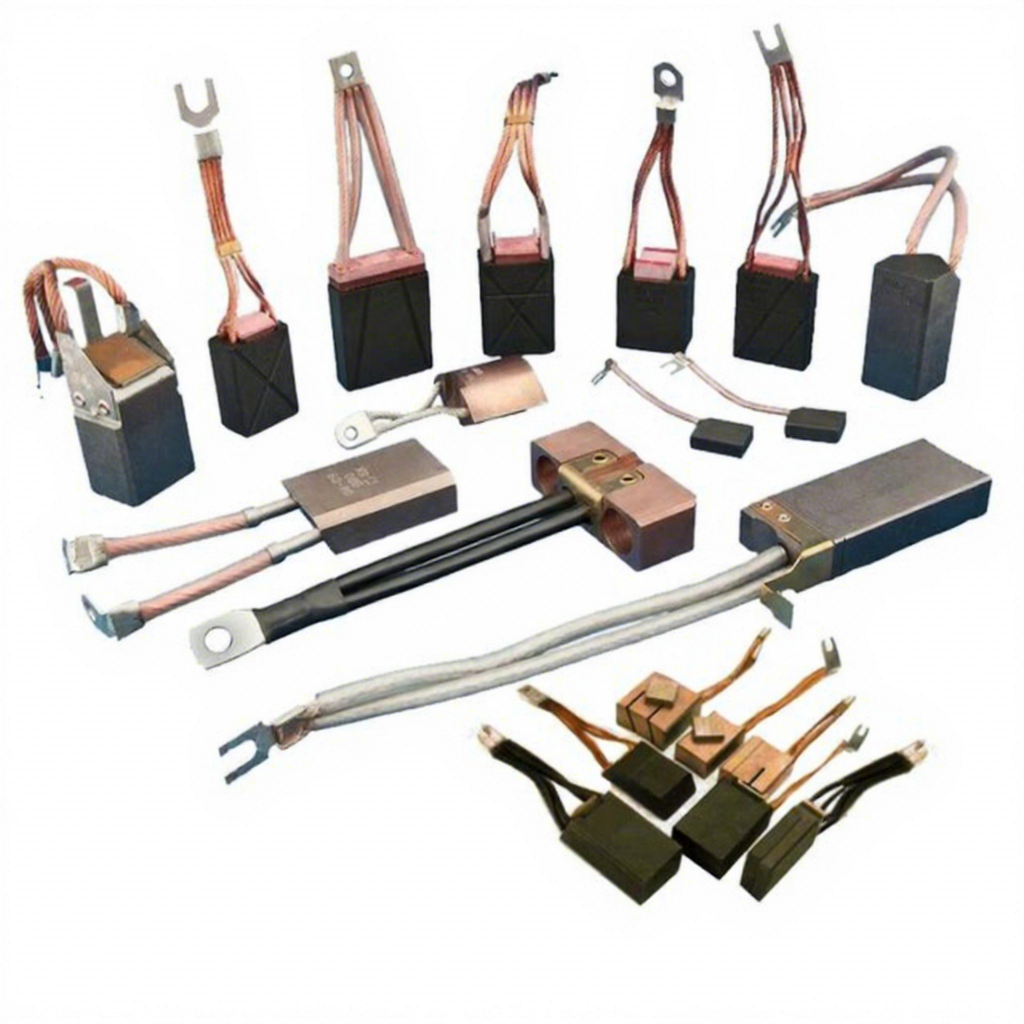
CE-certified electro-graphite and metal-graphite contacts ensuring minimal friction coefficient, reduced commutator wear, and superior conductivity in heavy-duty automotive starters.
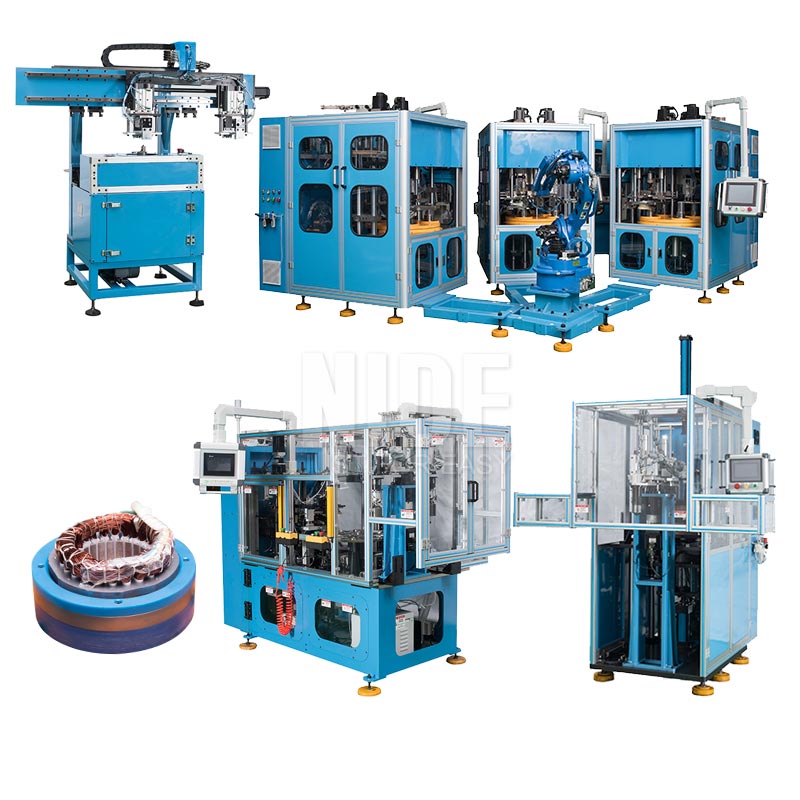
Configurable PLC-controlled modular line engineered for small to mid-scale manufacturers requiring fast changeover between multiple frame sizes and slot geometries.
Ultra-low-noise carbon brush rated for 80-120V operations. Features high thermal resilience, anti-oxidation treatments, and uniform spring load compatibility for extended service lifetimes.
High-purity oxygen-free copper bars cold-formed for high mechanical strength, designed for severe engine compartment vibration and continuous high-temperature duty cycles.
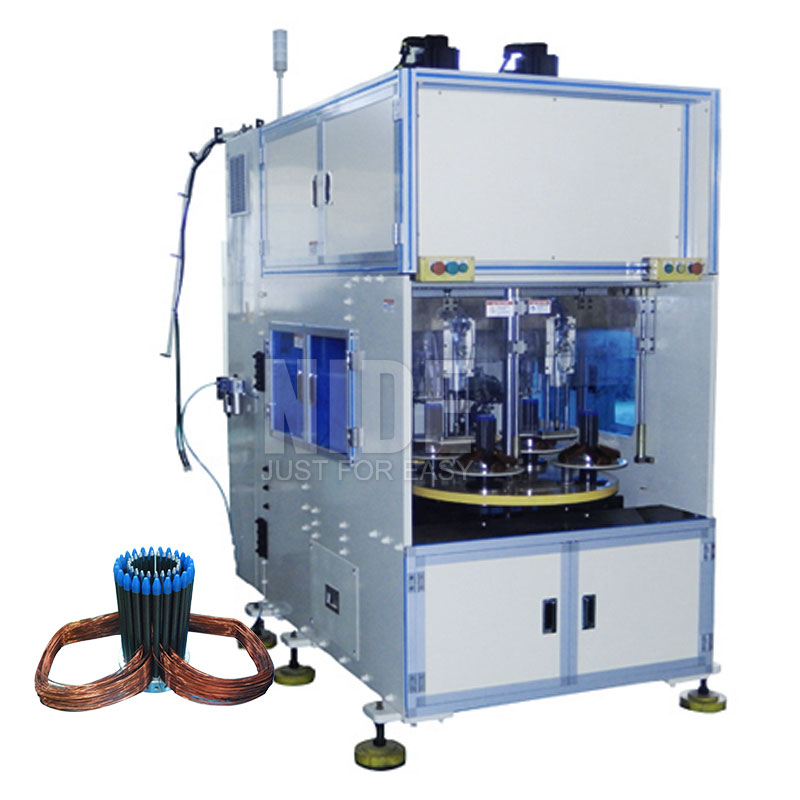
Synchronous coil and slot wedge push system driven by servo kinematics. Ensures scratch-free enamelled wire delivery into complex deep-slot three-phase industrial stators.
In electric machine engineering, transitioning from legacy semi-manual assembly to fully autonomous cell manufacturing is no longer merely an exercise in labor optimization—it is an engineering necessity dictated by copper slot-fill physics, thermal management constraints, and stringent micron-level geometric tolerances. As electric vehicle (EV) traction drives, high-efficiency BLDC industrial drives, and miniature precision actuators demand higher torque density within diminishing axial footprints, motor automation lines must bridge the gap between electrical machine design and high-volume industrial reliability.
Leading tier-1 global motor manufacturers define the efficiency of an automation line by examining three core operational indicators: Overall Equipment Effectiveness (OEE ≥ 88%), strict process repeatability (CpK ≥ 1.67 across critical stations), and copper scrap reduction. Achieving these metrics requires seamless synchronization across winding tension closed loops, servo-actuated slot insulation folding, robotic transfer kinematic cells, and high-frequency real-time optical/electrical inspection stations.
A comprehensive turnkey motor production line divides mechanical assembly and electrical validation into distinct, synchronized stations:
High-speed feeding, creasing, cutting, and inserting of Nomex, DMD, or polyamide insulation paper into stator or armature slots with micro-gap alignment prevents copper-to-iron ground faults.
Utilizing high-speed flyer winders for universal armatures, multi-axis needle winders for internal-slot BLDC stators, or dedicated coil winding forms for multi-pole induction motors with real-time active closed-loop tensioners.
Hot-stake resistance fusing or fiber laser welding ensuring molecular-level bonding between magnet wire ends and commutator tangs without thermal degradation of surrounding winding insulation.
Following winding and lead termination, components pass through multi-stage 3D end-turn forming, dual-head automatic lacing, trickle or vacuum-pressure resin varnishing (VPI), dynamic multi-plane balancing, and computerized end-of-line (EOL) electrical safety test racks (surge, hipot, winding resistance, and partial discharge).
Global procurement teams and plant engineering directors must adapt their Capital Expenditure (CapEx) strategies to match major structural shifts occurring across the e-mobility, industrial, and smart appliance manufacturing sectors.
Procurement for round-wire stators is shifting toward flat rectangular wire ("hairpin") systems in automotive and high-output industrial drives. Hairpin lines raise slot fill ratios from ~45% to over 70%, demanding sub-micron 3D pin bending, mechanical crown twisting, and vision-guided laser welding integration.
Instead of rigid, single-purpose transfer architectures, buyers demand modular cell designs. Palletized flexible servo-driven carriers and standardized quick-change tooling allow a single line to assemble 3 to 5 stator stack variants with changeover times under 30 minutes.
Every motor produced must carry full genealogical serialization. Modern procurement mandates integrated MES platforms capturing real-time torque profiles, winding resistance, fusing energy curves, and bearing press displacement directly to enterprise ERPs.
With silicon carbide (SiC) 800V inverter topologies driving motors faster and hotter, conventional hipot testing is inadequate. Procurement specifications now require high-frequency partial discharge validation at line speed to intercept micro-voids in insulation enamels.
A data-backed comparison between legacy motor assembly paradigms and next-generation intelligent automation architectures.
| Evaluation Parameter | Legacy Motor Manufacturing Line | Next-Gen Intelligent Automation Line | Production Impact |
|---|---|---|---|
| Winding Tension Control | Mechanical friction / hysteresis brakes | Servo closed-loop active electronic tensioning | Eliminates wire stretching, micro-fractures, and diameter necking |
| In-Line Quality Verification | Post-assembly batch sampling | 100% Station-integrated machine vision & EOL testing | Zero-defect delivery; immediate rejection of bad sub-assemblies |
| Line Architecture | Fixed mechanical indexing cam tables | Linear magnetic track pallets & collaborative 6-axis robotics | Dynamic routing, variable station dwell times, rapid retooling |
| Stator Technology Range | Standard round-wire pull-in winding | Multi-tooth needle winding & continuous Hairpin / I-Pin | Supports high torque density motors with slot fill > 70% |
| Traceability & Analytics | Manual paper log sheets | OPC-UA / MQTT cloud-connected edge controllers | Complete digital birth certificate for every individual motor |
Need engineering assistance evaluating cycle times and station sequences for your motor drawings?
Consult with Our Automation SpecialistsLocated in the heart of Ningbo's advanced manufacturing corridor, Ningbo Nakro Intelligent Equipment Co., Ltd. combines specialized electromechanical R&D with extensive export capabilities.
We provide complete accountability: from raw motor design optimization and station layout planning to CNC fabrication, assembly, on-site commissioning, and ongoing process optimization.
Over 13 years of overseas delivery experience across 50+ countries in Southeast Asia, Eastern Europe, South America, and the Middle East, backed by international CE certifications and ISO 9001 quality audits.
Beyond capital equipment, we supply precision commutators, carbon brushes, bearings, shafts, end covers, and lamination packs, verifying tool compatibility using actual production materials.
We provide comprehensive lifecycle support through remote IoT telemetry diagnosis, localized field service partners, comprehensive spare-parts stock, and on-site factory acceptance testing (FAT).
Detailed technical answers addressing common procurement, integration, and operational questions for overseas plant managers and technical buyers.
Send your motor technical drawings, frame specifications, and targeted annual output to our sales engineering team for a detailed line proposal, cycle-time simulation, and comprehensive quotation.
Inquire Now