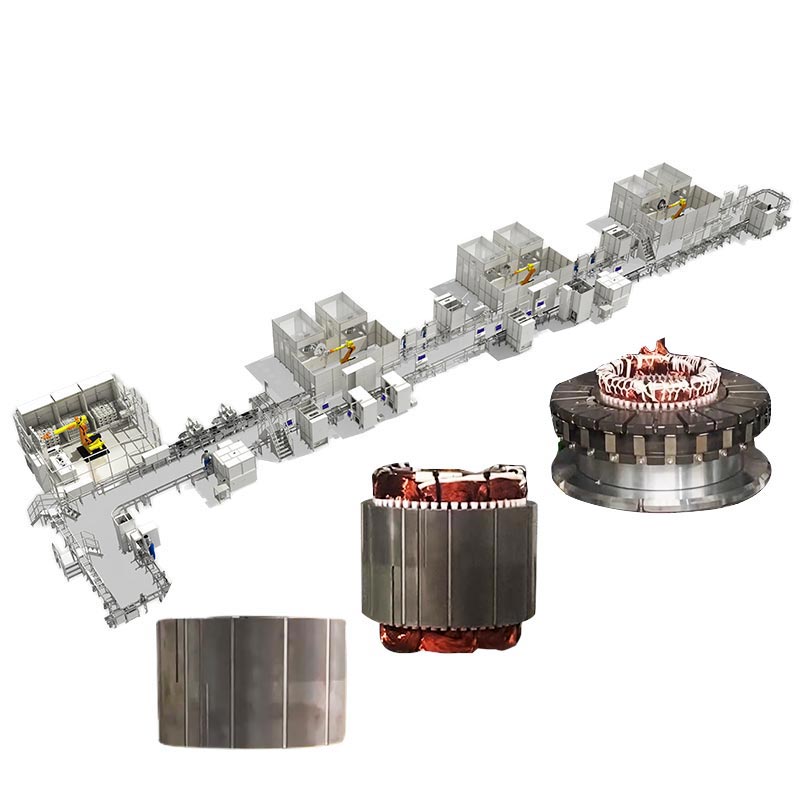
Featured Turnkey Solutions
High-Efficiency Motor Assembly Lines & Precision Components
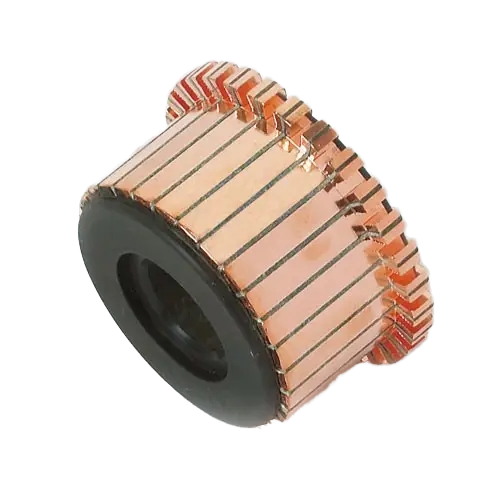
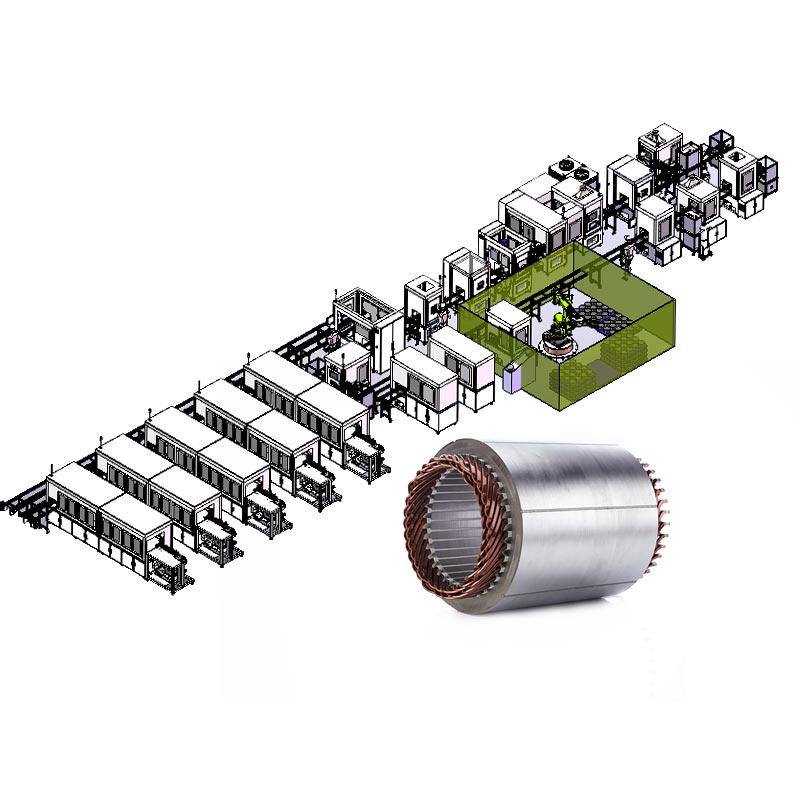
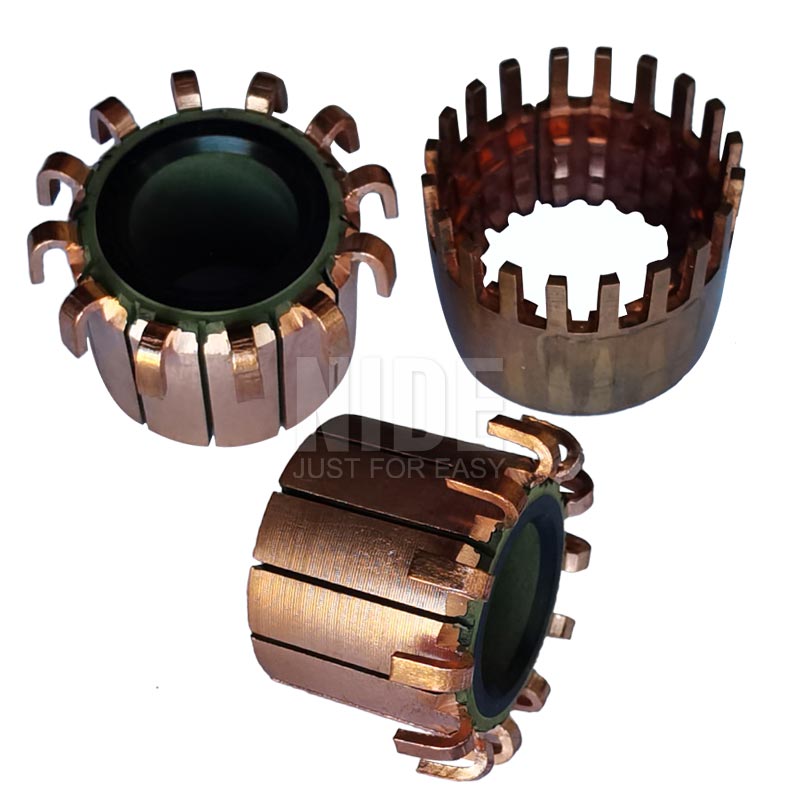
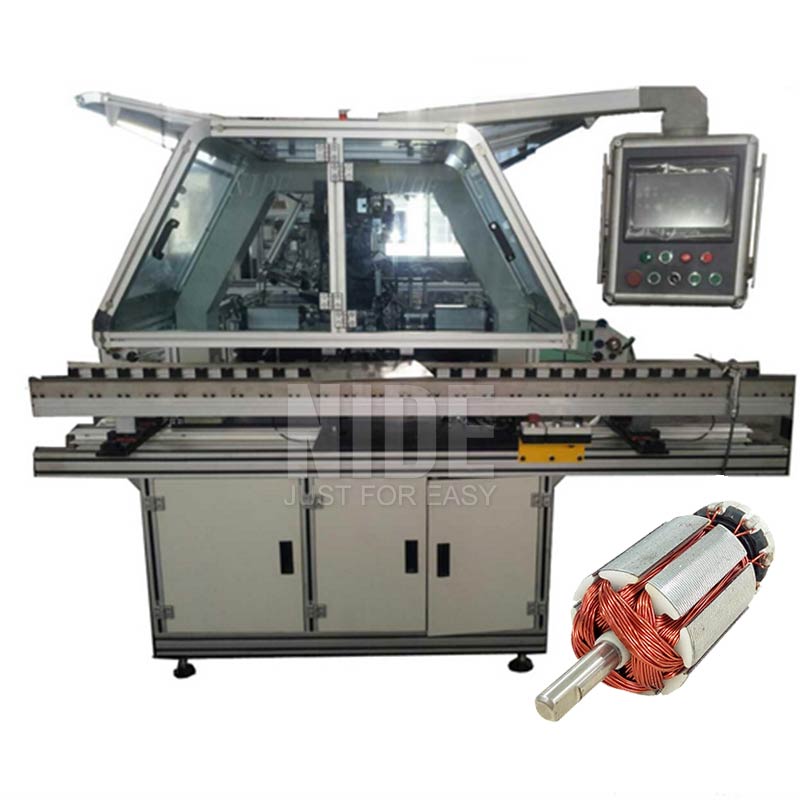
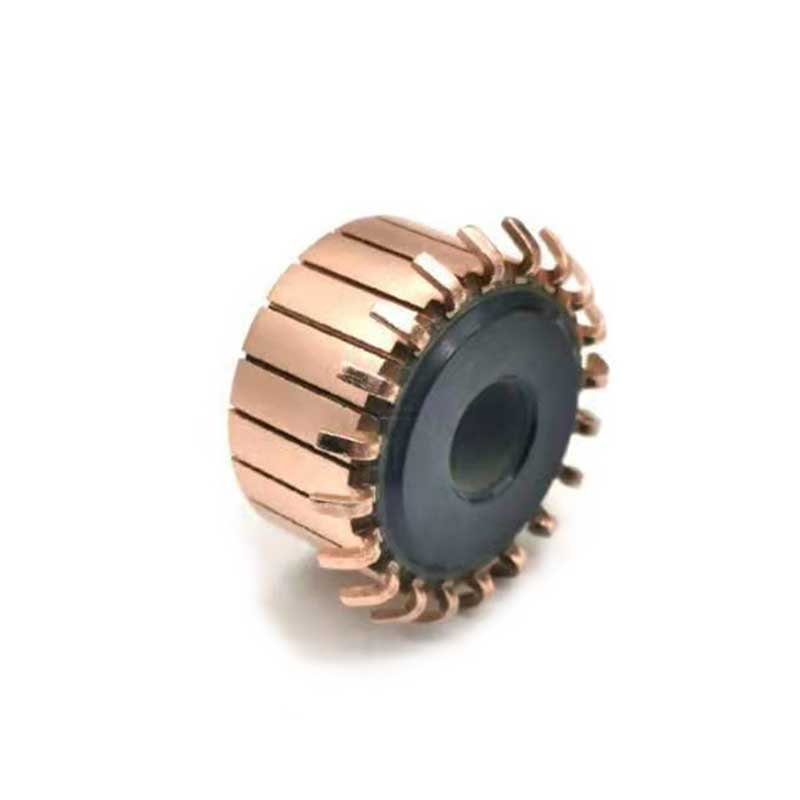
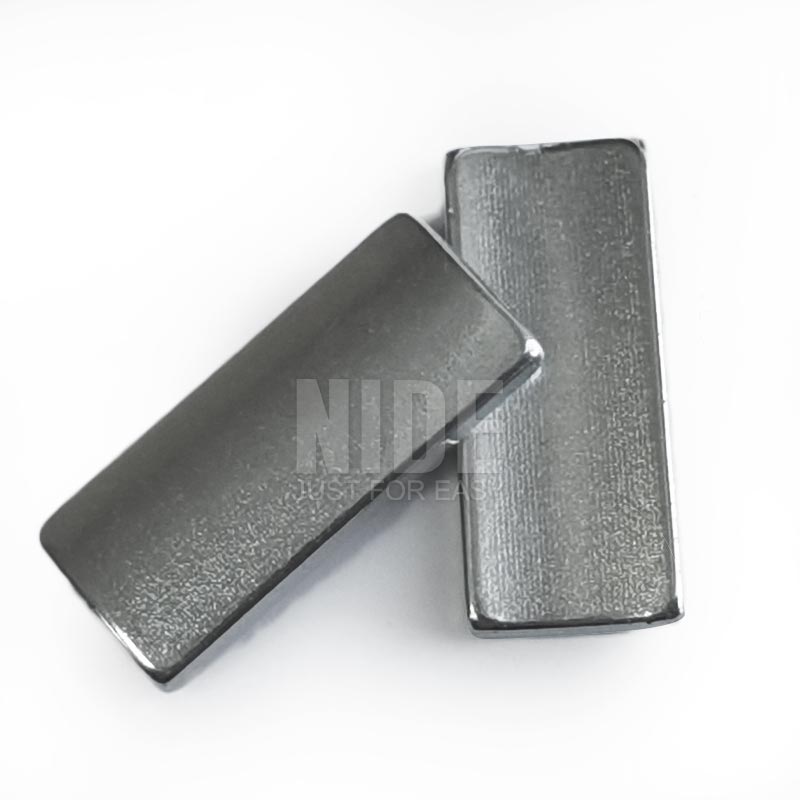
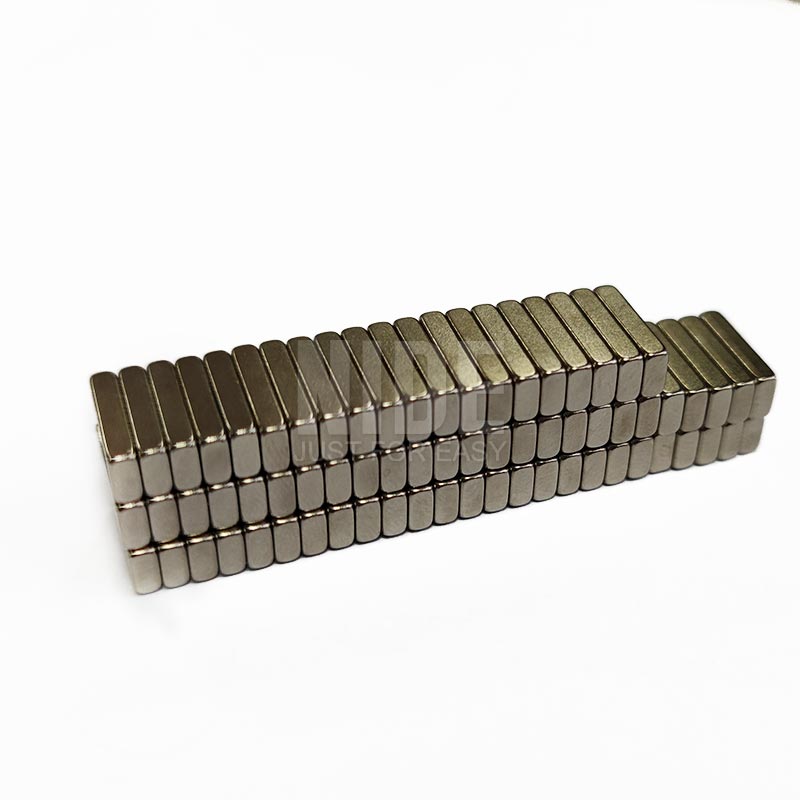
Explore our core engineering catalog featuring CE-certified hairpin stator production lines, automated armature flyer winders, segmented copper commutators, and N52 rare-earth magnetic modules.
2010
Year Established
50+
Countries Exported Directly
30,000+
Sq. Meters Manufacturing Base
13+
Years Continuous Global Service
Technical Whitepaper
Engineering Architecture of Modern BLDC Motor Production Lines
A comprehensive examination of slot fill optimization, multi-axis servo synchronization, dynamic balancing, and integrated end-of-line quality validation.
1. Transitioning from Brushed to Brushless DC: The Manufacturing Imperative
The global transition across mobility, HVAC, industrial power tools, and consumer robotics has fundamentally shifted motor topology from traditional mechanical commutators to Brushless Direct Current (BLDC) and Permanent Magnet Synchronous Motors (PMSM). Eliminating physical carbon brushes and mechanical commutators resolves critical challenges related to acoustic emissions, electrical arching, thermal degradation, and mechanical friction. However, this engineering transition shifts the manufacturing complexity directly onto the automated assembly line.
Unlike brushed DC armatures where wire turns are guided into open rotor slots with flyer winders and hooked to commutator bars, BLDC stator manufacturing mandates strict slot insulation integrity, concentrated multi-pole needle winding, and precise terminal termination. Modern factory assembly lines must accommodate highly variable stack heights, complex slot pole ratios (such as 9-slot 6-pole, 12-slot 8-pole, or 12-slot 14-pole configurations), and varied wire gauges without causing mechanical insulation stress or copper stretching.
Key Engineering Standard: Achieving copper slot fill factors exceeding 52% in concentrated inner-stator winding demands synchronized tensioning algorithms where wire tension is varied dynamically based on winding needle acceleration, nozzle sweep angles, and index speeds.
2. Core Machine Stations in a Turnkey BLDC Manufacturing Cell
A high-yield turnkey BLDC manufacturing plant consists of standardized yet reconfigurable modules designed to maintain takt times between 8 to 22 seconds per completed stator unit:
- Automated Slot Insulation Insertion: High-speed servo punch mechanisms form and cut Nomex, DMD, or polyester film into precise profiles, cuffing ends to prevent copper shear, or alternating with electrostatic epoxy powder coating cells for tight stator profiles.
- CNC Multi-Axis Needle Winding: High-precision spindles driven by multi-axis CNC controllers coordinate the needle's vertical reciprocating stroke, rotational movement, and stator angular indexing. Wire guide nozzles route enamelled wire directly into the stator pole shoes with tight layer control.
- Lead Wire Routing & Terminal Fusing / Soldering: Automated stripping of magnetic wire coatings followed by resistance hot-crimping, laser stripping, or ultrasonic brazing to PCB/terminal pins, guaranteeing contact resistance below 0.5 milliohms.
- Automated Rotor Magnet Assembly & Adhesive Curing: Precision robotic pick-and-place modules position segmented N52 sintered NdFeB magnets onto inner or outer rotor cores with precise adhesive volume dispensing, followed by thermal or UV curing.
- Dynamic Rotor Balancing: Two-plane balancing stations assess unbalance vectors at speeds up to 10,000 RPM, performing material subtraction through precision milling or addition via balancing clay/weight pins.
- Stator-Rotor Housing Press-Fit & End-of-Line (EOL) Testing: High-rigidity servo press units fit precision ball bearings and close rotor assemblies into housings, followed by comprehensive testing of surge waveforms, Hi-Pot insulation resistance, phase resistance, and Back-EMF symmetry.
Concentrated Needle Winding
Multi-axis coordinated motion profiles enable continuous layered winding directly over internal stator teeth, eliminating unnecessary end-turn overhang, reducing copper resistance, and maximizing torque density.
Active Tension Modulation
Closed-loop magnetic powder or electronic servo tensioners dynamically modulate wire tension between acceleration, steady stroke, and needle indexing to prevent enamel micro-cracking and wire elongation.
Integrated EOL Verification
Fully automated inline electrical workstations evaluate dielectric breakdown (Hi-Pot up to 5kV), inter-turn surge discharge profiles, Hall sensor timing jitter, and no-load harmonic distortion in real time.
Strategic Sourcing Intelligence
Future Procurement Trends in BLDC & Hairpin Production Lines
How global tier-1 suppliers, automotive OEMs, and appliance leaders are aligning capital expenditure with emerging electrical machine architectures.
Flat Wire Hairpin Dominance
Automotive powertrains are rapidly abandoning round wire designs. Hairpin technology utilizing rectangular copper conductors pushes slot fill factors beyond 70%, demanding automated laser stripping, precision 3D CNC bending, and robotic laser welding systems.
Modular "Plug-and-Produce" Architecture
Procurement teams no longer purchase monolithic, inflexible lines. Modern investment favors modular standard platforms where winding, inserting, balancing, and testing cells can be expanded or retooled in under 48 hours for different motor footprints.
Closed-Loop Traceability & OEE Data
Integration of OPC UA/MQTT industrial protocols directly inside PLC controllers enables motor manufacturing data—including winding tension history, press-fit displacement curves, and dielectric leakage values—to bind to unit QR codes.
Factory Authority
Why Tier-1 Manufacturers Partner with Nakro Intelligent Equipment
Headquartered in Ningbo, Zhejiang, our 30,000+ square meter engineering campus bridges mechanical design, component fabrication, and international field commissioning.
End-to-End Solutions
From individual stand-alone stator insertion machines to complete turnkey production lines, we supply the machinery, tooling, and peripheral testing units from a single manufacturing source.
Integrated Component Supply
Beyond capital machinery, our ecosystem provides genuine factory-matched motor components: segmented commutators, N52 magnets, precision shafts, carbon brush holders, and insulating laminates.
Dedicated R&D Engineering
Our in-house design team engineers custom winding nozzles, inserting fingers, and multi-pole fixtures directly from your CAD lamination drawings, eliminating third-party tooling delays.
Global Service & Trial Run
Every line executes a rigorous factory trial run using your specific laminations and wire. Overseas technical partners ensure seamless on-site commissioning, operator training, and rapid spare parts replenishment.
Procurement Guidance
Frequently Asked Questions Regarding Motor Line Procurement
Direct technical and commercial answers addressing common engineering concerns, FAT protocols, tooling lead times, and customization limits.
What parameters and engineering files are required to configure a turnkey BLDC line?
+
To provide a line layout, cycle time simulation, and commercial quotation, our engineering team requires: (1) 2D/3D stator and rotor lamination stack drawings with slot dimensions and stack height tolerances; (2) Wire specification including conductor bare diameter, insulation thermal class, and slot fill requirements; (3) Winding schematic indicating slot-pole sequence, star/delta termination, and lead routing; and (4) Planned annual output or desired takt time (seconds per unit).
What is the Factory Acceptance Test (FAT) validation procedure prior to overseas dispatch?
+
We require customers to supply sample quantities of core laminations, enamelled wire, and insulation paper. The machine or integrated line runs under full operational speed in our Ningbo facility. We verify continuous cycle time, dimensional integrity of wound coils, absence of wire insulation scraping via salt-bath testing, and complete electrical characteristics (surge, Hi-Pot, resistance). High-definition run-off video records and coordinate measurement inspection reports are shared for formal sign-off. Buyers are also invited to our plant in person or via live video audit.
Can one automated assembly line handle multiple motor models with different stack heights?
+
Yes. Our BLDC needle winders and stator assembly cells feature quick-change tooling designs. Variations in stator stack height are accommodated automatically via recipe selection in the PLC touchscreen, which adjusts servo stroke limits. For different slot numbers or outer diameters, modular tooling kits (indexing chucks, winding nozzles, and wire strippers) can be swapped out by factory technicians within 30 to 45 minutes without requiring recalibration of the core motion controller.
How does your factory ensure overseas commissioning and long-term after-sales support?
+
Ningbo Nakro Intelligent Equipment has exported automated machinery to over 50 countries across Southeast Asia, Europe, South America, and the Middle East since 2010. We deploy specialized mechanical and electrical commissioning engineers for on-site installation, line integration, and operator training. Furthermore, all machines are equipped with secure remote industrial VPN modules, allowing our Ningbo software engineers to assist in PLC diagnostics, program updates, and parameter optimization in real time.
What are your standard trade terms, commercial currencies, and international payment options?
+
We support standard Incoterms including FOB Ningbo/Shanghai, CFR, and CIF destination ports worldwide. Commercial transactions are accepted in USD, EUR, and CNY via Wire Transfer (T/T) and Irrevocable Letters of Credit (L/C) at sight. All export machinery is crated inside treated, seaworthy vacuum-sealed wooden cases to eliminate corrosion during ocean transit.
Accelerate Your Electric Motor Manufacturing Line Today
Submit your stator/rotor design drawings. Our senior automation engineers will evaluate your process and provide a comprehensive proposal within 24 business hours.
