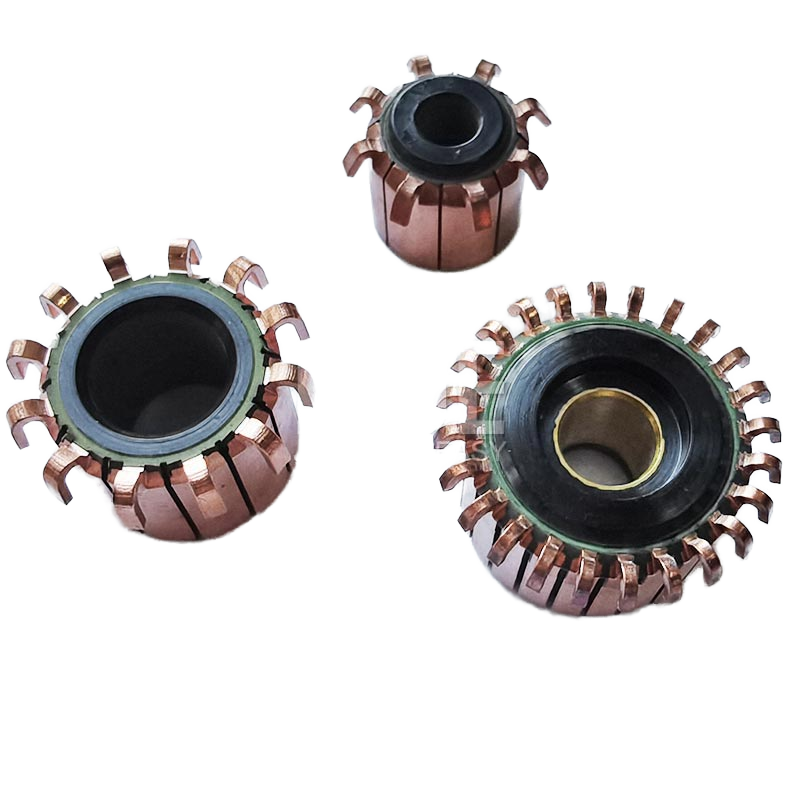
Universal DC Motor Armature Hook Commutator Model NDPJ-HXQ-183
High-precision stamping rotor and stator system configured for consistent dynamic balancing, hook welding stability, and strict coil resistance conformity.
Get a QuoteIn high-throughput e-mobility, industrial motor manufacturing, and consumer appliance assembly lines, stator testing systems are the critical gatekeepers of electromagnetic reliability and operational safety. Ningbo Nakro Intelligent Equipment Co., Ltd. delivers advanced turnkey production architectures that integrate inline electrical evaluation, precision winding, and automated assembly directly into industrial environments.
A stator's core failure modes—partial discharge breakdown under high-frequency PWM switching, micro-shorting between turns, and asymmetrical DC winding resistances—cannot be corrected once a motor is assembled and resin-potted. Modern testing stations built by leading Chinese manufacturers deploy multichannel AC/DC Hipot, Megohm insulation, high-frequency surge testing, and micro-ohm resistance evaluations in single-cycle testing jigs operating in cycle times under 15 seconds.
Engineered for full process integration, these core production and auxiliary units complement automated testing stations to achieve zero-defect assembly performance across multi-phase brushless and universal motor platforms.
High-precision stamping rotor and stator system configured for consistent dynamic balancing, hook welding stability, and strict coil resistance conformity.
Get a Quote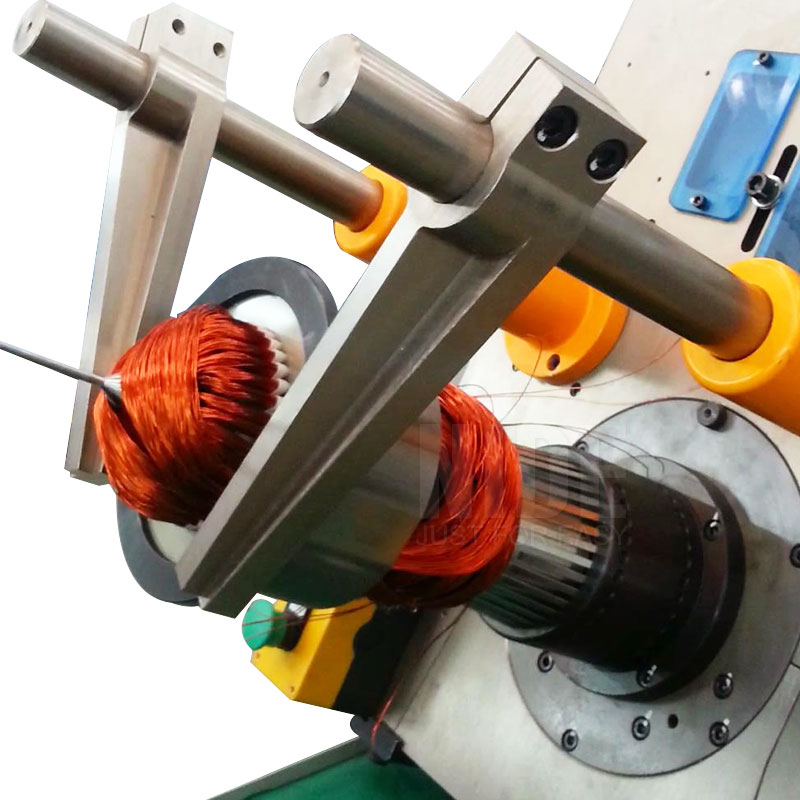
Engine PLC controlled core inserting station protecting enamel wire integrity and insulation slot paper during simultaneous wedge insertion cycles.
Get a Quote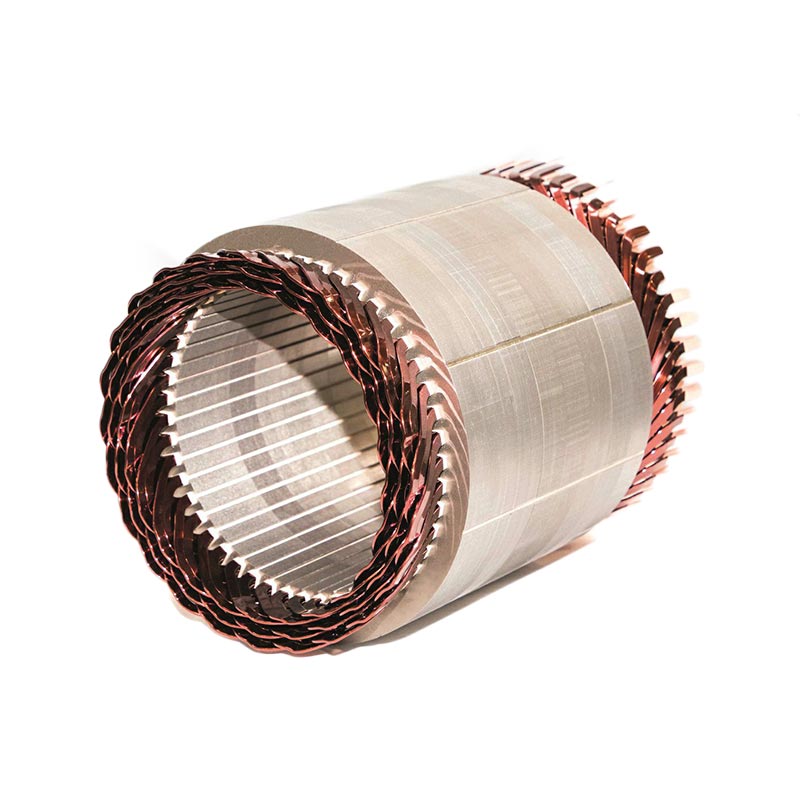
Next-generation EV drive platform featuring complete 2D/3D bending, automatic insertion, twisting, laser stripping, laser welding, and high-voltage PD testing.
Get a Quote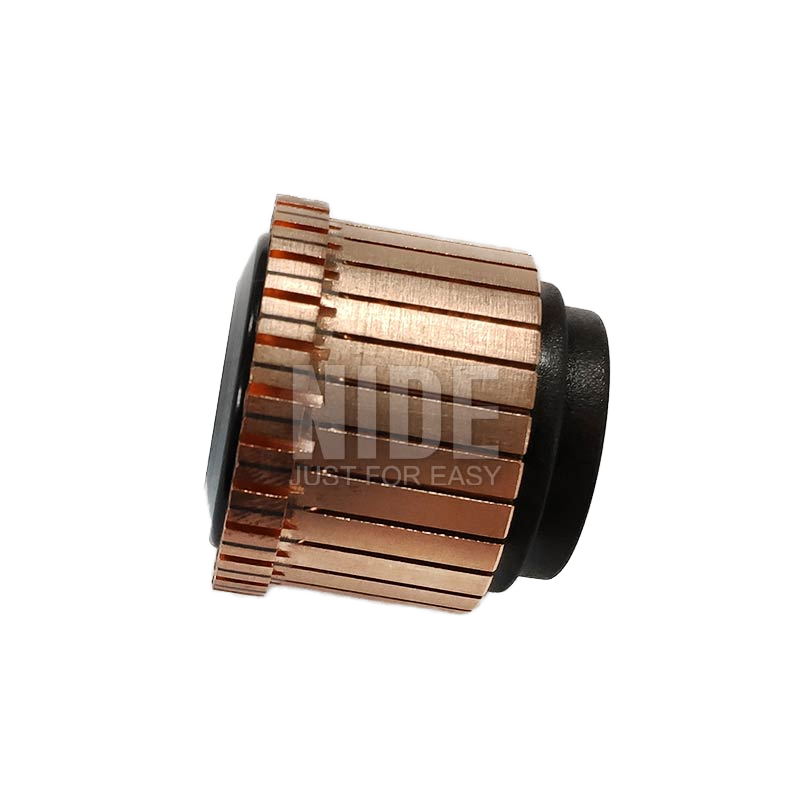
CCC certified premium dielectric commutator component engineered for continuous high-speed industrial armature spinning with low thermal drift.
Get a Quote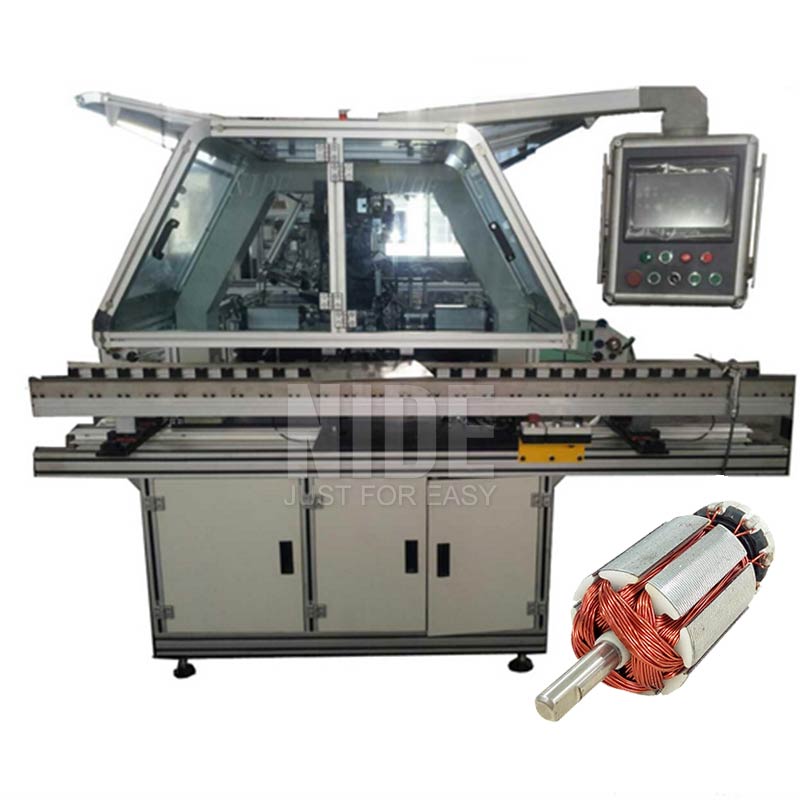
Flyer-type precision tension armature winding machinery designed to eliminate wire stretch while achieving balanced coil profiles before surge verification.
Get a Quote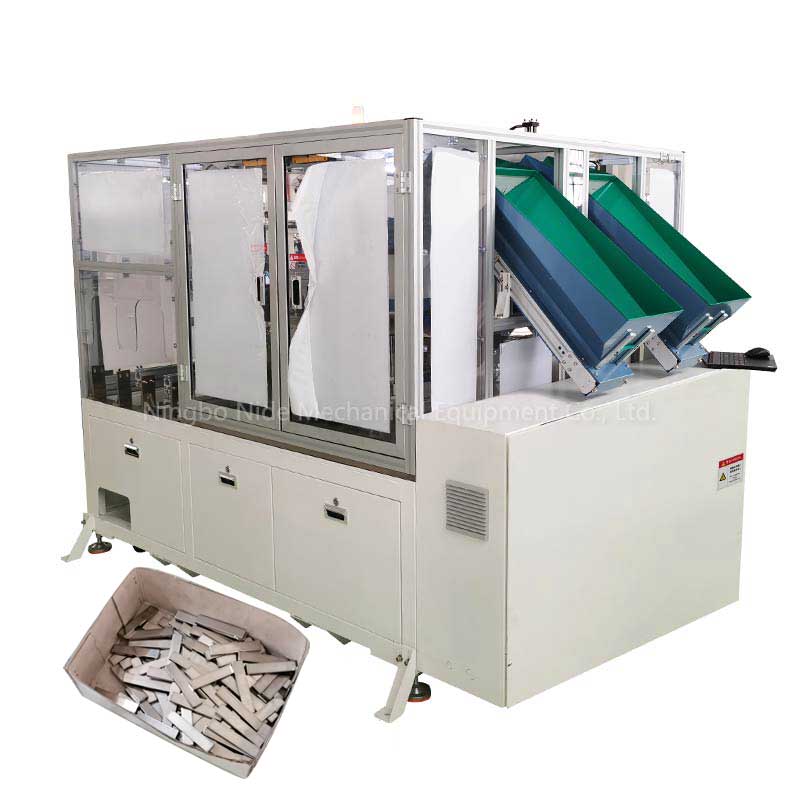
Automated structural dispensing and magnetic pole orientation station ensuring optimal air gap flux alignment prior to rotor-stator final housing assembly.
Get a Quote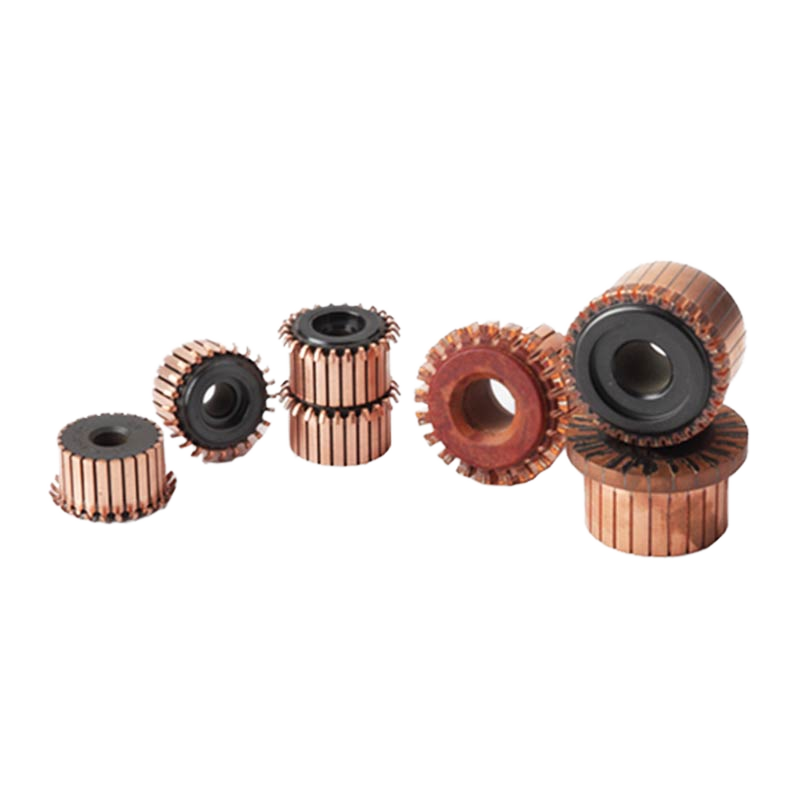
Heavy-duty power tool and grinder armature commutator built for micro-resistance uniformity and zero flashover during high-pot test sequences.
Get a Quote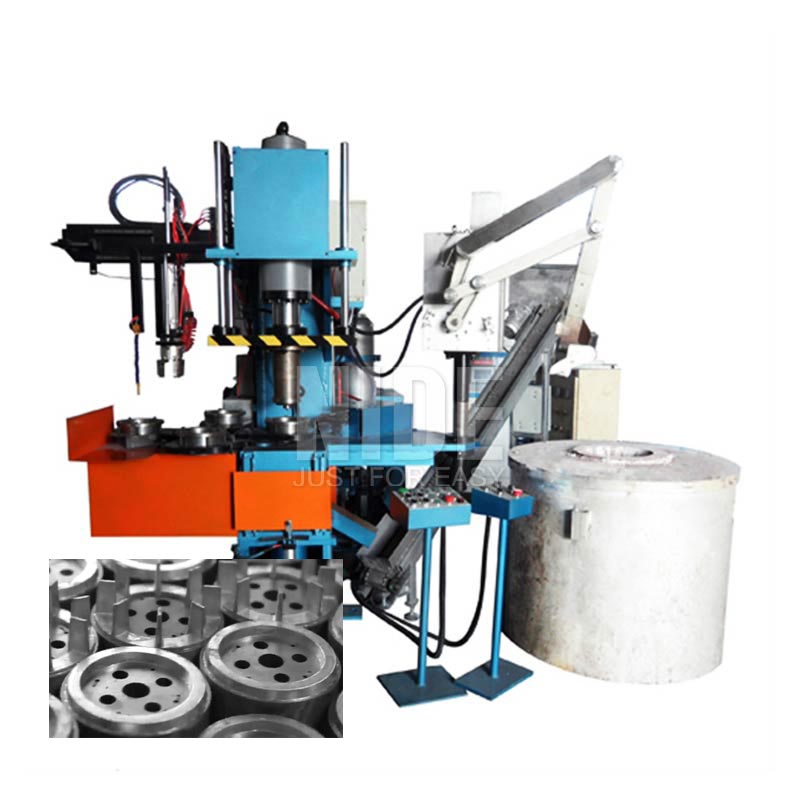
High-speed aluminum rotor end-ring and conductor bar casting unit eliminating internal porosity to maintain optimal magnetic field conductivity.
Get a QuoteGlobal procurement teams are shifting away from standalone, manual test benches toward fully unified, data-driven end-of-line (EOL) testing cells. When procuring stator testing machinery from Chinese top-tier manufacturers, Tier-1 automotive and appliance suppliers evaluate five essential technological capabilities.
Traditional high-pot testing cannot detect nascent micro-voids in insulation enameling. As EV powertrains transition to 800V architectures and silicon carbide (SiC) inverters, pulse-reflection and high-frequency PD testing are now mandatory to ensure lifetime insulation integrity under sharp dV/dt transient spikes.
Instead of relying on rudimentary area difference or corona extraction metrics, next-generation Chinese stator testing factories utilize edge AI processors. These algorithms cross-reference ringing oscillations against historical datasets to instantly isolate inter-turn short circuits, wire scraping, and sub-surface winding crosses.
Global buyers now require machines equipped with SECS/GEM and OPC-UA industrial protocols. Testing parameters—including temperature-compensated winding resistance, insulation resistance at 1000V DC, and leakage currents—must be bound to 2D matrix serial numbers for lifetime traceability.
| Inspection Dimension | Conventional Test Methodology | Advanced Industry Benchmark (Nakro Solution) | Strategic Quality Impact |
|---|---|---|---|
| Winding Resistance | Standard 2-wire multimeter bridge | 4-wire Kelvin bridge with PT100 thermal compensation | Eliminates ambient drift; identifies cold solder joints & unequal wire turns |
| Dielectric Withstand (Hipot) | Manual AC 1.5kV ramp test (Pass/Fail) | Programmable AC/DC 5kV ramp, arc-detection (<10µs response) | Prevents insulation puncture damage; catches minute dielectric degradation |
| Inter-Turn Impulse Surge | Visual oscilloscope inspection | High-speed sampling (100MHz+), automated Area & Diff Area analysis | Guarantees zero phase-to-phase shorts in high-voltage operational cycles |
| Insulation Resistance | 500V Megohmmeter testing | Up to 1500V DC programmable testing (0.1MΩ to 99GΩ range) | Confirms slot liner, wedge, and phase paper hygroscopic safety |
Founded in 2010 in the industrial manufacturing hub of Ningbo, China, Nakro has evolved from a specialized machine workshop into a recognized global exporter of integrated motor manufacturing systems and automated diagnostic machinery.
Every stator tester, armature winder, and assembly fixture undergoes rigorous six-stage stage-gate quality audits prior to crating and export loading.
From core slot lamination assembly, needle winding, and coil insertion to high-voltage test chambers, we engineer complete turnkey production cells.
Our dedicated engineering department builds custom pneumatics, servo-driven multi-axis clamping tooling, and modular probe heads tailored to your proprietary stator geometries.
Exporting to more than 50 countries, we maintain responsive on-site commissioning services, remote PLC telemetry assistance, and regional component supply.
Essential engineering and procurement considerations addressed by Nakro's technical application team.
Connect directly with our senior application engineers in Ningbo. Provide your stator stack height, slot count, enamel wire gauge, and target cycle times to receive a detailed technical proposal and customized testing machine blueprint.
