The global transition from mechanical commutated platforms to Brushless DC (BLDC) and Permanent Magnet Synchronous Motors (PMSM) represents an irreversible evolution across automotive electrification, industrial automation, robotics, and consumer appliances. As power density benchmarks rise and spatial envelopes contract, the global procurement landscape for BLDC motor manufacturing equipment has pivoted from basic mechanical automation to comprehensive, cyber-physical turnkey systems capable of micron-level kinematic repeatability.
1. The Architectural Shift: Concentrated Needle Winding vs. Hairpin Stators
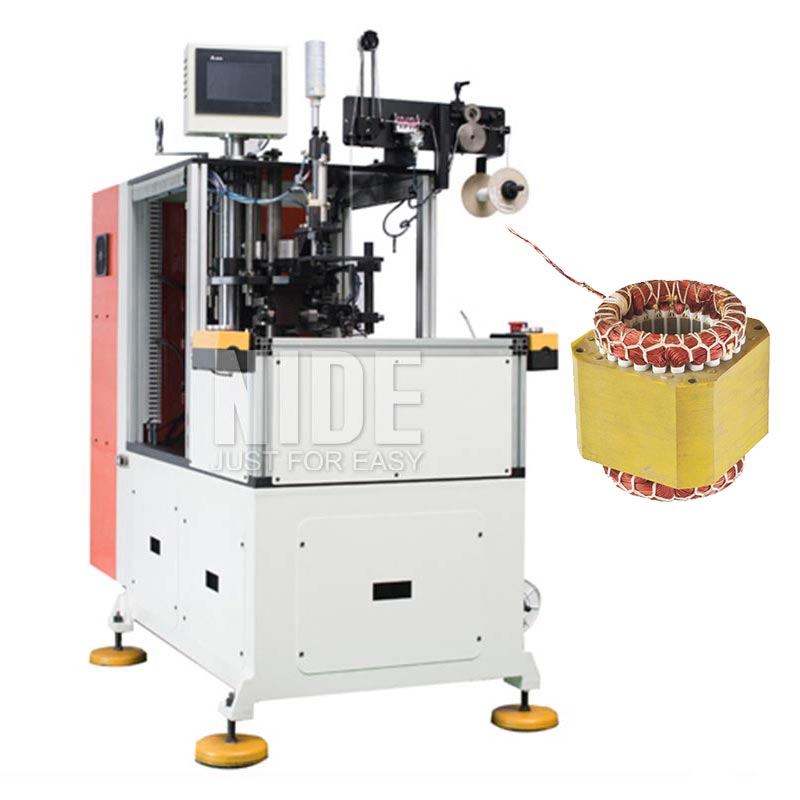
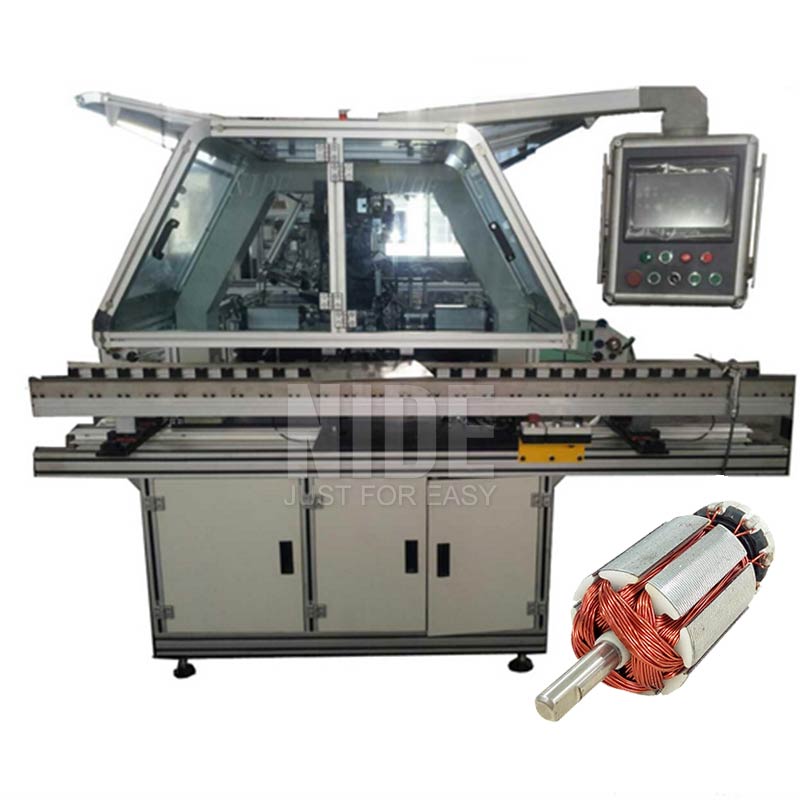
Modern motor manufacturers are confronted with a dual divergence in core winding architecture: slotted internal-stator brushless configurations versus flat-wire hairpin winding arrays. Conventional needle winding machines have undergone significant technological refinements. Multi-axis CNC synchronization now permits winding needle trajectories to execute complex, multi-tooth continuous loops without stressing copper enamel coatings, driving copper slot-fill factors above 52% in fractional-horsepower and drone propulsion motors.
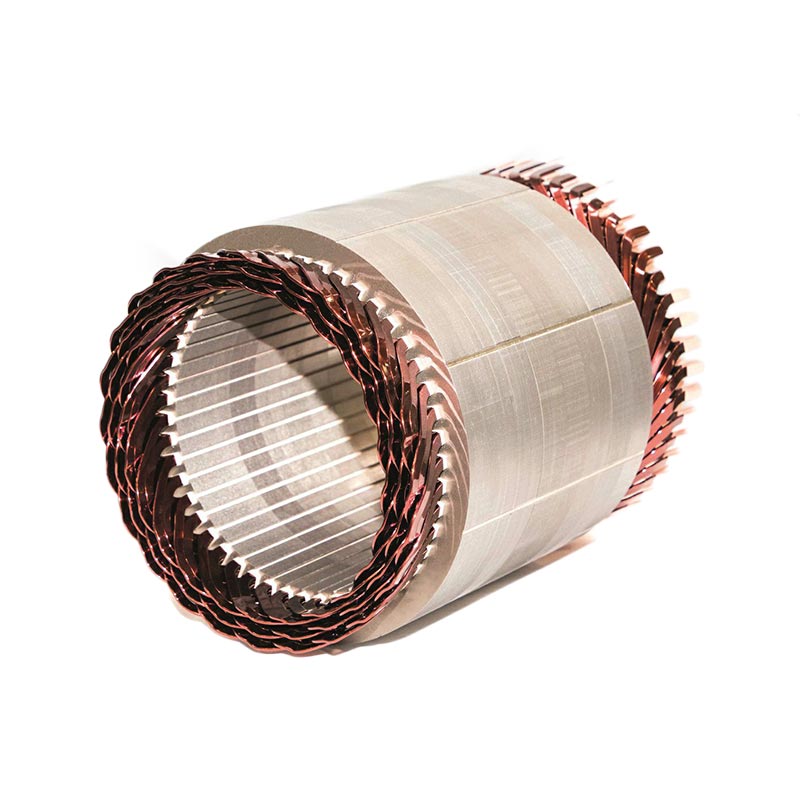
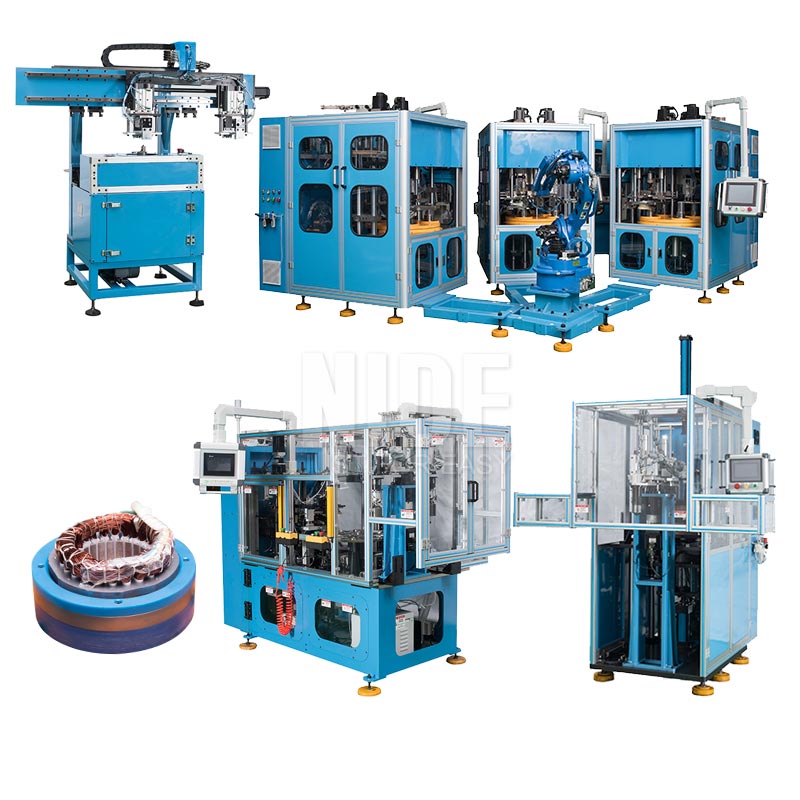
Conversely, for electric vehicles (EV) and high-power industrial drivetrains, Hairpin Winding Technology has become the gold standard. Utilizing solid rectangular copper conductors instead of round, multi-strand wire bundles, hairpin architecture elevates the slot-fill factor beyond 72%, mitigating resistive $I^2R$ thermal dissipation and maximizing continuous torque density. However, this raises engineering challenges: equipment buyers must invest in machinery that coordinates conductor straightening, precision 3D CNC pre-forming, CNC paper insulation punching, automated basket insertion, twisting, and zero-defect laser welding.
Higher Slot Fill Factors
Advancements in tension servo control and dynamic wire guiding blades allow tooling to navigate narrower slot openings without degrading dielectric varnish, drastically improving electromagnetic field output.
In-Line Laser Processing
Fiber laser stripping and vision-guided laser beam welding replace manual brazing and mechanical stripping, ensuring zero copper oxidation and microscopic junction consistency across every weld bead.
End-of-Line Verification
Modern stations incorporate real-time surge, AC/DC hipot, inter-turn partial discharge (PD), and back-EMF waveform characterization directly within the automated conveyor cycle time.
2. Future Procurement Trends: Total Lifecycle Integration & Modularity
Engineering and procurement teams are rapidly discarding the fragmented model of purchasing uncoupled, discrete workstations from disparate regional vendors. Disparities in PLC communication buses, mismatched transport heights, uncoordinated cycle times, and splintered after-sales accountability frequently erode line availability below 70% during initial launch windows.
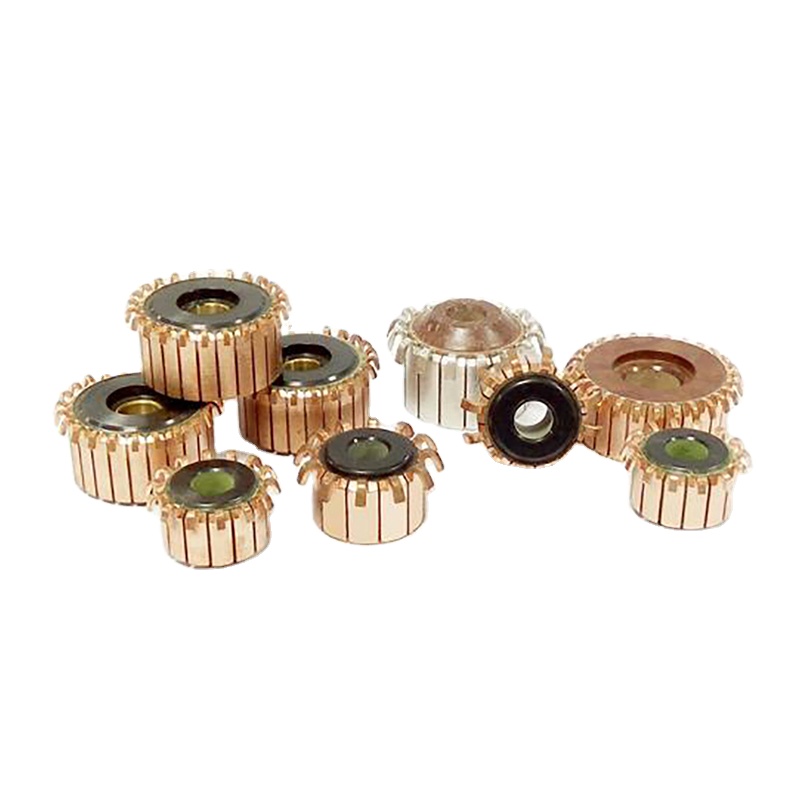
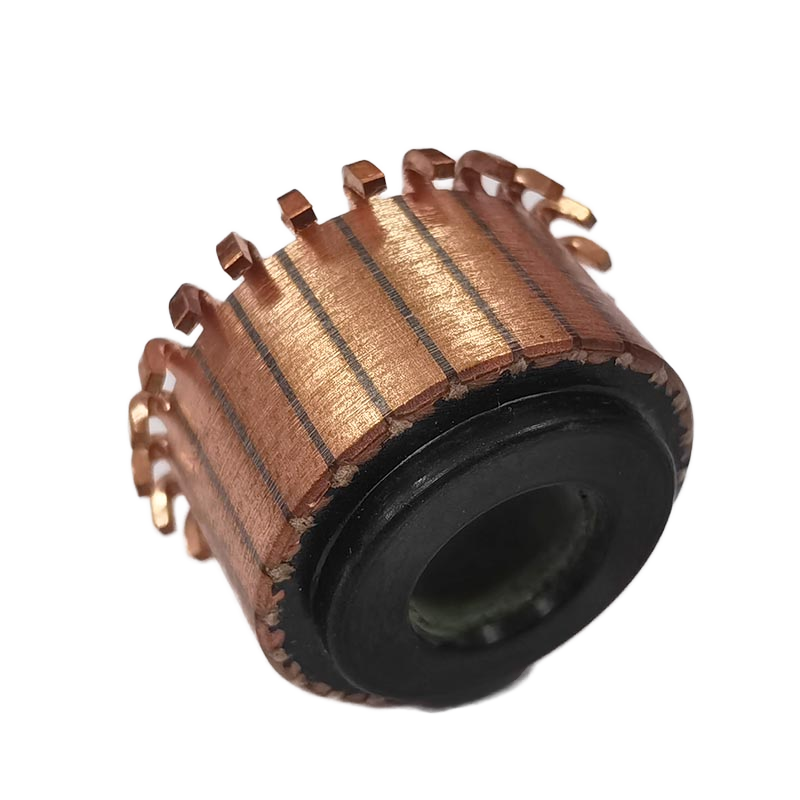
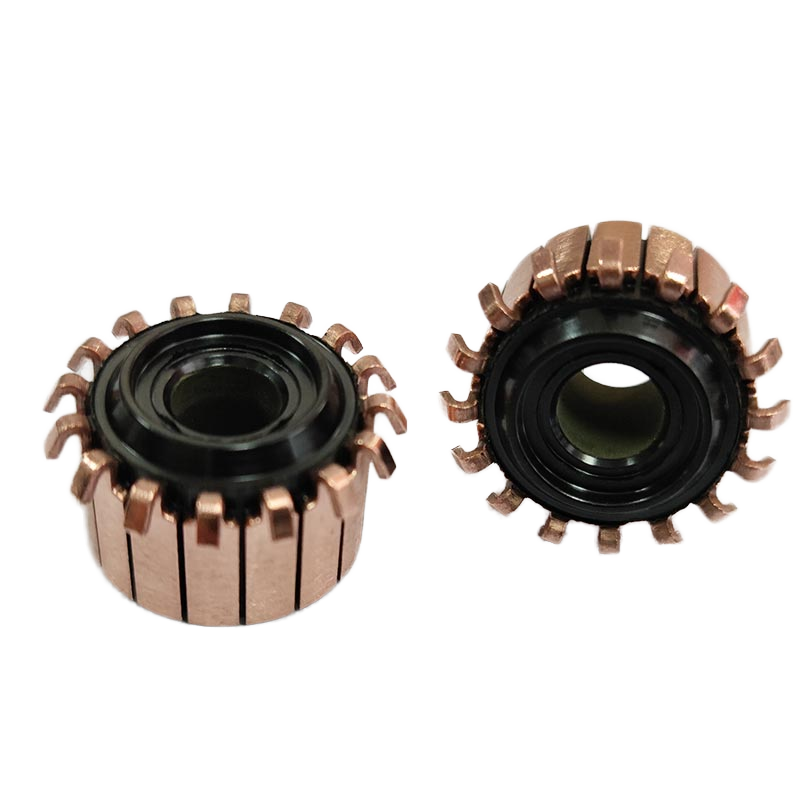
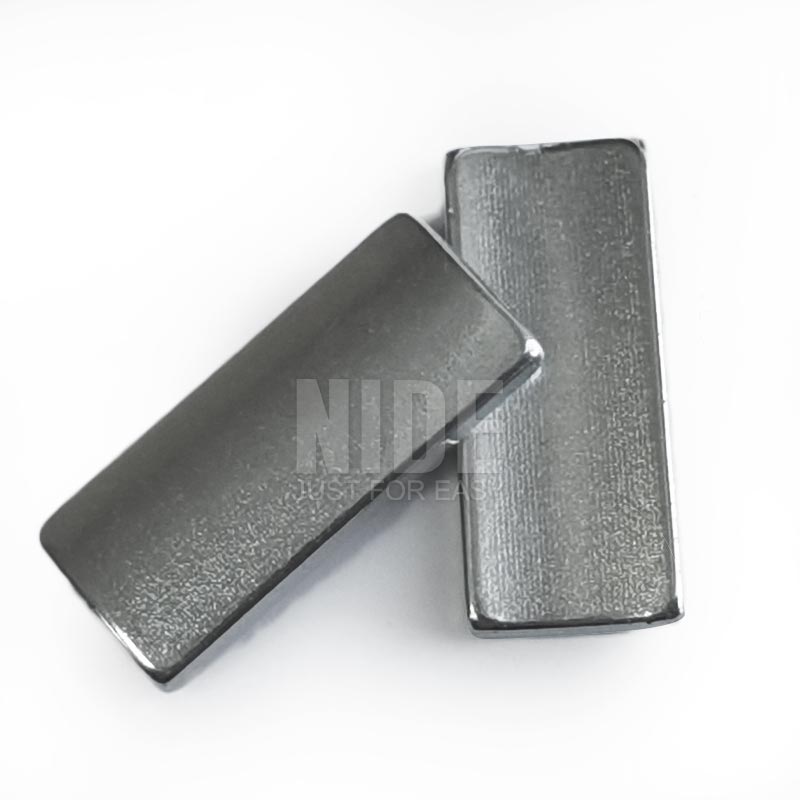
The contemporary procurement mandate dictates Turnkey Line Responsibility. Chinese engineering exporters that manufacture both automated production infrastructure and supply matching structural electro-mechanical components—such as commutators, dynamic balancing rings, and sintered N52 neodymium magnets—enable plants to de-risk overseas investments. Through integrated single-source factory acceptance tests (FAT), lamination stacks, winding fixtures, and magnet insertion tools are fully validated using the customer's exact raw materials prior to containerized dispatch.
Tooling Changeover Speed
Procuring lines with quick-disconnect tooling plates and saved HMI recipe parameters allows factories to switch lamination stack heights and wire diameters in under 30 minutes.
Component Harmonization
Specifying globally available industrial componentry—such as Omron or Mitsubishi PLCs, SMC pneumatics, and THK linear guides—ensures effortless global maintenance.
Data Traceability (MES)
High-end lines must write critical metrics—individual winding tension curves, fusing temperature profiles, and coil resistances—into centralized manufacturing execution systems.
Yield-Driven ROI
Total cost of ownership calculations prioritize machines that hold scrap rates under 0.3% over lower upfront capital purchase prices, maximizing lifetime copper and steel utilization.