Featured Stator Winding & Motor Production Machinery
Explore top-tier equipment engineered for high copper fill factor, precise tension control, and flexible automated assembly lines across standard, hairpin, and specialty brushless motor stators.
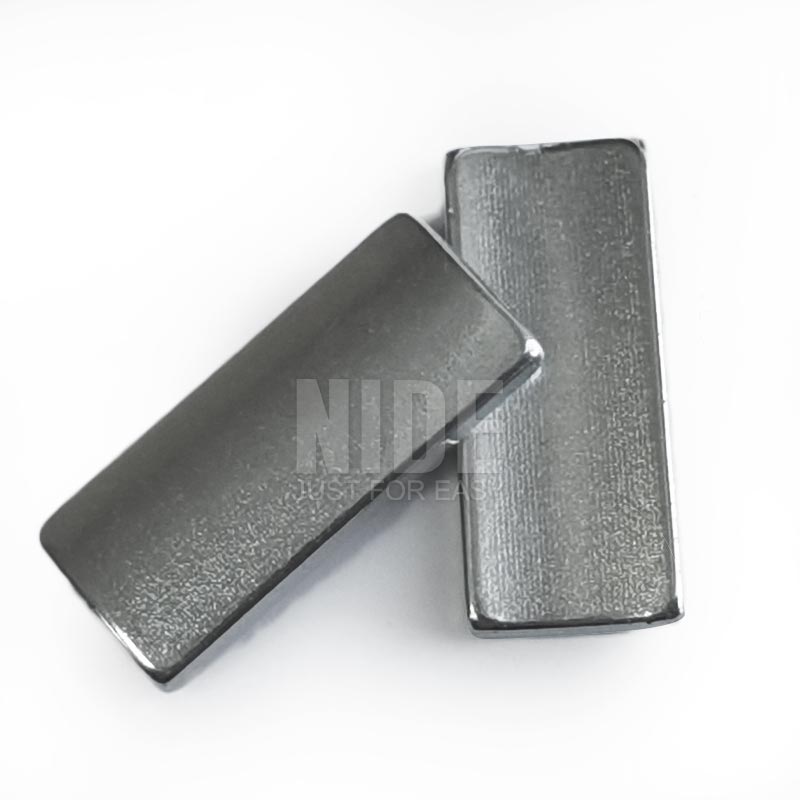
Rectangular N52 NdFeB Neodymium Magnets Strong Block for Motor Accessories NIDE Brand Model NDPJ-CW-58
Ultra-high remanence and thermal stability NdFeB sintered magnetic blocks tailored for BLDC and EV traction motor stators and rotors.
- Grade: N52 / Ultra-High Energy
- Application: BLDC & Traction Motors
- Coating: Ni-Cu-Ni Triple Passivated
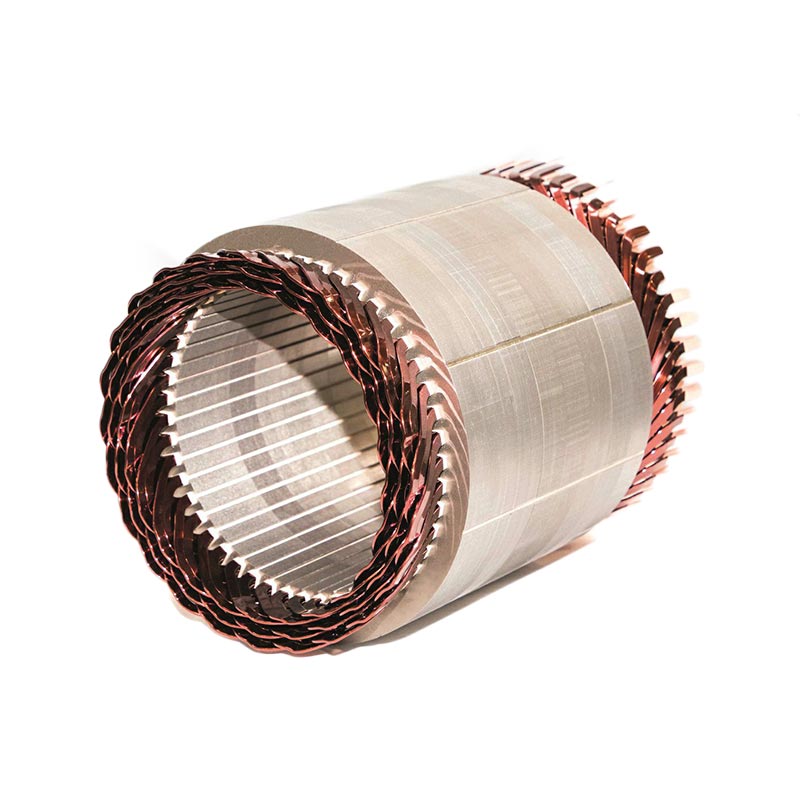
New Fully Automatic Hairpin Motor Stator Production Line for E-Mobility Motor Manufacturing
Complete turnkey hairpin automated production system integrating 2D/3D wire forming, paper inserting, twisting, laser welding, and automated varnish dipping.
- Cycle Time: ≤ 60s per stator
- Wire Profile: Rectangular Enamelled Copper
- Automation: Turnkey CNC / Industry 4.0
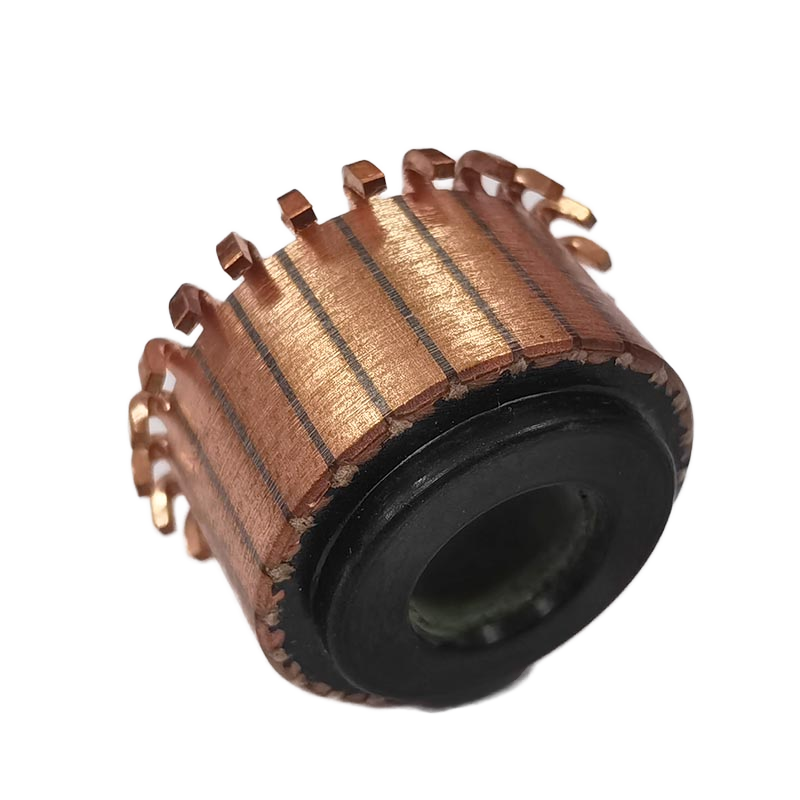
Wholesale NIDE Brand 24 Segments Hook Type Angle Grinder Commutator 8.4*25*16 Model NDPJ-HXQ-640A
Precision 24-segment hook-type commutators designed for high-RPM power tools, providing low dielectric loss, minimal sparking, and extreme mechanical strength.
- Segment Count: 24 Segments Hook Type
- Dimension: 8.4 x 25 x 16 mm
- Core Use: High-Speed Angle Grinder DC
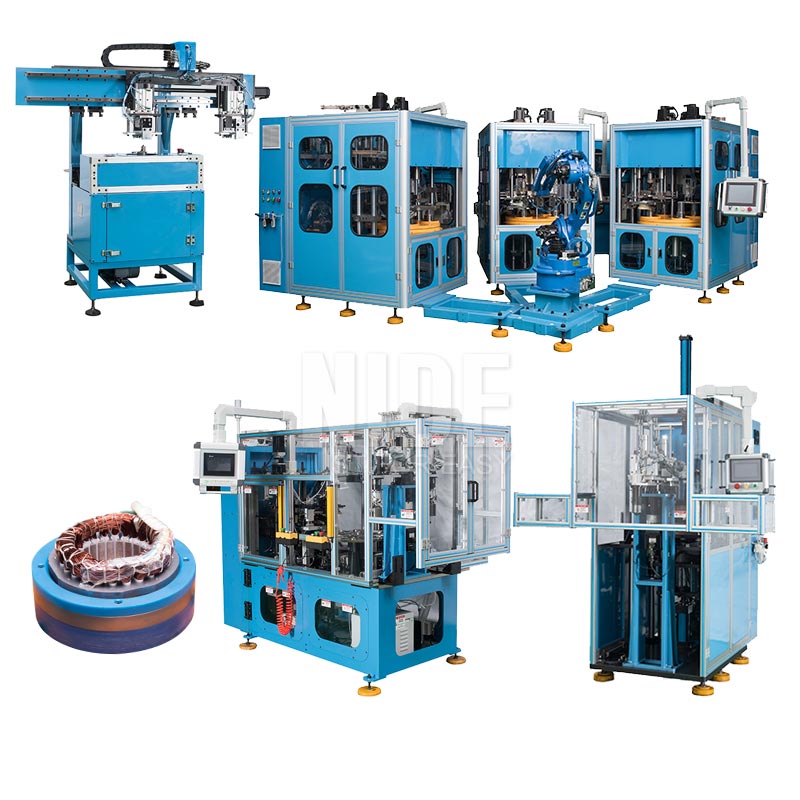
New Small-scale Non-standard Electric Induction Motor Stator Manufacturing Machine Production Assembly Line PLC Core
Flexible stator coil insertion and forming cell engineered for non-standard, custom industrial induction motors, featuring Mitsubishi PLC and touch HMI.
- Control Architecture: PLC + Intelligent Servo
- Lamination OD: Custom Configurable
- Tooling Change: Quick Change Modular System
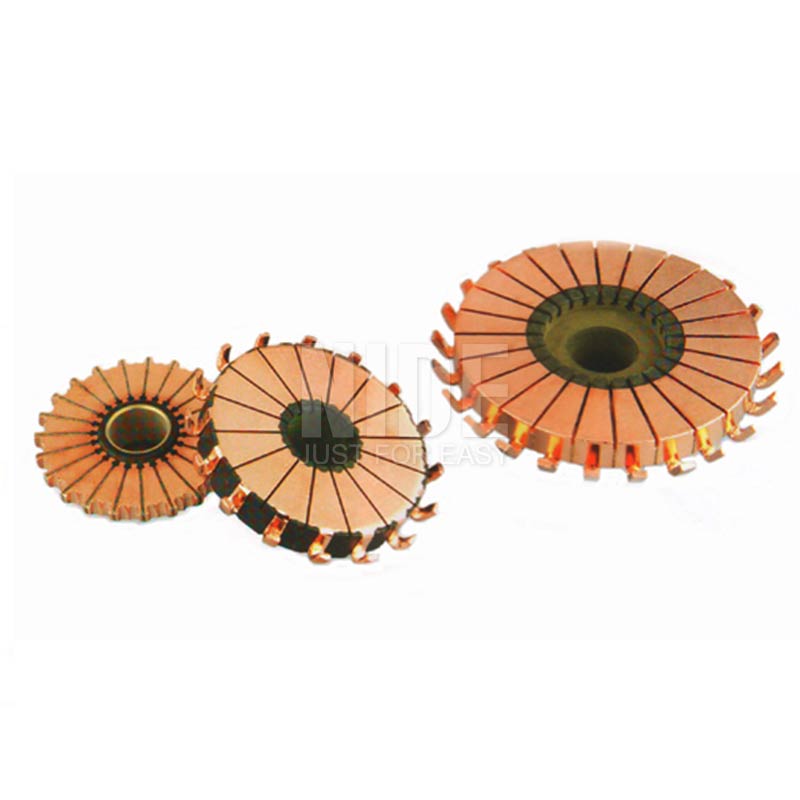
New Condition Nide Brand Planar Type Commutator Motor Component (NDPJ-HXQ-39) for DC Motor CE Certified
Flat planar surface commutators fabricated with silver-copper alloy for automotive fuel pumps, throttle body motors, and micro low-noise actuators.
- Type: Planar Disc Commutator
- Certification: CE / RoHS Directive
- Application: Automotive Micro DC Motors
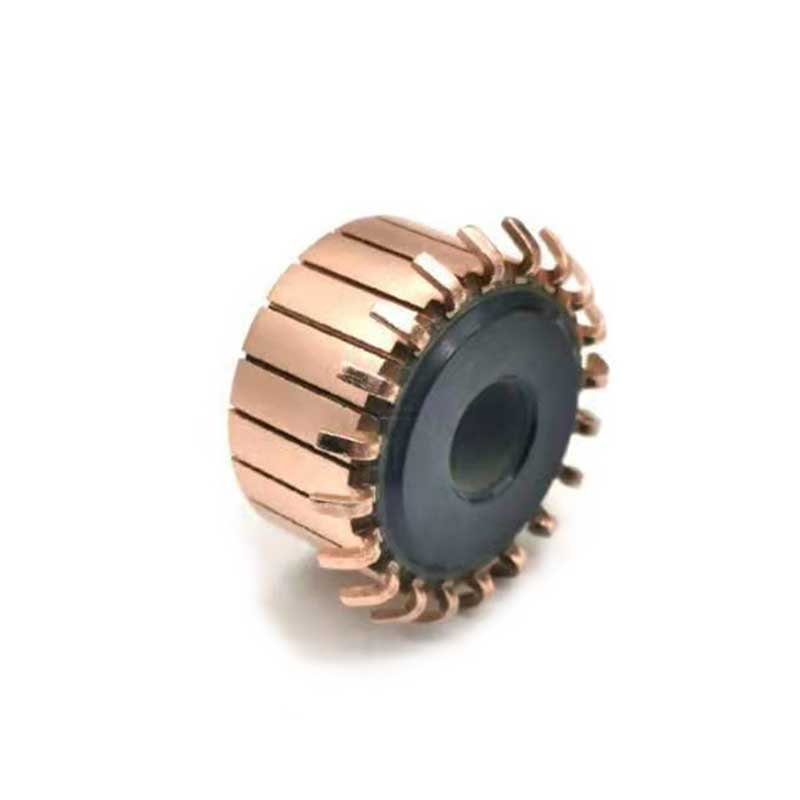
Customized Copper Car Radiator Cooling Fan Motor Armature Hook Commutator Part Universal Fit NIDE Brand
Oxygen-free high-conductivity copper hook commutators designed specifically for harsh under-the-hood thermal cycles in radiator cooling fan assemblies.
- Material: Deoxidized Copper (Cu-OF)
- Heat Resistance: Class H (180°C+)
- Balance Test: Dynamic In-line G2.5 Class
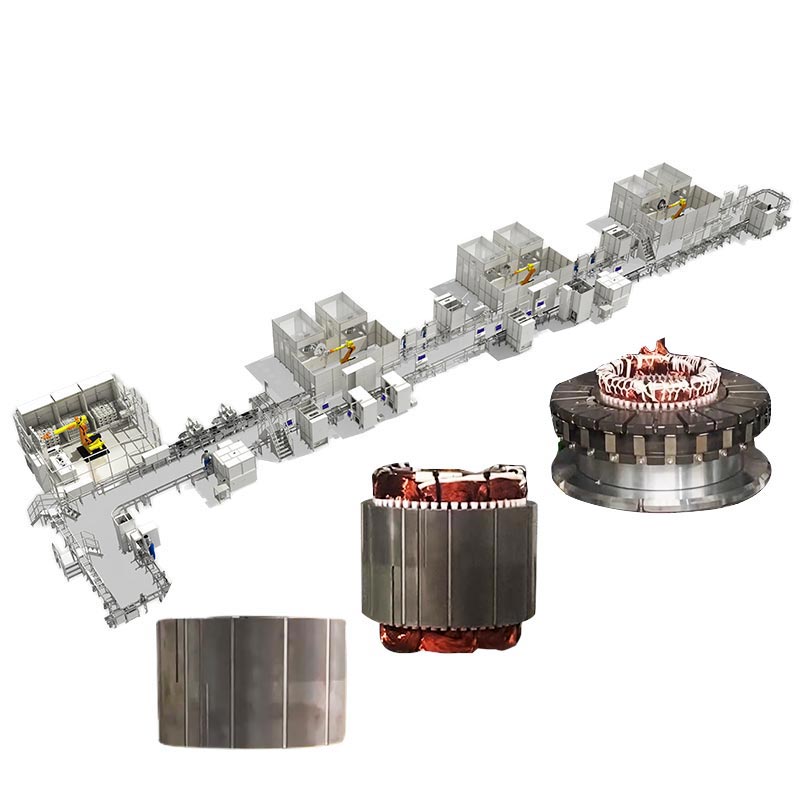
NIDE Automatic EV New Energy Motor Stator Production Line with CE Certified 220V/380V Hairpin Motor Manufacturing
State-of-the-art hairpin manufacturing technology for passenger and commercial vehicle drivetrains, supporting 8-layer to 10-layer conductors with vision guidance.
- Conductor Layers: 4, 6, 8, or 10 Wire Layers
- Voltage Level: 400V - 800V Architecture
- Quality Check: In-line Partial Discharge & Vision
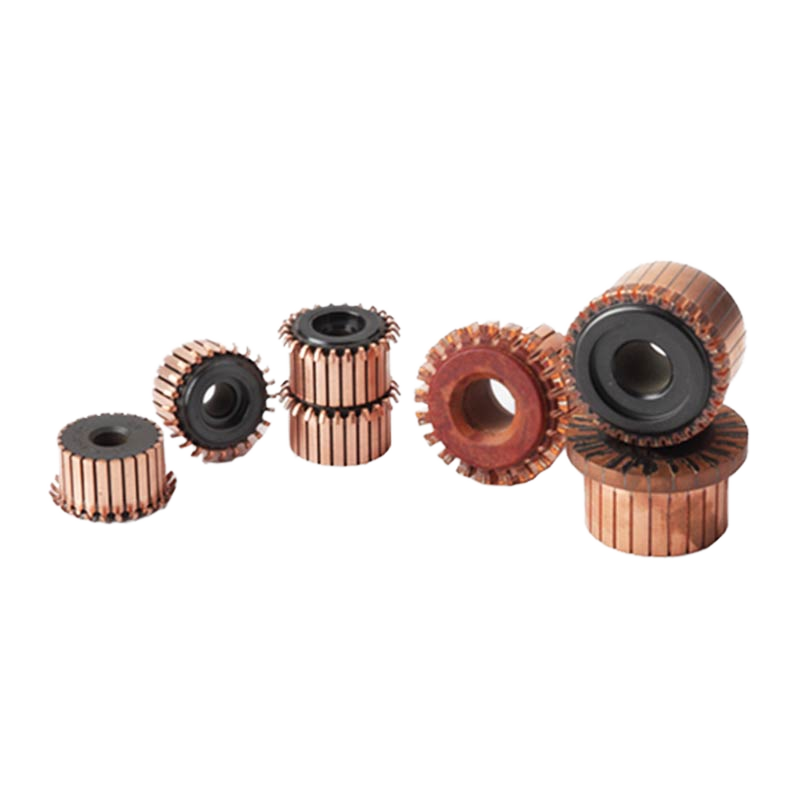
24 Segments Hook Type DC Electric Motor Starter Armature Rotor Commutator Model NDPJ-HXQ-14
Heavy-duty hook commutator components for starter motors and high-torque industrial DC drivetrains with high resistance against centrifugal deformation.
- Configuration: 24-Hook Reinforcement Ring
- Dielectric Test: 3500V 50Hz / 1min
- Export Hub: Direct Global Container Logistics
The Engineering Evolution of Stator Winding: Why Chinese Manufacturers Lead Global Production
The manufacturing of electric motor stators has evolved from traditional manual and semi-automatic wire lacing into an era of high-speed, micro-micron precision mechatronics. Stator winding equipment represents the core technological nexus determining an electric machine's slot fill factor, thermal dissipation coefficient, harmonic loss performance, and end-of-line electromagnetic balance. Today, global OEMs across Europe, North America, Southeast Asia, and Latin America consistently source Chinese winding systems due to unmatched supply chain agility, high-precision CNC multi-axis synchronization, and substantial cost advantages without compromising technical performance.
Whether producing fractional horsepower (FHP) stators for hermetic refrigeration compressors, high-speed brushless DC (BLDC) motors for aerospace actuation, or massive 800V hairpin traction stators for electric passenger vehicles, China's elite equipment manufacturers have established complete end-to-end tooling capabilities. Integrating proprietary multi-axis servo controllers, real-time closed-loop wire tension modulators, and AI-powered laser vision inspection stations, modern Chinese stator machines now operate with positional accuracies within ±0.01 mm and continuous cycle speeds exceeding 3,000 RPM on flyer winding spindles.
Key Technological Trends Shaping Stator Winding Machinery
Analyzing how rapid electrification, rectangular wire geometry, and digital factory architecture are redefining stator assembly standards globally.
Rectangular Hairpin Wire Systems
The global transition to EV drivetrains demands maximum copper slot fill factor (advancing from ~45% with round wire up to 75%+ with flat wire). Hairpin machinery integrates automated CNC peeling of polyimide/PAI insulation, multi-stage 3D bending, twist tooling, and continuous vision-guided fiber laser welding, drastically lowering high-frequency skin-effect losses.
Closed-Loop Electronic Tensioning
Enamelled magnet wire integrity requires constant dynamic tension control across accelerating, constant-velocity, and deceleration phases. Modern Chinese machines utilize active closed-loop electronic feedback actuators that maintain micro-tension within ±1.5% of target thresholds, preventing micro-fractures in enamelled dielectric layers during 3,000+ RPM flyer operations.
Multi-Pole Needle Direct Winding
For concentrated-winding BLDC motors, direct needle winding is displacing older insertion cells. Multi-axis CNC needle systems travel directly inside the stator bore, guiding enamelled conductors with extreme precision into narrow slot openings. This approach maximizes copper packing, minimizes unneeded copper end-turn length, and optimizes back-EMF symmetry.
Engineering Matrix: Stator Winding Methodologies Compared
A systematic engineering comparison to assist procurement directors in choosing the optimal machine typology based on motor topology, volume, and fill targets.
| Winding Typology | Primary Motor Application | Typical Slot Fill Factor | Wire Geometry | Cycle Time / Stator | Changeover Speed |
|---|---|---|---|---|---|
| Flyer Coil Winding & Insertion | General Induction Motors, Single-Phase Fans, Pumps | 40% – 52% | Round Enamelled Copper | 25 – 45 seconds | Moderate (15–30 min) |
| CNC Needle Winding (Internal) | BLDC, Drone Motors, Power Steering Actuators | 50% – 62% | Single/Multi-Strand Round | 40 – 90 seconds | Fast (< 15 min recipe) |
| EV Hairpin (Continuous/Segmented) | Electric Passenger Vehicles, Heavy Duty e-Bus Traction | 70% – 82% | Rectangular Flat Copper | 50 – 75 seconds (turnkey) | Dedicated / Tooling Driven |
| Outer-Rotor Needle Winding | E-Bikes, Wheel Hub Motors, Ceiling Fans | 48% – 58% | Round Heavy Enamelled Wire | 35 – 65 seconds | Fast (< 10 min recipe) |
| Segmented Core Linear Winding | Industrial Servos, High-End Compressor BLDC | 60% – 72% | Round or Rectangular | 15 – 30 seconds/pole | Modular Tooling Sets |
Future Procurement Trends for International Buyers
Strategic variables every technical procurement officer must evaluate when ordering stator manufacturing lines from China over the next decade.
1. Shift Towards Turnkey Vertical Integration
Leading motor manufacturing plants are abandoning fragmented sourcing (buying winders from one vendor, lacing from another, and insulative paper inserters elsewhere). The prevailing standard is turnkey engineering: single-source factories delivering end-to-end lines from slot paper insertion, flyer/needle winding, inter-phase coil forming, CNC lacing, through in-line electrical testing (Hipot, surge, resistance, and partial discharge).
2. Smart Manufacturing & In-Line Metrology
Procurement specifications now explicitly demand SECS/GEM and OPC-UA industrial protocol integration. Buyers demand real-time telemetry tracing wire batch serials, tension telemetry curves per slot, and automated optical inspection (AOI) with AI vision cameras checking winding crossover defects, ensuring zero non-compliant stators pass downstream to assembly.
3. Rapid Tooling Modularization & SMED Standards
With consumer product cycles shortening, stator winding equipment must support multi-model flexible manufacturing. Machines designed according to SMED (Single-Minute Exchange of Die) standards allow tool changeovers across different stack heights and lamination outer diameters in under 15 minutes, utilizing digital recipe downloads and quick-clamp pneumatic tooling blocks.
Why Global Motor Makers Partner with Nakro & NIDE
Combining 14+ years of specialized motor manufacturing machinery development, a 30,000+ m² modern production facility in Ningbo, and comprehensive component integration, we solve the engineering bottlenecks that prevent motor factories from scaling.
Custom Tooling R&D
Proprietary engineering team designing custom winding nozzles, inserter finger sets, and wire guides matching your exact stator lamination CAD drawings.
Pre-Shipment Runoff Trials
Every winder undergoes full production qualification using your supplied lamination stacks and enamelled magnet wire, validated via video signoff or on-site FAT.
End-to-End Component Sourcing
Beyond capital equipment, we supply matching precision commutators, N52 sintered magnets, insulation materials, and carbon brush systems under one unified warranty.
Global Technical Support
Extensive field service across 50+ export destinations including remote telemetry diagnostics, on-site commissioning, operator training, and stocked spare parts.
Stator Winding Machine Procurement: Frequently Asked Questions
Detailed technical and commercial answers addressing common engineering concerns encountered by overseas procurement teams.
We employ mirror-polished tungsten carbide and ceramic guide nozzles with surface roughness ratings below Ra 0.2 µm. Wire pathways feature multi-roller bearing systems and active closed-loop tension controllers that eliminate instantaneous friction spikes, verified via high-voltage pinhole dielectric testing.
Yes. Stack height adjustments are digitally parameterized on the HMI touchscreen, adjusting the servo stroke automatically. Varying slot counts and stator outer diameters are accommodated using modular tooling sets and rapid-change insertion guide rings without redesigning the core machine frame.
Prior to crate packing, we run continuous trial cycles using customer-supplied raw stators, copper wire, and slot paper. We run a minimum 500–1000 part cycle, recording cycle times, insulation resistance, surge testing, and slot fill conformity, delivering full documentation and high-definition video records.
Hairpin technology increases the copper slot fill factor from ~45% to over 75%, vastly improving heat conduction to the outer lamination stack. This allows motors to output 20% to 30% higher power density and peak efficiency while eliminating irregular copper crossovers that cause internal hot spots.
We provide a dual-tier support structure: remote diagnostics via encrypted industrial routers for instant PLC debugging, backed by dedicated field commissioning engineers deployed directly to your factory for mechanical leveling, SAT execution, and multi-shift operator maintenance training.
All export equipment is engineered to European CE standards, incorporating dual-channel safety relay interlocks, optical safety light curtains, emergency stop circuits (ISO 13849-1), and electrical cabinets compliant with IEC 60204-1 specifications (customizable to UL 508A for North American buyers).
Accelerate Your Electric Motor Manufacturing Line Today
Send our senior engineering team your stator drawings (2D PDF / 3D STEP), lamination stack specifications, and target output volume. We provide customized line layouts, OEE projections, and turnkey budget quotes within 24 hours.
