High-Efficiency Modular Motor Production Hardware
Engineered to equip automotive tier-suppliers, transit manufacturers, and machinery plants across Minsk with certified stator winders, magnet inserting cells, and durable electro-mechanical commutators.

Engineering In-Wheel Motor Industrialization in the Minsk Manufacturing Basin
Accelerating localized production of permanent magnet outer-rotor wheel hub drives for commercial, agricultural, and municipal heavy-duty transport across Belarus.
The capital of Belarus stands as a preeminent hub of precision mechanical manufacturing and heavy vehicle engineering across Eastern Europe and the Eurasian Economic Union (EEU). Driven by state initiatives toward localized electric mobility, decarbonized urban transit, and the development of energy-efficient commercial haulage, enterprises based in the Minsk industrial agglomeration—including major mechanical clusters near the Great Stone Industrial Park, the Partizansky District, and the automotive quarters—are experiencing an urgent technical paradigm shift. The conventional centralized drivetrain, reliant on heavy transmission shafts, mechanical differentials, and bulky transaxles, is being systematically replaced by distributed wheel hub motor propulsion systems.
For industrial engineering managers, automotive Tier-1 suppliers, and machine tool procurement specialists in Minsk, establishing an automated Wheel Hub Motor Assembly Line is not merely an equipment upgrade; it is a critical strategic asset. Wheel hub motors (also termed in-wheel motors) place electromagnetic propulsion directly within the vehicle wheel rim. This architecture achieves torque response times under 10 milliseconds, eliminates up to 25% of mechanical transmission friction losses, and frees vital chassis space for high-density lithium-iron-phosphate (LFP) or solid-state battery integration. However, realizing this in-wheel architecture at scale demands exceptional manufacturing precision: sub-millimeter concentricity control, high-fill-factor slot winding, severe shock-resistance magnet lamination, and automated sealing capable of surviving the harsh continental winters of Belarus.
End-to-End Wheel Hub Motor Line Stations
From bare silicon lamination core handling to final cryogenic resistance and load dynamometer testing, our turnkey engineering ensures absolute production reliability.
Outer-Stator Insulation & Winding
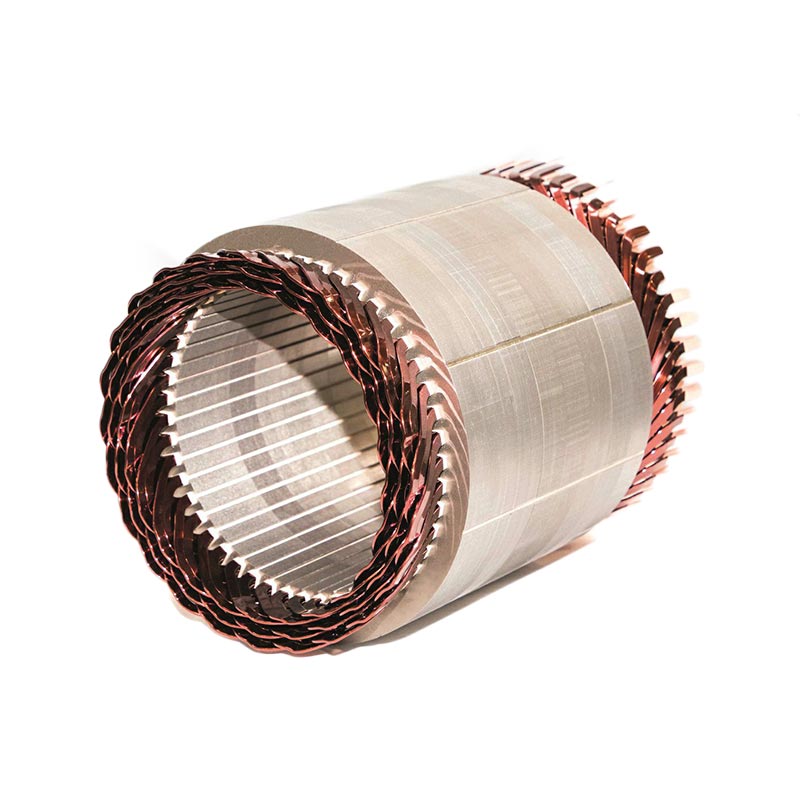
Automated multi-axis CNC needle winding or high-slot-fill hairpin insertion. Programmed tension control prevents insulation micro-fracturing on outer-slotted silicon steel stacks.
Lead Fusing & Terminal Processing
Automated commutator hook welding, micro-resistance fusing, and three-phase terminal crimping. Integrated optical vision ensures zero cold solder joints or insulation creepage defects.
Rotor Neodymium Magnet Insertion
High-precision PLC-guided magnet placement cells. Dispenses two-part structural epoxy, inserts high-grade N52 neodymium arc segments, and performs automated heat-curing.
Dynamic Rotor Balancing
Dual-plane automated balance correction. Reduces high-speed radial centrifugal force and vibration, preventing early bearing fatigue under sub-zero road conditions.
Stator-Rotor Magnetic Docking
Servo-controlled magnetic field suppression docking station. Overcomes intense permanent magnet pull forces to guide the inner stator into the outer rotor rim with radial tolerances ≤ 0.03 mm.
Submerged Bearing & Seal Press
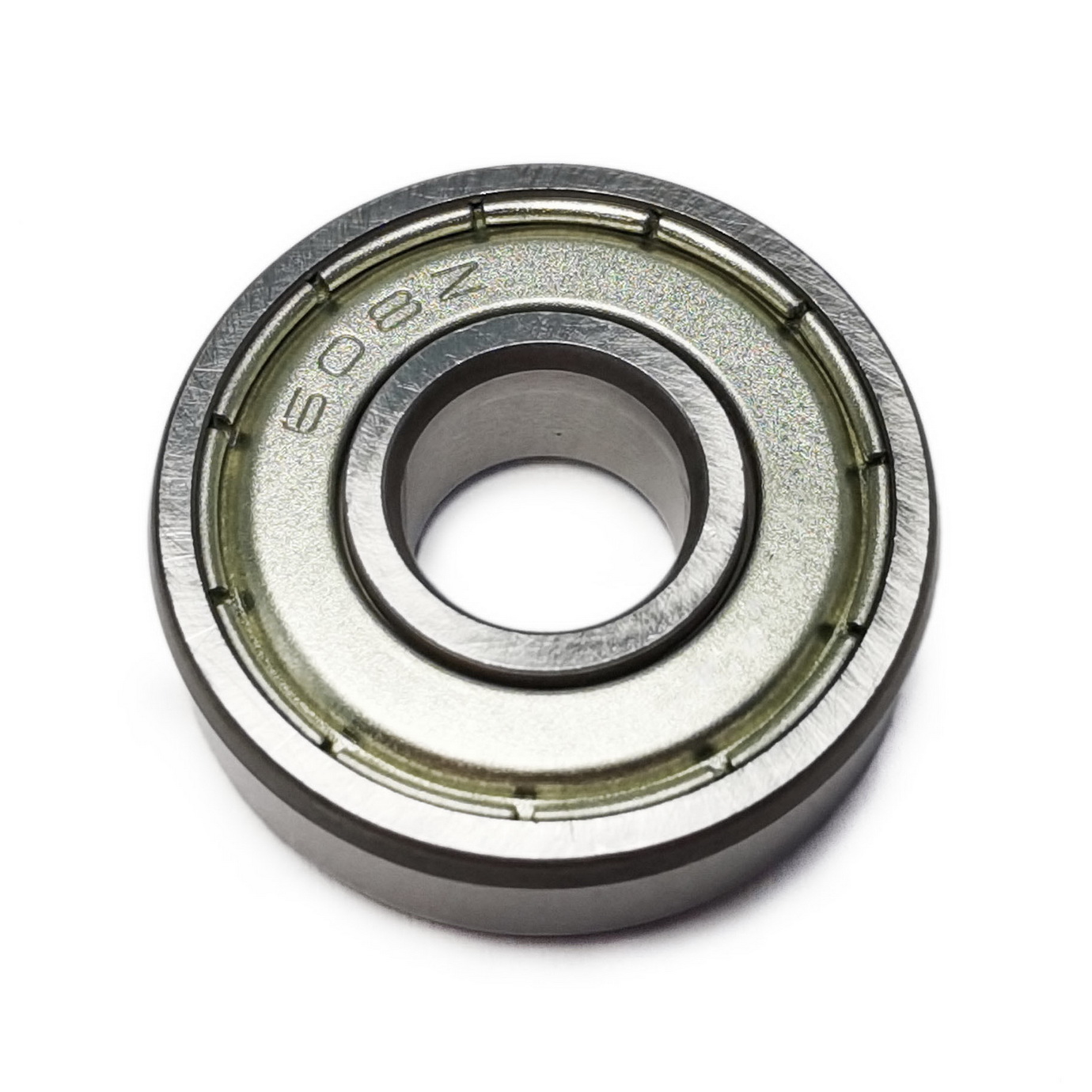
Precision hydraulic-servo insertion of dual-row deep-groove stainless steel ball bearings and fluoro-rubber multi-lip radial shaft seals ensuring an IP67/IP69K environmental barrier.
Vacuum Pressure Varnish (VPI)
Deep vacuum chamber resin impregnation that penetrates deep into inner coil layers, guaranteeing void-free dielectric strength and resistance to moisture condensation cycles.
End-of-Line (EOL) Verification
Comprehensive automated testing rig: Back-EMF symmetry, cogging torque harmonics, AC Hi-Pot (up to 3.5kV), surge insulation testing, Hall-sensor calibration, and NVH acoustic analysis.
Localized Engineering Applications Across the Belarusian Industrial Belt
Configured specifically to match the torque profiles, wheel geometries, and thermal demands of vehicle builders and retrofitters across the Minsk metropolitan and regional sectors.
Electric Transit Trolleybuses & City E-Buses
Minsk boasts one of the most comprehensive public trolleybus networks in Eurasia. Transitioning municipal fleets from conventional diesel engines and overhead pantograph dependency to independent battery-electric low-floor buses requires low-profile, high-torque in-wheel drivetrains. Our hub motor assembly lines produce outer-rotor PMSM drives capable of generating sustained continuous torque of 1,200 to 3,500 Nm per wheel. Eliminating mechanical portal axles enables true ultra-low passenger floors, reduces curb weight by hundreds of kilograms, and expands central aisle capacity for high-density commuter transit along avenues like Praspiekt Niezaliežnasci.
Municipal Utility, Sweeping & Snow Clearing Fleets
Municipal services in Minsk face heavy continental winter snowfall, slush, and heavy road salt treatments. Standard drivelines suffer severe mechanical linkage corrosion and salt-induced differential binding. By producing sealed IP69K liquid-cooled wheel hub motors locally, municipal implement manufacturers can build zero-emission, four-wheel-independent-steering (4WIS) utility trucks, vacuum street sweepers, and snow blowers. Direct drive allows torque vectoring on icy pavement, delivering immediate individual traction control to prevent wheel spin on snowed-over gradients.
Heavy Commercial Haulers & Specialty Mining Units
Belarus is globally recognized for heavy commercial machinery and quarry haulage production. Electrifying massive mining support vehicles, articulated dumpers, and heavy logistics trailers requires distributed multi-wheel hub propulsion. Our turnkey lines build industrial hub motors configured with high-coercivity NdFeB magnets, thick-wire parallel windings, and integrated planetary reduction gears within the wheel hub envelope, delivering immense starting torque without the thermal throttling associated with centralized electric drivetrains.
Agricultural Tractors & Precision Sprayers
The agricultural equipment manufacturing sector in Minsk and adjacent regions demands innovative propulsion to minimize soil compaction and fuel consumption. Direct-drive hub motor assembly lines enable the production of wide-clearance electric tractors and automated field sprayers. By regulating wheel slip electronically at each individual wheel, hub drives protect fragile agro-soils while providing precise low-speed torque for fertilizer distribution and automated robotic weeding machines.
Last-Mile Urban Logistics & Industrial Intralogistics
With the rapid growth of e-commerce distribution centers and warehousing parks around the Minsk Ring Road (MKAD), demand has surged for light electric delivery vans, postal three-wheelers, and automated guided vehicles (AGVs). Our equipment produces compact, energy-dense wheel hub motors ranging from 1.5 kW to 15 kW, combining exceptional power density with maintenance-free brushless operation, minimizing delivery downtime and eliminating gearbox oil changes across urban courier fleets.
Retrofit Hybrid Platforms for Municipal Shuttles
Faced with stringent municipal clean-air targets, public fleet operators in Minsk are actively seeking hybrid retrofit options for existing light-commercial shuttles. By fitting auxiliary electric hub motors into rear non-driven trailing wheels, fleet operators convert standard combustion vans into dual-power hybrid units with regenerative braking, recovering significant kinetic energy during frequent stop-and-go commuter traffic cycles.
Eurasian Technical Compliance & Sub-Zero Operating Reliability
Designing and manufacturing wheel hub motors for the Belarusian and wider Eurasian market requires stringent adherence to unified technical regulations. Automotive drivelines deployed in Belarus must comply with TR CU 018/2011 ("On the Safety of Wheeled Vehicles"), requiring extensive validation for electromagnetic compatibility (EMC), high-voltage isolation resistance, mechanical shock resilience, and fail-safe dual-circuit braking integration.
Furthermore, the climatic profile of Minsk—characterized by extended sub-zero winters with temperatures dropping below -30°C to -35°C—creates severe operational challenges for electric motors situated in the unsprung mass zone of the wheel. Conventional motor assemblies experience brittle cracking in standard synthetic seals, loss of lubricant lubricity, and catastrophic magnet delamination caused by disparate thermal expansion coefficients between steel rotor rims and rare-earth NdFeB magnets.
Our wheel hub motor assembly lines are engineered specifically to neutralize these cold-climate failure mechanisms. Winding cells utilize Class H dual-coated enameled copper wire rated to 180°C/200°C with flexible resin matrixes that do not become brittle at -40°C. Magnet placement stations incorporate specialized multi-stage induction heating and automated metering for epoxy chemistries tested to withstand severe thermal cycling from -40°C to +120°C without mechanical shear degradation. The integrated End-of-Line testing rigs incorporate automated hipot and surge testing calibrated to detect insulation micro-cracks before equipment leaves your factory floor.
Engineering Strengths of Ningbo Nakro Intelligent Equipment
A proven industrial partner delivering turnkey stator, rotor, and complete motor assembly automation for motor makers worldwide since 2010.
Turnkey Process Responsibility
From the initial review of customer motor CAD drawings and lamination profiles to line takt time simulation, custom fixture CNC tooling, electrical cabinet builds, and trial run validation, we maintain full accountability from concept to the first approved motor off your line.
Custom Tooling & Rapid Changeover
Our experienced in-house R&D tooling team designs custom winding nozzles, coil inserting heads, slot wedge pushers, and rotor clamping fixtures. We engineer quick-changeover mechanisms that allow line retooling between different motor wheel diameters within 45 minutes.
Comprehensive Spare Parts & Hardware
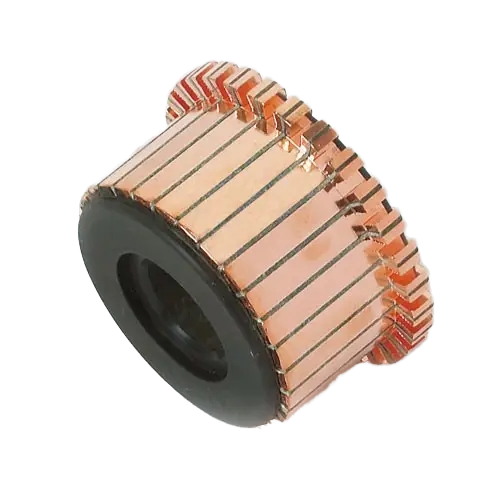
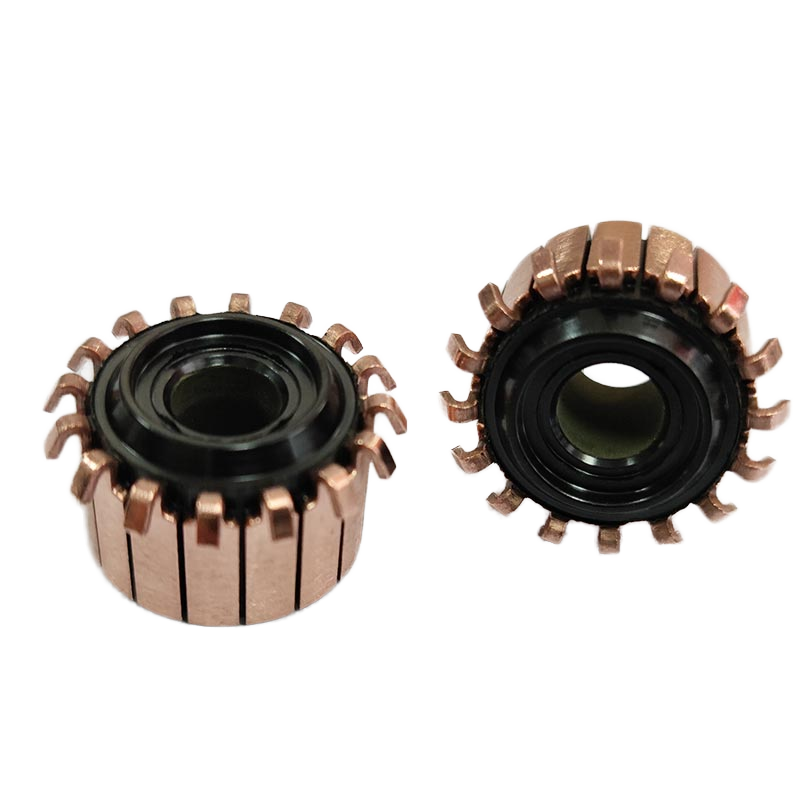
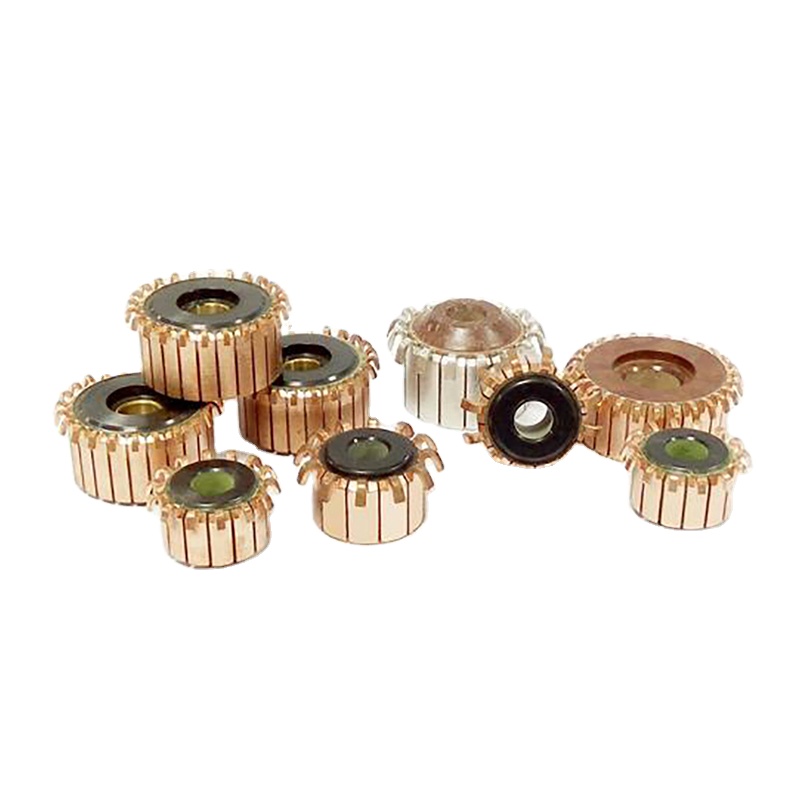
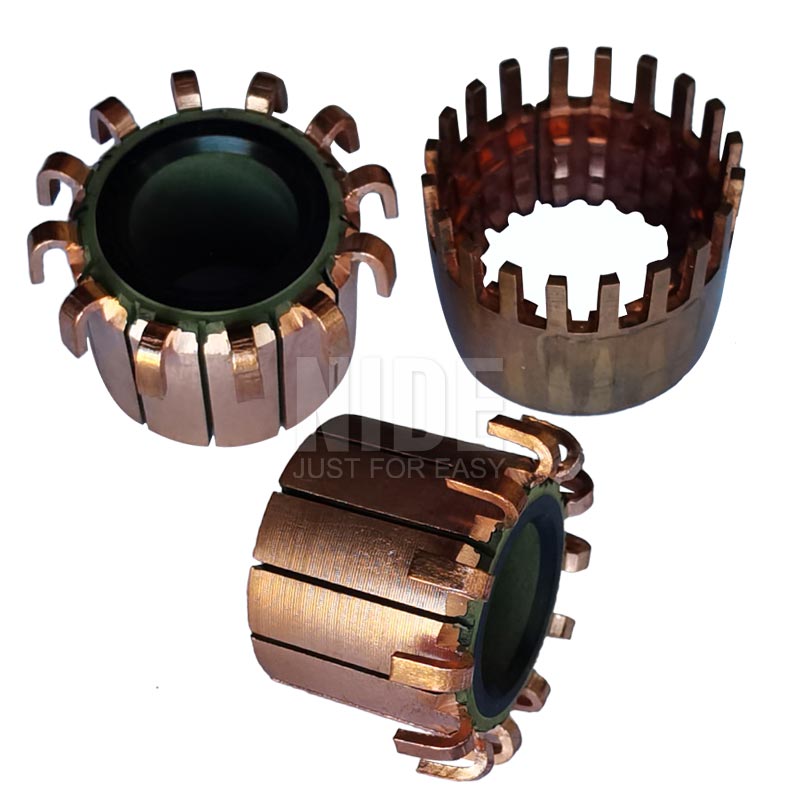
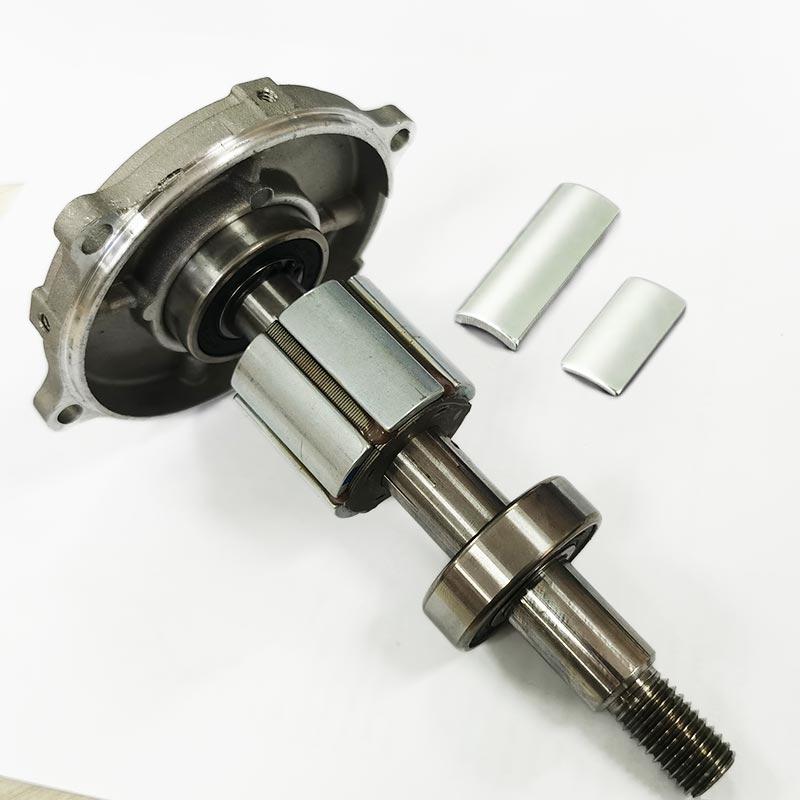
Beyond machinery, Nakro supplies matching high-grade motor components—including commutators, deep groove ball bearings, N52/N48H neodymium permanent magnets, carbon brushes, and insulation paper—eliminating multi-vendor sourcing risks for buyers.
Rigorous ISO 9001 Factory Run-Off
Every production machine undergoes an exhaustive 72-hour continuous trial run-off at our 30,000+ m² facility, utilizing the buyer's actual silicon steel laminations and magnet wire. Full high-definition run-off video recordings and dimensional inspection reports are provided prior to export dispatch.
Frequently Asked Questions for Belarusian Buyers
Authoritative technical, commercial, and operational answers addressing the specific procurement realities of importing motor manufacturing lines into Minsk.
How does your equipment satisfy EAC and TR CU regulations for machinery imported into Belarus? +
Can the assembly line accommodate varied wheel rim diameters and stack heights on a single line? +
What logistics routes and delivery terms are standard for shipping machinery to Minsk? +
How do you resolve magnetic attraction hazards during automatic stator-rotor insertion? +
Is on-site installation, commissioning, and staff training provided in Belarus? +
What specific End-of-Line (EOL) testing is integrated to ensure harsh winter durability? +
Can you provide the matching raw components (magnets, bearings, commutators) alongside machinery? +
What is the standard manufacturing lead time for a complete turnkey wheel motor line? +
Launch Your Wheel Hub Motor Manufacturing Project in Minsk
Submit your stator/rotor CAD drawings, annual output projections, and vehicle technical requirements. Our senior automation engineers will deliver an optimized line layout, cycle time simulation, and commercial quotation within 48 business hours.
