Featured Industrial Motor Manufacturing Systems & Spare Components
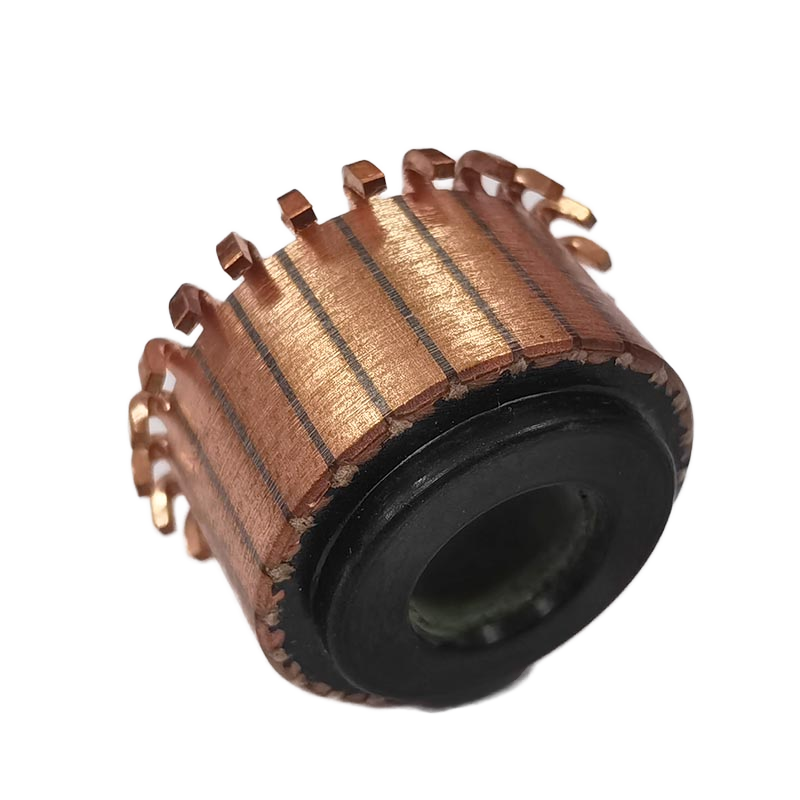
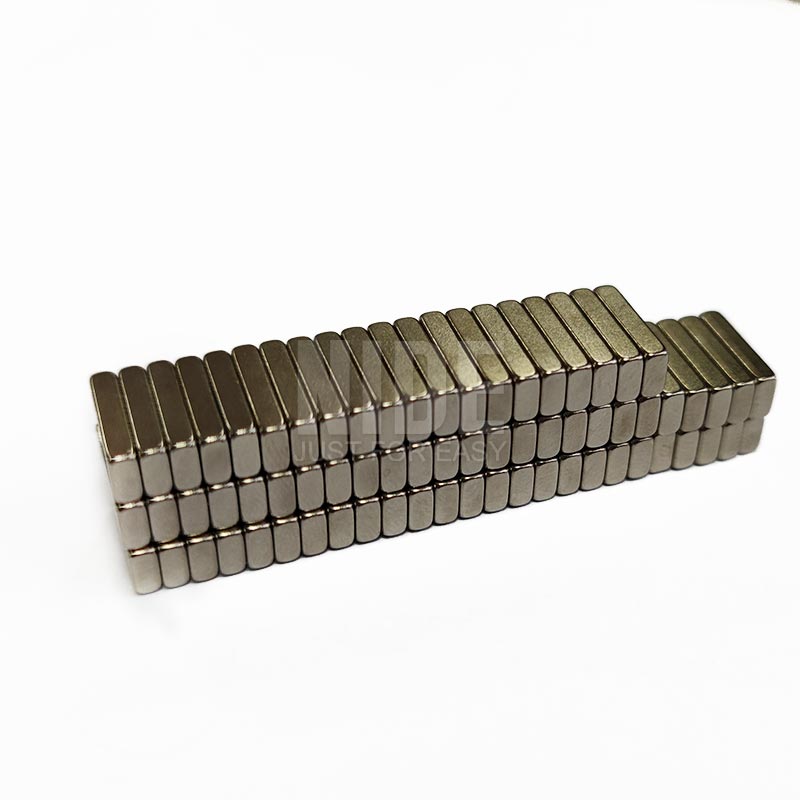
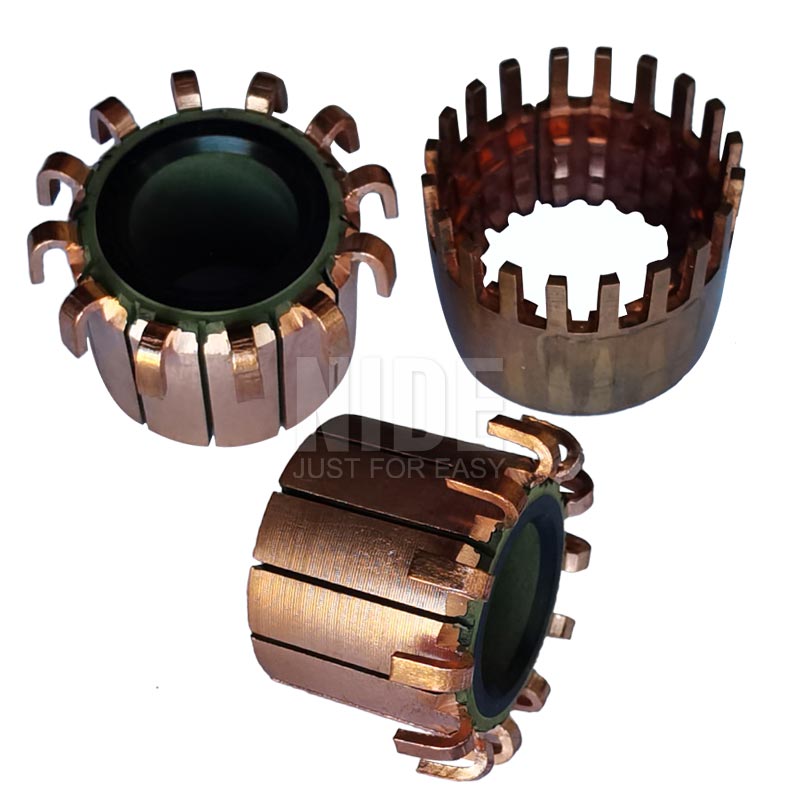
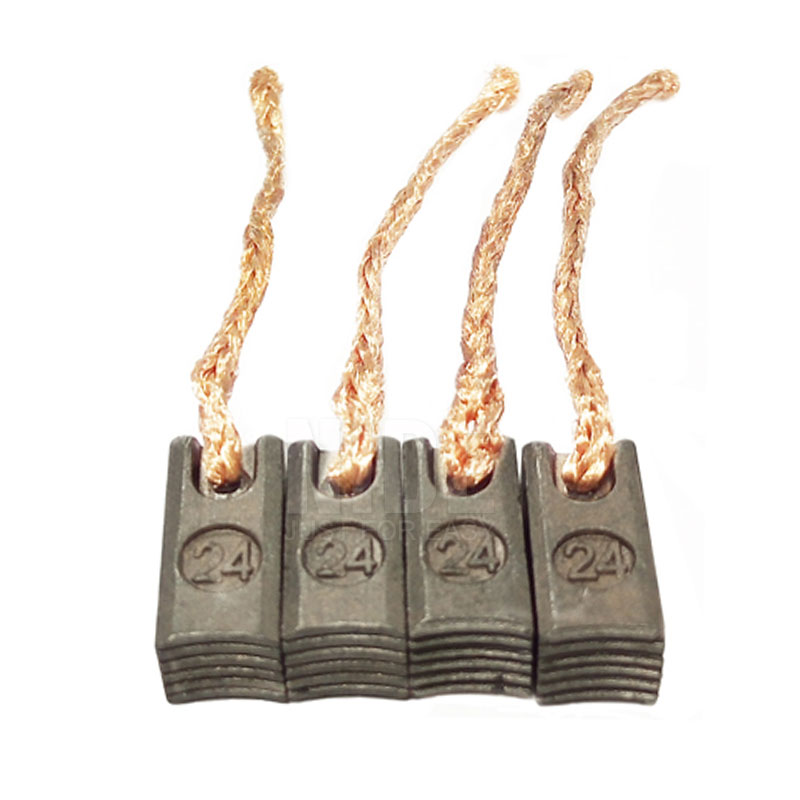
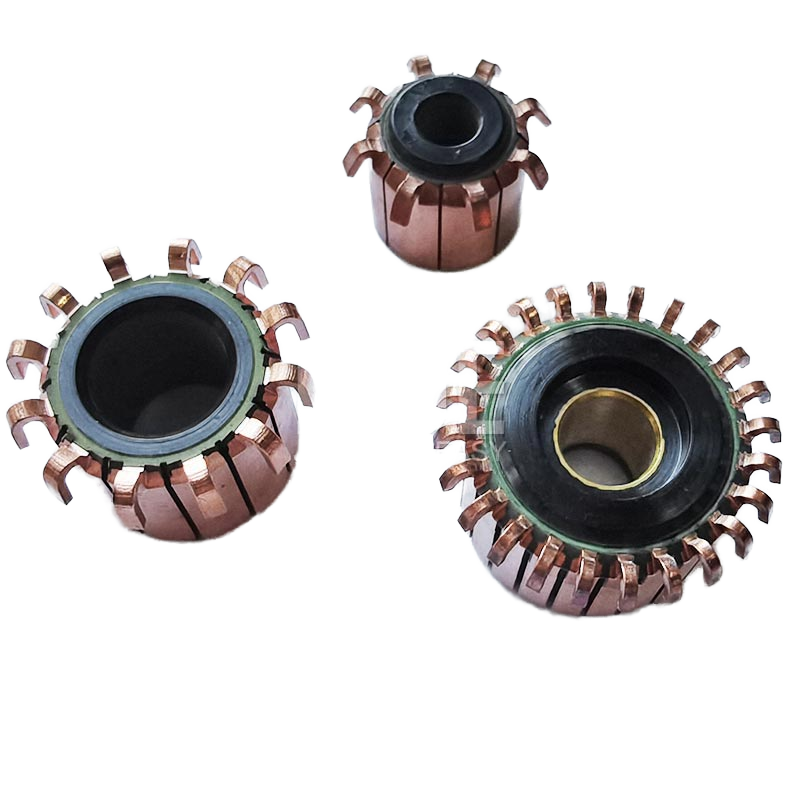
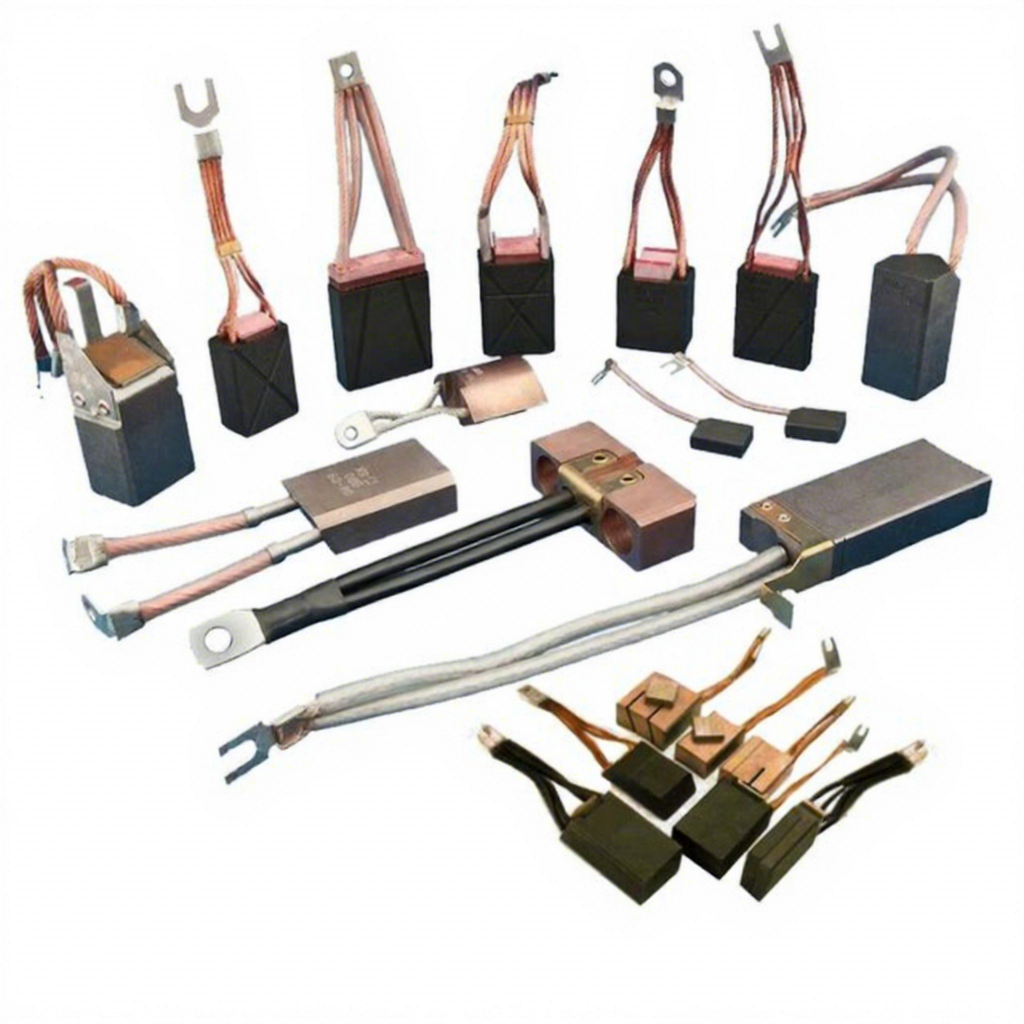
Complementing our complete automated rotor die casting systems, we supply turnkey assembly cells, sub-assemblies, precision magnet handling units, and high-spec commutating components calibrated for heavy-duty electric motors.

State-of-the-Art Rotor Die Casting Technology for Industrial Plants Serving Varna
The industrial landscape of Varna and the broader Devnya chemical and mechanical corridor is experiencing a rapid modernization cycle. As Bulgarian electrical machinery builders, maritime equipment fabricators, and pump manufacturers strive to align with stringent European Union EcoDesign Directive (EU) 2019/1781 efficiency mandates (IE3 Premium and IE4 Super Premium Efficiency ratings), the manufacturing precision of induction motor squirrel-cage rotors has become the single most vital factor in core loss mitigation. As a premier rotor die casting production line supplier and global engineering exporter serving Varna, we deliver automated, closed-loop vertical and horizontal high-pressure die casting (HPDC) systems designed specifically to eliminate structural porosity, bar blowholes, and uneven end-ring solidification.
Conventional rotor fabrication methodologies typically suffer from unpredictable molten aluminum shot velocities, poor thermal mold stabilization, and non-uniform filling of closed-slot laminations. These deficiencies result in broken rotor bars, internal micro-voids, and severe stray-load losses that degrade torque density and cause thermal overheating in industrial pump, compressor, and maritime marine winch drivetrains. Our automated production solutions combine high-precision servo dosing ladles, multi-stage proportional hydraulic injection systems, automatic core lamination stack preheating, and robotic extraction to achieve an ultra-dense, homogeneous molecular aluminum lattice with near-zero conductivity dissipation.
Metallurgical Precision & Closed-Loop Pressure Control Architecture
The engineering core of our rotor die casting production lines centers on multi-phase injection dynamics. In squirrel-cage rotor manufacturing, molten aluminum (frequently alloy 99.7% pure Al or engineered low-silicon structural grades) must traverse through narrow lamination slots ranging from 0.8 mm to 3.5 mm in width across core stack heights exceeding 350 mm. If the molten wavefront cools prematurely or encounters trapped gases, severe structural discontinuities occur.
Our systems solve this fundamental challenge through a real-time closed-loop injection system that continuously governs shot speed, biscuit intensification pressure, and rapid deceleration. Below is an engineering overview of the critical operational sequence integrated into our automated production lines:
Automatic Lamination Skew & Pressing
Silicon steel lamination stacks are picked automatically from high-speed presses or destacking magazines, weighed for magnetic mass consistency, skewed to the predetermined electrical angle via servo mandrels, and hydraulic-clamped under constant pneumatic-hydraulic tonnage to prevent inter-lamination flashing.
Induction Core Preheating Cell
To prevent thermal shock and catastrophic chill-skin formation on the leading edge of molten aluminum bars, the clamped lamination pack is routed through a medium-frequency induction heater. The core temperature is uniformly elevated to 280°C - 380°C with non-contact dual-wavelength pyrometer verification.
Vacuum-Assisted Injection & Squeeze
Equipped with multi-cavity vacuum valves, evacuation commences milliseconds prior to injection, purging mold cavities down to < 50 mbar. The shot cylinder applies a three-stage progressive velocity curve culminating in high intensification pressure (up to 120 MPa) during critical end-ring phase transition.
By synchronizing preheating temperature, cavity vacuum levels, and hydraulic intensification, our production lines completely eradicate the skin-effect resistance that typically degrades motor start torque and running efficiency. This translates into tangible operational energy savings and prolonged operational lifespans in marine auxiliary generators and heavy industrial processing fans.
Engineering Matrix: Standard Rotor Die Casting Configurations
The following engineering specifications delineate the operational parameters across our heavy-duty casting machines serving the mechanical and shipbuilding industries in the Varna region:
| Machine Parameter | Frame Series 80 – 132 | Frame Series 160 – 225 | Frame Series 250 – 355 (Heavy Duty) |
|---|---|---|---|
| Clamping Force (kN) | 650 – 1,200 | 1,600 – 2,800 | 3,500 – 6,000 |
| Max. Rotor Outer Diameter (mm) | Φ 140 mm | Φ 260 mm | Φ 420 mm |
| Max. Lamination Stack Length (mm) | 280 mm | 480 mm | 800 mm |
| Injection Weight Capacity (kg Al) | 1.5 – 4.5 kg | 5.0 – 14.0 kg | 15.0 – 42.0 kg |
| Hydraulic Intensification Pressure | Up to 110 MPa | Up to 125 MPa | Up to 140 MPa |
| Vacuum Level Prior to Shot | ≤ 60 mbar | ≤ 45 mbar | ≤ 30 mbar |
| Cycle Time (Floor-to-Floor) | 32 – 45 seconds | 50 – 72 seconds | 90 – 140 seconds |
| Automation Level & Core Control | Siemens S7-1500 + HMI Touch | Siemens S7-1500 / Allen Bradley | Full SCADA + Dual KUKA/ABB Robot Integration |
Applications Engineered for Varna's Industrial & Maritime Hub
Situated on the western coast of the Black Sea, Varna is not only Bulgaria's maritime capital but also the anchor of a dense industrial network spanning shipbuilding, maritime repair, heavy chemical processing in the Devnya valley, and precision mechanical engineering. Our rotor die casting lines are specifically customized to address the operational and environmental conditions faced by local plants:
Maritime Propulsion & Deck Winches
Varna Shipyard and associated marine service repair workshops demand high-torque, corrosion-resistant motors. Rotors cast with our equipment feature zero internal fissures, guaranteeing structural integrity under massive torsional shock loads during anchor handling, dynamic positioning thrusters, and ballast pumping.
Devnya Chemical Valley Process Pumps
Chemical processing and fertilizer facilities in nearby Devnya operate continuously in aggressive, corrosive environments. Continuous-duty electric motors require cast rotors with balanced end rings and integrated cooling vanes to dissipate rotor heat swiftly, minimizing winding degradation and explosive-environment risks.
High-Speed Grain & Port Conveyors
Port of Varna handles major agricultural export flows, requiring massive dry bulk material handling systems. Our high-pressure rotor casting systems yield high-starting-torque squirrel cages with minimal copper/aluminum electrical losses, ensuring high efficiency under frequent start-stop load cycles.
Emerging Market Trends: Copper Rotor Casting & Hybrid Drivetrains
Across the European Union and Southeastern Europe, industrial plants face escalating energy tariffs and decarbonization targets. While aluminum die casting remains the dominant method for industrial motor rotors up to IE3 standards, the adoption of pure copper rotor die casting and hybrid copper-bar/aluminum end-ring setups is expanding across Varna’s progressive engineering facilities.
Copper boasts a 40% higher electrical conductivity compared to standard electrical aluminum, effectively shrinking rotor I²R thermal dissipation by nearly 40%. However, copper’s melting point (1083°C versus aluminum's 660°C) presents intense thermal strain on tooling steels. Our advanced die casting systems incorporate high-conductivity, nickel-beryllium alloy mold inserts, specialized ceramic shot sleeves, and computerized vacuum extraction systems engineered to survive the extreme thermal and hydraulic impact of molten copper shots, enabling our partners serving Varna to produce true IE5 Ultra-Premium efficiency motors with unmatched magnetic performance.
Global Equipment Engineering & Export Strength
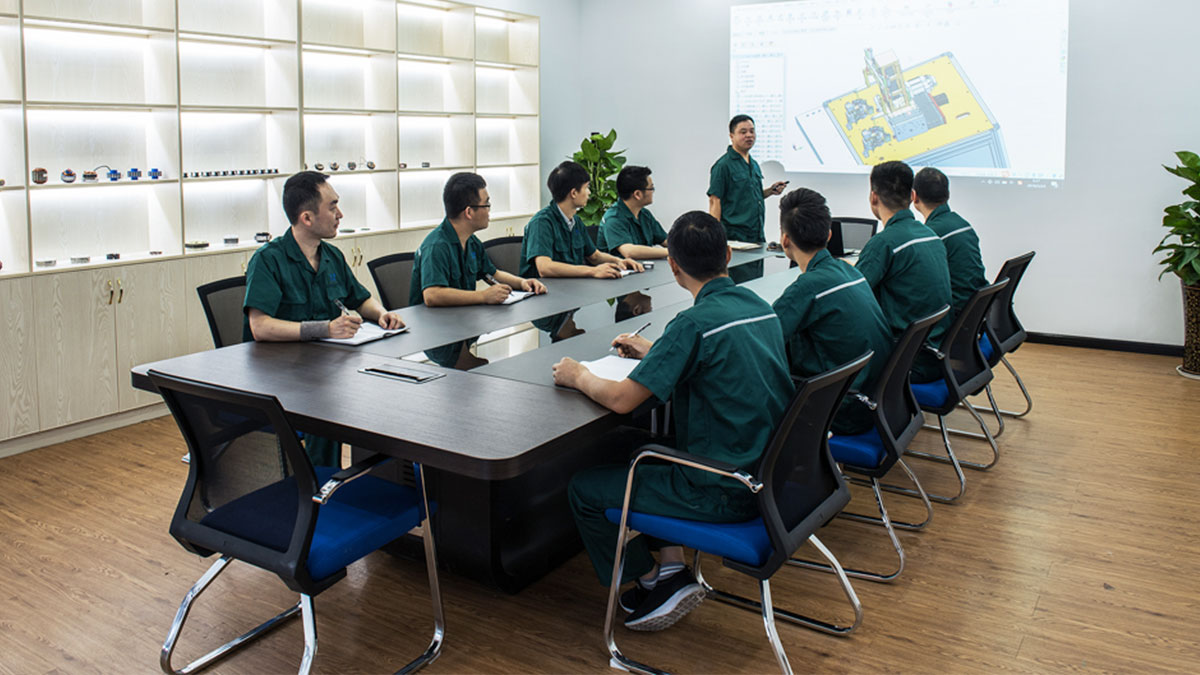
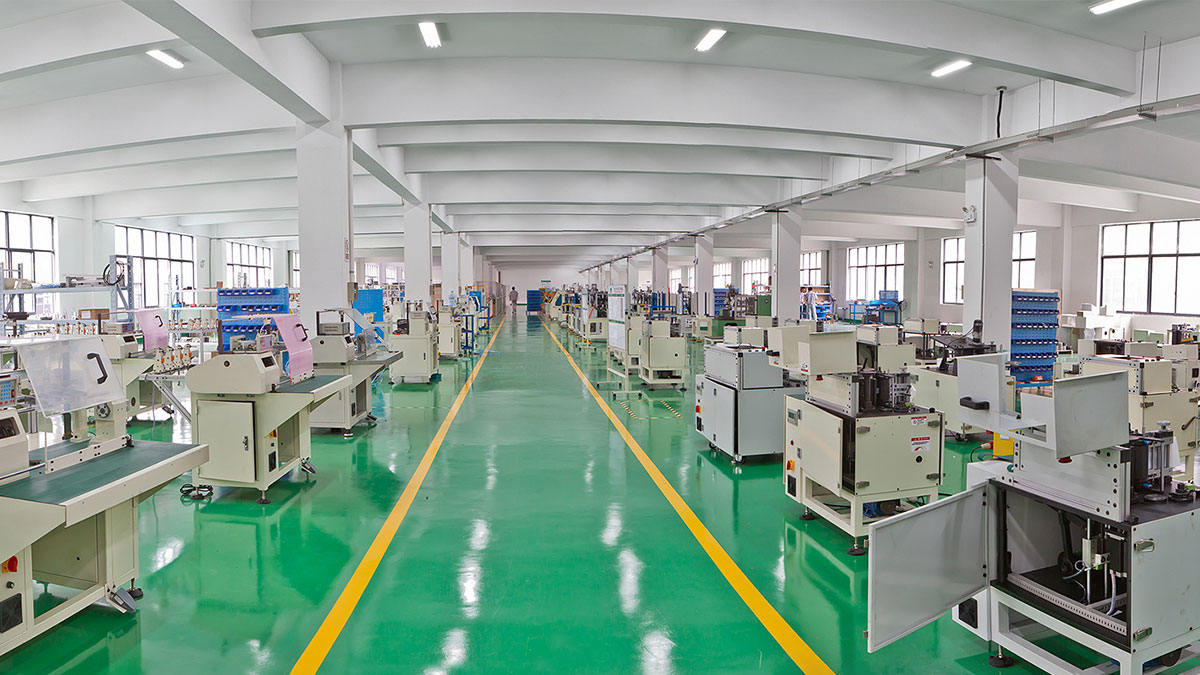
Founded in 2010 in Ningbo, Zhejiang, Ningbo Nakro Intelligent Equipment Co., Ltd. has grown into an international powerhouse in electric motor manufacturing machinery, automated assembly systems, and turnkey manufacturing lines. Covering an expansive modern facility of over 30,000 m² with an annual revenue surpassing US$50 million, we have successfully exported automated machinery, specialized tooling, and turnkey production setups to more than 50 countries across Southeast Asia, Eastern Europe, South America, and the Middle East.
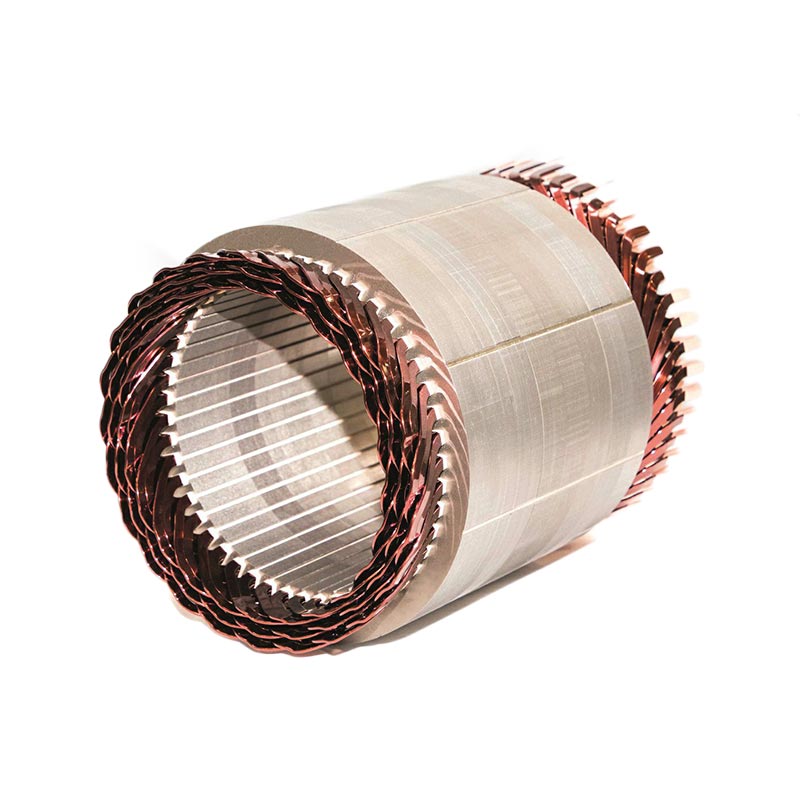
Unlike equipment brokers, Nakro functions as a comprehensive one-stop technical partner. In addition to delivering standalone machines and automated rotor casting lines, we supply matching precision motor components—commutators, block neodymium magnets, carbon brushes, stator stampings, and insulation hardware—allowing purchasers to maintain complete quality accountability from initial component selection to the finished rotating motor.
- ISO 9001 & CE Certified Quality: Verified quality management workflows with full compliance to European Machinery Directive 2006/42/EC.
- Pre-Shipment Trial Run with Customer Laminations: Each die-casting machine undergoes rigorous factory trial runs using customer-supplied rotor stacks prior to dispatch.
- Direct Black Sea Logistics & Customs Support: Experienced shipping arrangements through Ningbo-Zhoushan directly to the Port of Varna on FOB, CFR, or CIF terms.
- Dedicated Global After-Sales & Field Dispatch: Remote IoT PLC diagnostics coupled with experienced commissioning engineers deployed on-site in Bulgaria for installation and operator training.
Frequently Asked Questions by Engineers Serving Varna
Detailed answers regarding technical integration, European regulatory compliance, mold design, and regional logistical support for manufacturing enterprises in northeastern Bulgaria.
How does the automated rotor die casting line mitigate porosity and broken rotor bars?
Porosity and broken bars stem primarily from turbulent air entrapment and uncontrolled cooling gradients during the injection cycle. Our systems utilize an integrated multi-channel vacuum extraction unit that lowers mold cavity air pressure to below 50 mbar milliseconds before the molten aluminum enters the gate. Coupled with a servo-controlled three-phase injection velocity profile, the molten stream fills the skewed lamination slots smoothly without gas entrapment. During the solidification transition, a high-tonnage hydraulic intensifier applies sustained squeeze pressure (up to 125 MPa) to compensate for volumetric shrinkage in the end rings and integrated fan blades.
Can Nakro's casting machinery accommodate both aluminum and copper rotor manufacturing?
Yes. While pure electrical aluminum remains the primary casting material for standard IE3 induction motors, we construct specialized dual-purpose and dedicated copper rotor die casting machinery. Because copper casts at significantly higher temperatures (~1100°C), our copper-capable configurations incorporate high-durability hot-work tool steels (such as Böhler W360 or specialized tungsten-molybdenum alloys), high-flow localized cooling jackets, and specialized ceramic-lined shot sleeves designed to withstand rapid thermal shock without premature heat checking.
What CE certification and electrical compliance standards are provided for the European Union market?
All production lines built for delivery into Bulgaria and the broader EU comply strictly with European Machinery Directive 2006/42/EC, Low Voltage Directive 2014/35/EU, and Electromagnetic Compatibility Directive 2014/30/EU. The electrical control architectures utilize industrial-grade CE-marked hardware, including Siemens S7-1500 safety PLCs, Pilz emergency trip circuits, Sick light curtains, and Festo or SMC pneumatic components. Comprehensive English technical documentation, CE certificates of conformity, wiring diagrams, and EU declaration files are supplied with every shipment.
What are the freight, transit times, and import handling procedures for Varna?
Machines are prepared in heavy-duty, vapor-barrier vacuum foil and packed into certified seaworthy wooden crates. Shipments typically depart from the Port of Ningbo-Zhoushan directly to the Port of Varna (Varna-East or Varna-West terminal) via scheduled container or flat-rack vessels, with a standard transit window of 30 to 42 days. We support trade terms including FOB Ningbo, CFR Varna, and CIF Varna, working in coordination with your Bulgarian customs broker to ensure smooth tariff clearance and documentation dispatch (EUR.1, commercial invoice, packing list, bill of lading).
How is factory acceptance testing (FAT) conducted before equipment departs China?
We believe in total transparency through a structured FAT run-off. Clients are encouraged to courier sample stamped silicon laminations and technical rotor drawings to our Ningbo plant. We load the client's components, perform complete casting trial runs, test the cast rotors on a high-precision dynamic balancing and electrical conductivity analyzer, and document cycle times. Clients may attend the run-off in person at our factory or participate in a high-definition multi-camera live video FAT session before approving dispatch.
What after-sales service and spare parts support exist for Bulgarian facilities?
Every line comes integrated with a secure VPN remote diagnostic gateway, enabling our senior software engineers in Ningbo to troubleshoot PLC program states, servo drivers, and hydraulic pressure curves in real time. For physical commissioning, we dispatch experienced field installation engineers directly to your plant in Varna or Devnya to oversee positioning, leveling, mold alignment, and local operator training. Critical mechanical wear parts (plunger tips, shot sleeves, thermocouple probes, seal kits) are dispatched via expedited DHL/FedEx air freight within 48 hours of request.
Equip Your Plant with Next-Generation Rotor Die Casting Automation
Send our technical team your rotor CAD drawings, lamination stack heights, and target annual cycle volumes. Our senior application engineers will configure an optimized, turnkey die-casting proposal customized for your operational demands in Varna.
