
Automatic Armature Rotor Hot Chamber Die Casting Machine
High-efficiency PLC automated aluminium die-casting machinery for induction rotors. Features multi-stage hydraulic injection, thermal monitoring, and precision core tooling.
A comprehensive portfolio ranging from automated hot and cold chamber rotor die-casting apparatuses to hairpin stator winders, commutator components, and ultra-dense rare-earth materials engineered to withstand rigorous OEM testing regimes.
High-efficiency PLC automated aluminium die-casting machinery for induction rotors. Features multi-stage hydraulic injection, thermal monitoring, and precision core tooling.
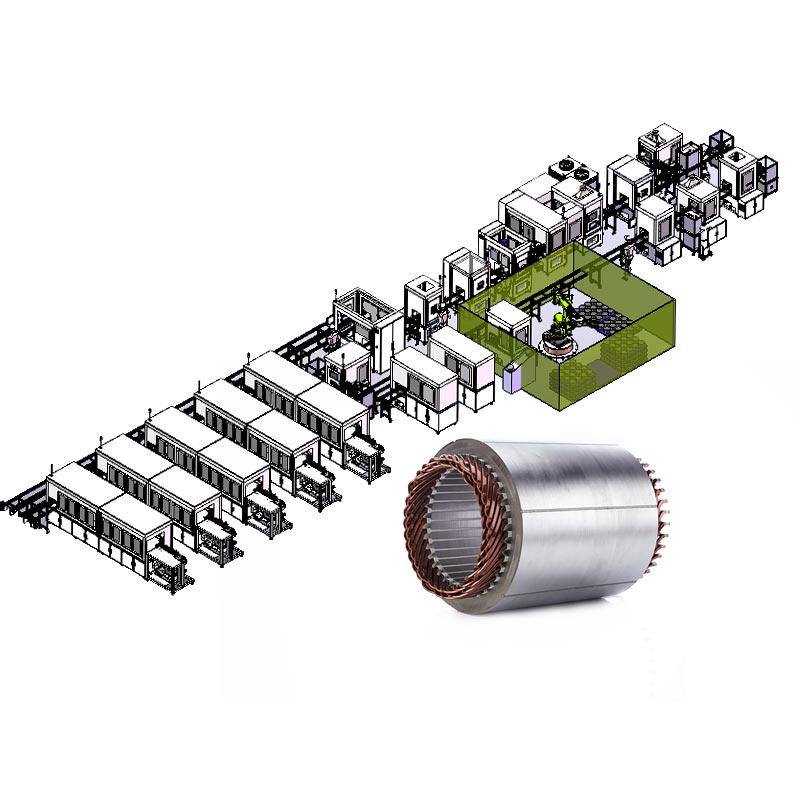
Next-generation flat wire hairpin technology for high slot fill rates in electric vehicles, integrating laser stripping, CNC paper insertion, and high-frequency welding.
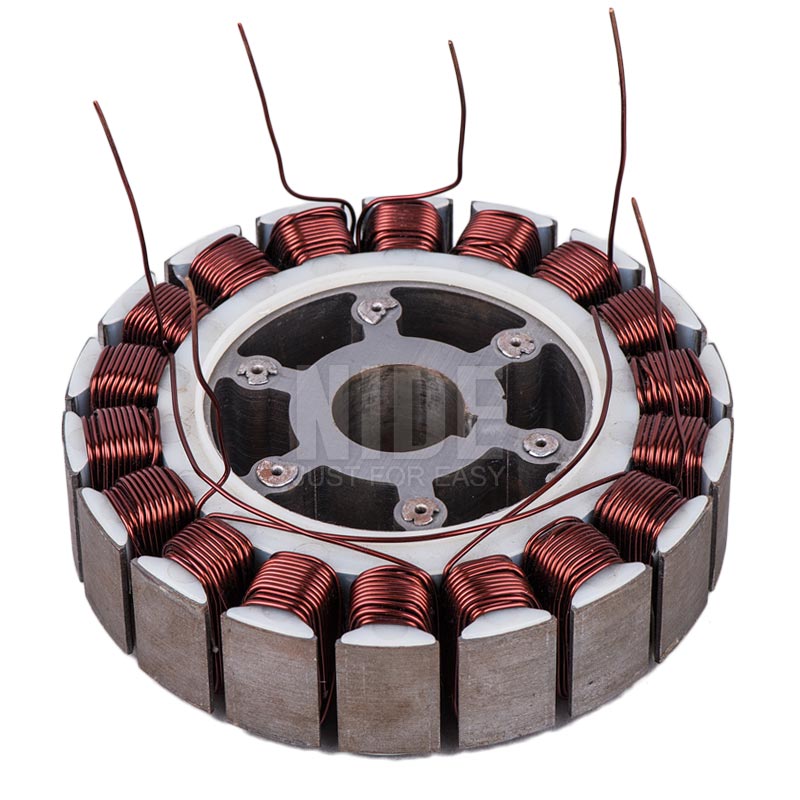
Multi-axis servo needle winder engineered for outer-rotor hub stators. Programmable wire tension and lead management reduce manual intervention in mobility lines.
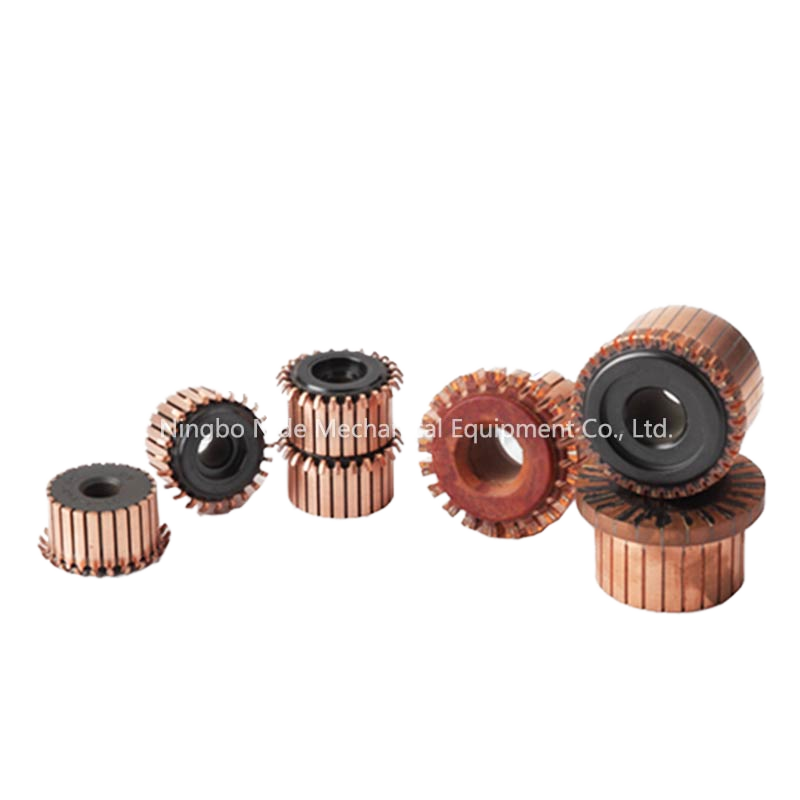
Ultra-precision silver-bearing copper commutator and slip rings designed for long wear resilience, low contact noise, and high peripheral speed durability.
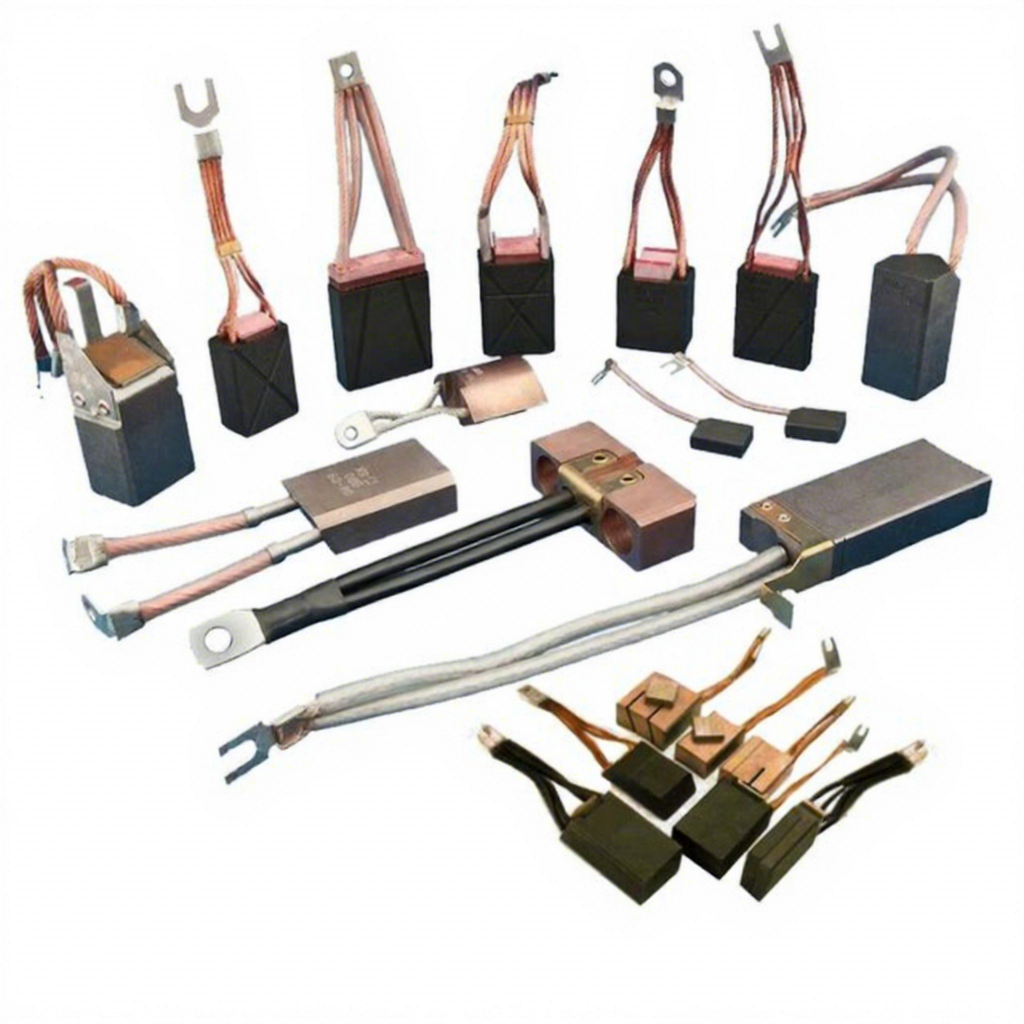
Heavy-duty carbon brushes optimized for automotive alternators and starter motors. Delivers minimal electrical resistance and extended operational service life.
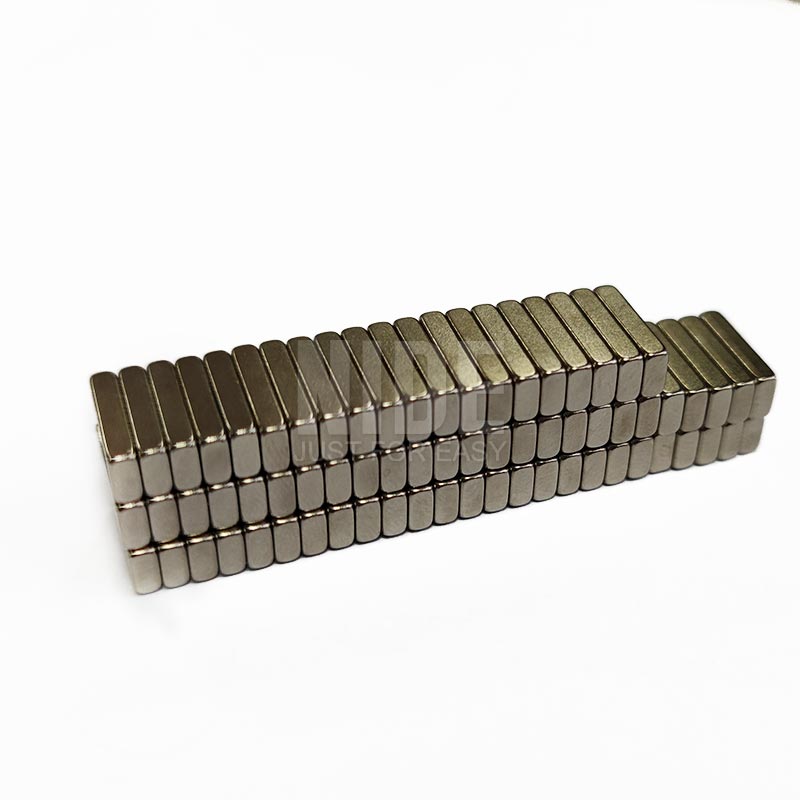
High energy-product sintered NdFeB blocks with thermal stabilization coatings, tailor-made for high-efficiency servo, industrial, and micro-mobility rotors.
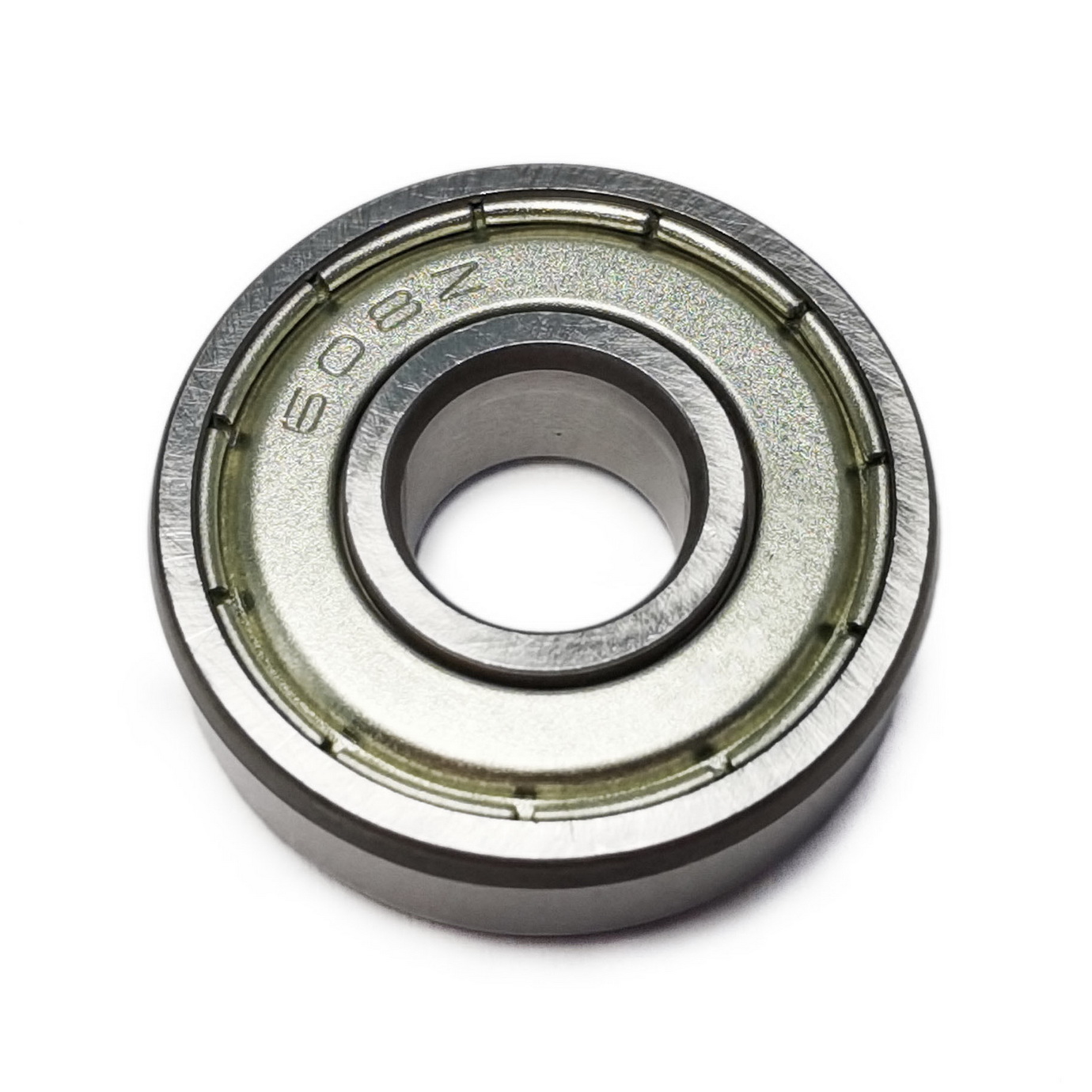
608ZZ precision dustproof bearings featuring heat-stabilized steel rings and low-friction synthetic lubrication for silent, vibration-free rotor spindle runs.
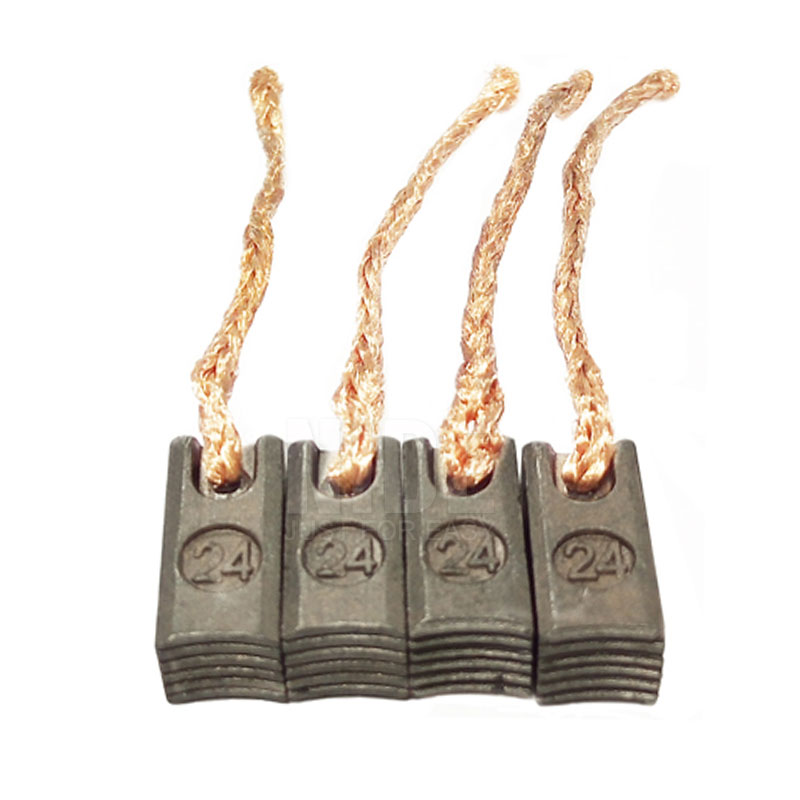
Electro-graphitic carbon brushes engineered to maintain stable commutator commutating films, preventing premature brush dusting and core wear across power tools.
Porosity Index in Casting Core
Global Export Destinations
Years Rotor Automation Expertise
Direct Heavy Manufacturing Base
Analyzing localized technical shifts: how precision aluminium squeeze and pressure casting machines empower French Tier-1 automotive centers, industrial pump foundries, and railway traction manufacturing hubs.
The industrial spine along the Seine Valley, spanning Flins, Poissy, and upstream supply chains, demands rigorous elimination of sub-surface blowholes and internal shrinkage in rotor conductor bars.
With RATP and SNCF accelerating low-loss traction standards across Paris metropolitan transit networks, induction motor rotors require ultra-high aluminium electrical conductivities.
European Regulation (EU) 2019/1781 enforces rigorous IE3, IE4, and emerging IE5 motor efficiencies, demanding superior lamination-slot copper or aluminium filling fidelity.
Motor engineering in France is undergoing an unprecedented modernization cycle. Driven by industrial resilience initiatives across the Île-de-France industrial corridor, procurement directors and tooling engineers must navigate complex choices between cold chamber high-pressure die casting (HPDC) and automated vertical squeeze die-casting systems. When casting squirrel-cage induction rotors for high-torque HVAC compressors or naval pump motors, the slightest volumetric porosity in the rotor conductor bar triggers parasitic eddy-current loops, thermal hotspots, and premature stator insulation failure.
Our intelligent rotor die-casting machine engineering addresses these physical realities directly. By combining multi-phase programmable hydraulic injection with real-time pressure transducers, our machines execute a soft initial slow shot (preventing wave formation and air pre-entrapment in the shot sleeve), followed by an explosive millisecond intensification phase reaching up to 120 MPa. This densifies the molten aluminium within the skewed rotor slots precisely as the alloy transitions across its liquidus-solidus envelope, virtually neutralizing dendritic micro-shrinkage.
Deploying machinery into the French industrial landscape requires total alignment with European Union Machinery Directive 2006/42/EC, EN ISO 12100 safety risk standards, and French labor code decrees. Equipment serving Paris cannot merely cast components; it must interface seamlessly with local factory safety networks. Our machines incorporate dual-channel hydraulic safety circuits, Category 4 optical light grids, redundant pneumatic locking pins for platen protection, and low-decibel servo-hydraulic power units that comply with stringent Parisian municipal workplace noise ceilings (< 75 dBA).
Furthermore, our open-architecture Siemens S7-1500 and Omron PLC integration supports native OPC UA industrial communication protocols, enabling direct transmission of casting temperature profiles, injection cycle curves, and cavity vacuum sensor metrics straight to Parisian Enterprise Resource Planning (ERP) and Manufacturing Execution Systems (MES).
| Casting Architecture Parameter | Industrial Machine Specification (European Spec) | French Market Operational Advantage |
|---|---|---|
| Clamping Force Capacity | 500 kN to 3500 kN (Hydraulic Toggle / Direct Hydraulic) | Accommodates miniature micromotors up to large rail traction cores |
| Rotor Diameter Envelope | Ø 30 mm – Ø 320 mm (Custom Tooling Available) | Covers domestic appliance stators through heavy industrial pumps |
| Maximum Lamination Stack Length | Up to 500 mm with dual-sided hydraulic ejection | Enables high-torque EV and industrial conveyor continuous cores |
| Molten Casting Materials | 99.7% Pure Electrical Aluminium (A7/A8) & Copper Alloys | Directly compliant with IE3, IE4, and IE5 motor efficiency regulations |
| Vacuum Cavity Extraction Level | Residual Cavity Pressure < 50 mbar absolute | Eliminates micro-voids, guaranteeing 100% electrical conductivity |
| Automation Integration | 6-Axis Robot Unloading, Auto Skew Fixture & Trimming | Minimizes French direct labor hours while maintaining ISO consistency |
Building on more than 14 years of dedicated manufacturing machinery engineering, our enterprise pairs turnkey production line design with complete component metallurgy.
Every casting press, winding rig, and assembly tooling platform is designed, fabricated, and calibrated under strict ISO 9001 quality management procedures with complete traceability.
Our dedicated R&D engineering team designs custom runner geometry, rotor skewing jigs, and high-wear tooling dies tailored to the buyer's unique lamination slot configurations.
From standalone rotor casting units to integrated BLDC winding, commutator fusing, dynamic balancing, and varnishing lines—we provide end-to-end motor workshop engineering.
With an export record spanning 50+ countries and global after-sales partnerships, we provide remote IoT diagnostic telemetry, rapid tooling supply, and on-site European commissioning.
Direct answers covering machine lead times, technical validation, CE documentation, alloy management, and local operational maintenance.
Our machinery utilizes multi-stage hydraulic intensification coupled with high-vacuum evacuation systems (< 50 mbar). This ensures that trapped air and gases are drawn out of the mold cavity before molten aluminium is injected under high pressure, maintaining structural density across all rotor slots.
Yes. Our electrical cabinets are built with high-end Siemens or Omron PLCs equipped with native Ethernet/IP, Profinet, and OPC UA protocols. Real-time parameters such as shot velocity, holding pressure, cycle time, and die temperatures can be logged directly into your factory SCADA.
Every delivered machine arrives with a comprehensive European CE Declaration of Conformity dossier, complete electrical and hydraulic schematics, an English/French risk assessment report per EN ISO 12100, component safety certificates, and bilingual operation/maintenance manuals.
We perform rigorous Factory Acceptance Testing (FAT) using your own stator/rotor lamination packs, wire, and core drawings. We stream high-definition video runoff trials, verify cast rotor electrical conductivity, and welcome your engineering personnel or third-party inspectors to attend in person.
We routinely execute shipments under FOB, CFR, CIF, and DDP terms, coordinating with major maritime hubs like Le Havre or regional multimodal container depots across the Paris Basin. Transactions are supported via secure T/T, L/C, and accepted in EUR, USD, or CNY.
Absolutely. Our rotor tooling cassettes feature precision servo-actuated or mechanical helical skewing guides. Tooling changeovers can be executed within 30 minutes, allowing agile French contract motor manufacturers to produce diverse rotor models on a single press.
Consult directly with our motor manufacturing sales engineers. Share your rotor stack drawings, annual production targets, and automation requirements for a comprehensive engineering proposal and quotation.
