Model NDPJ-TS-7
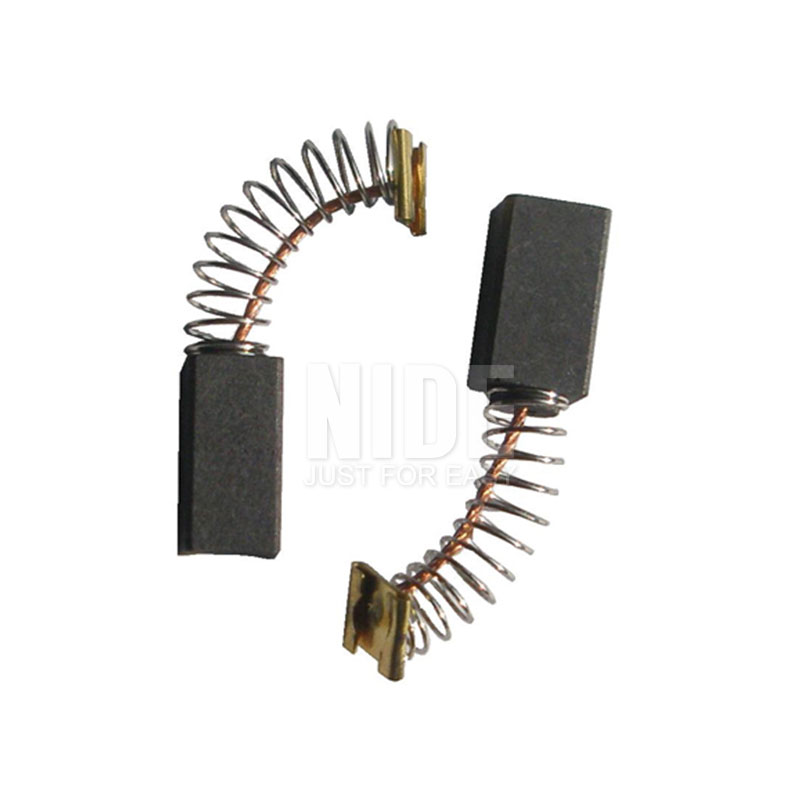
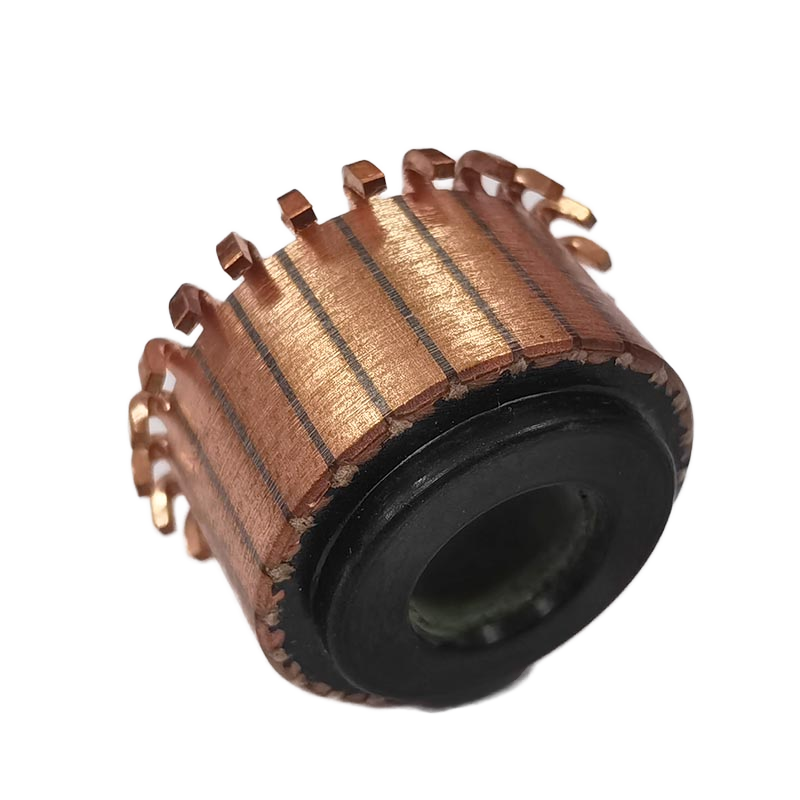
High Precision DC Motor Magnet Alternator Carbon Brushes NDPJ-TS-7 CE Certified
- Low Wear Rate
- High Conductivity
- Automotive Grade
Delivering turn-key automation lines, balancing stations, flyer coil winders, and copper collector systems tailored to European electrical machinery manufacturers and Frankfurt Tier-1 automotive specialists.
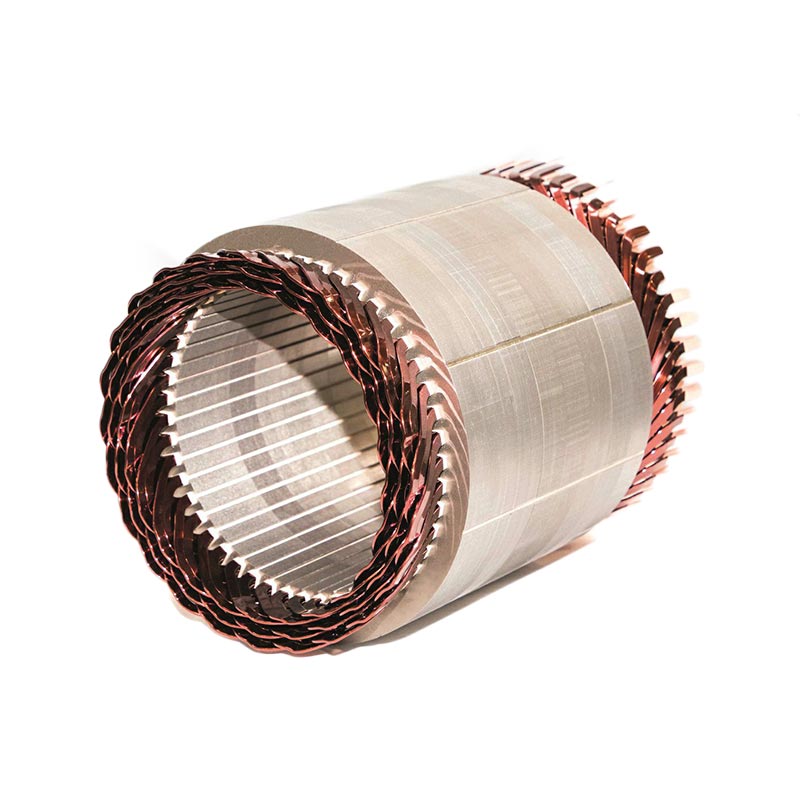
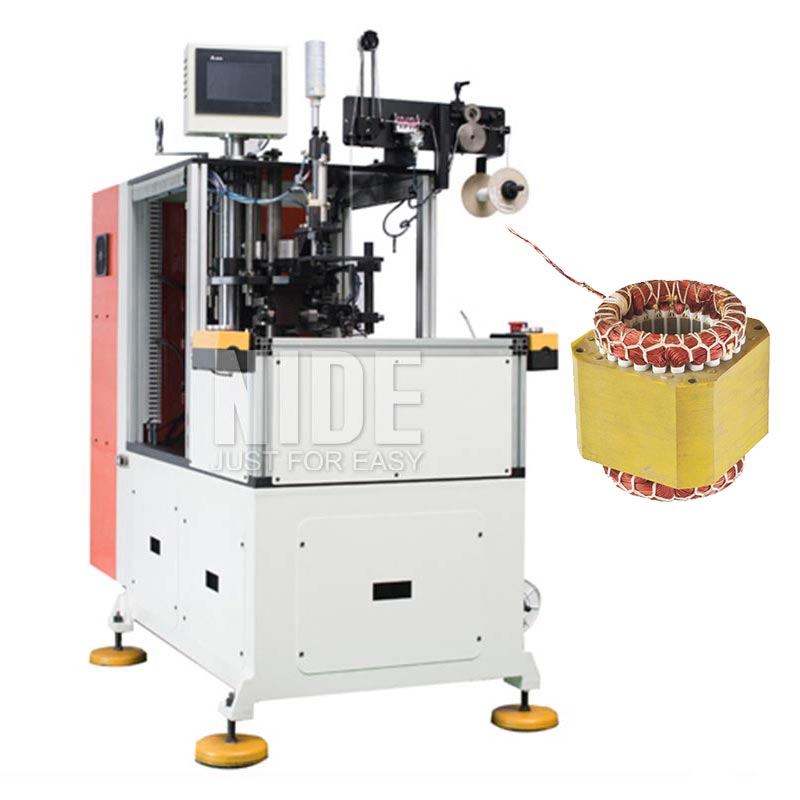
The industrial ecosystem centered around Frankfurt am Main, Darmstadt, Rüsselsheim, Hanau, and Offenbach represents one of Europe's premier corridors for precision automotive powertrain design, advanced industrial robotics, chemical fluid-handling pump systems, and high-efficiency electric drives. As European Union mandates enforce aggressive decarbonization targets under the Corporate Sustainability Due Diligence Directive (CSDDD) and Euro 7 / Ecodesign requirements, Tier-1 system suppliers and specialized electric machine builders across Hesse are faced with an urgent imperative: transitioning from legacy manual or semi-automated rotor winding to fully integrated, intelligent rotor assembly systems that maximize copper slot fill factors, eliminate cogging torques, and guarantee zero-defect operational stability.
Ningbo Nakro Intelligent Equipment Co., Ltd. (operating in technical synergy with premier brand engineering networks) has established itself as China’s leading industrial authority in turnkey motor rotor and stator manufacturing solutions. From our 30,000+ square meter high-precision manufacturing complex, we engineer bespoke assembly lines capable of handling universal motor armatures, brushless DC (BLDC) inner/outer rotors, synchronous reluctance rotors, and permanent magnet synchronous motors (PMSM) for next-generation electric mobility. By bridging advanced Chinese mechatronic agility with German mechanical compliance—specifically adhering to DIN EN 60204-1 safety standards, CE Machinery Directive 2006/42/EC, and Siemens TIA Portal automation architectures—we provide Frankfurt procurement executives and chief engineers with an exceptional combination of high OEE (Overall Equipment Effectiveness) and aggressive capital expenditure optimization.
Our automation cells and rotor manufacturing machineries are actively architected to support specific industrial manufacturing clusters throughout Hessen, Baden-Württemberg, and Rhineland-Palatinate:
Assembly of high-speed e-mobility auxiliary rotors: electric power steering (EPS), brake-by-wire electromechanical actuators, coolant pump brushless rotors, and hairpin flat-wire traction rotors requiring 100% force-displacement monitored shaft-pressing and automated magnet insertion.
Production of high-torque servo rotors and frameless motors for collaborative robots (cobots), automated guided vehicles (AGVs), and packaging machineries. Tight integration of automated thermal sleeve shrink-fitting and continuous commutator turning with surface roughness under Ra 0.4.
Heavy three-phase induction motor stators and skew-slot squirrel-cage rotor manufacturing. Fully automated double-end coil lacing, wedge inserting, and pneumatic-hydraulic lamination stack compaction for industrial fluid circulators and commercial air-handling chillers.
Purchasing managers and industrial plant directors in Frankfurt no longer evaluate production machinery purely on capital purchase price. Total Cost of Ownership (TCO), carbon footprint per machine cycle, software interoperability, and long-term regulatory compliance now dominate tender specifications. Based on our regular technical exchanges with European machine tool auditors, four distinct trends characterize the German rotor assembly landscape:
German smart factories require machinery that communicates seamlessly across heterogeneous automation layers. Nakro equipment natively embeds OPC UA, Profinet, and MQTT protocols. Production data—including press-fit servo force curves, winding tension logs, commutator fusion current pulses, and dynamic balance gram-millimeter vectors—are transmitted directly to on-premise MES or cloud SCADA platforms for ISO 9001 and IATF 16949 audit compliance.
Driven by strict energy efficiency standards (IE4 and IE5 Super Premium Efficiency), Frankfurt OEMs are transitioning away from conventional round-wire armatures toward rectangular flat-wire hairpins and interior permanent magnet (IPM) rotors. This necessitates robotic magnet inserting cells equipped with thermal epoxy dispensing, UV pre-curing, and laser-guided runout inspection capable of measuring axial wobble within ±0.005 mm.
European buyers demand low-energy standby states, servo-electric press replacements for pneumatic and hydraulic cylinders, and optimized copper utilization. Nakro’s latest flyer and needle winders utilize regenerative servo braking drives that feed deceleration energy back into the internal DC bus, reducing machine electrical consumption by up to 28% compared to traditional pneumatic-assisted winders.
Because German Tier-2 manufacturers often operate high-mix medium-volume (HMMV) production schedules, rotor assembly cells must offer rapid changeovers. Our quick-change cassette systems for inserting blades, guide nozzles, and collet fixtures enable operators to switch motor stack heights (from 15 mm to 120 mm) and slot geometry in under 25 minutes without recoding the master PLC logic.
A systematic technical evaluation comparing Nakro’s integrated rotor manufacturing solutions with conventional Western European machinery architectures across core performance parameters:
| Performance Dimension | Ningbo Nakro Intelligent Equipment | Traditional European Machinery Builders | Engineering Benefit for Frankfurt Operations |
|---|---|---|---|
| PLC & HMI Control Platform | Siemens S7-1500 / Beckhoff TwinCAT with Multi-language GUI (German/English/Chinese) | Proprietary closed-architecture controllers or high-cost Siemens configurations | Zero learning curve for Hesse plant maintenance technicians; standard spare parts availability in Germany |
| Dynamic Balancing Integration | Integrated automatic dual-plane dynamic balance station with automated V-milling / drilling | External standalone balancing cell requiring separate robotic handling cells | Saves 40% cleanroom shop-floor footprint; cycle times cut from 45s down to 14s per rotor |
| Shaft & Bearing Press Fit | Electric servo press with real-time force-displacement (F/s) window monitoring & logging | Hydraulic / hydropneumatic press with basic pressure switch cutoff | Eliminates lamination buckling and micro-cracking; 100% digital traceability per serial number |
| Lead Times to Delivery | 10 to 14 weeks for customized standalone cells; 18 to 24 weeks for full turnkey lines | 38 to 56 weeks due to prolonged European backlog and subcontracting chains | Accelerates SOP (Start of Production) by up to 6 months for new vehicle/industrial product launches |
| Total Capital Expenditure (CapEx) | High competitive advantage with high-tier components (SMC, Festo, THK, Keyence, Schneider) | Premium pricing incorporating high overhead and domestic labor surcharges | Enables complete line modernization within mid-sized enterprise (Mittelstand) CapEx budgets |
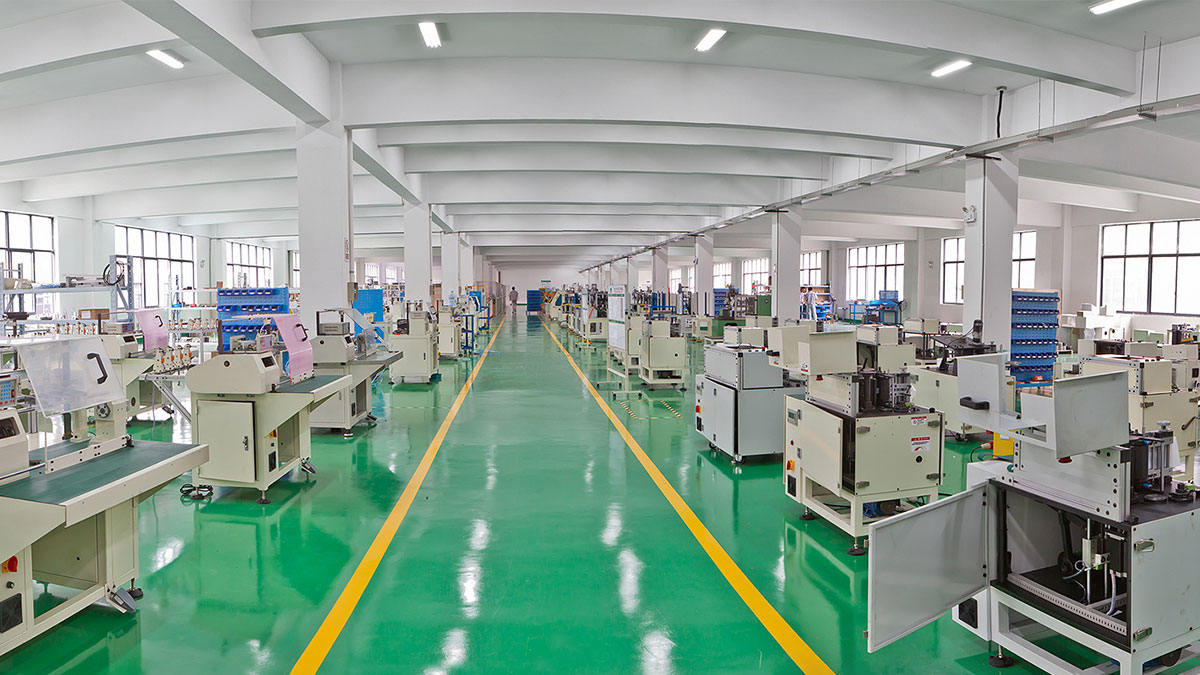
Founded in 2010 in the industrial powerhouse of Ningbo, China, Ningbo Nakro Intelligent Equipment Co., Ltd. has evolved over more than 14 years of focused engineering into a globally recognized producer of motor assembly systems. Operating across 30,000 to 50,000 square meters of specialized production space, our team of 101 to 200 skilled engineers, machinists, and software architects designs, fabricates, programs, and commissions complex motor manufacturing lines exported to more than 50 countries worldwide.
Our competitive advantage for clients in Frankfurt and across Europe rests upon four verified structural pillars:
1. Complete Vertical Integration: Unlike equipment assemblers that outsource critical toolmaking, we maintain in-house 5-axis CNC machining centers, wire-EDM cutting, and precision grinding. Critical wear components—such as coil inserting blades, winding flyers, wedge guide magazines, and commutator turning diamond cutters—are manufactured under strict dimensional tolerances of ±0.002 mm.
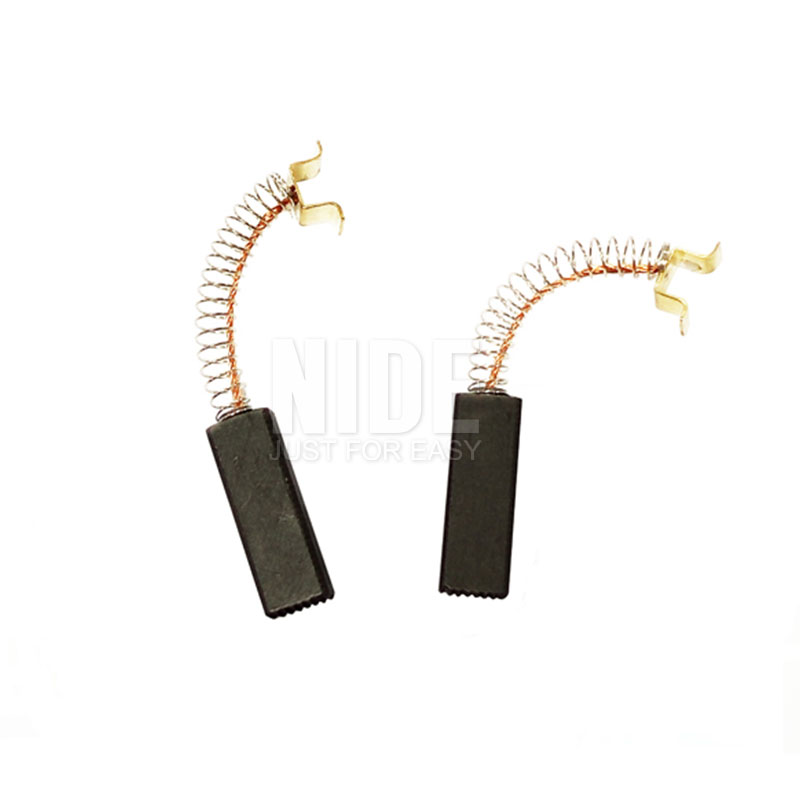
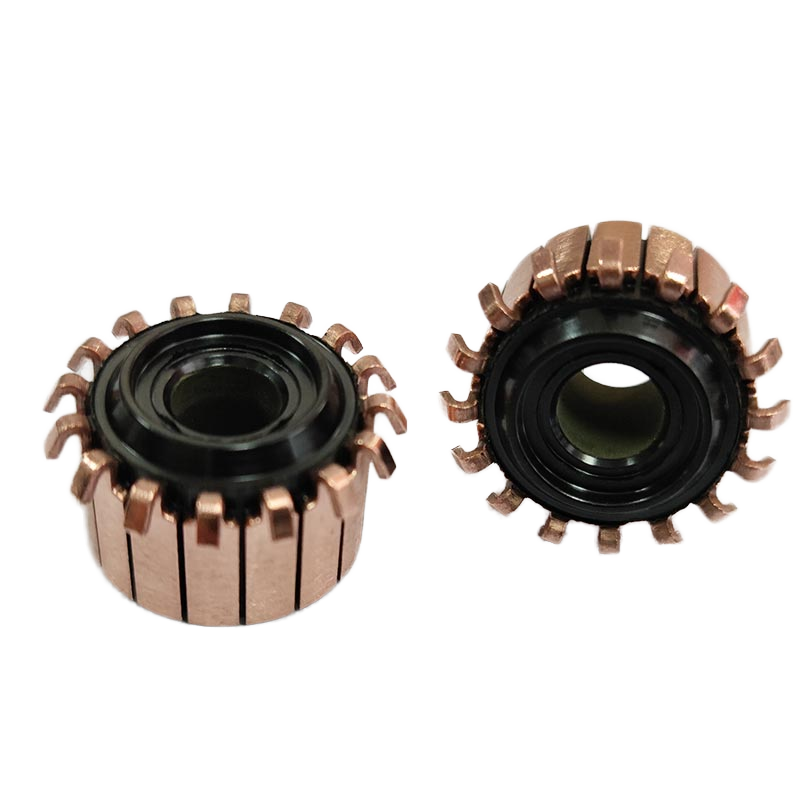
2. Comprehensive Motor Components & Consumables Supply: In addition to automation equipment, we manufacture and supply matching high-performance motor parts: precision hook and groove commutators (e.g., Models NDPJ-HXQ-640A and NDPJ-HXQ-871A), copper collector armatures, low-friction carbon brushes (Models NDPJ-TS-7 and NDPJ-TS-1), ball bearings, stator laminations, slot insulation papers, and drive shafts. This dual role as both machine builder and motor parts provider ensures our equipment tooling matches real-world component metallurgy and tolerances flawlessly.
3. Rigorous Six-Stage ISO 9001 Quality Gate: Every machine undergoes incoming material inspection, precision machining validation, electrical cabinet hipot and wiring check, extensive dry-cycling, and a comprehensive Factory Acceptance Test (FAT) utilizing the customer's actual laminations, wire, and commutators. Continuous run-offs are recorded in high-definition video with full sensor telemetry shared with European engineering teams prior to crate packing.
4. Robust European Engineering Support: We maintain overseas technical partnerships, remote VPN diagnostic gateways, and expedited spare part dispatch to Frankfurt Airport (FRA) within 48 to 72 hours, guaranteeing maximum uptime and operational security for Hesse manufacturing facilities.
Addressing the technical, regulatory, logistical, and commercial inquiries most frequently raised by German engineering procurement teams:
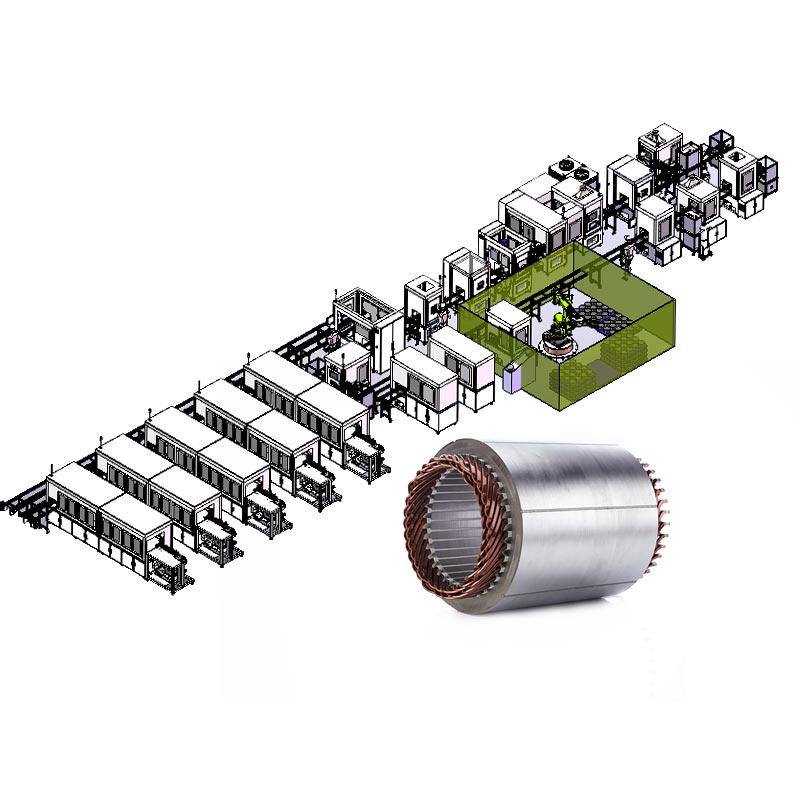
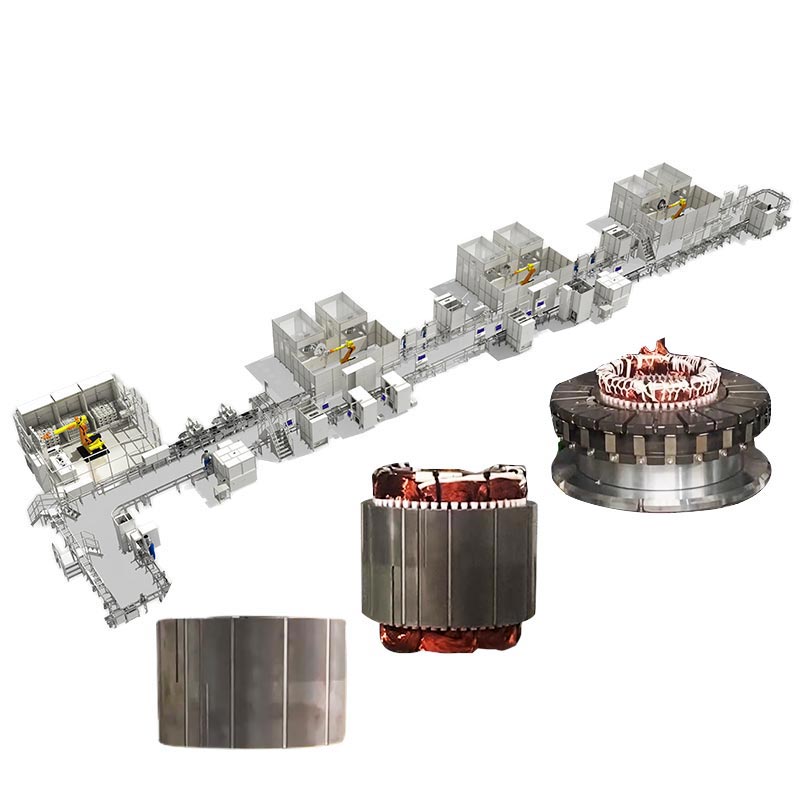
A typical turnkey Nakro high-volume rotor manufacturing cell integrates nine automated stations, linked via palletized walking-beam or magnetic levitation conveyor tracks:
Station 1: Shaft & Lamination Core Press-Fit: Servo-electric press with 50 kN load cell continuously monitors force-versus-displacement curves, inserting precision center ground shafts into skewed silicon steel stacks without mechanical stress warping.
Station 2: Commutator Press-Fit & Radial Alignment: Optical orientation ensures commutator hook slots align precisely with rotor core teeth before pneumatic-servo pressing to exact axial depth limits (±0.02 mm).
Station 3: Slot Insulation Paper Inserting: High-speed mechanical insertion feeds Nomex, DMD, or Kapton insulation film from roll stock, folds edges, cuts, and inserts into all armature slots simultaneously in under 1.8 seconds.
Station 4: Dual-Flyer / Needle Armature Winding: High-speed servo flyers (up to 3,500 RPM) with closed-loop digital magnetic brake tensioning wind enamelled copper wire with zero stretch damage, automatically hooking wire leads onto commutator tangs.
Station 5: Commutator Hook Hot-Stacking (Resistance Fusing): Inverter DC welding power source delivers microsecond-level current pulses under controlled pneumatic electrode pressure, fusing copper wire to commutator tangs with continuous contact resistance monitoring.
Station 6: Slot Wedge Inserting & Resin Trickling / Trickle Impregnation: Automatic insertion of epoxy glass cloth wedges followed by induction preheating and automated resin trickling or vacuum pressure impregnation (VPI) for superior insulation resistance and mechanical bonding under high centrifugal loads.
Station 7: Precision Diamond Commutator Turning: High-precision lathe with natural diamond tool bits executes ultra-fine finishing of the commutator copper surface, achieving circular runout < 0.003 mm and bar-to-bar height discrepancy < 0.0015 mm.
Station 8: Two-Plane Dynamic Balancing: High-sensitivity piezoceramic sensors measure phase and magnitude of unbalance, followed immediately by automatic twin-spindle milling heads that remove exact weight increments from rotor stack ribs.
Station 9: Multi-Parameter End-of-Line (EOL) Testing & Laser Marking: 100% automated electrical testing: bar-to-bar resistance, welded hook resistance, AC high-potential test (hipot up to 2.5 kV), surge waveform comparison, and DPM 2D DataMatrix code laser marking for full lifetime traceability.
Consult with Ningbo Nakro Intelligent Equipment's senior automation specialists. Send your motor design drawings, stack heights, and target takt times to receive a comprehensive engineering proposal and competitive quotation for your facility in Frankfurt or across Europe.
