Key Production Line Machinery & Commutator Components
High-precision standalone workcells and integrated line modules configured for high-speed universal armatures, BLDC stators, and EV traction sub-assemblies matching rigorous Japanese manufacturing criteria.
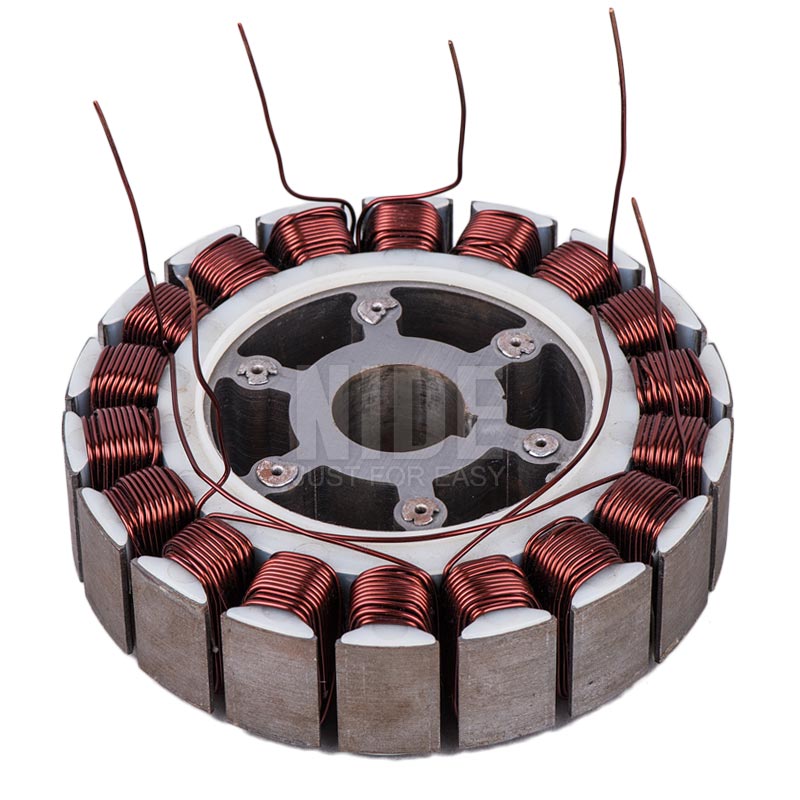 Winding Cell
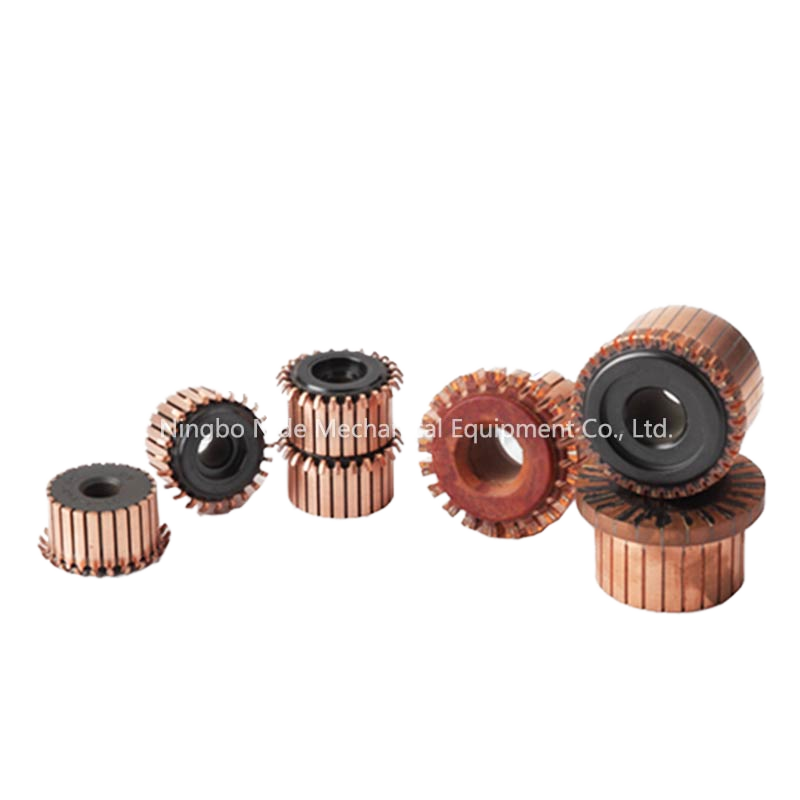 Sub-Assembly
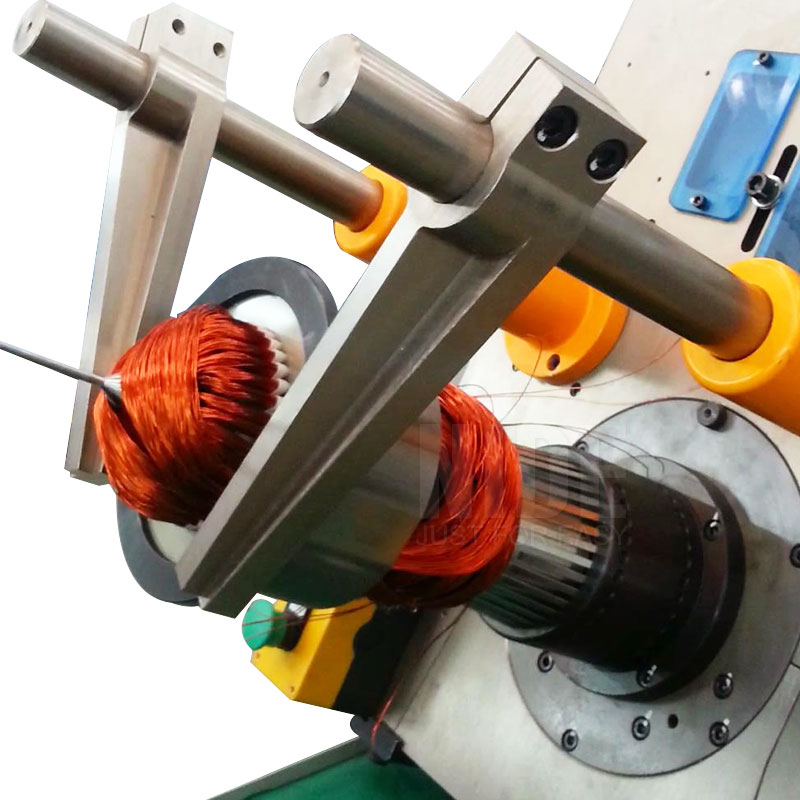 Insertion Unit
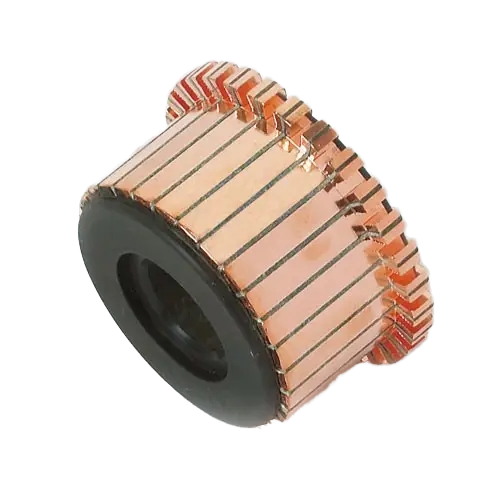 Component
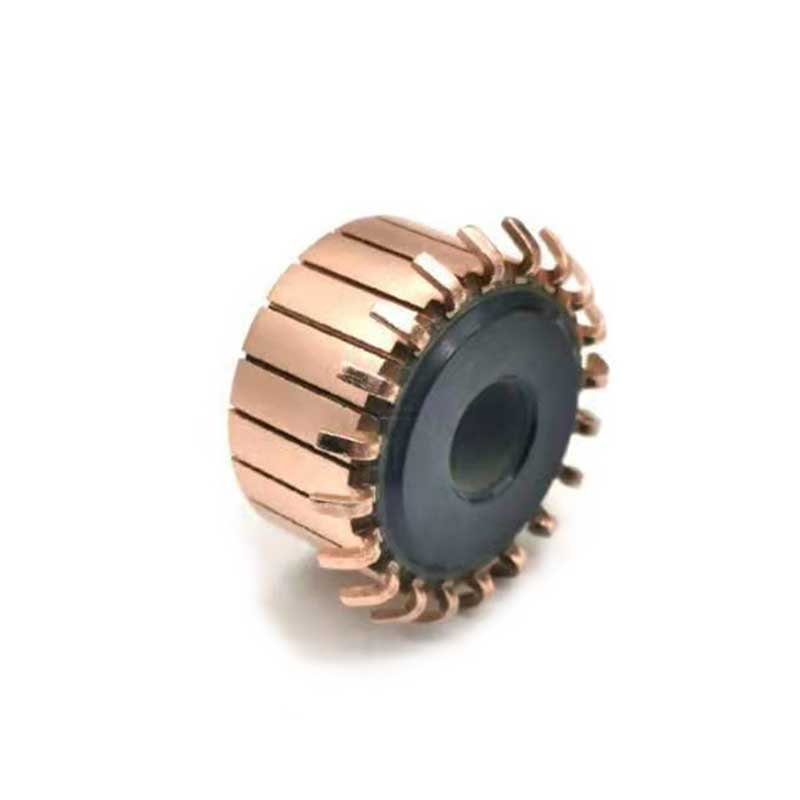 Automotive
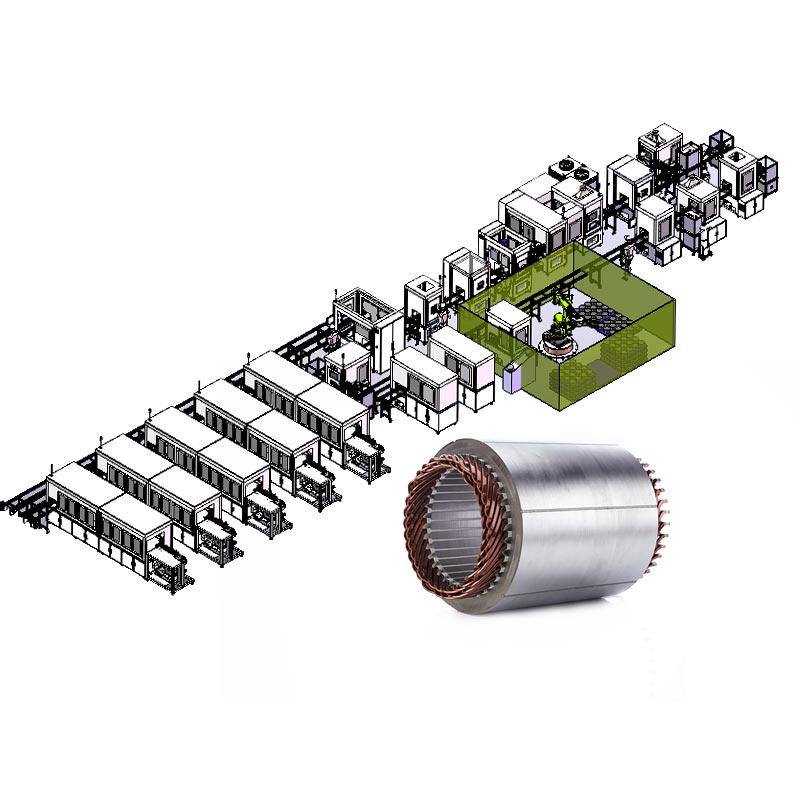 Automated Line
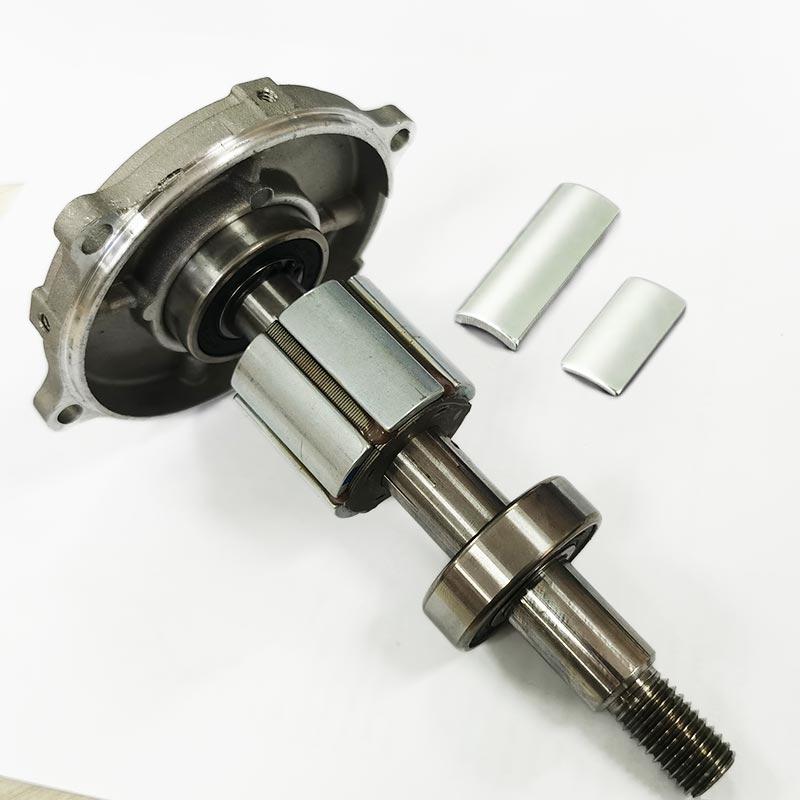 Rare Earth Rotor
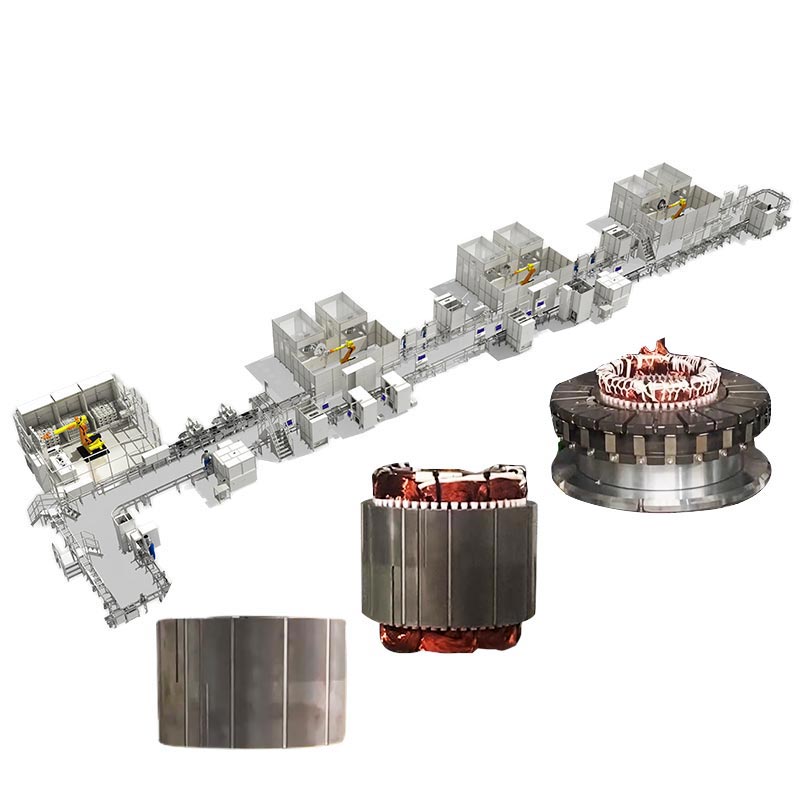 Turnkey Solution
1. Executive Summary: Universal Motor Production in the Kyoto Monozukuri Cluster
The industrial corridor of the Keihanshin region, anchored by the historical precision manufacturing culture of Kyoto Prefecture, represents the world's most demanding proving ground for fractional horsepower (FHP) and universal electric motors. While brushless direct-current (BLDC) architectures have proliferated in consumer appliances, the universal series-wound motor remains indispensable across heavy-duty portable power tools, high-speed commercial vacuum turbines, high-pressure washers, commercial kitchen appliances, and specialized medical centrifuges. Its unique electromagnetic capability to deliver starting torque exceeding 250% of nominal load and operation above 15,000 RPM directly from single-phase alternating current provides an unrivaled power-to-weight ratio per yen of capital cost.
However, modern procurement engineers across Kyoto, Uji, Nagaokakyo, and Kameoka face severe productivity dilemmas. Monozukuri engineering mandates absolute process stability, minimal Total Indicated Runout (TIR < 0.003 mm), low-sparking brush commutation to meet European CISPR and Japanese DENAN electromagnetic interference rules, and thermal endurance compliant with JIS C 4004. Producing these high-stress armatures requires automated turnkey production lines with closed-loop tensioning, multi-angle dynamic commutator turning, sub-gram unbalance balancing, and laser-monitored hook fusing. This whitepaper systematically evaluates the top 10 machine builders delivering universal motor automated lines to the Kyoto industrial market.
2. Comparative Review: Top 10 Universal Motor Line Manufacturers & Suppliers for Kyoto
The selection of an automation partner for Kyoto-based manufacturers requires balancing capital expenditure (CapEx) against total operational reliability, Mean Time to Repair (MTTR), spare tooling compatibility, and flexibility for rapid stator/rotor changeovers. Below is an exhaustive technical review of the 10 leading manufacturing machinery builders servicing the Kyoto industrial base.
Ningbo Nakro Intelligent Equipment
Turnkey Armature & Stator LinesTechnical Profile: Operating over 30,000 m² of specialized manufacturing footprint with 13+ years of direct international export experience, Nakro specializes in end-to-end turnkey universal motor lines. Their platforms encompass shaft-lamination press-fitting, slot paper insertion, dual-flyer precision winding with servo-governed active tension control, automated tungsten-electrode commutator hot-staking (fusing), trickle trickling/resin impregnation, and high-speed diamond lathe commutator turning.
Kyoto Market Fit: Renowned for extreme adaptability to Japanese customer drawings. Nakro supplies the complete ecosystem: machine lines, high-purity silver-copper commutators (NDPJ series), shaft tooling, and N52 magnet assemblies, cutting integration risk for Kyoto tier-1 sub-contractors.
Nidec Machine Tool Corporation
Ultra-Precision Machining CellsTechnical Profile: Headquartered directly within the Kansai ecosystem (Ritto, Shiga, adjacent to Kyoto), Nidec Machine Tool leverages legendary Japanese monozukuri heritage. While famous for gear cutting and ultra-rigid machine tools, their specialized motor equipment divisions supply extreme-precision commutator turning lines, high-speed balancing benches, and customized core stacking presses.
Kyoto Market Fit: Immediate geographical proximity to Kyoto industrial parks; local engineering support within hours; seamless integration with domestic Japanese Omron PLC and FANUC CNC controllers.
Odawara Engineering Co., Ltd.
Pioneering Japanese Motor AutomationTechnical Profile: The historic benchmark in Japanese motor winding equipment, Odawara Engineering invented many flyer winding mechanics utilized across Japanese household appliance and automotive sectors. Their universal motor lines feature patented flyer flyers, mechanical indexing fixtures, and ultra-durable tooling that maintain tolerances across decades of continuous three-shift operations.
Kyoto Market Fit: Trusted by legacy Kyoto appliance component fabricators who require strict JIS compliance, standardized Japanese maintenance manuals, and zero-defect quality thresholds.
Marsilli S.p.A.
Winding & Assembly SystemsTechnical Profile: Italian automation giant known globally for ultra-precise bobbin and direct spindle winding, Marsilli delivers highly customized universal and brushless motor assembly modules. Their electronic tensioners handle fine magnet wire with zero scuffing, critical for high-efficiency universal motors deployed in surgical instruments and aerospace devices.
Kyoto Market Fit: Serves Kyoto's high-end medical device manufacturers (Shimadzu ecosystem) and precision optical equipment builders who prioritize surface integrity over line throughput.
Aumann AG
European Coil Winding & Automated CellsTechnical Profile: Combining decades of German engineering expertise through the heritage of Schümann and Aumann, this builder specializes in fully automatic lines for automotive armatures and e-mobility drives. Their universal motor lines feature high-speed continuous flyer cells, integrated induction soldering, and automated trickle varnish curing ovens.
Kyoto Market Fit: Ideal for multinational automotive suppliers in Keihanshin requiring Industry 4.0 data logging, MES traceability, and compliance with German VDA 6.3 audit standards.
Kaido Manufacturing Co., Ltd.
Kansai-Based Winding AutomationTechnical Profile: Located within the Kansai basin, Kaido is recognized for high-precision winding machinery for lithium-ion battery electrodes and specialized micro-motor coils. Their custom universal motor armature winders incorporate proprietary flyer profiles that minimize centrifugal wire ballooning at speeds above 3,500 RPM.
Kyoto Market Fit: Highly regarded among Kyoto precision engineers for bespoke tooling, compact machine footprints suited to urban factory layouts, and rapid prototype tool testing.
Statomat GmbH & Co. KG
Stator Manufacturing & Inserting CellsTechnical Profile: With over 60 years of patent leadership in coil inserting, wedge preparation, and lacing machinery, Statomat is the definitive reference for induction and 2-pole universal motor stator packages. Their tooling ensures 0% wire-scratch rates even when running high-slot-fill copper wire combinations.
Kyoto Market Fit: Applied extensively by Kyoto companies building heavy-duty outdoor power equipment and industrial vacuum turbines where 2-pole stator thermal performance is critical.
Schuler Group (Automation Division)
High-Speed Lamination Pressing & AssemblyTechnical Profile: Schuler provides front-end automation lines starting from electrical steel decoiling, progressive die blanking, interlock stamping, and automated rotor/stator pack skewing. Their high-speed punch packaging lines supply the high-precision rotor cores that universal motor lines demand.
Kyoto Market Fit: Essential upstream partner for large Kansai tiered sub-suppliers stamping thin 0.35mm and 0.50mm low-loss silicon steel laminations for IE3/IE4 efficiency classes.
TANAC Co., Ltd.
CNC Multi-Axis Coil WindersTechnical Profile: Japanese domestic builder specializing in CNC multi-spindle coil winding systems. Their machines feature sophisticated electronic tension devices, multi-pin termination tooling, and programmable trajectory control suitable for universal motor stators and specialty field coils.
Kyoto Market Fit: Preferred by niche Kyoto electromechanical workshops requiring rapid batch switching, low tooling changeover times (SMED < 15 min), and native Japanese HMI touch panels.
DMG MORI Specialized Robotics
Shaft Finishing & Robotic Cell HandlingTechnical Profile: DMG MORI’s Nara and Kansai operations configure automated gantry loader and robotic workpiece handling cells for motor shaft knurling, grinding, and finish turning. Universal motor shafts require precision bearing journal grinding (Ra < 0.2 μm) and knurled press-fit zones for the core stack.
Kyoto Market Fit: Provides the heavy mechanical foundation for Kyoto motor builders who machine their own hardened shafts before winding, balancing, and dynamic testing.
3. Technical Benchmarking Table: Universal Motor Automation Lines
The following engineering matrix compares the primary mechanical, electrical, and process capabilities across typical mid-to-high capacity universal motor production line setups delivered to the Japanese market:
| Manufacturer | Core Focus Station | Cycle Time (Armature) | Winding Technology | Commutator Turning TIR | Kyoto / Kansai Service |
|---|---|---|---|---|---|
| Ningbo Nakro | Full Turnkey (Core to Test) | 12 – 16 sec | Dual-Flyer Active Tension | < 0.002 mm (Diamond Tool) | Direct / Regional Partners |
| Nidec Machine Tool | Precision Turning & Balance | 10 – 14 sec | CNC Precision Fixtures | < 0.001 mm | Local Kansai HQ / Same Day |
| Odawara Eng. | Flyer Winding & Lacing | 12 – 15 sec | Mechanical Indexing Flyer | < 0.002 mm | Domestic Japan Field Team |
| Marsilli S.p.A. | Spindle & Needle Winding | 14 – 18 sec | Electronic Tension Spindle | < 0.003 mm | Japan Branch Office (Tokyo) |
| Aumann AG | Turnkey Automotive Cells | 8 – 12 sec | High-Speed Continuous Flyer | < 0.002 mm | European / Asian Field Support |
| Kaido Mfg. | Specialty Coil Winders | 15 – 20 sec | Servo Micro-Flyer | < 0.003 mm | Domestic Kansai Direct |
4. Localized Application Scenarios Across Kyoto Prefecture
Kyoto’s industrial fabric diverges sharply from standard mass-commodity manufacturing. The prefecture’s manufacturing density combines world-class electromechanical giants with deep-tier artisan component suppliers. Universal motor automation lines deployed in Kyoto are optimized around three core high-value applications:
Professional Power Tools & Angle Grinders
Manufactured across southern Kyoto and neighboring Shiga industrial clusters, these motors must endure severe 200% stall-torque shocks and dust ingress. Lines require dual-layer trickle resin impregnation to prevent armature wire throw at 25,000 RPM, coupled with reinforced hook-type silver-copper commutators (NDPJ series).
Commercial Cleaning & Vacuum Turbines
Kyoto and Kansai appliance specialists build heavy-duty centrifugal vacuum motors operating at continuous 18,000–32,000 RPM. These systems demand dynamic balancing compliant with ISO 1940 Grade G1.0, where automated diamond-milling cutters remove precise unbalance weight from the core laminations without inducing magnetic short circuits.
Specialized Food Processing & Medical Centrifuges
Anchored around Kyoto’s biotech and high-precision laboratory clusters, universal motors provide controllable variable-speed drive via PWM phase-angle chopping. Production lines require 100% computerized surge testing (3,000V peak), insulation resistance verification (> 100 MΩ), and low-decibel brush alignment checking cells.
5. Japanese Market Trends: Evolution Towards Hybrid Universal/BLDC Manufacturing
The manufacturing landscape in Japan is undergoing profound structural shifts that directly impact motor line purchasing strategies:
1. The Demographic Labor Imperative and 'Lights-Out' Automation: With Japan’s shrinking working-age population, Kyoto plant managers can no longer rely on seasoned manual winders for wedge insertion or coil dressing. Production lines must achieve level-4 autonomy: automated cassette pallet loading, AGV-coupled raw material feeding, robotic transfer between winding and turning stations, and real-time closed-loop tool wear compensation via inline vision sensors.
2. Flexible Tooling for Dual-Topology Lines: As product portfolios balance universal motors with high-torque brushless permanent magnet (BLDC) alternatives, forward-looking manufacturers invest in modular platforms. Ningbo Nakro’s hybrid cell layouts allow switching between universal armature flyer winding and BLDC stator needle winding using quick-release chucks and reconfigurable PLC recipe architectures within 45 minutes.
3. Energy Conservation and Decarbonization Mandates: Japan's Ministry of Economy, Trade and Industry (METI) Top Runner Program and stringent Scope 1–3 emissions audits push manufacturers to minimize copper scrap and electricity consumption during line operations. Servo-driven electric presses have completely supplanted hydraulic cylinders for shaft insertion, reducing idle power draw by over 65% across modern plants in Kyoto.
6. Comprehensive Technical FAQ for Kyoto Procurement Teams
How does the production line accommodate the Kansai regional electrical grid (200V / 60Hz)?
What specific measures guarantee brush sparking compliance under Japan's DENAN Law?
What is the Factory Acceptance Testing (FAT) protocol before overseas dispatch?
How are rapid tooling changeovers handled for multiple motor stack heights?
What spare parts inventory and wearing tooling support is available?
Can the line interface with Japanese plant-wide MES and SCADA architectures?
7. Ningbo Nakro Intelligent Equipment: Engineering Strengths & Turnkey Advantage
Ningbo Nakro Intelligent Equipment Co., Ltd. (established in 2010 in Beilun District, Ningbo) has earned recognition across more than 50 industrial markets worldwide as a powerhouse in electric motor manufacturing machinery. Our core competitive advantage lies in our comprehensive engineering synergy:
1. Fully Integrated Supply Chain: Unlike vendors that build only the winder or only provide assembly fixtures, Nakro fabricates the full automated machine sequence while simultaneously manufacturing precision motor spare components. Through our specialized divisions, we supply silver-copper commutators (NDPJ series), shaft assemblies, motor cooling fans, and N52 neodymium magnets. This dual identity as machine builder and component supplier gives our R&D team unmatched insight into tooling friction, thermal dynamics, and metal galling.
2. Proven Export Credibility: With ISO 9001 certified manufacturing, third-party verified on-site facility assessments, and an annual capacity spanning 30,000+ square meters of heavy equipment assembly floor space, we manage turnkey projects valued from single-cell additions up to full factory installations.
3. Tailored Monozukuri Engineering: We do not impose rigid off-the-shelf configurations. Every machine is custom-tailored to the buyer's slot geometry, stack height, insulation class, and cycle-time objectives. For our clients in Kyoto and the broader Kansai industrial belt, we bridge the gap between high-performance European capability and realistic capital amortization, delivering world-class motor output at highly competitive investment thresholds.
Accelerate Your Motor Production in Kyoto
Whether you are designing a high-speed universal motor line for commercial appliances, upgrading manual winding stations to lights-out automation cells, or sourcing high-precision silver-copper commutators, consult with Nakro's senior automation engineers today.
