50+
Export Markets Served
ISO 9001
Certified Quality System
30,000+ m²
Production & R&D Footprint
14+ Yrs
Turnkey Process Expertise
Engineering High-Yield Stator Lamination Lines for Seattle’s Advanced Manufacturing Corridors
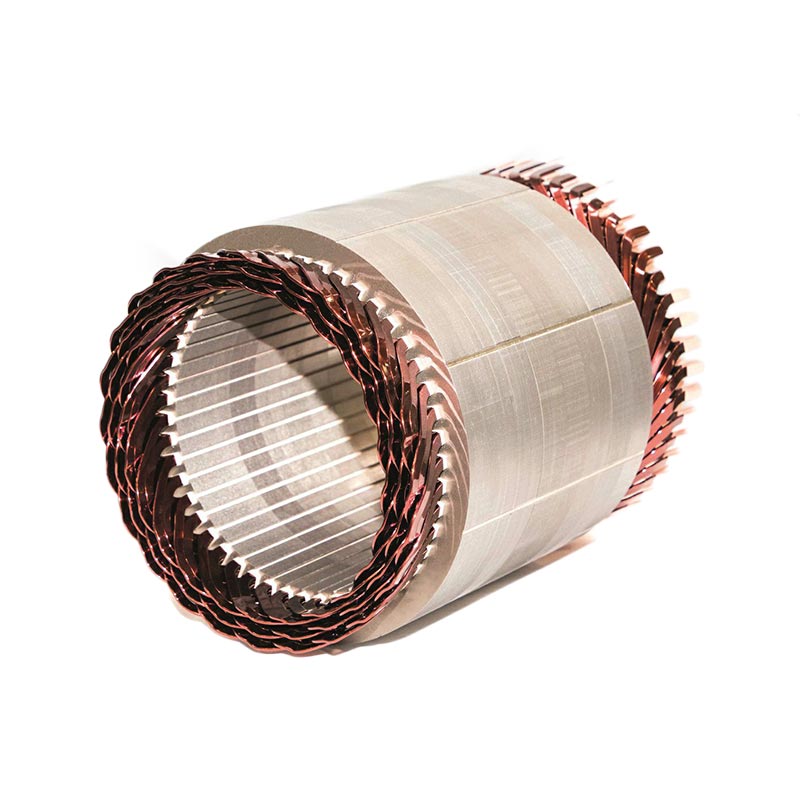
The greater Seattle metropolitan region—stretching from the aerospace hubs in Everett and Renton to the clean-tech and maritime electrification facilities in Kent, Redmond, and Tacoma—demands rigorous electromotive manufacturing standards. As a globally recognized stator lamination line exporter and machine integrator, Ningbo Nakro Intelligent Equipment delivers advanced, high-speed progressive die stamping cells, automated interlocking mechanisms, robotic laser-welding lamination systems, and turnkey hairpin stator assembly lines. By pairing sub-micron stacking repeatability with low iron loss electromagnetic processing, we help Puget Sound manufacturers surpass stringent thermal, acoustic, and efficiency thresholds.
Precision Hardware & Tooling
Featured Stator & Rotor Production Solutions
Explore our industrial-grade lamination lines, winding equipment, and precision core components engineered to match demanding cycle times and specific slot geometries.
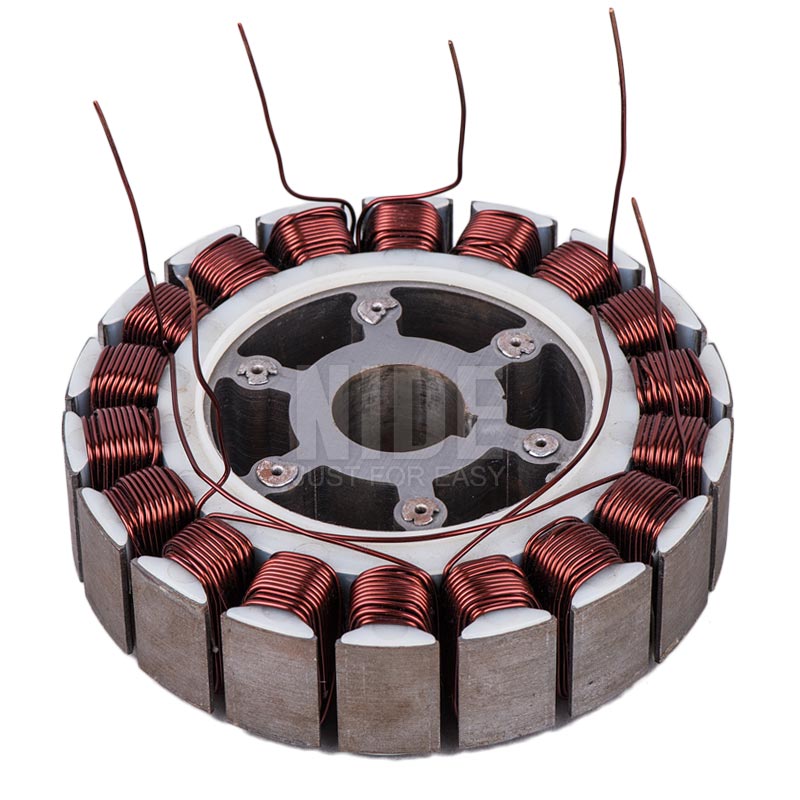
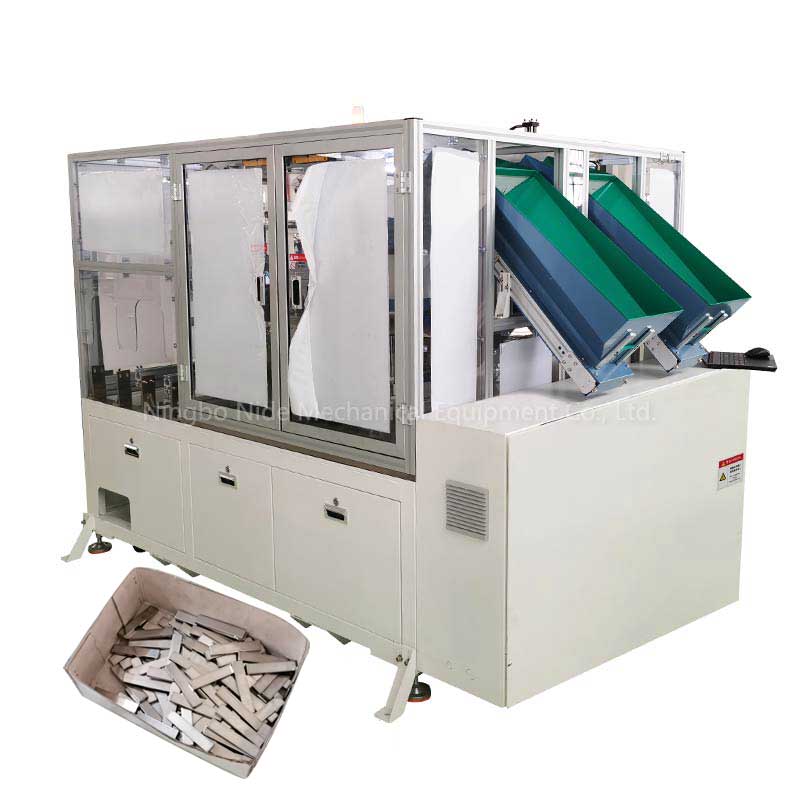
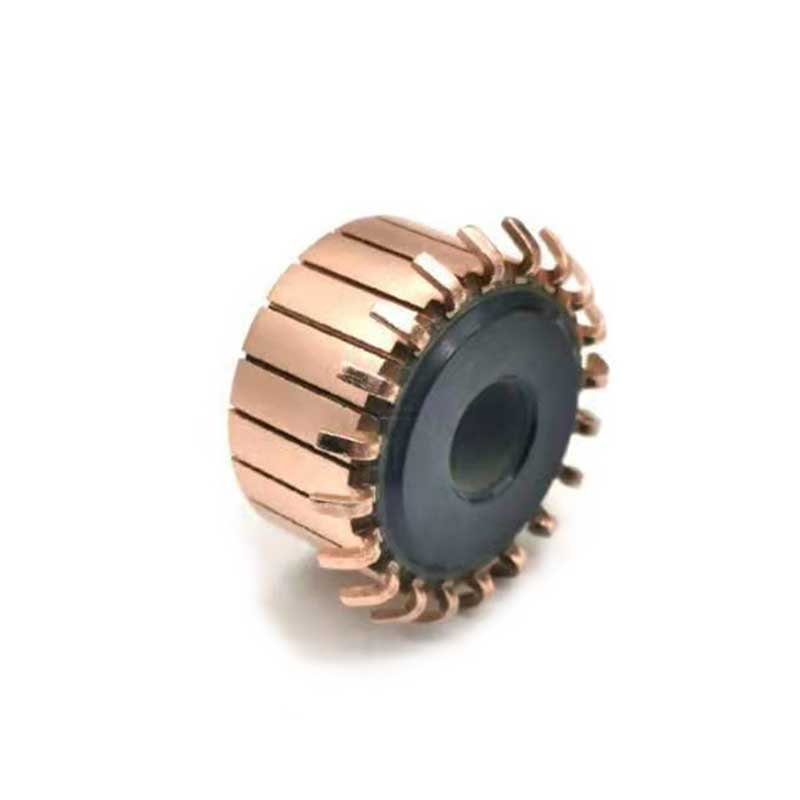
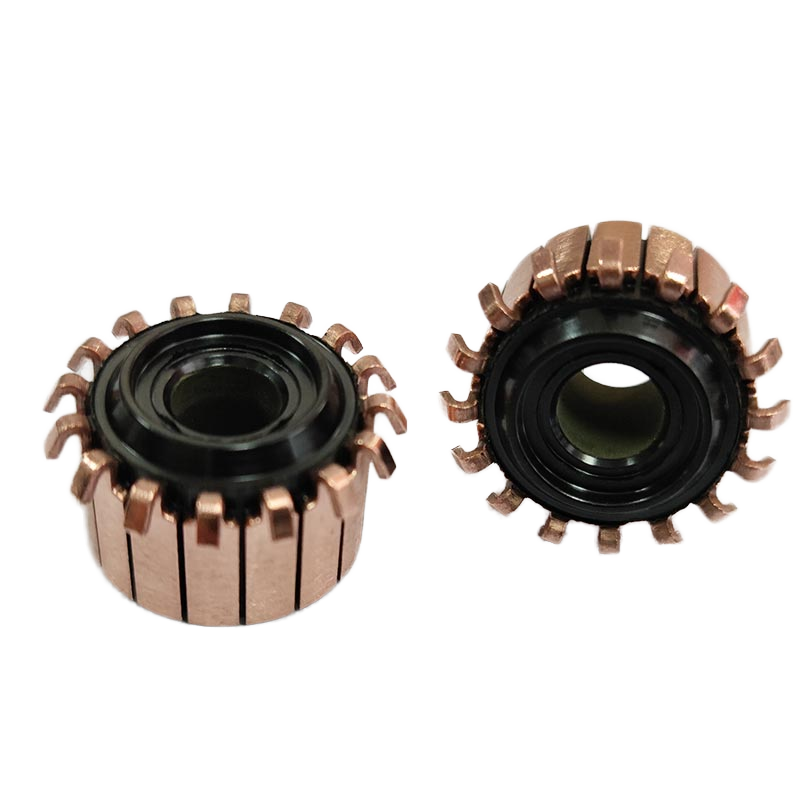
Engineering Whitepaper
Precision Stator Lamination: Metallurgy, Stamping, and Stacking Core Competencies
A comprehensive overview of stator manufacturing engineering for Tier-1 suppliers and motor OEMs targeting aerospace, marine, and high-efficiency industrial applications.
⚙
Progressive Die Stamping & Burr Suppression
Stator lamination cores dictate magnetic flux efficiency. Operating with non-grain-oriented silicon electrical steel (ranging from 0.20 mm to 0.50 mm gauge, grades 20JNE1200 through 50A1300), our high-speed stamping presses feature multi-station carbide tooling. Automated die clearances maintain cut-edge burr levels strictly under 0.012 mm. Suppressing microscopic edge burrs prevents inter-lamination short circuits, substantially decreasing eddy current losses (W/kg) under high electrical frequencies up to 1,200 Hz.
🔍
Automated Core Interlocking & Skewing
Our stator production lines incorporate integrated servo-actuated indexing tables within the stamping tool. Stations execute interlock-dovetail blanking, rotary stacking, and automated radial skewing directly within the die chute. By programming precise angular rotations between consecutive laminations, our systems cancel out axial thickness variations (wedge-effect compensation) while smoothing stator slot cogging torque—a decisive metric for electric aircraft actuators and quiet marine propulsion drives.
⚡
Laser Welding, Gluing & Bonding
For cutting-edge PMSM and axial-flux architectures where mechanical interlocking creates localized magnetic hysteresis flux bottlenecks, Nakro supplies automated backlack (self-bonding varnish) lamination curing ovens and robotic fiber laser seam-welding cells. Controlled focal lengths and real-time melt pool pyrometry avoid thermal degradation of organic surface insulation layers, preserving 100% lamination interlaminar resistance.
| Stator Core Joining Method | Stack Stiffening Factor | Eddy Current Loss Impact | Radial Stacking Tolerance | Ideal Application Scenario |
|---|---|---|---|---|
| Mechanical Interlocking (In-Die) | High (Interlock Pips) | Moderate (Local punch stress) | ±0.025 mm | High-volume automotive auxiliary, HVAC blowers, pumps |
| Robotic Seam Laser Welding | Extreme (Continuous Bead) | Low-Moderate (Confined heat zone) | ±0.015 mm | Traction motors, e-mobility stators, heavy machinery |
| Self-Bonding Varnished (Backlack) | Uniform (100% Surface Bond) | Lowest (Zero mechanical puncture) | ±0.008 mm | Aerospace APU generators, high-speed UAV motors, drone stators |
| Rivet & Cleat Clamping | Moderate (Dependent on torque) | High (Rivet eddy loops) | ±0.040 mm | General industrial three-phase induction stators |
Regional Deployment
Localized Industrial Applications Across the Seattle Market
Custom-engineered automation lines serving prime Puget Sound industrial clusters, clean tech ecosystems, and heavy engineering facilities.
◆ Commercial Aviation & UAV Actuators
Seattle’s aerospace corridor—centering around Snohomish and South King counties—demands aerospace-grade stators. Our lamination lines produce compact, high-slot-fill stators with 0.20 mm ultra-thin electrical steels for auxiliary power units (APUs), fly-by-wire flight control servo actuators, cabin air compressors, and autonomous cargo eVTOL platforms where thermal limits and weight optimization are critical.
◆ Maritime Vessel Hybrid & Electric Propulsion
From the Port of Seattle and Port of Tacoma down to Puget Sound ferry electrification programs, our heavy-gauge stator lamination lines and automated coil inserting machines assemble high-torque permanent magnet rim-drive motors, hybrid tugboat auxiliary thrusters, and zero-emission fishing vessel winch generators designed to resist harsh maritime saline corrosion.
◆ Clean Tech, Hydro-Turbines & Water Pumping
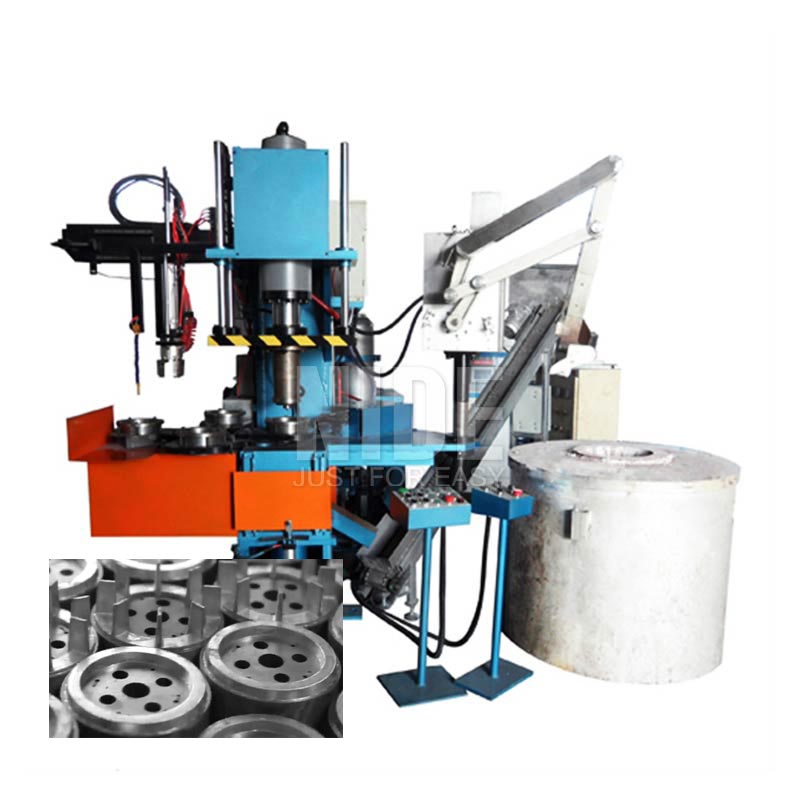
Washington State’s abundant renewable hydropower grid fosters deep innovation in commercial fluid handling and mini-hydro generators. Nakro provides automated coil winding, slot cell insulation insertion, and squirrel-cage rotor aluminum die-casting machines for high-efficiency municipal water pumps, submersible industrial circulation pumps, and heat exchanger systems.
◆ Robotics, Autonomous Warehousing & AGVs
With Seattle and Bellevue serving as global hubs for cloud computing, AI, and fulfillment logistics, automated guided vehicles (AGVs) and warehouse robotic arms rely on ultra-smooth BLDC wheel hub motors. Our dedicated outer-rotor winding and magnet inserting lines ensure zero-cogging torque and sub-millimeter concentricity for 24/7 continuous duty cycles.
◆ Forest Products, Timber Milling & Heavy Conveyance
The Pacific Northwest lumber industry operates heavy conveyor lines, chippers, and debarkers that subject induction motors to punishing torque shocks. We export rugged 3-phase stator lamination press stations, automatic wedge inserters, and double-side coil forming presses capable of building IEEE 841 severe-duty motor cores that withstand high thermal and mechanical shock.
Macro Economic Shift
Emerging Market Trends Reshaping Motor Manufacturing in the Pacific Northwest
Analysis of regional supply chain reshoring, state-level decarbonization mandates, and technological transitions.
☁
Washington State Decarbonization Mandates
With aggressive climate policies targeting net-zero building codes and maritime fleet overhauls, motor assemblers across Washington are phasing out low-efficiency induction designs. The demand for IE4 and IE5 Super Premium Efficiency stators has surged. Nakro lines integrate automatic high-slot-fill needle winding, reducing copper I²R electrical heat losses by up to 28% compared to traditional random-wound methods.
🚀
Hairpin (Flat Wire) Stator Technology Adoption
Automotive tiers and marine propulsion fabricators in the corridor between Seattle and Portland are migrating from conventional stranded round copper wire to continuous rectangular hairpin technology. Our hairpin lines achieve slot copper fill ratios exceeding 73%, optimizing power density and conducting heat away from the stator core directly to liquid-cooling jackets.
💻
Smart Factory Industry 4.0 Traceability
Puget Sound engineering teams prioritize digital transparency. All Nakro PLC-controlled stator lines are outfitted with industrial Ethernet, OPC-UA data interfaces, and individualized laser barcode serialization. Every stator stack’s press tonnage, displacement curves, surge voltage test results, and micro-ohm loop resistances are recorded and pushed directly to plant MES systems.
Execution Standard
Turnkey Stator Production Line Delivery Framework
How Ningbo Nakro executes transatlantic equipment delivery from engineering drawings to local factory buy-off in the United States.
01
CAD & Core Analysis
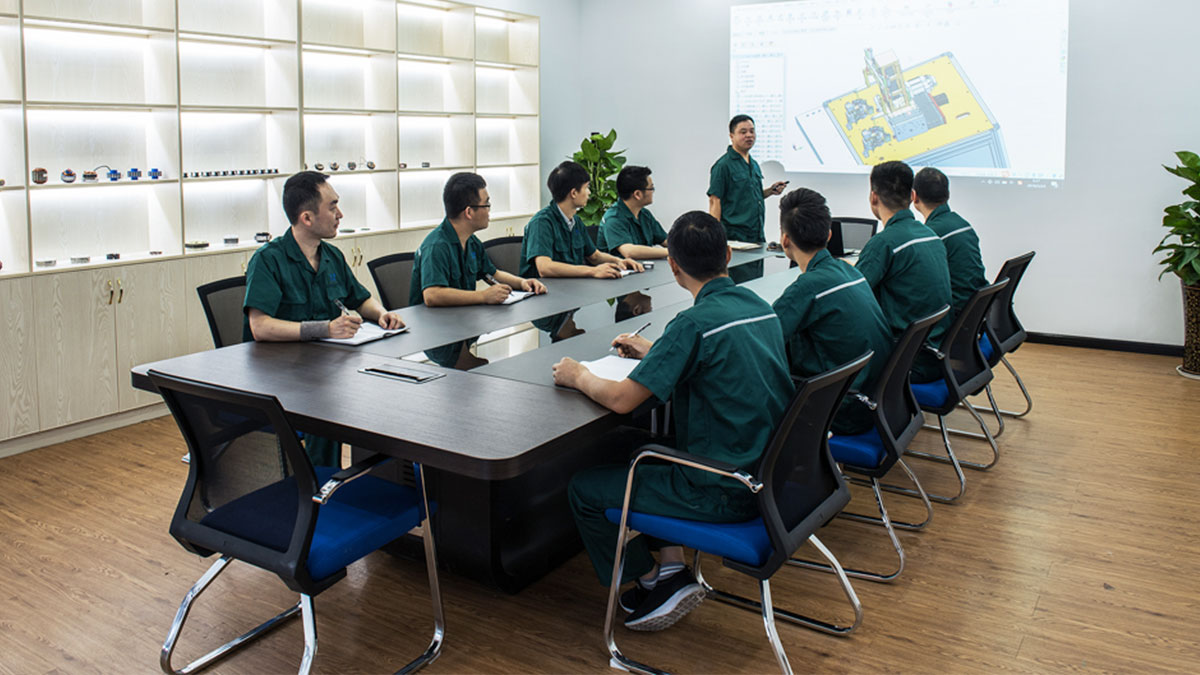
Finite element analysis of client motor laminations, stacking height ranges, slot geometry, insulation class, and required hourly cycle times.
02
Custom Tooling R&D
In-house precision grinding of carbide stamping dies, winding needles, coil insertion pushers, and slot wedge magazines built specifically to your drawings.
03
Material Factory Acceptance
Rigorous pre-shipment trial runs utilizing the client’s actual silicon steel and magnet wire. Full-speed multi-hour trial recorded via video with CMM data logs.
04
US Onsite Commissioning
Delivery via Port of Seattle / Tacoma terminals, accompanied by factory installation teams, remote tele-diagnostics, spare tooling, and operator training.
Manufacturer Credentials
Why Global Manufacturers Partner with Ningbo Nakro
Consolidated manufacturing strength, ISO 9001 certified execution, and end-to-end component ecosystem.
End-to-End Motor Manufacturing Machinery & Stator Lines
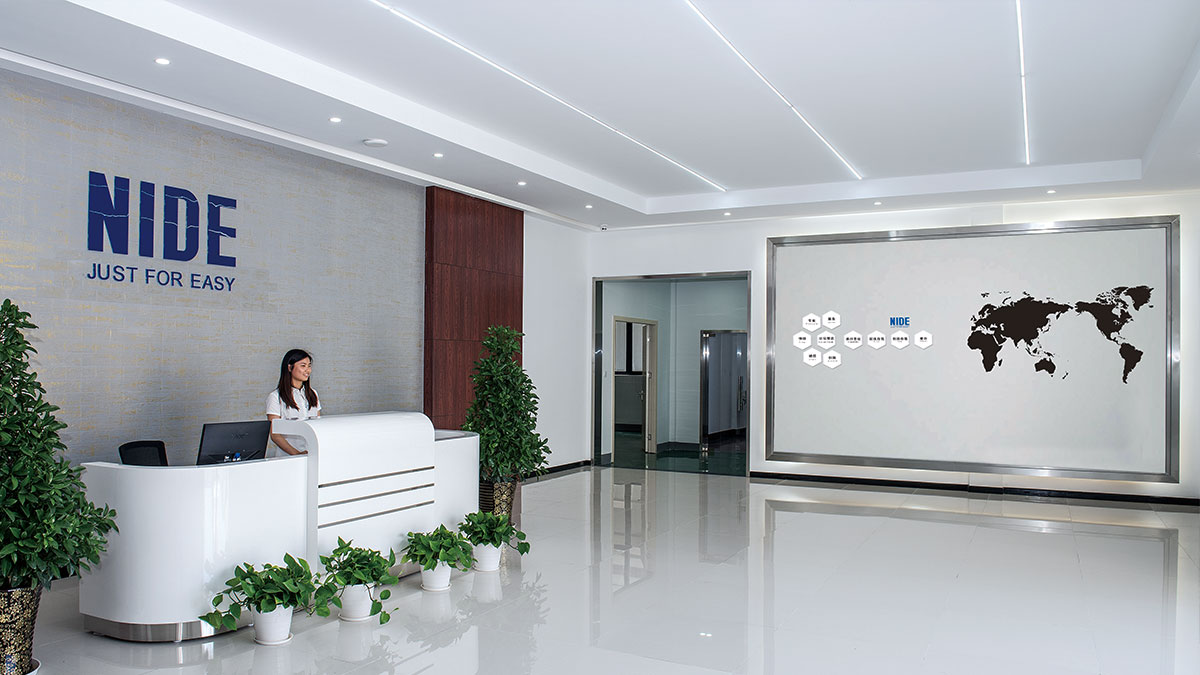
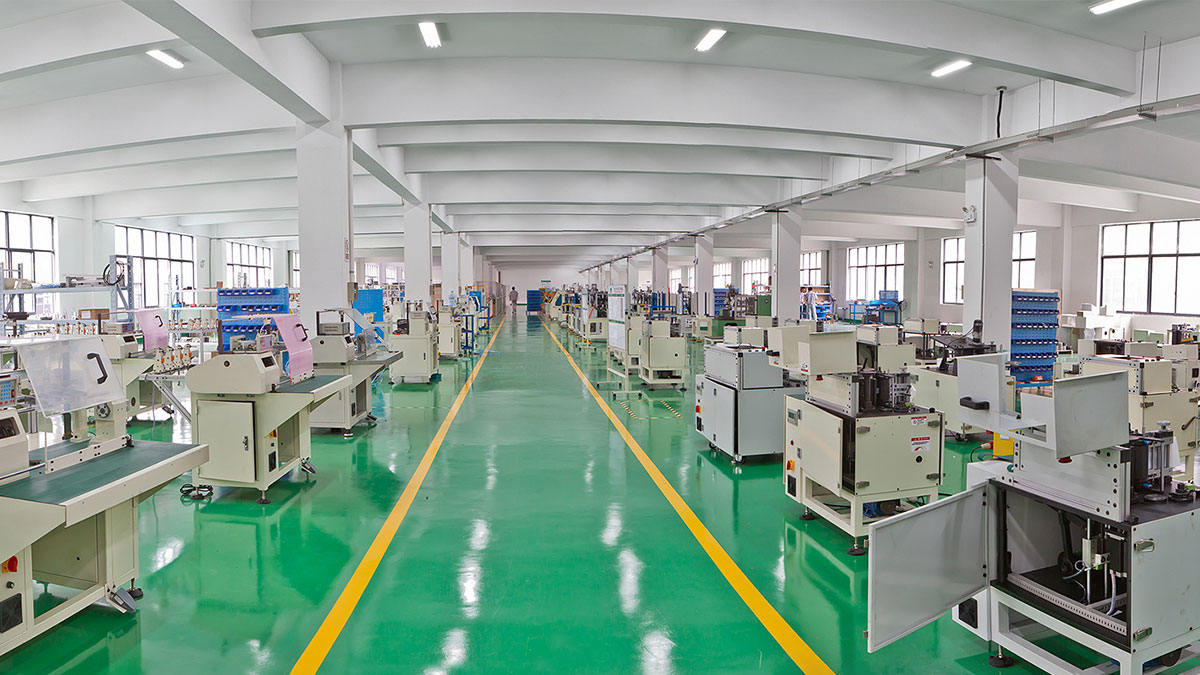
Founded in 2010 in Ningbo, Zhejiang, Ningbo Nakro Intelligent Equipment Co., Ltd. has spent over a decade perfecting machine automation for electric motor production across 50+ countries. Spanning over 30,000 square meters of specialized manufacturing facilities, we engineer stand-alone machines, semi-automatic cells, and fully automated stator lines.
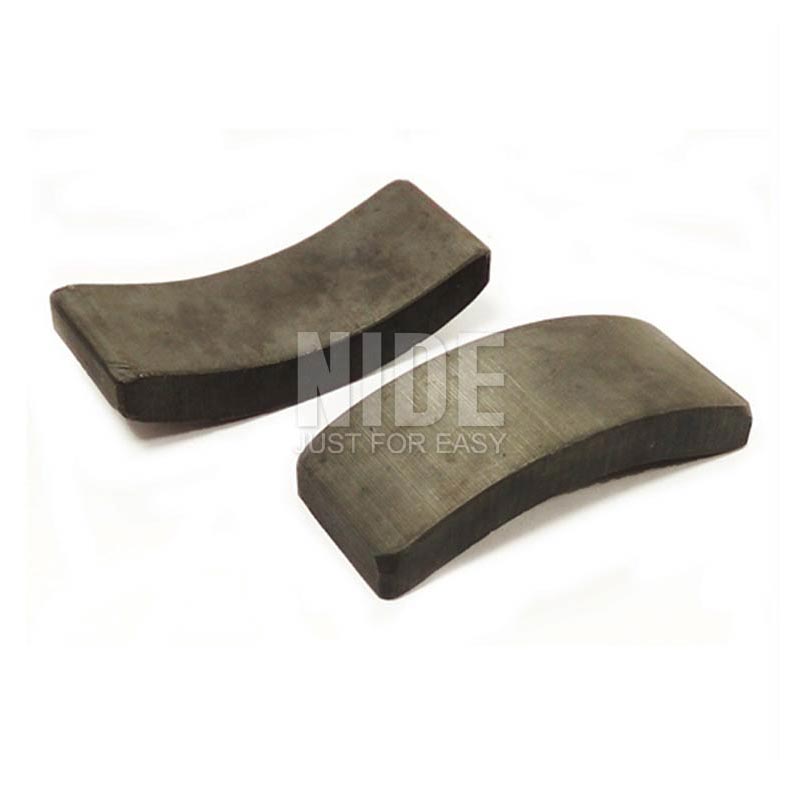
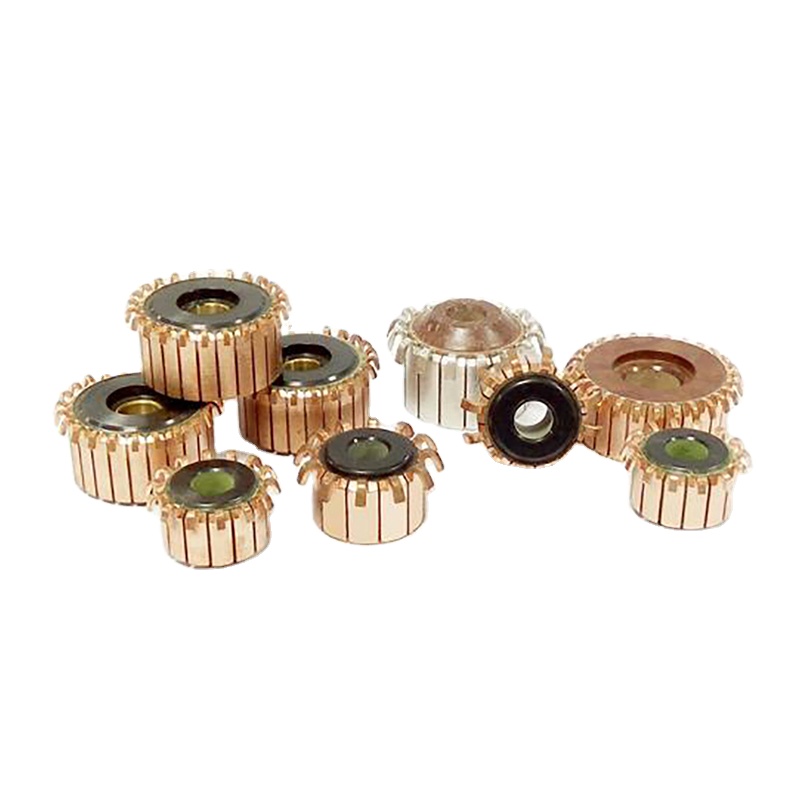
Unlike standard equipment brokers, Nakro delivers an end-to-end ecosystem: along with our stator lamination and winding lines, we supply matching motor components—commutators, ferrite and NdFeB magnets, aluminum rotor cores, shafting, and insulation media—providing our Seattle partners with a single accountable source from pilot design to serial mass production.
- ✓ ISO 9001 Quality Management System Certified Facility
- ✓ Onsite Verified Production Facilities & Tier-1 Machinery Export Pedigree
- ✓ Turnkey Armature, BLDC, Induction Stator & Hairpin Lines Under One Roof
- ✓ Responsive After-Sales Service Network & Remote IoT Diagnostics Support
Buyer Knowledge Base
Frequently Asked Questions for Seattle & US West Coast Buyers
Direct answers addressing technical standards, regional electrical compliance, logistics, and field support.
Are Nakro stator lamination lines compliant with US UL, NFPA 79, and Washington electrical safety codes?
Yes. For all machinery exported to Washington State and the broader North American market, our electrical cabinets and motion control platforms are built using UL-listed components (such as Allen-Bradley, Schneider, or Siemens), complying with NFPA 79 electrical standards for industrial machinery. Control systems are configured for standard US plant grids (480V, 3-Phase, 60Hz or 208V/240V options) with complete safety-rated door interlocks, dual-channel E-stops, and localized CE/UL conformity documentation to facilitate smooth Washington State Department of Labor & Industries (L&I) electrical inspections.
What is the typical shipping timeline from Ningbo to the Port of Seattle or Port of Tacoma?
Standard ocean transit from Ningbo Zhoushan Port directly to the Northwest Seaport Alliance (Seattle/Tacoma) averages 14 to 18 sailing days. We handle export crating using ISPM-15 heat-treated seaworthy wooden packaging with vapor-barrier foil desiccant sealing to protect high-precision ground tooling and optical encoders from maritime humidity. We coordinate FOB, CFR, CIF, or DDP delivery through experienced customs brokers familiar with US customs tariffs and Harmonized Tariff Schedule (HTS) machinery classifications.
Can your lines process specialty electrical steel grades used in aerospace and high-efficiency motors?
Absolutely. Nakro progressive lamination dies and handling cells are customized for standard M-grades as well as ultra-thin cold-rolled electrical steels (such as 0.20 mm, 0.27 mm, and 0.35 mm cobalt-iron or high-silicon NOES alloys). Our tool geometry and automated clamping are engineered to eliminate micro-fracturing along the slot tooth tips, ensuring that the finished stator stack maintains isotropic magnetic permeance and low core loss.
How does Nakro handle pre-shipment verification and local commissioning for Puget Sound clients?
Before any machine leaves our facility, we conduct a rigorous Factory Acceptance Test (FAT). We invite our US customers to send their proprietary lamination laminates, copper wire, and components to our plant for a live, multi-batch run-off. Clients may attend in person at our Ningbo headquarters or observe via high-definition multi-camera live video inspections. Upon arrival in the Seattle area, our field service engineers provide on-site line integration, mechanical leveling, tooling tuning, and complete operator training, backed by secure VPN remote access for 24/7 technical diagnostics.
Can you supply partial automation stations that integrate into our existing assembly plant?
Yes. While we build turnkey stator lamination and assembly lines, we routinely engineer stand-alone modular cells—such as automatic coil inserting machines, slot insulation paper machines, laser welding units, or end-of-line electrical testing stations (surge, hipot, and resistance). Each station is equipped with standard SMEMA/Ethernet hardware to communicate with your current production conveyors and MES platforms.
What spare parts and tooling support are available for future motor model retooling?
We maintain master 3D CAD design archives for every serial number delivered. When your R&D engineering team redesigns a stator stack height, changes wire gauge, or introduces a new pole-slot count, we manufacture and ship replacement winding nozzles, inserting blades, and clamping fixtures directly to your Puget Sound facility, with expedited air shipping for critical wear parts.
Accelerate Your Stator Line Automation in Seattle
Connect directly with our mechanical and electrical engineering team. Send your motor lamination drawings, stack heights, and target cycle times for a custom technical assessment and comprehensive quote.
