High-Efficiency Stator Insulation Machinery & Core Motor Components
From complete automated coil-slot inserting cells to critical electro-mechanical wear components, our equipment is built to withstand high continuous thermal ratings, erratic voltage spikes, and humid coastal operational environments.
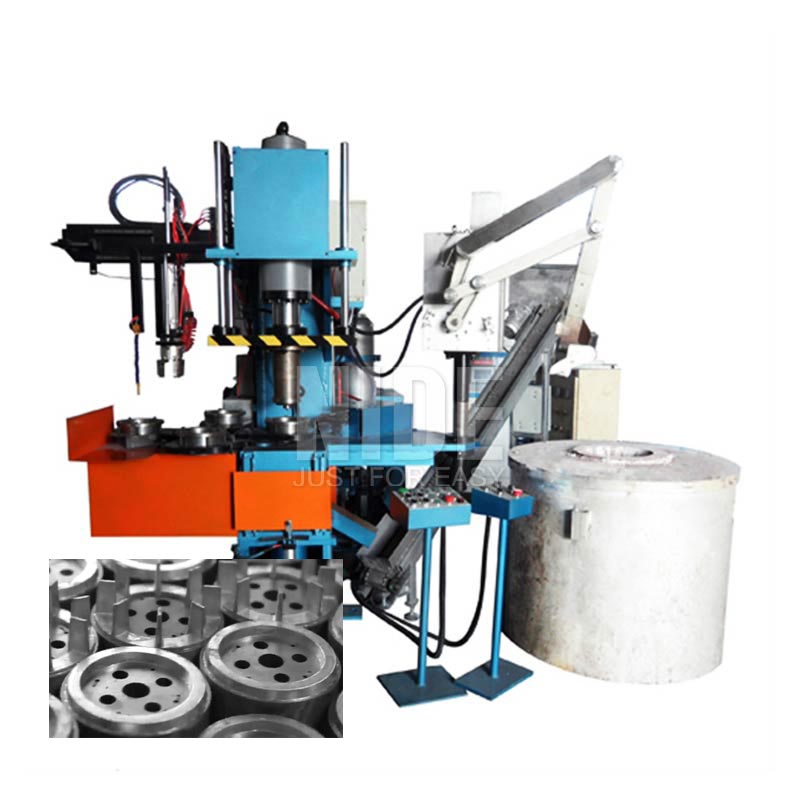
New NIDE Automatic Armature Rotor Hot Chamber Die Casting Machine PLC Aluminum Engine Motor Core CE Certified 1 Year Warranty
- PLC Touchscreen
- High-Density Die Cast
- CE Certified
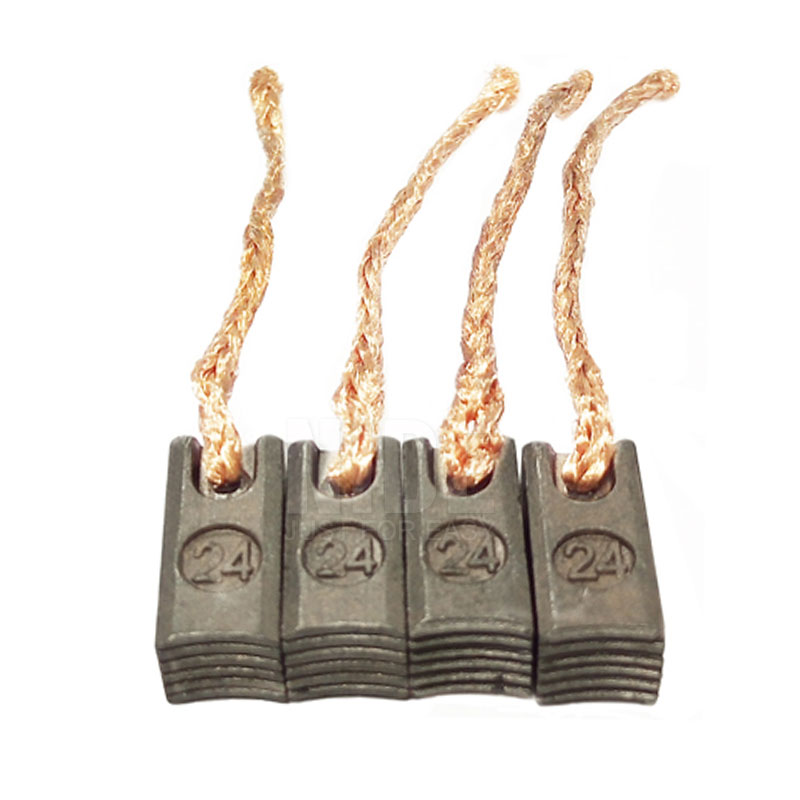
High Precision NIDE Brand Motor Carbon Brushes for Small Electric Motors CE Certified Model NDPJ-TS-9
- Low Commutator Wear
- Graphite Alloy
- High Thermal Margin
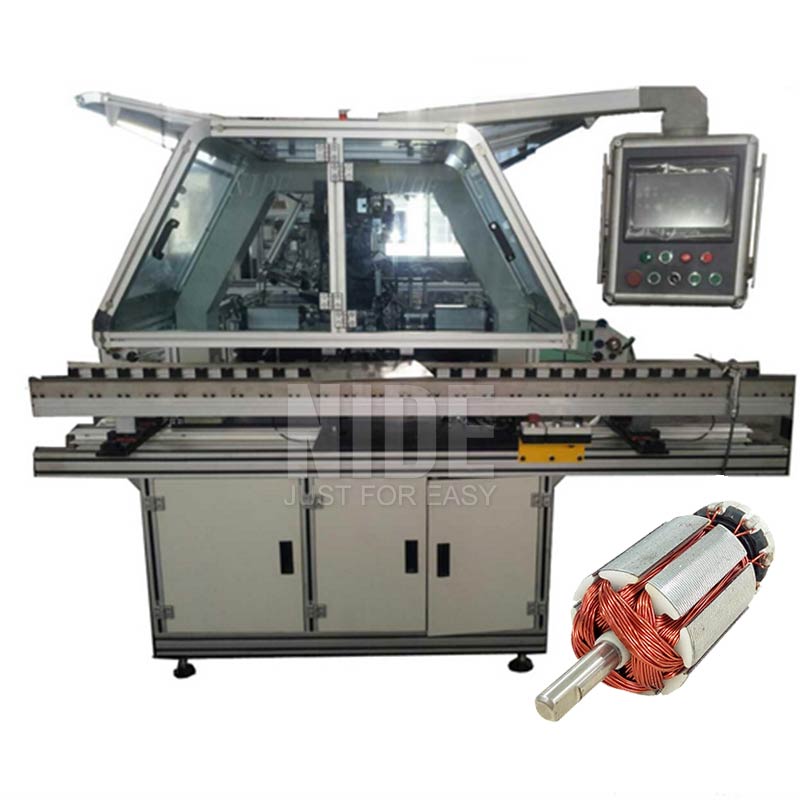
New Rotor Winding Equipment with Engine & Motor Core Components PLC Controlled Armature Winder Machine 1 Year Warranty
- Dual-Flyer System
- Servo Tensioner
- 1 Year Warranty
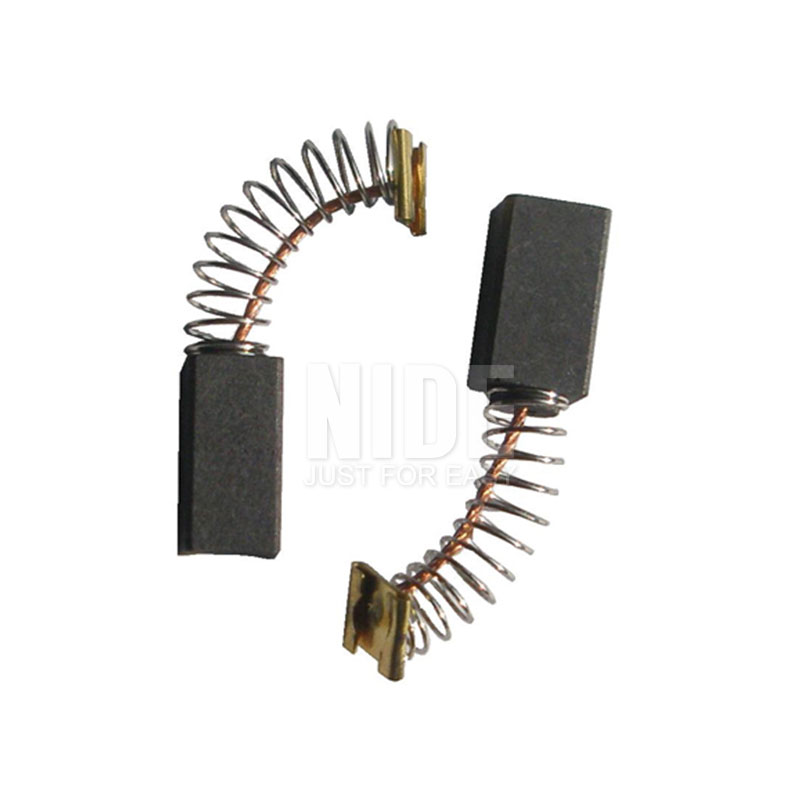
High Precision DC Motor Magnet Alternator Carbon Brushes NIDE Brand Model NDPJ-TS-7 CE Certified for Motor Electrical
- Alternator Grade
- Self-Lubricating
- High Amp Density
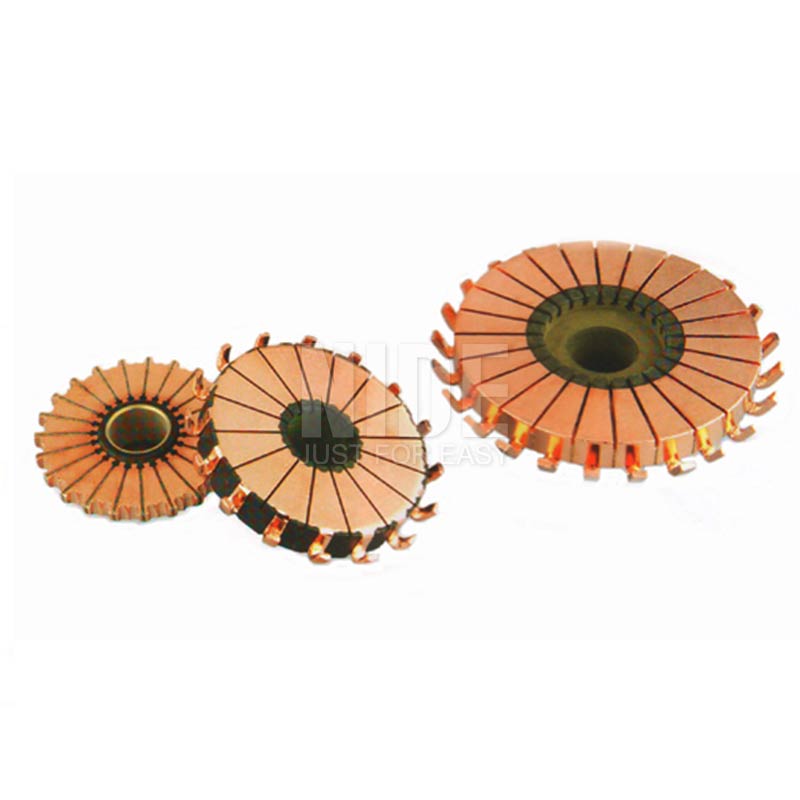
New Condition Nide Brand Planar Type Commutator Motor Component (NDPJ-HXQ-39) for DC Motor Stator Rotor Application CE Certified
- Planar Segmented
- Mica Insulation
- High RPM Tolerant
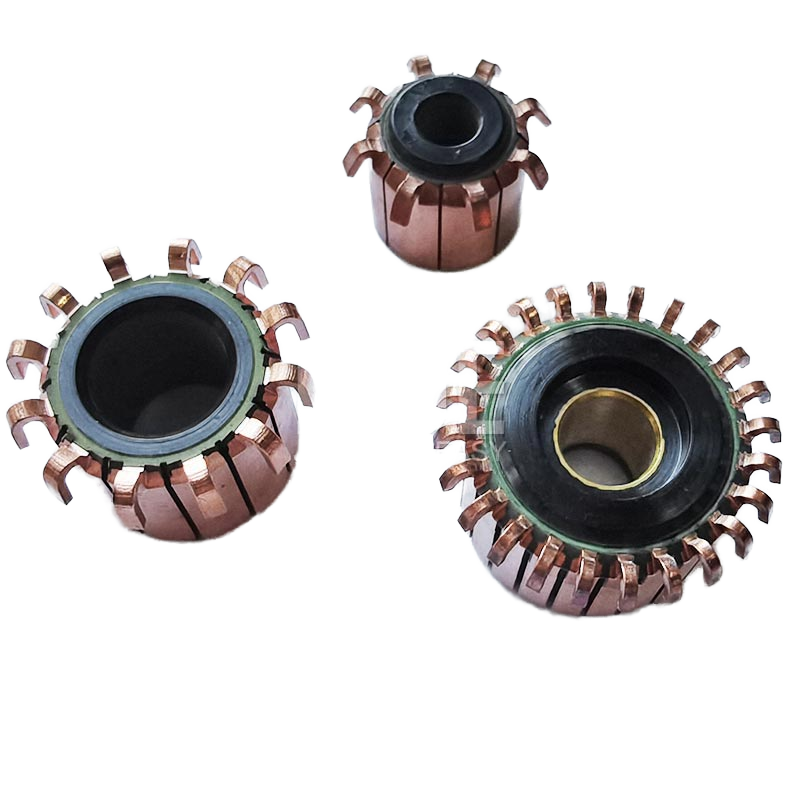
Universal Household Juicer Mixer DC Motor Armature Hook Commutator Part Stamping Rotor Stator NIDE Brand Model NDPJ-HXQ-183
- Copper Hook Design
- Stamping Core
- Precision Dielectric
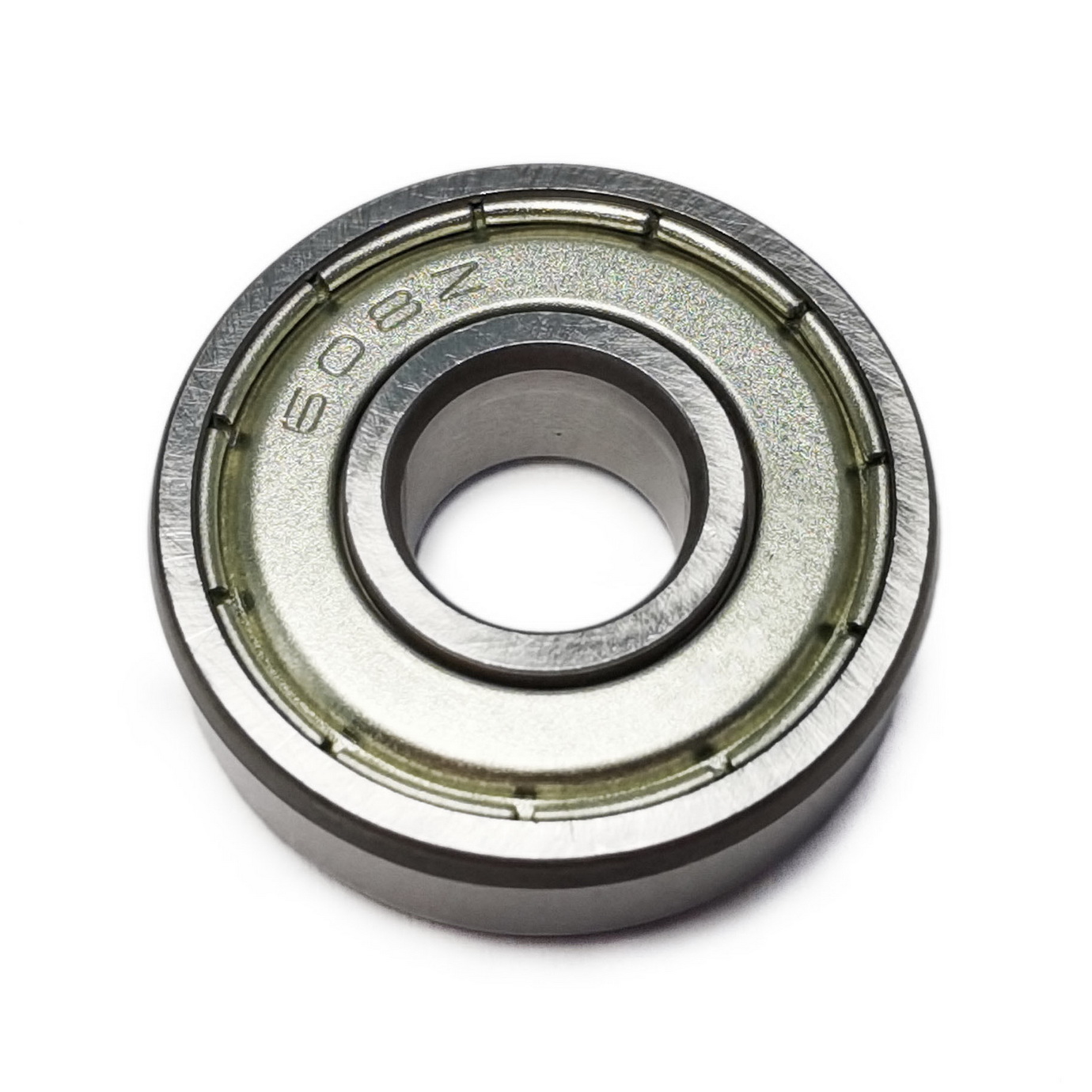
Custom Precision Stainless Steel 608 Single Row Deep Groove Ball Bearing 608ZZ Seal Dustproof 10mm ID 20mm OD CCC Certified
- Corrosion Resistant
- Dual Dust Shields
- CCC Standard
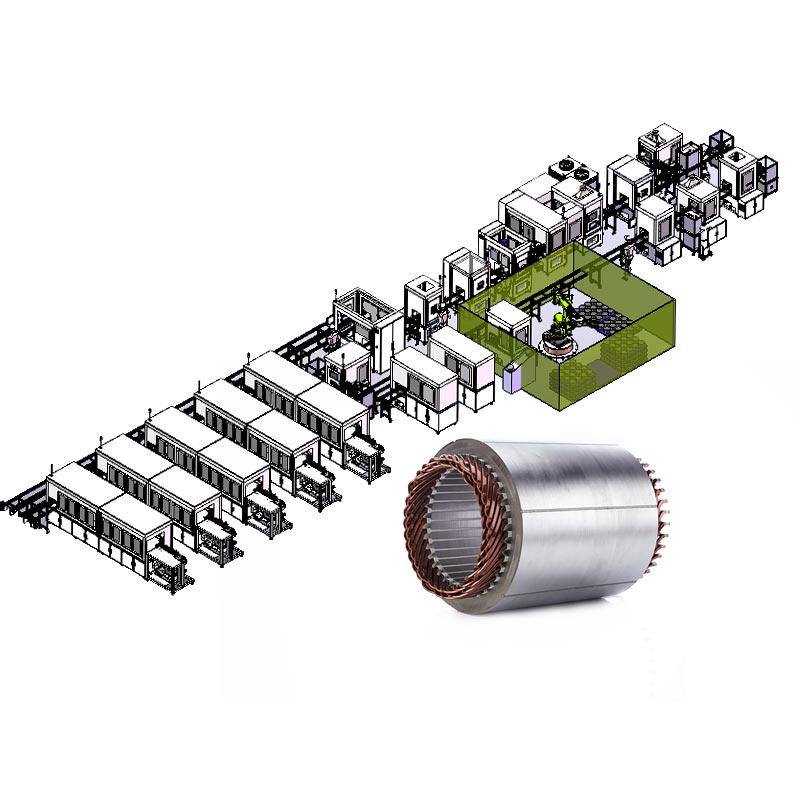
Fully Automatic EV Hairpin Motor Stator Production Line for New Energy Vehicle Flat Wire Motor Manufacturing
- Hairpin Technology
- High Slot Fill Factor
- Fully Automated
Stator Slot Insulation Mechanics: Overcoming Dielectric Degradation
A technical treatise on the physical dynamics of automated slot cell creasing, mechanical cuff insertion, and Class H dielectric containment under intense tropical operational stresses.
In electric motor assembly, the stator slot insulation line represents the primary boundary between mechanical structural ground and high-amperage electromagnetic excitation. In standard three-phase AC induction motors, brushless direct current (BLDC) architectures, and synchronous generator alternators, failure of slot liner insulation accounts for more than 42% of premature motor burnouts globally. In tropical coastal regions such as Gonaïves and the broader Artibonite plain, this vulnerability is amplified by continuous relative humidity averaging between 75% and 88%, fluctuating power grid harmonics, and airborne saline particulate matter.
Kinematics of Automated Slot Paper Inserting
Our automated stator insulation lines execute a synchronized multi-axis servo sequence: continuous composite paper feeding from bulk decoilers, double-edge cuff folding (ranging from 2.5 mm to 5.0 mm hem thickness), micro-metric mechanical creasing, pneumatic shearing to exact stack height, and high-speed axial push-insertion into the lamination stack slot. The mechanical cuffing sequence is decisive: double-folded cuffs prevent sharp silicon steel lamination burrs from piercing the composite insulation barrier during subsequent automated coil winding and needle insertion.
Equipped with PLC-governed stepping drives and electronic tension feedback, Nakro machines preserve the structural memory of composite materials like DMD (Dacron-Mylar-Dacron), NMN (Nomex-Mylar-Nomex), and pure Kapton polyimide films, eliminating micro-fissures and mechanical stress delamination that inevitably provoke corona discharge and partial dielectric breakdown.
Critical Dielectric Parameters in Slot Barrier Engineering
- 1. Cuff Strength: Hemmed cuffs absorb up to 180 N of axial friction during automated coil insertion without tearing or slipping out of the slot aperture.
- 2. Partial Discharge Inception: Precision tolerances limit air gaps between insulation paper and laminated teeth, elevating Partial Discharge Inception Voltage (PDIV) well beyond 2.4 kV peak.
- 3. Creepage Margin: Slot extensions are programmed to maintain a minimum 4.5 mm creepage distance to motor end-bells, preventing ground arcing during peak transient surges.
- 4. Thermal Resiliency: High-performance tooling handles Class F (155°C) and Class H (180°C) laminates without blistering or thermal delamination during pre-heating cycles.
Technical Comparison: Manual Hand-Tamping vs. Nakro Automated Stator Insulation
| Performance Characteristic | Manual Hand-Tamping (Conventional Local Method) | Nakro Semi-Automated Single-Station Inserter | Nakro Fully Automated CNC Insulation Line |
|---|---|---|---|
| Cycle Time per Slot | 12.0 – 18.0 seconds / slot | 0.8 – 1.2 seconds / slot | 0.35 – 0.55 seconds / slot |
| Cuff Uniformity & Position | High operator variance; prone to slippage | Mechanical guide stop (±0.3 mm) | Servo closed-loop tracking (±0.05 mm) |
| Dielectric Pinhole Defect Rate | ~3.8% (creasing & fingernail scratches) | < 0.4% | < 0.02% (Near-Zero PPM) |
| Compatible Slot Profiles | Limited consistency on skewed slots | Semi-closed, open, and skewed slots | Complex multi-slot geometries & BLDC |
| Daily Output (24-Slot Stators) | 15 – 25 units / 8-hour shift | 180 – 250 units / shift | 700 – 1,200 units / shift |
Industrial Use-Cases Across Gonaïves & the Artibonite Plain
Deploying cutting-edge stator manufacturing and rewind technology tailored directly to the agricultural, infrastructural, maritime, and utility challenges unique to northwestern Haiti.
Artibonite Rice Milling & Agro-Drive Motors
The Artibonite Valley represents Haiti's agricultural heartland, reliant on continuous grain de-huskers, mechanical sorters, and high-volume screw conveyors. Our stator insulation machinery produces heavy-duty TEFC induction stators equipped with moisture-repellent DMD liners, preventing winding burnouts during intensive post-harvest rice milling seasons.
Solar-Powered Submersible Irrigation Pumps
Due to intermittent electrical grid connectivity in northern departments, agricultural communes turn to DC solar water pumping. Stators manufactured on our automated insertion cells achieve optimum slot-fill factors and robust ground insulation, resisting the high-voltage transient spikes and harmonic heat produced by direct solar variable frequency drives (VFDs).
Coastal Salt Flats & Port Marine Handling
The coastal microclimate of the Gulf of Gonâve subjects port cranes, brine pumps, and commercial marine equipment to severe electrolytic salt corrosion. Stator insulation equipment from Nakro supports double-layered Nomex-Kapton composite barriers and epoxy sealing, mitigating galvanic breakdown and eliminating tracking short-circuits caused by ambient salt-fog.
Industrial Diesel Genset Alternator Remanufacture
Manufacturing and municipal facilities in Gonaïves depend on prime-power diesel generators (50 kVA to 1,500 kVA). Stator lines supplied by Nakro handle thick lamination stacks and large core diameters, enabling local rewind workshops and OEM rebuilders to re-insulate generator stators back to factory Class H thermal compliance on site.
Electromechanical Modernization Trends in Gonaïves
Strategic economic factors accelerating the shift from manual workshop rewinds to automated, industrial-grade motor manufacturing infrastructure.
Across Haiti's northern economic axis—connecting Gonaïves, Saint-Marc, and Cap-Haïtien—the industrial landscape is undergoing a structural transformation. Rising diesel prices, expanded decentralized microgrid investments, and the mechanization of commercial agriculture have generated unprecedented demand for high-efficiency electric motors (IE3 and IE4 standards). Local engineering enterprises are transitioning from primitive, ad-hoc manual rewinding to professional, repeatable CNC stator fabrication.
Trend 1: Rise of Decentralized Mini-Grids & Micro-Industrialization
As private energy concessionaires and USAID-backed microgrid projects illuminate commercial hubs across Artibonite, local light manufacturing—such as soap production, plastic recycling, clean ice processing, and grain milling—is expanding rapidly. These enterprises require motors that do not stall or melt under 24/7 duty cycles, creating a lucrative regional market for locally produced, high-spec stators.
Trend 2: Transition from Hand-Winding to Semi-Automated Cells
Historic repair practices in Gonaïves involved manually cutting pressboard with shears and hand-stuffing motor slots using wooden wedges. This technique results in inconsistent slot fill, damaged magnet wire enamel, and short motor lifespans (often under 6 months). Forward-looking regional workshops are acquiring automated slot cell inserting and coil winding machines to deliver multi-year operational warranties.
Trend 3: Escalation to Inverter-Duty Thermal Class H (180°C)
With the rapid adoption of Variable Frequency Drives (VFDs) for process control and solar hybridization, standard Class B (130°C) motor insulation is rendered obsolete by dv/dt voltage reflections and rapid inductive heating. Stator manufacturers in the region are adopting automated slot inserters capable of creasing and setting multi-layer Nomex-polyester laminates rated for continuous Class H duty without tearing.
Trend 4: Regional Import Substitution of Replacement Motors
Supply chain volatility and container freight premiums have made importing fully assembled electric motors from North America and Asia increasingly expensive and slow. By importing raw silicon steel stampings, enameled copper wire, and insulation paper rolls, local Haitian manufacturers can assemble premium stators domestically, cutting procurement lead times from 16 weeks to 48 hours.
Why International Industrialists Partner with Ningbo Nakro
Combining world-class mechanical automation engineering with specialized export logistics, customized tooling development, and comprehensive technical consultation for overseas motor plants.
ISO 9001 Certified Quality Rigor
Every automated slot insulation line, winder, and inserter is built under strict ISO 9001 quality management protocols. Critical mechanical tooling, including paper pushing blades, creasing jaws, and cuff hem guides, undergo precision CNC machining, cryogenic heat-treatment, and optical coordinate measuring machine (CMM) verification.
Rigorous Pre-Shipment Run-Off Testing
We do not ship on theoretical specifications. Buyers are encouraged to supply their specific stator lamination stampings, slot drawings, and preferred insulation rolls. Our team conducts full factory run-offs, simulating continuous production speeds, recording high-speed multi-angle video proof, and performing dielectric hipot tests before seaworthy container crating.
One-Stop Turnkey Machinery & Parts Ecosystem
Beyond capital machinery, Ningbo Nakro provides complete component packages: motor commutators, deep-groove ball bearings, high-density carbon brushes, and insulation paper rolls. This end-to-end synergy ensures your engineering team has zero compatibility issues between production tooling and core consumable hardware.
Frequently Asked Questions for Buyers in Gonaïves
Practical, transparent answers regarding local power integration, maritime container shipping, equipment tropicalization, and technical commissioning in Haiti.
How do Nakro stator insulation lines operate under the unstable electrical power conditions common in Gonaïves?
What maritime freight and delivery terms (Incoterms) are available for shipments to Haiti?
Can a single automated stator slot insulation machine handle diverse motor lamination sizes?
How does Nakro support remote installation, commissioning, and operator training in Artibonite?
Which insulation paper materials are compatible with these automated inserting cells?
What is the standard warranty and spare parts availability for overseas customers?
Establish Your Stator Production Line with Nakro Engineering
Planning a modern motor assembly cell or automating an existing manual rewind facility in Gonaïves or northern Haiti? Contact our sales engineering group today for comprehensive layout designs, cycle time simulations, and detailed equipment quotations.
