Engineered Electric Motor Production Systems
Explore our certified portfolio of heavy-duty stator insertion equipment, precision winders, and critical drivetrain parts built to exact European industrial standards.
TECHNICAL WHITEPAPER INSIGHT
Stator Coil & Wedge Insertion Technology in Modern Electrical Machine Manufacturing
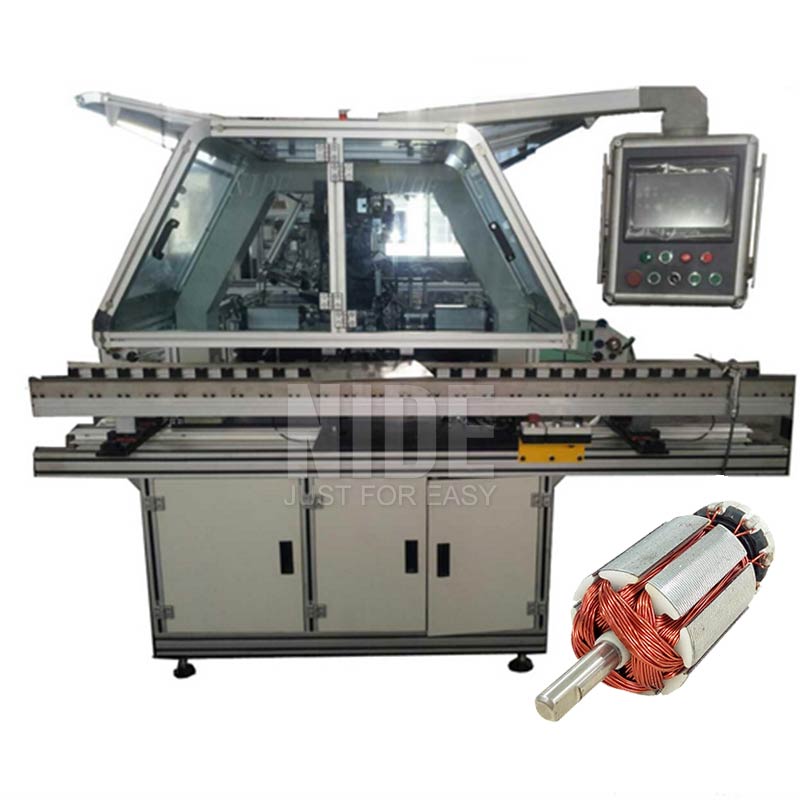
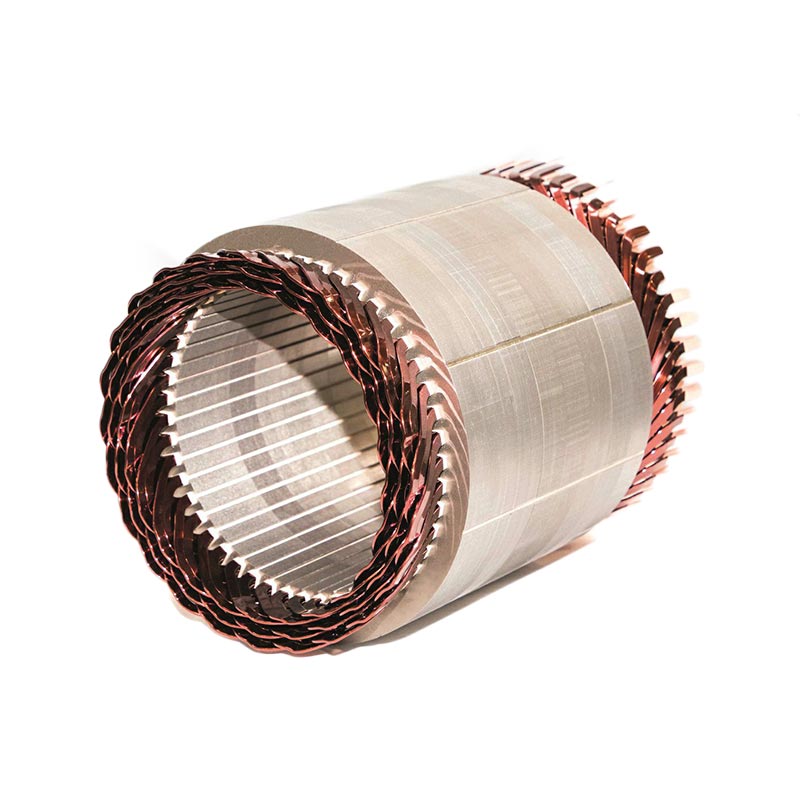
The manufacturing of high-efficiency stator assemblies hinges upon the delicate synchronization of electromagnetic wire positioning and mechanical dielectric protection. A stator coil insertion machine performs the critical phase of pulling or pushing pre-wound copper or aluminum coil groupings and insulating slot wedges into the stator core lamination slots concurrently. In conventional systems, coil wedging processes introduced frictional stresses that compromised enamel insulation. Modern insertion architecture integrates servo-driven pushers and segmented finger tooling to eliminate coil crossed-ends and wire pinching.
Multi-Axis Servo Mechanical Synchronization
Modern automated stator production requires repeatable slot-fill factors exceeding 75% without generating localized copper strand compaction. Our coil inserting machinery employs independent multi-axis closed-loop servo motors driving both the wire-pushing foot and the wedge-feeding pusher. Tooling sets manufactured from cryogenically treated high-speed tool steel (SKD11 / Cr12MoV) maintain strict positional tolerances under high-cycle industrial loading. When inserting simultaneously into three-phase induction stators or concentrated-wound industrial topologies, real-time torque monitoring actively detects any obstruction, instantly reversing motion to avert core damage.
Integrated Wedge Preparation and Insertion Process
Insulation integrity depends directly on clean wedge insertion. Nakro equipment features integrated continuous wedge roll processing: drawing DMD, NMN, Nomex, or polyester film directly from coil reels. The material undergoes high-speed stepping feed, precision crease scoring, cut-to-length shearing, and guide-rail pre-forming before direct entry into the insertion blades. By aligning the wedge guide channels with stator tooth tips, slot liners are protected from delamination, maintaining dielectric standoff capacities exceeding 2,500V AC.
99.8%
First-Pass Yield Rate
≤ 18s
Cycle Time Per Stator Core
50+
Countries Supplied Worldwide
14+
Years Engineering Excellence
Localized Applications in Ghent & East Flanders
Ghent stands as a premier automotive, metallurgical, and maritime logistics cluster within the North Sea Port network, demanding precision machinery configured for demanding European industry frameworks.
Automotive Powertrain & Auxiliary Systems
With major automotive production corridors operating across Ghent and the port of Zeebrugge hinterland, automated stator winding and inserting machinery supports the regional conversion toward battery electric vehicles (BEVs), hybrid drivetrains, and high-reliability auxiliary motor components such as steering pumps, cooling fans, and HVAC compressors.
North Sea Port Maritime & Heavy Cargo Winches
The cross-border North Sea Port zone (Ghent-Terneuzen) requires heavy-duty marine-grade electric machinery. Our stator coil inserting units handle thick magnetic wire configurations and tall core stack heights necessary for cranes, variable-speed winches, and bow thruster induction drives requiring high thermal withstand ratings.
Chemical & Steel Heavy Drives (Ghent Canal Zone)
The concentration of metallurgical facilities and petrochemical processing plants lining the Ghent-Terneuzen Canal calls for premium efficiency IE3 and IE4 industrial motors. Precision coil inserting safeguards slot lamination edges, mitigating the risk of micro-partial discharges in harsh, chemically aggressive operations.
Market & Manufacturing Trends Across Belgium
Navigating the green industrial transition, energy-efficiency directives, and the modernization of rotating machinery infrastructure.
Transition to EcoDesign Directives & IE4/IE5 Standard Adoption
Across the European Union and specifically within Belgium’s industrial corridors, the European Ecodesign Regulation (EU 2019/1781) mandates strict energy efficiency standards for low- and medium-voltage electric motors. Achieving IE4 (Super Premium) and IE5 (Ultra Premium) efficiency requires stator laminations with tighter slot designs, reduced copper loss, and optimized winding fill ratios. Modern automatic coil insertion machines allow motor manufacturers in Ghent to meet these challenging geometries while avoiding insulation damage caused by over-compression.
Decentralized Production & Rapid Re-Tooling Flexibility
High variability in batch production across Flemish machine-building companies requires agile equipment capable of swift tooling changeovers. Modern servo-driven stator coil inserters feature parameterized HMI recipes allowing operators to switch between disparate stator stack heights and stack diameters in under 20 minutes, sharply diminishing downtime during custom motor runs.
Integration with Industry 4.0 & OPC UA Protocols
Advanced manufacturing ecosystems in Flanders prioritize data transparency. Nakro stator manufacturing systems integrate seamlessly with centralized Manufacturing Execution Systems (MES) through OPC UA industrial ethernet communication. Every insertion cycle logs peak pusher force, cycle duration, and wedge feed metrics, enabling full traceability and predictive maintenance for automated quality assurance.
Enterprise Strengths & Engineering Credibility
Why procurement teams and engineering leads choose Nakro Intelligent Equipment as their long-term motor manufacturing partner.
ISO 9001 Certified System
Every piece of machinery undergoes strict verification across incoming components, precision CNC machining, electrical assembly, and final run-off tests.
14+ Years Export History
Active machine exports across 50+ countries worldwide with demonstrated logistical expertise navigating European customs, CE declarations, and standards.
Custom Tooling & R&D
Dedicated tooling design teams craft customized insertion blades, wedge guides, and coil transfer fixtures mapped directly to your proprietary stator drawings.
Turnkey Component Ecosystem
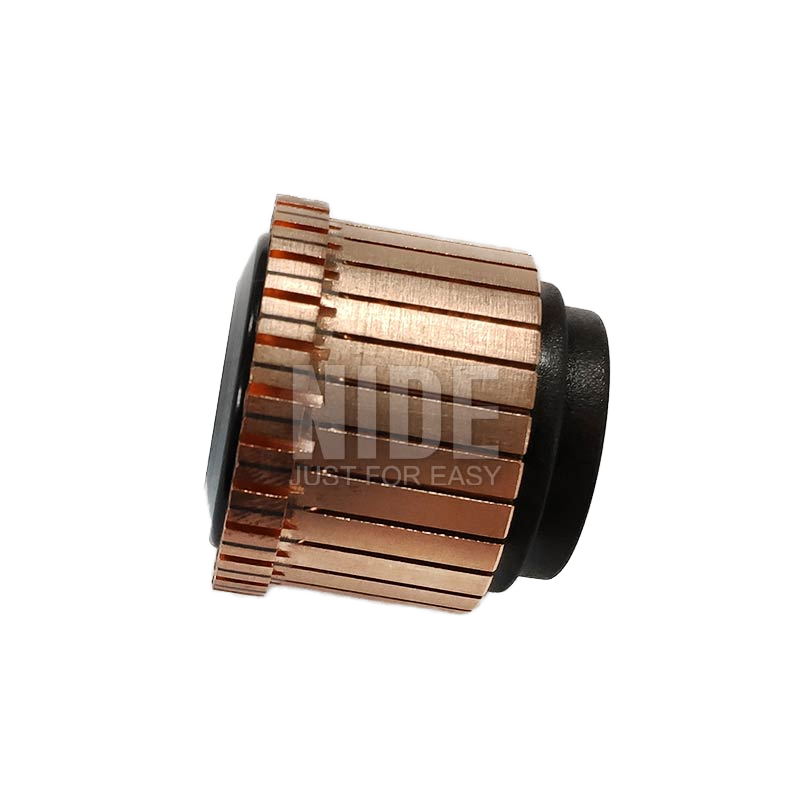
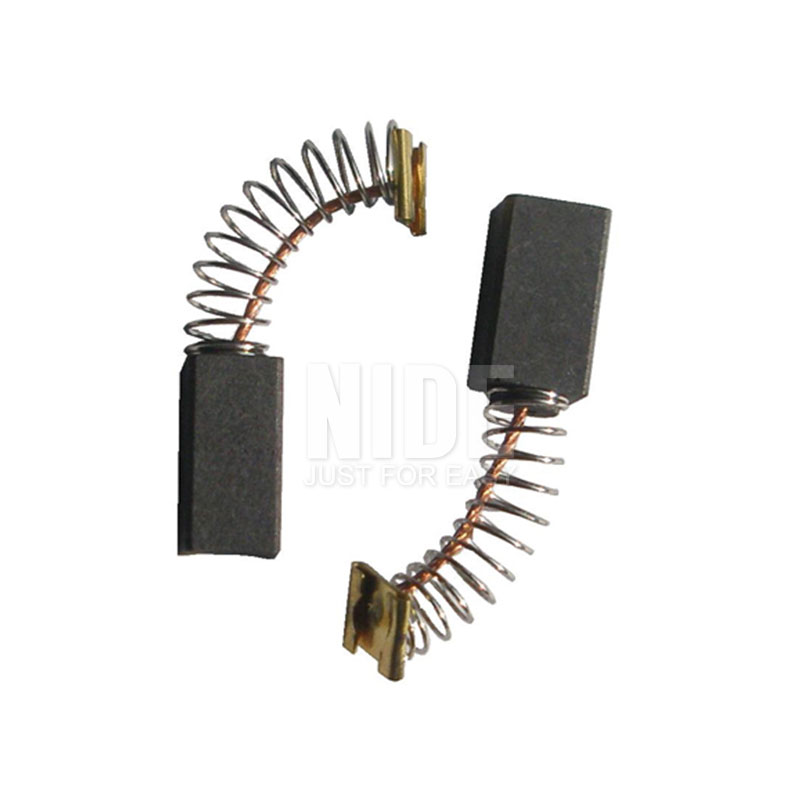
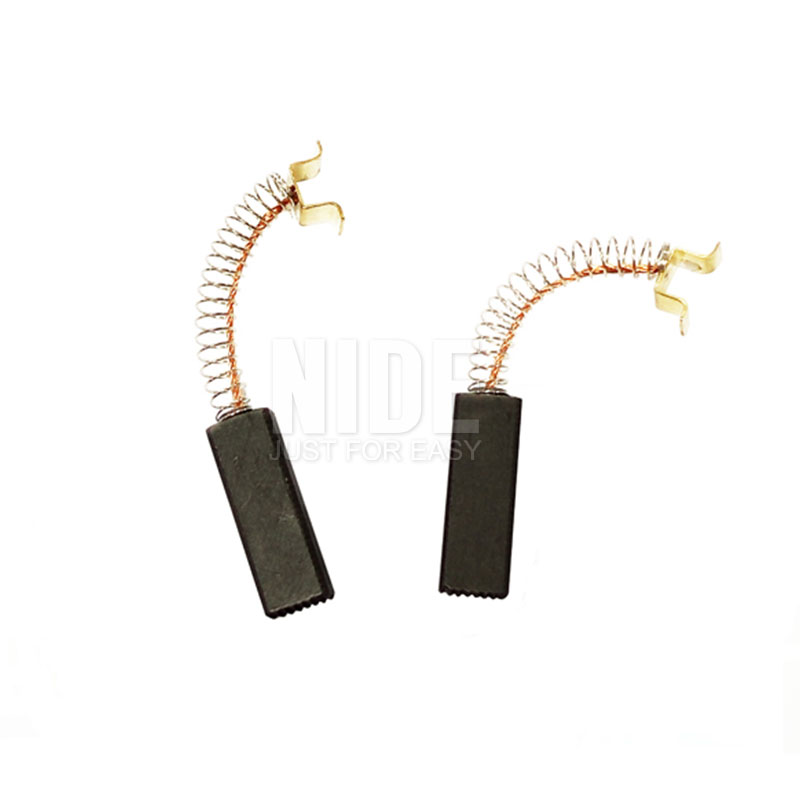
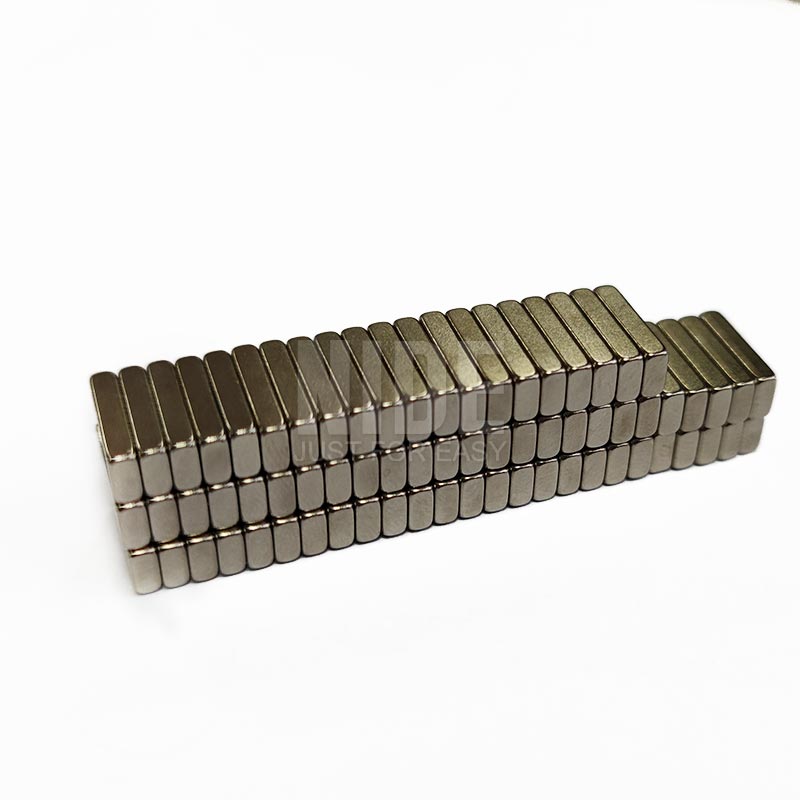
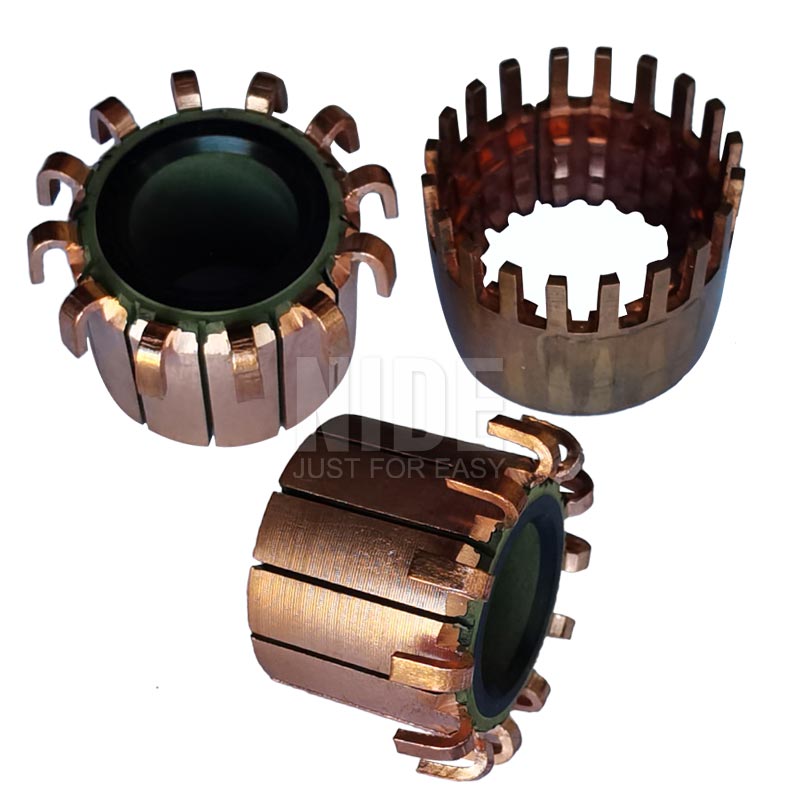
Beyond capital machinery, we provide seamless component compatibility: commutators, carbon brushes, rare-earth magnets, and electrical insulation consumables.
Frequently Asked Questions for Ghent Equipment Buyers
Addressing engineering specifications, CE compliance, payment mechanics, and lifecycle field support.
What machine types and stator dimensions does your equipment accommodate?
Our automated inserting equipment handles stators for 2-pole, 4-pole, 6-pole, and multi-pole configurations across both single-phase and three-phase induction motors, BLDC stators, and specialized traction motors. Standard tooling envelopes cover stator outer diameters from 30mm up to 260mm, with stack heights ranging from 15mm up to 300mm. Custom enlarged frames are available upon CAD drawing evaluation.
Do your machines comply with European Union Machinery and Electrical Directives (CE)?
Yes. Equipment configured for export to Belgium and the greater European Economic Area complies fully with the EU Machinery Directive 2006/42/EC, the Low Voltage Directive 2014/35/EU, and the Electromagnetic Compatibility (EMC) Directive 2014/30/EU. Complete technical construction files, CE declarations of conformity, dual-channel safety door interlocks, and Schneider or Siemens electrical architectures are integrated as standard.
How do you handle Factory Acceptance Testing (FAT) before shipment to Ghent?
We conduct a rigorous Factory Acceptance Test prior to dispatch. Clients typically send sample stator lamination stacks, copper wire, and insulation paper directly to our Ningbo facility. We perform continuous automated test runs, measure cycle time, check for wire enamel abrasion, verify slot-wedge integrity, and perform surge, hipot, and electrical resistance tests. High-definition video run-offs and dimensional validation inspection reports are provided for formal customer sign-off.
What on-site commissioning and after-sales field support do you offer in Belgium?
We provide both direct technical field service and remote diagnostic support via encrypted industrial routers. Our engineers can be deployed on-site in Ghent for installation, line integration, and operator training. Furthermore, our machines feature standardized, globally available wear parts (such as Festo pneumatics and NSK bearings) to ensure rapid local sourcing and minimal operational downtime.
What are the standard commercial terms, shipping logistics, and payment methods?
We offer flexible Incoterms including FOB Ningbo, CFR Antwerp, or CIF North Sea Port / Port of Antwerp-Bruges, with complete export packing in seaworthy, vacuum-sealed, fumigated wooden cases. Payments are settled in EUR, USD, or CNY through Telegraphic Transfer (T/T) or confirmed, irrevocable Letters of Credit (L/C) at sight.
Modernize Your Stator Production Facility
Consult with our senior motor automation engineers today. Share your motor core laminations and production capacity targets for a tailored line layout and detailed quotation.
Get a Quote