High-Efficiency Rotors, Stators & Essential Commutation Hardware
Pre-configured machines and critical assemblies calibrated for Latin American standard voltages (220V/380V/440V 60Hz), automotive tier compliance, and severe-duty performance.
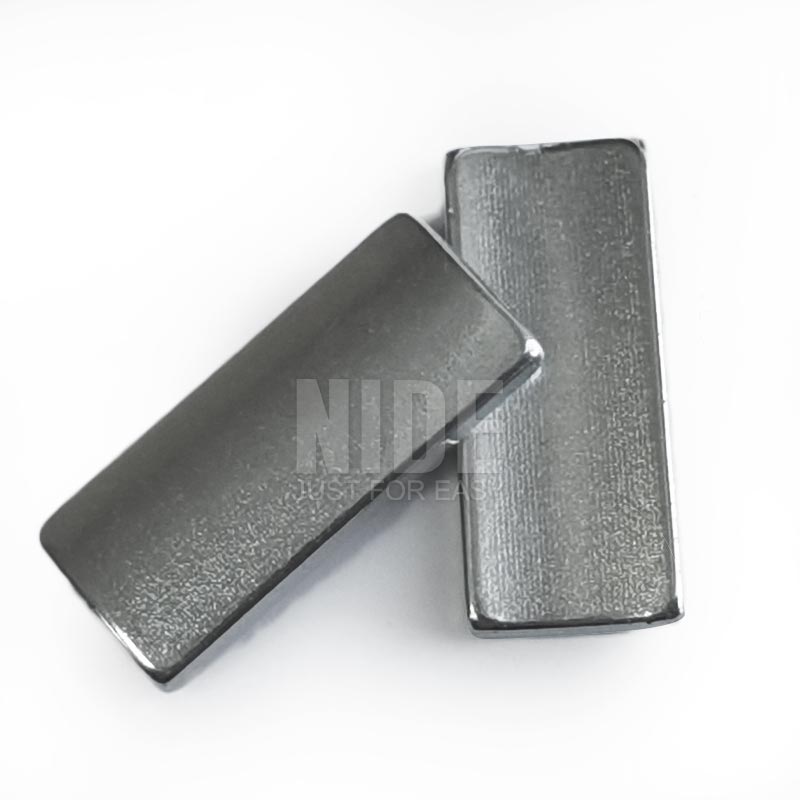
Rectangular N52 NdFeB Rare-Earth Neodymium Magnets NDPJ-CW-58
View Specifications →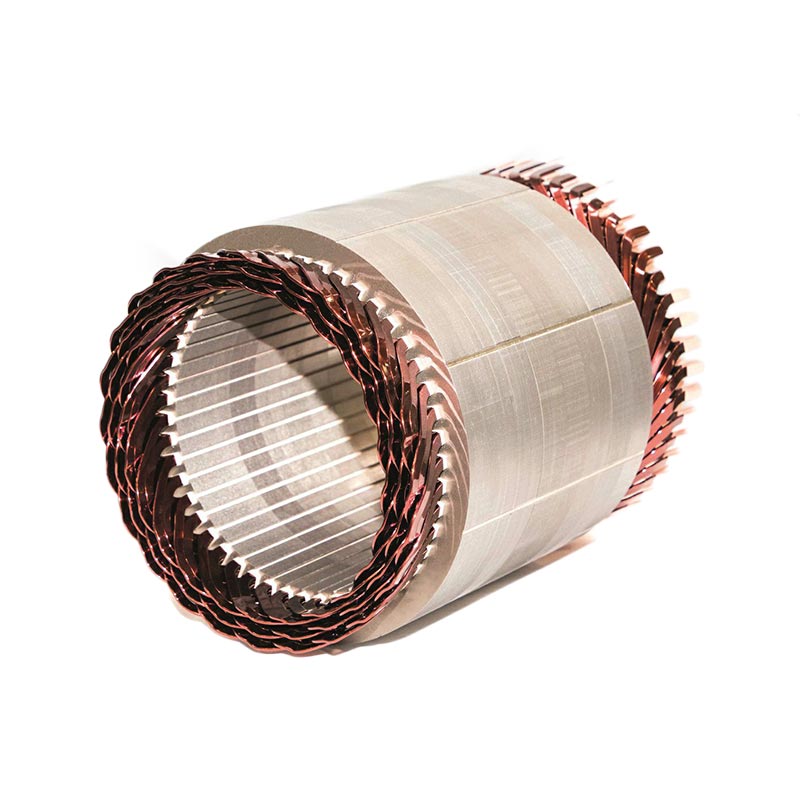
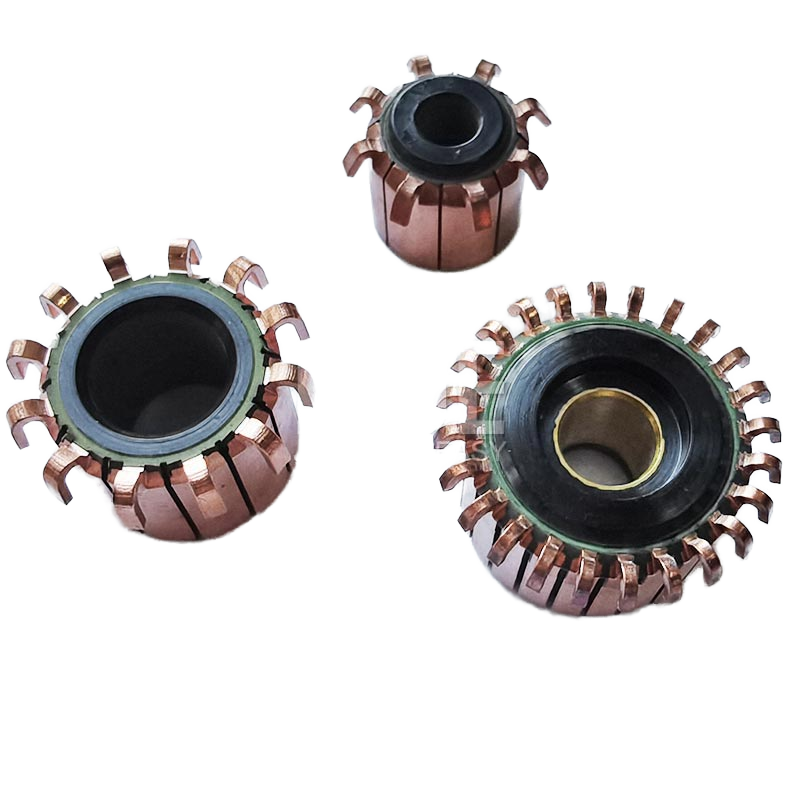
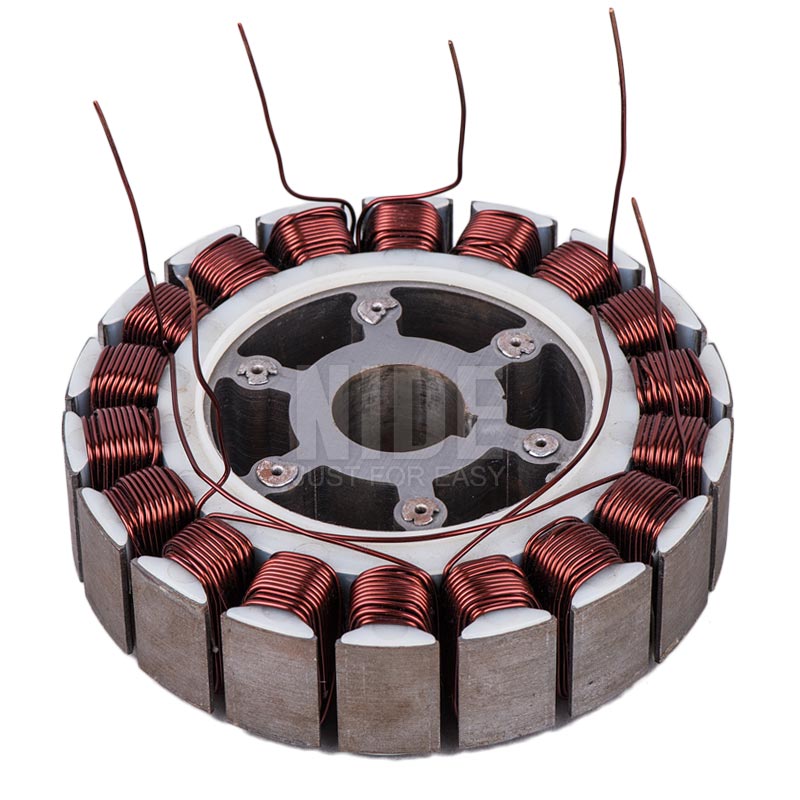
Industrial Whitepaper: Engineering Next-Generation Rotor & Armature Lines for Paraná's Automotive & Industrial Corridor
The manufacturing ecosystem of Paraná, centered within the Cidade Industrial de Curitiba (CIC) and expanding across São José dos Pinhais, Araucária, and Campo Largo, represents one of South America's most demanding electro-mechanical manufacturing corridors. As industrial equipment planners modernize production lines away from legacy manual pneumatic stations, manufacturing facilities face stringent performance targets. These requirements span mechanical balance tolerances, dielectric insulation integrity, rapid copper wire slot filling factors, and rigid regulatory adherence to Brazilian Ministry of Labor norms—principally Norma Regulamentadora 12 (NR-12) for operational machine safety and NR-10 for electrical installations.
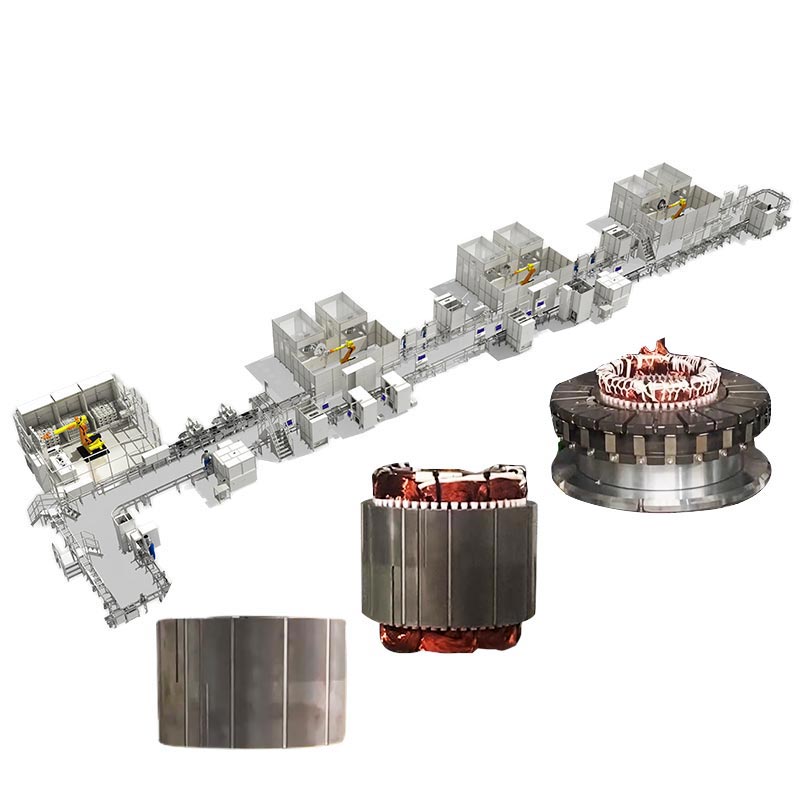
Modern rotor production demands an end-to-end synchronized ecosystem: from the automated de-stacking and hydraulic press-fitting of silicon steel laminations onto precision shafts, through slot insulating paper insertion, double-flyer armature winding, hot-stake commutator fusing, to high-precision diamond turning and automatic multi-plane dynamic balancing. For Curitiba's automotive Tier-1 suppliers producing starter armatures, cooling fan motors, and auxiliary brush/brushless systems, any micro-deviation in copper wire tension or hot-staking micro-resistance yields intolerable field returns. Delivering automated rotor equipment to this region requires deep integration of deterministic servo controls, automated optoelectronic quality validation, and full industrial fieldbus telemetrics (Profinet/EtherNet/IP).
Furthermore, with the Mercosur tariff structures, Brazilian manufacturers leverage Federal Government Ex-Tarifário regimes to import advanced capital goods (BK - Bens de Capital) with reduced import duties (often lowered from 14% to 0%). This requires capital machinery suppliers to furnish exhaustive technical documentation, CAD dimensional certifications, and functional architecture schematics that strictly satisfy the Brazilian SECEX/MDIC classification criteria without domestic equivalence.
Curitiba Industrial Applications: Where Our Rotor Lines Drive Output
Tailored manufacturing setups deployed directly across Paraná's prominent commercial vehicle, automotive powertrain, agricultural implement, and heavy pump sectors.
Automotive Auxiliaries & Starters
São José dos Pinhais and greater Curitiba host major multinational automotive assembly networks. Our automated armature lines assemble heavy-duty 12V/24V starter motor rotors, windshield wiper assemblies, power seat actuators, and high-CFM brushless cooling fan systems operating reliably in extreme vibrational environments.
Commercial Trucks & Heavy Diesel
Curitiba is renowned as Brazil’s capital of commercial vehicle manufacturing. Rotor and alternator stator assemblies engineered by our systems supply heavy commercial prime-movers and bus chassis, featuring reinforced silver-copper commutators, high-temperature polyimide slot liners, and automated secondary resin trickle-impregnation.
Agricultural Machinery Powertrains
Paraná’s robust agribusiness corridor depends on harvesting, grain processing, and spraying implements. We engineer resilient high-torque BLDC and induction motor rotor manufacturing systems for seed metering drives, high-pressure fertilizer dispensing pumps, and tractor cabin ventilation units.
Industrial Pumps, Blowers & Compressors
Serving industrial pump and refrigeration manufacturers in Araucária and CIC, our lines manufacture squirrel-cage induction rotors and PMSM stators featuring precision automated slot wedge insertion, skew balancing, and zero-defect varnish curing resisting harsh industrial chemicals.
Electric Mobility & Urban Fleet Systems
Supporting Curitiba’s leading-edge urban public transport and electrification roadmaps, we provide specialized hairpin stator lines and outer-rotor BLDC hub winding automation for electric utility scooters, cargo e-trikes, and city transit bus auxiliary drive compressors.
Professional Power Tools & Appliances
Equipping OEM motor shops producing angle grinders, demolition hammers, and industrial kitchen blenders, our flyer winders operate at up to 3,800 RPM with programmable multi-segment commutator lead looping, minimizing cycle times down to under 8 seconds per completed armature.
Automated Rotor Manufacturing Paradigms: Comparative Matrix
Technical evaluation of winding methods, cycle economics, and quality tolerances for production managers evaluating capital investments.
| Process Parameter | Universal Armature Flyer Winding | BLDC Needle / Outer-Rotor Winding | EV Hairpin Stator/Rotor Cell |
|---|---|---|---|
| Primary Industrial Focus | Power tools, automotive starters, home appliances | Automotive HVAC, drones, industrial servo drives, AGVs | Electric passenger cars, heavy electric buses, e-powertrains |
| Wire Range & Geometry | Round enameled copper (0.15 mm – 1.20 mm) | Round enameled copper (0.20 mm – 1.60 mm) | Rectangular flat wire (cross-section > 8 mm²) |
| Slot Fill Factor | 48% – 58% typical | 50% – 62% typical | Up to 72% – 78% (high magnetic density) |
| Commutation / Termination | Hook or slot-type hot-stake TIG / resistance fusing | Terminal crimping, PCB soldering, or laser busbar fusing | Automated CNC twisting, 3D laser stripping & robotic laser welding |
| Average Takt Time | 6.5s – 12s per finished core | 14s – 35s per core (depending on slot/pole count) | 45s – 90s complete automotive sub-assembly |
| Quality Control Testing | Surge / Hipot, bar-to-bar micro-resistance, balance | Hall sensor angle test, Back-EMF, resistance symmetry | Partial discharge (PD) testing, 3D laser weld morphology scan |
End-to-End Rotor Production Line Workflow
From loose laminations and blank shafts to fully tested, dynamically balanced, ready-to-mount rotor assemblies.
Shaft & Core Press-Fit
Automated stack lamination measurement, hydraulic/servo shaft pressing with load vs. displacement continuous monitoring.
Slot Insulation Paper
Continuous coil feeding, mechanical edge folding, micro-shearing, and high-speed multi-slot index insertion in <1.8s.
High-Speed Flyer Winding
Dual-flyer servo drive with dynamic tension regulation, automatic hook indexing, and precise turn-count enforcement.
Hot-Stake Fusing
Inverter DC / Medium-frequency resistance welding with thermal compression profile feedback to protect insulation integrity.
Dynamic Balancing & EOL
Dual-plane auto balancing with integrated axial/radial milling, followed by electrical surge, Hipot, and resistance test validation.
Localized Industrial Trends: Navigating Modernization in Southern Brazil
Industrial decision-makers throughout Curitiba face a distinctive combination of macroeconomic opportunities and operational hurdles when scaling motor lines:
1. Stringent Enforcement of Safety Norms (NR-12 Compliance): Brazilian labor inspectors strictly inspect mechanical and electro-hydraulic equipment. Unlike generic imported machinery with single-channel E-stops, production cells destined for Curitiba must feature Category 4 / Ple safety architectures, dual-monitored safety relays, interlocking safety switches with key-exchange solenoids, light curtains at loading portals, and Portuguese-language HMI warnings. Our turnkey lines ship fully engineered to simplify third-party Brazilian ART (Anotação de Responsabilidade Técnica) sign-off.
2. Industrial Telemetry & MES Integration: Driven by corporate standards at multinational subsidiaries across Paraná (including French, Japanese, and Swedish automotive OEMs), automated equipment can no longer operate in isolation. Nakro lines feature real-time OPC-UA and MQTT protocols to push cycle time, OEE data, winding tension trends, and fusing thermal curves directly into corporate MES platforms (SAP, Siemens Opcenter, Rockwell).
3. Ex-Tarifário & Import Fiscal Optimization: Curitiba procurement teams frequently negotiate import packages that capitalize on zero-duty capital machinery classifications. We partner directly with your customs brokers (despachantes aduaneiros) to structure machinery component nomenclature, functional descriptions, and technical dossiers, ensuring rapid granting of federal tax incentives through MDIC.
Why Curitiba Industrialists Partner with Ningbo Nakro
Combining world-class production infrastructure in Ningbo with international application expertise to guarantee turnkey uptime.
Dedicated Motor Automation Specialists Since 2010
Ningbo Nakro Intelligent Equipment Co., Ltd. operates a state-of-the-art manufacturing campus spanning over 30,000 m² to 50,000 m². With over 13 years of overseas capital equipment exports across 50+ countries, our technical foundation bridges custom tooling engineering and full-scale automated line integration.
-
Certified Quality Architecture Rigid ISO 9001 certified development, CE-compliant mechanical fabrication, and comprehensive electrical safety engineering.
-
Real Lamination & Wire Acceptance Run-Offs Prior to shipment, every machine runs continuous trial production using your specific Brazilian laminations, shafts, and local enamelled magnet wire.
-
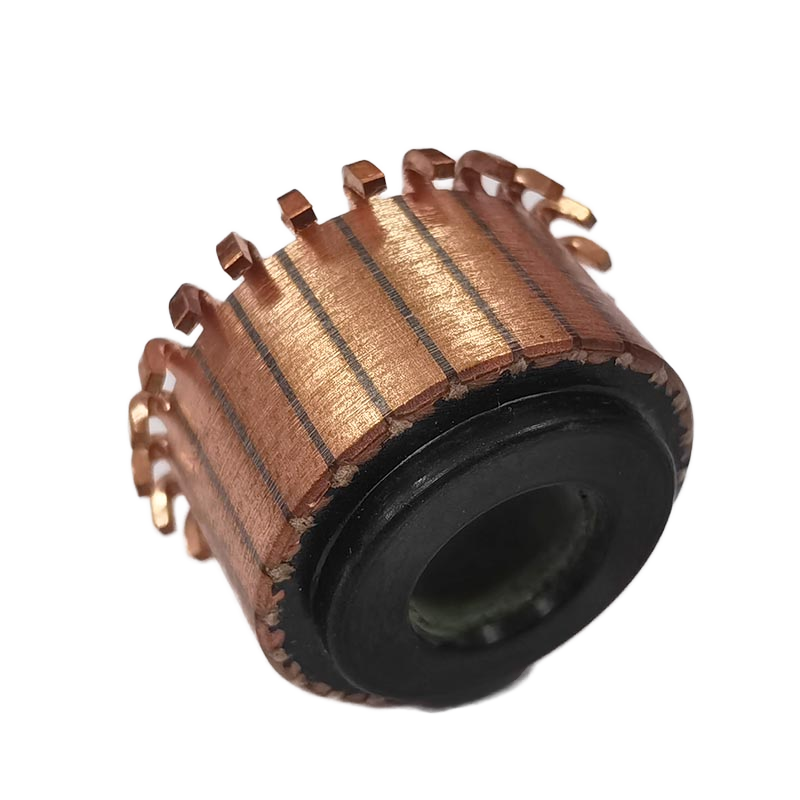
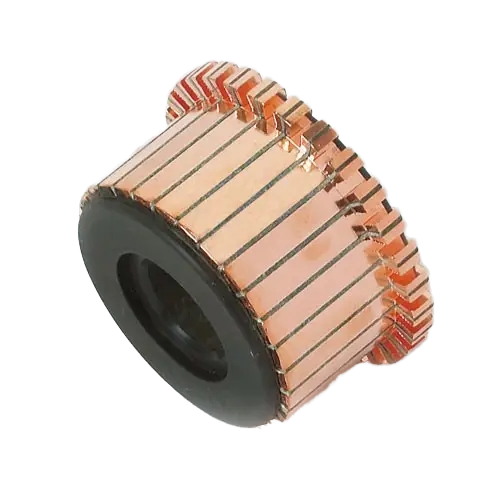
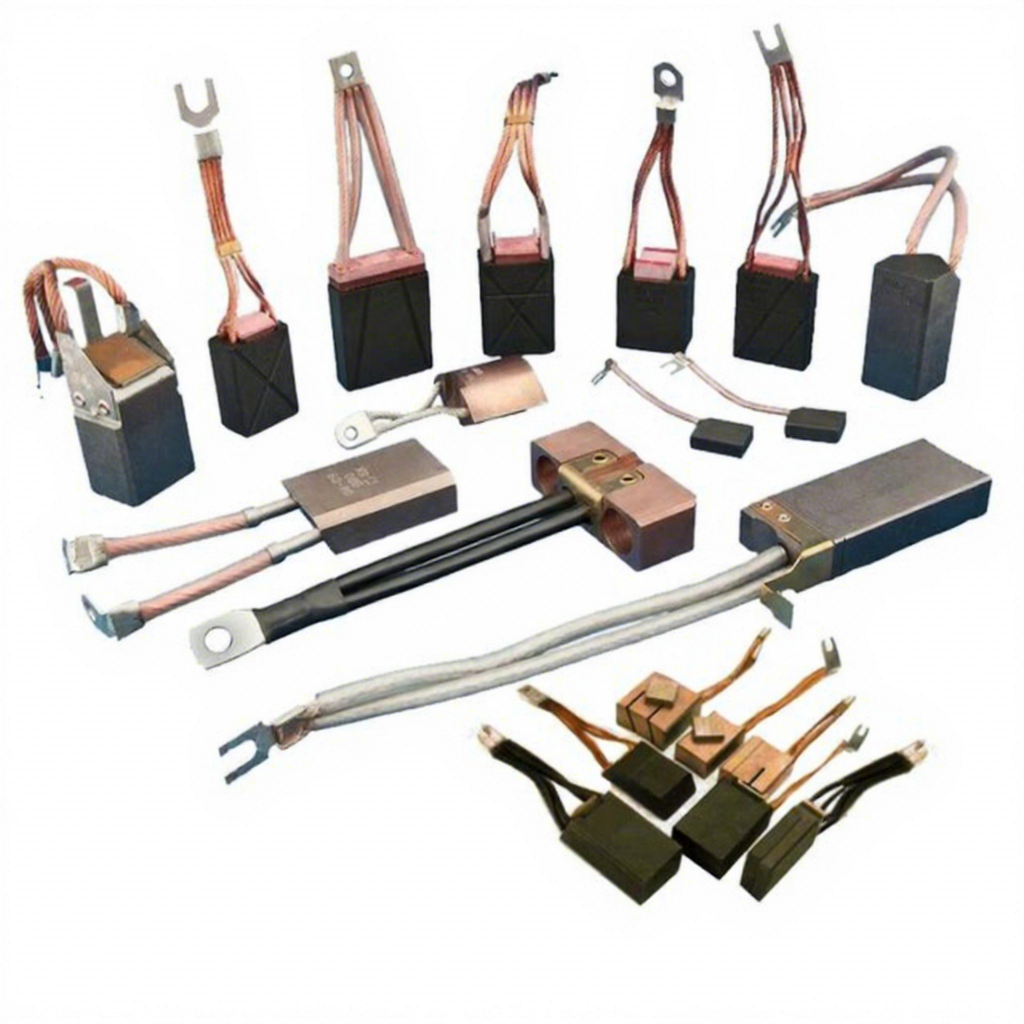
One-Stop Equipment & Component Sourcing In addition to manufacturing machinery, we supply precision commutators, N52 magnets, carbon brushes, and insulation hardware, guaranteeing seamless mechanical compatibility.
-
Remote Diagnostics & International Field Engineers VPN-secured industrial router access for rapid software adjustment and live engineer commissioning support tailored to Brazilian time zones.
Engineering Credential Verification
Direct enterprise verification indices accessible for your technical audit and procurement risk committee review:
Curitiba Industrial Sourcing FAQ
Clear, practical answers addressing common logistics, compliance, customization, and technical handover inquiries.
How do you configure rotor production lines for Brazil's local 380V/220V 60Hz power grids and NR-12 compliance? +
What documentation do you provide to assist with the Brazilian Ex-Tarifário tax exemption process? +
Can the automated line accommodate multiple rotor models with fast tooling changeovers? +
How is equipment testing and pre-shipment acceptance (FAT) conducted for buyers in Curitiba? +
What is the typical shipping lead time and sea freight route to Port of Paranaguá? +
What on-site commissioning and after-sales warranty support is provided in Paraná? +
Modernize Your Rotor & Stator Manufacturing Capacity in Curitiba
Send your 2D/3D part drawings, daily output targets, and slot/pole parameters. Our senior automation engineers will return a complete line proposal with takt calculations, machine layouts, and budget estimates within 24 hours.
