1. The Electrification Landscape in Kópavogur and the Greater Capital Region
As Iceland accelerates its sovereign pledge toward complete carbon neutrality, Kópavogur has emerged as a central technical logistics hub within the Capital Region (Höfuðborgarsvæðið). While historically reliant on imported assembled motors, regional mechanical workshops, marine equipment retrofitters, and energy engineering contractors are increasingly adopting localized production, refurbishment, and automated rewinding infrastructure. Operating at 64° North requires an engineering philosophy distinct from standard European factories: machines must handle severe ambient humidity shifts, high salinity in coastal air, and thermal cycling caused by sub-zero operational shocks.
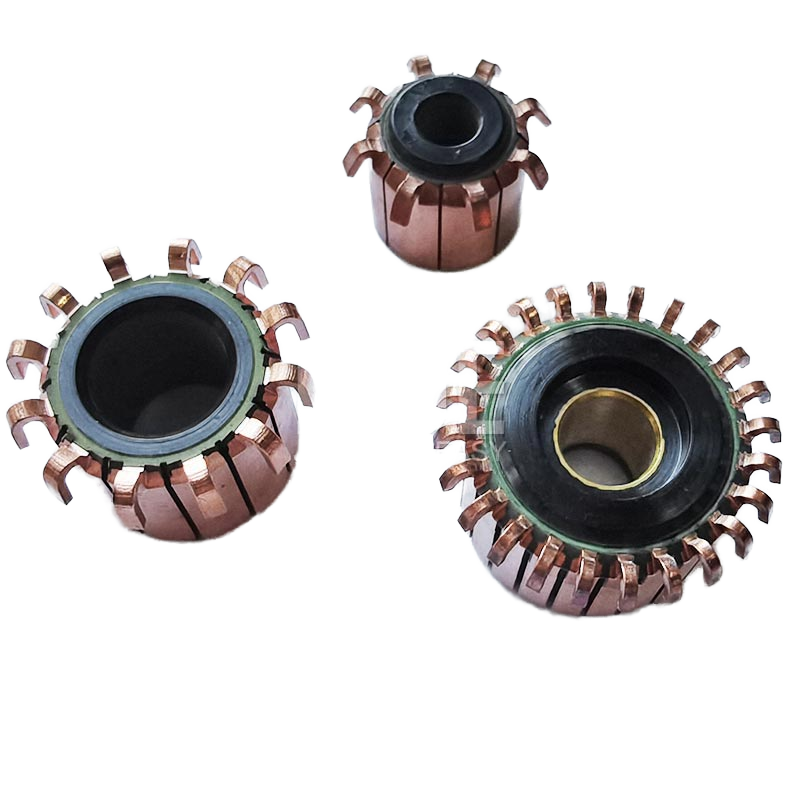
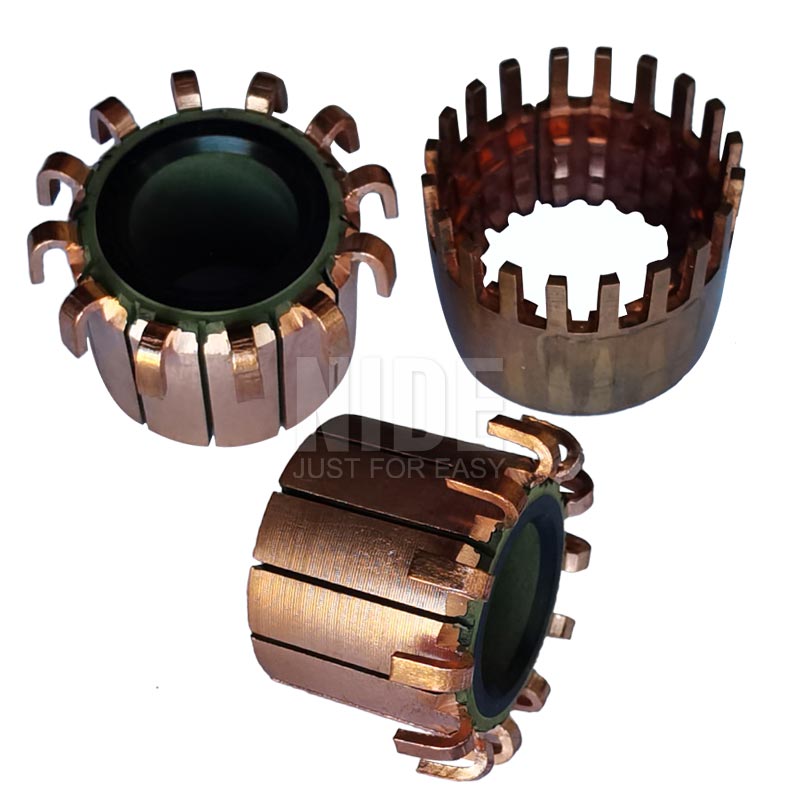
Setting up an automated rotor production line or modernizing an existing winding workshop in Kópavogur demands high modularity. Because local batch sizes typically prioritize flexible precision over massive automotive runs of millions of units, local system integrators require machines equipped with quick-change tooling. Whether manufacturing specialized Permanent Magnet Synchronous Motors (PMSM) for maritime propulsion, servicing heavy winch drive armatures for the fishing fleet, or producing auxiliary brushless DC (BLDC) motors for geothermal heat pump systems, equipment versatility is paramount.
2. Localized Industrial Application Scenarios in Iceland
The operational conditions in Kópavogur, Hafnarfjörður, and Reykjavík present demanding mechanical and electrical stresses. Nakro rotor and stator lines are designed to satisfy these distinctive localized profiles:
Geothermal Auxiliary Drives
Rotor armatures and stators wound with high thermal class (Class H/200°C) insulation, resistant to trace hydrogen sulfide (H2S) and extreme ambient steam moisture.
Cold-Climate Marine Propulsion
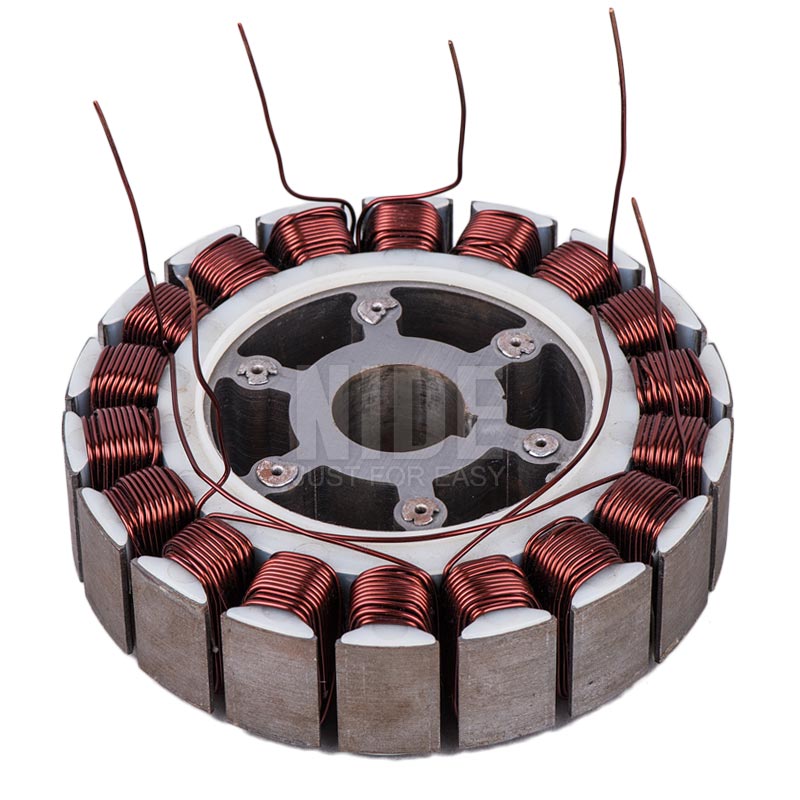
Outer-rotor BLDC hub winding lines producing compact, high-torque direct-drive motors for electric commercial fishing tenders, winches, and aquaculture vessels.
E-Mobility Heavy Fleet
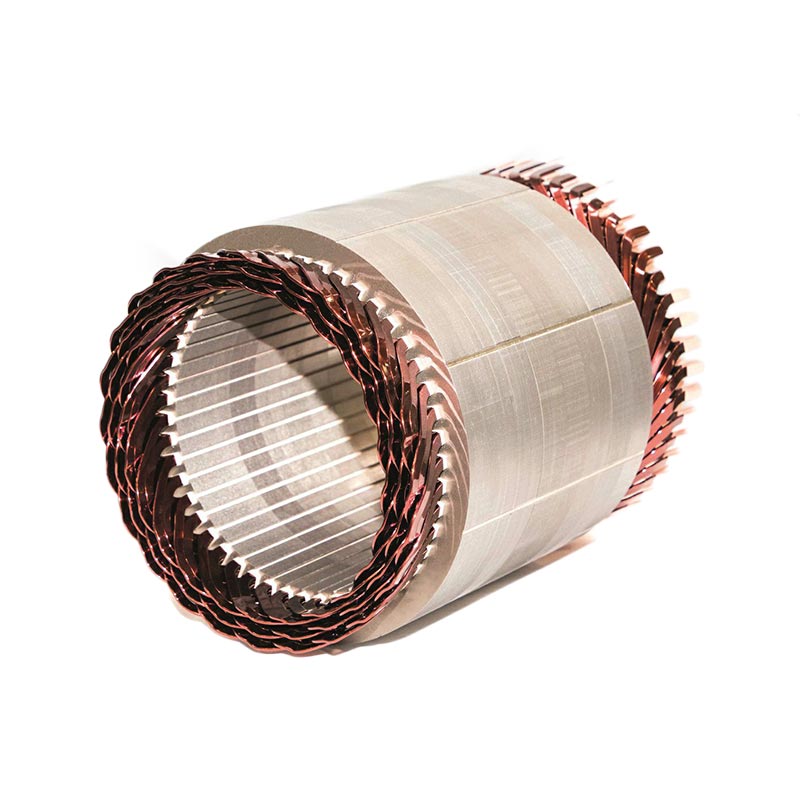
Hairpin stator and balanced copper-bar induction rotor manufacturing for municipal electric buses, heavy snow-clearing vehicles, and light commercial delivery fleets.
Wind & Hydro Micro-Turbines
Specialized low-cogging permanent magnet rotor assembly lines equipped with automated surface magnet bonding and precise banding for remote decentralized power generation.
3. Future Trends: From Manual Rewinding to Cyber-Physical Automation
For decades, sub-arctic operations relied heavily on labor-intensive manual rewinding when high-capacity motors failed. However, skyrocketing Nordic labor costs combined with strict European efficiency ratings (IE3 and IE4 Super Premium Efficiency directives under ecodesign regulations) have rendered manual methods obsolete. A poorly wound rotor with uneven slot fill factors or unbalanced weight distribution results in elevated harmonics, parasitic eddy currents, and excessive bearing vibration—leading to premature bearing failure under freezing temperatures.
Key Engineering Takeaway: Transitioning to Nakro automated CNC flyer winders and multi-axis needle winders increases the slot copper fill factor up to 78%, while automated dynamic balancing limits residual unbalance to under 0.3 g·mm/kg (ISO 1940 G1.0 standards), effectively tripling bearing lifespans in sub-arctic pump stations.
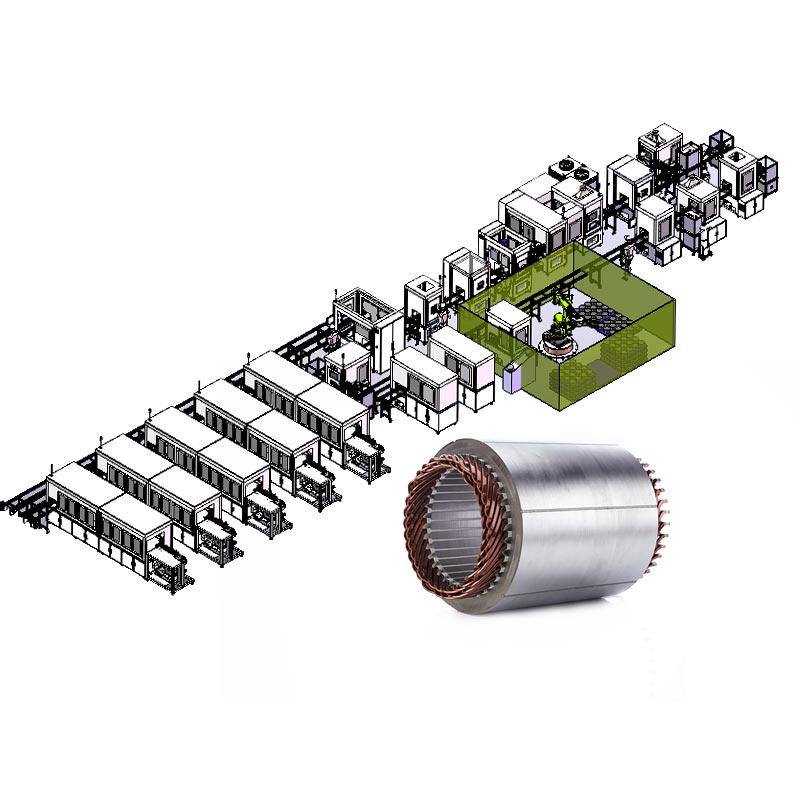
The emerging trend across Icelandic industrial parks involves combining SCADA-compatible PLC controllers with industrial IoT sensors. nakro lines feature integrated Siemens or Mitsubishi control architectures with real-time winding tension recording, pneumatic line pressure logging, and automated electrical resistance, surge, and hipot verification. This level of traceability guarantees that every rotor assembled in Kópavogur complies fully with European CE directives and North American UL safety frameworks.
4. Comparative Engineering Specifications: Nakro Rotor Lines
Review the standard technical benchmarks for our automated rotor assembly line modules below:
| Process Parameter |
Universal / DC Armature Line |
BLDC Outer/Inner Rotor Line |
E-Mobility Hairpin Line |
| Lamination Stack Diameter |
Ø 20 mm – Ø 120 mm |
Ø 30 mm – Ø 320 mm |
Ø 100 mm – Ø 450 mm |
| Stack Height Capability |
10 mm – 160 mm |
15 mm – 250 mm |
50 mm – 300 mm |
| Wire Range Capability |
Ø 0.15 mm – Ø 1.6 mm |
Ø 0.20 mm – Ø 2.2 mm (or Stranded) |
Rectangular Wire (up to 4 mm × 8 mm) |
| Winding Speed / Cycle Time |
Flyer: up to 3,000 RPM |
Needle: up to 1,200 RPM |
Full cycle: ≤ 60 sec / stator |
| Weld / Fusing Technology |
Hot Staking / Tungsten Resistance |
Laser / Tig Micro-Arc |
3D High-Precision Laser Welding |
| Balancing Precision Level |
ISO 1940 Grade G2.5 / G1.0 |
ISO 1940 Grade G1.0 |
Dynamic dual-plane balancing |
| Core PLC Architecture |
Siemens S7-1500 / Mitsubishi FX5U |
Beckhoff PC-based / Siemens PLC |
Full Industrial Industry 4.0 SCADA |