Component
Configured for continuous industrial duty, high dynamic balance standards, and thermal stability in elevated atmospheres. Built by Ningbo Nakro Intelligent Equipment (NIDE Brand).
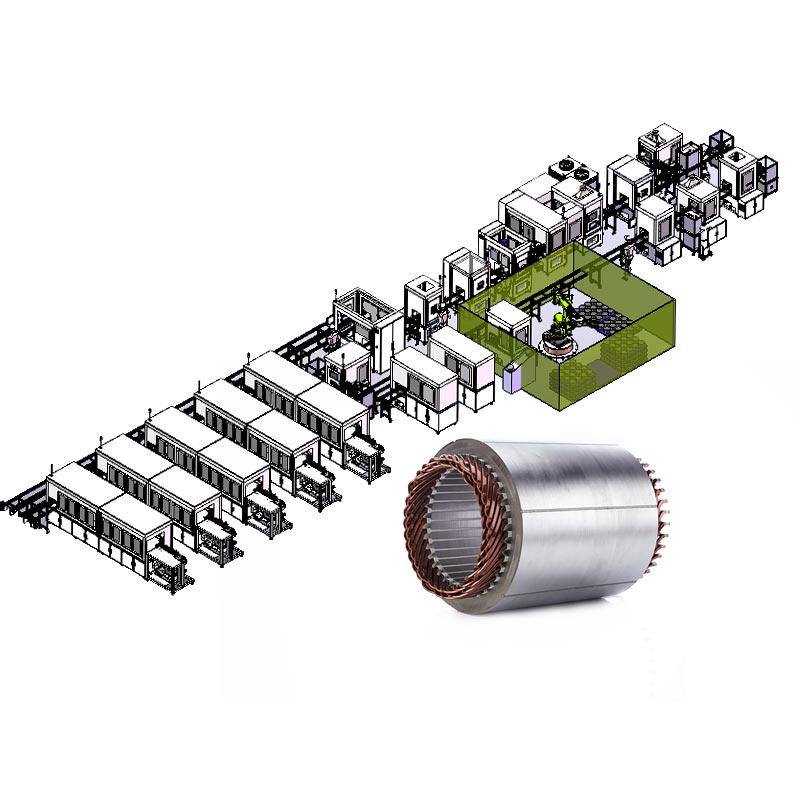
A granular examination of modular manufacturing cells designed for brushless, permanent magnet, and wound-rotor induction applications.
Rotor fabrication for modern industrial power drives, mobility drivetrains, and agricultural pumps demands mechanical tolerances down to the sub-micron scale. Rotor dynamic imbalance constitutes the single largest contributor to premature bearing breakdown, acoustic degradation, and insulation displacement in high-torque environments.
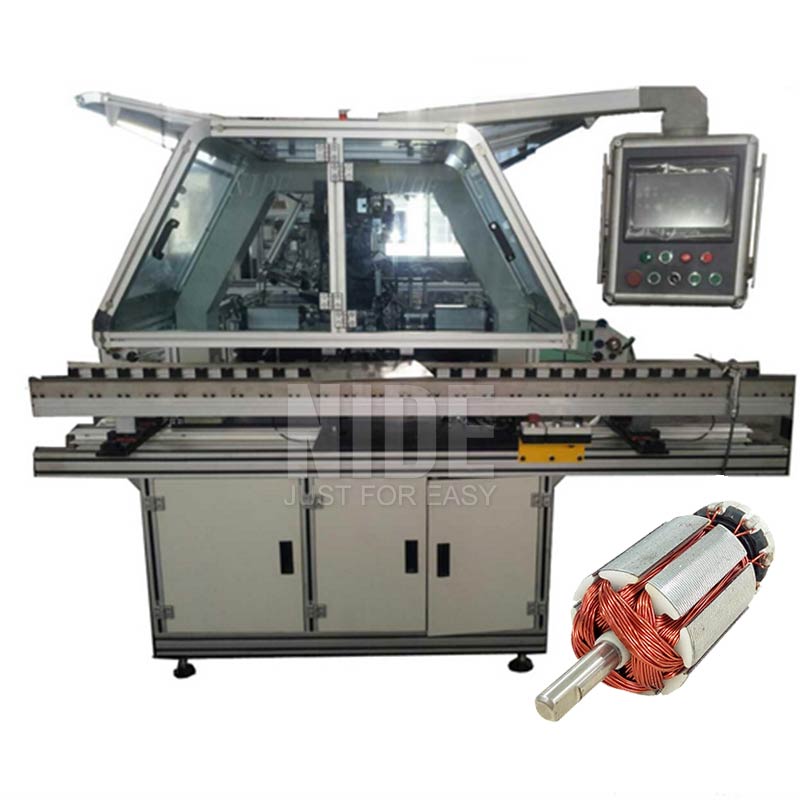
Ningbo Nakro Intelligent Equipment delivers integrated OEM/ODM rotor lines engineered around complete cycle integrity. Beginning with automatic shaft pressing and core pack alignment, laminations are bonded or stacked with hydraulic-servo precision to maintain slot parallelism. Automatic slot cell paper insertion utilizes high-grade Nomex or DMD films, followed by twin-flyer or multi-axis needle winding units featuring electronic closed-loop wire tension control (±1.5 cN accuracy).
Commutator hot-staking and TIG hook welding nodes incorporate optical machine vision positioning, guaranteeing zero burn-through on fine enamelled copper magnet wires while maintaining ultra-low contact resistance. Subsequent dynamic balancing stations deploy automatic V-groove or end-ring milling to reach ISO 1940 Grade G1.0 or G2.5 balance quality.
Six integrated operational phases configured for high-OEE continuous manufacturing:
| Equipment Model / Station | Core Application | Cycle Time (Sec/Pcs) | Automation Grade | Standard Compliance |
|---|---|---|---|---|
| ND-ARW-400 Flyer Armature Winder | Universal, DC, Power Tool Rotors | 12 – 22 sec (depending on slots) | Full Automatic / In-line Conveyor | CE, ISO 9001, IEC 60034 |
| ND-PM-MAG Rotor Magnet Insertion Cell | BLDC, PMSM, Traction Motors | 18 – 35 sec (multi-pole) | Servo-Pneumatic Guided / Vision Inspected | CE, UL Component Verified |
| ND-BAL-02 Dual-Plane Balancing Node | Automotive & Industrial Motors | 10 – 16 sec (complete cycle) | Automatic Robot Pick & Mill | ISO 1940-1 (G1.0 – G2.5) |
| ND-COMM-FUS Hot Staking & Welder | Traction & Appliance Commutators | 0.4 – 0.8 sec per bar | Closed-Loop Inverter Fusing | RoHS, CE Industrial Machine Directive |
Addressing the geographic, atmospheric, and industrial nuances of Cochabamba and the surrounding Andean valley ecosystems.
Cochabamba is situated at approximately 2,558 meters (8,392 feet) above sea level. In elevated environments, the reduced barometric pressure directly reduces air density, decreasing convective cooling efficiency and lowering the dielectric breakdown voltage of electrical insulation. Rotor and stator manufacturing equipment calibrated for Cochabamba must employ higher slot insulation overlap ratios, Class H (180°C) varnishing processes, and optimized lamination cooling vents to prevent thermal runaway.
As the home of Bolivia's domestic electric vehicle manufacturing initiative (such as Quantum Motors in Cochabamba), the demand for localized BLDC hub motors and PMSM drive stators is expanding rapidly. Nakro lines provide scalable flat-wire hairpin manufacturing and segmented outer-rotor magnet assembly lines tailored for 3kW to 15kW urban city drives, light delivery vehicles, and Andean mountain transit scooters.
Cochabamba's agricultural fertile plains (Valle Alto, Sacaba, and Quillacollo) rely heavily on continuous well pumps, grain milling motors, and food processing lines. The Misicuni Dam regional infrastructure demands reliable deep-well submersible pump motors. Our rotor production equipment manufactures squirrel-cage induction rotors with high copper bar conductivity, dynamic resistance to hydraulic pulsing, and rust-inhibiting shaft coating stations.
Strategic forces accelerating the modernization of motor fabrication and rebuilding workshops across Bolivia.
Bolivia’s national initiative to reduce fossil fuel subsidies accelerates the adoption of IE3 and IE4 premium-efficiency electric motors across mining, cement, and manufacturing plants.
Heavy crushers, flotation cells, and ventilation impellers operated in adjacent Oruro/Potosí mining basins rely on Cochabamba's engineering workshops for rapid rewinding and rotor reconstruction.
Bolivian industrial firms increasingly seek domestic assembly lines to circumvent port demurrage delays and currency exchange volatility, creating value-added local motor assembly plants.
With Bolivia investing heavily in the Uyuni lithium industrialization, downstream electrification in Cochabamba's technical corridor demands cutting-edge PMSM motor assembly machinery.
Over 14 years of specialized motor manufacturing engineering, supported by end-to-end component manufacturing and global field commissioning.
Our 50,000 m² state-of-the-art facility operates under strict ISO 9001 guidelines. Key mechanical assemblies, servo brackets, and flyer spindles are CNC machined in-house to ensure zero tolerance drift across millions of winding cycles.
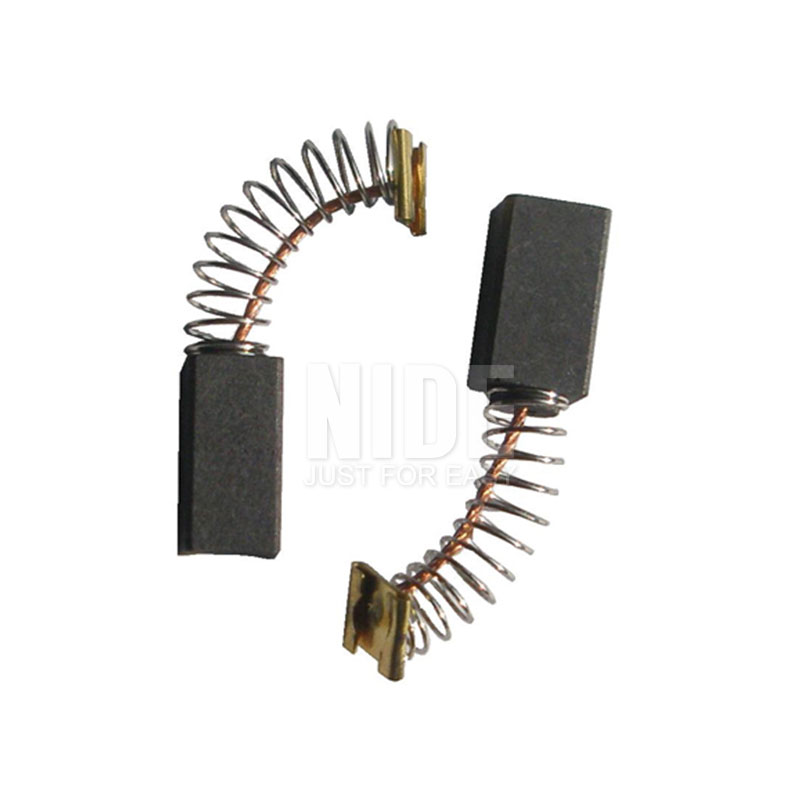
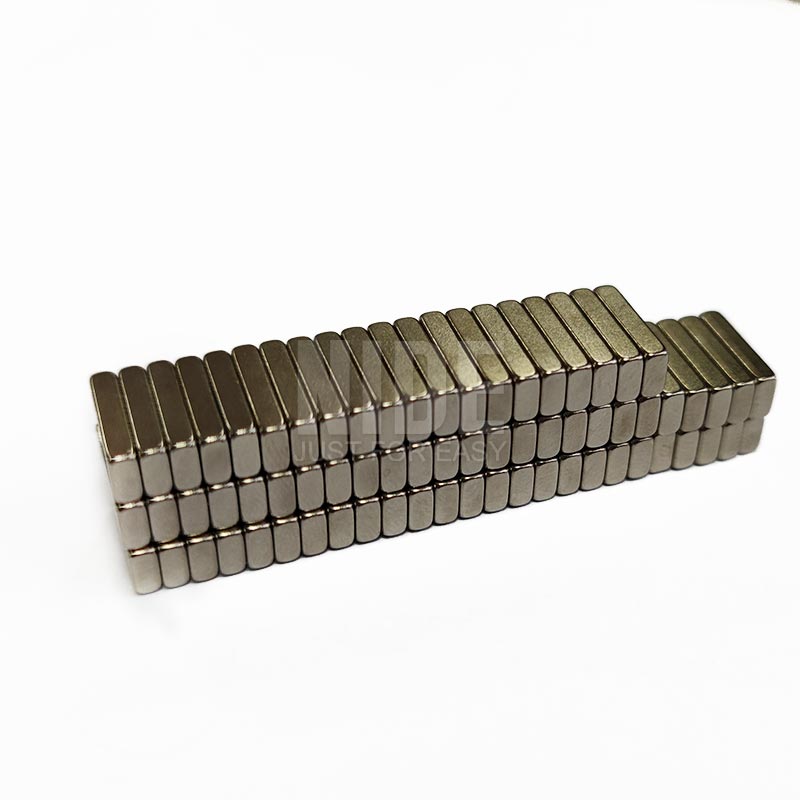
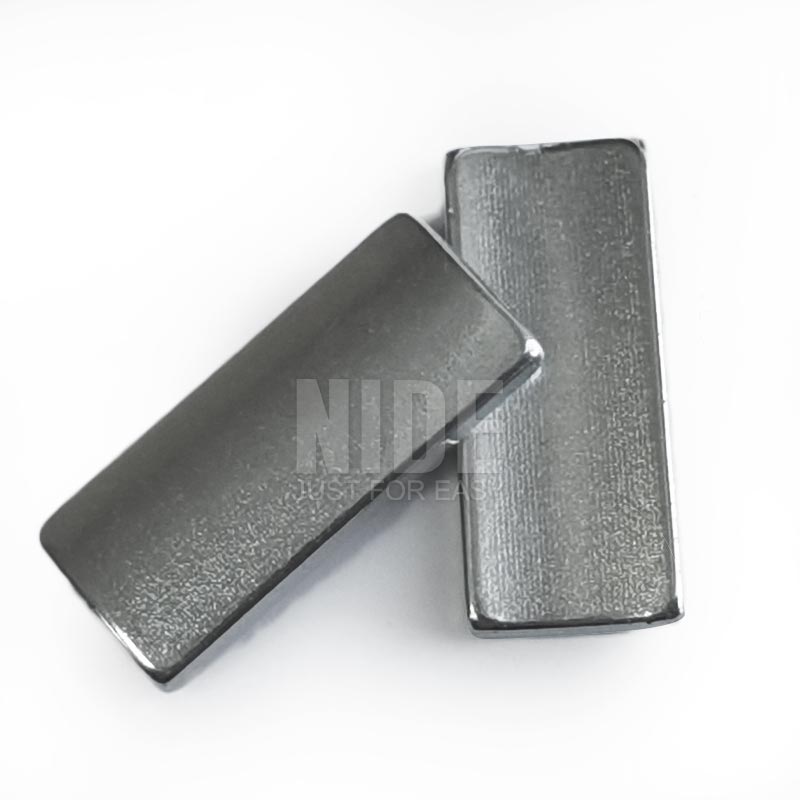
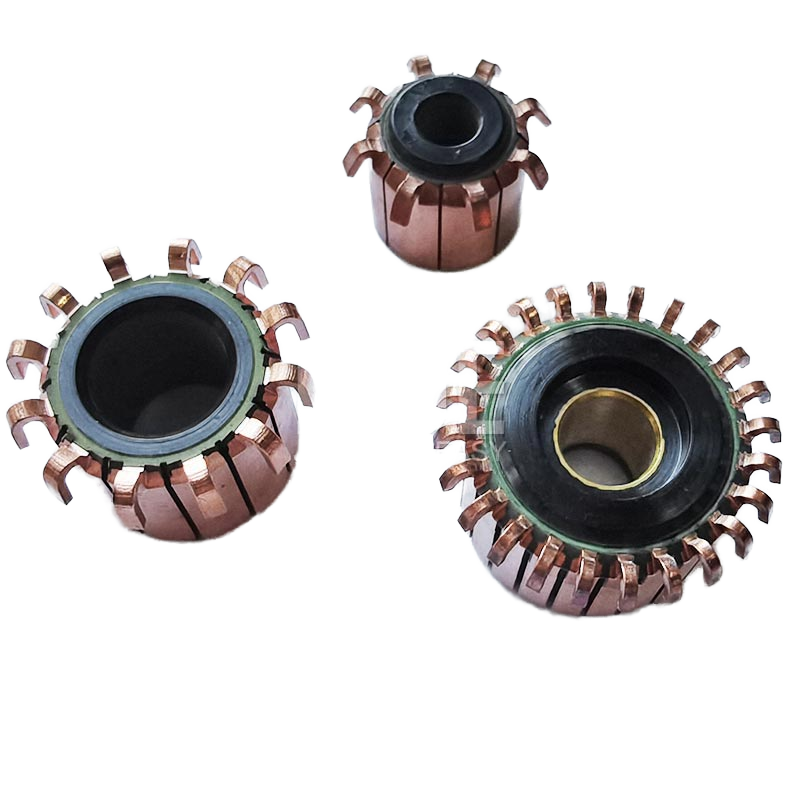
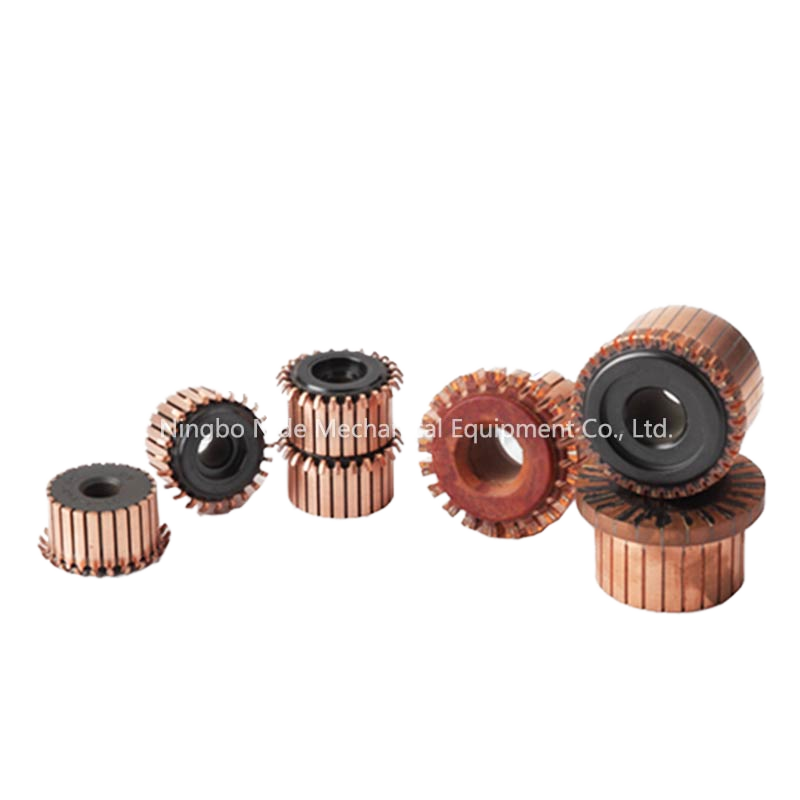
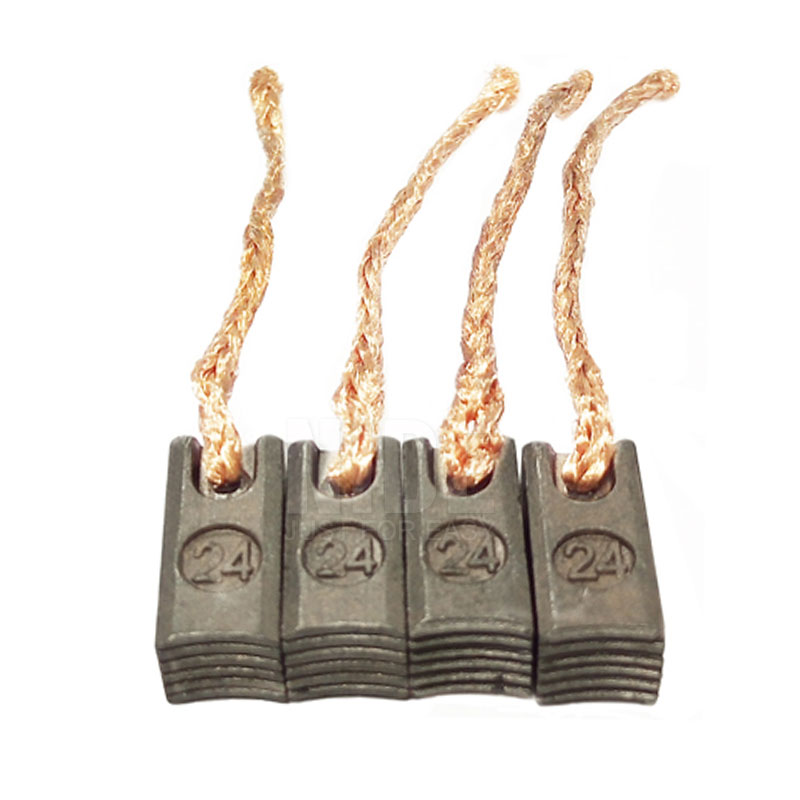
Nakro is unique in offering complete ecosystem support. Beyond automated lines, we supply matching NdFeB magnets, commutators, high-conductivity carbon brushes, insulation paper, ball bearings, and custom tungsten carbide tooling dies under the NIDE brand.
With machinery installed across South America, Eastern Europe, and Southeast Asia, our project team understands the logistical, electrical, and customs realities of shipping complex industrial assets into landlocked South American markets via Pacific corridors.
Crucial commercial, technical, and logistic insights addressing Bolivian manufacturing inquiries.
Consult with our senior motor automation engineers. Whether you are upgrading manual rewinding operations, outfitting an e-mobility rotor cell, or expanding submersible pump manufacturing, Nakro delivers turnkey precision engineered to your specifications.
Get Catalog