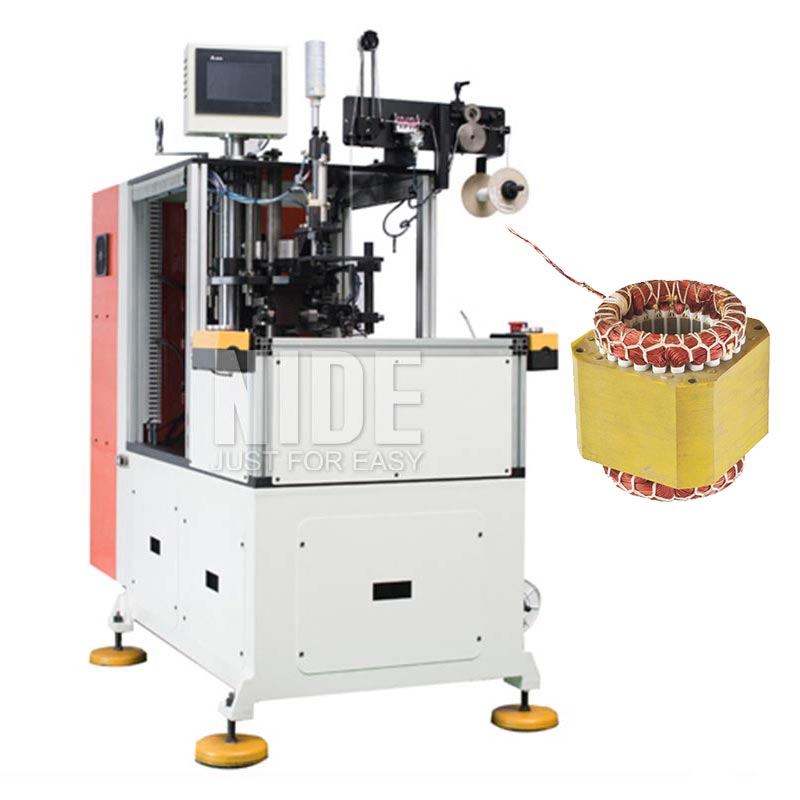
Automatic EV New Energy Motor Stator Line
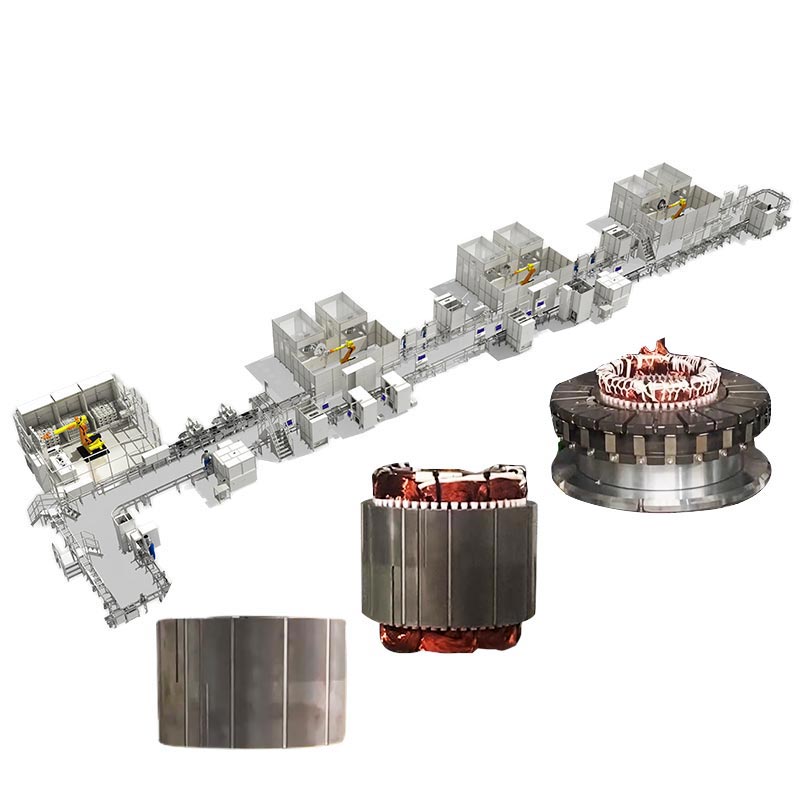
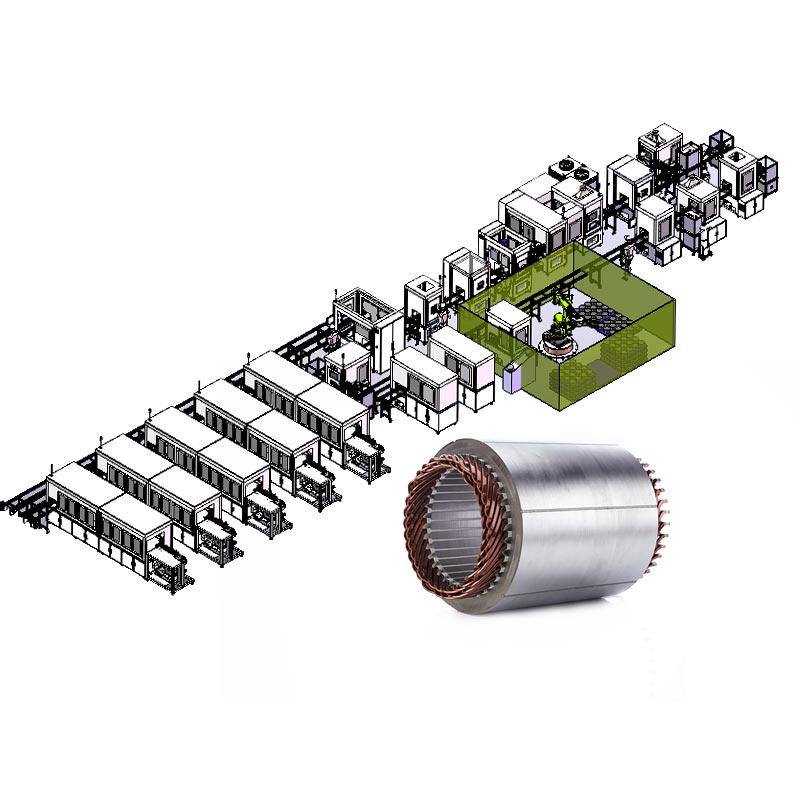
CE-certified 220V/380V multi-layer hairpin manufacturing line featuring automated CNC 2D/3D wire forming, paper inserting, and twist nest stations.
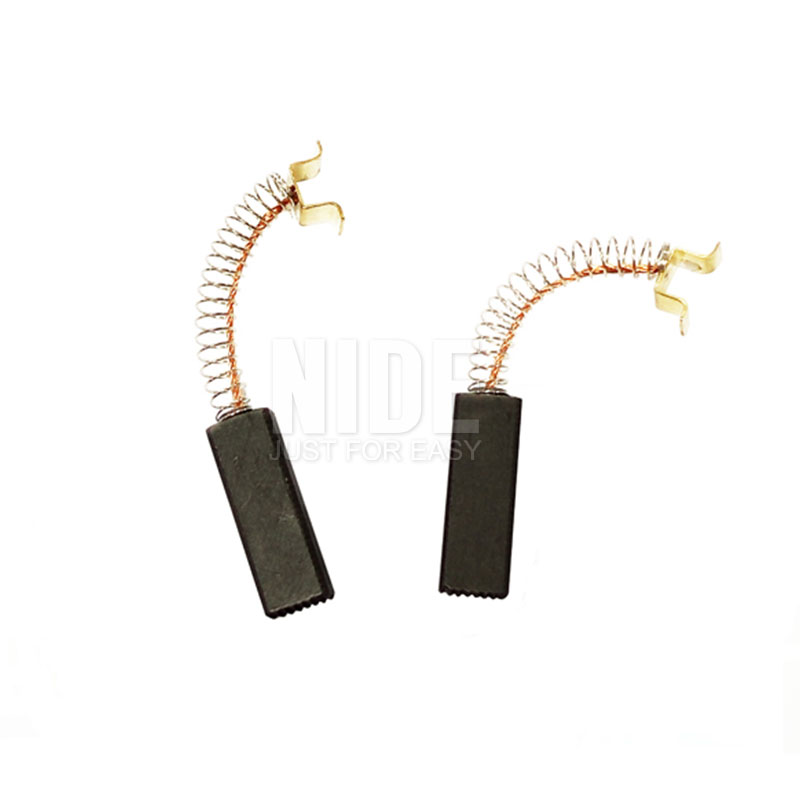
Precision Turnkey Automation for High-Slot-Fill EV Stators, Flat-Wire Traction Motors, and Industrial E-Drives Engineered for Upper Austria's Automotive and Industrial Machinery Corridor.
Explore our core turnkey systems and precision-engineered electro-mechanical parts built for electric vehicle drivetrains, industrial pump stators, and household drive units operating in Linz and international manufacturing hubs.
CE-certified 220V/380V multi-layer hairpin manufacturing line featuring automated CNC 2D/3D wire forming, paper inserting, and twist nest stations.
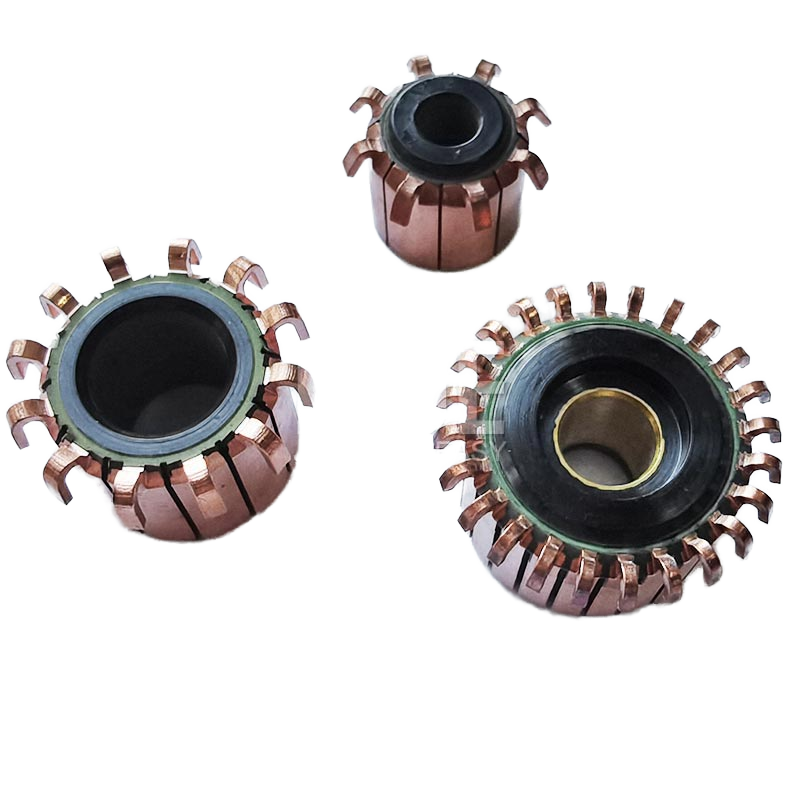
High electric conductivity carbon brushes for automotive auxiliary systems, wiper drives, and industrial starter armatures with long operational lifecycle.
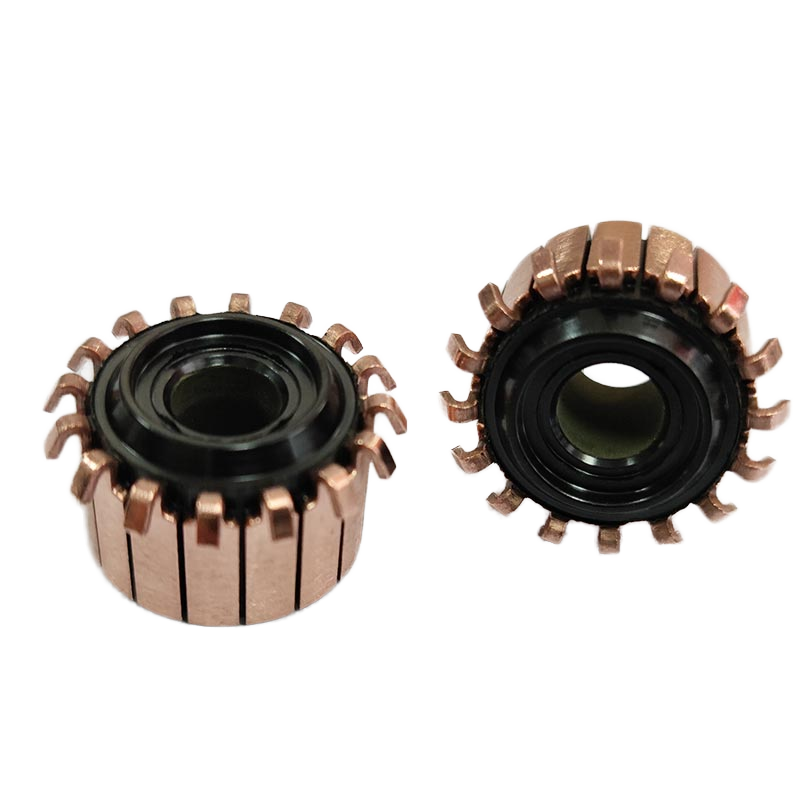
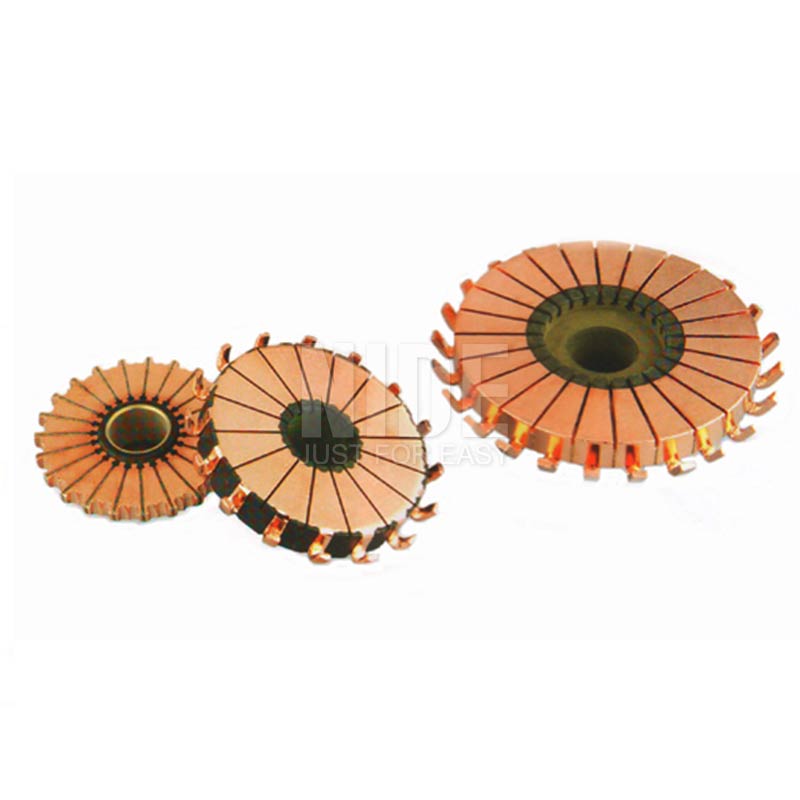
Precision hook commutator and stamped rotor-stator laminations engineered for small home appliances, high-RPM kitchen power units, and power tools.
End-to-end flat wire winding equipment: coil pre-forming, wire stripping, laser ring-welding, and automated trickling/impregnation for next-gen vehicles.
Customized high-wear resistant copper collector hook commutators for DC fan blowers, radiator modules, and sub-fractional HP electric drives.
Heavy-duty universal fit armature commutators specifically formulated to sustain high under-the-hood temperatures and continuous thermal vibration cycles.
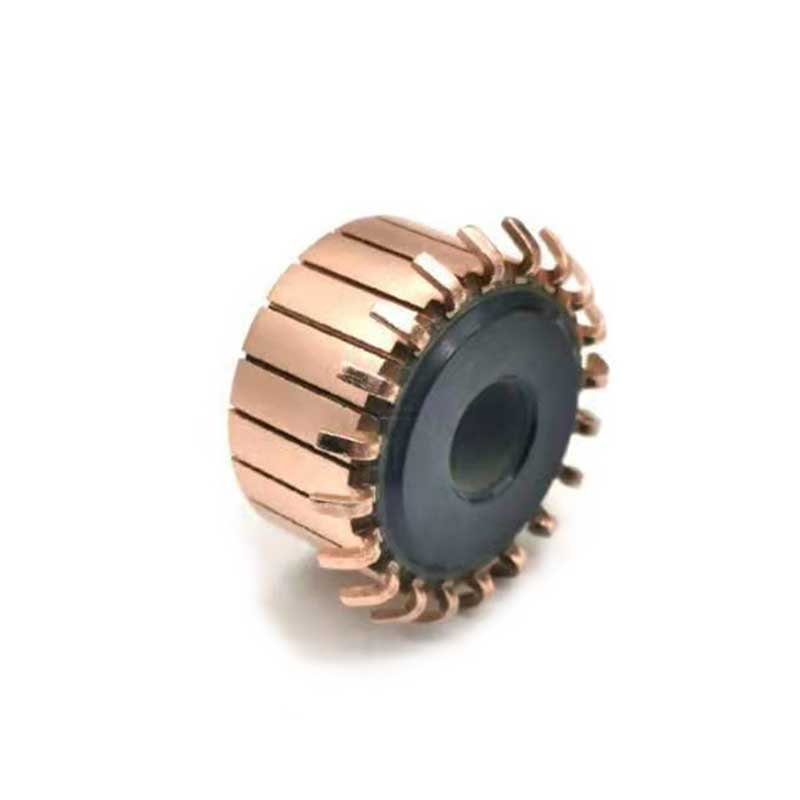
CE-certified planar face commutators for fuel pump motors and compact DC actuator motors requiring superior axial profile constraints and low noise.
10kW 220V/380V PLC-controlled industrial lacing system featuring simultaneous dual-end bindings for HVAC compressors and multi-phase induction pump drives.
In modern e-mobility and high-output industrial drives, the transition from conventional round-wire pull-in winding to rectangular copper hairpin (flat-wire) stator architectures represents the defining leap in power density and thermal efficiency.
Traditional random round-wire stator winding leaves substantial microscopic air gaps, capping effective copper slot fill between 40% and 50%. Rectangular hairpin copper eliminates structural voids, driving the slot-fill factor beyond 70% to 78%, which slashes copper I²R electrical losses at identical current draws.
Hairpin windings provide superior surface contact with stator teeth and insulation paper. Because heat conducts directly through intimate copper-to-core interfaces without air insulation cushions, operating thermal gradients decrease by 15°C to 25°C under continuous peak torque conditions.
Because rectangular hairpins are mechanically pre-formed into strict 2D and 3D architectural loops before insertion, the axial overhang length of the end windings is reduced by 20% to 30%. This dramatically cuts inactive copper mass, minimizes machine weight, and enables ultra-compact e-axle packaging.
| Performance / Manufacturing Attribute | Traditional Round-Wire Winding | Ningbo Nakro Flat-Wire Hairpin Line | Impact on Tier-1 System Assemblers |
|---|---|---|---|
| Slot Fill Factor (Net Active Copper) | 42% – 50% max | 72% – 78% | +20% Continuous Torque Output per kg |
| Conductor Insulation Thermal Resistance | High thermal impedance (inter-strand voids) | Low thermal impedance (direct core contact) | Extended insulation life; stable liquid cooling |
| End Turn Height (Axial Projection) | High overhang height (60 – 85mm typical) | Ultra-compact profile (35 – 50mm) | Total motor mass drop by 12-18%; easier chassis integration |
| High Frequency AC Loss Mitigation | Poor control over skin/proximity effects | Configurable multi-layer conductors (4/6/8-layer) | Mitigates high-RPM eddy losses in modern 800V silicon-carbide drives |
| Process Repeatability & Line Automation | Semi-manual insertion risk; uneven slot distribution | 100% Closed-loop CNC forming & 3D Laser Welding | Zero wire crossing defect rates; strict Cpk ≥ 1.67 compliance |
Upper Austria (Oberösterreich), centered around Linz and extending toward Steyr and Wels, stands as the central powerhouse of the Austrian automotive cluster (Automobil-Cluster - AC). Global OEM suppliers and specialty machine builders based in this region demand manufacturing automation tailored to exacting Central European standards.
Renowned engine and drivetrain manufacturing plants in Upper Austria are migrating internal combustion production capacities toward dedicated e-mobility components. Our automated hairpin lines integrate straight into high-output automated guided vehicle (AGV) production flows, delivering custom 6-layer and 8-layer hairpin stators for luxury electric vehicles and light commercial delivery fleets manufactured across Central Europe.
Automotive Cluster (AC)Surrounding the massive Linz metallurgy, chemical, and heavy engineering ecosystem, electric machinery builders require ruggedized hairpin and induction stators capable of sustained multi-megawatt duty cycles under heavy thermal strain. Our machines handle thicker copper wire dimensions designed specifically for continuous-duty auxiliary blowers, hydraulic pump units, and port logistics winches along the Danube.
Heavy Machinery & MetallurgyUpper Austria is celebrated for specialized agricultural tractors, forestry vehicles, and commercial e-mobility machinery. The localized drive trends demand motors with exceptional torque density and low shock sensitivity. Our customized winding lines support high-mix, medium-volume production with under-30-minute automated tooling changeouts to empower flexible OEM production schedules.
Specialty & Agro-TechProcurement teams in Linz, Traun, and surrounding industrial campuses do not buy legacy equipment—they invest in scalable manufacturing assets capable of adapting to next-generation European electric drivetrain architectures.
Upper Austrian automotive tiers are standardizing electric vehicle architectures around 800-volt silicon carbide (SiC) power electronics. Higher operating voltages impose extreme dielectric stress on stator wire insulation. Our automated lines integrate corona-free wire stripping and non-damaging mechanical 3D bending to protect enamelled insulation layers from partial discharge breakdown.
TIG welding is rapidly phasing out in modern European production lines in favor of fiber laser welding coupled with coaxial AI cameras. Our hairpin systems detect conductor alignment variations at sub-millimeter tolerances in real time, executing spatter-free copper fusing in under 0.2 seconds per hairpin joint while logging metallurgical seam integrity directly to the plant MES.
Central European factory environments operate under strict Industry 4.0 data exchange mandates. Nakro’s automated hairpin production cells integrate Siemens PLC controls, Profinet fieldbuses, and native OPC UA gateways to transmit process parameters—including insertion forces, wire tension, and laser weld energy—directly into Austrian enterprise quality control systems.
Clear, direct answers regarding machinery CE certification, European grid voltage compatibility, onsite Factory Acceptance Testing (FAT), and rapid spare tooling delivery.
Combining 14+ years of dedicated motor automation expertise, comprehensive component manufacturing, and verified global trade delivery across 50+ nations.
Strict quality-controlled manufacturing protocols across our 30,000+ m² facility, guaranteeing repeatable tolerances on all custom tooling and robotic winding stations.
Over 100 dedicated technical specialists developing customized winding nozzles, laser welding nests, and automated slot wedge inserting tools tailored to your CAD files.
Over 13 years of overseas trade delivery, navigating international shipping, CE compliance, customs documentation, and seamless onsite installation across Europe, the Americas, and Asia.
Single-source supply: We manufacture not just the production machinery, but also the armatures, commutators, carbon brushes, and insulation paper for fully unified process responsibility.
Submit your stator laminations, wire dimensions, and target cycle-time requirements. Our senior application engineers will prepare a complete line layout, station sequence analysis, and transparent quotation.