Motor Production Automation Factory & Exporters in Yangon

Turnkey Automated Stator, Armature & BLDC Assembly Solutions Engineered for Myanmar's Industrial Modernization, Special Economic Zones, and Electric Mobility Revolution

Industrial Automation Whitepaper

Accelerating Myanmar’s Electromechanical Transformation

As Yangon deepens its role as Myanmar’s industrial, commercial, and logistics engine, manufacturing plants across Hlaing Tharyar, Shwe Pyi Thar, Mingaladon, and Thilawa Special Economic Zone (SEZ) are shifting rapidly from manual bench assembly to high-precision, PLC-controlled automation. Rising domestic power generation initiatives, high-efficiency agricultural irrigation demands, and national policies incentivizing two-wheel electric mobility (EVs) have amplified the urgency for consistent, high-yield motor manufacturing equipment.

30,000+ m²
Automated Machinery Production Base
50+ Countries
Global Export Footprint & On-Site Support
< 0.05%
Inline Stator Slot Insulation Defect Rate
13+ Years
Precision Engineering & Export Excellence
Engineered Lineups & Components

Precision Automation Equipment & High-Tolerance Motor Hardware

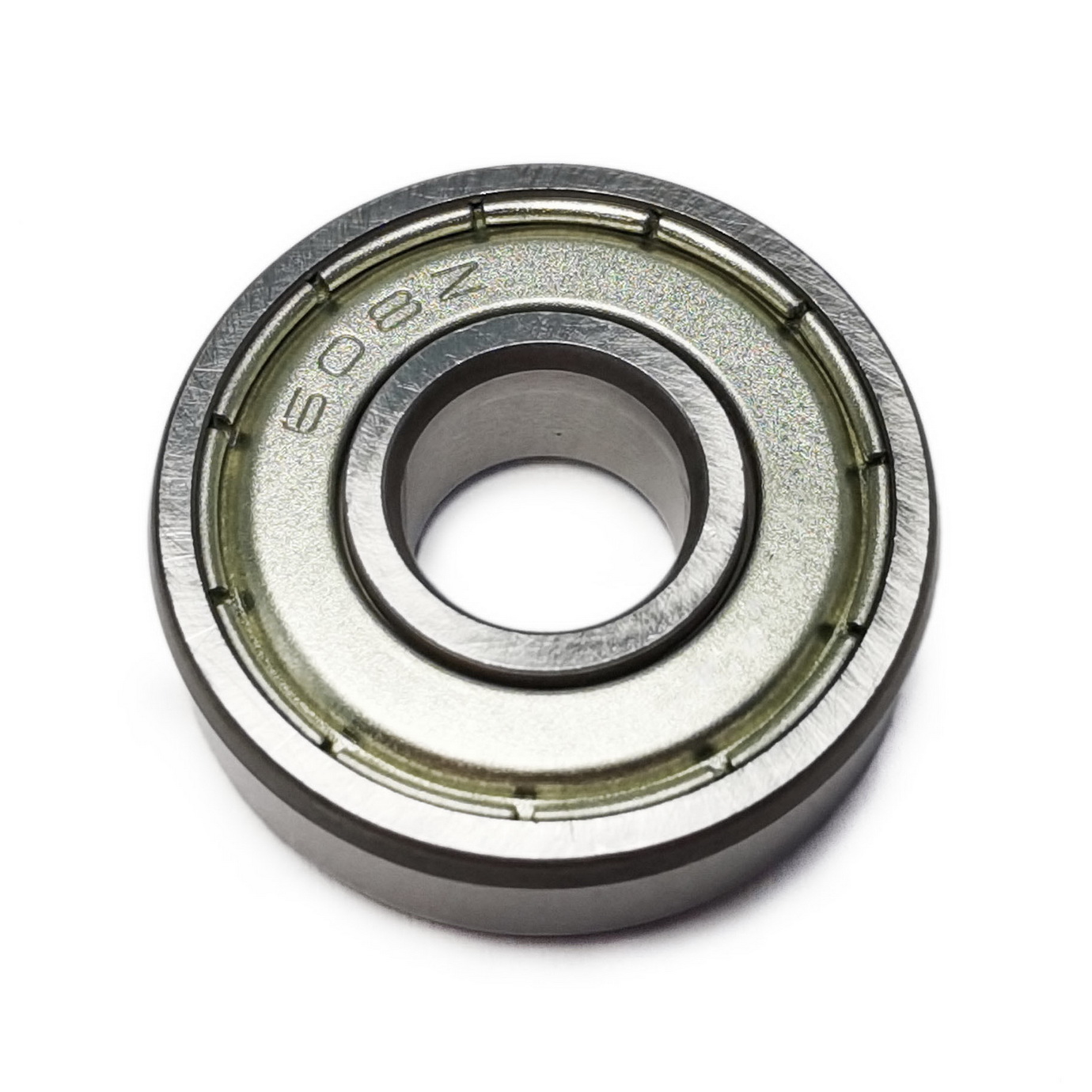
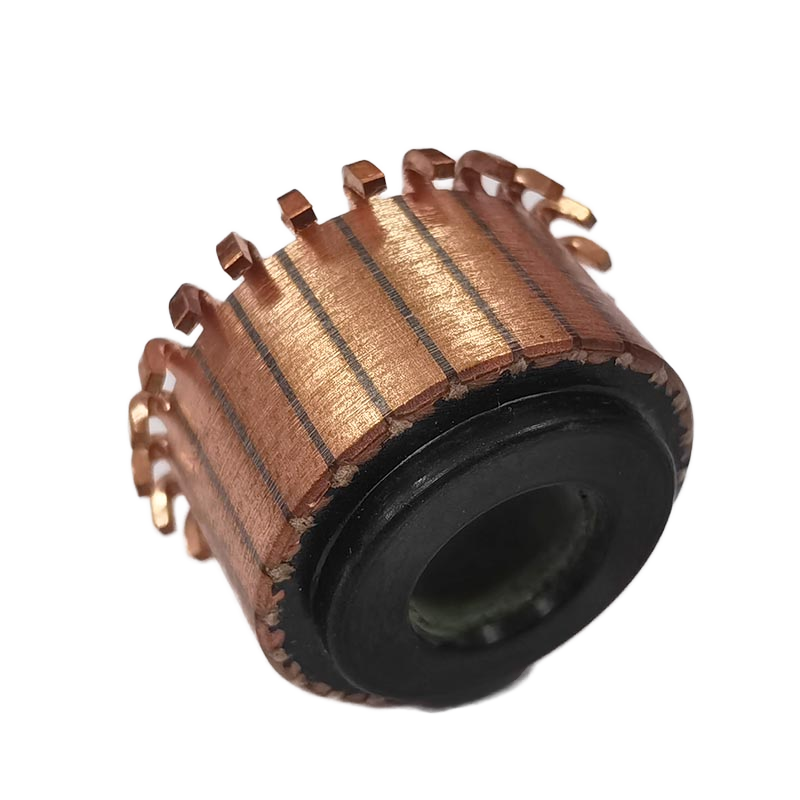
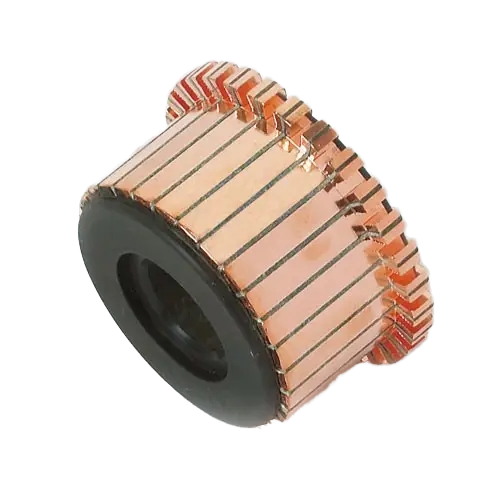
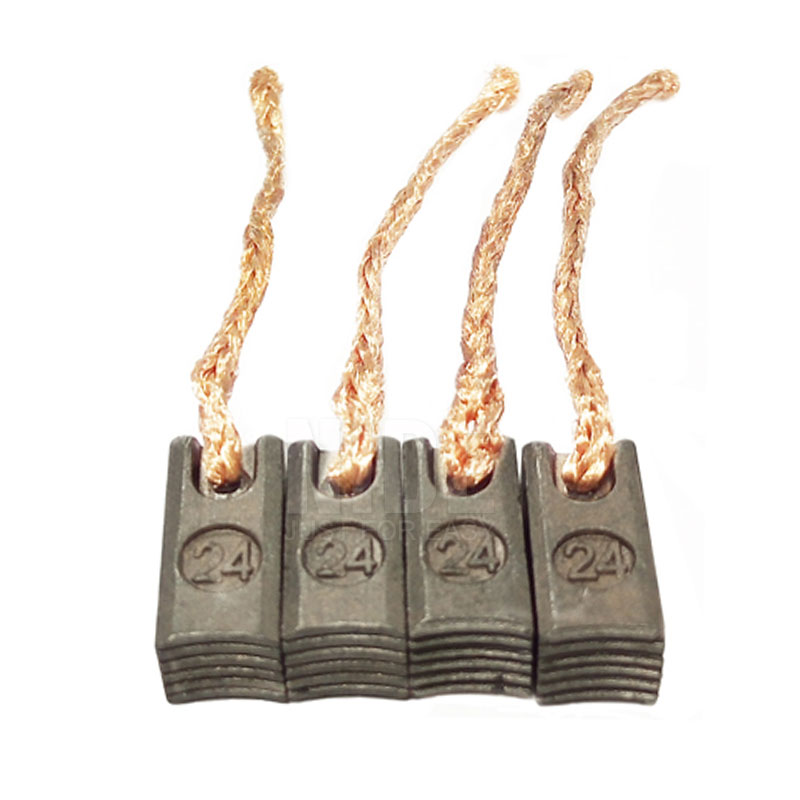
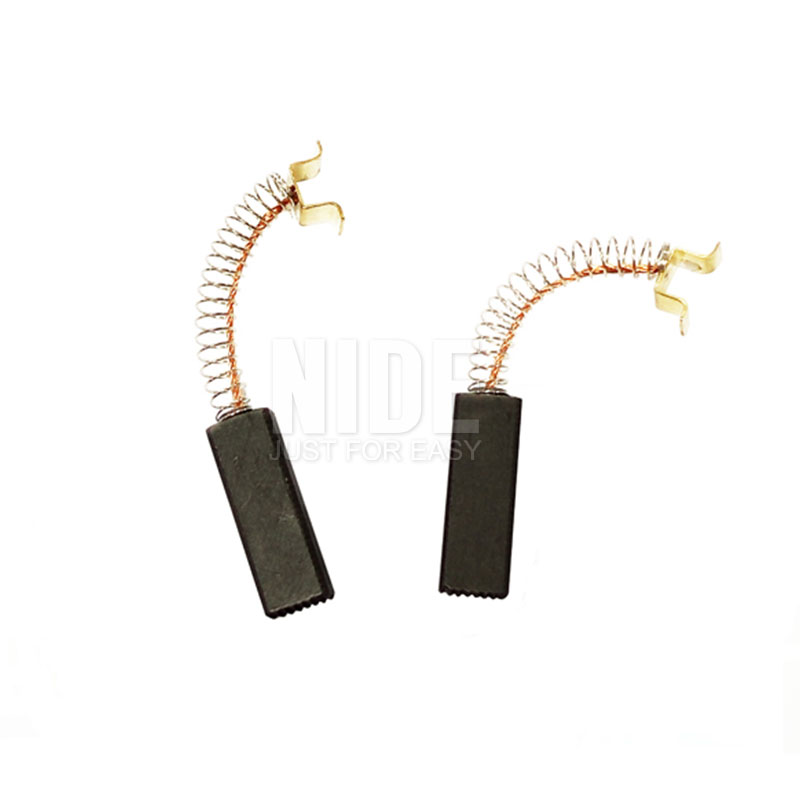
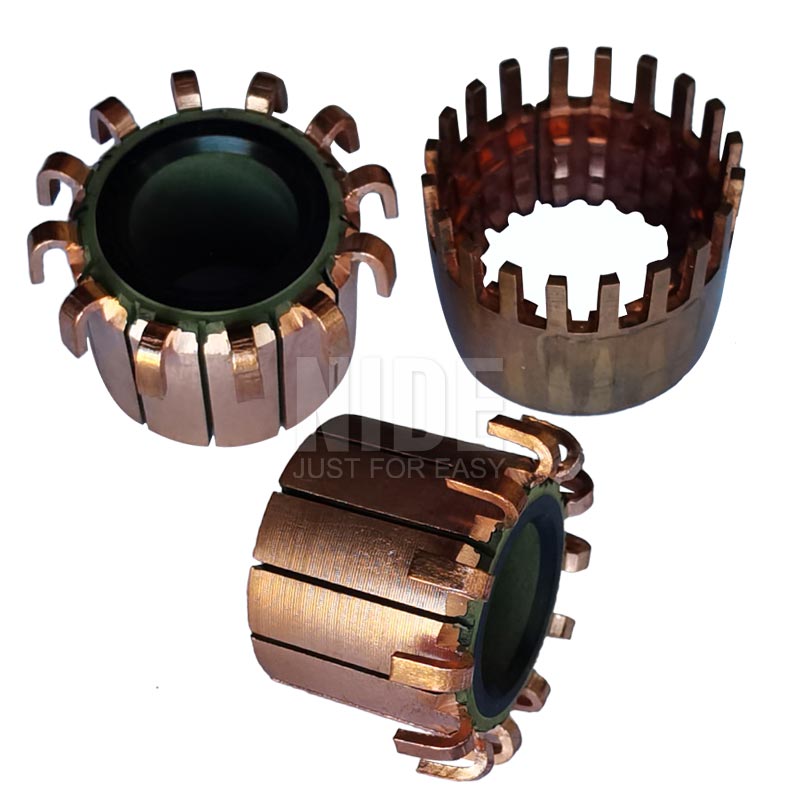
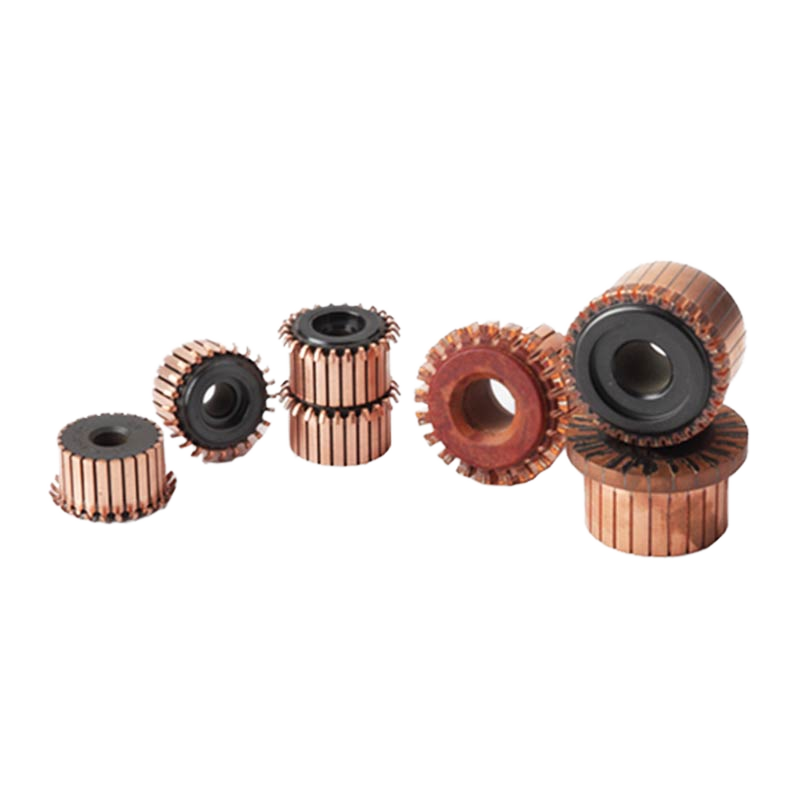
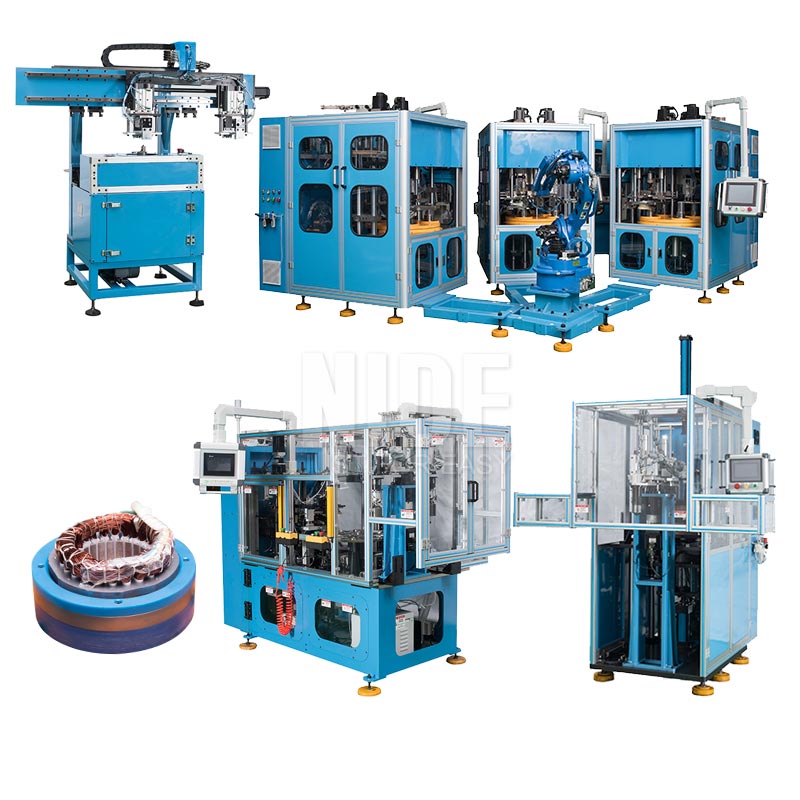
From turnkey single-phase and three-phase stator production lines to precision commutators and high-conductivity carbon brushes, explore our heavy-duty solutions configured for industrial reliability under demanding operating conditions.

Localized Engineering Impact

Industrial Applications Tailored for Yangon’s Production Ecosystem

Yangon represents over 60% of Myanmar’s commercial electricity consumer base and houses the nation's premier port logistics hubs. Our motor automation systems directly address the regional operating challenges—from voltage instability and monsoonal humidity to local labor upskilling.

Irrigation & Agricultural Pump Drives

The Ayeyarwady Delta relies on agricultural pumps manufactured and overhauled in Yangon’s industrial belts. Our single-phase and three-phase induction stator production machines allow local assembly lines to produce copper-wound submersible pumps with superior slot insulation, mitigating burnout caused by rural grid surges.

  • Single-cycle wedge and coil insertion reduces wire scratching
  • Reinforced phase-to-phase lacing withstands damp rural submersions
  • Consistent fill factor (up to 78%) boosts electrical pump efficiency

Light Electric Vehicles (E-Bikes & E-Rickshaws)

To curb urban emissions and reduce fuel reliance, Yangon and Mandalay municipal zones are accelerating e-mobility. Nakro’s BLDC wheel hub motor assembly lines integrate outer-rotor stator winding, magnetic tile gluing, dynamic balancing, and back-EMF testing for e-motorcycle and cargo rickshaw producers.

  • High-precision needle winding handles multi-strand copper wires
  • Automated hall sensor wire terminal soldering ensures moisture resistance
  • Automated magnet press-fit eliminates manual spacing errors

Export-Grade Power Tools & Industrial Motors

Special Economic Zones (SEZs) such as Thilawa leverage bonded warehouse advantages for global export. Our automated armature lines perform shaft pressing, hook-type commutator hot-staking, and diamond-tool commutator turning to meet European CE and international IEC standards directly from Yangon.

  • High-speed flyer winders cut cycle time to <14s per armature
  • Inline surge, bar-to-bar resistance, and hipot verification
  • Dynamic dual-plane balancing stabilizes high-RPM grinder rotors
Market Trends & Engineering Matrix

Yangon’s Transition from Manual Hand-Winding to Industry 4.0

Motor rewinding and manual bench insertion have historically characterized local workshops. However, rising copper costs and strict rejection penalties from multinational clients are accelerating automated investments.

Evaluation Parameter Conventional Manual Assembly Nakro Semi-Automated Cells Nakro Full Turnkey Assembly Lines
Cycle Time (per Stator) 18 - 25 Minutes (Manual) 2.5 - 4.0 Minutes 35 - 55 Seconds (Continuous)
Slot Fill Factor Precision Variable (±8%), High Friction Loss Consistent (±1.5%) Optimized Servo Precision (±0.5%)
Insulation Enamel Integrity Risk of micro-fractures during hand insertion Controlled mechanical wedge feeding Zero-Scrape Servo Insertion with Auto-Forming
Direct Operator Dependency 8 - 12 Skilled Technicians per shift 3 - 4 Cross-trained Operators 1 - 2 Supervisory Technicians per line
Rejection / Defect Rate 3.5% - 6.0% (Post Varnish) < 0.8% < 0.08% with End-of-Line Testing

1. Power Grid Resilience Integration

Industrial parks in Yangon frequently experience electrical fluctuations and secondary generator cut-overs. Nakro equips all exported equipment with industrial-grade surge filters, broad-range Schneider/Siemens electrical protection components, and independent PLC battery backups to prevent process logic loss during factory load shifts.

2. Raw Material Optimization

Importing electrical silicon steel sheets and enamelled copper wire places foreign exchange pressure on Yangon manufacturers. Automated precision winding minimizes wire overhang and loop slack, yielding 3.8% to 6.2% copper wire savings per motor unit produced compared to manual hand-tying.

3. Modular Scalability for Local Capital

Understanding the capital allocation cycle in emerging markets, Nakro lines are built on modular architectures. Local enterprises can start with stand-alone winding and insertion machines, expanding sequentially into continuous conveyor transfer, auto-lacing, and varnish curing chambers as output scales.

The Nakro Competitive Edge

Why Tier-1 Motor Manufacturers Source from Nakro

Headquartered in Ningbo, China, with over 13 years of specialized machinery export experience, Ningbo Nakro Intelligent Equipment Co., Ltd. combines dedicated R&D tooling, rigorous quality control, and complete component integration.

ISO 9001 & Alibaba Onsite Verified

All equipment and sub-assemblies undergo 6-stage quality gating. Our 30,000+ m² facility is onsite audited, maintaining transparent international credit index records and CE compliance.

Complete One-Stop Hardware Supply

Beyond machinery, we supply the complete matching component ecosystem: silver-copper commutators, deep-groove ball bearings, custom carbon brushes, slot insulation papers, shafts, and motor covers.

Pre-Shipment Trial Run on Your Parts

We eliminate commissioning risk. Send your motor drawings, laminations, and wire; we conduct a full factory acceptance test (FAT) with live video proof before export crates are sealed.

Dedicated Engineering & After-Sales

Cross-border engineering support including remote PLC diagnostics, bilingual technician training, custom tooling nozzle redesigns, and rapid sea/air parts dispatch to Yangon ports.

Buyer Guidance

Frequently Asked Questions: Yangon Machinery Procurement

Clear, direct answers for engineering directors, factory owners, and procurement specialists importing motor production lines into Myanmar.

What are the shipping routes, customs clearance windows, and arrival terms for Yangon?
Shipments dispatch from Ningbo Port directly to Yangon (Myanmar Industrial Port - MIP or Asia World Port Terminal - AWPT). Sea freight transit typically ranges from 12 to 18 days depending on transshipment routing in Singapore or Port Klang. We supply complete commercial documentation—including Bill of Lading, Certificate of Origin (Form E for favorable tariff treatment under ACFTA), Packing Lists, and CE Declaration of Conformity. We support FOB Ningbo, CFR Yangon, and CIF Yangon terms.
How do Nakro machines handle Yangon’s tropical climate and ambient factory humidity?
All our automated machines feature industrial electrical enclosures rated IP54 or above, equipped with integrated cabinet cooling fans and thermal dissipation channels to avoid condensation during high-humidity monsoon seasons. Critical structural components, including guide rails, pneumatic cylinders, and wire feeding rollers, undergo surface nitriding, hard chrome plating, or are machined from SUS304 stainless steel to ensure rust prevention.
Can one automatic line handle multiple motor stack heights and slot numbers?
Yes. Our stator coil inserting machines and armature winders are designed with rapid-tooling fixtures. Stack height changes within the same outer diameter profile can be adjusted directly on the touchscreen HMI via servo motor positioning in under 10 minutes. When adjusting slot counts or laminations with distinct internal geometry, dedicated modular tooling (inserting blades, wedge guides, winding heads) can be switched within 45 to 60 minutes.
What on-site commissioning and technician training support is provided in Myanmar?
We provide comprehensive installation options. For turnkey projects, our senior commissioning engineers travel to your Yangon facility to supervise mechanical anchoring, electrical wiring, and operational tuning. We deliver intensive hands-on training for your local operators covering HMI recipe setting, mechanical calibration, sensor maintenance, and routine servicing. Alternatively, we support fully mapped remote video commissioning with digital schematics and English documentation.
Which payment currencies and transaction arrangements are accepted?
To accommodate bilateral trading channels, we accept Telegraphic Transfers (T/T) and Irrevocable Letters of Credit (L/C at sight). Payment transactions can be settled in USD, EUR, or CNY (Chinese Renminbi), allowing local enterprises to mitigate currency conversion complexities.

Ready to Automate Your Motor Production Facility in Yangon?

Whether you require a single high-speed coil winding unit, custom commutators, or a turnkey BLDC and induction motor assembly line, our process engineering team is on standby to analyze your stator drawings and deliver an optimized line proposal.

Get a Quote