Precision Induction Stator Equipment & High-Tolerance Motor Core Components
Turnkey machinery, armature solutions, high-grade NdFeB permanent magnets, and electromechanical components configured for industrial motor plants in Medan and across ASEAN.
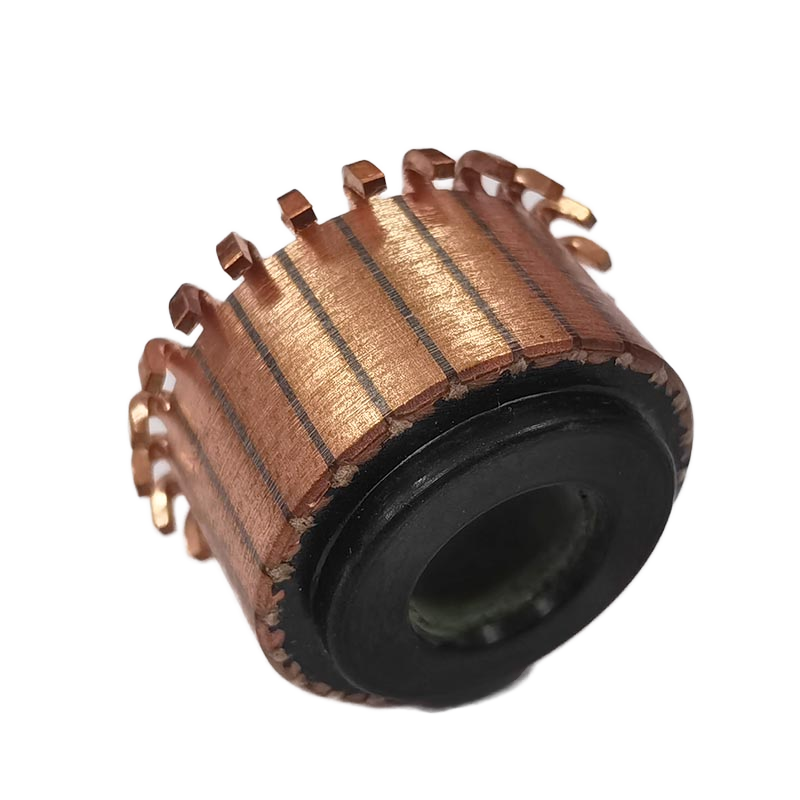
Wholesale NIDE Brand 24 Segments Hook Type Angle Grinder Commutator 8.4*25*16 Motor Fan Rotor Model NDPJ-HXQ-640A for DC Motor
Engineered for high-RPM DC and universal motors. Features high copper-bar dielectric rigidity and heat dissipation suited for heavy grinding machinery.
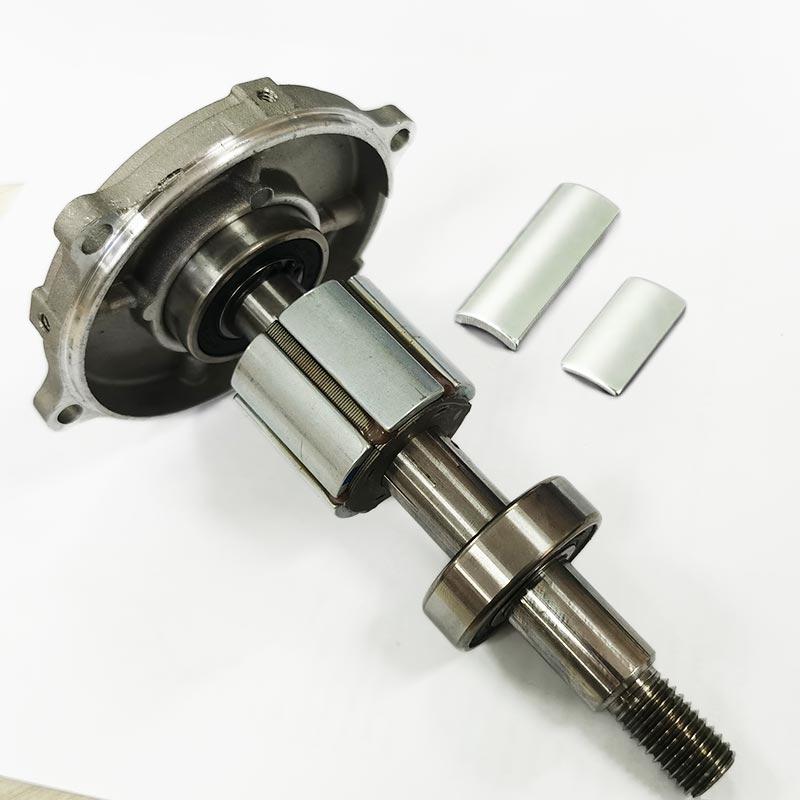
Wholesale Customized N52 Neodymium Magnets Strong Motor Accessories for Electric Motor Rotor NIDE Brand Model NDPJ-CW-62 3
Ultra-high energy density sintered NdFeB magnets delivering optimal flux density and demagnetization resistance for harsh, humid operating environments.

New NIDE Automatic Armature Rotor Hot Chamber Die Casting Machine PLC Aluminum Engine Motor Core CE Certified 1 Year Warranty
Precision PLC-controlled hot-chamber die casting station ensuring porosity-free squirrel-cage rotor aluminum end rings and uniform core balancing.

New Rotor Winding Equipment with Engine & Motor Core Components PLC Controlled Armature Winder Machine 1 Year Warranty
High-speed flyer winder featuring multi-axis servo synchronization, precision wire dynamic tensioning, and automated commutator indexing.
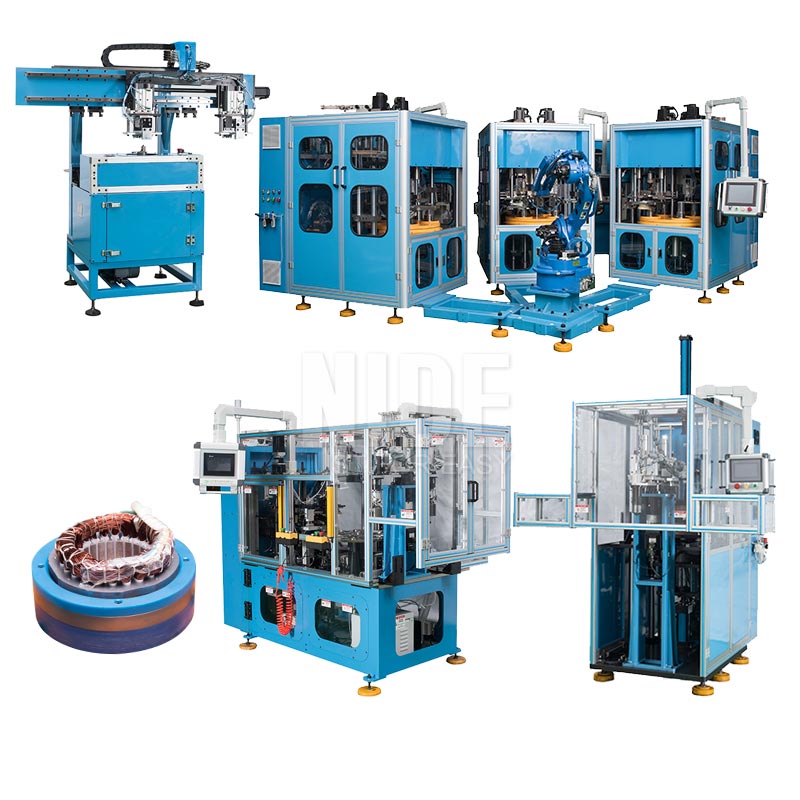
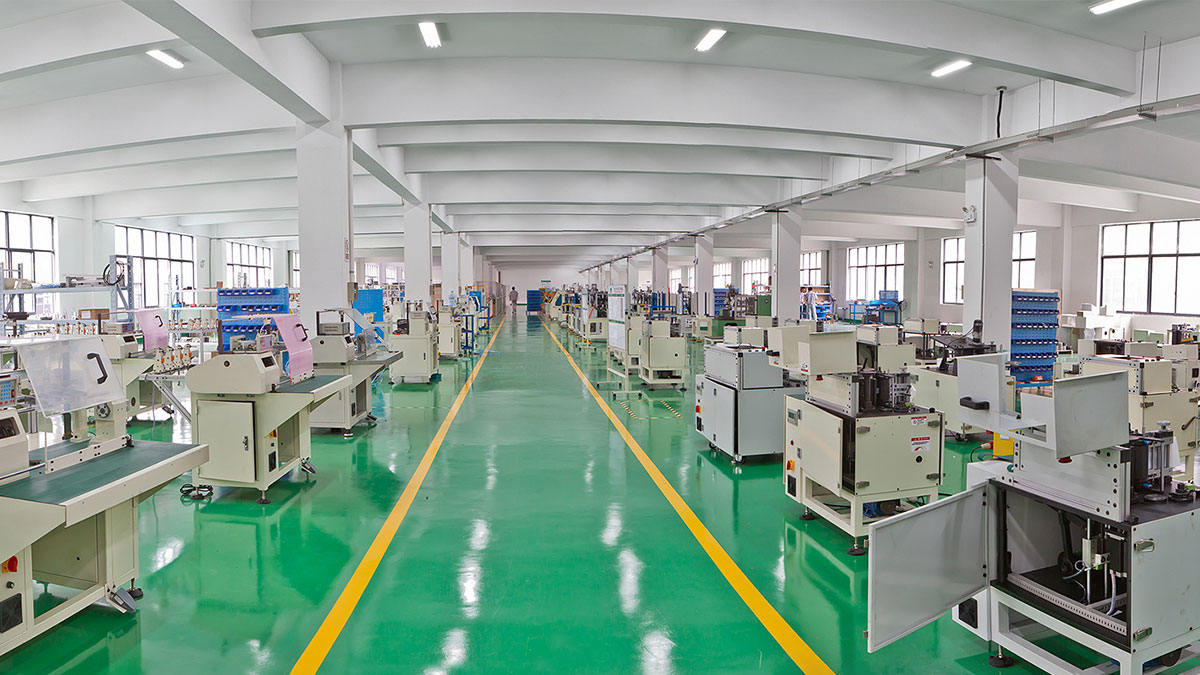
New Small-scale Non-standard Electric Induction Motor Stator Manufacturing Machine Production Assembly Line PLC Core 1 Year
Modular induction motor stator production line combining insulation insertion, dual-station winding, synchronized coil/wedge insertion, and coil forming.
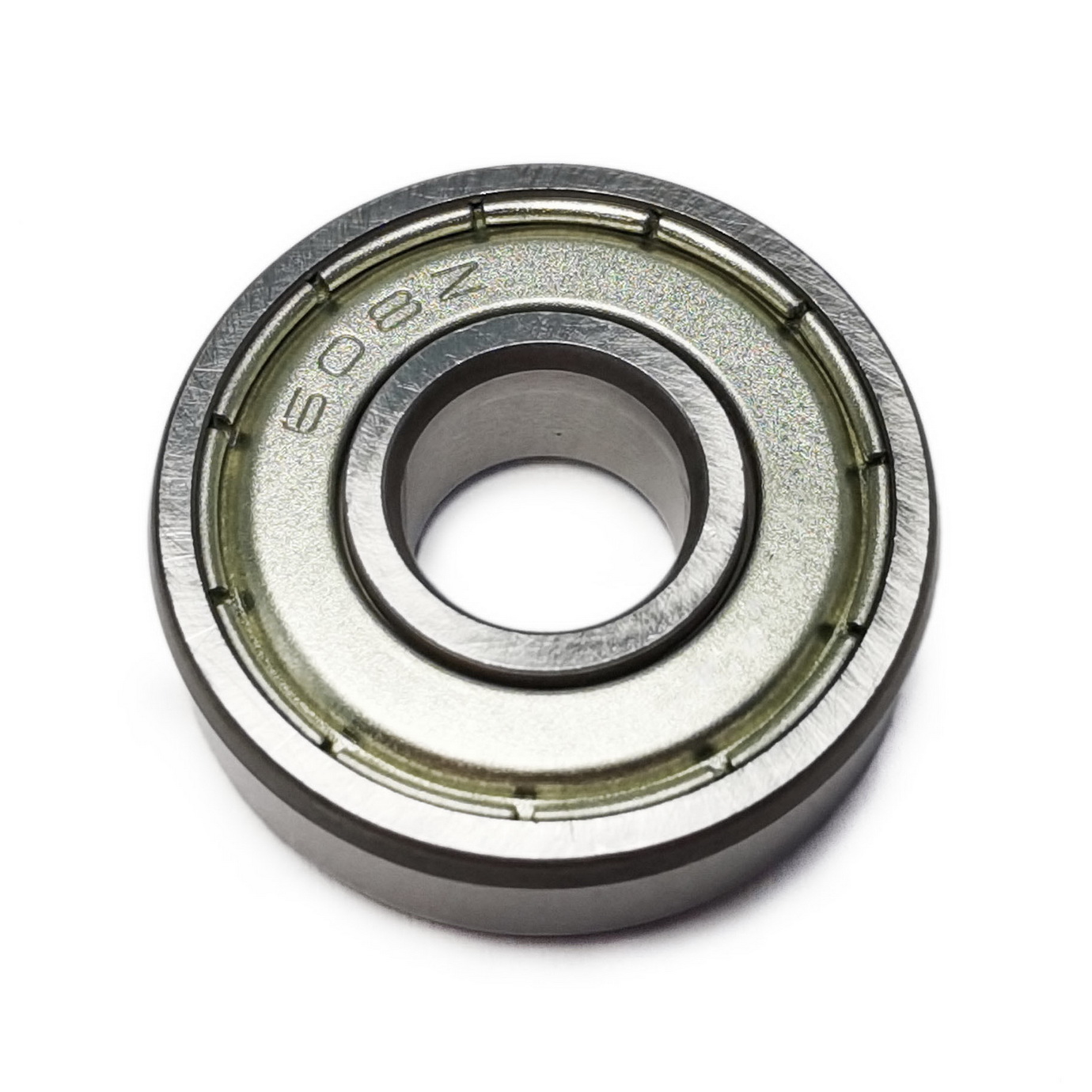
Custom Precision Stainless Steel 608 Single Row Deep Groove Ball Bearing 608ZZ Seal Dustproof 10mm ID 20mm OD CCC Certified
Low-noise, vibration-resistant sealed deep groove ball bearing designed for continuous high-torque industrial motor duty in humid and dusty environments.
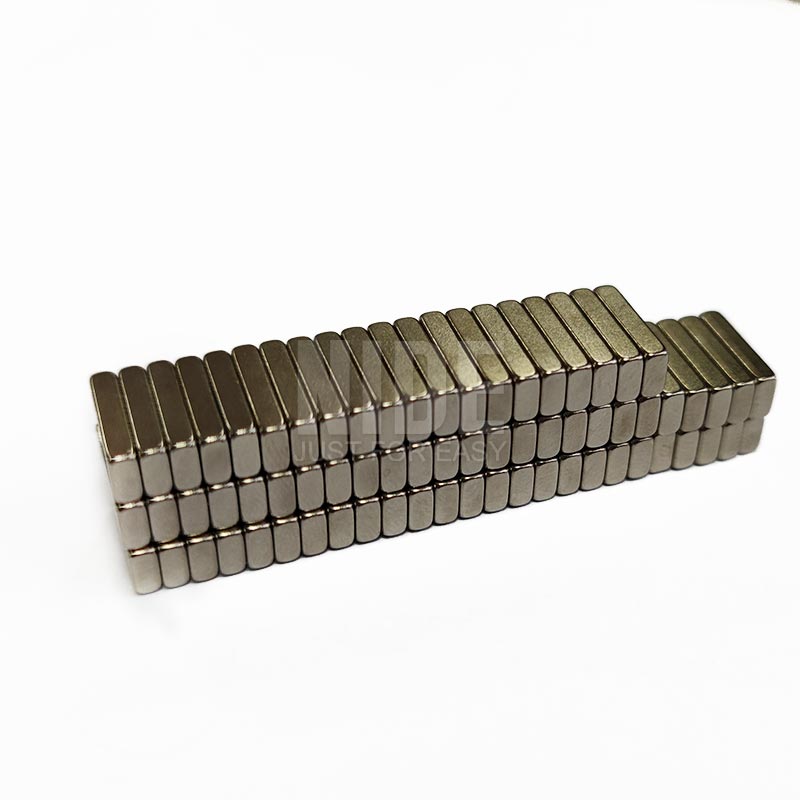
N52 Neodymium Rare Earth Block Magnet Rectangle Square NIDE Brand Model NDPJ-CW-61 Industrial Motor Accessories
High-coercivity rare-earth neodymium blocks precision-ground for brushless DC (BLDC), permanent magnet synchronous motors (PMSM), and hybrid drives.
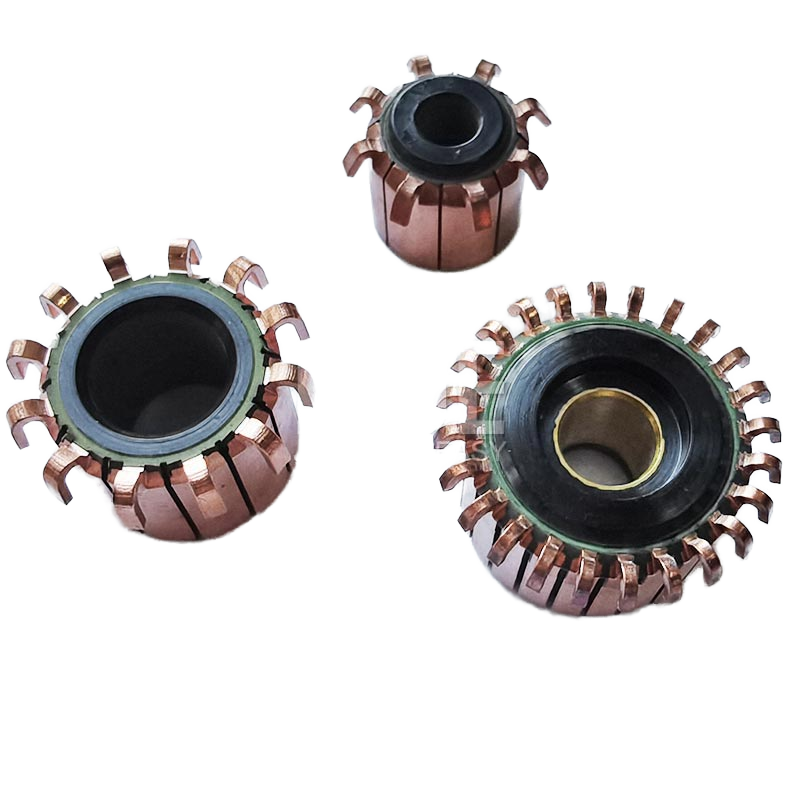
Universal Household Juicer Mixer DC Motor Armature Hook Commutator Part Stamping Rotor Stator NIDE Brand Model NDPJ-HXQ-183
High-conductivity silver-copper alloy hook commutator tailored for appliance fractional horsepower motors, ensuring continuous brush contact with minimal spark generation.
Technical Architecture of Automated Induction Motor Stator Production Lines
Process control, slot fill optimization, and thermal endurance for IE3 and IE4 three-phase asynchronous motors.
In modern industrial drives, the three-phase squirrel-cage induction motor remains the primary workhorse across heavy processing industries, agricultural logistics, and automated manufacturing. Producing stators capable of meeting international energy efficiency mandates—such as IEC 60034-30-1 standard levels IE2 (High Efficiency), IE3 (Premium Efficiency), and IE4 (Super Premium Efficiency)—requires high mechanical repeatability and low slot-filling stress across the manufacturing line.
A fully integrated induction motor stator production line engineered by our technical facilities consists of five critical automated sequential cells, each governed by multi-axis programmable logic controllers (PLCs) with real-time feedback loops:
| Production Station | Core Mechanism | Kinematic & Quality Parameters | Failure Modes Mitigated |
|---|---|---|---|
| 1. Automated Slot Insulation Insertion | Continuous reel-fed indexing, mechanical creasing, heating edge-cuffing, and knife shearing. | Cycle time: 0.5–1.2 sec/slot; Cuff width: 2.5–5.0 mm; Insulation class: B, F, H (Nomex, DMD, NMN, Mylar). | Eliminates pinholes, edge tears, and inter-laminar short circuits caused by sharp silicon lamination burrs. |
| 2. Multi-Spindle Stator Coil Winding | Flyer and multi-needle winding spindles coupled with electronic tensioning arms and wire break sensors. | Spindle speed up to 2,500 RPM; Wire gauge: 0.15 mm to 1.60 mm (single or multi-strand enamelled copper/aluminum). | Prevents micro-stretching of copper wire, preserving insulation enamel thickness and surge resistance. |
| 3. Synchronized Coil & Wedge Insertion | Simultaneous push-rod arrays pushing pre-wound coils and slot wedges into core slots via dedicated tooling fingers. | Slot fill factor: up to 78%; Insertion stroke servo precision: ±0.05 mm; Wedge material: DMD/Polyester film. | Prevents wire cross-pinching, scratched copper enamel, and uneven slot distribution. |
| 4. Intermediate & Final Hydraulic Forming | Internal expanding mandrel and multi-segment exterior hydraulic press rings acting on coil overhangs. | Pressure range: 2 to 15 MPa adjustable; Overhang height and diameter dimensional tolerance within 0.3 mm. | Guarantees mechanical clearance between stator coil end-windings and motor end-shields/rotor shafts. |
| 5. Dual-Head Automated Coil Lacing | Servo-driven dual needle lacing heads executing continuous diamond, cross, or pitch-skip stitching patterns. | Lacing speed: up to 220 stitches/min; Tensioning control prevents cord breakage; Cord: polyester braided yarn. | Prevents mechanical resonance displacement, conductor chafing, and vibration fatigue during operation. |
Achieving Premium Efficiency (IE3) requires maximizing the slot copper fill factor up to 75%–78% while avoiding damage to the micro-thin polyurethane or polyamide-imide wire insulation. Nakro’s proprietary insertion tooling uses chrome-vanadium-molybdenum alloy blades mirror-polished to Ra ≤ 0.2 μm. This minimizes wire friction during push strokes, ensuring reliable dielectric insulation even at high surge voltages (up to 4,000V DC hipot breakdown thresholds).
Localized Applications: Equipping Medan & North Sumatra's Industrial Ecosystem
How our induction motor manufacturing lines and motor rebuilding machinery address the operational demands of North Sumatra's agro-industrial, marine, and logistics corridors.
Medan—anchored by the vital deep-water logistics gateway of Belawan Port and industrial complexes like Kawasan Industri Medan (KIM I, II, III, and IV)—serves as Sumatra's primary economic engine. The surrounding provincial economies across North Sumatra rely on intense agricultural processing, including crude palm oil (CPO) extraction, natural rubber coagulate vulcanization, chemical processing, and coastal maritime aquaculture. Operating electric motors in these tropical settings creates unique mechanical and thermal challenges that standard off-the-shelf equipment rarely withstands.
Palm Oil Mills (PKS) & Agro-Refineries
Palm oil extraction requires 24/7 continuous duty from heavy machinery, including fruit cage hoists, digesters, screw presses, centrifuges, and biomass conveyors. High ambient humidity (often >85%), airborne fatty acids, and steam vapor accelerate motor insulation breakdown. Stators wound and formed on our automated machinery benefit from Class H vacuum-pressure-varnishing (VPI) compatibility, double-insulated cuffed slot paper, and controlled overhang dimensions that resist corrosive vapors and thermal shock.
Belawan Port Logistics & Cold Chain Storage
Belawan handles millions of metric tons of breakbulk and container cargo annually. Gantry cranes, ship-to-shore hoists, container spreaders, and seafood cold-storage screw compressors rely on high-torque, frequent-start inverter-duty induction motors. Our PLC-controlled stator lines insert invert-rated slot phase insulation with precision-laced end-turns, preventing premature inter-turn voltage spike breakdowns driven by high-frequency Variable Frequency Drives (VFDs).
Rubber Processing & Chemical Manufacturing
Processing crumb rubber and synthetic chemical derivatives requires constant high-torque mixing, granulating, and drying under fluctuating line voltages. Squirrel-cage rotors cast with our automated die-casting machines, combined with balanced, uniform stator windings, prevent slot harmonic torque ripple. This eliminates localized rotor overheating, extending bearing lifespan across continuous production shifts.
Industrial Modernization & Motor Sourcing Trends in Medan
Market forces driving the shift from labor-intensive rewinding workshops to semi-automated and fully automated stator assembly lines in Sumatra.
Three primary structural shifts are reshaping the demand for electric motor manufacturing and rewinding lines in Medan, Deli Serdang, and northern Sumatra:
1. Mandatory Adoption of Minimum Energy Performance Standards (MEPS)
Under the Indonesian Ministry of Energy and Mineral Resources (ESDM) frameworks, national regulations increasingly target industrial efficiency to lower overall carbon footprints. Factories operating outdated IE1 motors face escalating electrical utility tariffs (PLN Tarip Industri). Industrial motor producers and tier-1 repair facilities in Medan are upgrading from manual hand-winding benches to automated stator lines. Automated winding and insertion ensure exact winding resistance per phase (variation ≤ 1.5%), repeatable copper weight, and tight coil geometry essential for IE3 and IE4 qualification.
2. Transition from Manual Rewinding to High-Reliability Re-Manufacturing
Traditionally, palm oil mills and manufacturing plants near Belawan relied on artisanal motor rewinding shops using manual wire knockers and hand-inserted paper wedges. While fast, manual work often results in erratic coil tension, nicked enamel, and low slot fill (rarely exceeding 55%), leading to rewound motors failing again within 6 to 12 months. Forward-thinking engineering service contractors in North Sumatra are adopting our modular, small-scale non-standard stator manufacturing and rebuilding equipment. This enables them to deliver factory-standard coil insertion, hydraulic forming, and computerized surge testing locally.
3. Near-Port Regional Spare Sourcing and Assembly Localization
Supply chain shocks and currency volatility have encouraged Indonesian industrial groups to localize motor sub-assembly. By establishing dedicated stator production lines close to regional transport corridors in Medan, manufacturers can import raw silicon steel laminations, enamelled wire, and precision bearings while performing core assembly, winding, lacing, and testing domestically. This approach optimizes import tariffs, streamlines lead times, and allows quick adaptation to regional industrial shaft standards.
Why Medan Sourcing Directors & Plant Directors Partner with Nakro
Fourteen years of specialized motor manufacturing machinery development, proven global supply chains, and technical project oversight.
ISO 9001 Certified Quality Rigor
Every stator machine undergoes a 6-stage quality verification process—including incoming metallurgy validation, CNC coordinate measuring machine (CMM) tooling verification, electrical cabinet burn-in, and pre-shipment trial runs using client core laminations.
Custom Tooling & Slot Geometry R&D
Our dedicated engineering department designs custom-shaped insertion blades, winding tooling, and expanding mandrels tailored to your exact stator drawings, slot openings, skew angles, and stack heights (from 20 mm up to 300 mm).
One-Stop Motor Ecosystem Supply
In addition to standalone machinery and turnkey lines, we supply matching high-performance motor components: precision hook commutators, custom N52 rare-earth magnets, deep-groove ball bearings, motor shafts, carbon brushes, and insulation paper.
Global Commissioning & Technical Support
Backed by over 13 years of machinery exports across Southeast Asia, Europe, and the Middle East, our technical teams provide detailed factory acceptance testing (FAT), containerized seaworthy packing, remote diagnostics, and on-site commissioning support.

Frequently Asked Questions by Medan & Indonesian Industrial Buyers
Practical answers to technical parameters, electrical compatibilities, logistical routes via Belawan Port, and commissioning workflows.
Can the stator line accommodate local Indonesian factory voltage and tropical ambient heat?
How does the machine handle different frame sizes (e.g., IEC 80 through IEC 225)?
What are the typical shipping logistics, transit times, and packaging for Medan?
How do you verify line performance before dispatch to North Sumatra?
What after-sales service and spare parts support are available in Indonesia?
Ready to Modernize Your Electric Motor Stator Production?
Whether you are establishing a new IE3/IE4 asynchronous motor manufacturing facility or upgrading a rewinding workshop in North Sumatra, our engineering specialists will configure an automated stator layout optimized for your production capacity and floor plan.
Contact Us