PLC Controlled
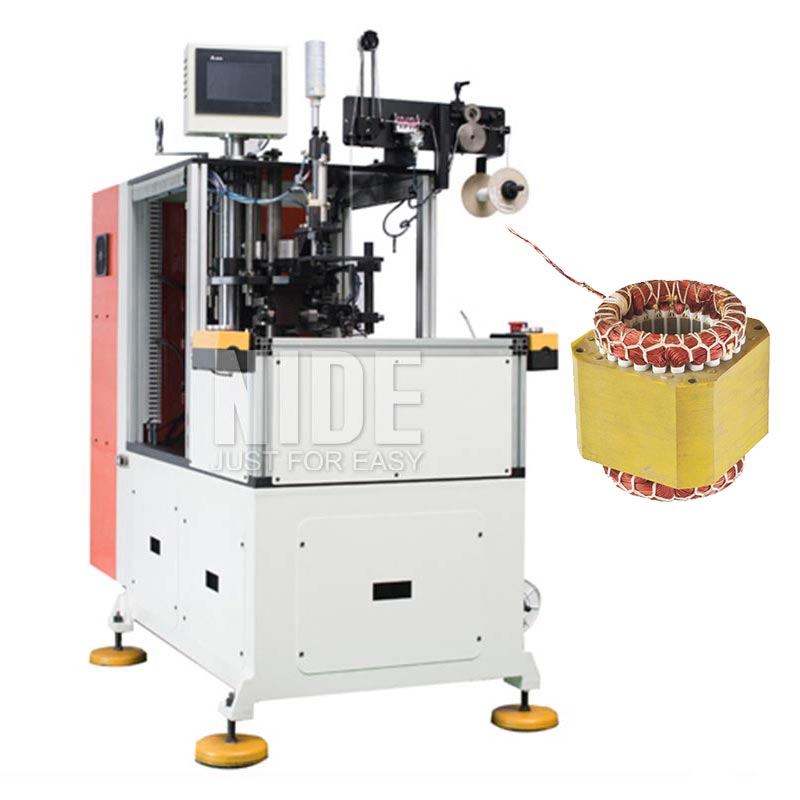
Engineered for high thermal endurance, precise slot filling rates, and continuous mass production cycles. Fully compliant with CE, CCC, and international ISO quality standards.
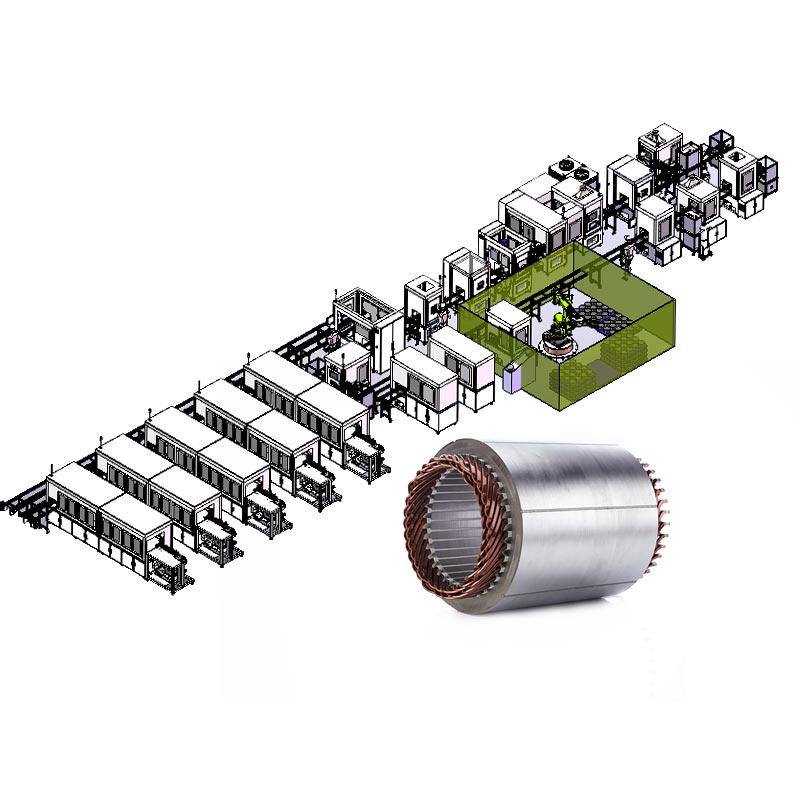
The manufacturing sector in the Philippines is undergoing a historic structural transformation. Driven by the Electric Vehicle Industry Development Act (EVIDA / Republic Act No. 11697) and aggressive capital modernization under the Corporate Recovery and Tax Incentives for Enterprises (CREATE) Law, industrial leaders across Calabarzon (Cavite, Laguna, Batangas, Rizal, Quezon), Metro Clark, and Cebu are transitioning from manual assembly toward automated, data-driven manufacturing platforms.
Electric motors represent the kinetic core of both industrial mechanization and modern e-mobility. In the domestic Philippine market, electric motor requirements have historically depended heavily on imported fully assembled units. However, rising container freight costs, supply chain disruptions, and tariff restructuring have motivated domestic enterprises and multinational subsidiaries within PEZA (Philippine Economic Zone Authority) industrial parks to establish localized winding, lacing, and assembly facilities.
Transitioning from labor-intensive manual winding to automated double-end lacing and robotic needle winding delivers substantial technical and financial returns. In typical single-phase and three-phase motor production, manual coil insertion yields erratic slot-fill density, inconsistent coil overhang lengths, and higher vulnerability to partial discharge under tropical humidity. Nakro Intelligent Equipment delivers integrated machine architectures that resolve these production bottlenecks, allowing Philippine manufacturers to achieve international IEC 60034 standards for high-efficiency motors (IE2, IE3, and IE4 classifications).
Customized production solutions engineered to meet the unique operational challenges of the Philippine archipelago, from coastal salt-fog environments to rural agricultural grids.
Under the national Public Utility Vehicle Modernization Program (PUVMP), operators are phasing out antiquated Euro 2 diesel engines in favor of 5kW to 15kW PMSM and BLDC hub drive motors. Our production lines fabricate rigid outer-rotor stators and high-efficiency hairpin flat-wire stators capable of managing steep incline torque demands and monsoon splash conditions in dense urban corridors like Metro Manila and Davao.
Agricultural cooperatives in Central Luzon, Isabela, and Northern Mindanao depend heavily on submersible pumps and deep-well induction motors. Our automatic double-end stator lacing machines and single-phase coil inserting units build stators with superior mechanical coil retention, preventing vibration fatigue and withstand wide line-voltage fluctuations common in provincial power grids.
Philippine air conditioner, refrigeration, and washing machine manufacturers located in Laguna Technopark and First Philippine Industrial Park (FPIP) are upgrading to inverter-grade BLDC motors. Nakro's turnkey automated lines ensure precision multi-strand winding, minimal copper loss, and low thermal rise to secure the Department of Energy’s (DOE) 5-star Energy Guide rating.
Quantifiable technical parameters highlighting efficiency gains, insulation safety factors, and copper fill ratios.
| Performance Metrics | Manual Workshop Operations | Nakro Semi-Automated Cells | Nakro Turnkey Automated Line |
|---|---|---|---|
| Cycle Time (Stator Coil Insertion) | 12 to 18 Minutes / Stator | 45 to 70 Seconds / Stator | 18 to 32 Seconds / Stator |
| Slot Fill Rate (Copper Density) | 62% – 68% Max (Irregular) | 74% – 78% (Controlled) | Up to 82% (Hairpin Flat-Wire) |
| Insulation Integrity & Hipot Yield | ~91% First-Pass Rate | 98.5% First-Pass Rate | > 99.7% Inline Verified |
| Operator Requirement (Per Shift) | 18 – 24 Skilled Technicians | 6 – 8 Machine Operators | 2 – 3 Supervisory Technicians |
| Grid Voltage Fluctuation Tolerance | Unmonitored / High Dielectric Risk | Servo-Compensated Tension | Harmonic Shielding & UPS-Backed PLC |
By implementing closed-loop servo tension controllers during coil winding and precision tooling wedges during simultaneous coil insertion, manufacturers can avoid micro-fissures in enamelled wire coatings. This is especially vital for the hot, humid environment of the Philippines, where moisture ingress can trigger inter-turn short circuits and premature motor burn-out.
Three primary macro factors are dictating capital equipment investments in the Philippine archipelago:
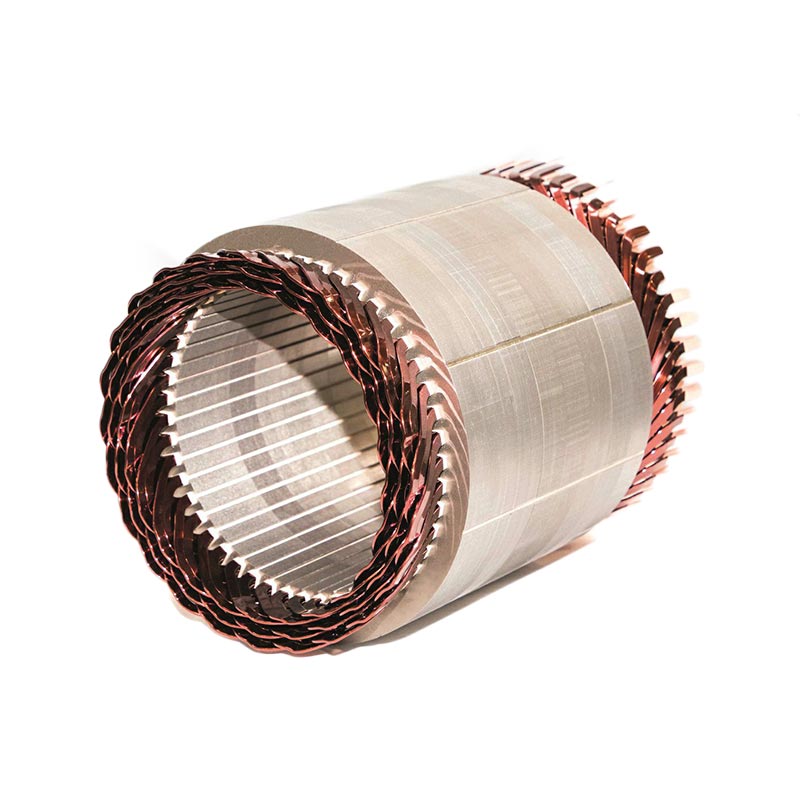
1. Expansion of Hairpin Flat-Wire Technology for New Energy Vehicles: As major commercial automotive assemblers establish assembly presence along the Batangas-Subic logistics corridor, flat-wire stator architecture is replacing traditional round-wire winding. Hairpin stators provide better thermal dissipation, higher torque density, and compact form factors, which are critical for electric transport in Philippine urban centers.
2. Adoption of Inverter BLDC Topologies in Compliance with Energy Efficiency Regulations: Under Republic Act No. 11285 (Energy Efficiency and Conservation Act), the Department of Energy has tightened the Minimum Energy Performance for Products (MEPP). Standard shaded-pole and lower-tier split-phase induction motors are being systematically replaced by brushless DC (BLDC) motors in consumer appliances and industrial blowers.
3. Resilience Against High Commercial Power Tariffs: The Philippines maintains some of the highest industrial power costs within ASEAN. Manufacturing plants are under pressure to optimize production lines using high-efficiency servo drives, energy regenerative test benches, and optimized plant footprints. Nakro’s integrated production cells incorporate low-standby pneumatic circuits and variable-frequency motors that cut line power draw by up to 28% compared to legacy machinery.
Founded in 2010 in Ningbo, Zhejiang, Nakro Intelligent Equipment delivers integrated machine design, tool engineering, and core motor components under a unified quality assurance system.
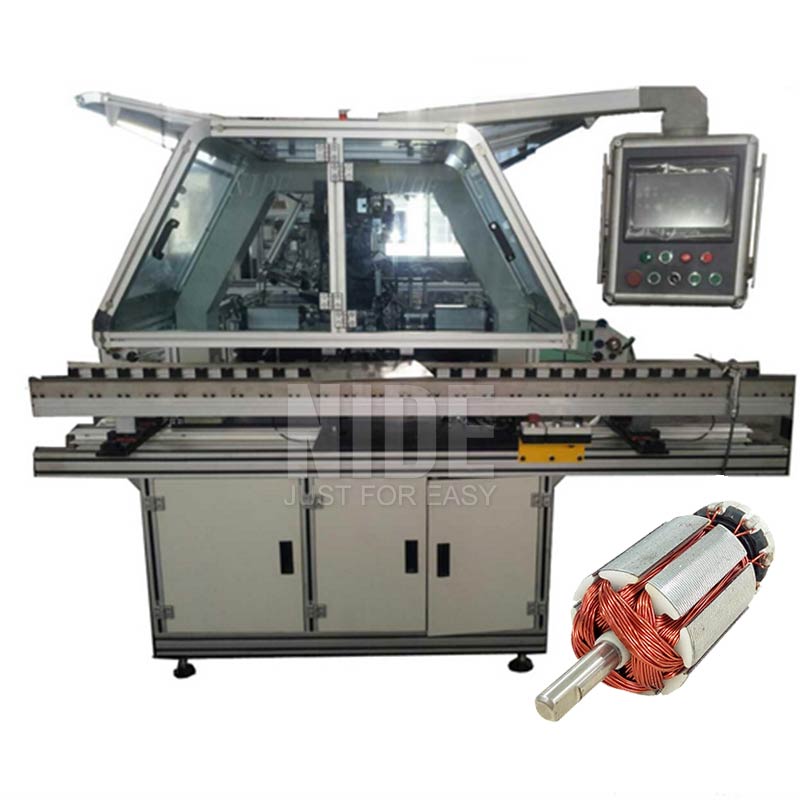
We supply complete solutions: from shaft press-fit, slot insulation inserting, flyer winding, and commutator hook fusing, to final varnish curing, dynamic balancing, and surge testing.
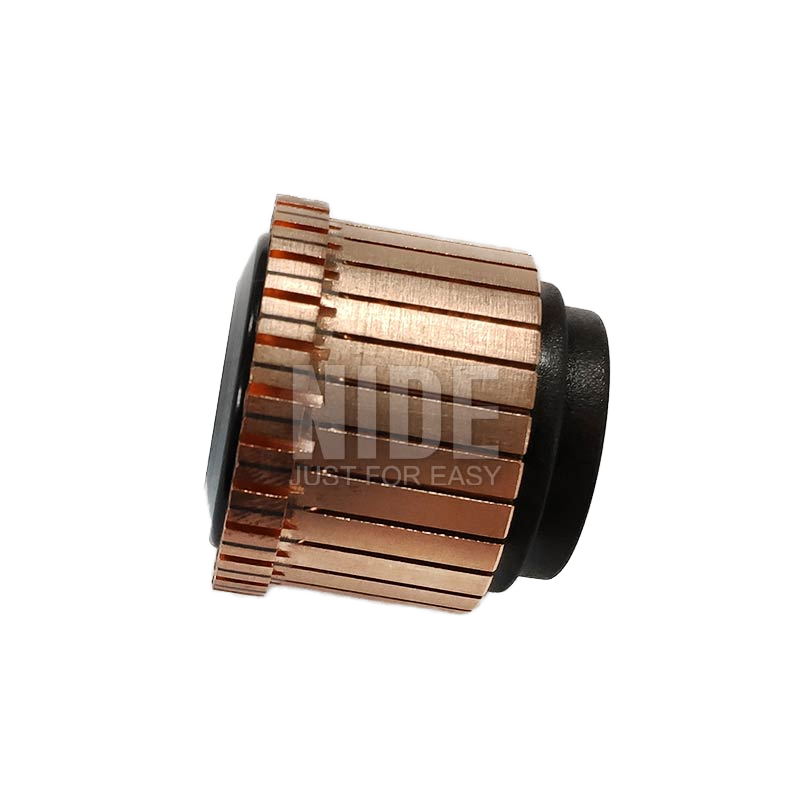
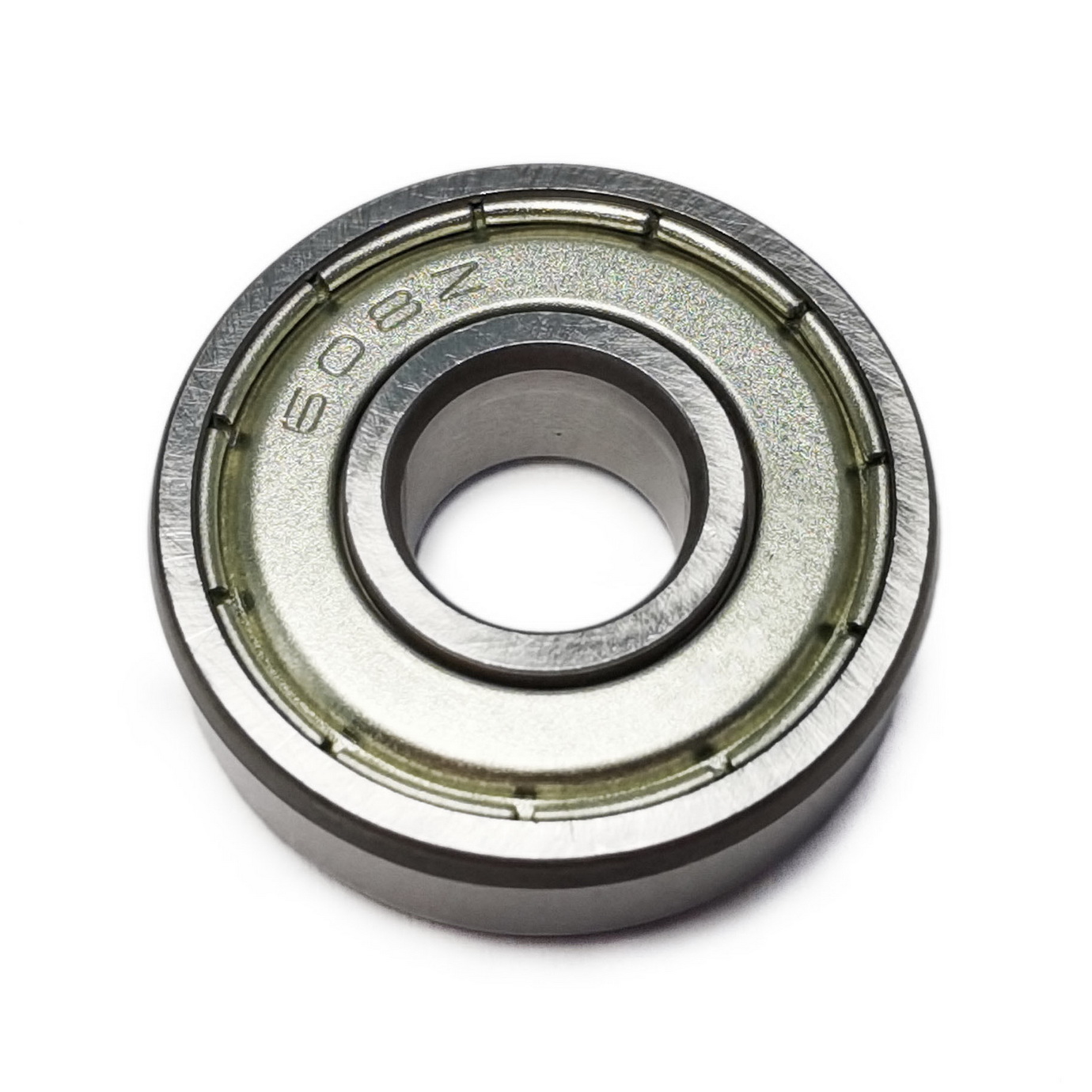
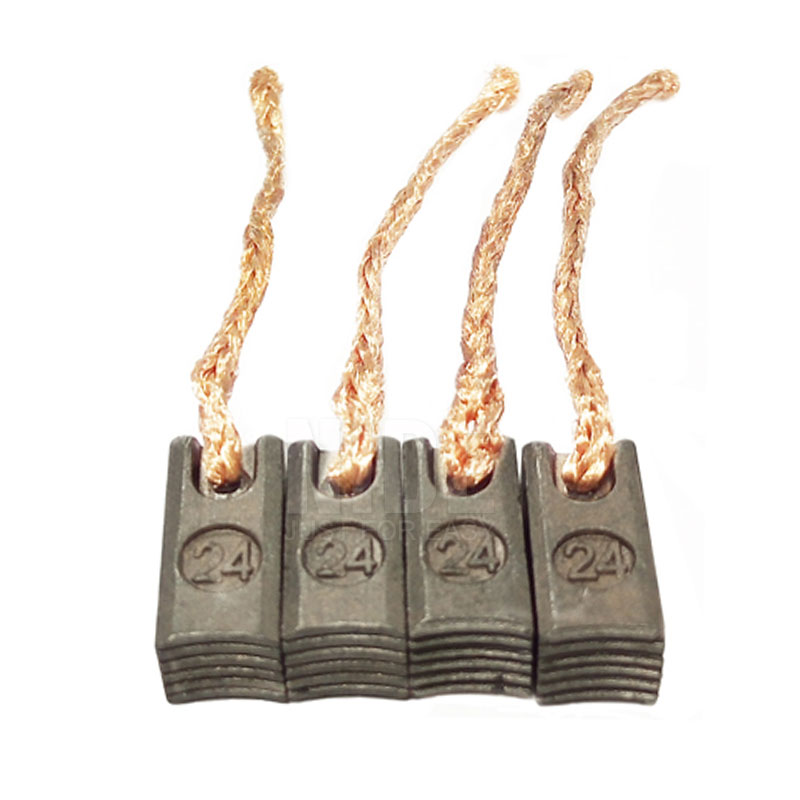
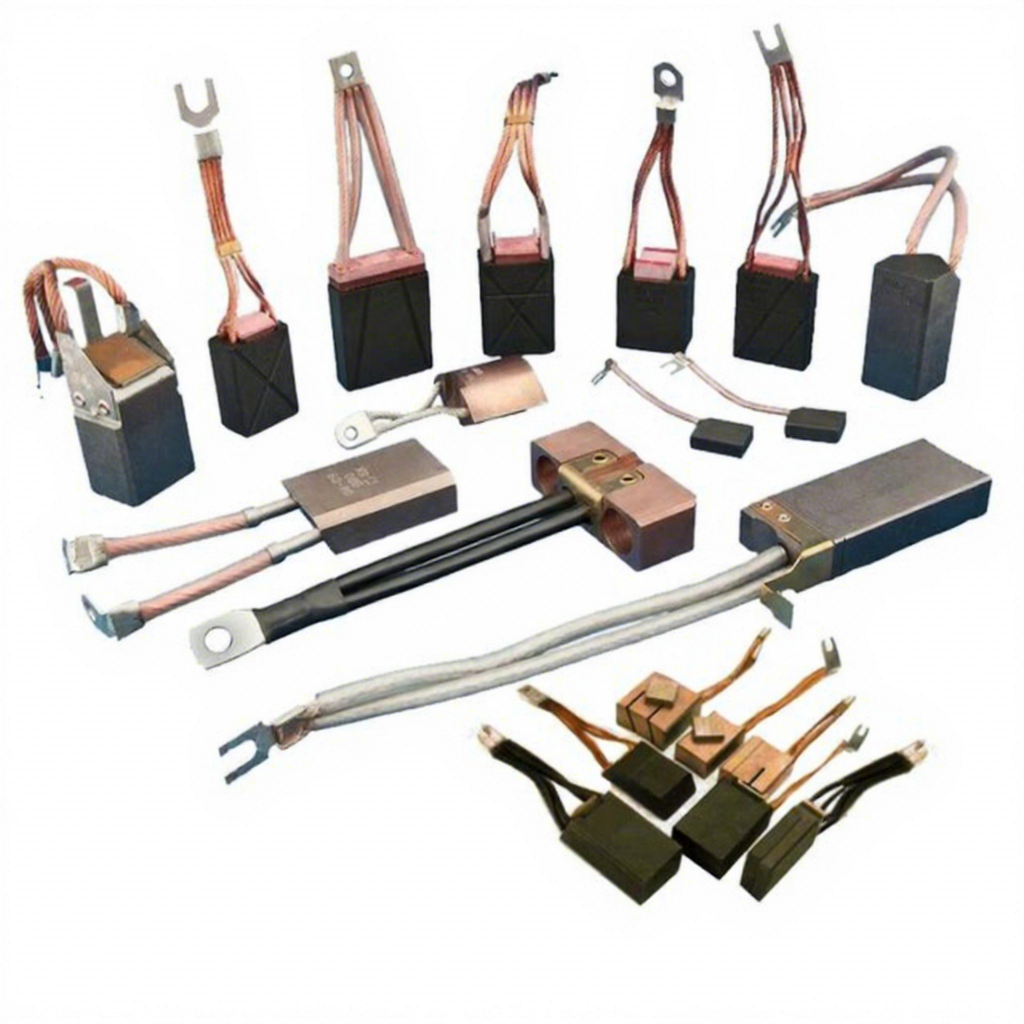
Beyond capital equipment, we supply matching mica commutators, ball bearings, carbon brushes, insulation papers, end-shields, and shafts, simplifying supply chain management.
Every automated cell undergoes rigorous trial production runs using your specific lamination stacks, magnet wire gauges, and component samples before factory sign-off.
Offering FOB, CFR, and CIF shipping to Manila (North/South Harbor), Batangas, and Cebu, paired with remote diagnostic support, PLC cloud updates, and on-site commissioning technicians.
Detailed technical and logistical answers addressing electric utility compatibility, customs, PEZA exemptions, and project execution.
Submit your stator/rotor CAD drawings, wire gauges, target cycle times, and planned annual volumes. Our sales engineering team will deliver a comprehensive project proposal, station layout, and quotation within 24 hours.
Inquire Now