Automotive Starter
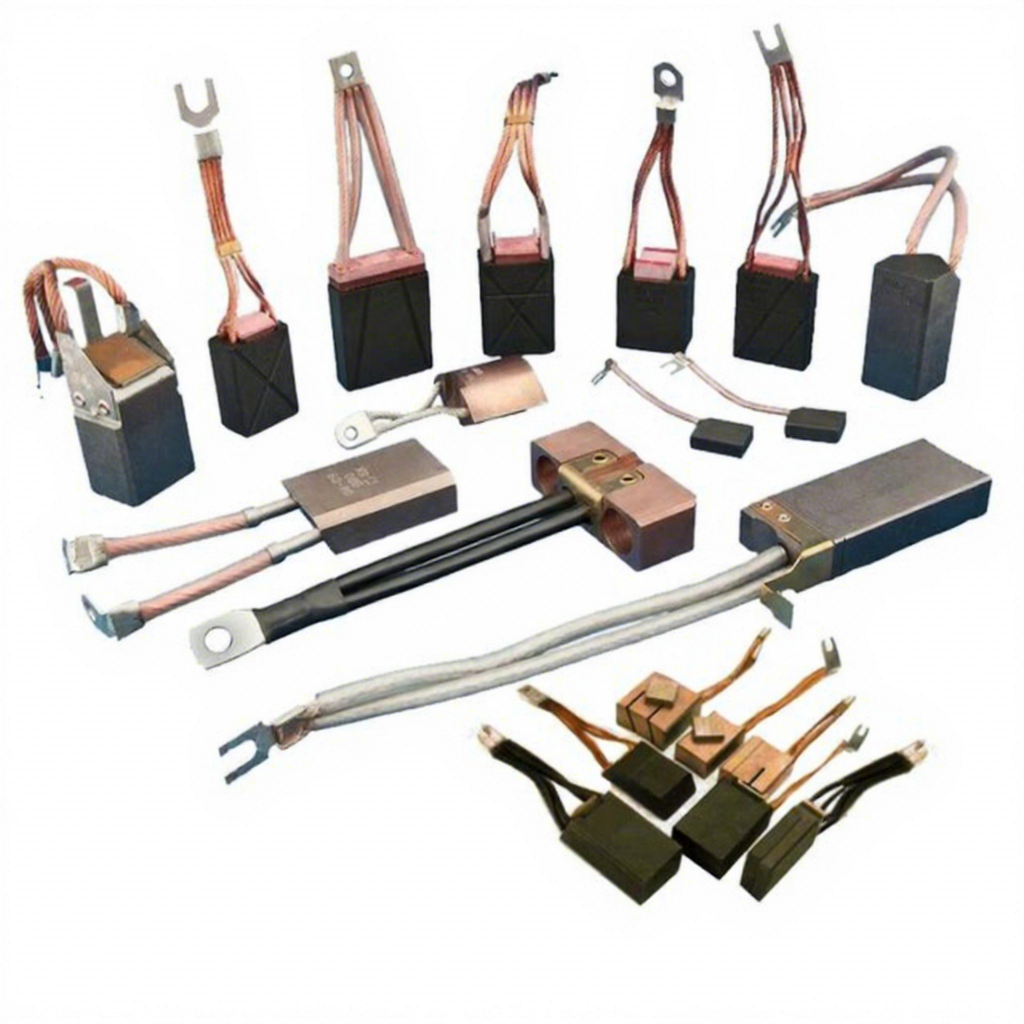
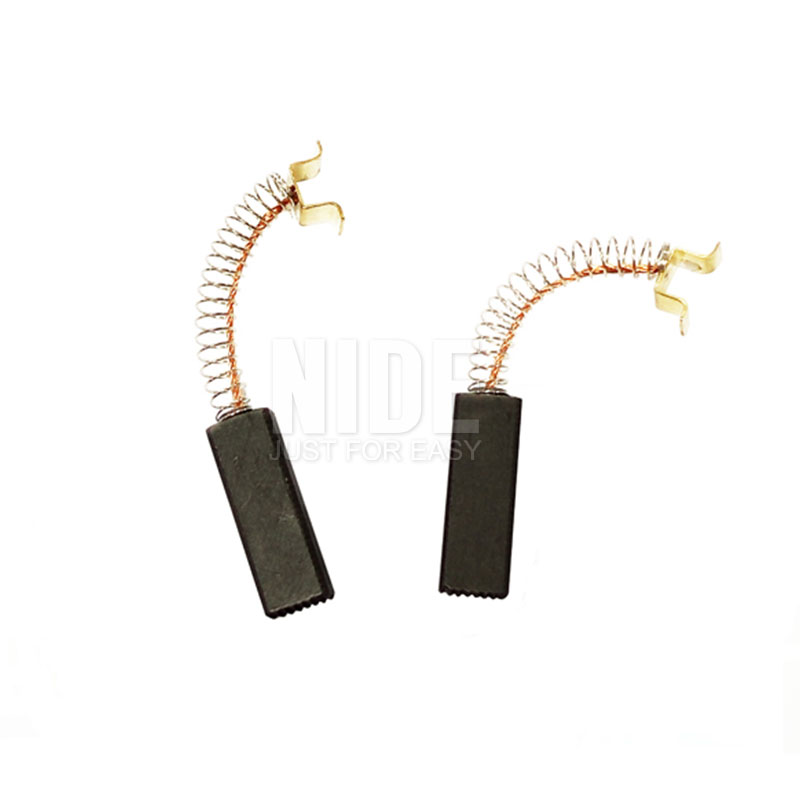
Miniature Alternator Carbon Brush AC Starter Motor Accessories NDPJ-TS-11
- 80–120V Rating / CE Certified
- Premium Copper-Graphite Composite
- 3-Year Industrial Warranty
Engineered for high-throughput motor fabrication, each machine and subsystem is calibrated to tight geometric tolerances, supporting automated continuous operation across North American production lines.
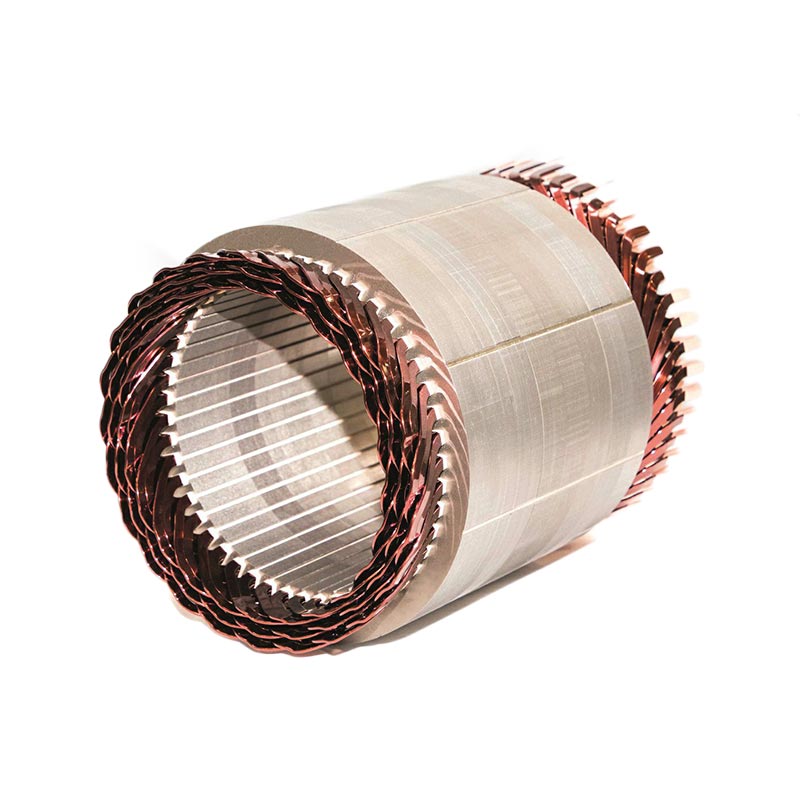
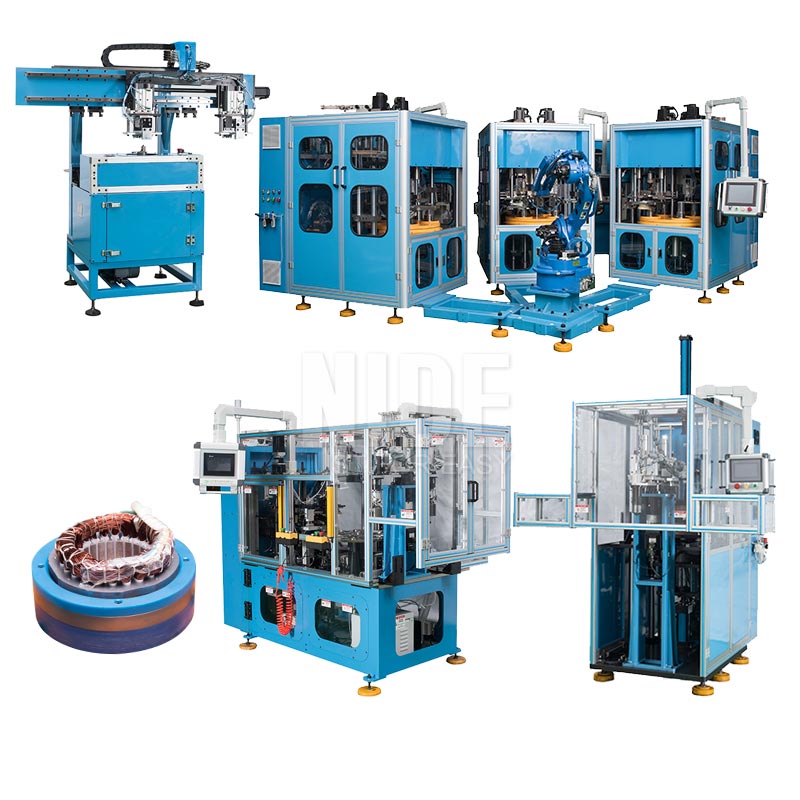
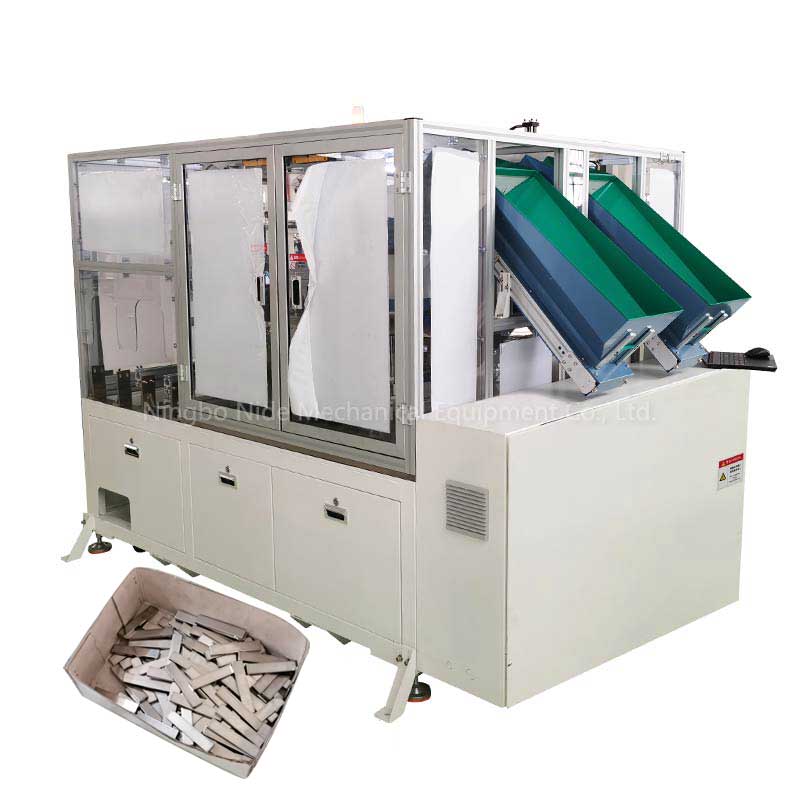
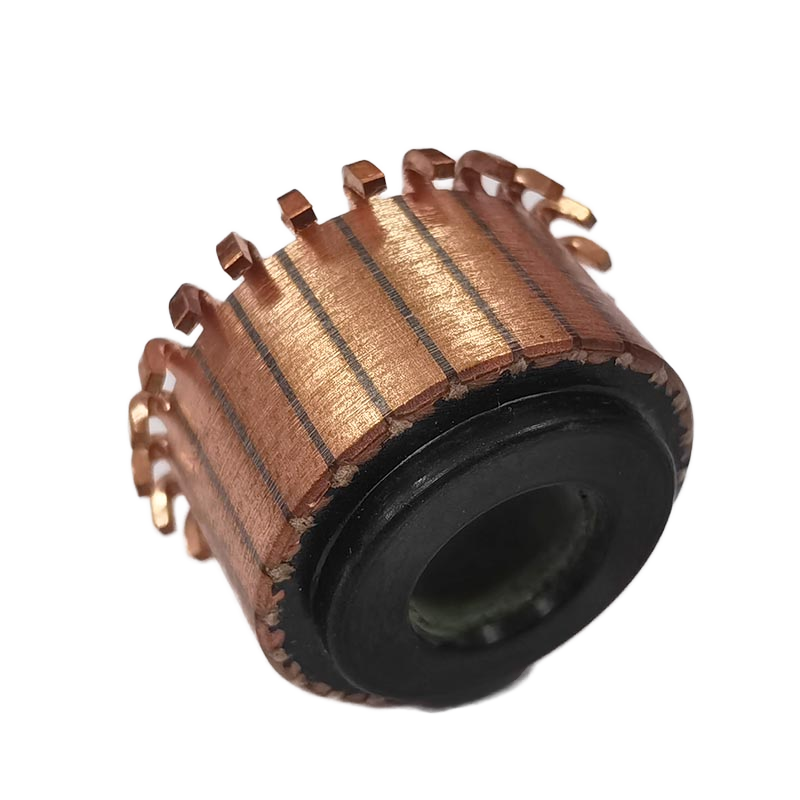
A breakdown of the synchronized stations delivering repeatable, low-maintenance universal rotor and brushless armature manufacturing for high-volume automated facilities.
Automated shaft pressing with servo load-cell monitoring (0.01mm concentricity), paired with high-speed slot insulating paper insertion using continuous cold-forming and cut-to-length feeds.
Closed-loop electronic tension control ensuring precise multi-layer copper placement into rotor slots. Dynamic hook indexing synchronizes winding direction with zero strand cross-overs.
Microprocessor-governed resistance welding of wire leads onto commutator hooks. In-line monitoring of voltage drop, mechanical displacement, and peak temperature guarantees joint integrity.
Two-plane fully automated dynamic balancing with twin carbide milling heads. Complete electrical evaluation: Surge testing, Hipot insulation (up to 5kV), and bar-to-bar resistance screening.
| Station Phase | Operational Cycle Time | Mechanical / Electrical Tolerances | Supported Motor Types | Primary Automation Level |
|---|---|---|---|---|
| Shaft & Stack Press | 2.8 – 4.2 sec / unit | Runout TIR < 0.005 mm; Force ± 0.5% | Universal, Brushless, PMDC | Fully Automated Servo Press with OEE Tracking |
| Slot Insulation Inserting | 0.25 sec / slot | Wedge edge protrusion ± 0.2 mm | Armature rotors & Stators | High-speed mechanical cam & pneumatic feed |
| Dual-Flyer Coil Winding | 12 – 18 sec / rotor (model dependent) | Tension variation < 1.5 cN; 100% turn count | Cordless power tools, Auto starters | Multi-axis CNC servo interpolating control |
| Hook Fusing / Hot Staking | 0.4 sec / segment | Joint resistance deviation < 0.1 mΩ | Hook & Slot type commutators | Inverter medium-frequency DC welding |
| Two-Plane Rotor Balancing | 5.5 – 8.0 sec / unit | Residual unbalance ISO 1940 Grade G1.0/G2.5 | Universal rotors up to 45,000 RPM | Automatic optic indexing & twin V-cut milling |
| Final Electrical Run-Off | 3.5 sec / unit | Hipot breakdown ≤ 0.5 mA; Surge test 1.2/50μs | All AC/DC rotor and stator profiles | Comprehensive 4-in-1 integrated test bench |
From the industrial revitalizations across the Rust Belt to advanced micro-motor research in the Sun Belt, Chinese automated motor assembly exports empower U.S. plants to achieve localized, competitive production economics.
High-volume assembly of auxiliary PMDC armatures for electric power steering (EPS), wiper drives, seat adjusters, and active cooling pumps throughout Michigan, Ohio, and Indiana automotive facilities.
Continuous-duty induction stator winding and ECM brushless rotor fabrication deployed across Texas, Georgia, and Tennessee to fulfill strict SEER2 energy-efficiency mandates.
Turnkey lines producing high-RPM, compact universal armatures and brushless outrunners for commercial drills, circular saws, and robotic lawnmowers manufactured in North and South Carolina.
Miniature armature winding cells engineering slotless and coreless rotors with sub-micron runout tolerances, serving precision medical device makers in Massachusetts, Minnesota, and California.
Large-frame induction motor stator insertion and heavy-gauge winding systems powering petrochemical, wastewater, and agricultural irrigation pump builders across the Gulf Coast.
Specialty winding machinery for high-altitude, vibration-resistant alternators and servo drives built to strict MIL-STD and AS9100 quality baselines by contractors in Arizona and Washington State.
Strategic economic factors, federal legislative incentives, and evolving industrial standards that dictate how American engineering executives procure overseas assembly automation.
Section 30D and 45X provisions incentivize domestic manufacturing of EV motors and clean power systems. U.S. assemblers import high-efficiency winding cells to localize supply chains without sacrificing cost targets.
Stricter Department of Energy regulations require commercial and industrial motors to meet or exceed IE3/IE4 efficiency classes, mandating higher slot fill rates, thinner silicon laminations, and tight winding tension controls.
Automotive powertrains are transitioning en masse from round-wire armatures to flat-wire rectangular hairpin stators. Chinese line builders deliver mature, validated hairpin winding and laser-welding stations at attractive lead times.
U.S. plants demand Rockwell Automation (Allen-Bradley) and Siemens PLC integration with EtherNet/IP and OPC-UA connectivity, ensuring seamless line-level data logging into enterprise MES systems.
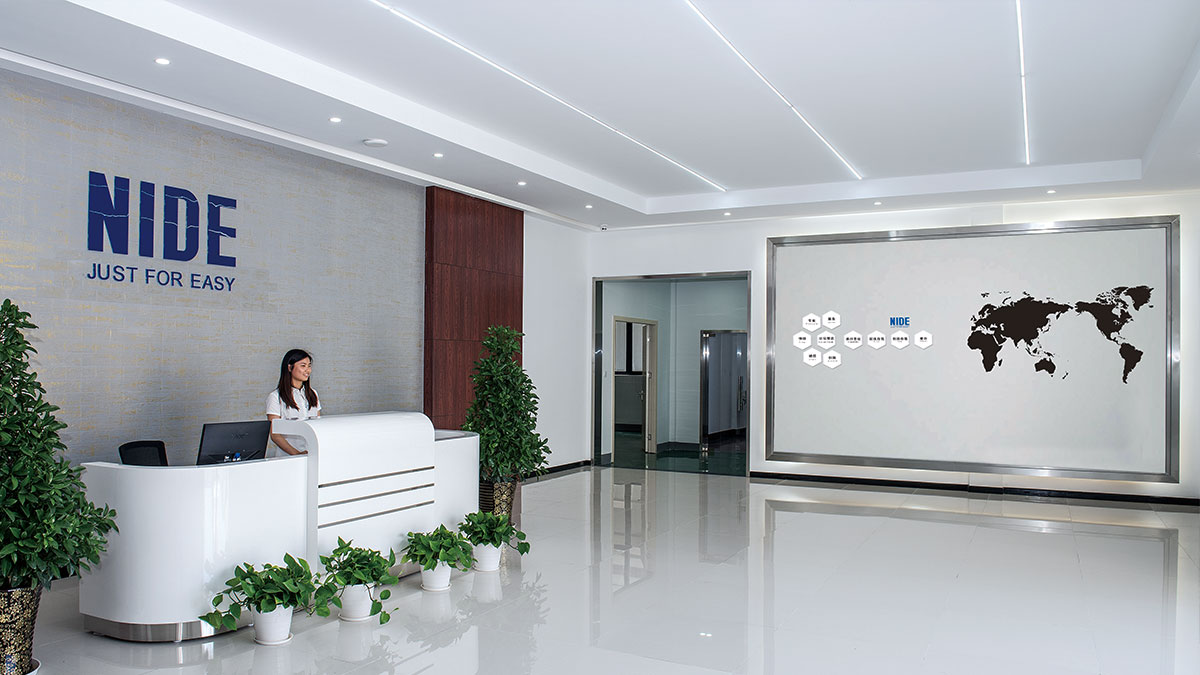
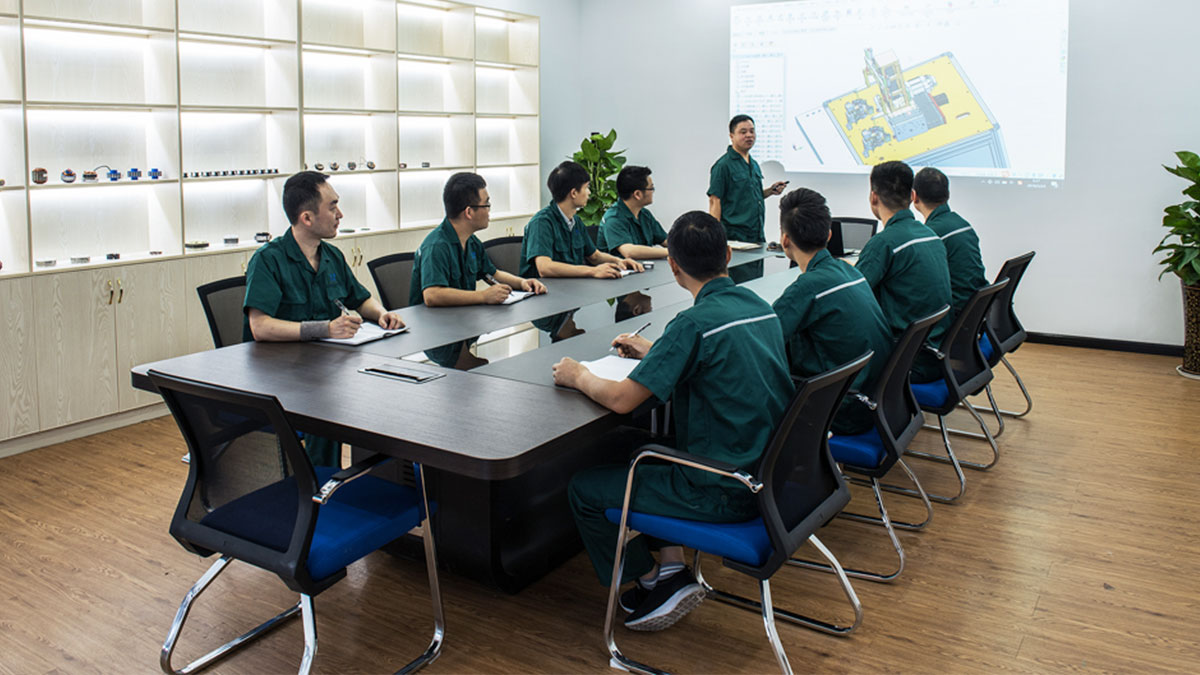
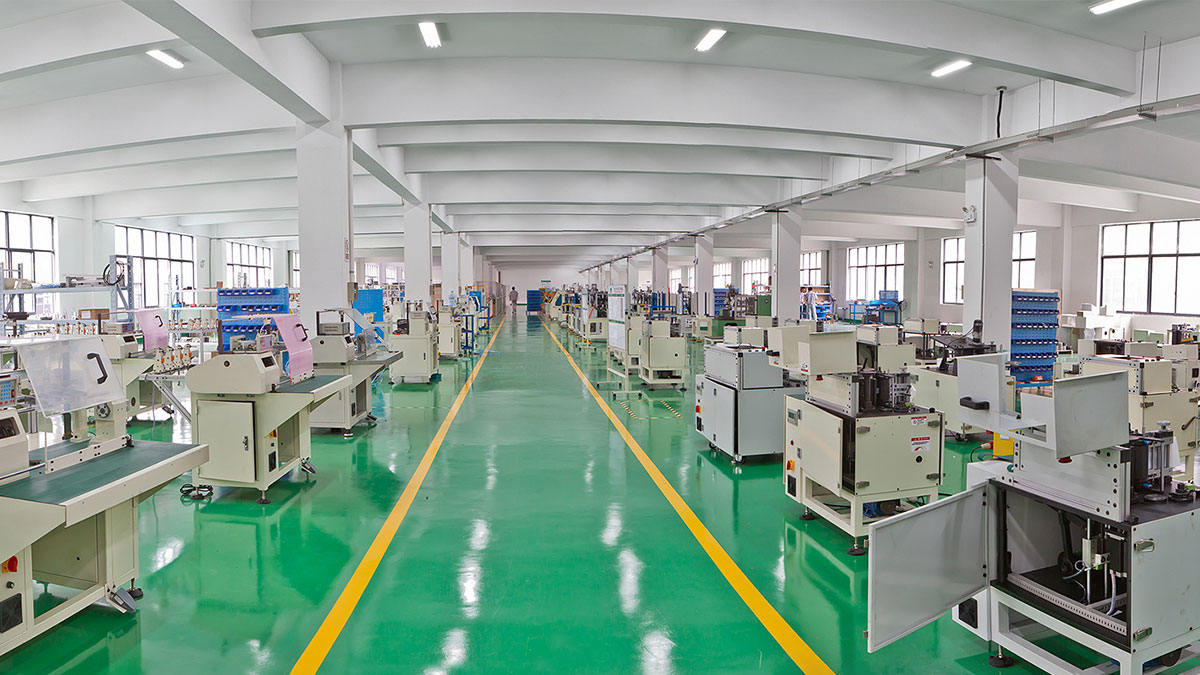
Established in 2010, our state-of-the-art manufacturing campus in Ningbo spans over 30,000 square meters of precision machining, clean-room assembly, and rigorous testing bays. We have delivered over 1,200 automated cells to 50+ countries, maintaining specialized field-service alliances across North America.
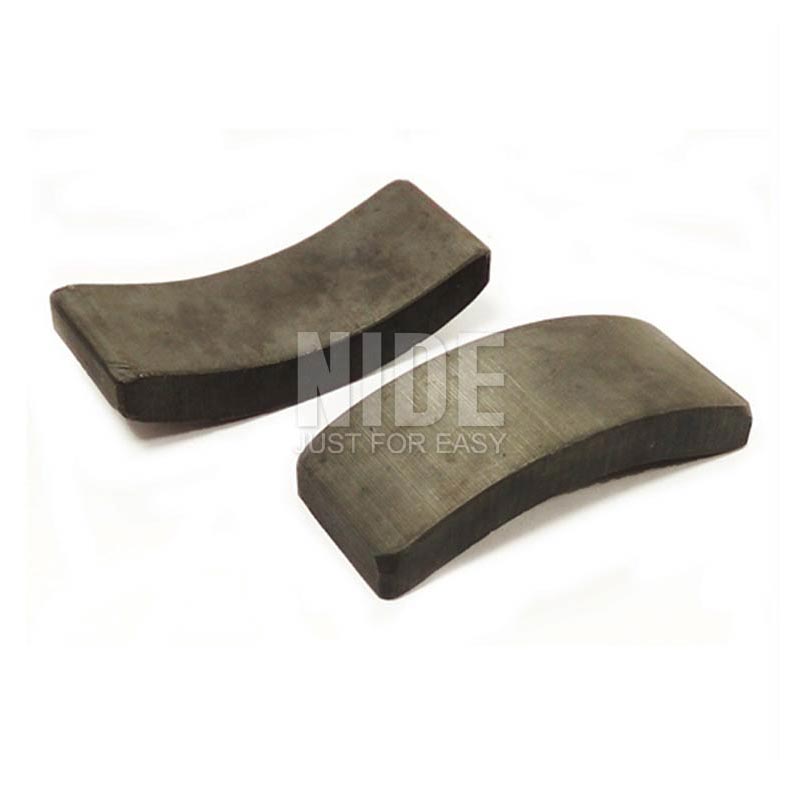
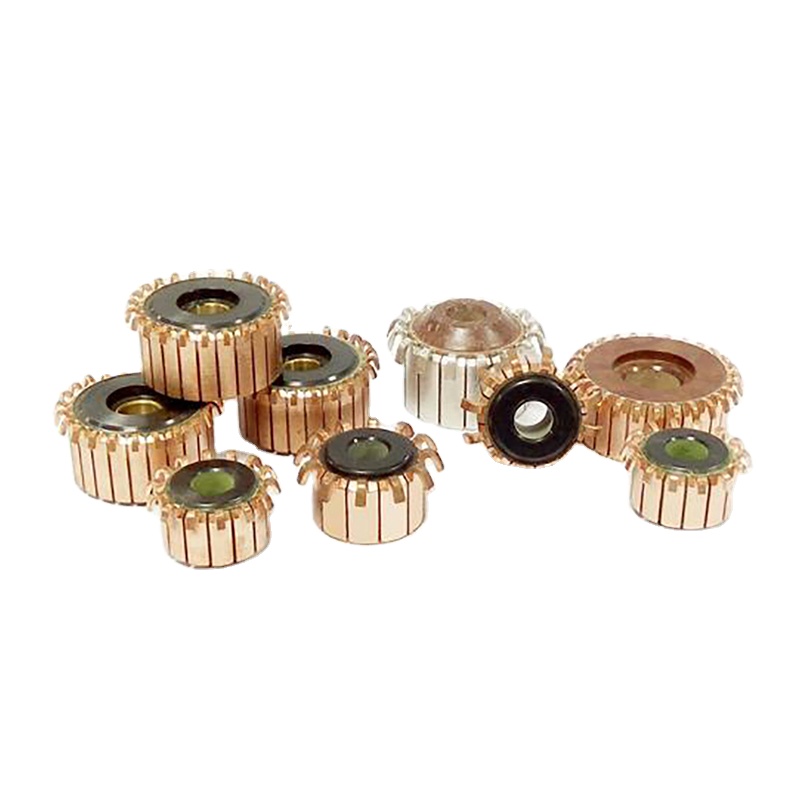
Unlike standard machinery brokers, we integrate the complete value chain: from customized tooling design, precision CNC flywheels, and winding nozzles, to the direct wholesale supply of commutators, carbon brushes, and segment ferrite magnets.
Answers to practical engineering, regulatory compliance, factory acceptance, and logistics questions concerning Chinese motor production equipment exports to North America.
Send our senior automation engineers your rotor or stator engineering prints, lamination dimensions, target PPM, and facility electrical requirements. Receive a comprehensive line layout, cycle-time simulation, and firm turnkey proposal within 48 hours.
