Precision High-Output Production Machinery & Ancillary Components
Explore our industrial portfolio comprising heavy-duty automated rotor manufacturing modules, automated hairpin lines, and critical magnetic-electro assemblies precision-engineered to meet stringent international quality benchmarks.
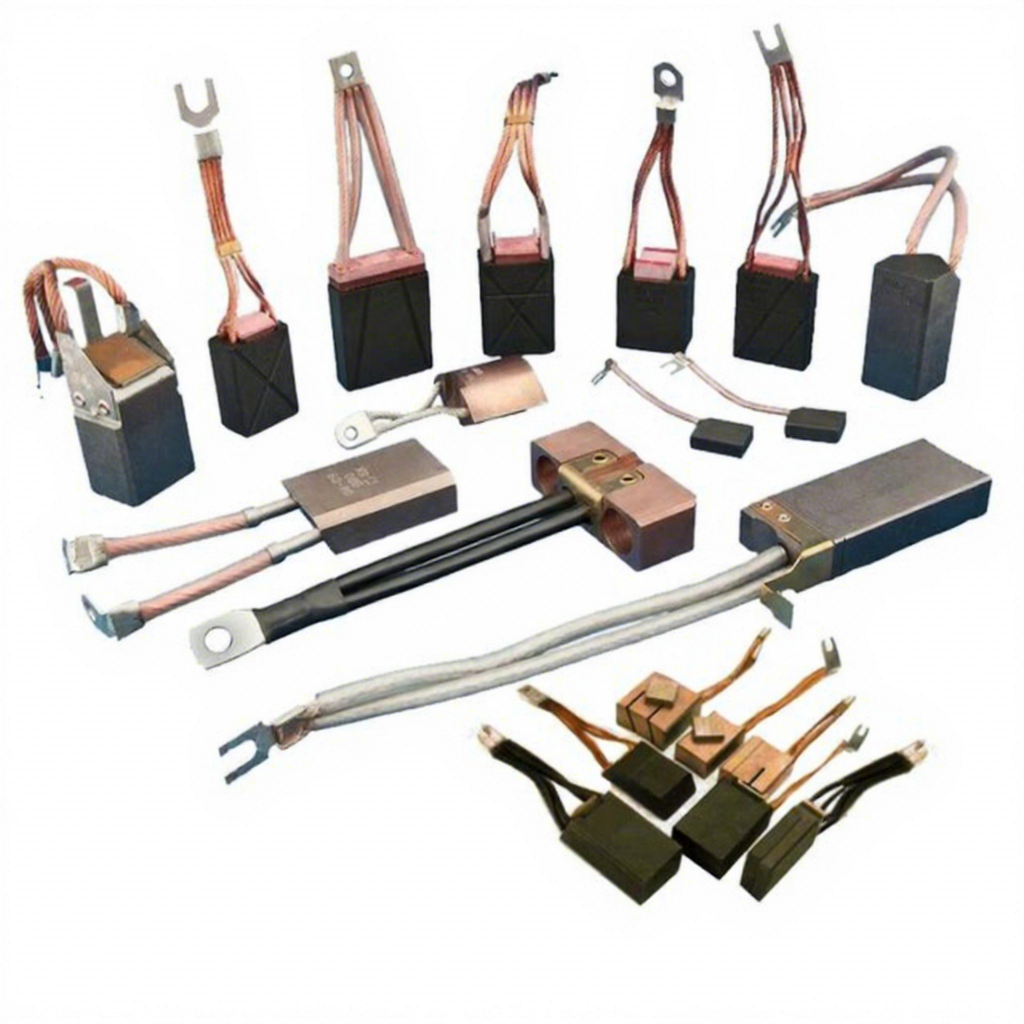
Miniature Alternator Carbon Brush AC Starter Motor Accessories NDPJ-TS-11
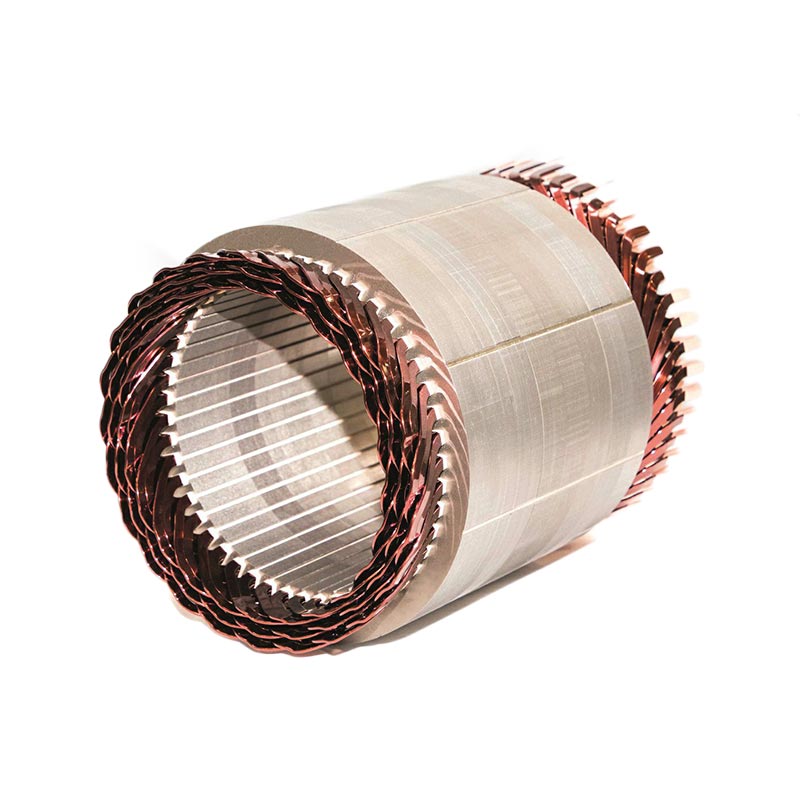
New Fully Automatic Hairpin Motor Stator Production Line for E-Mobility
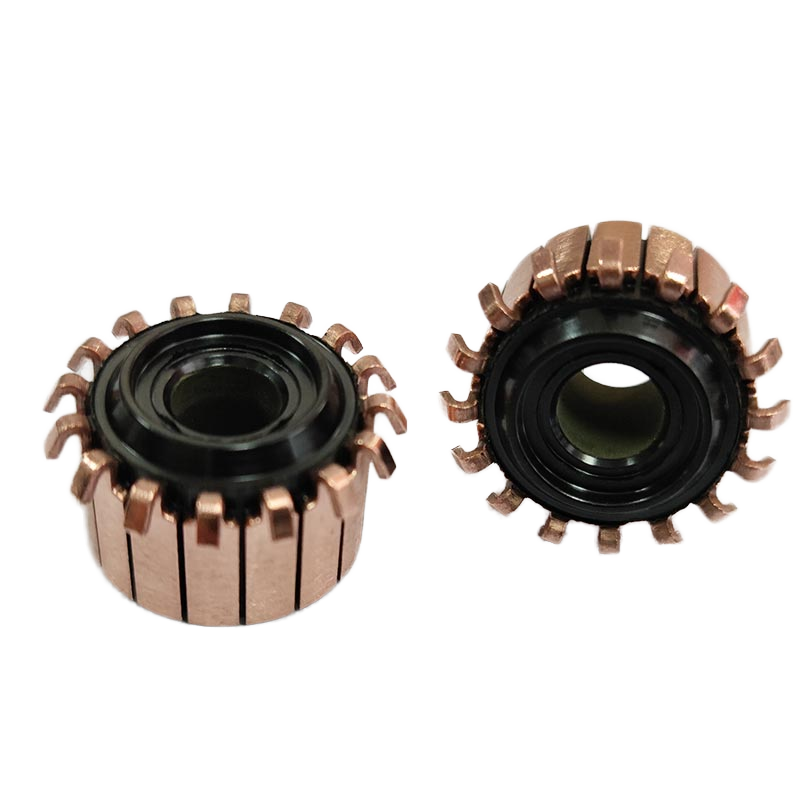
Customized Commutator Armature with Copper Hook NDPJ-HXQ-871A
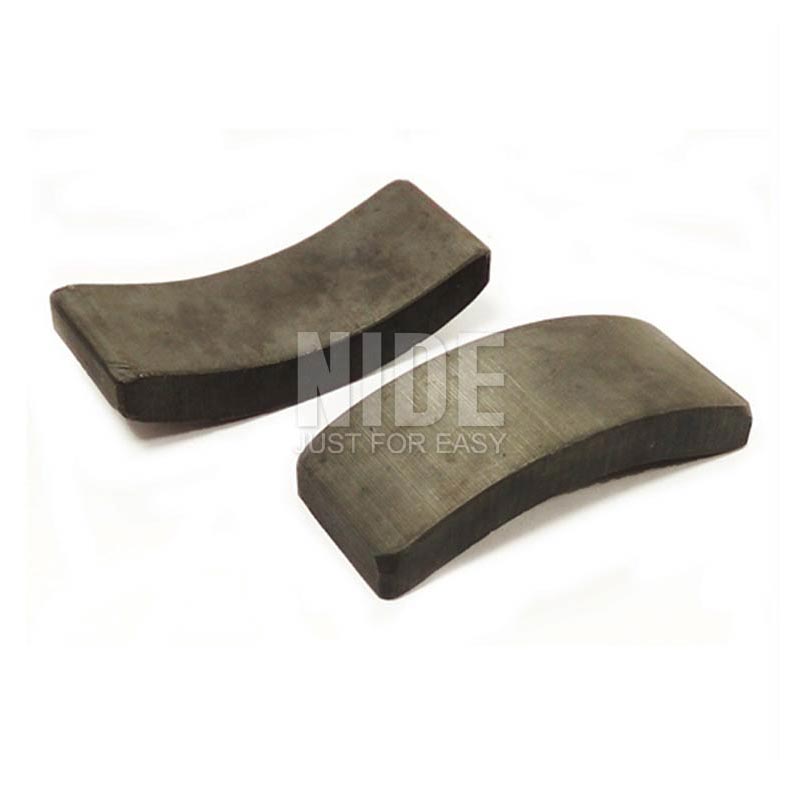
12-220V DC Segment Motor Ferrite Magnet Permanent Arc Shape
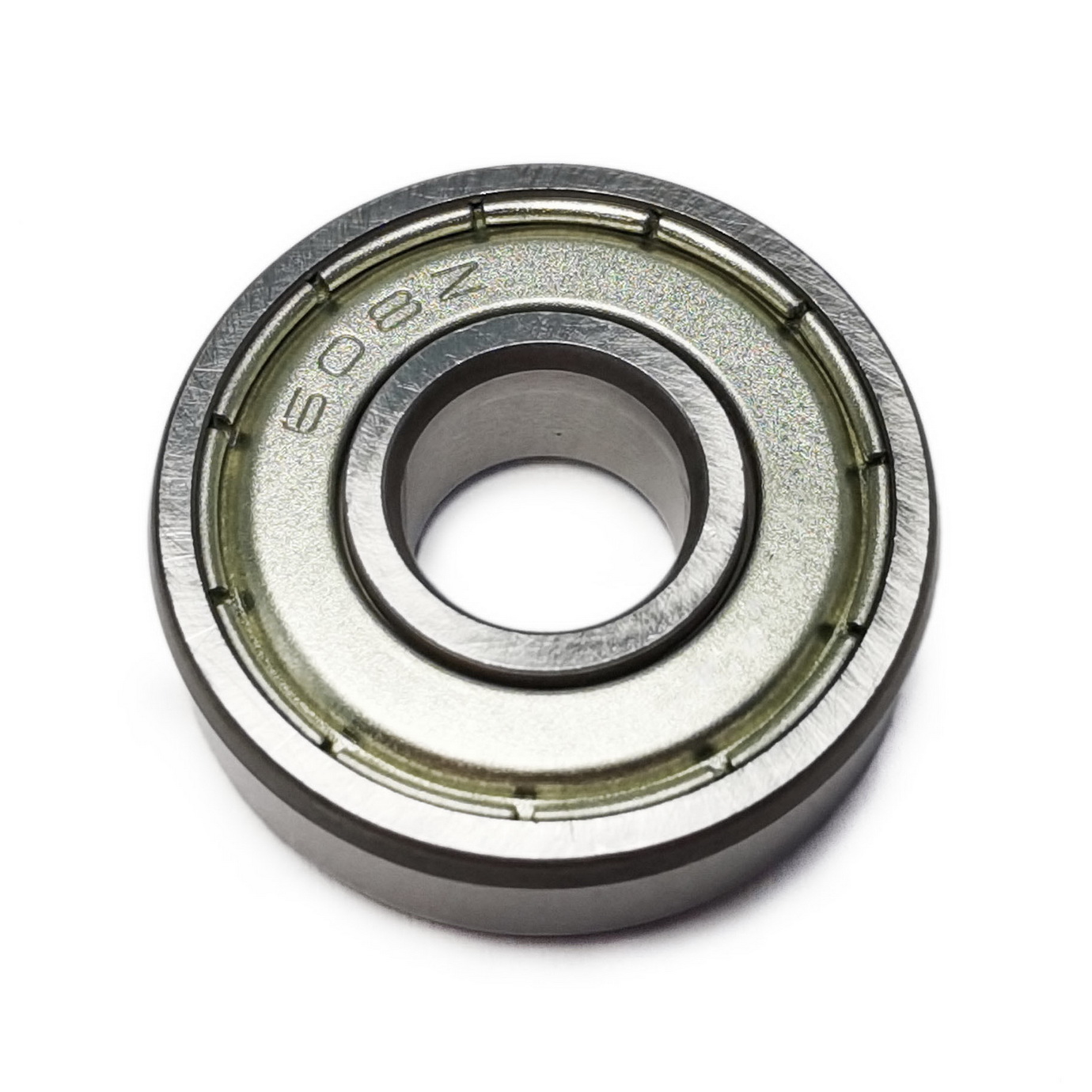
Custom Precision Stainless Steel 608 Single Row Ball Bearing 608ZZ
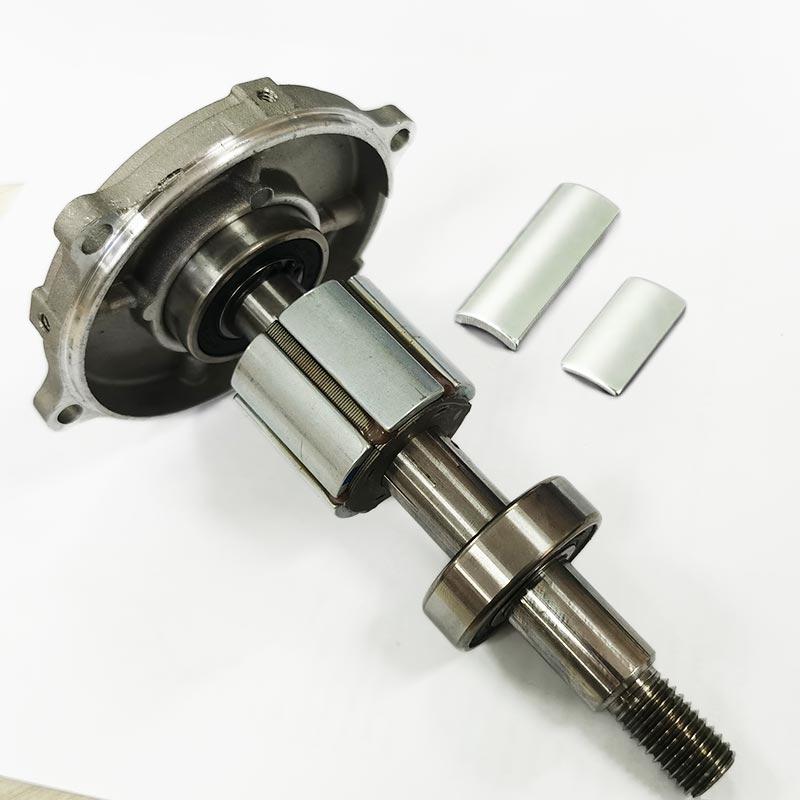
Customized N52 Neodymium Magnets Strong Electric Motor Rotor NDPJ-CW-62

Automatic PLC Controlled BLDC Motor Rotor Magnet Inserting Machine
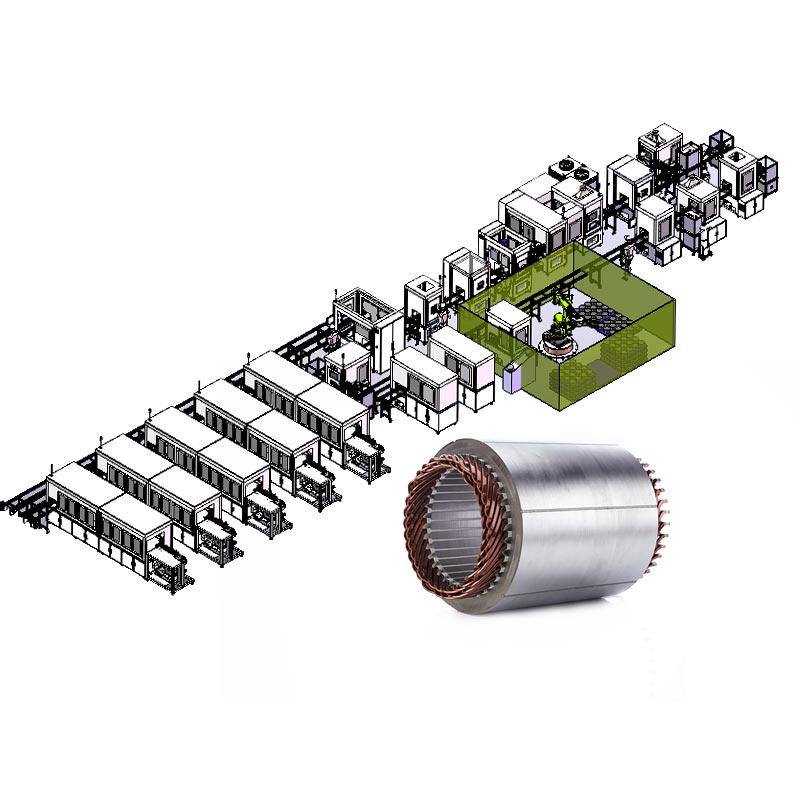
Fully Automatic EV Hairpin Motor Stator Production Line Flat Wire
Rotor Die Casting Architectural Dynamics & Freeport Operational Ecosystems
In the modern electrical machinery manufacturing matrix, the squirrel-cage rotor is the core kinetic actuator of induction machines and synchronous reluctance equipment. Precision high-pressure die casting (HPDC) delivers the structural density and electrical conductivity critical for high-efficiency operation.
Advanced Casting Fluidity & Micro-Porosity Control
Modern squirrel-cage rotors demand pure molten aluminum (or specialized copper-aluminum alloy) to enter narrow core stack slots under high pressures without turbulent air entrapment. Our systems feature multi-stage shot monitoring, active vacuum-assisted venting, and precision sleeve thermal regulating to eradicate cold shut defects and micro-porosity across all bar structures.
Integrated Stack Compression & Thermal Pre-Heating
Lamination stack clamping force directly dictates inter-sheet flash elimination and magnetic stability. Nakro integrated lines deploy automatic skidding, pneumatic-hydraulic stack alignment, induction core preheating to 250°C-350°C, and precision end-ring mold docking to maintain continuous slot pitch uniformity throughout rapid solidification cycles.
Maritime-Resilient Systems for Freeport Deployment
Freeport logistics nodes and duty-free assembly zones face extreme atmospheric salt mist, ambient humidity, and intermittent industrial power fluctuation. Our custom Freeport configuration includes IP55 hermetic electrical enclosures, double-pass zinc-nickel plated hydraulic couplings, and integrated power conditioning architectures for operational longevity.
Localized Applications in the Freeport Industrial & Logistics Corridor
Operating inside major export processing corridors, special economic zones (SEZs), and Freeport regional logistics terminals requires specialized operational flexibility and durability.
Heavy Duty Marine Cargo Winches & Crane Drives
Port cargo handling gear operates under continuous cyclical stall-torque loading. Cast squirrel-cage rotors engineered through Nakro automated casting lines guarantee rupture-free end-ring integration and superior resistance to cyclic thermal shock during aggressive shipboard winching cycles.
Corrosion-Resistant Industrial Desalination & Pumping
Coastal water infrastructure and processing operations demand high-efficiency electric motors capable of continuous unmonitored runtime. Rotors cast with high-homogeneity aluminum bars ensure low secondary copper/aluminum losses, keeping operating temperatures well below class F limits under tropical ambient conditions.
Free Trade Zone Export Assembly of Premium Industrial Pumps
Companies capitalizing on Freeport free-trade status and zero tariff advantages on bonded intermediate components require compact, highly automated lines. Nakro turnkey casting cells transition seamlessly from raw lamination stacks to finished de-gated and turned rotors with minimal manual labor overhead.
Emerging Technological Trends & Next-Gen Rotor Manufacturing
The convergence of strict international energy efficiency policies (IE4, IE5) and circular material flows is redefining rotor casting manufacturing parameters.
Ultra-High Vacuum High Pressure Die Casting (HPDC)
Attaining IE5 Super-Premium efficiency requires minimizing rotor bar internal resistance. Vacuum technologies that drop die cavity pressures down to <50 mbar before injection eliminate trapped hydrogen and oxide inclusion, securing electrical conductivity figures exceeding 61% IACS.
Real-Time In-Cavity Process Analytics & Closed-Loop Servos
Modern die casting control incorporates piezoelectric cavity pressure transducers and thermal sensor arrays coupled with high-speed digital servos. Real-time dynamic shot curve corrections prevent mold flash while maintaining rapid cavity-fill velocities, critical for narrow, high-skew rotor geometries.
Automated De-gating, Dynamic Balancing, and Online Eddy Testing
The shift toward lights-out manufacturing drives integration of post-cast processing directly at the casting cell. Rotors are automatically extracted by 6-axis robots, quenched, hydraulic-trimmed, tested via online eddy current bars for broken bar detection, and dynamic-balanced in one single automated sequence.
Ningbo Nakro Intelligent Equipment: Enterprise Strengths & Global Delivery
Founded in 2010 in Ningbo, Zhejiang, Ningbo Nakro Intelligent Equipment Co., Ltd. delivers global-standard engineering solutions for electric motor manufacturing, rotor die casting, stator production, and turnkey plant integration.
Full-Spectrum Turnkey Capability
From single stand-alone precision machines to multi-station automated lines spanning stator winding, hairpin lines, rotor die casting, and dynamic balancing, we supply end-to-end plant hardware tailored to your specific motor drawings.
Total Component Ecosystem
Beyond capital machinery, we provide full integration support including high-grade commutators, deep-groove ball bearings, precision magnets, carbon brushes, and insulation papers, ensuring smooth material compatibility from initial line ramp-up.
Verified ISO 9001 Quality Framework
All casting lines undergo multi-stage trial runs verified by onsite assessments. Every line runs full testing using customer-supplied lamination stacks and alloy batches prior to crating and export dispatch.
Global Field Service & Quick Dispatch
With operational footprints in Southeast Asia, Eastern Europe, South America, and the Middle East, our technical teams provide rapid-response on-site commissioning, PLC firmware remote upgrades, and rapid spare tooling delivery.
Frequently Asked Questions for Sourcing Rotor Die Casting Equipment
Critical procurement considerations, technical clarifications, and logistics insights for international plant managers and purchasing directors.
