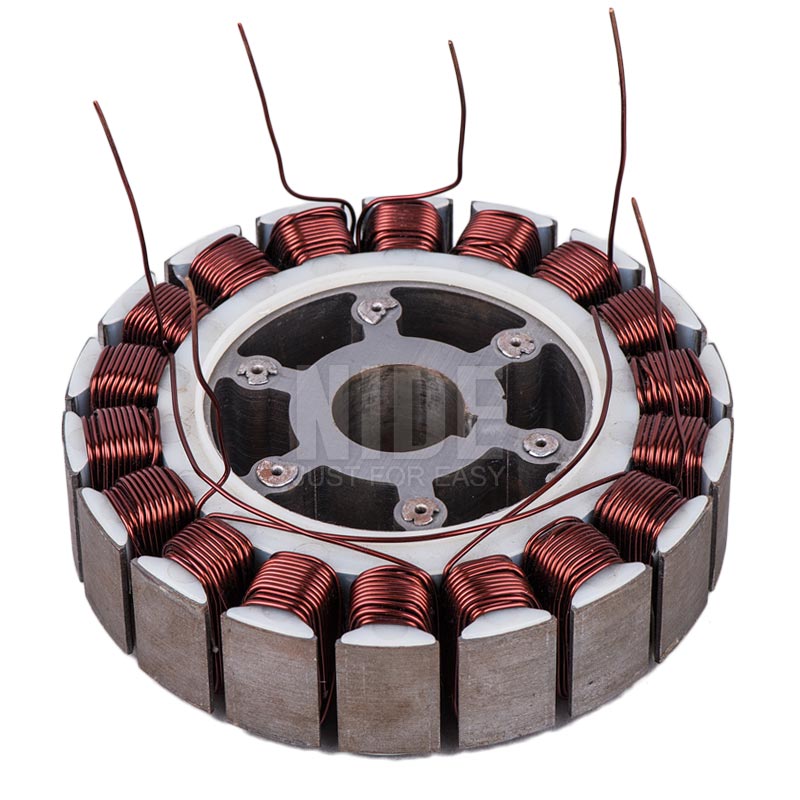
Automatic BLDC Wheel Motor Stator Winding Machine
Engineered for multi-pole outer-rotor wheel motor stators, featuring programmable tension control and custom needle trajectories for high-torque electric motorcycles.
Configured specifically to support outer-rotor wheel stators, brushless DC configurations, and harsh urban duty cycles required by industrial and light electric vehicle assemblers in Rio de Janeiro.
Engineered for multi-pole outer-rotor wheel motor stators, featuring programmable tension control and custom needle trajectories for high-torque electric motorcycles.
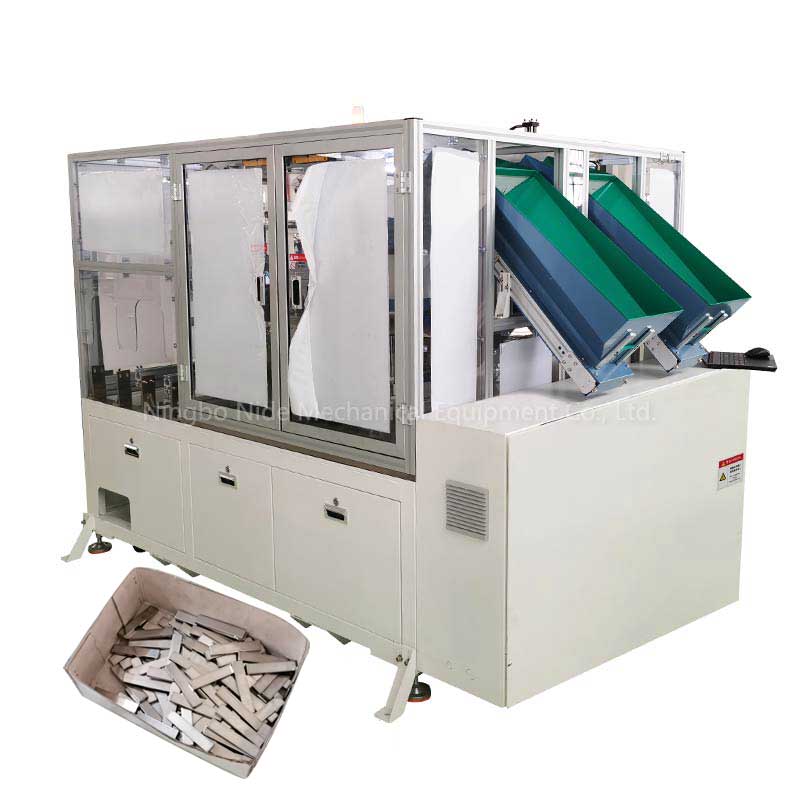
High-precision servo-driven magnet assembly system providing automated adhesive dispensing and accurate circumferential positioning for heavy-duty hub rotors.
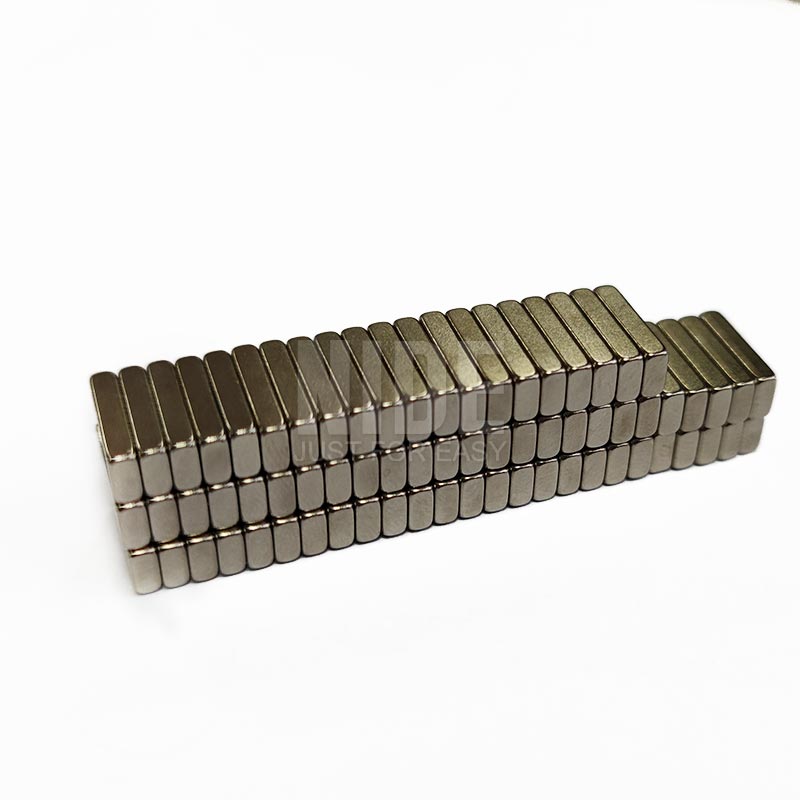
Industrial-grade NdFeB permanent magnets featuring exceptional remanence and high thermal demagnetization resistance, critical for intense coastal and hilly topography.
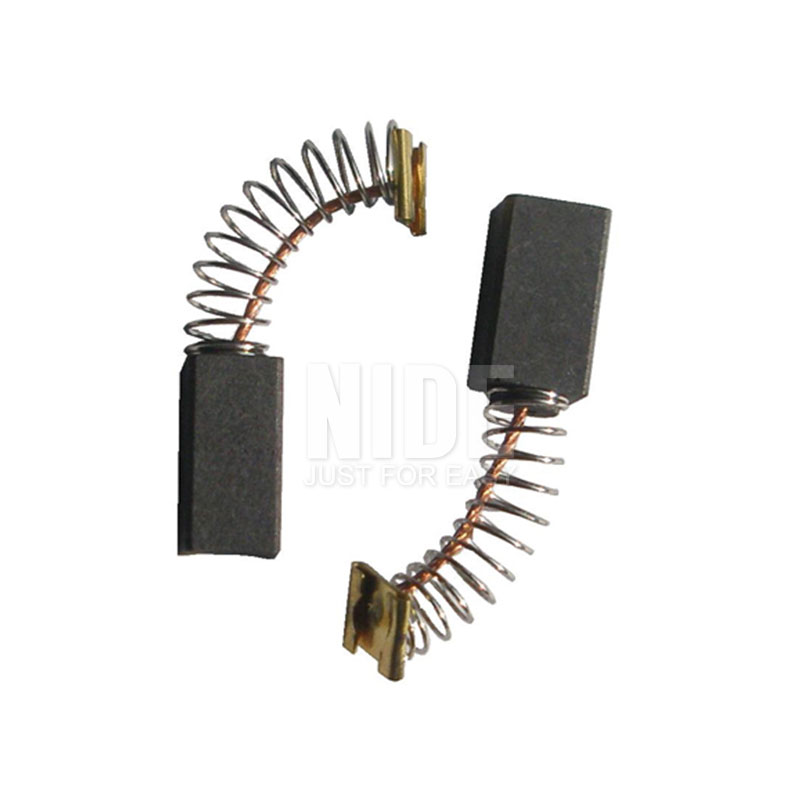
CE-certified high-density carbon contacts delivering optimized wear characteristics, superior conductivity, and low sparking thresholds across severe utility applications.
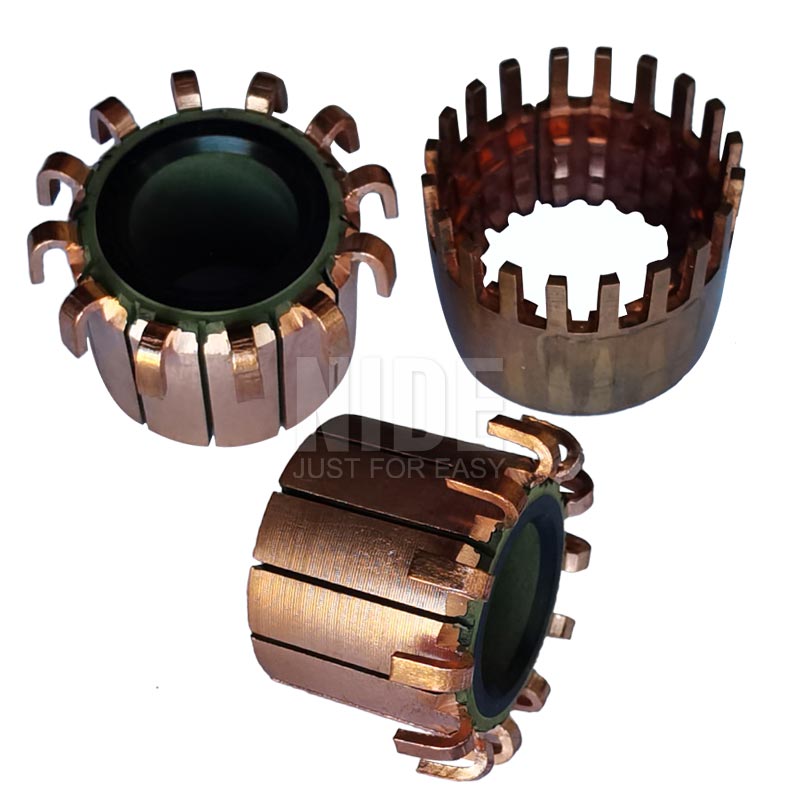
Precision-molded copper commutator segments designed for automotive auxiliary actuators, featuring high mechanical strength and certified under CCC standards.
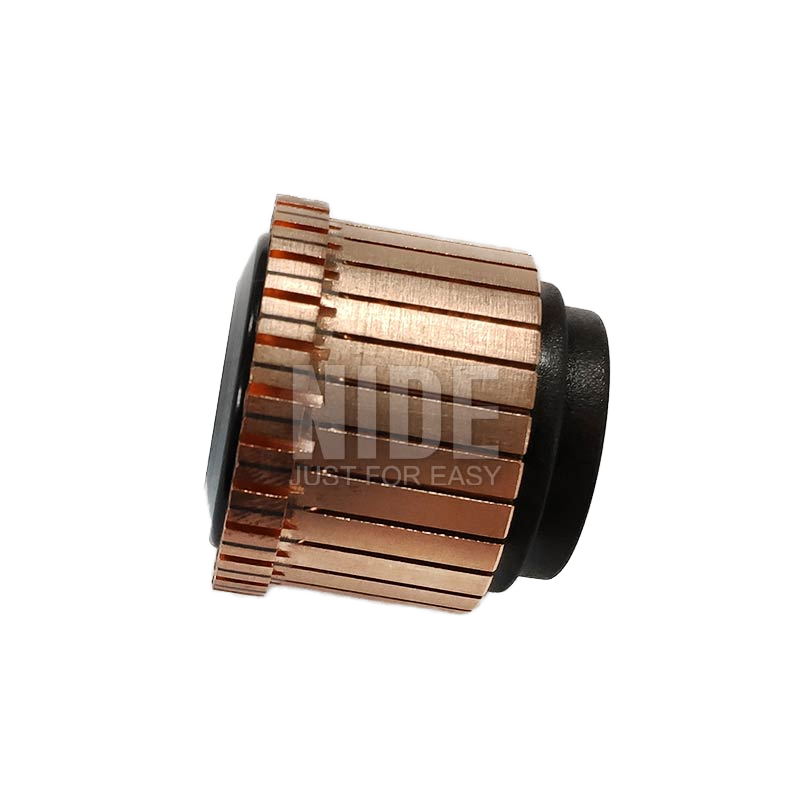
Reinforced mica insulation collector segment assembly engineered for universal drive stators, high rotational speeds, and robust dielectric isolation.
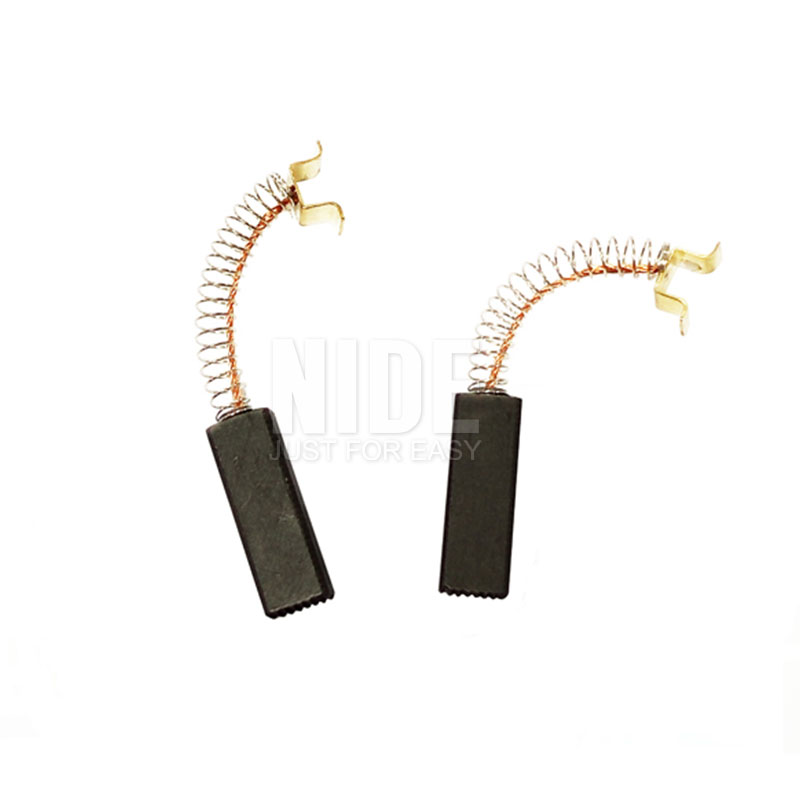
Long-lifecycle electrographite compound brushes delivering smooth commutation, low friction coefficients, and consistent thermal stability for DC drive motors.
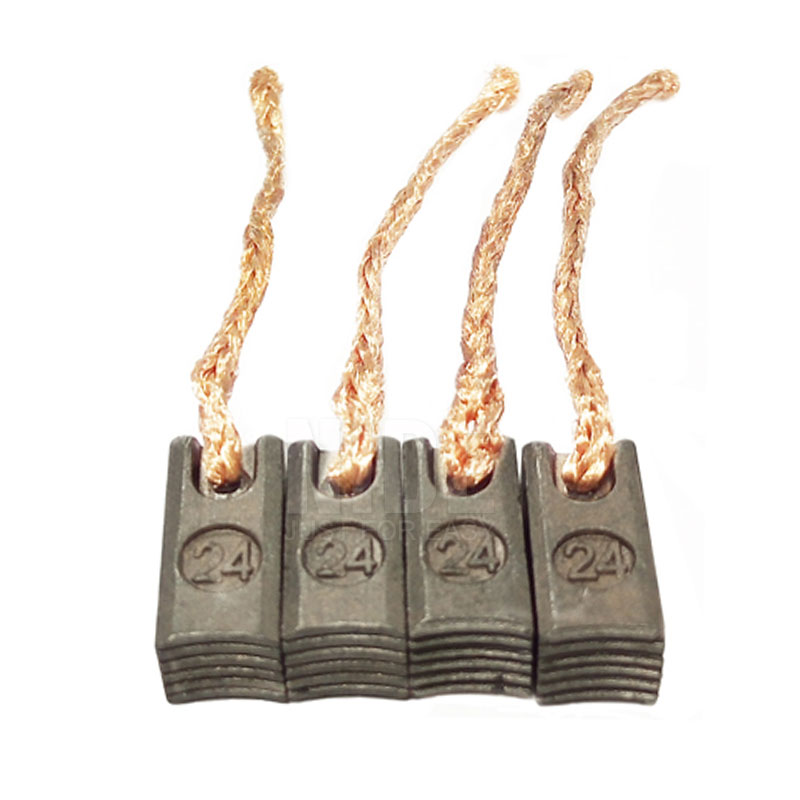
Specialized CE-certified low-noise carbon brushes designed for fractional horsepower electric drives, domestic appliances, and precision light micromobility systems.
The electrification of light vehicular transit within the State of Rio de Janeiro demands electric motors that deviate sharply from conventional global baseline designs. Operating in Rio's metropolitan environment—stretching from the saline-laden coastal corridors of Copacabana and Barra da Tijuca to the steep, sustained gradients of Santa Teresa, Rocinha, and Alto da Boa Vista—places extreme mechanical, thermal, and dielectric stresses on brushless direct current (BLDC) wheel hub motors.
As China’s premier engineering factory and turnkey production line exporter, Ningbo Nakro Intelligent Equipment delivers custom stator needle winding, rotor magnet assembly, automated varnish encapsulation, and dynamic testing lines built to solve these specific engineering bottlenecks. By integrating advanced PLC architectures, digital servo indexing, and automated tensioning, our lines allow Brazilian manufacturers and automotive tiers to deploy localized assembly operations that satisfy both strict INMETRO safety criteria and the tough physical demands of the Rio topography.
Automated outer-rotor needle winding machines featuring multi-axis servo tension control, allowing slot fill factors exceeding 78% for superior continuous torque generation on Rio's steep inclines.
Robotic magnet sorting, adhesive dispensing, and pneumatic inserting machinery. Designed to securely seat N52 NdFeB magnets into structural rotor bells without micro-fracturing.
Automated trickle varnishing and UV vacuum encapsulation stations, establishing an impermeable dielectric barrier against Atlantic salt mist (maresia) and tropical humidity.
Deploying hub motor assembly capacity directly within Rio de Janeiro enables domestic manufacturers to address diverse, highly specific regional transport niches that cannot be reliably served by standard off-the-shelf imports:
Electric cargo tricycles and utility e-bikes navigating steep gradients (exceeding 18% slopes) in communities such as Rocinha, Vidigal, and Complexo do Alemão require high-pole hub motors with custom low-speed, high-torque winding profiles to prevent rotor stall and thermal tripping.
Public-sharing e-scooters and pedal-assist fleets deployed along the beach avenues of Copacabana, Ipanema, and Leblon suffer continuous exposure to marine airborne chlorides. Our lines integrate automated IP67-rated shaft and seam-sealing stations to prevent internal stator oxidation.
Rio municipal decarbonization policies are accelerating the conversion of conventional internal combustion motorbikes and utility vehicles to electric drives for intra-city logistics hubs across Duque de Caxias, Nova Iguaçu, and the Porto Maravilha revitalization zone.
The economic logic of importing fully assembled electric motors into Brazil has shifted dramatically due to changing national industrial strategies and international logistics costs. Key market forces driving localized hub motor assembly include:
Brazil’s federal government has phased out historical zero-duty import concessions on fully assembled light electric powertrains, re-imposing tariffs rising up to 35%. Domestic assembly using Nakro production lines provides substantial customs arbitrage and operational margins.
The Brazilian Federal Government's Mobilidade Verde e Inovação (Mover) program grants multi-billion real tax credits for industrial investments that establish local production capability, carbon tracking, and localized R&D for clean transport components.
Relying on imported finished motors exposes Brazilian OEMs to prolonged maritime freight lead times and volatile exchange rates. Localized automated manufacturing guarantees just-in-time assembly schedules tailored directly to regional vehicle demand fluctuations.
Founded in 2010 in Ningbo, Zhejiang—one of the world's foremost precision tooling and electrical machinery clusters—Ningbo Nakro Intelligent Equipment Co., Ltd. bridges the gap between high-speed automated machinery and the specialized science of electric motor assembly.
We do not simply ship stand-alone machines; our engineering team designs and delivers complete, balanced manufacturing ecosystems: from lamination stack handling and automatic winding to electrical safety testing and dynamometer end-of-line verification.
Beyond machinery, buyers can source matching motor components—commutators, NdFeB magnets, carbon brushes, insulation papers, and shafts—directly through our supply ecosystem, ensuring single-source accountability from tooling to finished motor.
Equipped with an in-house engineering and R&D department, we configure winding nozzles, inserting finger dies, and fixtures around your exact stator slot geometry, wire gauge, and thermal class requirements (Class H/R).
With over 13 years of overseas machinery export experience, our field service engineers provide bilingual remote diagnostics, PLC tele-service, and on-site commissioning to ensure zero operational downtime in overseas manufacturing plants.
Operating under certified ISO 9001 quality management, every line undergoes a full continuous factory run-off test using your actual core laminations and magnet wire before export packaging is signed off.
Onsite verified by independent international assessment agencies. Flexible trade and payment structures including FOB, CFR, CIF with multi-currency settlements (USD, EUR, CNY) tailored to international corporate banking practices.
Detailed technical and operational answers to common inquiries from Brazilian engineering managers and procurement teams.
Share your motor dimensional drawings, target daily output, and slot-pole configurations with our engineering team for an end-to-end line layout and cycle-time proposal.
Send an Inquiry