Precision Armature Components & Rotor Assembly Units
Explore high-precision commutators, carbon brush assemblies, custom bearings, and automated BLDC magnet insertion equipment built to CE and CCC industrial manufacturing standards.
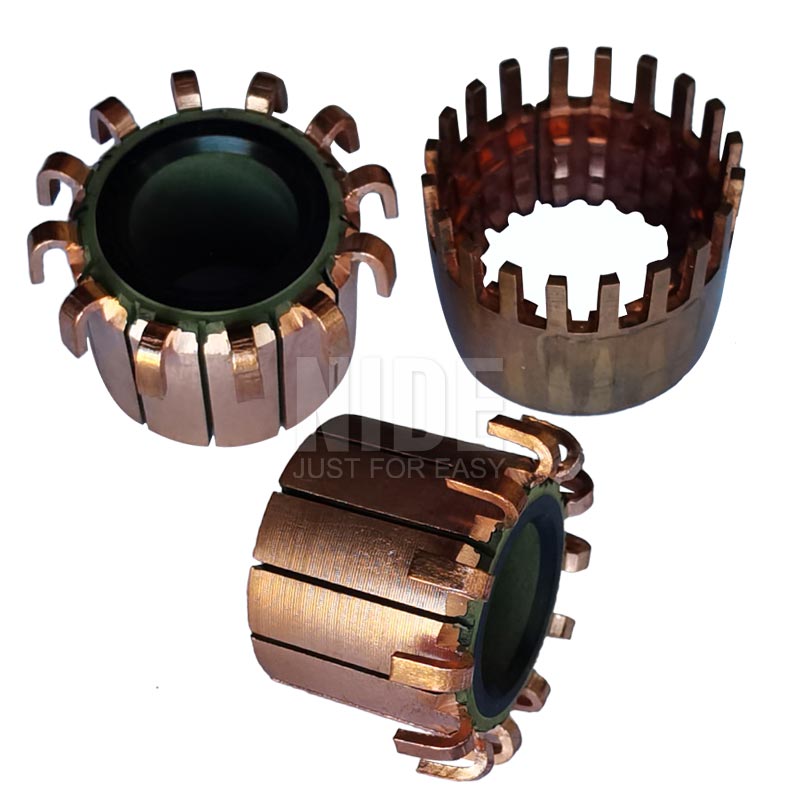
12-Segment Wiper Motor Hook Commutator
- Model: NDPJ-HXQ-174 CCC Certified
- Electrolytic Copper with High Silver Content
- Molded Bakelite Insulation
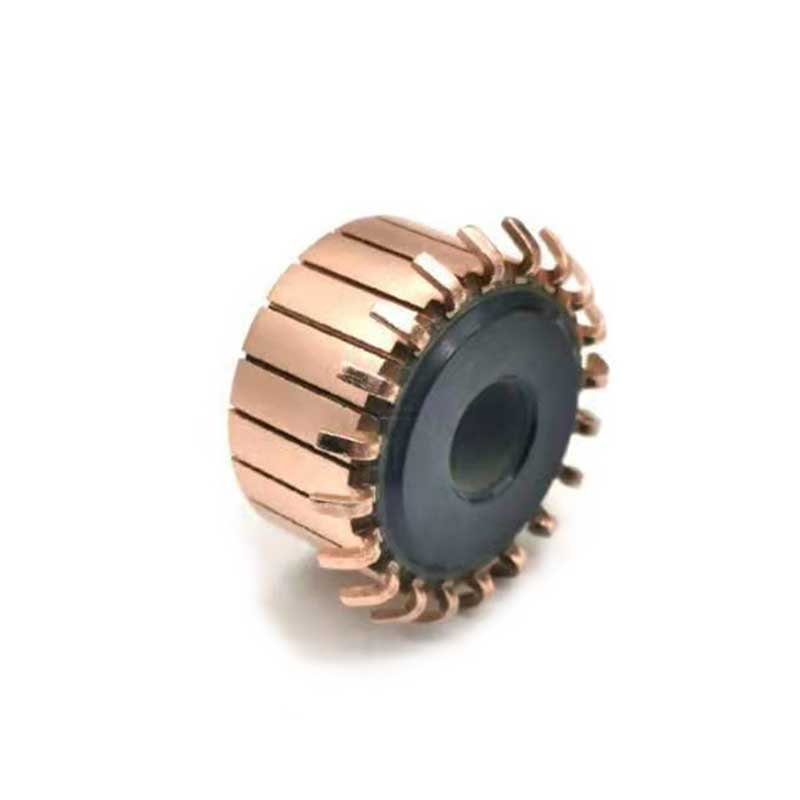
Radiator Cooling Fan Commutator
- Universal Fit NIDE Engineered Design
- High Thermal Dissipation Capability
- Ultra-Low Segment-to-Segment Runout
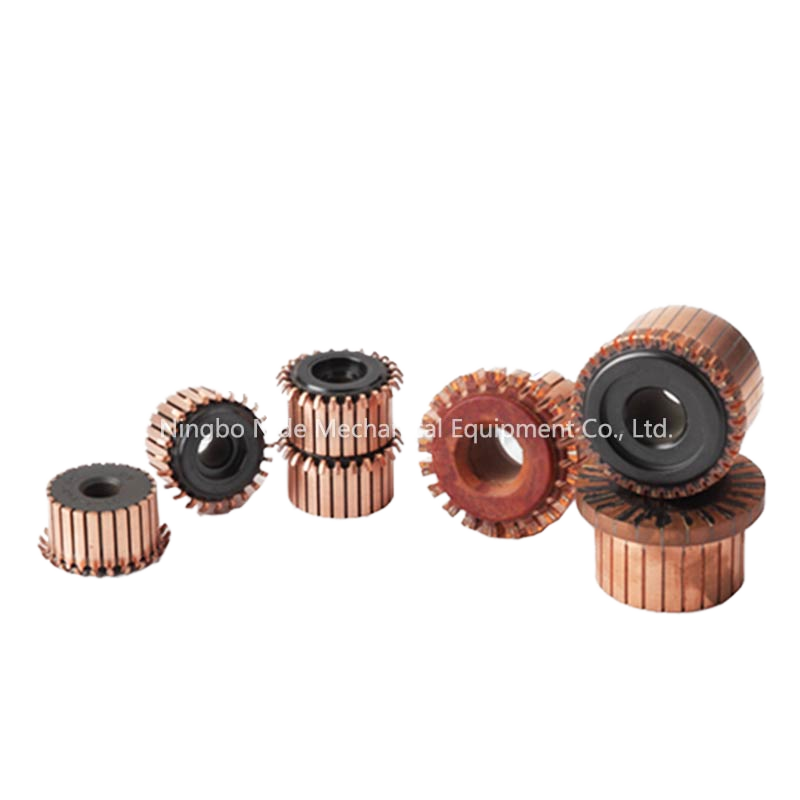
DC Motor Armature Slip Ring Commutator
- Model NDPJ-HXQ with Fan Assembly
- High Dielectric Voltage Breakdown Resist
- Dynamically Balanced Collector Ring
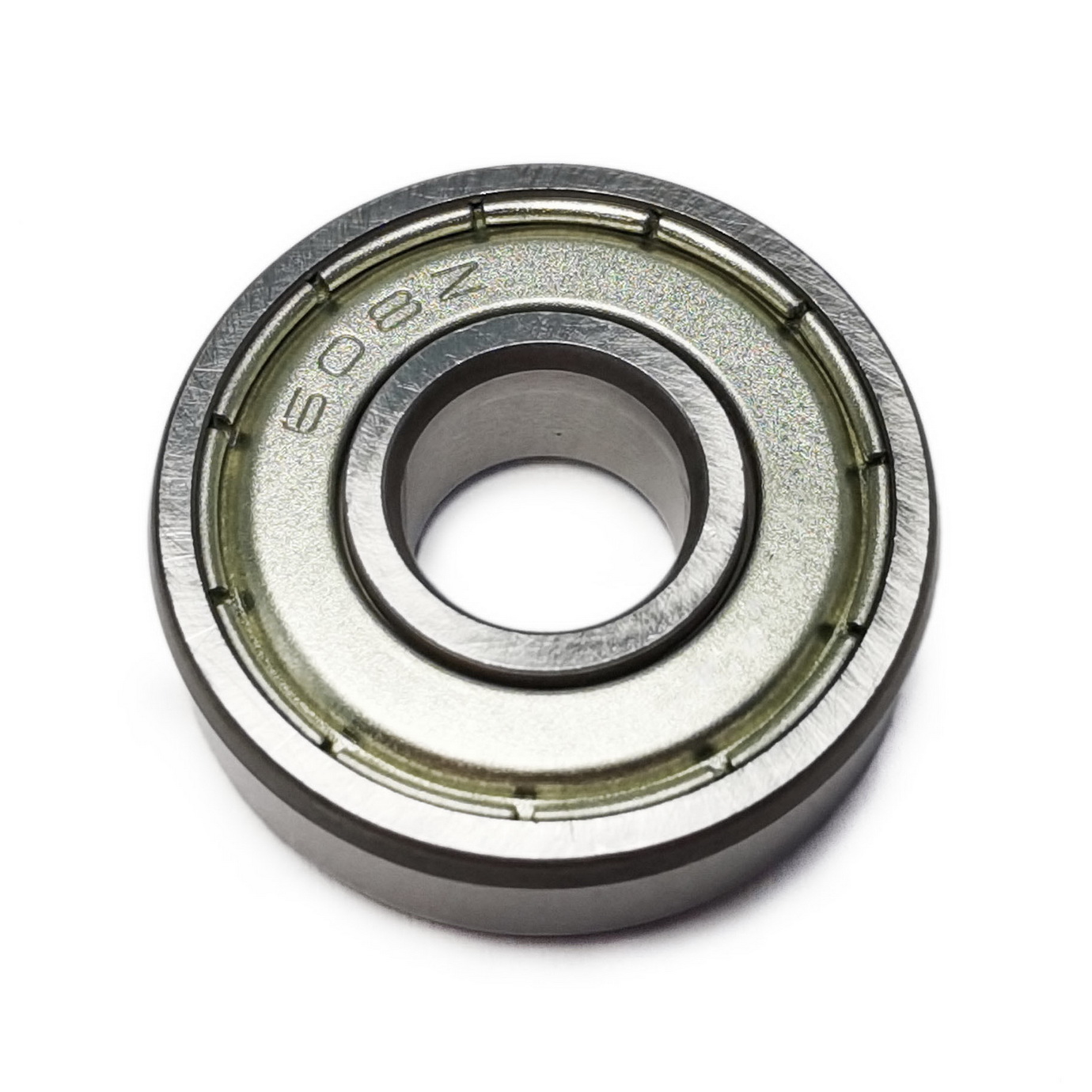
Stainless Steel 608ZZ Rotor Bearing
- 10mm ID x 20mm OD Single Row Bearing
- Dual Dustproof Stainless Seals
- ABEC-5/7 High Speed Smooth Operation

PLC BLDC Rotor Magnet Inserter
- Programmable Servo Indexing Drive
- Automated Glue Dispensing Station
- Complete Safety Optical Curtains
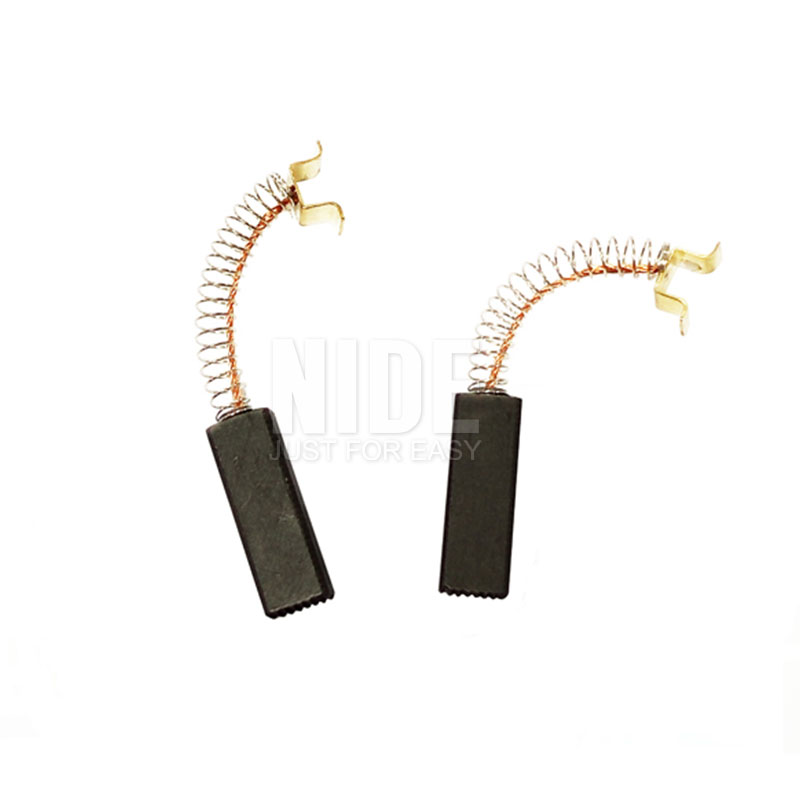
NDPJ-TS-1 Auto DC Carbon Brushes
- Ultra-Low Contact Electrical Resistance
- High Temperature Wear-Resistant Graphite
- Reinforced Flexible Copper Shunt Wire
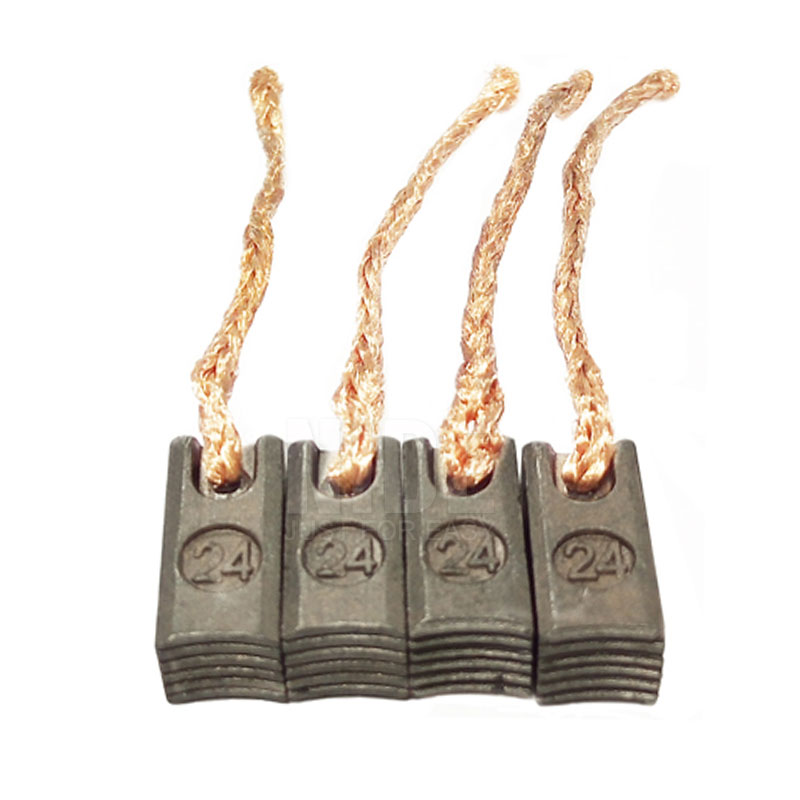
NDPJ-TS-9 Small Motor Carbon Brush
- Engineered for High-RPM Power Tools
- Low Commutator Sparking Formulation
- CE Compliant Composition
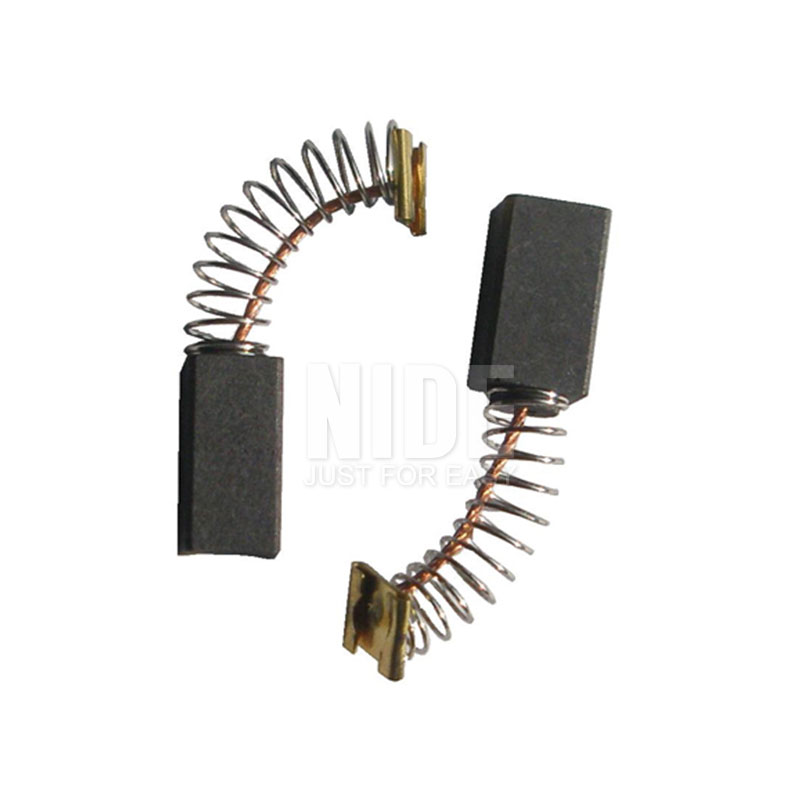
NDPJ-TS-7 Alternator Carbon Brushes
- High Dynamic Current Transmission
- Integrated Torsion Constant-Force Spring
- Vibration & Shock Resistant Structure
State-of-the-Art Armature Rotor Wire Winding Dynamics & Electromagnetic Optimization
Electric motor manufacturing is experiencing a paradigm shift towards higher magnetic slot fill factors, minimal harmonic distortion, and reduced thermal degradation across rotor windings. For precision universal motors, brushless direct-current (BLDC) devices, and automotive electromechanical actuators, the rotor winding sequence serves as the primary critical path determining overall operational reliability and electrical machine efficiency (IE3, IE4, and emerging IE5 ecodesign levels).
1. Flyer Winding Kinetics vs. Spindle Winding Mechanisms
Double-flyer armature winding equipment remains the industry standard for slotted armatures featuring commutator hooks or tangs. During operation, two synchronized flyers rotate around the stationary armature core, guiding enameled copper wire simultaneously into opposing rotor slots. The core rotates on an indexed high-precision CNC axis driven by absolute multi-turn servo motors, facilitating complex slot jump patterns without mechanical cam changeovers.
Critical kinematic factors include rapid deceleration profiles during index transitions, flyer counter-balancing to prevent high-vibration harmonics, and dynamic pneumatic or electronic wire tensioners. Electronic tensioning systems monitor instantaneous line speeds, applying real-time closed-loop magnetic particle or servo-controlled counter-torque to prevent wire elongation or slot insulation tearing during flyer acceleration stages.
2. Commutator Hook Fusing & Thermal Staking
Following coil placement, wire terminations wrapped around commutator tangs or hooks undergo resistance hot-staking (commutator hook welding). This critical thermo-compression process utilizes a water-cooled tungsten or molybdenum electrode. A synchronized pulse of low-voltage, high-amperage current burns away the wire's polyurethane or polyesterimide enamel coating while plasticizing the copper wire and commutator hook together under controlled pneumatic or servo downward force.
A high-integrity joint is characterized by less than 5% voltage drop variance across all segments and zero copper carbonization. Modern machines incorporate real-time displacement sensing (LVDT sensors) to measure segment collapse depth down to ±0.01 mm, immediately flagging weak joints or defective lamination hooks before the rotor proceeds to insulation wedging and resin trickle impregnation.
3. Automated Dynamic Balancing & Slot Wedging
Unbalanced centrifugal forces in rotors running at speeds between 10,000 and 35,000 RPM (typical in modern high-efficiency power tools, EV thermal cooling compressors, and robotic actuators) generate acoustic noise, bearing wear, and premature commutator arcing. Fully automated rotor lines integrate double-plane dynamic balancing machines directly downstream of commutator turning lathes.
Optical laser encoders identify angular unbalance coordinates, which are transferred via fieldbus directly to CNC milling cutters or balancing putty dispensing systems. The rotor is balanced to ISO 1940-1 Grade G2.5 or G1.0 standards, ensuring smooth operation, minimal carbon brush bouncing, and compliant electromagnetic compatibility (EMC) margins throughout the equipment life cycle.
Optimized for Estonia's High-Tech Mechatronics & CleanTech Clusters
Estonia has transformed into an advanced European powerhouse for robotics, electronic systems integration, and clean maritime mobility. Our automated armature and stator manufacturing equipment aligns with northern European production standards.
Autonomous Delivery & Robotics
Estonia is globally renowned as the pioneer in last-mile autonomous logistics robots (Harju County engineering hubs). Our equipment winds high-torque, compact outer-rotor BLDC stators and high-efficiency traction armatures with maximum copper fill factor, extending autonomous battery runtime under cold Baltic winter operational profiles.
Clean Energy & Smart Ventilation (HVAC)
With stringent EU building efficiency mandates across Tallinn and Tartu developments, manufacturers of recovery ventilation units and heat pumps require ultra-quiet, vibration-free EC and PMSM motor stators. Automated needle winding guarantees balanced phases and consistent electromagnetic torque with negligible cogging.
Maritime Electrification & Port Systems
Estonian shipyards and maritime technology companies across Saaremaa and Tallinn focus on hybrid passenger ferries and electric workboats. Our heavy-duty armature and stator coil inserting systems support low-voltage high-current auxiliary bilge pumps, steering winches, and propulsion motor production with marinized insulation classes.
Automated Rotor Winding Machine Configuration Benchmarks
Compare standard technical specifications across semi-automatic prototyping units, automated dual-flyer winders, and turnkey continuous manufacturing lines configured for European manufacturing facilities.
| Technical Parameter | Semi-Automatic Cell | High-Speed Dual-Flyer | Turnkey Robot-Loaded Line |
|---|---|---|---|
| Target Annual Capacity | 10,000 – 60,000 units | 150,000 – 500,000 units | 600,000 – 2,000,000+ units |
| Rotor Lamination Diameter | Ø15 – Ø120 mm | Ø20 – Ø85 mm | Ø18 – Ø95 mm (Customizable) |
| Stack Height Compatibility | 10 – 150 mm | 15 – 80 mm | 15 – 90 mm |
| Wire Gauge Tolerance | 0.12 – 1.40 mm | 0.15 – 1.05 mm | 0.10 – 1.25 mm (Dual Strand) |
| Max Flyer Winding Speed | 1,800 RPM | 3,000 RPM (Servo Dynamic) | 3,200 RPM (Active Balancing) |
| Commutator Hook Types | Tangs, Hooks, Commutator Slots | Hooks, Open Tangs | Universal Hook & Slot Welder |
| Integrated Stations | Manual Load / Winding Only | Winding + Auto Hook Indexing | Paper Insertion → Wind → Fuse → Lathe → Balance → Test |
| Control Architecture | Mitsubishi / Omron PLC | Siemens S7-1500 / Beckhoff | Industrial PC + Profinet / EtherCAT |
| Safety & Directives | CE Machinery Directive 2006/42/EC | CE, Category 3 Safety Circuits | Full CE, ISO 13849-1 Ple Compliant |
Emerging Market Trends in the Baltic Precision Motor Industry
Estonian industrial enterprises operating under the Enterprise Estonia (EAS) digital transition grants and EU Green Deal directives are navigating three core technological transformations:
Strict EU Ecodesign & ErP Regulations
European Regulation (EU) 2019/1781 enforces strict minimum efficiency thresholds (IE3/IE4 standard). Meeting these efficiency curves requires tighter coil geometry, reduced winding overhang (end-turn length), and increased slot filling without mechanical wire skin abrasion.
Shift from Brushed Universal to BLDC/PMSM
Industrial demand across the Nordic-Baltic corridor is shifting rapidly toward brushless DC and synchronous permanent magnet motors. Our flexible machine lines allow factories to balance classic universal armature production with modular outer/inner-rotor BLDC needle winding tooling.
High Wage Costs & Automated Cells
With rising regional manufacturing labor rates in Tallinn and Tartu, manual motor winding is no longer commercially viable. Automated cells featuring magazine pallet loading, automated vision-guided slot identification, and robotic arm part transfer guarantee low piece-part costs.
IoT Data Telemetry & Remote Diagnostics
Estonian factories prioritize digitalization. Our machinery integrates OPC UA and MQTT protocols, transmitting real-time operational data (winding tension graphs, cycle times, fuse temperatures) into factory MES systems, with secure encrypted remote maintenance support.
Enterprise Advantages & International Manufacturing Credentials
Combining 14+ years of specialized motor manufacturing machinery development with an end-to-end component supply ecosystem.
14+ Years of Engineering Heritage
Established in 2010, our state-of-the-art facility spans over 30,000–50,000 m² of modern industrial workshops. We have delivered stand-alone winding stations and multi-million-euro turnkey assembly lines to motor manufacturers across more than 50 countries, including Eastern and Northern Europe.
One-Stop Turnkey Capability
We solve the common manufacturer dilemma of finger-pointing between equipment builders and component vendors. Beyond machines, we supply compatible precision components—commutators, carbon brushes, deep-groove ball bearings, insulation paper, and shafts—ensuring line sign-off is seamless and risk-free.
Rigorous 6-Stage Quality Control
Every equipment build undergoes comprehensive testing under our ISO 9001 certified quality management system: incoming metallographic & electrical testing, precision tooling CMM measurement, cabinet insulation tests, continuous trial runs with your copper wire & laminations, and seaworthy vacuum export crating.
5-Step Turnkey Project Workflow for Estonian Buyers
A transparent and systematic engineering workflow designed to reduce risk when establishing or expanding motor assembly operations.
Drawing Analysis
Technical evaluation of rotor lamination 2D/3D CAD models, slot geometry, copper wire diameters, and target hourly output.
Tooling & Layout
3D simulation of flyer paths, hook indexing clearance, station cycle-time calculations, and factory floor plan integration.
Factory Trial Run (FAT)
Physical machine build and continuous run-off using customer-supplied parts. Video-verified production with sample parts shipped for CMM verification.
Freight & Customs
Seaworthy moisture-barrier wooden packing, full export documentation, and direct maritime or multimodal transit to Tallinn or Muuga Harbor.
Commissioning & SAT
On-site commissioning by field service technicians or interactive remote engineer support, operator HMI training, and long-term spare tooling supply.
Frequently Asked Questions by Estonian Procurement & Plant Managers
Key regulatory, logistics, electrical compatibility, and post-sales technical questions answered.
