EV Hairpin System
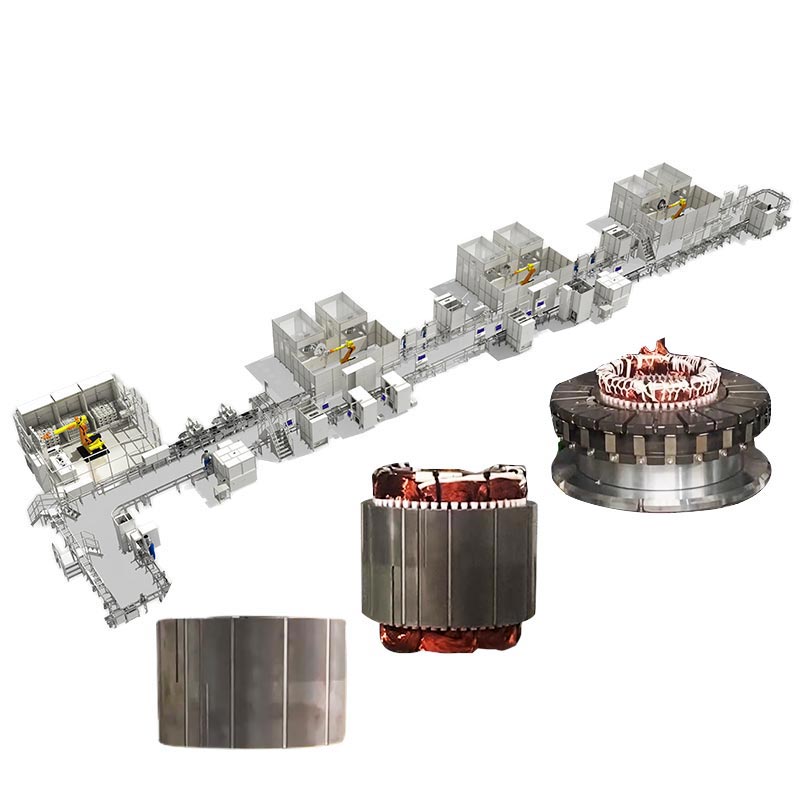
NIDE Automatic EV Hairpin Motor Stator Line
- 220V/380V CE Industrial Standard
- CNC High-Density Slot Insertion
- Automated 3D Laser Hairpin Welding
Engineered to deliver tight copper-fill tolerances, balanced rotational inertia, and micron-level commutator welding repeatability for electro-mobility, power tools, and industrial drives.
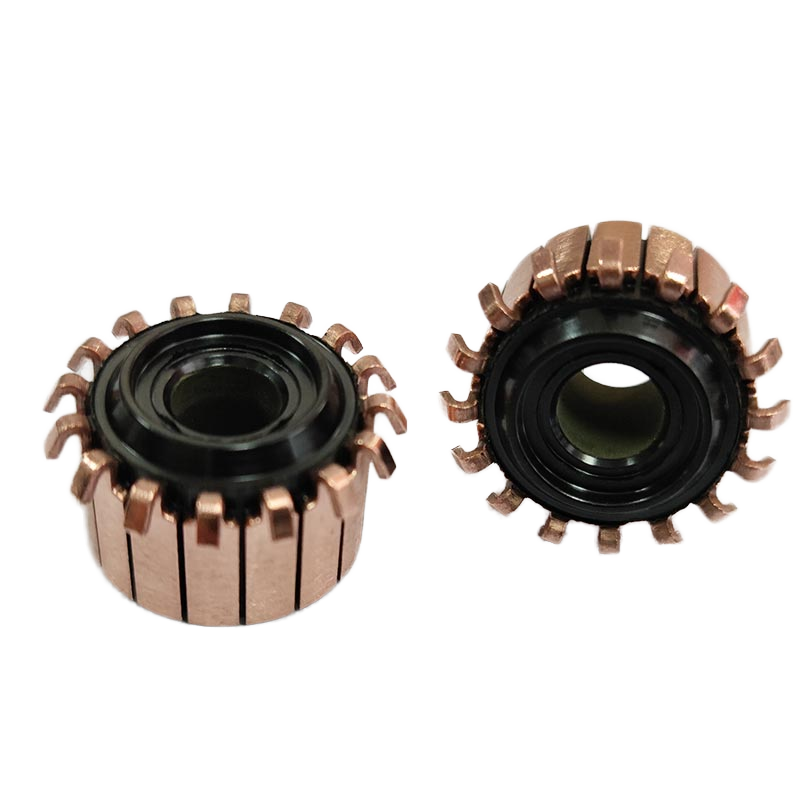
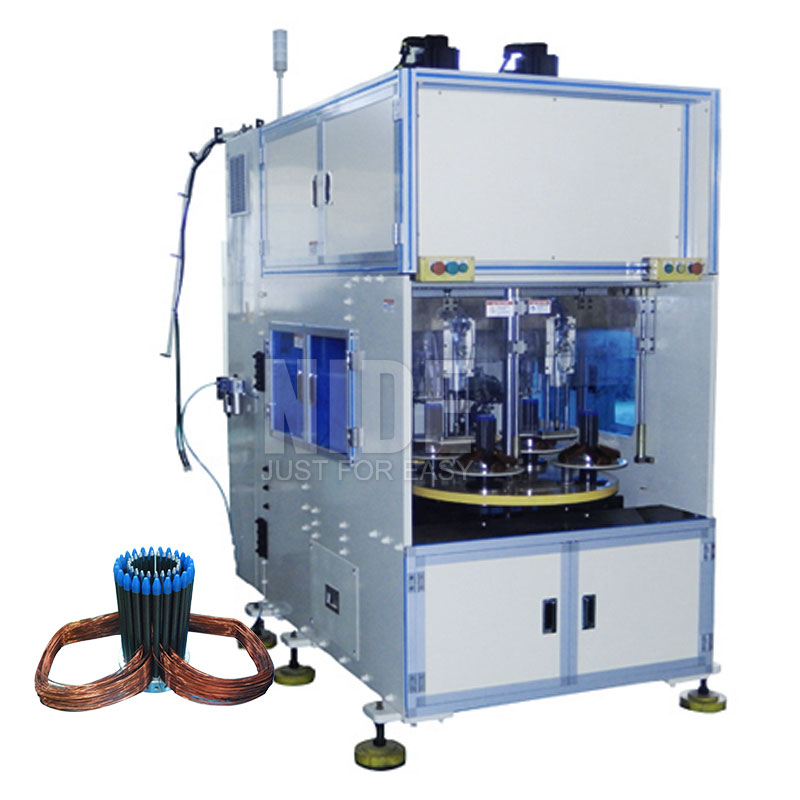
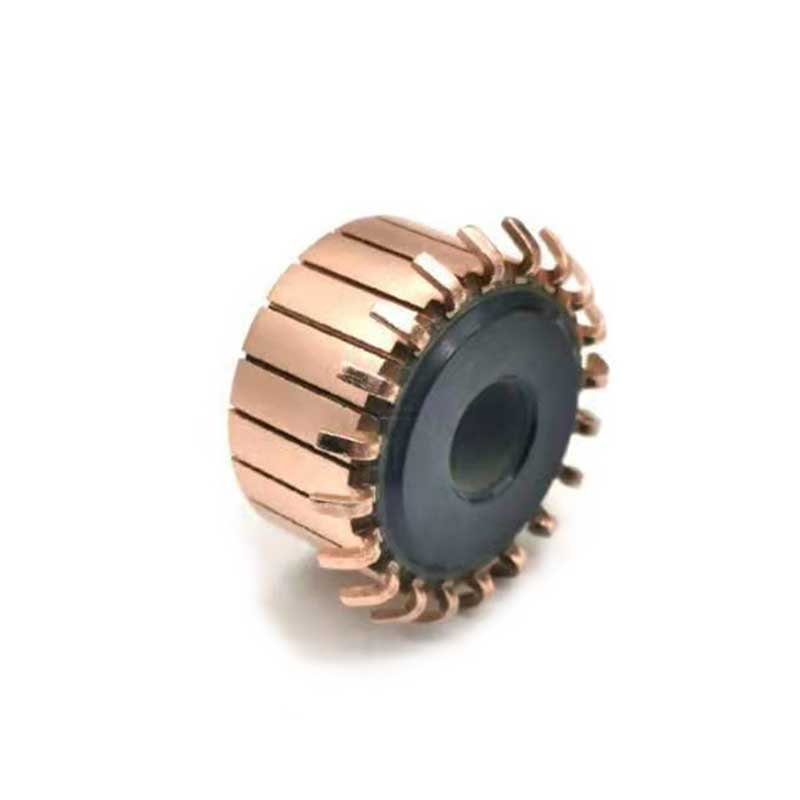

In-depth engineering analysis on automated winding architectures, commutator hook micro-resistance fusing, dynamic rotational balancing, and operational parameters for Belmopan and Central American electro-mechanical facilities.
The production of modern rotor armatures for universal motors, automotive direct-current (DC) auxiliary systems, and next-generation cordless power tools has evolved from fragmented manual winding to integrated, synchronous automation lines. At the engineering core of our armature equipment is the flyer winding dynamic: precision dual-flyer winding heads, operating in tandem with high-speed digital AC servo indexing drives, ensure that enamelled copper wire is layered into lamination core slots with constant tension control down to ±0.05 N. This geometric uniformity minimizes internal mechanical stress, eliminates air gaps within the magnetic winding envelope, and elevates the electrical slot-fill factor up to 88%—a benchmark metric for high-efficiency motors.
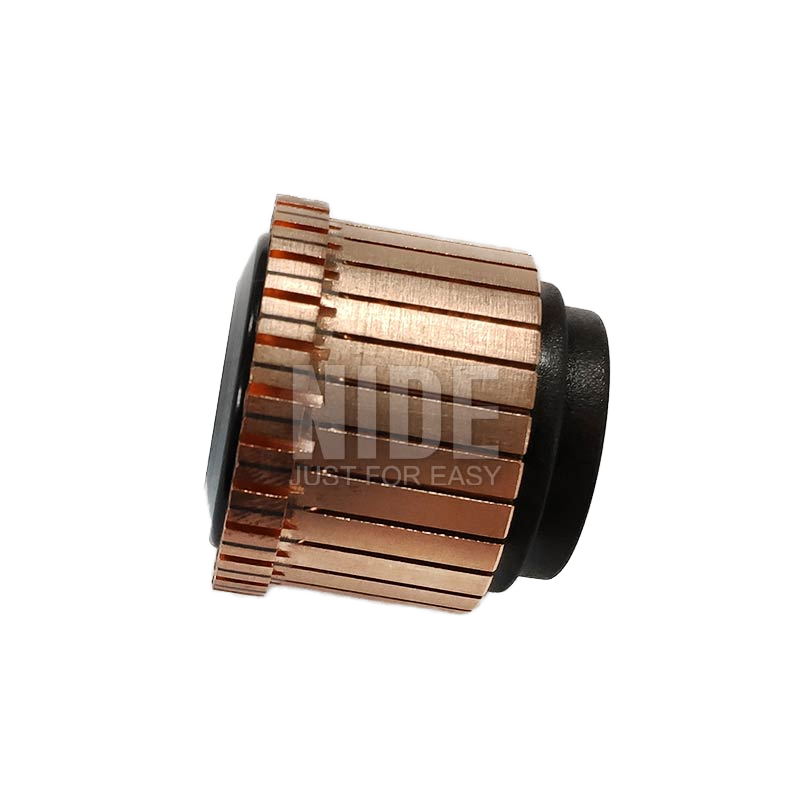
Following coil winding, the rotor transitions immediately to the commutator hook welding (hot stacking) station. By implementing intermediate-frequency inverter resistance fusing, our machines apply micro-second pulse heating alongside synchronous pneumatic electrode pressure. This melts the outer polyurethane insulating varnish cleanly while solidifying a metallurgically fused copper-to-copper junction between the wire lead and the commutator hook. The electrical contact resistance is held within sub-milliohm thresholds, eliminating thermal hotspots that typically lead to brush wear, segment pitting, or catastrophic motor failure under continuous mechanical loads.
| Machine System Module | Engineering Parameters | Cycle Time / Throughput | Quality Assurance Benchmark |
|---|---|---|---|
| Lamination Stacking & Shaft Press | Hydraulic servo; Press force: 5 - 50 kN adjustable | 4.5 - 7.0 sec / unit | Runout ≤ 0.008 mm; Axial shift ≤ ±0.02 mm |
| Insulation Paper Insertion | B-grade / F-grade DMD or Nomex automatic forming | 0.25 - 0.4 sec / slot | Dielectric test ≥ 2500V AC breakdown proof |
| Dual Flyer Armature Winder | Wire dia: Φ0.12 - 1.25 mm; Fly speed: up to 3000 RPM | 12 - 28 sec (depending on turns) | Turns count accuracy: 100% Zero-defect servo check |
| Commutator Hook Hot Staking | Inverter DC / Medium Frequency; Peak: 15 kVA | 0.8 - 1.2 sec / commutator | Weld voltage drop ≤ 0.2 mV; Hook deform ≤ 8% |
| Dynamic Balance Correction | Dual-plane milling or additive putty counter-weight | 12 - 18 sec / rotor | Residual unbalance ≤ ISO 1940 G2.5 standard |
| Automated End-of-Line Testing | Surge (impulse), Bar-to-bar, Hipot (AC/DC), Resistance | 6.0 sec / armature | 100% database logging with barcode tracking |
Once wound, fused, and wedged, armatures require diamond lathe turning to eliminate eccentricities on the copper segments. Our automated diamond turning units utilize pneumatic floating chucks with optical linear scales to achieve a commutator surface finish roughness of Ra ≤ 0.4 μm. This mirror finish maximizes brush contact area, dramatically curtails sparking (arcing) during initial operational hours, and prolongs motor lifecycle under high ambient temperatures.
Following mica undercutting and deburring, dynamic balancing is executed. High rotational velocity generates centrifugal forces proportional to unbalance, which can induce severe bearing degradation and high-frequency structural noise. Our integrated balancing modules utilize microprocessor-guided polar coordinate milling to remove precise amounts of weight from the rotor core lamination pack, or alternately inject calibrated UV-cured putty, reaching balanced tolerances complying with the rigorous ISO 1940 G2.5 vibrational class.
Strategic deployment of motor rewinding automation, utility-scale repair infrastructure, agricultural processing equipment, and tropicalized off-grid components in the Cayo District and across the national territory.
Belmopan's strategic position in the Cayo District connects major agricultural operations—including citrus processing, grain drying facilities, sugar refineries, and feed milling plants. The heavy induction motors and high-torque DC conveyor drives in these plants require locally serviced, heavy-duty armatures and stators treated with Class H thermal insulation and moisture-resistant varnishing to endure continuous harvest loads.
As Belize accelerates solar-powered agricultural projects, the demand for DC brushless (BLDC) and permanent magnet DC (PMDC) submersible pump armatures has surged. Our semi-automatic winding and commutator fusing units allow local maintenance hubs and utility contractors to rebuild and optimize deep-well pump rotors with customized slot counts, reducing dependency on expensive offshore motor imports.
High humidity and saline air across Belize accelerate brush carbonization and commutator pitting in air conditioning fan motors, commercial refrigeration blowers, and maritime auxiliary starter motors. Equipment built by Nakro incorporates diamond undercutting tooling and hermetic resin saturation, ensuring armatures maintain high insulation resistance under extreme tropical dew points.
Key economic and industrial developments influencing capital procurement decisions, machine automation choices, and local assembly plant setup in Central America.
Supply chain volatility and long ocean freight transit times into Belize have prompted industrial conglomerates and technical repair workshops in the Belmopan area to transition away from full-motor replacements. Establishing localized, flexible armature and stator winding stations significantly shrinks downtime for critical production assets from weeks to under 48 hours.
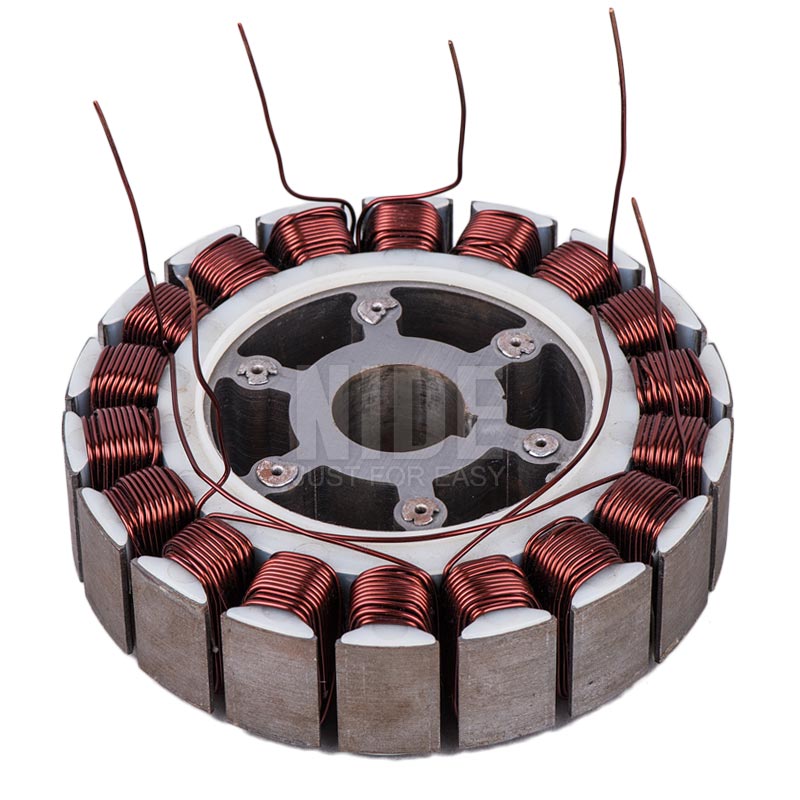
With electricity tariffs remaining a key operational expenditure across commercial sectors in Belize, enterprise operators are actively upgrading legacy universal and single-phase induction units to high-efficiency BLDC and permanent magnet synchronous motors (PMSM). This requires specialized needle winding machinery and segmented stator tooling capable of processing tight wire diameters with zero insulation damage.
Echoing regional environmental sustainability initiatives, municipal transport and rural delivery networks in Central America are exploring electric cargo three-wheelers and electric utility scooters. Turnkey wheel hub motor stator winding machines and rotor assembly jigs represent high-potential capital investments for emerging local engineering ventures.
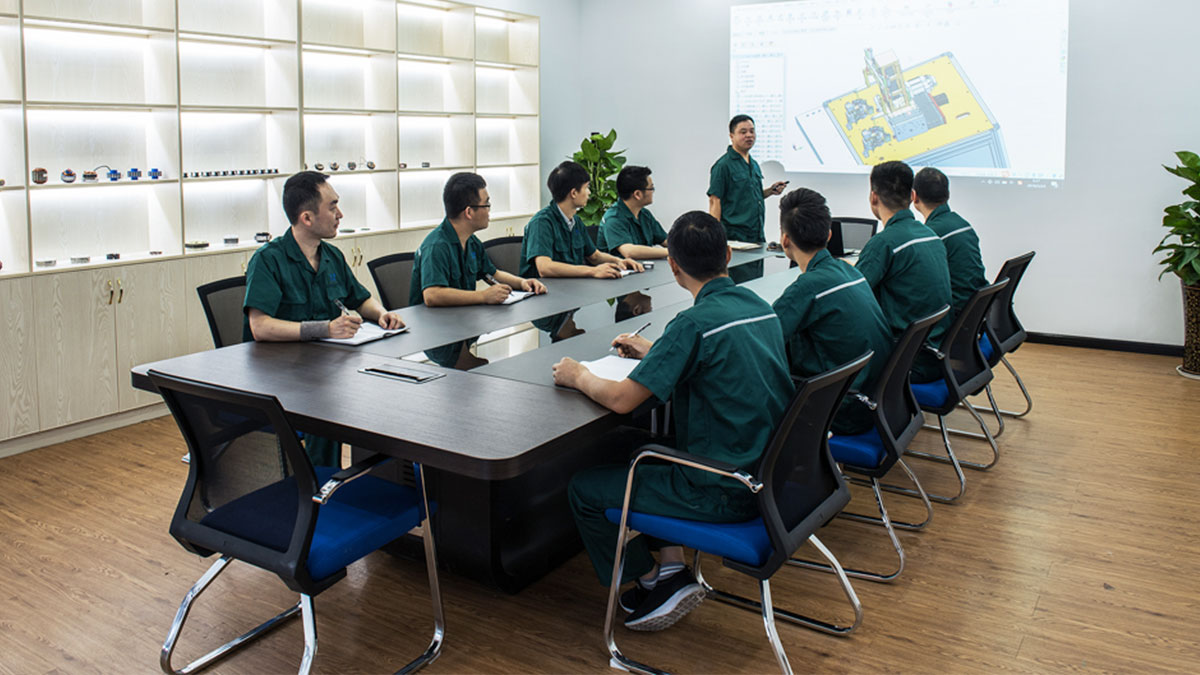
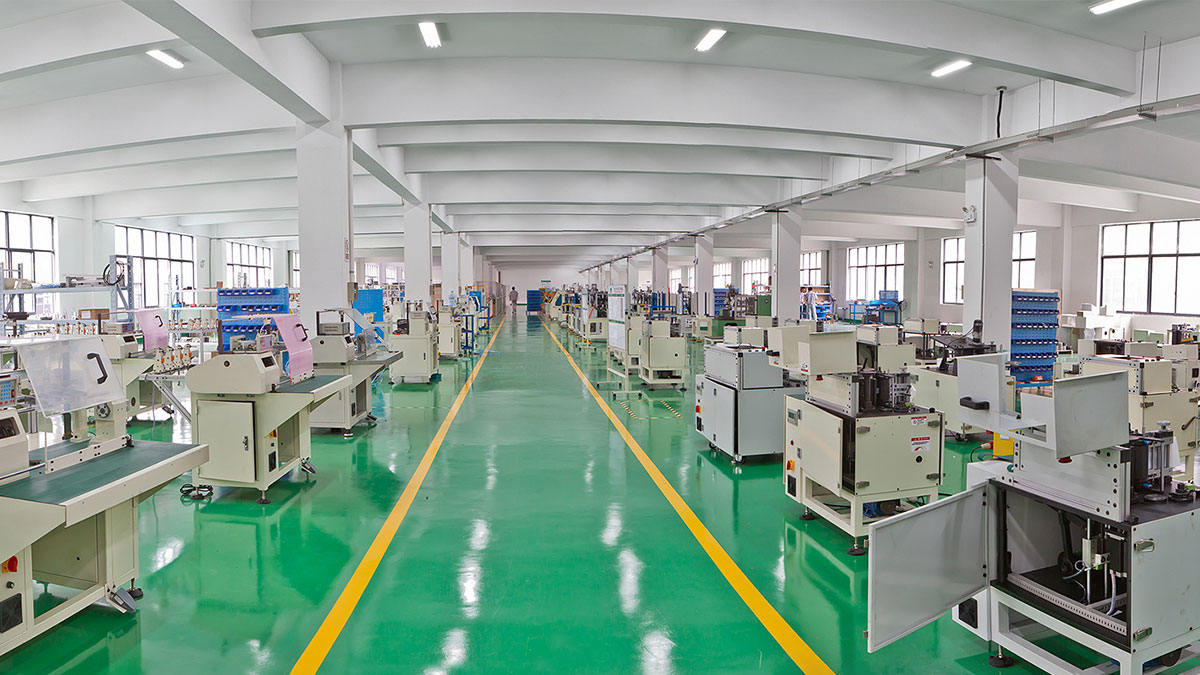
Ningbo Nakro Intelligent Equipment Co., Ltd. (operating in technical synergy with the NIDE brand portfolio) stands as a foremost global innovator in electric motor manufacturing machinery. Our enterprise manages a modern manufacturing ecosystem exceeding 30,000 m², employing over 150 skilled automation engineers, toolmakers, and process specialists.
Unlike equipment brokers, Nakro designs, machines, programs, and qualifies every piece of equipment in-house under an ISO 9001 certified quality management framework. From single standalone repair shop bench winders to complete turnkey EV hairpin lines, our machines are built with world-class standard components—including Mitsubishi, Omron, and Siemens PLCs, Schneider electronics, and SMC pneumatics—ensuring complete reliability and global parts interchangeability.
Our dedicated engineering department designs winding forms, insertion guides, and clamping jaws tailored directly to your rotor core CAD geometry, wire gauge, and slot configuration.
Every armature production machine is tested using the buyer's actual copper wire, commutators, and laminations, complete with high-definition video proof and electrical inspection logs.
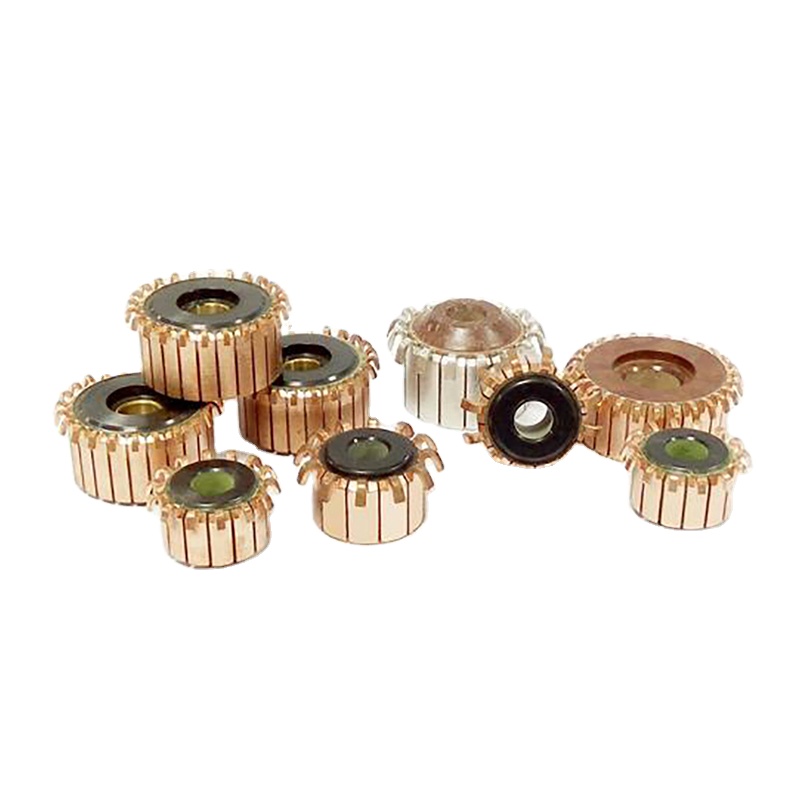
Clients can source matching commutators, ball bearings, carbon brushes, insulation paper (Nomex/DMD), shafts, and magnets in consolidated containers directly alongside machines.
Comprehensive English operation manuals, electrical schematics, cloud video diagnostics, and on-site engineering dispatch ensure smooth line commissioning and team training.
A structured 7-station automated cell engineered to streamline throughput from bare lamination to fully qualified, balanced rotor.
Precision hydraulic servo presses marry the knurled armature shaft to the silicon steel sheet stack, verifying interference fit and axial positioning to within 10 microns.
Automated cutting, folding, and insertion of high-dielectric DMD or Nomex insulation barriers into each core slot without damaging the silicon steel edges.
Commutator positioning module indexes slot-to-hook relationship with optical sensors to guarantee exact angular alignment before winding flyers engage.
High-speed twin-spindle flyer nozzles deposit precise turns of enamelled magnet wire with continuous dynamic tensioning and automated commutator hook loop hitching.
Medium-frequency inverter fusing head delivers regulated current and mechanical pressure to fuse magnet wire to commutator tangs, vaporizing varnish cleanly.
Epoxy-glass or vulcanized fiber wedges lock coils securely in the slots, followed by automated trickle resin impregnation and infrared curing for mechanical rigidity.
Precision diamond tooling shaves commutator segments to a micro-mirror finish, followed by dynamic balancing and automatic 4-in-1 testing (Surge, Bar-to-Bar Resistance, Hipot, and Insulation Resistance) with automated barcode database archival.
In-depth responses covering customs logistics, regional voltage adaptation, maintenance tooling, and commercial contract terms for Belizean buyers.
