
Automatic PLC Controlled BLDC Motor Rotor Magnet Inserting Machine
Engineered for brushless DC motor manufacturing facilities. Automates rare-earth permanent magnet indexing, glue dispensing, and stack insertion with 1-year warranty coverage.
Configured directly for high-slot-fill stators, brushless DC architectures, universal armatures, and high-efficiency induction motors. Tested with client-supplied laminations and copper prior to dispatch.
Engineered for brushless DC motor manufacturing facilities. Automates rare-earth permanent magnet indexing, glue dispensing, and stack insertion with 1-year warranty coverage.

Dual-flyer high-speed winding machine for DC armatures and universal motor rotors. Features automated tension compensation and precision commutator hook indexing.
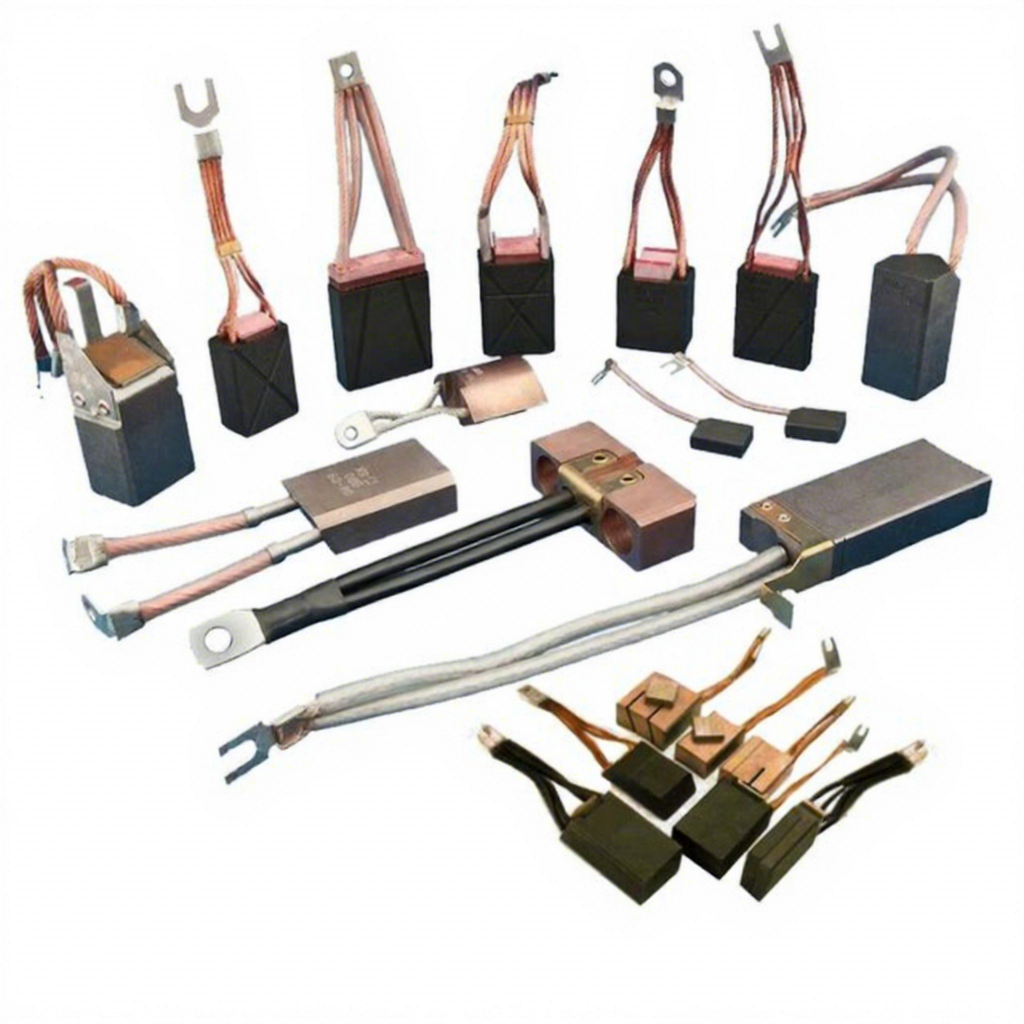
Industrial copper-graphite wear-resistant carbon brushes engineered for automotive alternators and starters. Low electrical noise with 3-year warranty performance.
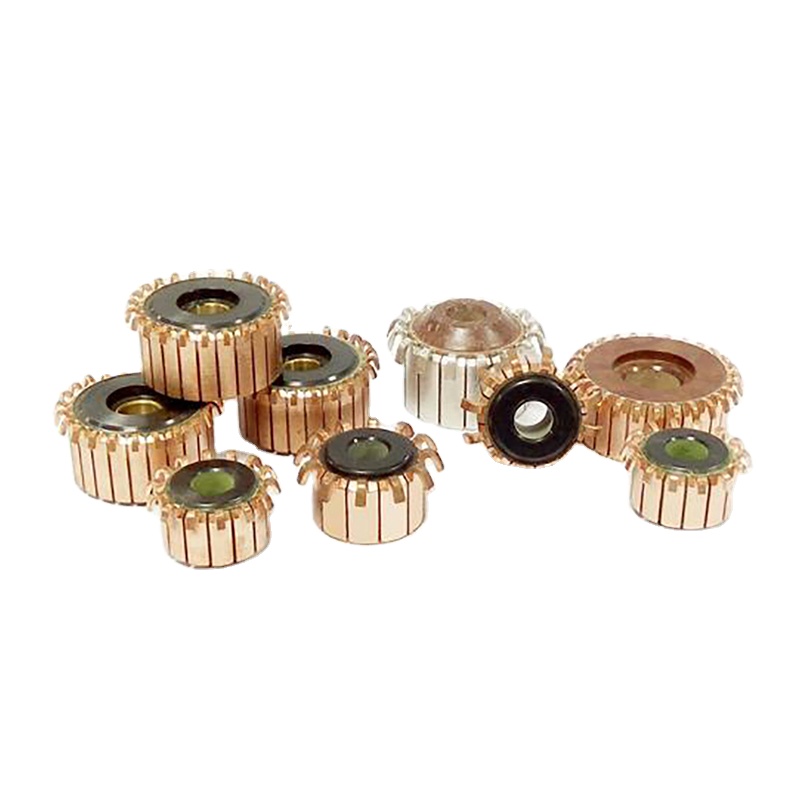
High-precision segmented silver-copper hook commutator. Built for heavy mechanical shock, high RPM universal motors, and automated stator/armature assembly lines.
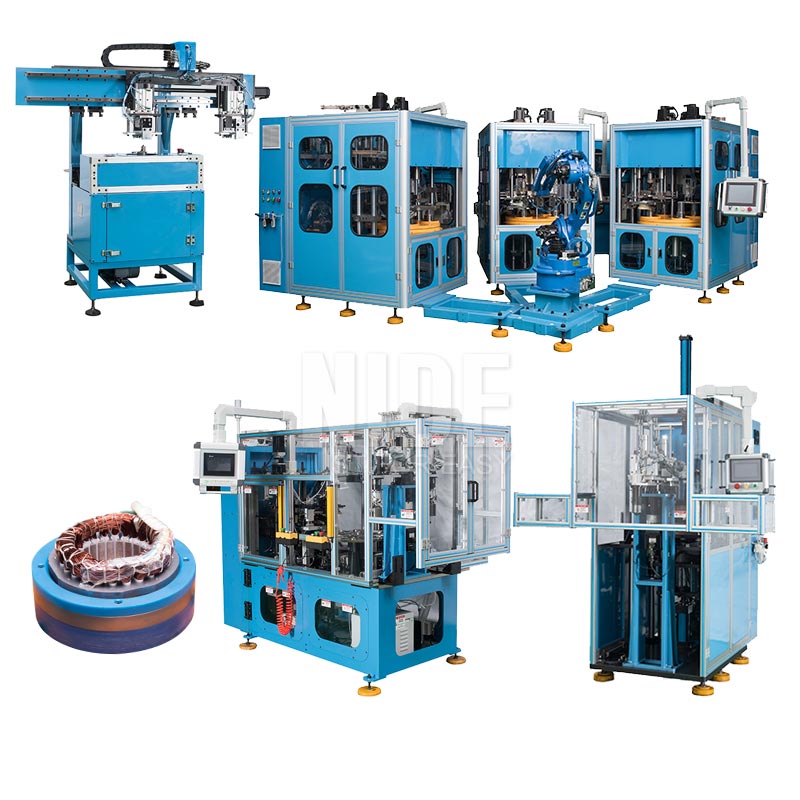
Semi- and fully-automated line combining slot insulation paper inserting, multi-spindle coil winding, simultaneous coil/wedge insertion, and intermediate lacing.
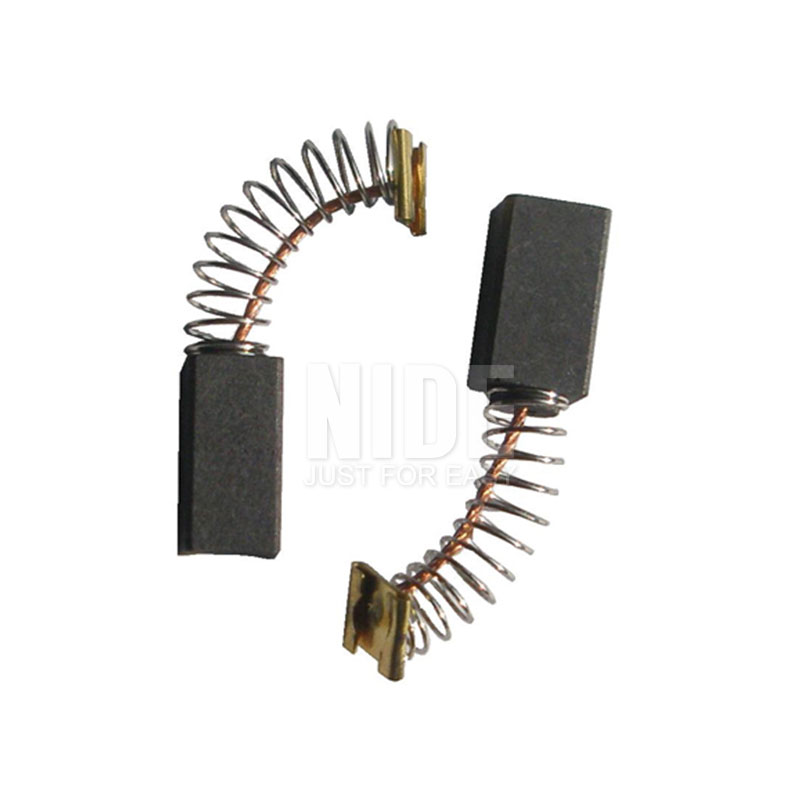
Custom formulated electro-graphite and metal-graphite brush assemblies. Engineered for optimal thermal conduction, minimal commutator grooving, and stable contact drop.
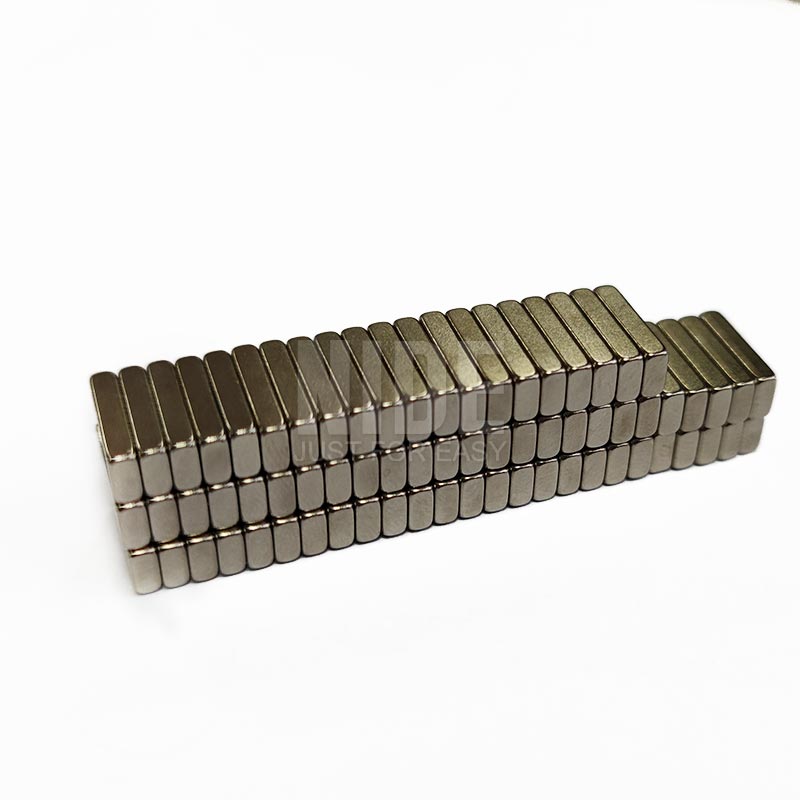
Ultra-high remanence sintered NdFeB permanent magnets for PMSM, BLDC, and EV wheel hub rotors. Triple coated (Ni-Cu-Ni or epoxy) for corrosion resistance.
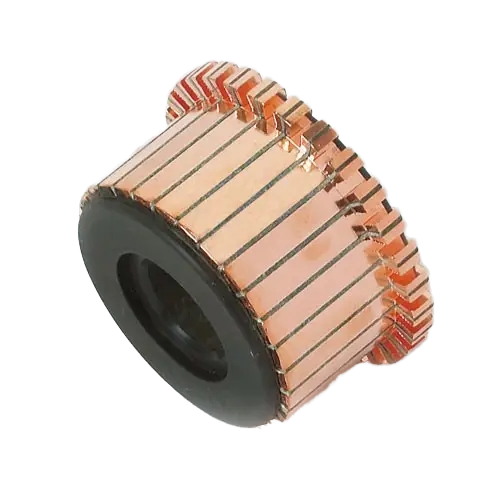
Segmented copper commutator utilizing oxygen-free silver-bearing copper bars and high-temperature thermoset molding. Built for commercial treadmill motors and pumps.
The global electric motor manufacturing sector is undergoing an aggressive transition driven by the electrification of transport, stricter minimum energy performance standards (MEPS such as IE4 and IE5), and the demand for higher power densities within smaller packaging envelopes. At the heart of this manufacturing paradigm is the stator winding machine—an electro-mechanical system whose precision directly dictates copper slot fill factor, magnetic flux uniformity, thermal dissapation profiles, and the ultimate operational efficiency of the final motor.
Historically, motor fabrication relied on flyer winding systems and mechanical insertion blades capable of achieving slot fill factors rarely surpassing 38% to 42%. In modern automated factories in Ningbo and throughout high-tier manufacturing clusters in China, current generation CNC needle winders, linear multi-spindle inserters, and continuous wave hairpin machines routinely achieve net copper slot fill ratios between 58% and 72%. Understanding the mechanistic distinctions between these technologies is paramount for production directors and procurement engineers establishing capital equipment lines.
| Winding Methodology | Typical Slot Fill Factor | Wire Size Envelope | Stator Kinematics | Ideal Motor Typologies |
|---|---|---|---|---|
| CNC Multi-Tooth Needle Winding | 48% – 62% | 0.15 mm – 1.60 mm | Direct winding into internal/external tooth slots via 3-axis to 6-axis servo kinematics. | BLDC appliances, automotive EPS, drone outrunners, e-bike hub motors. |
| Stator Coil Insertion (Press Winding) | 40% – 52% | 0.20 mm – 1.30 mm | Pre-wound coils transfer into mechanical fingers; inserted simultaneously with slot wedge paper. | Single-phase AC fans, 3-phase induction motors (IE2/IE3/IE4), HVAC compressors. |
| Continuous Hairpin (I-Pin/U-Pin) | 65% – 76% | Rectangular wire (e.g., 2x3mm to 4x6mm) | Precision-formed rectangular copper hairpins axial inserted, twisted, and laser welded. | EV main traction drive motors (PMSM), commercial hybrid buses, high-torque industrial machinery. |
| Flyer Armature Winding | 35% – 48% | 0.08 mm – 1.10 mm | High-velocity rotating flyer arms wrapping copper round rotating rotor armature slots. | Power tool armatures, automotive windshield wiper motors, vacuum cleaner universal motors. |
A persistent failure point in high-speed stator production is the micro-fissuring of the magnet wire's polyamide-imide or polyester enamel insulation during high-acceleration turns. When a needle winder operates at speeds exceeding 1,200 turns per minute, instantaneous tension spikes induced at slot corners can degrade the breakdown voltage of the insulation coating. Nakro Intelligent Equipment's modern stator winding machines utilize active closed-loop electronic tension controllers with piezoelectric load cell feedback. By dynamically adjusting spool back-tension within millisecond response times, the machine maintains tension variations within ±1.5% of nominal values throughout the continuous winding sequence.
Technical Consideration: Slot fill factor optimization is not purely a factor of nozzle diameter; it requires exact synchronization between the stack lamination nesting depth, slot opening geometry, and coordinate travel speeds across the X, Y, and Z servo axes. A 3% increase in net copper fill reduces I²R resistive losses by roughly 6-8%, directly lowering the thermal operating baseline of the stator core.
Following primary winding or coil insertion, intermediate forming and slot wedge placement determine the geometric clearance available for subsequent assembly stages. The integration of high-rigidity servo wedge pushers ensures insulating Nomex or DMD materials are sheared, creased into a B- or C-shape, and inserted into the stator slot bottom without snagging individual copper strands. High-precision 3D intermediate expanding tooling pre-shapes the end turns before automatic lacing machines execute single or double-needle diamond stitches, locking coil geometries firmly to prevent phase-to-phase short circuits under severe inductive back-EMF spikes.
The procurement landscape for electric motor production equipment in China has shifted from simple, low-cost standalone machines to advanced, turnkey intelligent assembly systems that rival the world's most prestigious European and Japanese builders. International procurement teams evaluating Chinese factories must navigate an increasingly sophisticated technology ecosystem. When analyzing capital expenditures (CapEx) against operational expenditures (OpEx), industry frontrunners focus on several critical operational parameters:
Modern overseas motor factories demand full line integration with factory SCADA and Manufacturing Execution Systems (MES). Contemporary Chinese machines standardly support Beckhoff, Siemens, or Omron control architectures communicating via EtherCAT, OPC UA, and Profinet for comprehensive trace data down to individual stator serial numbers.
Machinery performance is fundamentally intertwined with the metallurgical and dimensional tolerances of subcomponents. Manufacturers such as Ningbo Nakro offer bundled line engineering that sources and optimizes commutators, carbon brushes, shafts, and NdFeB magnets simultaneously, eliminating supplier finger-pointing when initial yields drop.
With product life-cycles shrinking across automotive and consumer appliances, buyers are turning away from monolithic machines. Advanced winding cells feature zero-point clamping systems and pre-calibrated nozzle arms that reduce tooling changeover times between different stack diameters and heights from 4 hours to under 25 minutes.
A widespread mistake in offshore motor production setup is the procurement of winding machines, slot paper inserters, lacing units, and electrical testing benches from disparate vendors. While the initial CapEx may appear 10-15% lower on a spreadsheet, the engineering friction associated with coordinating differing transfer systems, disparate PLC brands, and mismatched cycle times routinely leads to months of commissioning delays. Procuring a unified turnkey production line from a single established factory guarantees continuous takt balance, unified safety protocols, and cohesive FAT (Factory Acceptance Test) sign-offs.
Located in the heart of China’s premier industrial automation belt in Beilun District, Ningbo, Ningbo Nakro Intelligent Equipment Co., Ltd. has engineered and exported high-precision motor manufacturing machines since 2010. Spanning over 30,000 square meters of modern engineering workshops, Nakro maintains full in-house capabilities across mechanical design, high-precision CNC tooling machining, electrical control engineering, and complete turnkey integration.
Every winding nozzle, insertion blade, and forming shoe is precision machined in-house using premium DC53, SKD11, or tungsten carbide alloys, heat-treated and cryogenic-stabilized to achieve HRC 60-62 hardness.
We do not ship on synthetic testing. Nakro mandates that buyers supply actual production laminations, copper magnet wire, and slot insulation papers for rigorous full-speed run-offs recorded on high-definition video.
With a specialized team of over 100 dedicated technicians, Nakro bridges mechanical automation with deep electromagnetic design insight, ensuring line cycle times directly align with your plant's targeted OEE.
Backed by over 13 years of overseas trade history, our field service engineers perform on-site commissioning, operator training, and system maintenance across Southeast Asia, Europe, South America, and the Middle East.
From single stand-alone machines to multi-station continuous indexing lines, Nakro covers the complete production spectrum:
Real answers to the complex technical, operational, and commercial questions raised by international procurement managers prior to placing machine orders.
