High-Efficiency Motor Assembly Machines & Core Components
Explore our industrial-grade winding stations, automatic magnet inserters, and sub-assembly components engineered to achieve tight slot-fill factors, minimize cycle time, and guarantee class-leading electrical integrity.

- Dual-flyer high-speed dynamic balancing
- Programmable multi-axis servo indexing
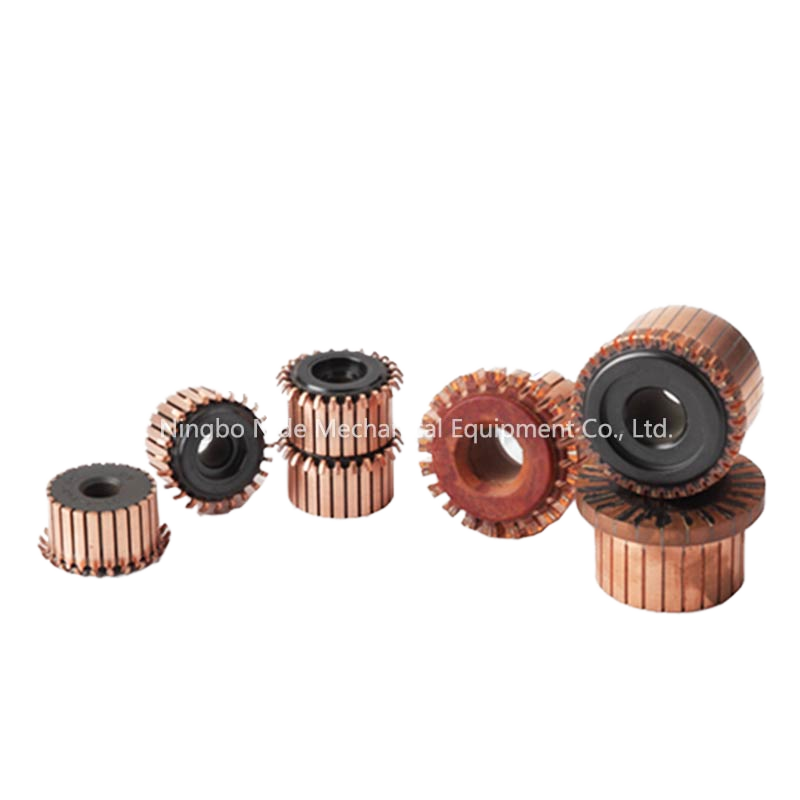
- High-grade silver-copper segment profiles
- Thermal class H/C dielectric resin isolation

- Integrated glue dispensing & optical detection
- Anti-demagnetization protective tooling
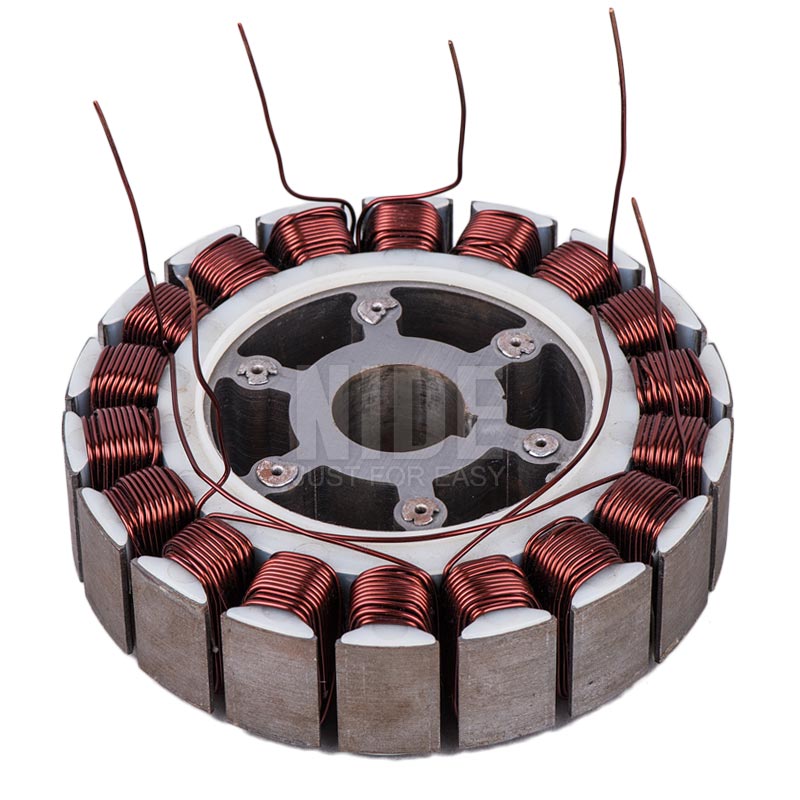
- Outer-rotor needle winding nozzle precision
- Multi-strand parallel copper wire handling
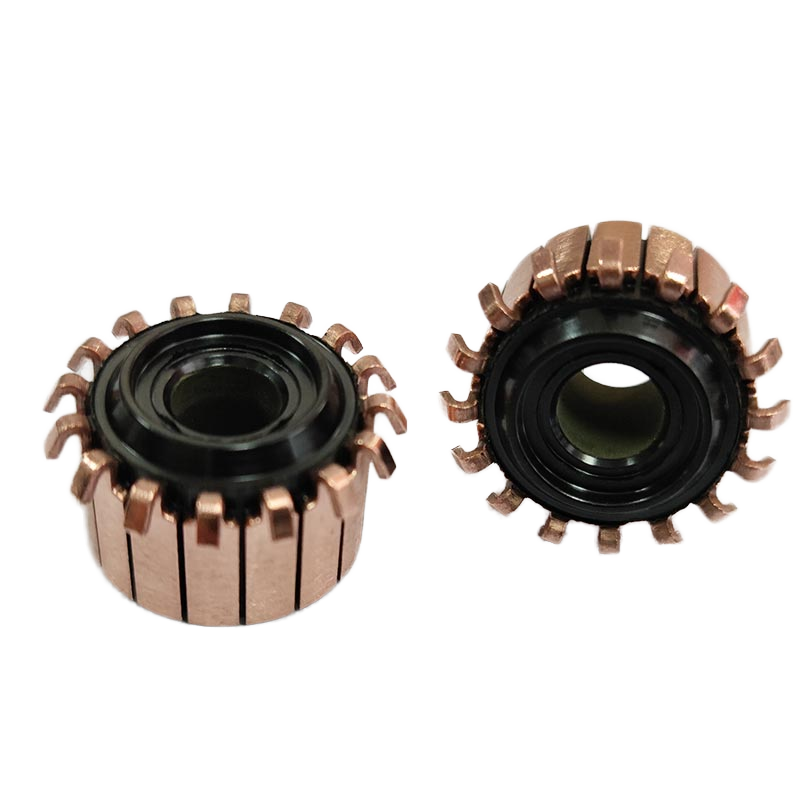
- 0.003mm bar-to-bar runout tolerance
- High electrical conductivity oxygen-free copper
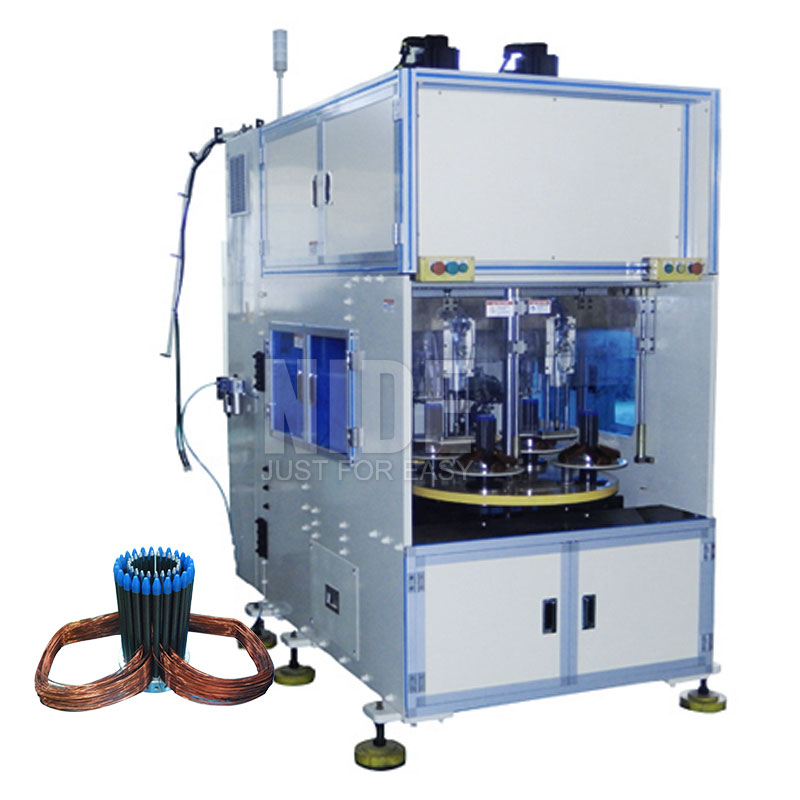
- Continuous automatic transfer tooling
- Closed-loop electronic tension monitoring
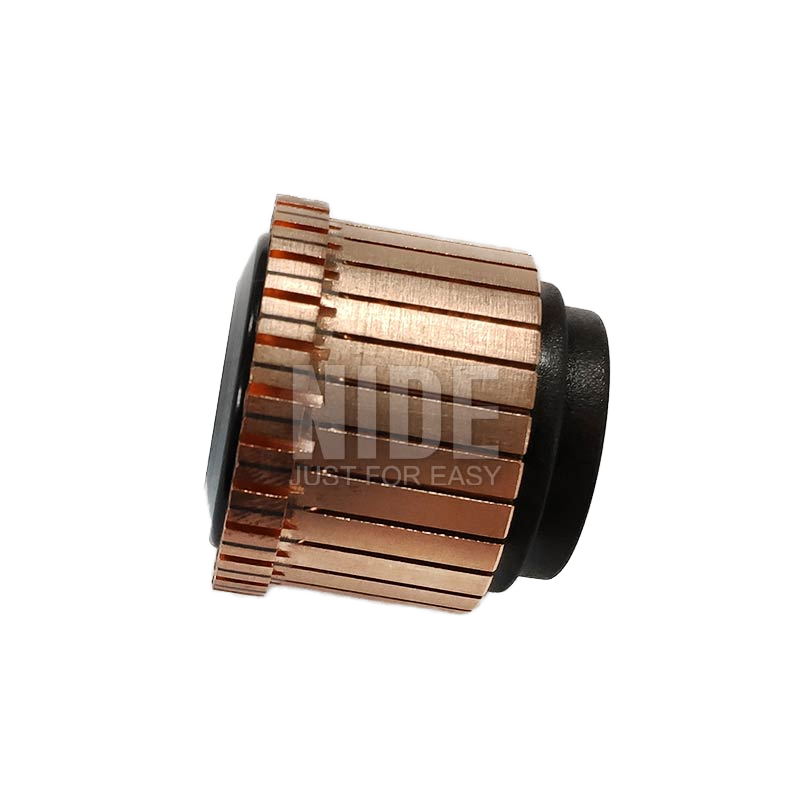
- Rigid natural mica undercut formulation
- High-speed centrifugal overspeed tested
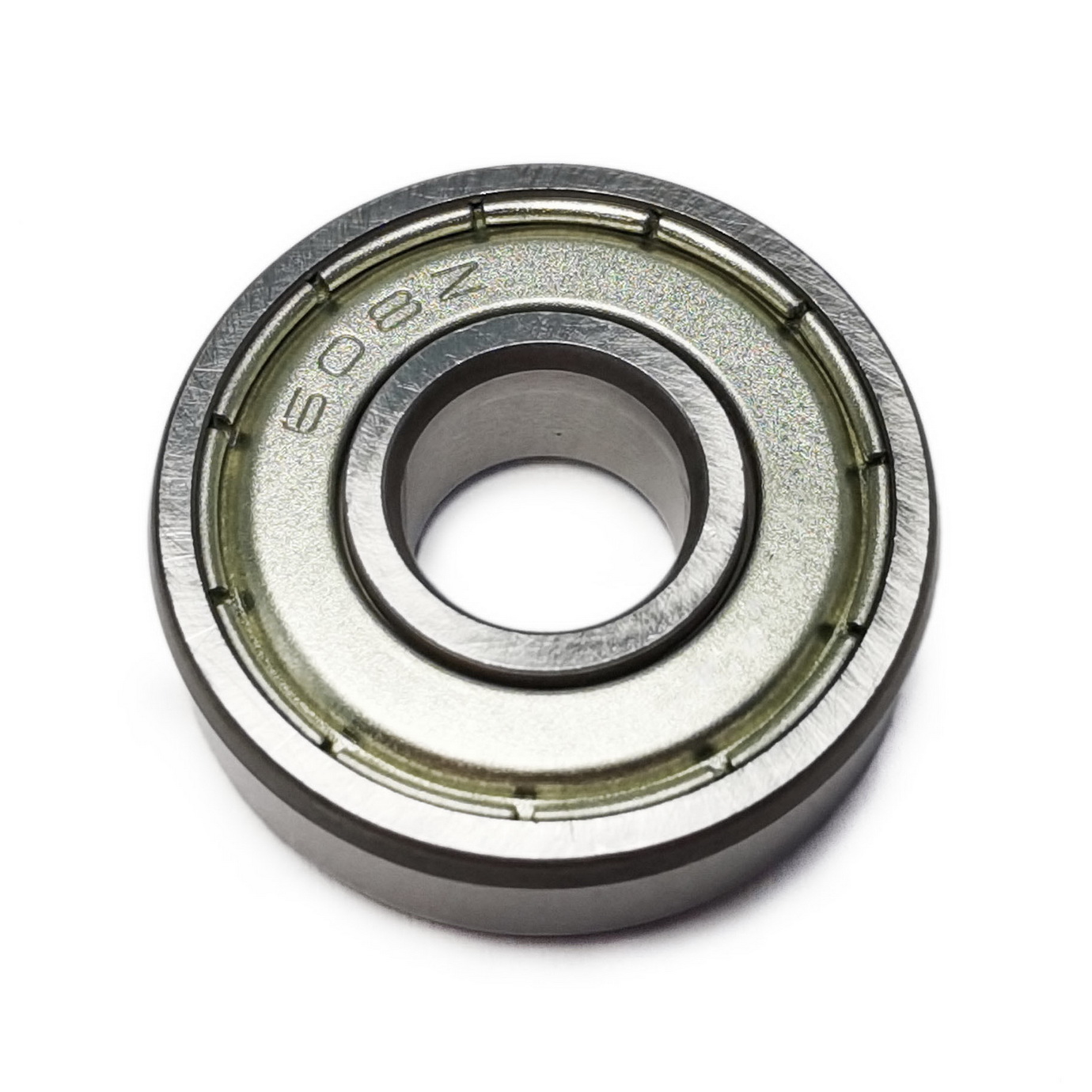
- ABEC-5 / P5 low-vibration acoustic grading
- Long-life synthetic high-RPM lubrication
Engineering Evolution of Electric Motor Manufacturing: From Semi-Automation to Cyber-Physical Lines
The global electric motor manufacturing ecosystem is undergoing an unprecedented paradigm shift driven by stringent industrial efficiency directives (such as IEC 60034-30-1 IE4 and IE5 super-premium standards) and the exponential expansion of automotive traction powertrains. In legacy manufacturing setups, stator insertion, coil winding, and rotor finishing operations exhibited substantial process variances due to manual interventions, non-uniform enamelled wire tension, and thermal distortion during intermediate curing cycles.
Modern automated electric motor assembly lines engineered in China have redefined throughput benchmarks through the architectural integration of multi-axis CNC servo axes, direct-drive flyers, and real-time optical closed-loop tension systems. The fundamental objective of contemporary motor line engineering is not merely substituting manual labor, but dramatically elevating the slot-fill factor (ηs) above 78% while guaranteeing absolute insulation safety during mechanical insertion.
| Production Process Station | Traditional Production Standard | Next-Gen Automated Line Architecture | Technical Impact on Motor Efficiency |
|---|---|---|---|
| Slot Insulation Inserting | Cold mechanical guillotine, fixed dies (±0.3mm) | Servo-driven dual-end wedge feeding, hot-forming (±0.05mm) | Eliminates micro-tears in DMD/Nomex; prevents corona failure |
| Stator Coil Winding | Mechanical cam-driven flyers, fluctuating tension | Multi-axis direct-drive servo flyers with closed-loop PID tension | Uniform turn-to-turn resistance balance, zero enamel cracking |
| Simultaneous Coil & Wedge Insertion | Hydraulic ram insertion with manual guide-blades | Dual-servo pushing bars synchronized with multi-blade tooling | Enables slot-fill ratios >75%; zero copper wire crossing defects |
| Intermediate & Final Forming | External manual hydraulic pressing blocks | Internal segmented expanding mandrel with 3D pneumatic jaws | Ensures compact end-turn envelopes for tight motor housing fit |
| Commutator Hook Fusing (DC Lines) | AC transformer spot welding without feedback | Inverter DC / Medium-Frequency servo resistance fusing | 100% molecular bonding; zero thermal embrittlement of copper |
| Inline Quality Testing (EOL) | Offline manual sampling on batch bench | 100% automated inline hipot, surge (0.1µs rise), resistance, partial discharge | Zero-defect escape rate; full traceability per motor serial ID |
By enforcing precise kinematic coordination between the wire pay-off de-reeler and the traversing flyer nozzles, modern lines mitigate the strain hardening effect in pure copper conductors. In high-frequency inverter-fed motors, eliminating micro-scratches on polyimide-imide (AIW) wire enamelling is crucial to preventing inter-turn short circuits provoked by dv/dt surge reflections from SiC/GaN power electronic drives.
Future Procurement Trends in Electric Motor Production Lines
Procurement directors and factory modernization teams must navigate shifting technical requirements. Global motor OEMs are transitioning capital expenditure toward agile, data-driven, and high-efficiency manufacturing technologies.
1. Modular Quick-Changeover Tooling Architecture
Global suppliers are moving away from dedicated mono-product lines. Procurement teams prioritize modular winding and inserting cells equipped with pneumatic zero-point clamping systems and RFID-tagged recipe tooling, allowing line retooling between different lamination stack heights and frame sizes (e.g., 63 to 132 frame) in under 15 minutes.
2. End-to-End Turnkey Traceability (Industry 4.0)
Tier-1 automotive and HVAC manufacturers require full integration with Manufacturing Execution Systems (MES) via OPC-UA/MQTT protocols. Every single process station—including insertion pressure, fusing peak current, flyer tension profiles, and dynamic balancing vectors—must be logged against the individual armature or stator 2D DataMatrix code.
3. Transition to BLDC, PMSM & Hairpin Methodologies
Sourcing strategies show a 45% annual capital migration toward outer-rotor BLDC wheel motor winders and rectangular copper wire (Hairpin) stator lines. Needle winding architectures with CNC controlled 4-axis multi-strand positioning are replacing manual insertion for appliances, personal mobility, and e-bikes to maximize magnetic flux densities.
Key Development Trends Reshaping Motor Manufacturing Machinery
Continuous technological innovations are enabling higher slot fill factors, lower electromagnetic losses, and unprecedented assembly reliability for the global electric drive industry.
Direct-Drive Needle Winding
Eliminating mechanical gearbox backlash via direct-drive linear torque motors enables flyer speeds of over 3,000 RPM while maintaining precise wire guide nozzle positioning down to ±0.01mm for high-pole-count stators.
AI Optical In-Line Inspection
Machine vision algorithms integrated directly into the winding and inserting stations inspect wire crossover patterns, slot wedge positioning, and commutator fusing geometry in real-time, instantly rejecting out-of-spec stators.
Clean-Room Vacuum Magnet Insertion
Automated rotor cells employ robotic SCARA manipulators with multi-cavity vacuum fixtures to insert sintered NdFeB permanent magnets into rotor lamination slots, accompanied by anaerobic adhesive dispensing and induction curing.
Ultra-Compact Energy Footprint
Implementing regenerative servo drives across flyer braking phases recovers kinetic deceleration energy, reducing overall production plant electrical consumption by up to 28% while minimizing heat dissipation in air-conditioned cleanrooms.
Why International Motor Manufacturers Partner With Our Ningbo Facility
With an operational legacy dating back to 2010, our engineering headquarters in Beilun District, Ningbo, delivers dependable turnkey systems backed by certified quality management and comprehensive application testing.
30,000+ m² Modern Facility
Operates state-of-the-art CNC machining centers, horizontal grinding suites, and dedicated clean assembly bays staffed by 101–200 specialized automation technicians and mechanical design engineers.
Customer-Part Trial Runs (FAT)
We do not ship untested machines. Every customized production line undergoes rigorous Factory Acceptance Testing using the client's actual laminations, copper wire, and insulation paper before dispatch.
Complete Turnkey Ecosystem
Beyond machinery, we supply the complete component ecosystem—including silver-copper commutators, deep groove ball bearings (608ZZ, 6204), carbon brushes, and insulation papers for single-source accountability.
Global Engineering Support
Exported across 50+ countries in Southeast Asia, Europe, South America, and the Middle East with on-site commissioning, English HMI interfaces, remote VPN diagnostic gateways, and lifetime tooling support.
Frequently Asked Questions on Motor Line Procurement
Clear, definitive technical answers addressing key commercial and engineering criteria when evaluating Chinese motor production line suppliers.
What specific engineering parameters are required to quote a turnkey motor production line?
To deliver an accurate technical proposal and cycle-time study, our design team requires: (1) 2D/3D CAD drawings of the rotor/stator lamination stack including slot dimensions, outer diameter, bore diameter, and stack height range; (2) Enamelled wire specifications (grade, bare copper diameter, single or multi-strand count); (3) Winding configuration diagram (turn count per slot, winding pitch, connection scheme, hook fusing or terminal welding layout); (4) Desired annual output or target cycle time per piece (takt time); and (5) Insulation material specifications (DMD, NMN, Nomex thickness).
How does your equipment prevent enamelled wire insulation scratching during coil insertion?
Our stator coil and wedge insertion machines utilize high-hardness tungsten carbide (or polished SKD11 vacuum-heat-treated) push blades with mirror-finish surface roughness below Ra 0.2μm. The copper coils and slot wedges are pushed synchronously through segmented guide blades that maintain precise clearance within the stator tooth tips. Furthermore, the pushing speed is programmed with multi-stage servo velocity profiles—slowing during the critical entry phase and ramping smoothly—to eliminate wire pinching and corona-inducing micro-abrasions.
Can a single automated production line accommodate multiple motor models?
Yes. Our semi-automatic cells and fully automatic flexible transfer lines are engineered for multi-model adaptability. Stator stack heights within a 50mm range are adjusted directly via servo parameters on the industrial touchscreen HMI. For different outer diameters or slot counts, our quick-change modular tooling pallets can be exchanged within 15 to 30 minutes without requiring complete line re-alignment, providing substantial Capex savings for contract manufacturers managing diverse production runs.
What is the standard procedure for overseas Factory Acceptance Testing (FAT) and warranty?
Prior to shipment, we invite buyers or third-party inspection agencies (SGS, TÜV, Bureau Veritas) to our Ningbo facility for a formal FAT protocol. We execute continuous pilot batches using your provided materials to confirm takt time, dimensional tolerances, surge voltage resistance, and insulation hipot limits. We provide high-definition multi-angle video logs and complete Cpk data sheets for remote FAT approval. All machinery includes a comprehensive 1-year warranty on core components (PLC, servo motors, ball screws) and lifetime online technical support.
What commercial trade terms and payment structures do you support for international projects?
We routinely support international trade under Incoterms 2020 rules, including FOB Ningbo/Shanghai, CFR, and CIF to all major destination seaports. Standard commercial payment structures involve an initial deposit upon project engineering sign-off, a progress payment upon mechanical assembly completion, and the balance settled following successful FAT trial validation prior to export crate packing. We accept T/T, confirmed Irrevocable Letters of Credit (L/C at sight), and transaction processing via trusted trade assurance channels.
