Industrial Catalog
Featured Automated Motor Manufacturing Equipment & Precision Components
Engineered for high slot fill rates, cycle repeatability, and minimal mechanical intervention across micro-motors, heavy power tools, household appliances, and EV mobility platforms.

Comprehensive Strategic Whitepaper: The Evolution of Industrial Motor Manufacturing & Turnkey Automation
The global electric motor manufacturing sector is navigating an unprecedented structural transition driven by stringent efficiency mandates (such as IEC 60034-30-1 IE4 and IE5 super-premium efficiency benchmarks), rapid automotive electrification, and micro-mobility expansion. As precision mechanical requirements tighten, conventional manual and semi-manual winding methodologies are rapidly becoming obsolete. Ningbo Nakro Intelligent Equipment Co., Ltd. (Nakro / NIDE ecosystem) stands at the forefront of China's automated motor manufacturing sector, delivering high-throughput turnkey lines, needle and flyer winders, stator coil inserting cells, and critical high-wear rotating components to clients across North America, Europe, Southeast Asia, South America, and the Middle East.
"Modern motor assembly optimization requires moving beyond isolated equipment units. It demands a holistic convergence of high slot fill geometry, tension-controlled flyer mechanics, automated lead fusing, dynamic balancing, and inline dielectric verification operating within a synchronized, closed-loop PLC architecture."
Enterprise Engineering Advantages: Ningbo Nakro Intelligent Equipment
Established in 2010 in the industrial engineering hub of Ningbo, Zhejiang, Nakro operates over 30,000 square meters of state-of-the-art production floor, supported by an interdisciplinary team of mechanical tooling engineers, automation specialists, and quality management auditors. Our engineering framework is founded upon four distinct competitive pillars:
Full-Process Turnkey Delivery
We do not merely supply stand-alone machinery. From raw core lamination stacking, slot paper insulation insertion, flyer/needle winding, commutator hook hot-stacking welding (fusing), trickle varnishing, to end-of-line electrical hipot/surge verification, we engineer harmonized turnkey production cells tailored specifically to your lamination stack dimensions.
Integrated Component & Tooling Supply
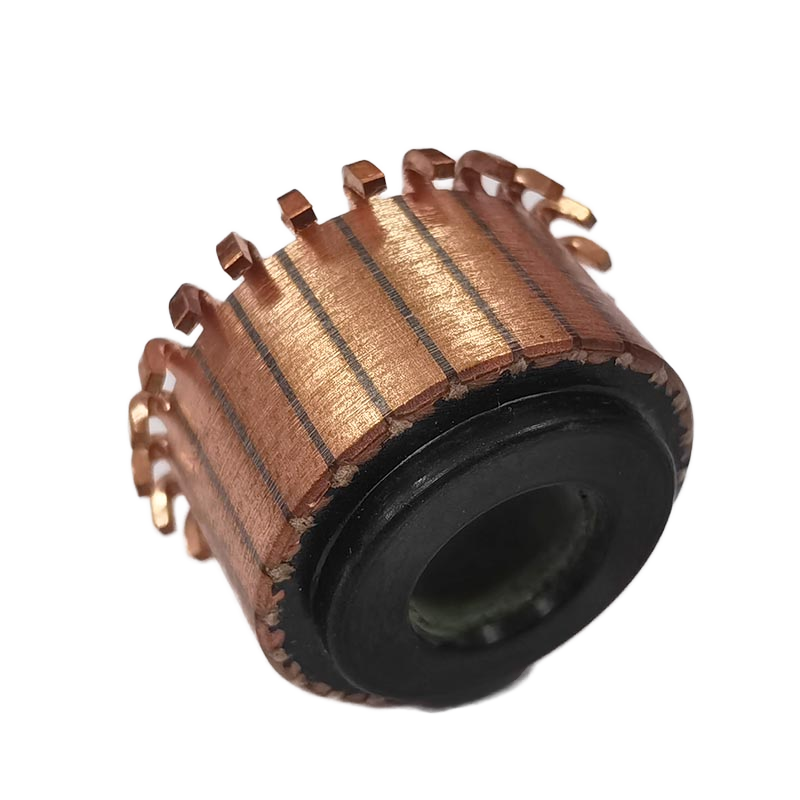
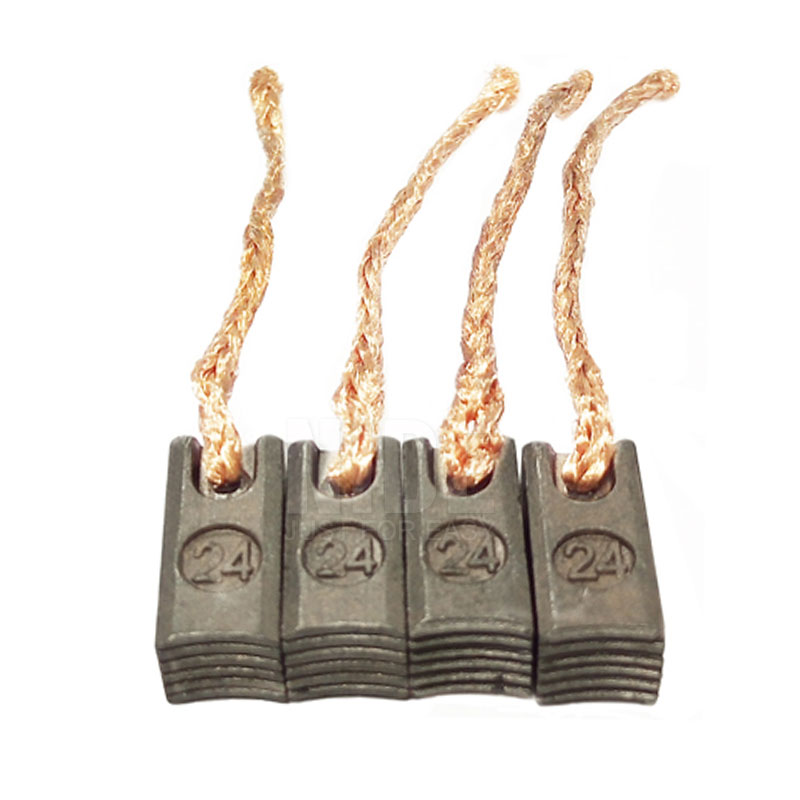
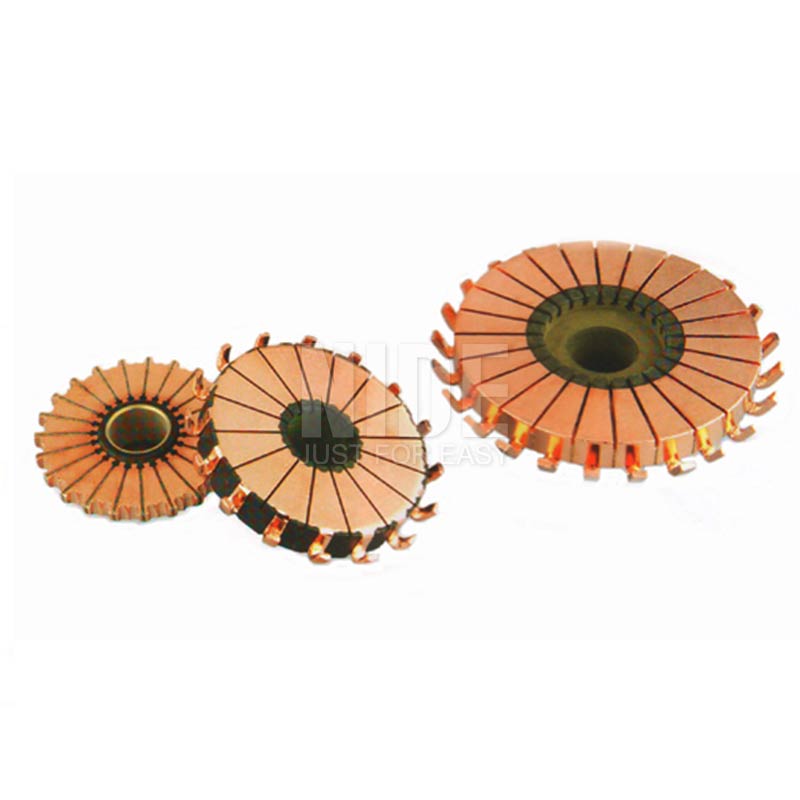
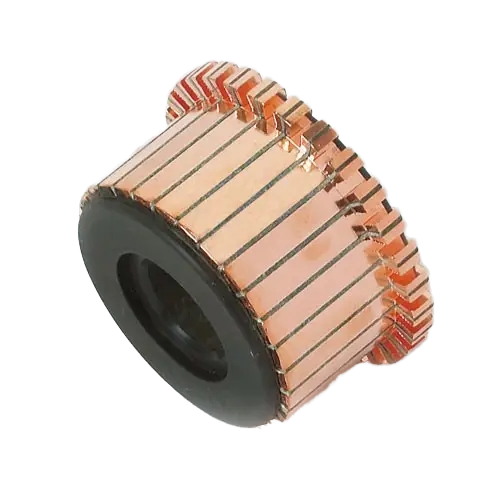
Unlike standard machinery integrators, we manufacture and supply matching precision motor components—including 24-segment hook-type commutators, planar commutators, silver-copper formulations, high-grade carbon brushes, bearings, and shafts. This ensures our machines and consumable components achieve 100% mechanical synergy.
Verified ISO 9001 & Factory FAT Protocol
Every piece of automation equipment undergoes a mandatory Factory Acceptance Test (FAT) running our client’s real production laminations and magnet wire. We provide comprehensive run-off video verification, precision runout telemetry, and insulation resistance reports prior to seaworthy crating and overseas dispatch.
Current Market Dynamics & Future Equipment Procurement Trends
International procurement directors evaluating automated motor assembly lines must navigate shifting operational headwinds. Over the next five to ten years, motor production line procurement will be dictated by four transformative technology trajectories:
1. Hairpin Flat Wire Technology
In electric vehicles and heavy traction motors, round enameled wire is being systematically replaced by continuous flat-wire hairpin technology. Flat wire elevates the copper slot fill factor from ~45% to upwards of 70%, drastically decreasing I²R thermal losses. Procurement teams must invest in specialized 3D CNC wire bending, precision slot paper insertion, mechanical twist forming, and laser 3D seam welding stations.
2. BLDC Outer-Rotor Multi-Axis Winding
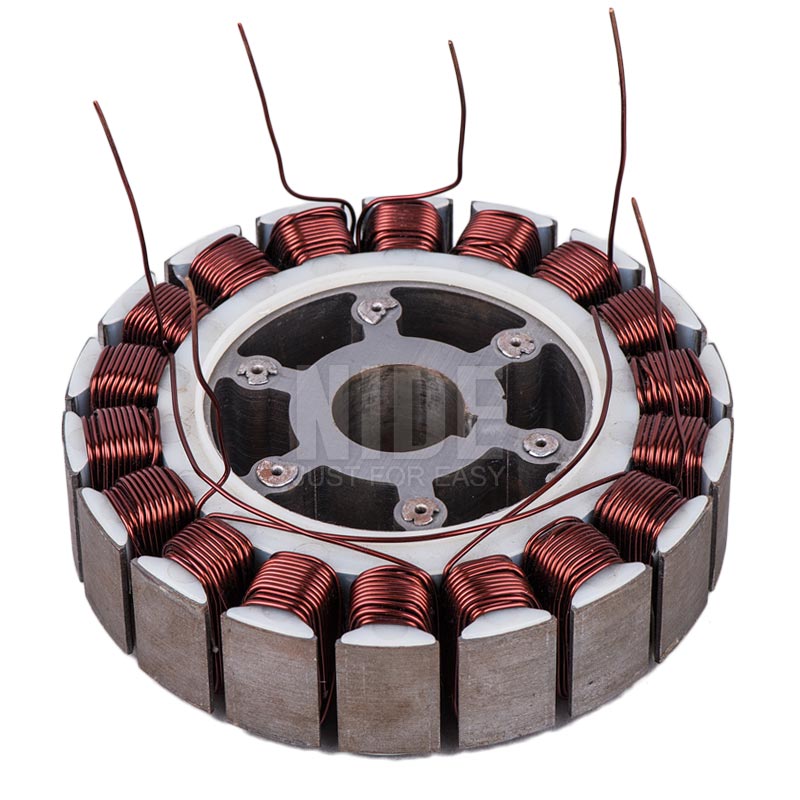
The skyrocketing demand for e-mobility platforms (e-bikes, electric motorcycles, cargo e-rickshaws) and premium domestic appliances has made multi-pole outer-rotor BLDC stators the dominant design. Modern procurement prioritizes synchronized multi-nozzle needle winding with dynamic electronic tensioners to avoid micro-fracturing of wire enamel during high-speed indexing.
3. OEE Data Integration & Industrial IoT
Factory floors are demanding deep industrial Ethernet connectivity (Profinet, EtherCAT, OPC-UA). Procurement managers prioritize automation controllers capable of streaming real-time torque, wire tension curves, commutator fusing thermal telemetry, and micro-balancing data directly into factory MES systems for complete zero-defect automotive traceability.
Engineering Comparison Matrix: Assembly Cell Automation Archetypes
Selecting the optimal equipment configuration requires balancing production volume, flexibility, tooling changeover downtime, and capital expenditure. The table below presents an objective engineering evaluation of typical automated motor production line layouts:
| Assembly Line Classification | Target Motor Architecture | Standard Cycle Time (Sec/Unit) | Automation Level & Core Stations | Tooling Changeover Time | Ideal Factory Scale |
|---|---|---|---|---|---|
| Armature Rotor Assembly Cell | Universal motors, Power tools, DC Starter motors | 12 - 22 s | Full Auto: Shaft press, Paper insertion, Double-flyer winding, Hook fusing, Dynamic balance | 30 - 45 Minutes | High-volume OEMs (1M+ units/year) |
| Induction Stator Inserting Line | Single/Three-phase HVAC, Industrial water pumps | 25 - 45 s | Semi to Full Auto: Coil winding, Simultaneous coil & wedge inserting, Intermediate/Final forming | 40 - 60 Minutes | Mid-to-High Volume (200k - 800k units) |
| BLDC Wheel Hub Motor Line | E-bikes, Electric Scooters, Rickshaws | 35 - 55 s | Hybrid Modular: Multi-tooth needle winding, Lead soldering, Magnet rotor inserting, Final closing | 20 - 30 Minutes | Agile EV Suppliers (100k - 500k units) |
| EV Hairpin Stator Turnkey Cell | Automotive Electric Traction Drives (PMSM) | 60 - 90 s | Robotic Automated: Paper cell liner, 2D/3D Pin forming, Basket insertion, Crown twisting, Laser welding | Flexible Recipe-Driven | Tier-1 Automotive Contractors |
Crucial Factory Acceptance Testing (FAT) & Overseas Commissioning Protocols
For overseas purchasers in India, Turkey, Mexico, Brazil, Germany, and the United States, acquiring capital machinery from China requires transparent risk mitigation frameworks. Nakro has refined its international project workflow into five structured checkpoints:
1. Technical Drawing & Slot Geometry Audit: Prior to steel fabrication, our R&D team performs comprehensive mechanical fit simulations using client 2D/3D CAD drawings (DXF/STEP) of laminations, commutator hooks, and copper wire gauge schedules. Tooling clearances are optimized to prevent scratching wire insulation.
2. Tooling Machining on 5-Axis CNC Centers: Precision wear parts—such as winding flyers, inserting blades, wedge pushers, and indexing collets—are machined from hardened Cr12MoV tool steel and tungsten alloys, followed by vacuum heat treatment and mirror polishing to guarantee long operating lifecycles under continuous duty.
3. Comprehensive In-House Dry & Wet Runs: The completed automation equipment is subjected to a 72-hour continuous test cycle in our Ningbo workshops. Customers provide sample lamination stacks, commutators, and magnet wire for live verification. Real-time video audits, cycle-time telemetry, and micro-ohm resistance consistency measurements are captured for customer sign-off.
4. Seaworthy Anti-Corrosion Crating: Heavy industrial machinery intended for sea freight is coated with heavy-duty anti-rust oil, heat-sealed inside vacuum aluminum-foil barrier bags containing industrial desiccant, and bolted inside fumigated solid-timber shipping crates to prevent humidity damage during international maritime transit.
5. Global On-Site Commissioning & Remote IoT Diagnostics: Our field engineers deploy worldwide to supervise physical uncrating, line alignment, electrical tie-ins, and local operator maintenance training. Furthermore, every machine is equipped with secure remote industrial VPN gateways, enabling Nakro programming engineers to perform remote PLC logic diagnosis and recipe updates within hours.
Buyer Procurement Guide
Frequently Asked Questions on Automated Motor Assembly Equipment
Essential considerations regarding production capacity, customization parameters, international logistics, and after-sales field support.
What specific electric motor types can be manufactured on Nakro automated lines?
Our automated manufacturing systems and stand-alone machinery support five core industrial motor topologies: (1) DC Armature Rotors for power tools, vacuum cleaners, and automotive starter motors; (2) Three-Phase and Single-Phase AC Induction Motor stators for water pumps, compressors, and ventilation fans; (3) Brushless DC (BLDC) and Permanent Magnet Synchronous Motors (PMSM) using inner or outer-rotor architectures; (4) Outer-Rotor Wheel Hub Motors for electric bicycles, electric motorcycles, and commercial cargo rickshaws; and (5) Automotive Alternator & Generator stators.
Can Nakro supply an end-to-end turnkey assembly line instead of separate machines?
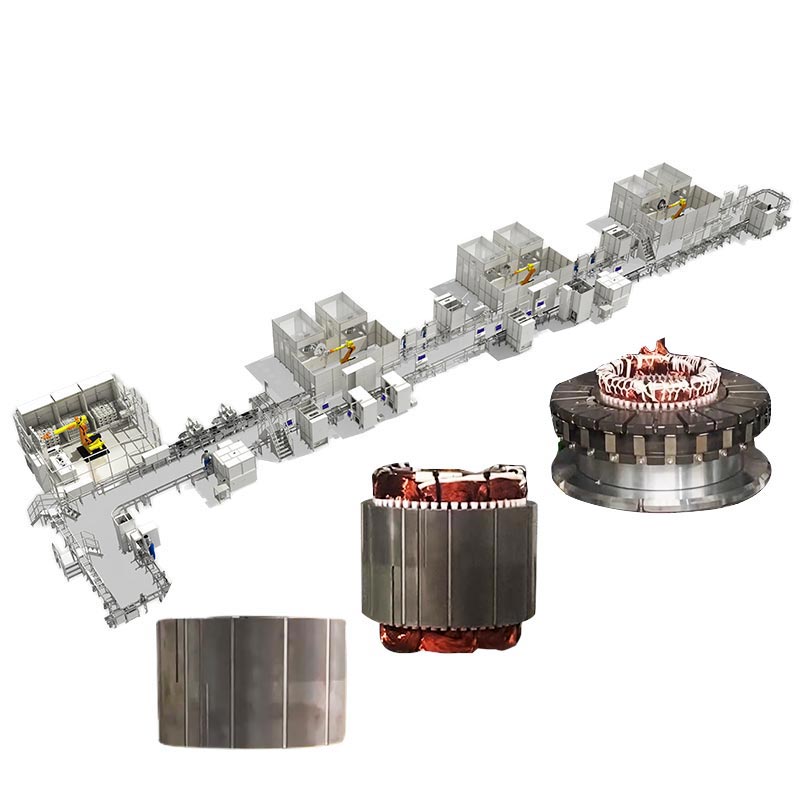
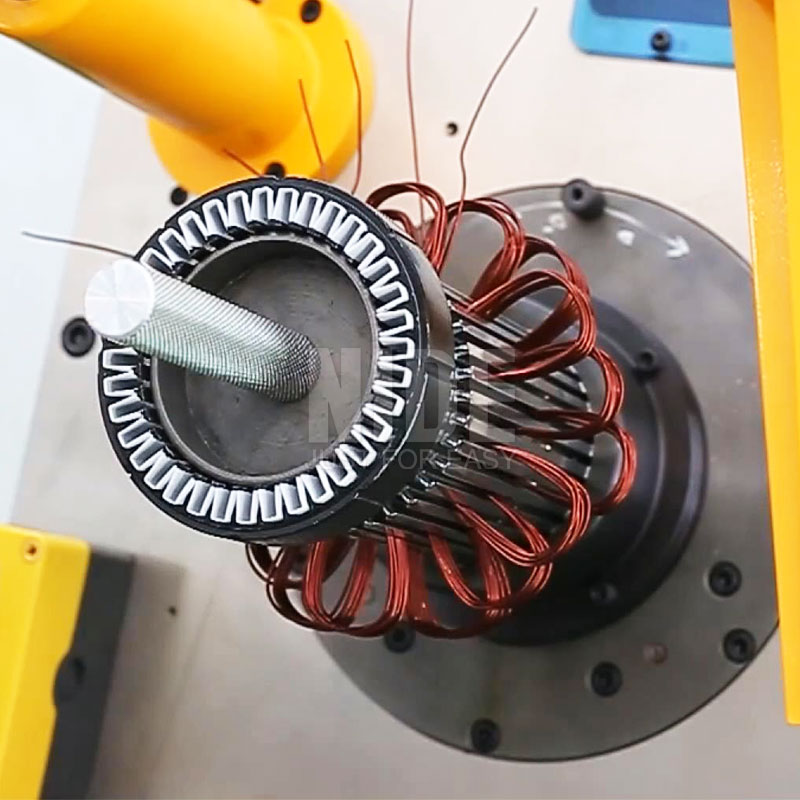
Yes. We engineer complete turnkey manufacturing lines tailored to specific annual volume targets. For an armature line, this includes stack press-fitting, commutator positioning, slot insulation paper insertion, multi-axis flyer winding, hook fusing/welding, dynamic balancing, and final automated dielectric surge/hipot testing. For stators, we link paper insertion, coil winding, simultaneous coil/wedge insertion, hydraulic pre-forming, lacing, final forming, and electrical testing via centralized conveyors and synchronized PLC control.
How do you handle machine customization for non-standard motor drawings?
Every motor stator and rotor possesses unique slot openings, stack heights, stack outer diameters, and wire diameter configurations. Our R&D engineering department custom-engineers the winding nozzles, inserting blades, wedge transfer tooling, and indexing fixtures directly around your supplied engineering drawings. We offer comprehensive OEM/ODM engineering design services and custom buyer labeling across all systems.
How is machine stability and precision verified prior to export dispatch?
Under our strict ISO 9001 quality management workflow, each unit undergoes a rigorous Factory Acceptance Test (FAT). We load customer-supplied production laminations, commutators, and copper wire into the machinery and execute multi-hour live production trials. We document slot fill consistency, cycle-time telemetry, thermal rise, and electrical hipot/surge safety margins. Overseas buyers can attend live acceptance testing at our Ningbo facility or approve via comprehensive video and sample shipment verifications.
What after-sales service and spare parts availability do you provide globally?
With more than 14 years of dedicated export experience, Nakro maintains trusted international service partner arrangements and provides rapid on-site commissioning, electrical startup, and operator training worldwide. For urgent operational queries, our automation controls team provides remote online PLC diagnostics via secure IoT gateways. In addition, critical consumable spare parts—such as winding flyers, inserting guides, carbon brushes, and commutators—are stocked for express international courier delivery.
What are your standard international commercial trade and payment terms?
We support standard international commercial terms, including FOB Ningbo/Shanghai, CFR, and CIF to any primary global destination port. Accepted payment methods include Telegraphic Transfer (T/T) and confirmed, irrevocable Letters of Credit (L/C) at sight. We transact seamlessly in USD, EUR, and CNY currencies to accommodate international institutional procurement procedures.
Ready to Automate Your Electric Motor Production Line?
Submit your stator/rotor dimensional drawings, target daily output, and current bottleneck challenges. Our senior automation engineering group will provide a tailored line layout, cycle-time budget, and direct equipment proposal within 24 hours.
