Top 10 Electric Motor Assembly Line Factories & Exporters

A Comprehensive Engineering & Strategic Sourcing Guide to Automated Armature Lines, Stator Insertion Systems, BLDC Architecture, and Precision Components

ISO 9001 Quality Audited Facilities
50+ Countries Export Network Footprint
30,000+ m² Advanced Manufacturing Base
13+ Years Industrial Automation Export

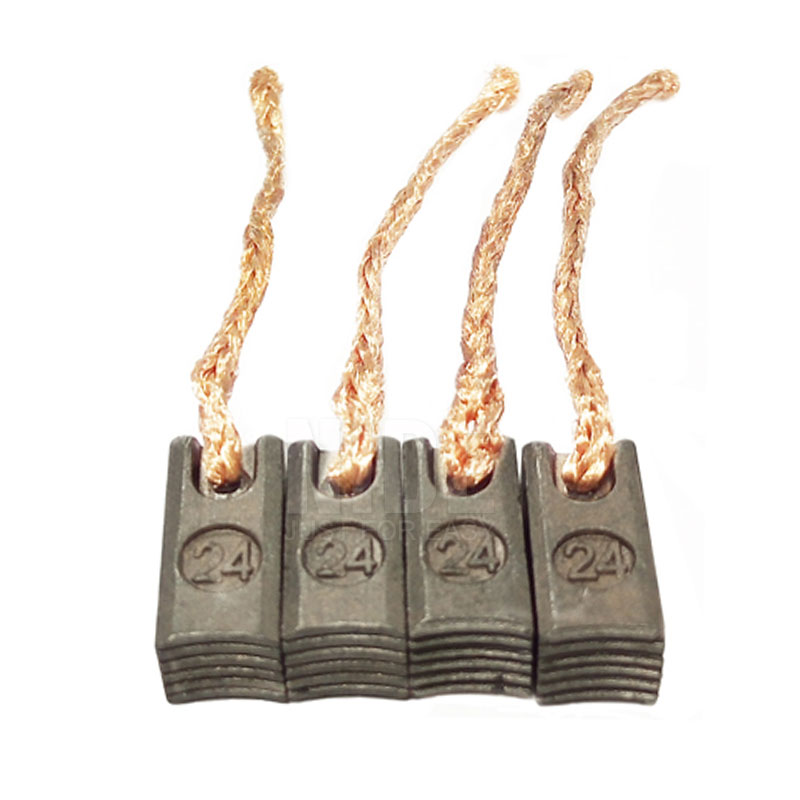
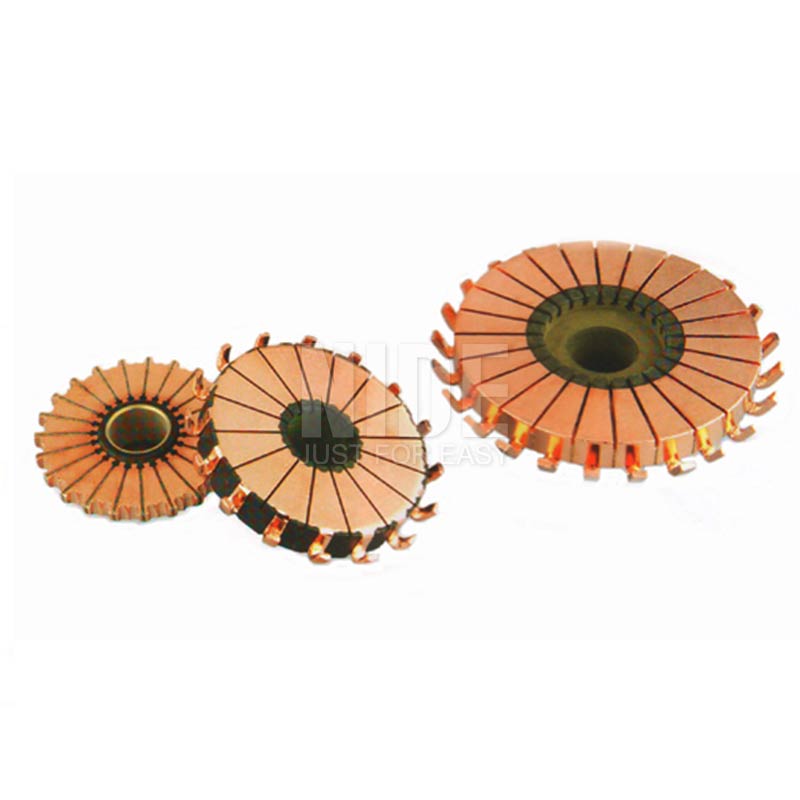
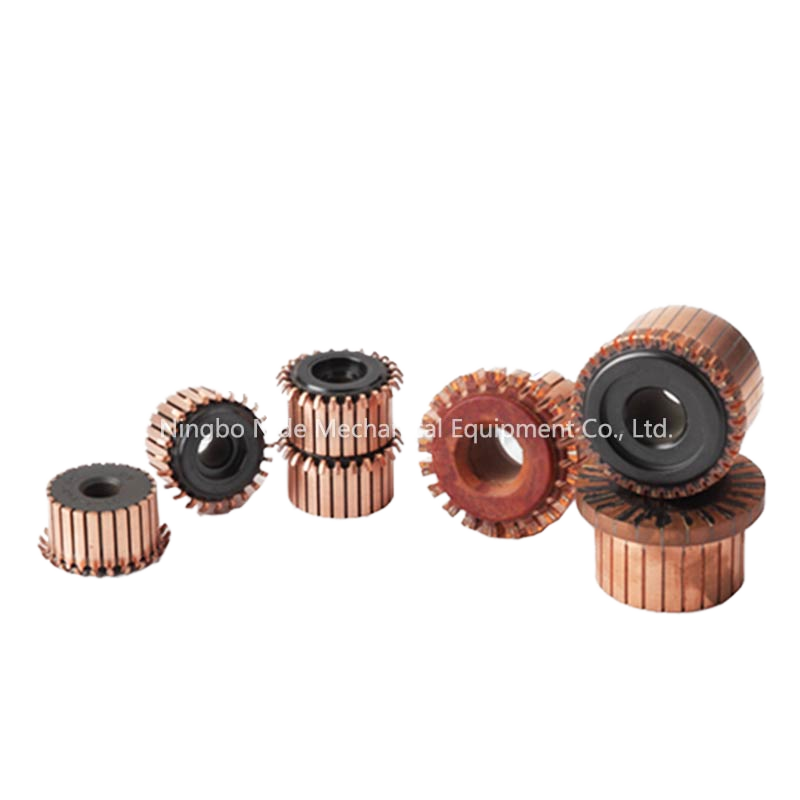
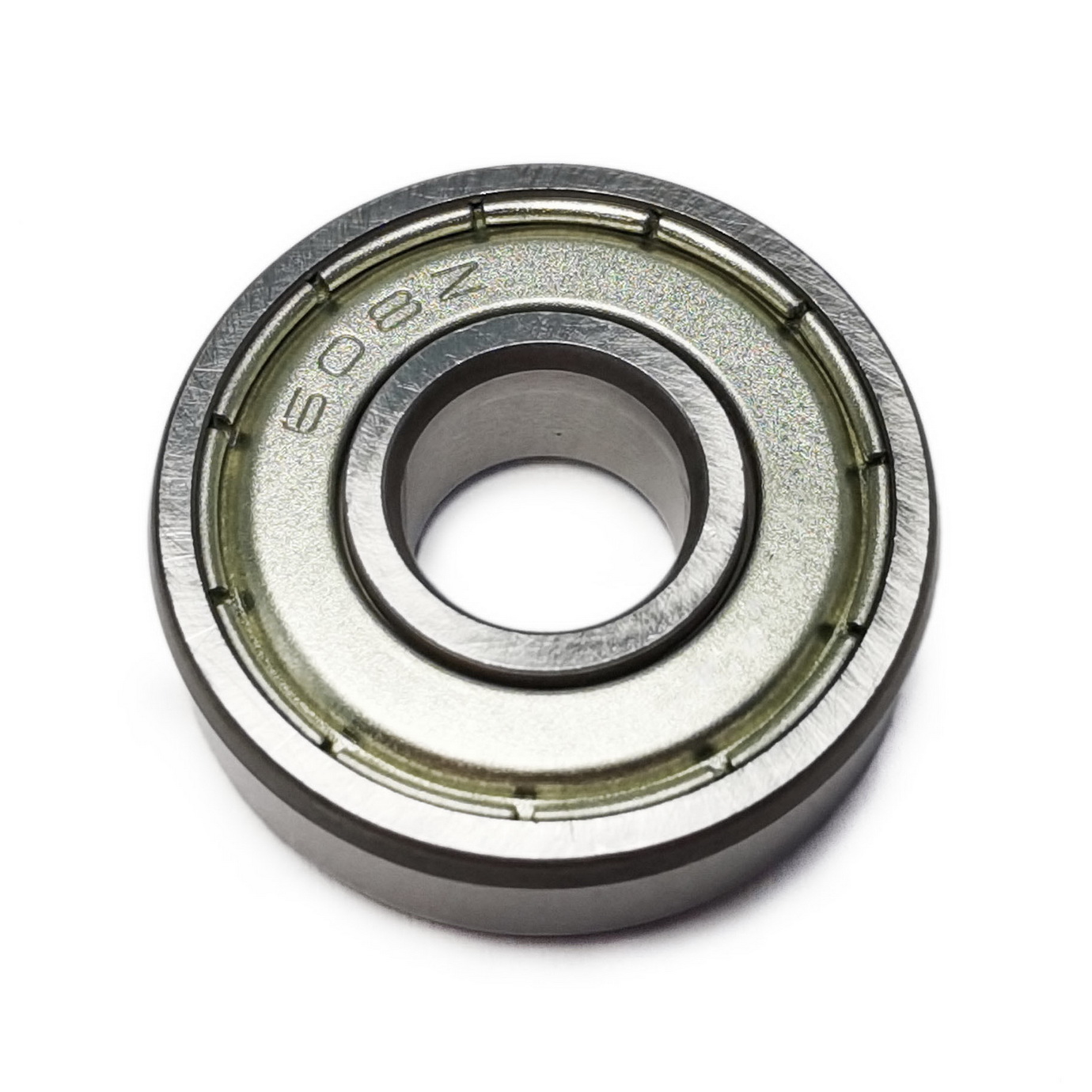
Featured Machinery & Critical Drivetrain Components

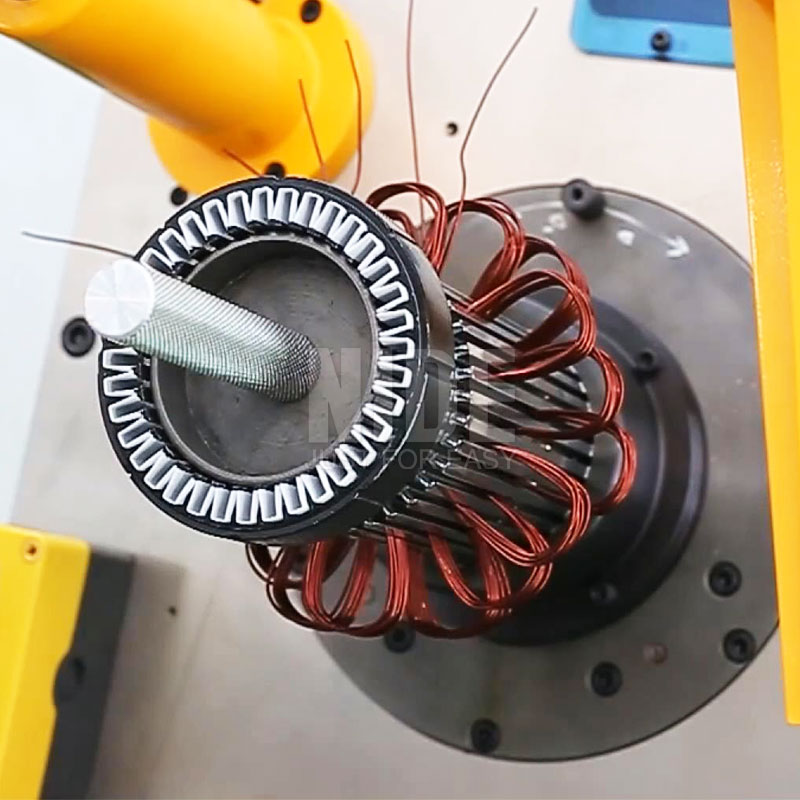
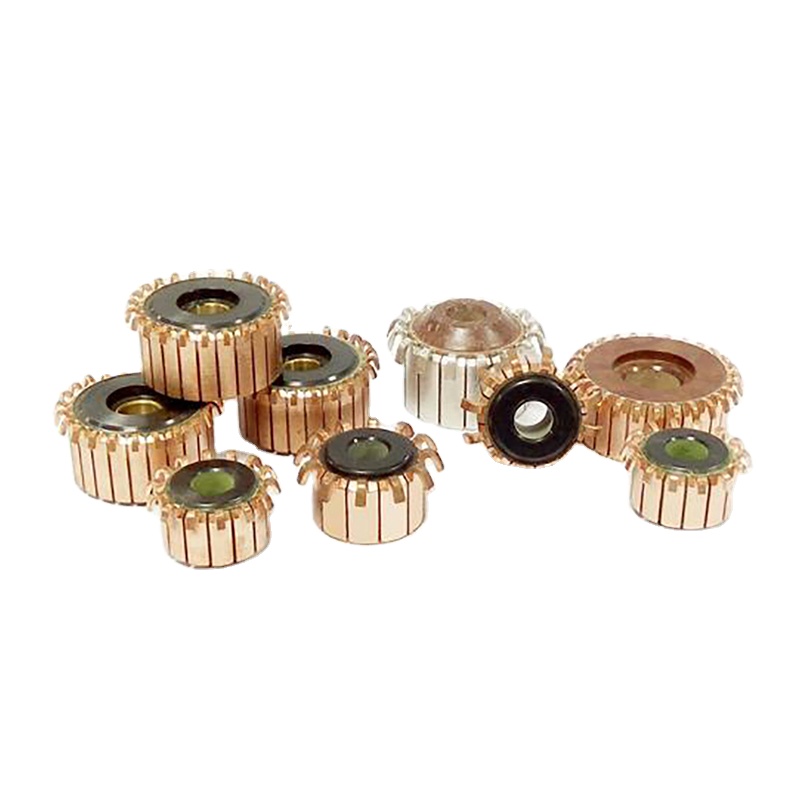
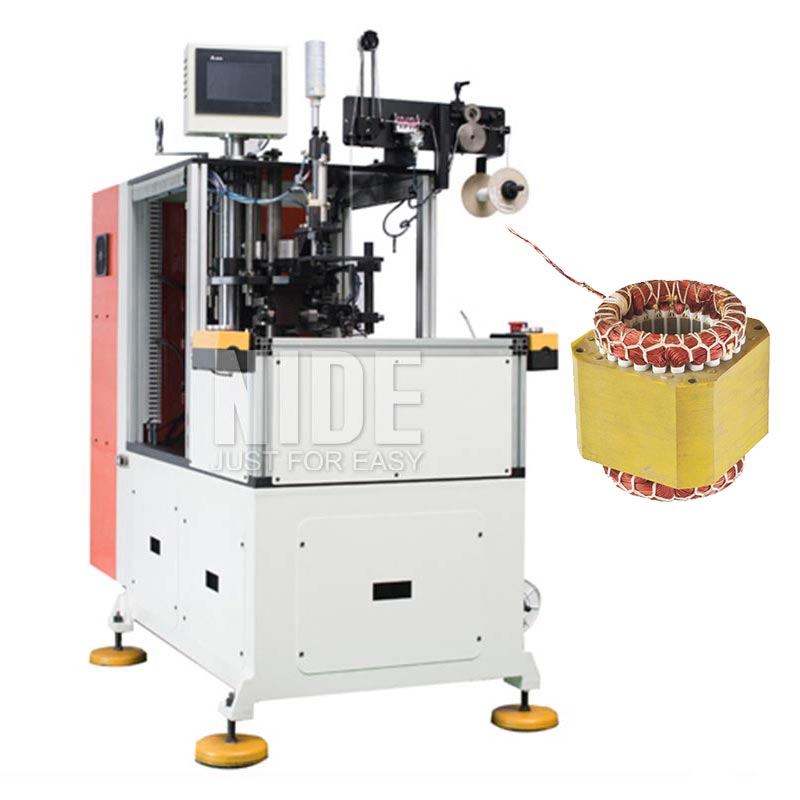
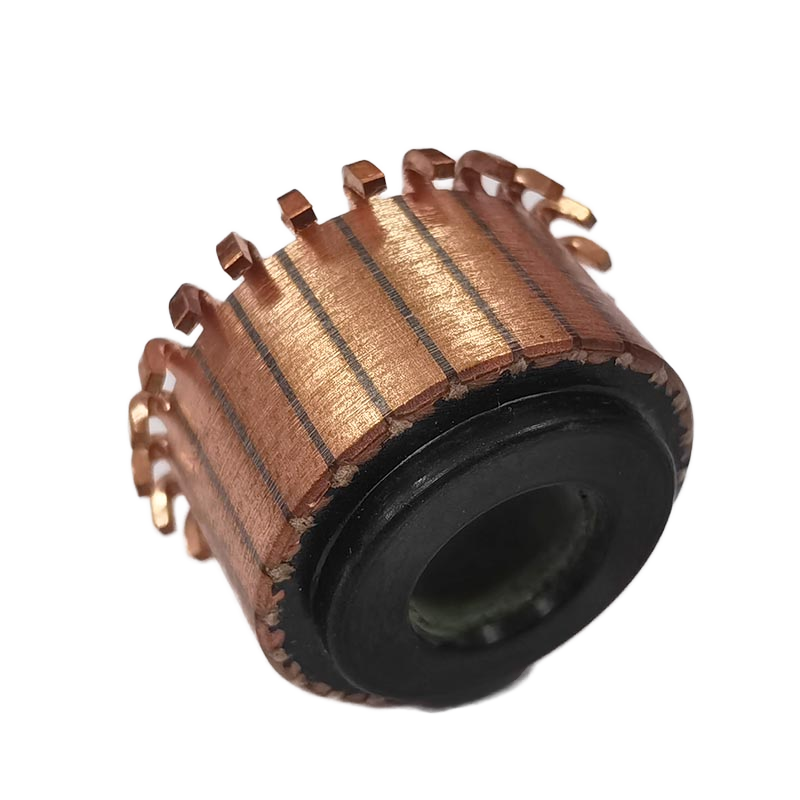
Precision tooling, multi-axis insertion robotics, dynamic balancing stations, and OEM core components configured for Tier-1 electric motor manufacturing.

Strategic Evaluation: Top 10 Electric Motor Assembly Line Factories & Exporters

The global transition toward electromobility, industrial automation, and energy-efficient building systems has placed intense demand on electric motor manufacturing lines. Selecting an assembly line equipment vendor is no longer a simple transactional purchase—it is a critical CAPEX decision that determines your factory's production yield, cycle time flexibility, and total cost of ownership (TCO) for the next decade.

Whether producing BLDC outrunners for light electric mobility, hair-pin stators for automotive drivetrains, or universal motor armatures for heavy-duty power tools, top-tier motor manufacturers rely on equipment partners who combine machine building with deep metallurgical and electrical process knowledge.

Comparative Sourcing Matrix: Leading Assembly Line Suppliers

The following technical benchmark evaluates the structural capabilities of the world’s top manufacturing exporters across operational speed, motor compatibility, and inline process verification.

Manufacturer Tier Primary Technical Specialization Cycle Time (Avg) Automation Grade Tooling Changeover Window
Ningbo Nakro Intelligent Equipment Turnkey BLDC, Hub Motor, Stator Coil Inserting, Complete Lines 12 – 28 sec/unit Semi to Fully Automatic Cells < 35 Minutes (Modular Tooling)
Tier-1 Western European OEMs High-Volume EV Hairpin Stator Laser Welding Lines 6 – 14 sec/unit Full Lights-Out Architecture 4 – 8 Hours (Dedicated Batches)
Japanese Precision Tooling Makers Sub-fractional Micromotor Winding & Medical Rotor Assembly 8 – 18 sec/unit Micro-Robotic Automation 1 – 2 Hours
Emerging Regional Integrators Standard Single-Phase Induction & Universal Motor Cells 25 – 45 sec/unit Stand-Alone Manual/Semi-Auto 1 – 3 Hours

Procurement Trends Shaping Next-Generation Motor Production (2025–2030)

Procurement directors and manufacturing heads must align equipment specifications with several accelerating design trends:

  • Shift from Distributed to Concentrated Needle Winding: As brushless DC (BLDC) and Permanent Magnet Synchronous Motors (PMSM) replace traditional brushed configurations, demand has pivoted heavily toward high-speed multi-axis needle winders capable of high slot-fill factors without damaging insulation layers.
  • Integrated End-of-Line (EOL) Closed-Loop Testing: Modern export contracts mandate 100% inline electrical verification. Equipment must now integrate surge testing, DC resistance checks, Hi-Pot insulation diagnostics, and dynamic vibration analysis directly within the transport pallet cycle.
  • Turnkey Process Integration with Core Consumables: Leading manufacturers recognize that sourcing machines independently from precision components (commutators, bearings, balanced shafts) often leads to finger-pointing during line commissioning. Engineering single-source responsibility ensures that tooling, winding heads, and incoming components work in harmony from day one.

Engineering Roadmap: Evaluating Motor Assembly Line Architecture

A reliable motor production line balances cycle time with mechanical flexibility. Below are the six structural stages every manufacturing engineer should evaluate when reviewing supplier proposals:

1. Core Lamination Stack

Precision hydraulic or servo pressing of stator and armature laminations. Precise stack height and skew angle monitoring are crucial to avoid magnetic cogging.

2. Precision Insulation

Automated slot cell paper inserting, wedge fabrication, and end-cap overmolding that prevent phase-to-ground dielectric breakdown under high inverter frequencies.

3. Coil Winding & Insertion

High-tension flyer winding, automated needle winding, or synchronous coil/wedge insertion machines configured to optimize copper slot fill without scuffing.

4. Hot Staking & Fusing

Inverter-grade resistance welding or laser hot-staking of coil leads to commutator tangs, guaranteeing ultra-low micro-ohm electrical joints resistant to thermal cycling.

5. Trickle Trickling / Impregnation

Resin roll-dipping, trickle varnishing, or vacuum-pressure impregnation (VPI) curing lines that reinforce mechanical rigidity, maximize thermal dissipation, and prevent moisture ingress.

6. Dynamic Balancing & EOL

Automated dual-plane milling or additive balancing stations, followed by high-voltage surge, partial discharge, and no-load/full-load motor performance diagnostics.

Engineering Authority: Ningbo Nakro Intelligent Equipment

Founded in 2010 in Ningbo, Zhejiang, Nakro operates over 30,000 m² of advanced production facilities. We bridge the critical gap between heavy industrial machine design and component-level tribological engineering, supporting motor manufacturers across 50+ countries.

Turnkey Machine Responsibility

We eliminate subcontractor discrepancies by designing, programming, assembling, and testing complete automated motor assembly lines in-house.

Integrated Component Supply

Beyond capital equipment, we supply matched high-precision commutators, carbon brushes, and dustproof bearings to ensure trouble-free ramp-up.

Custom Engineering & Tooling

Our dedicated R&D team designs custom winding flyers, inserting tooling, and modular clamping fixtures tailored to your stator and rotor blueprints.

Field Commissioning Support

With over 13 years of overseas field deployment experience, our engineering technicians deliver on-site installation, trial run-off, and staff training globally.

Procurement & Engineering FAQ

Key technical and commercial considerations for plant managers, project engineers, and global purchasing specialists.

How do you verify machine cycle time and tooling accuracy before overseas shipping?

Every automated line undergoes a rigorous Factory Acceptance Test (FAT). We request the buyer’s production laminations, magnet wire, and components to execute full-speed continuous production trials. We document CPK values, dimensional clearances, and electrical safety profiles via recorded runoff videos and real-time live video inspections before dispatch.

Can one assembly line handle multiple motor stack heights and diameters?

Yes. Our equipment is engineered with modular, quick-change tooling. Adjusting for different stack heights is managed via servo settings on the HMI, while diameter modifications use quick-release lamination guides and winding nozzles—reducing total changeover windows to under 35 minutes.

What are the standard lead times for turnkey BLDC or stator production lines?

Standard standalone equipment (such as single-phase stator coil inserting or double-end lacing machines) typically ships within 30 to 45 days. Fully customized, multi-station turnkey production lines usually require 75 to 110 days, encompassing tooling design, PLC programming, mechanical assembly, and FAT sign-off.

What international payment terms and trade delivery options do you support?

To ensure transparent, secure transactions for global buyers, we support Irrevocable Letters of Credit (L/C at sight) as well as T/T wire transfers in USD, EUR, or CNY. Shipments can be arranged under FOB Ningbo/Shanghai, CFR, or CIF terms with full export packaging certification.

Ready to Modernize Your Electric Motor Production Line?

Send our senior automation engineers your rotor and stator drawings, target cycle times, and projected annual capacity for an initial line layout proposal and cost estimate.

Get a Quote