Engineering High-Precision Armature & Stator Automation Lines, Automated Flyer Winders, and Turnkey Assembly Solutions for Global Electric Motor Manufacturers
High-Speed Precision, Repeatable Tension Regulation, and Smart Line Integration for Modern Electric Drive Systems
The global transition toward high-density traction drives, brushless DC (BLDC) architectures, and energy-compliant household appliance motors (IE4/IE5 efficiency classes) has permanently shifted the manufacturing requirements for rotor winding automation. Modern electric motor armatures demand ultra-tight slot fill factors, minimal lead-wire stretching, sub-millimeter dynamic balancing, and flawless commutator hook resistance welding. As an established OEM manufacturing authority with over 13 years of overseas industrial supply experience, Ningbo Nakro Intelligent Equipment Co., Ltd. analyzes the critical technical thresholds of contemporary rotor coil manufacturing, addressing dynamic balancing, copper-fill optimization, and cycle-time compression.
Recommended Production Equipment & Core Components
Explore our integrated portfolio of semi-automated winders, inserters, precision-machined commutators, and dynamic rotor sub-assemblies.
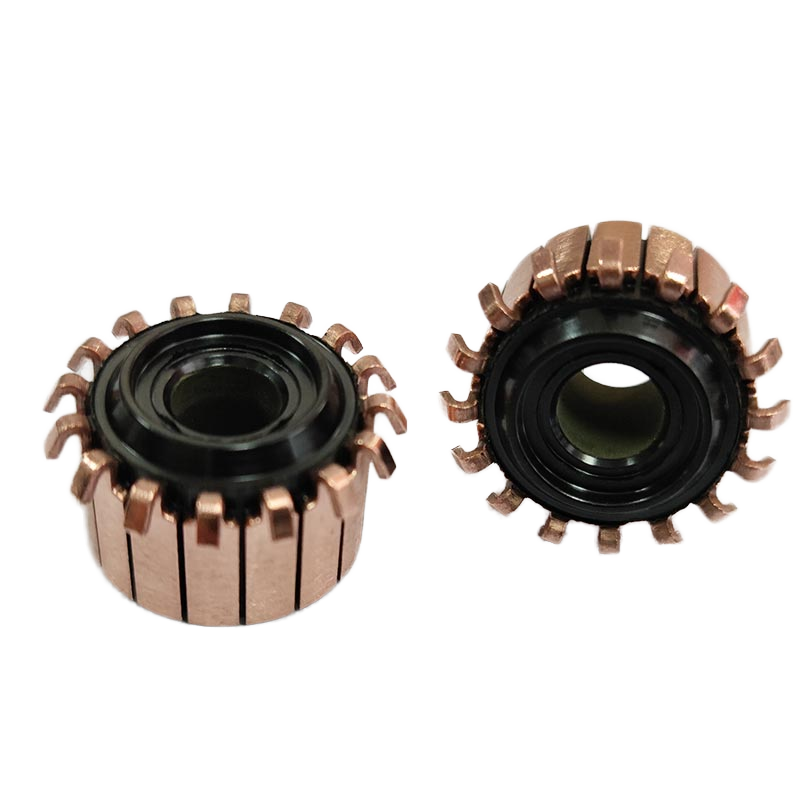
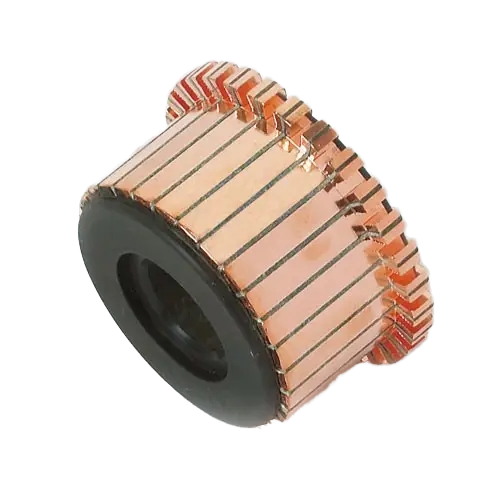
Model NDPJ-HXQ-174 CCC certified. Engineered with high-purity copper bars and thermo-resistant phenolic resins for automotive wiper motor armatures requiring silent switching.
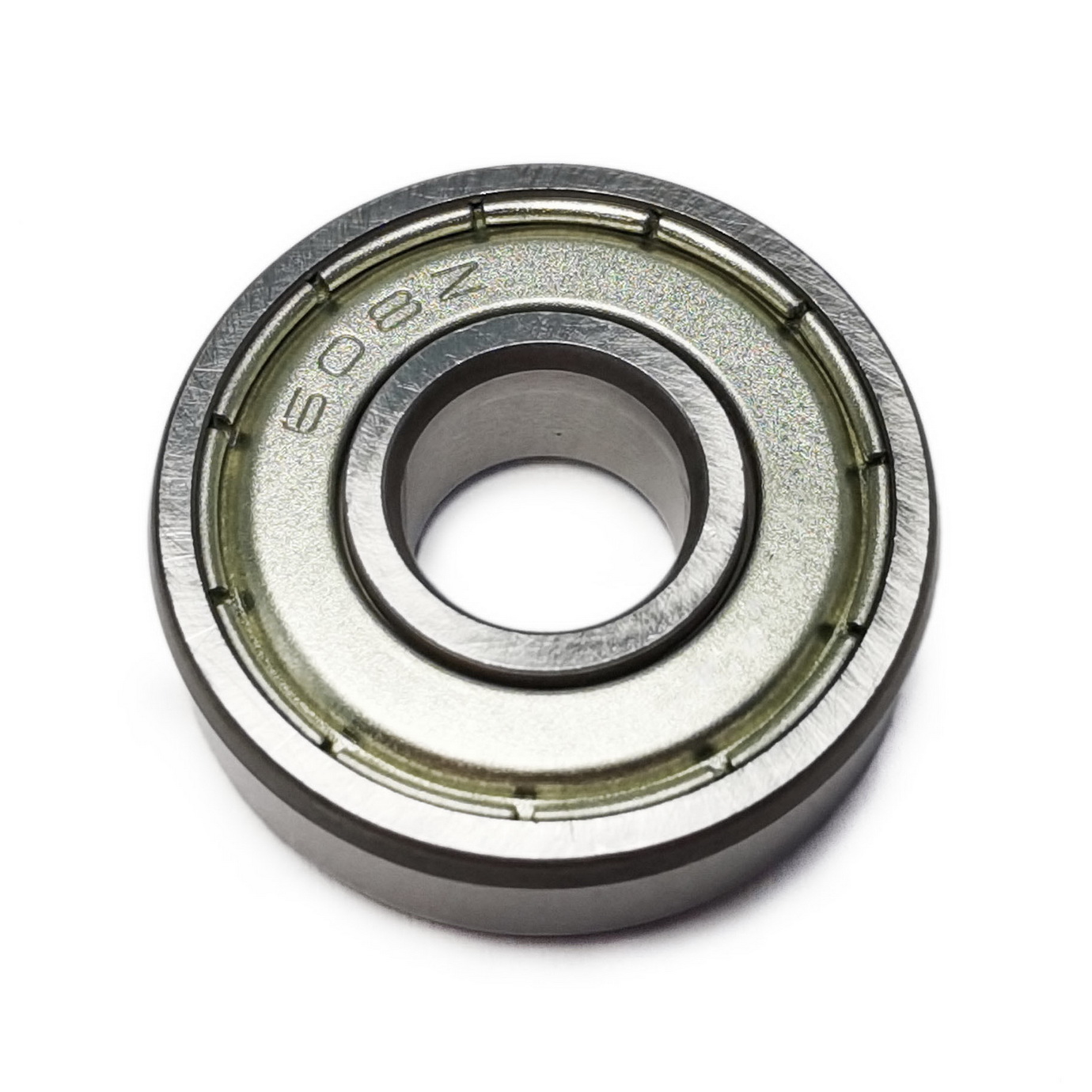
608ZZ dustproof shield, 10mm ID x 20mm OD with CCC certification. Delivers frictionless axial performance and high rotational velocity stability under fluctuating motor loads.
Engine PLC core components with CE certification and 1-year warranty. Integrates simultaneous insertion of pre-wound copper coils and slot wedge insulation for industrial induction motors.
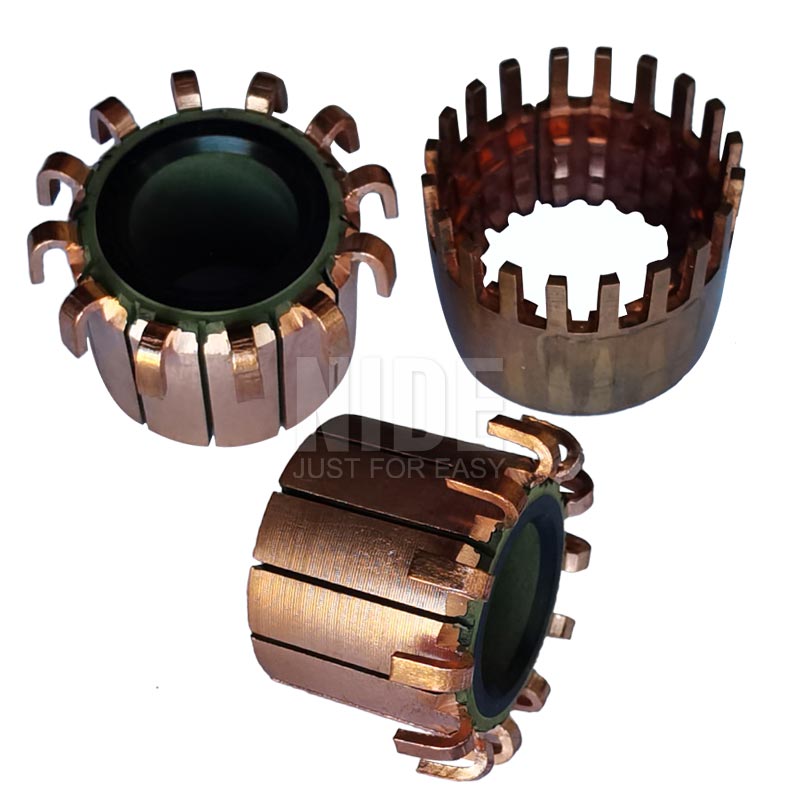
Model NDPJ-HXQ-871A. Designed specifically for DC radiator cooling fans and power tool armatures, featuring reinforced bar geometry to resist centrifugal detachment at high RPM.
Model NDPJ-HXQ CE certified. Includes precision-molded rotor/stator cooling fan provisions, providing optimal thermal dissipation and high-conductance surface finishes for micro-mobility motors.
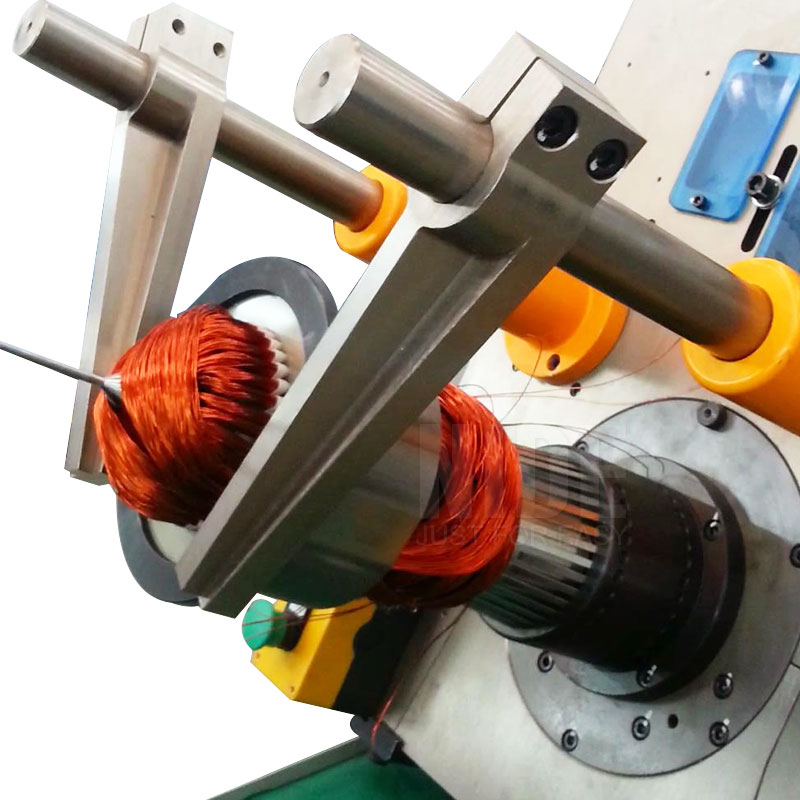
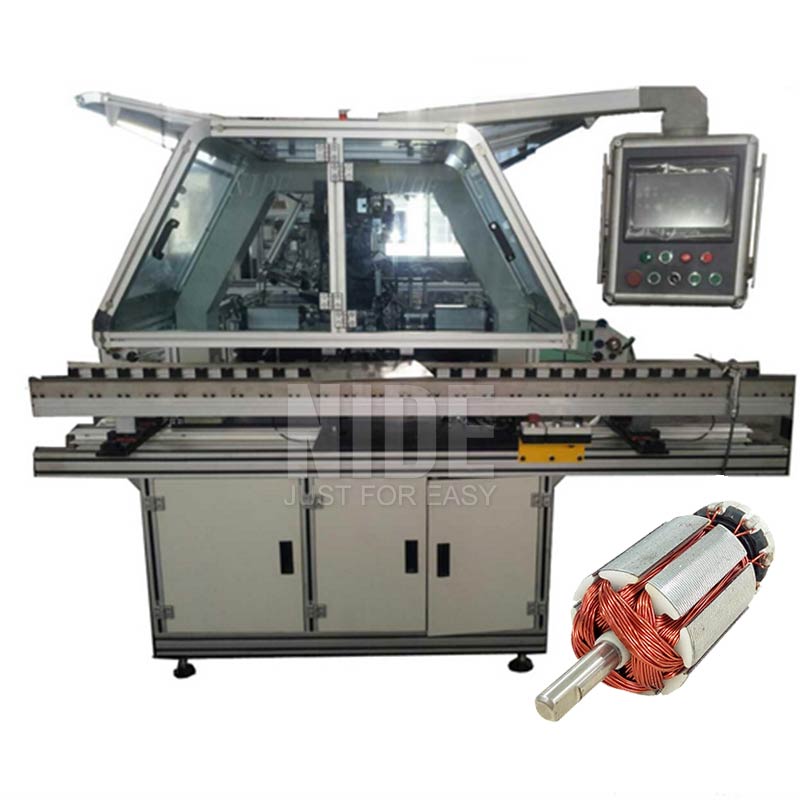
Equipped with servo-driven dual-flyer winding heads, digital dynamic tension loops, and quick tooling changeover for power tools and universal motor armatures. 1-Year warranty included.
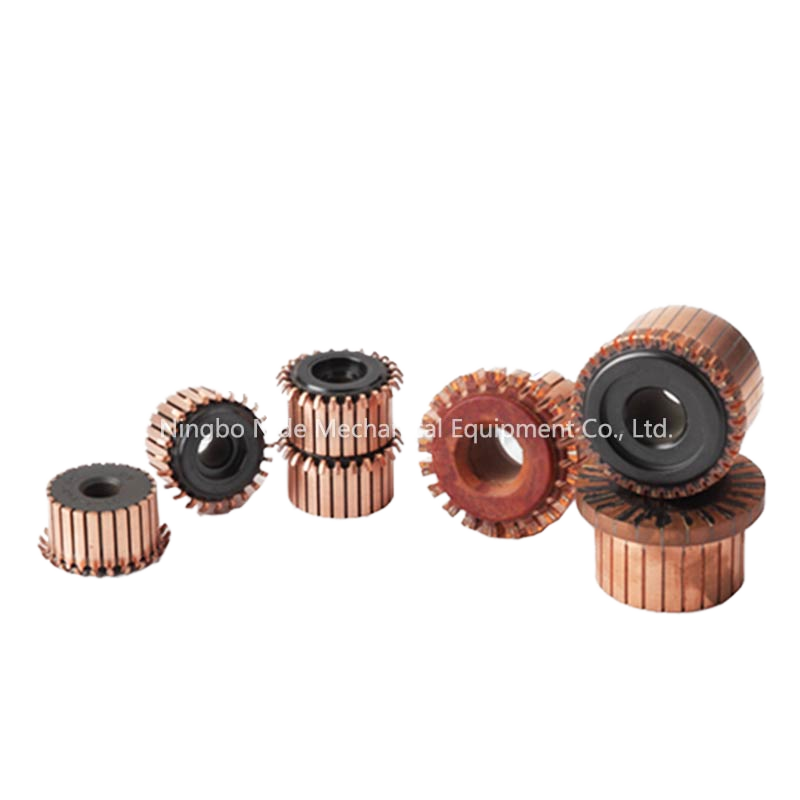
Model NDPJ-HXQ-1005 CCC certified. Features silver-copper alloy segments offering superior arc resistance, high mechanical hardness, and minimal erosion in continuous-duty fitness motor rotors.
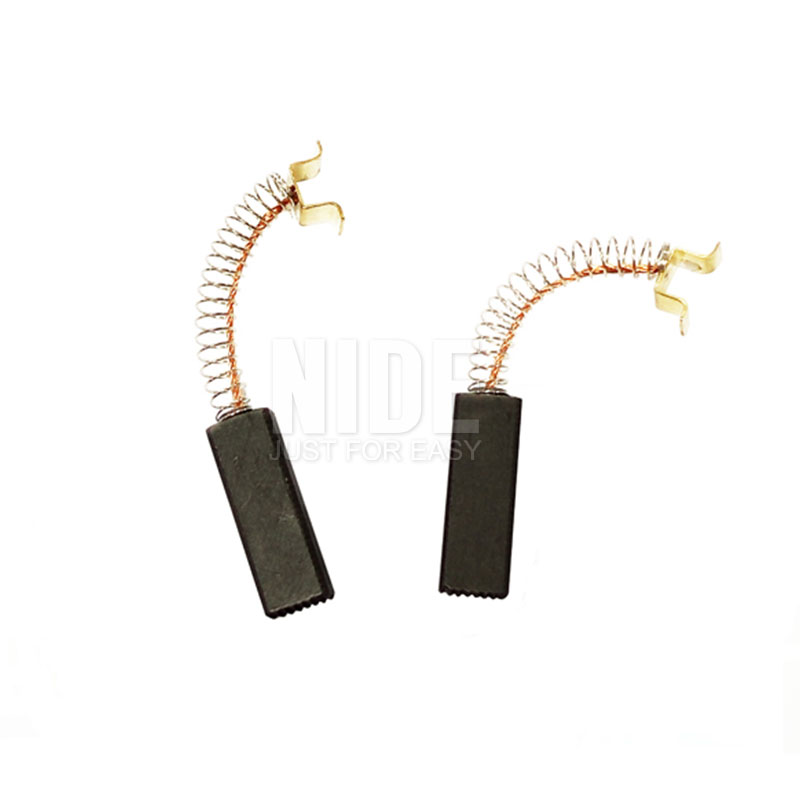
Model NDPJ-TS-1. High electrical conductivity graphite-metal composite brushes engineered for low electrical noise, minimal contact drop, and prolonged operational lifecycles under extreme automotive heat.
Global Sourcing Trends in Electric Motor Manufacturing
How procurement leaders are mitigating operational risk, balancing capital expenditure, and selecting modular automation platforms.
One-Stop Turnkey Sourcing
Procurement directors are shifting away from disaggregated procurement strategies. Rather than purchasing flyer winders, commutator fusing stations, balancing beds, and individual motor parts from separate suppliers, factories prioritize single-source accountability. Unified suppliers ensure that mechanical tolerances between winding mandrels, hook geometries, and carbon brush alloys match seamlessly from day one.
High-Slot-Fill Demands
With aggressive international efficiency mandates, slot fill factors are pushed from conventional 60–65% thresholds to upwards of 75–80%. This necessitates multi-axis servo guidance where copper magnet wire is laid with precise, non-crossing turns. Buyers demand tooling crafted with mirror-polished tungsten carbide coatings to eliminate enameled layer scuffing during aggressive high-speed packing sequences.
Rapid Setup & Small Batches
The consumer electronic and automotive aftermarket sectors are characterized by shorter product lifecycles and rapid SKU variation. Modern sourcing criteria prioritize automated flyer winders equipped with digital recipe storage on touch-screen PLCs, quick-clamp collets, and interchangeable winding forms that cut physical changeover windows from several hours to under twenty minutes.
Technology Roadmap: The Evolution of Modern Rotor Winding
A rigorous engineering analysis of servo feedback control, hairpin vs. flyer paradigms, and predictive quality monitoring.
The technical core of a custom OEM rotor winding setup centers on synchronizing dynamic wire payout with rotor indexing. Traditional mechanical brake pads produce erratic tension variances during high flyer acceleration (reaching up to 3,000 RPM within fractions of a second), causing stretched conductors, microscopic insulation fissures, or loose outer turns. Modern platforms resolve these engineering bottlenecks through specialized technological advances:
Closed-Loop Servo Tensioning
Replacing traditional friction plates, active electronic tensioners measure live strain with high-frequency piezo load cells. Real-time feedback alters dynamic electromagnetic braking instantaneously, stabilizing wire tension across accelerating, steady-state wrapping, and hook-indexing cycles within an absolute margin of ±1.5 grams.
Edge AI Quality Diagnostics
Integrated vision inspection systems capture high-resolution imagery of every wound commutator hook prior to transfer to hot staking. Thermal vision cameras simultaneously analyze commutator fusing welds in real time, detecting micro-voids, poor thermal penetration, or conductor insulation residue before the armature ever reaches subsequent varnishing stages.
Automated Dynamic Balancing
Modern winding production cells interface directly with multi-plane milling or drilling dynamic balancing stations. Real-time telemetry between the winding flyer's winding mass compensation algorithms and downstream balancing heads minimizes material removal, preserving structural shaft stiffness and dramatically extending bearing fatigue lives.
Simultaneous transfer of wire bundles and slot wedges in a single cycle stroke.
Why Partner With Ningbo Nakro Intelligent Equipment
A heritage of engineering excellence, ISO 9001 certified manufacturing, and global operational reliability since 2010.
Verified Manufacturing Credentials
Operating a modernized manufacturing complex ranging from 30,000 to 50,000 m² with an annual output surpassing US$10M–US$50M, our facilities are ISO 9001 quality managed and fully on-site audited by international inspectors.
13+ Years Machine Export Presence
We deploy machinery, tooling dies, and complete motor production lines across Southeast Asia, Eastern Europe, South America, and the Middle East, backed by global service partners for seamless on-site commissioning.
Integrated Component Supply
Beyond capital equipment, we mitigate operational mismatch risks by engineering and supplying matching precision copper commutators, 608ZZ bearings, graphite carbon brushes, and insulation wedges, delivering full-spectrum compatibility.
Pre-Shipment Trial Run Protocols
Every rotor winder undergoes comprehensive FAT (Factory Acceptance Testing) run-offs utilizing the buyer's genuine laminations, copper wire, and shaft samples. High-definition video logs and electrical test reports verify zero-defect performance.
Detailed insights into commissioning, tooling engineering, custom specifications, and trade terms.
What specific rotor and motor variations can Nakro equipment accommodate?
Our machinery covers a broad spectrum of electric machine designs: armatures for universal, power tool, and automotive DC motors (wipers, seat actuators, window lifts); stators for single-phase and three-phase induction drives; brushless DC (BLDC) and permanent magnet synchronous motors (PMSM); outer-rotor wheel hub motors for e-bikes, electric scooters, and electric rickshaws; as well as alternator stators for heavy automotive generators.
Can Nakro design tooling based on our custom lamination drawings?
Yes. All winding forms, wire-guide nozzles, slot insulation cutters, and insertion fingers are custom-modeled in CAD/CAM suites according to your precise rotor stack height, lamination slot dimensions, shaft diameter, and commutator hook layout. We support complete OEM design service, buyer labeling, and prototype validation prior to batch production.
How does the factory conduct performance verification before export?
Before crating, every machine executes continuous automated trial runs using the client's supplied raw laminations, copper magnet wire, and commutators. We analyze wound armatures using surge testing, dielectric hipot testing, and resistance bridge diagnostics to ensure process consistency. Overseas buyers receive comprehensive run-off video records or can attend live virtual acceptance meetings.
What international trade, currency, and shipment terms are available?
We offer flexible commercial transaction models, accepting payments via Telegraphic Transfer (T/T) and Letter of Credit (L/C) across USD, EUR, and CNY currencies. Standard delivery terms include FOB, CFR, and CIF shipping via primary seaports (such as Ningbo and Shanghai), supported by robust export seaworthy timber packaging with comprehensive anti-corrosion barrier wrapping.
What overseas technical assistance and spare parts backing are offered post-delivery?
With over 13 years of specialized machine exports, we provide remote telemetry diagnostics via integrated PLC Ethernet gateways, on-site commissioning engineer dispatching, and operator workflow training. Furthermore, critical tooling consumables (flyer nozzles, wire cutters, pneumatic actuators) are cataloged for prompt international air express replenishment.
Ready to Automate Your Rotor Production Line?
Submit your motor design drawings, target cycle times, and volume projections. Our sales engineering team will deliver a customized line layout, station selection, and technical quotation.
 Component