Featured Stator Assembly Equipment & Motor Components
Engineered for high slot fill factor, robust dielectric integrity, and fully automated industrial production. Select a product below to inspect detailed specifications or request an instant engineering quote.
Engineering Blueprint: Next-Generation Stator Assembly Line Technologies
In modern electric motor manufacturing, the stator assembly line serves as the heart of production throughput, thermal efficiency, and electro-mechanical performance. As global automotive and commercial transport sectors accelerate electrification—specifically seen in regional vehicle modernization projects like Suzuki Bolans light utility vehicle electric conversions—the demand for high fill-factor, low-loss, and fully automated stator lines has reached an unprecedented peak.
Selecting the optimal stator production architecture requires a thorough technical evaluation of coil insertion techniques, slot insulation integrity, copper wire geometry, and inline testing standards. Below is an engineering comparison matrix detailing the primary stator assembly technologies utilized by top tier equipment suppliers globally.
| Stator Technology Type | Slot Fill Factor (%) | Cycle Time (sec/stator) | Automation Level | Target Application Spectrum |
|---|---|---|---|---|
| Flat-Wire Hairpin Line | 70% – 78% | 18 – 35s | Fully Automatic (Robotic) | EV Traction Motors, Utility Fleets (Bolans EV), High-Power Drive Units |
| Needle Winding Line | 45% – 58% | 35 – 65s | Flexible Automated Cell | BLDC Appliance Motors, HVAC Compressors, E-Bike Hub Motors |
| Coil Inserting Line | 40% – 52% | 25 – 45s | Semi to Fully Automatic | 3-Phase Industrial Induction Motors, Agricultural Water Pumps |
| Flyer Rotor/Armature Line | 48% – 62% | 12 – 25s | High-Speed Automated Line | Power Tools, Starter Motors, Radiator Fan Motors |
Critical Process Sequence in Modern Stator Manufacturing
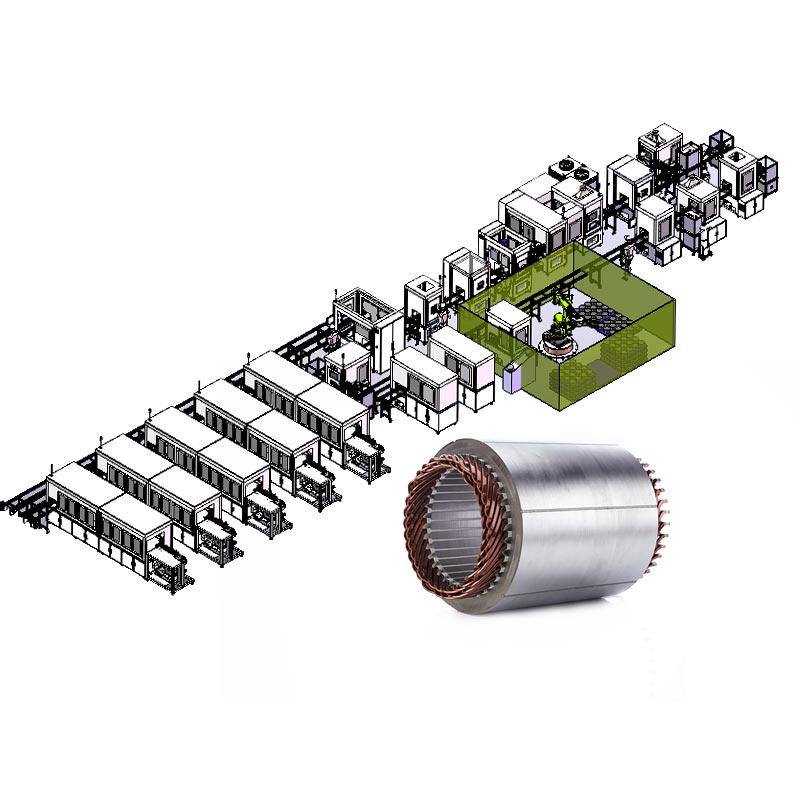
A fully integrated, high-reliability stator manufacturing production line operates across a synchronized sequence of specialized stations. Ningbo Nakro Intelligent Equipment Co., Ltd. and industry-leading partners like NIDE engineer turnkey lines built on the following six-stage blueprint:
1. Lamination & Insulation
Automated slot paper insertion and slot cell insulation. Precise depth indexing ensures dielectric protection between core laminations and copper coils up to 3.0 kV hipot thresholds.
2. Precision Winding / Hairpin Forming
High-tension CNC needle winding or CNC flat-wire hairpin bending. Guarantees uniform turn distribution, minimizing copper resistance variations across phases.
3. Pin Insertion & Twisting
Simultaneous multi-pin crown insertion into lamination slots, followed by mechanical servo twisting to prepare wire ends for high-strength electrical joining.
4. Laser Welding & Fusing
3D vision-guided fiber laser welding or TIG commutator hook fusing. Achieves low-resistance copper-to-copper joints resilient against heavy vibrational shock.
5. Impregnation & Trickle Varnishing
Vacuum Pressure Impregnation (VPI) or automated trickle varnishing to seal coil ends, eliminate internal air voids, and enhance thermal dissipation under peak current load.
6. End-of-Line (EOL) Quality Testing
100% inline electrical testing covering surge voltage, insulation resistance, DC resistance, phase rotation, and partial discharge (PD) verification under standard IEC 60034.
Localized Application Scenarios for Bolans & Regional Transport
How advanced stator manufacturing technology directly empowers local utility electric vehicle manufacturing, regional assembly hubs, and aftermarket electrification retrofit sectors.
Suzuki Bolans Microvan EV Electrification
The Suzuki Bolans microvan and carry platform represents one of South Asia’s most widespread light commercial transport vehicles. Transitioning these fleet vehicles from internal combustion engines (ICE) to zero-emission battery electric powertrains requires compact, high-torque PMSM and BLDC traction motors. Stator assembly lines tailored for Bolans EV motors specialize in 72V to 320V flat-wire or round-wire stators, delivering high thermal endurance over frequent stop-and-go commercial delivery cycles.
Electric Rickshaw & Three-Wheeler Traction Lines
In addition to microvans, regional manufacturing hubs rely heavily on local motor production for three-wheeled e-rickshaws and cargo loaders. Automated outer-rotor wheel hub stator winders and coil inserting equipment drastically reduce manual labor, boosting local factory capacity from 50 units per day to over 500 units per shift with consistent phase balance and zero slot-paper breakdown.
Industrial Water Pump & Agricultural Drive Stators
Beyond automotive mobility, regional infrastructure demands rugged single-phase and three-phase induction motor stators. Automated coil insertion machines handle heavy copper wire diameters with built-in wedge insertion, guaranteeing thermal Class H insulation compliance for agricultural irrigation pumps operating continuously under high ambient temperatures.
Key Technological Trends Shaping Stator Production in 2025 and Beyond
As cost efficiency, energy density, and localization remain critical drivers for automotive original equipment manufacturers (OEMs) and Tier-1 suppliers, four technical trends are transforming stator line procurement:
- Transition to 800V Flat-Wire Hairpin Architectures: Flat copper wire increases slot fill factor from under 50% to over 75%, reducing stator copper losses and reducing physical motor weight by up to 22% while providing superior thermal conductivity.
- Inline Artificial Intelligence & 3D Vision Inspection: Integrating high-resolution cameras at laser welding and wire twisting stations enables real-time detection of pin alignment errors, weld voids, and slot paper tear-outs before varnish curing.
- Modular Tooling & Quick-Change Quick-Lock Dies: Modern stator lines are engineered to handle multiple stack heights (e.g., 40mm to 180mm) and slot variations on a single conveyor line, enabling rapid tooling switchovers in under 30 minutes.
- Energy-Efficient Trickle & Induction Heating Curing: Replacing legacy gas convection curing ovens with focused induction slot heating drastically cuts factory power consumption by up to 40% while accelerating varnish polymerization time.
Why Partner With Ningbo Nakro Intelligent Equipment Co., Ltd.
Headquartered in Ningbo, Zhejiang, Ningbo Nakro Intelligent Equipment Co., Ltd. combines over 14 years of dedicated engineering mastery with complete end-to-end motor manufacturing solutions.
ISO 9001 Certified Quality System
Every single machine undergoes rigorous incoming component checks, precision tooling inspection, electrical safety validation, and a full factory trial run using the buyer's actual lamination stacks and copper wire prior to overseas dispatch.
Turnkey Line & Component Ecosystem
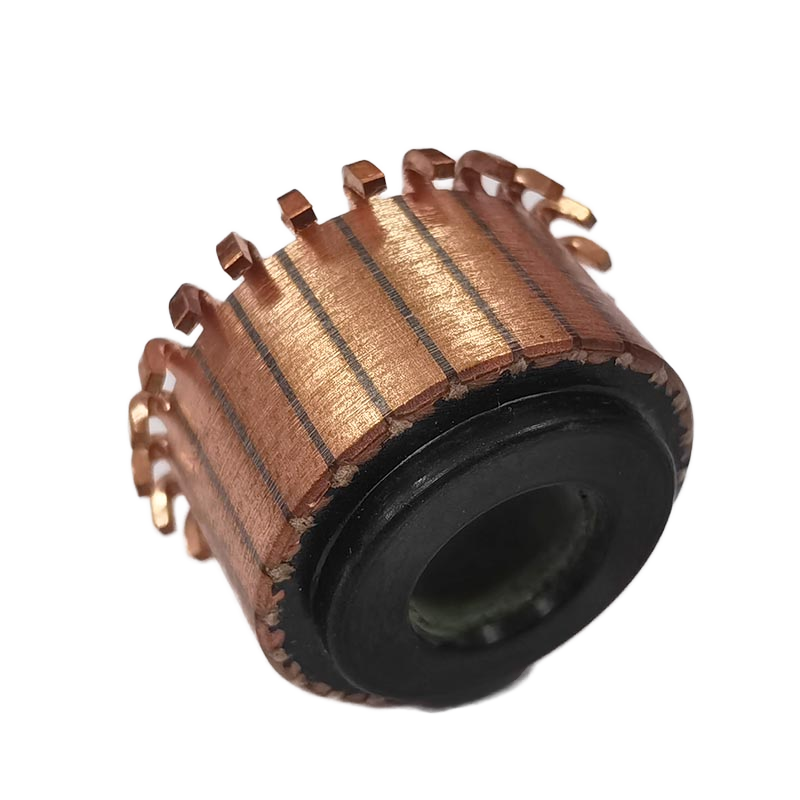
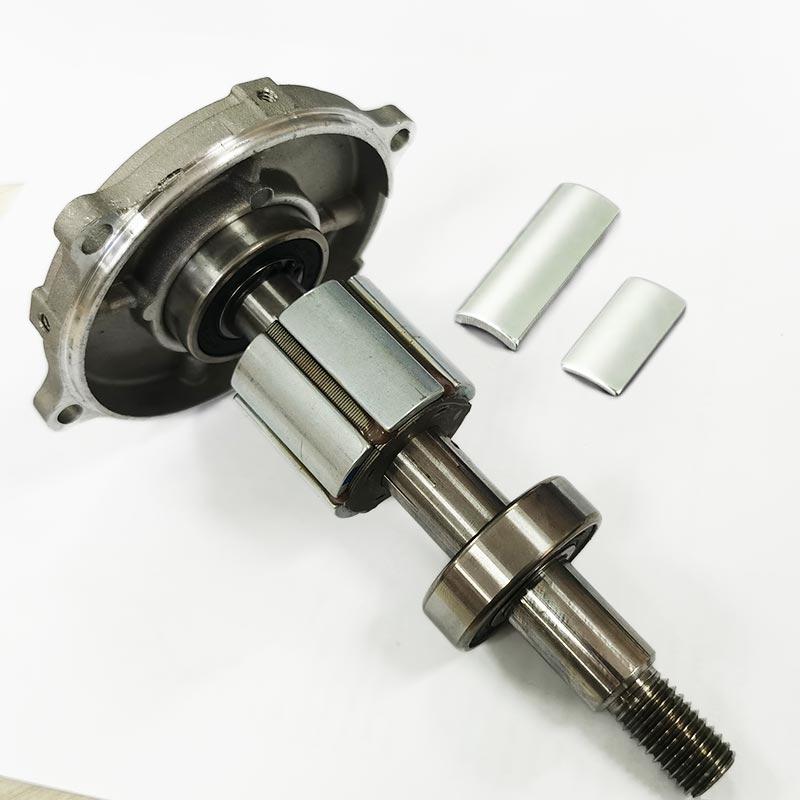
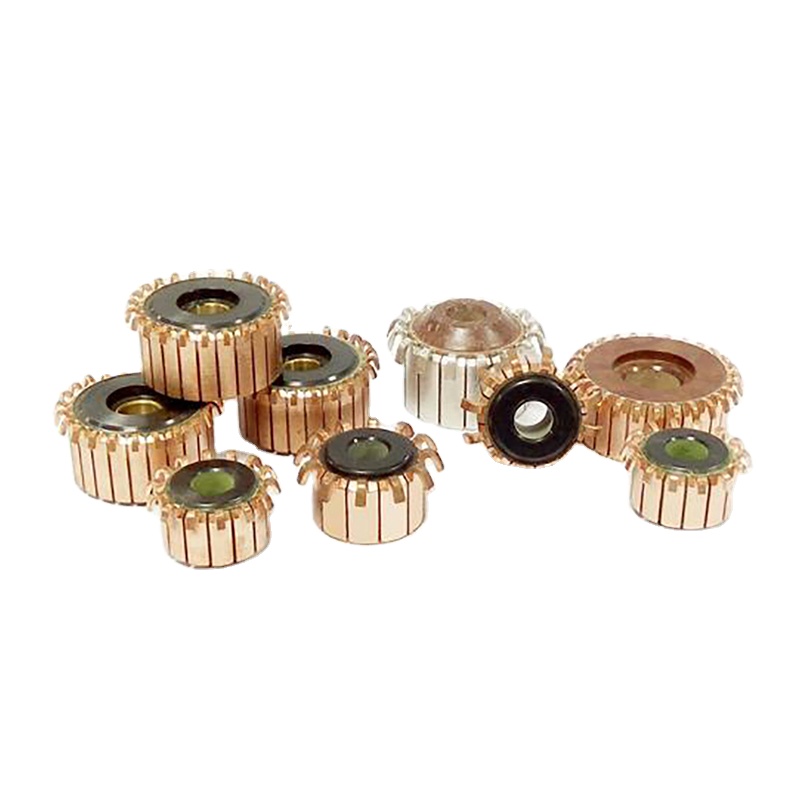
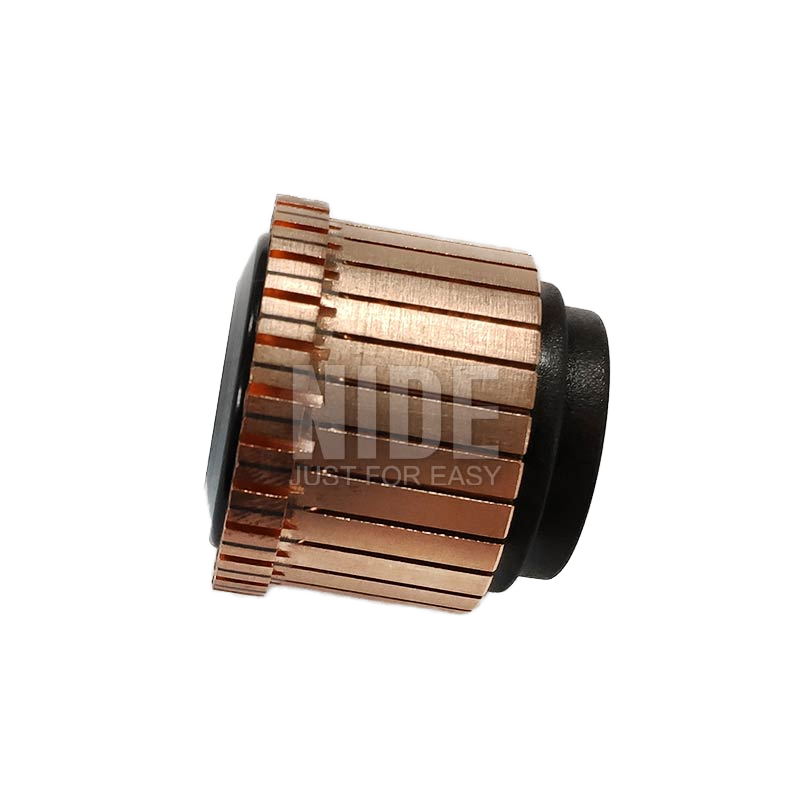
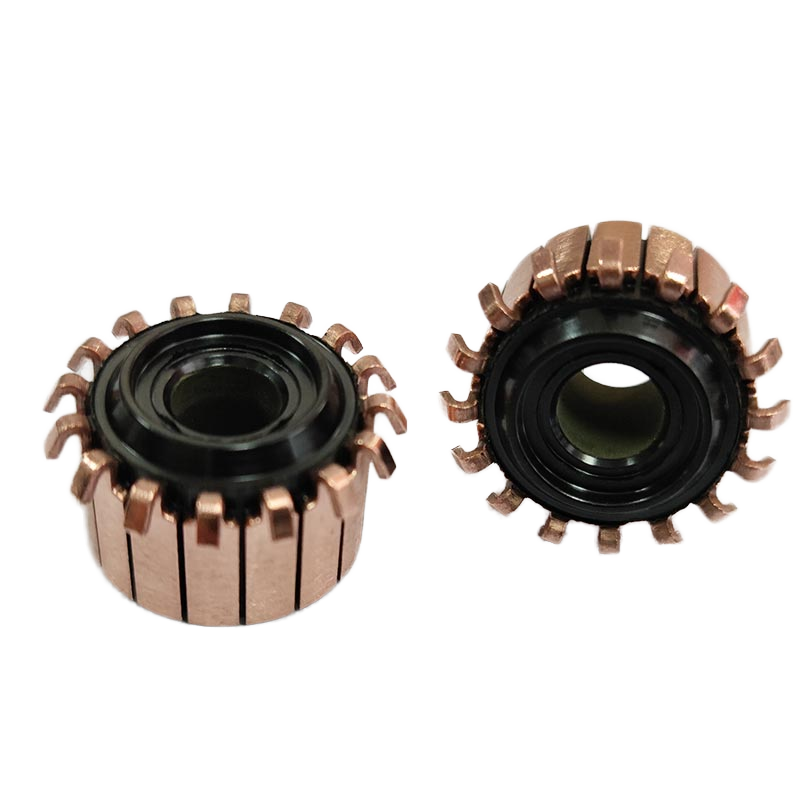
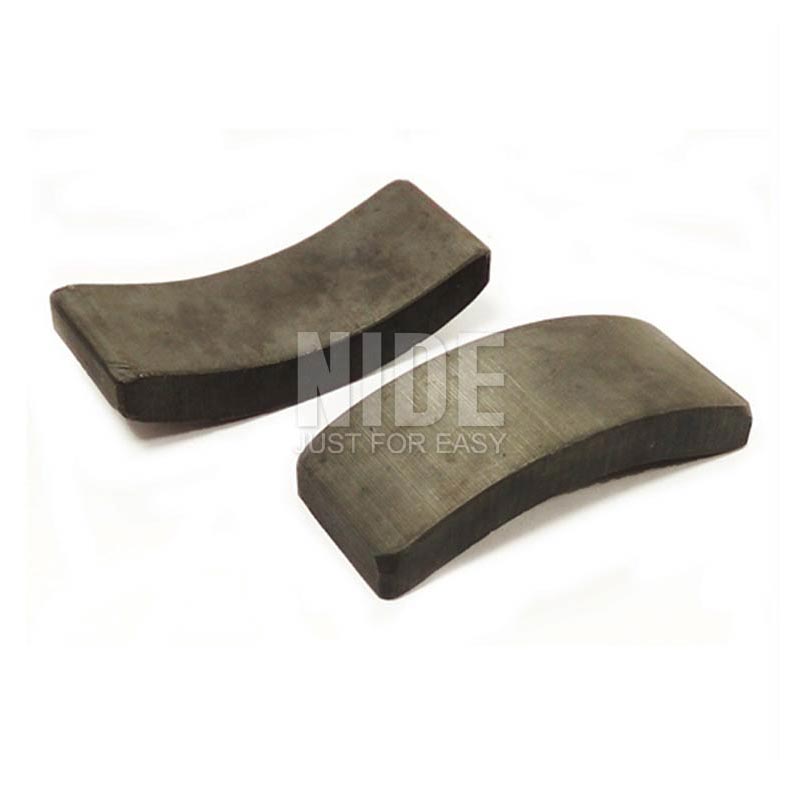
In partnership with NIDE brand accessories, Nakro supplies both top-tier automated machinery and matching high-precision commutators, N52 neodymium magnets, carbon brushes, mica segments, slip rings, and slot insulation materials under one unified contract.
Global Installation & After-Sales Network
With machine installations spanning over 50 countries across Southeast Asia, South America, Eastern Europe, and the Middle East, Nakro provides overseas on-site commissioning, remote PLC diagnostic support, and customized tooling upgrades.
Frequently Asked Questions for Stator Line Buyers
Answers to common technical, commercial, and operational queries raised by plant engineers and procurement managers when sourcing stator assembly equipment.
Which specific motor types can Nakro stator assembly lines manufacture?
How does Nakro ensure machine tooling fits my custom stator lamination design?
What is the typical lead time for a fully automatic stator assembly line?
How is equipment quality verified before international shipping?
What support is provided for overseas installation, commissioning, and training?
Which commercial shipping and payment terms do you accept?
Ready to Automate Your Stator Assembly Line?
Connect directly with Nakro senior automation engineers to submit your motor lamination drawings, request cycle-time simulations, or obtain a competitive turnkey project quotation.
