New Fully Automatic Hairpin Motor Stator Production Line for E-Mobility
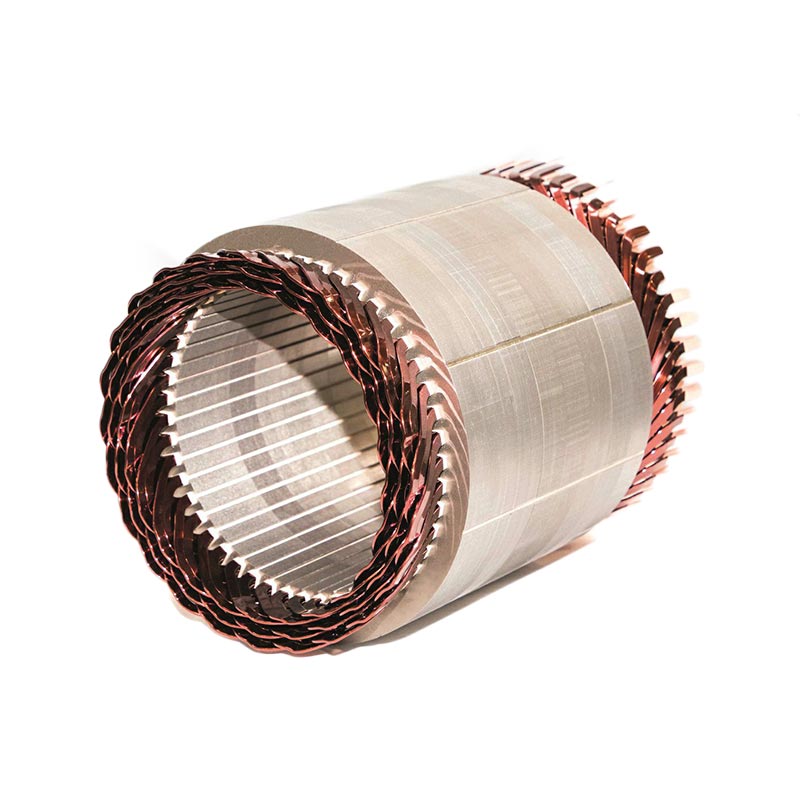
Continuous B-pillar slot paper insertion, 3D hairpin conductor forming, CNC wire twisting, and laser welding cells for next-generation electric automotive drivetrains.
Engineered for seamless integration into high-throughput production cells across Kingston and regional Tier-1 manufacturing centers, with custom slot dies, CNC indexing, and certified electro-mechanical stability.
Continuous B-pillar slot paper insertion, 3D hairpin conductor forming, CNC wire twisting, and laser welding cells for next-generation electric automotive drivetrains.
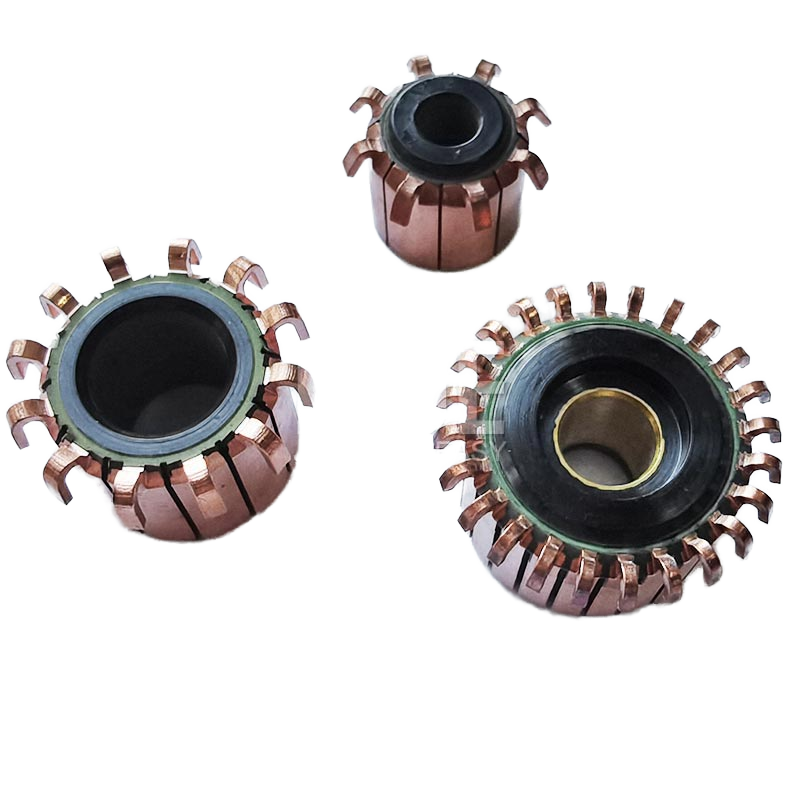
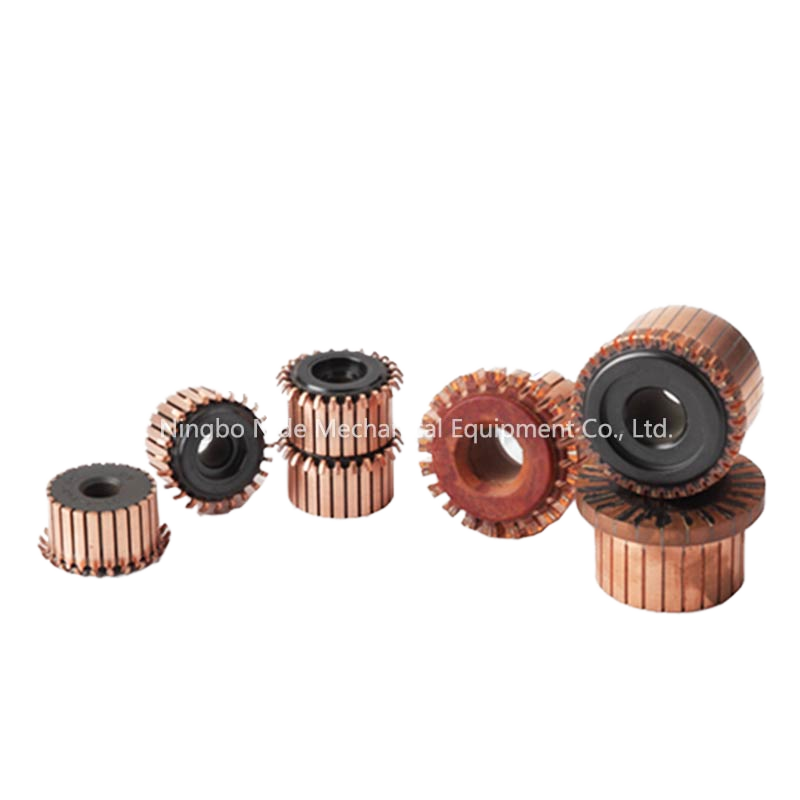
Precision stamped copper segments, reinforced mica slot barriers, and balanced commutator core engineered for high-RPM commercial appliances and universal tool motors.
Equipped with integrated thermal cooling fan dynamics, slip ring current stability, and high dielectric slot insulation barriers compliant with CE standard benchmarks.
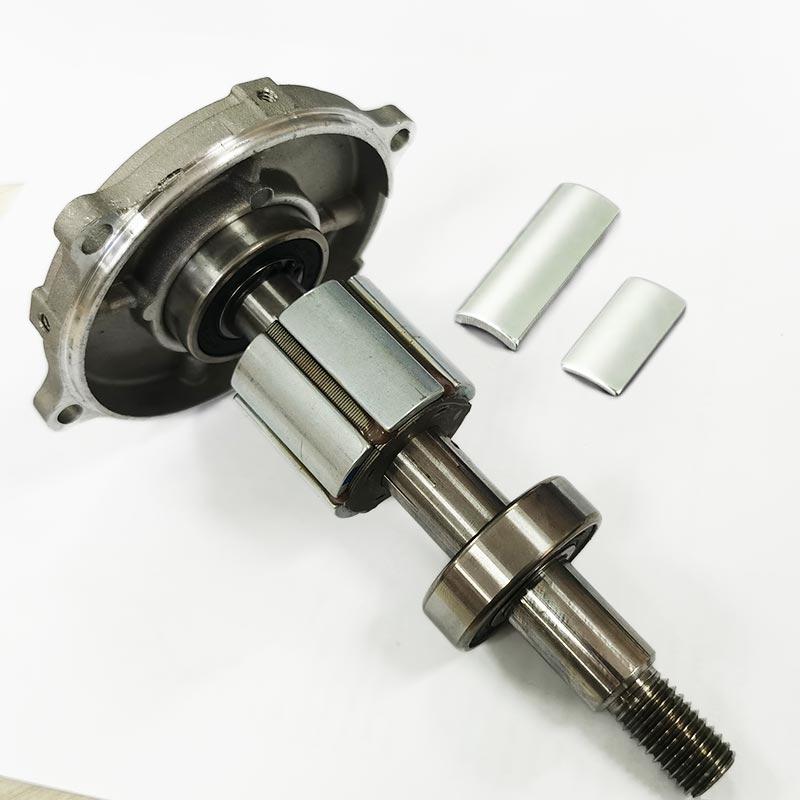
Ultra-high remanence sintered rare-earth segment magnets offering severe demagnetization resistance for high-torque brushless PMSM stators and EV traction motors.
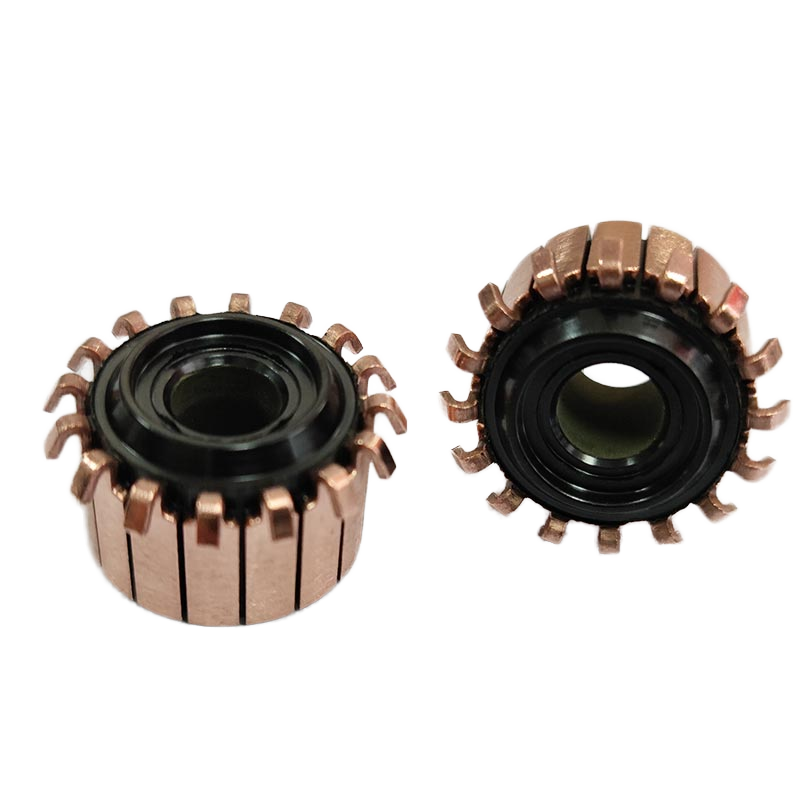
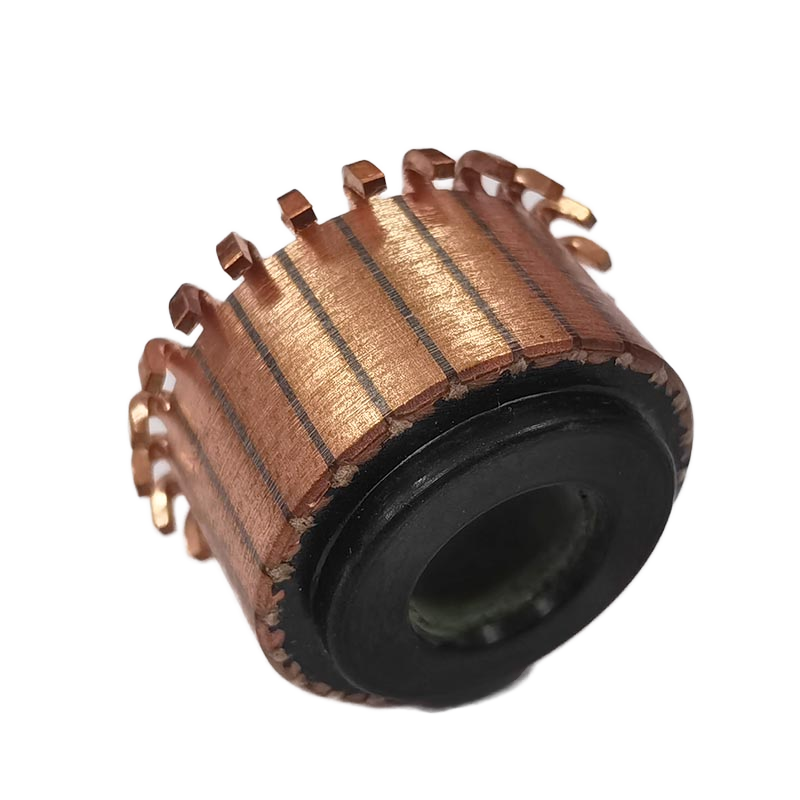
High-copper-purity collector hook commutator with precision engineered bar-to-bar insulation, calibrated for radiator cooling blowers and automotive HVAC assemblies.
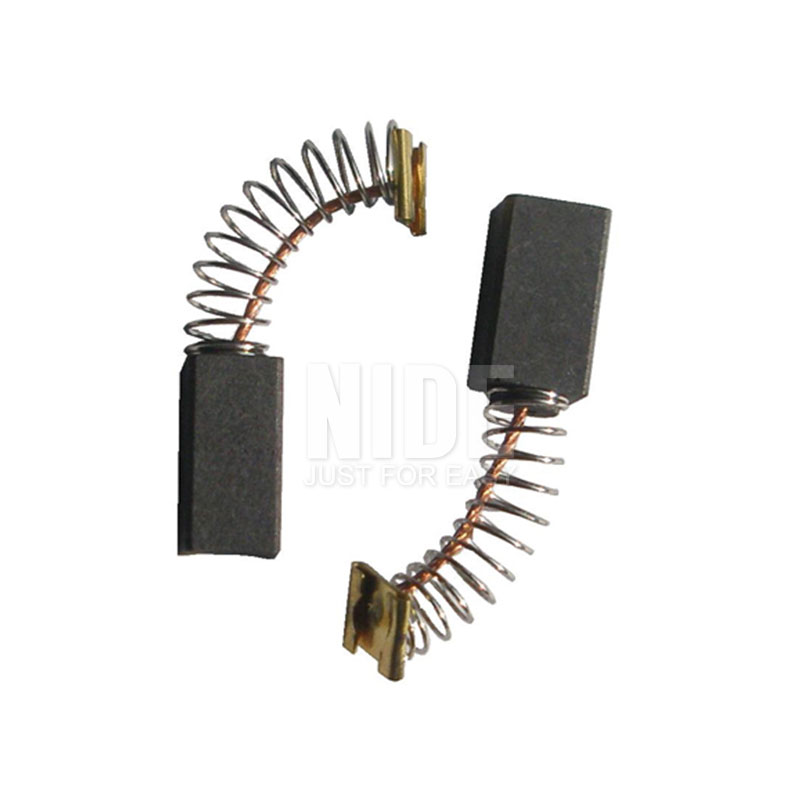
Low-wear electrographite matrix designed for vehicular alternators, auxiliary starter motors, and continuous duty industrial DC drives with minimal brush arc drop.
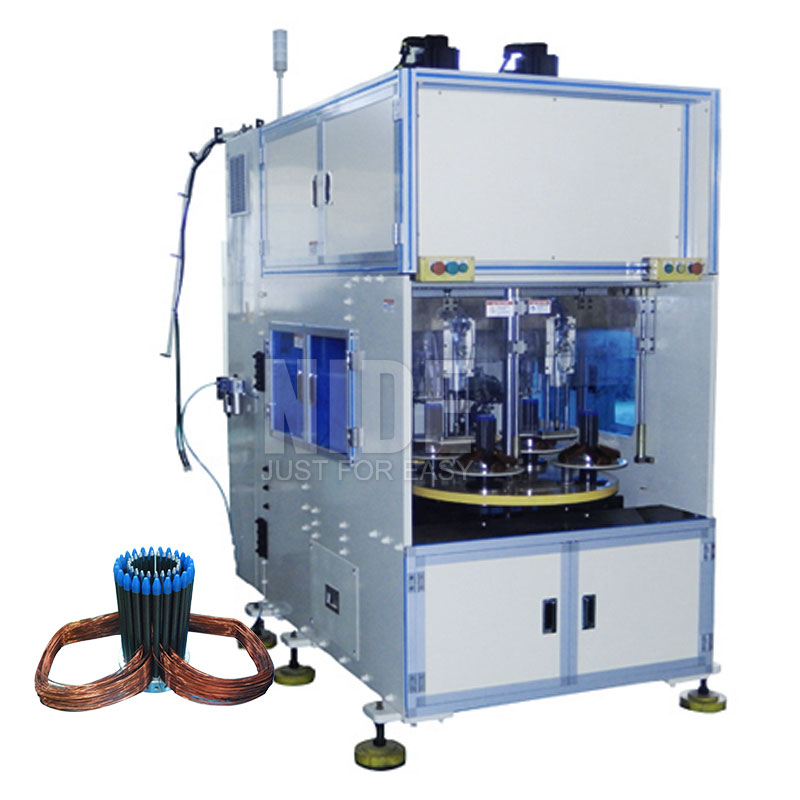
High-speed dual-spindle multi-pole stator flyer winder with integrated digital tension controllers, programmable wire lay-down, and automatic lead wire anchoring.
Designed for heavy industrial grinding armatures, featuring reinforced phenolic resin, thermal fatigue endurance, and micron-level concentricity verification.
In modern industrial stator production, the mechanical and electrical integrity of the motor hinges directly upon the stator slot paper inserting phase. Whether handling induction motors, brushless direct current (BLDC) machines, or specialized traction stators, the slot cell liner serves as the primary barrier against dielectric breakdown, phase-to-ground flashover, and mechanical abrasion during automated needle or flyer coil insertion.
Our automated stator paper inserting machines utilize a multi-axis servomotor drive configuration coordinated via industrial PLCs. The operational envelope executes four vital kinetic sequences in fractions of a second: precision strip tension decanting, dual-edge heated or cold cuff forming, cut-to-length shearing with micro-carbide tooling, and progressive pneumatic or servo-ram slot plunging.
Maintaining consistent slot paper cuffing is paramount. Edge cuffs prevent axial paper slippage under magnetic lamination thermal expansion cycles, while also preventing enameled magnet wire from touching the sharp edge burrs of electrical steel lamination packs. Our tooling handles composite Nomex®, DMD (polyester film/polyester non-woven composite), NMN, and polyimide films with zero delamination, micro-fracturing, or surface embrittlement.
For Kingston's industrial automation plants and research corridors, custom changeover tooling packages allow stack heights from 10mm up to 350mm to be adjusted with minimal line downtime, guaranteeing repeatable 99.8% first-pass production yields.
| Stator Outer Diameter | Φ30mm – Φ280mm (Customizable to Φ500mm) |
|---|---|
| Stator Stack Height | 10mm – 300mm standard (Deep-bore custom) |
| Feeding Speed | 0.35 – 0.6 seconds per slot (Servo adjustable) |
| Insulation Thickness | 0.125mm – 0.40mm (Nomex, DMD, PET, NMN) |
| Cuff Width Capability | 2.0mm – 6.5mm single or double cuffing |
| Drive Configuration | Delta / Mitsubishi PLC + Full Servo Indexing |
| Electrical Verification | Integrated optical cell detection & misfeed sensor |
Connecting Kingston's clean-tech engineering, automotive Tier-1 supplier logistics, and advanced testing institutions with precision high-reliability automation equipment.
Situated strategically between Toronto and Montreal along Highway 401, Kingston's academic and industrial R&D ecosystems (such as Queen's University and regional clean-tech incubators) require pilot-scale and rapid-cycle automated stator insulation equipment to develop high-density traction motors, auxiliary e-drives, and zero-emission transit solutions.
With Kingston's historical and continuous role in Great Lakes maritime engineering and specialized rail transit equipment refurbishment, stator paper insertion machines configured for large-core induction motors, auxiliary pumps, and rugged locomotive blowers ensure long insulation lifetimes against thermal vibration and salt-air moisture.
Regional industrial service hubs across Frontenac County and surrounding Eastern Ontario rely on semi-automatic and multi-slot paper inserting cells to support wastewater treatment submersible pumps, industrial ventilation blowers, and mining compressors requiring rapid tooling swap outs for varying slot pitches.
Eastern Ontario's agricultural and specialized vehicle manufacturers demand durable electric motor stators capable of sustaining cyclic shock loads. Precision paper inserting with reinforced slot wedges prevents coil-rub grounding failures in electro-hydraulic actuators and combine harvester auxiliary fans.
Food processing, chemical packaging, and manufacturing assembly plants around Kingston employ hundreds of servo-driven conveyors. In-house motor fabrication and fast OEM maintenance lines require high-precision stator insulation machines to rebuild and optimize servo stators with high copper fill factors.
Tight electrical tolerances are vital for specialized aerospace actuators and defense systems. Slot paper insertion systems with integrated laser detection and vision alignment guarantee zero tearing, exact cuff symmetry, and defect-free dielectric boundaries for Class H and Class N thermal ratings.
How modern stator production facilities in Kingston are transitioning from manual and semi-automatic assembly cells to smart, sensor-driven turnkey manufacturing lines.
Traditional round wire stator slots are yielding to flat-wire hairpin architectures. This mandates paper inserting tooling with specialized rectangular cross-section folding that withstands extreme insertion forces during axial bar stuffing.
Modern Canadian manufacturing hubs emphasize 100% inline quality gates. Machine vision modules verify cuff retention, depth placement, and slot presence before the indexer transfers the stator to high-speed coil winding or insertion.
To support high-mix, low-to-medium-volume production runs, modern machines incorporate recipe-based digital adjustment for stack height, slot counts (from 8 to 72 slots), and paper feed lengths within under 15 minutes.
With 800V EV architectures and inverter-driven industrial stators generating severe dV/dt voltage transients, machines must handle brittle composite insulation materials without causing microscopic stress cracks or pinholes.
Over 14 years of direct electric motor manufacturing machine innovation, delivering turnkey stability, validated spare tooling, and globally certified equipment directly into overseas industrial plants.
Operating a modernized 30,000+ m² production footprint, our machining processes, tool steel heat treatment protocols, and assembly cells adhere to ISO 9001 management protocols. Every machine is subjected to pre-shipment trial runs with your exact lamination stacks.
From North American Tier-1 automotive corridors to major industrial centers across Europe and Southeast Asia, our equipment operates reliably across high-volume lines. We provide international on-site commissioning, operator training, and lifetime remote diagnostic support.
Beyond slot paper inserting machines, we deliver end-to-end stator and rotor production systems: hairpin bending, needle winding, commutator hook fusing, dynamic balancing, stator coil inserting, intermediate forming, and electrical surge/hipot testing benches.
Addressing key electrical standards, tooling design, maintenance schedules, and shipping logistics for Kingston manufacturing teams.
Send your stator lamination drawings, stack heights, and target hourly production output. Our process engineering team will review your specifications and generate an optimized tooling plan and quotation.