
24 Segments Hook Type DC Motor Starter Armature Rotor Commutator
Model NDPJ-HXQ-14 engineered for heavy-duty DC starters, high-speed angle grinders, and armatures requiring zero-bar-to-bar insulation degradation.
Verified armature test rigs, precision balance-calibrated commutators, rare-earth assemblies, and production machines engineered to support Hamhung's electro-mechanical infrastructure.
Model NDPJ-HXQ-14 engineered for heavy-duty DC starters, high-speed angle grinders, and armatures requiring zero-bar-to-bar insulation degradation.
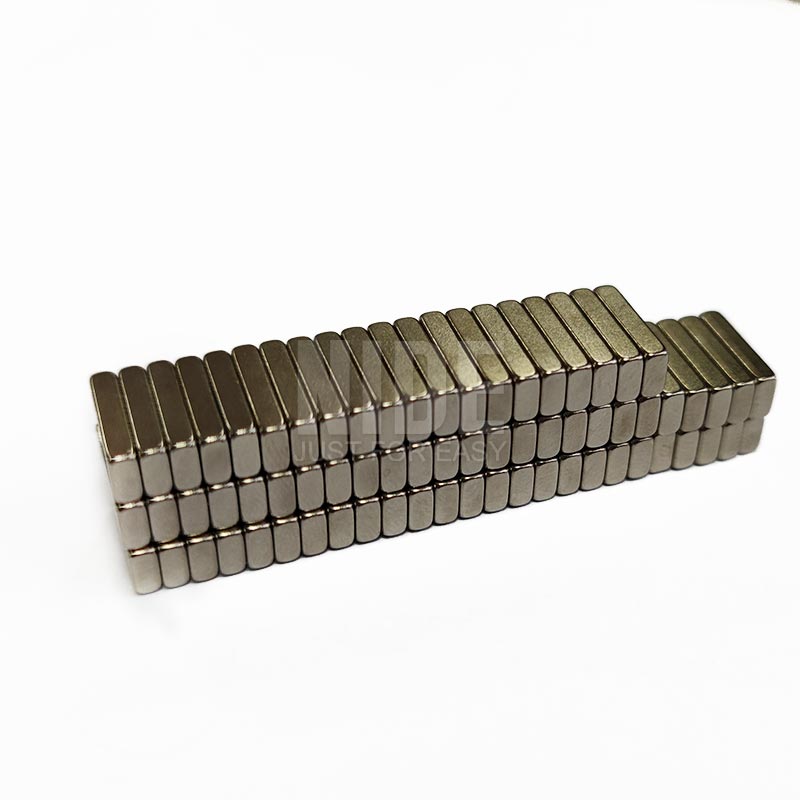
Model NDPJ-CW-61 ultra-high coercive force permanent magnets for brushless rotor assemblies, tested for remanence and high-temp flux consistency.
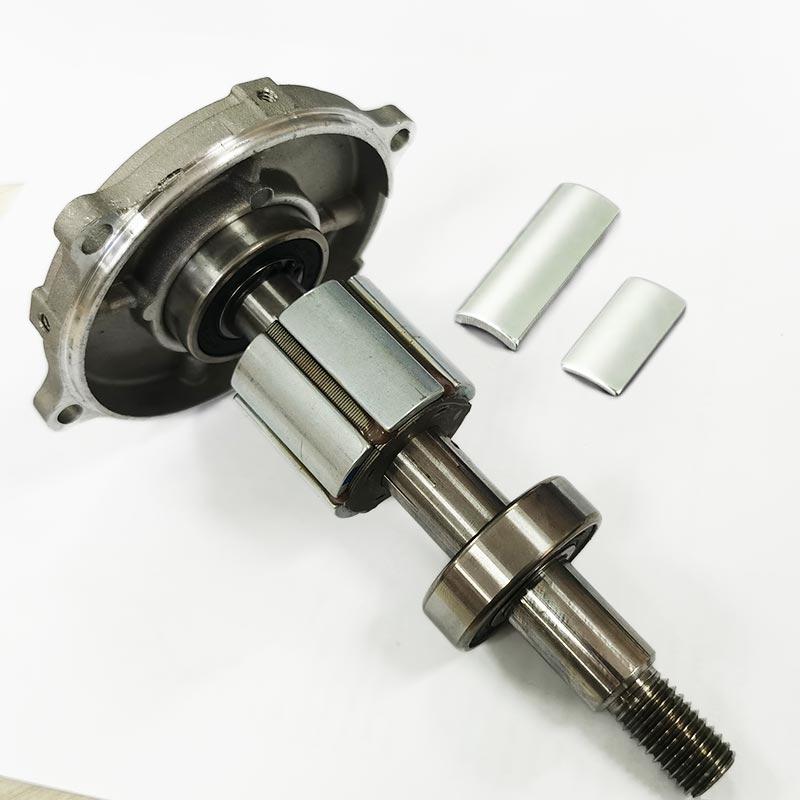
NDPJ-CW-62 series sintered NdFeB blocks designed for dynamic rotor testing, centrifugal stress resilience, and continuous heavy plant duty.
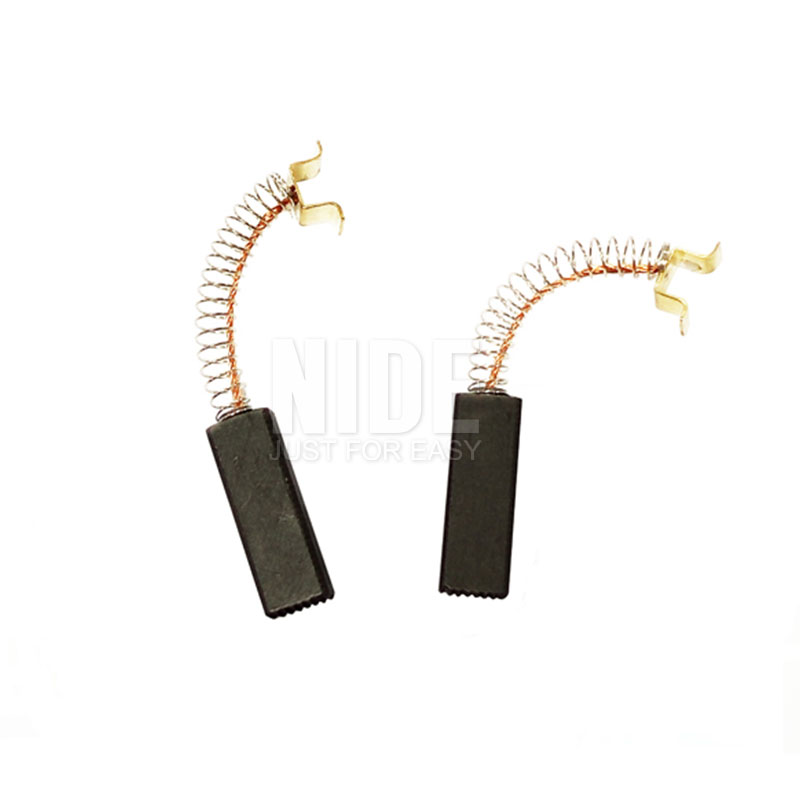
Low-spark, low-wear graphite brushes calibrated for DC motor dyno testing, traction units, and automotive starter assemblies with high conductivity.
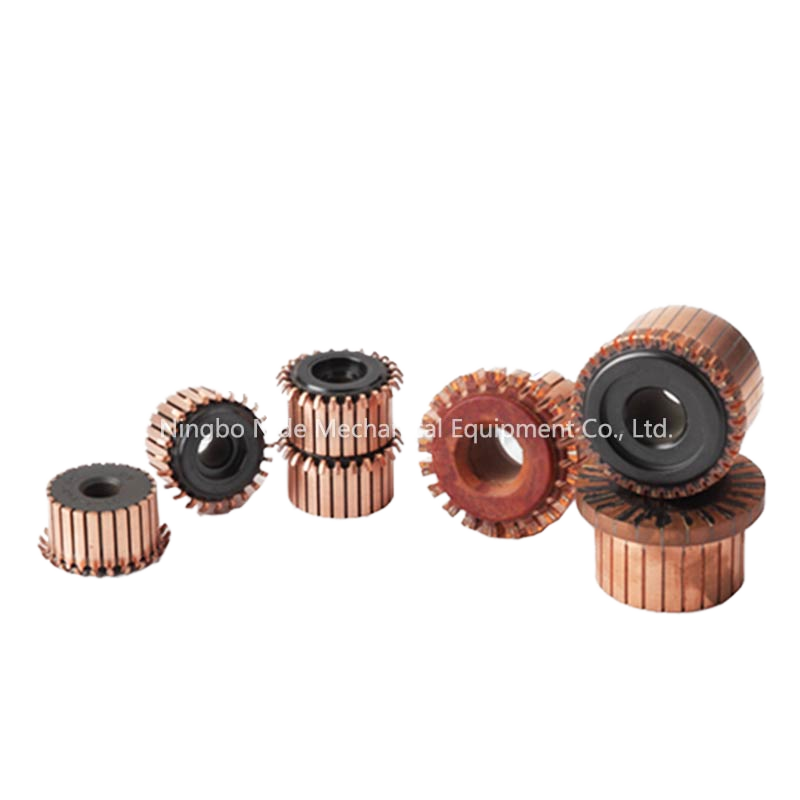
NDPJ-HXQ Series featuring dynamic rotor cooling fans, slip rings, and mica-groove isolation evaluated on multi-parameter rotor testers.
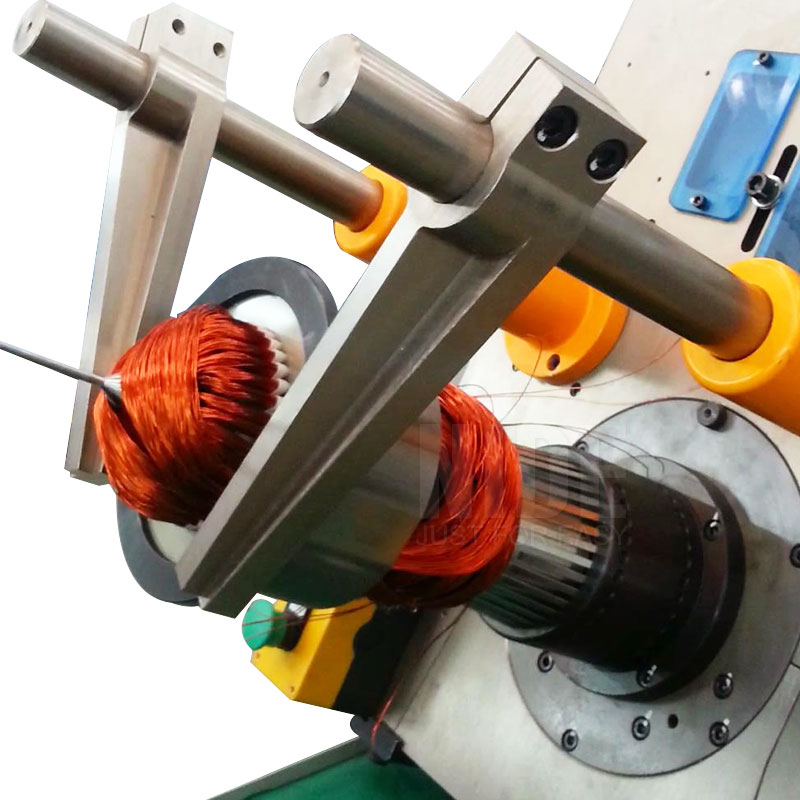
PLC-governed winding insertion workstation for industrial stators; mates downstream with rotor balance testing cells for finished motor audit.
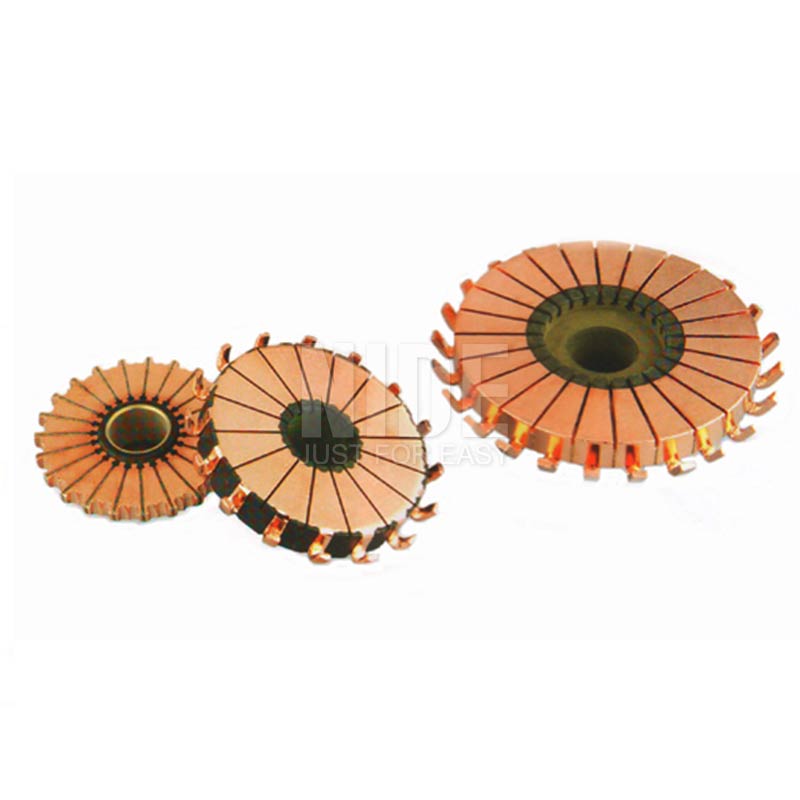
Planar molded face commutator for low-profile DC motors, designed for computerized high-voltage bar-to-bar insulation testers.
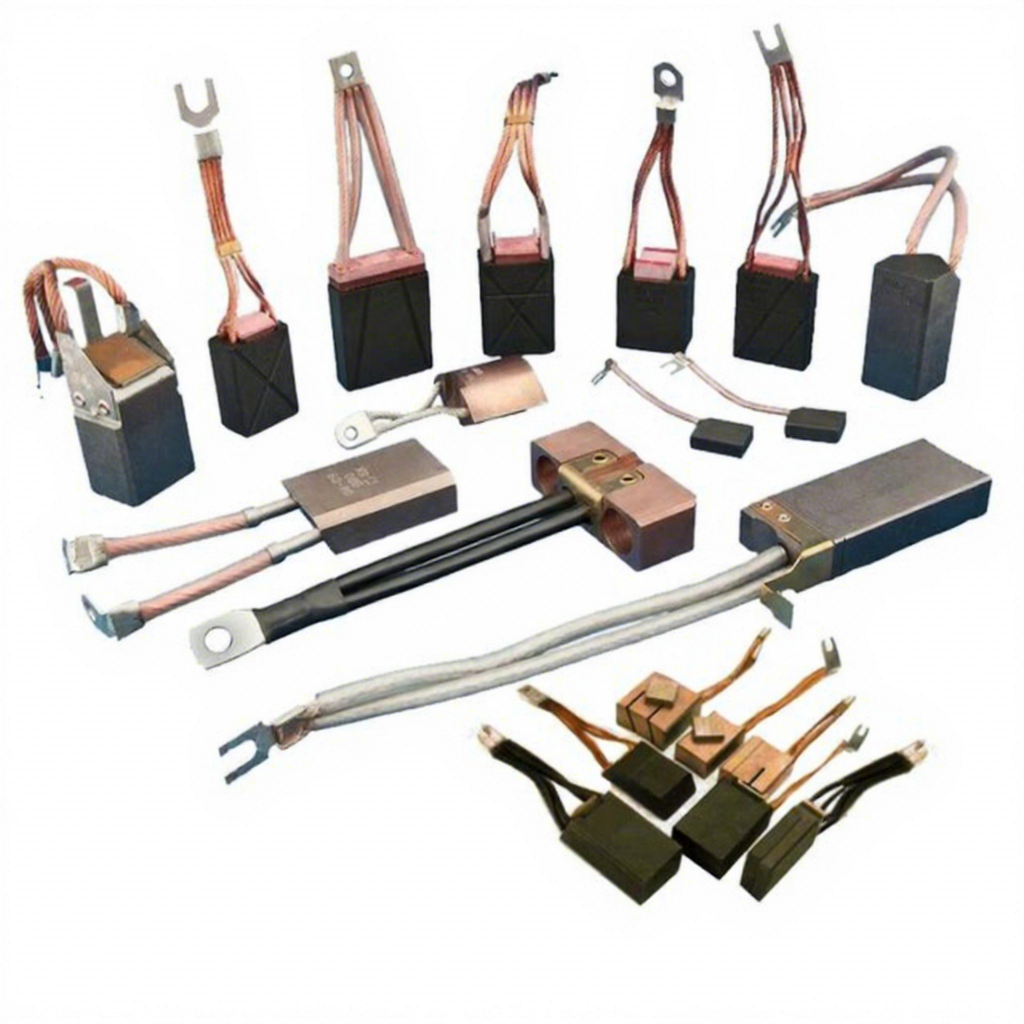
Model NDPJ-TS-11 80–120V graded brushes for generator slip rings, tested for current density integrity under high dynamic rotor velocity.
As the primary chemical, metallurgical, and heavy manufacturing center of North Korea, the Hamhung industrial territory (incorporating the Hungnam fertilizer complex, 2.8 Vinalon City, synthetic fiber works, and mechanical machinery manufacturing clusters) depends heavily on continuous-duty electro-mechanical drives. In severe, chemically aggressive, and continuously run operating environments, unexpected electric motor failure triggers catastrophic production downtimes. At the core of rotational reliability is the motor rotor and armature assembly.
Sourcing rotor testing equipment for Hamhung facilities requires evaluating equipment that withstands intensive operational fatigue while executing multi-variable electrical, dynamic, and thermal validations. Modern rotor testing benches exported to this trade region must integrate high-frequency surge testing, bar-to-bar resistance quantification, dynamic balancing under ISO 1940-1 tolerances, and non-destructive squirrel-cage bar integrity diagnostics into unified testing architectures.
When assessing DC armatures, universal motor rotors, and synchronous wound rotors, four primary electrical testing regimes must be conducted sequentially or inside a single automated test fixture:
Technical Consideration: Rotor test stations destined for chemical manufacturing environments around Hamhung must be specified with IP54-rated enclosures, gold-plated Kelvin probe contacts, and conformal-coated signal processing motherboards to resist airborne chlorides, sulfur dioxide, and ambient industrial corrosives.
Mechanical vibration is the leading contributor to premature bearing breakdown, rotor-stator rubbing (eccentric air gaps), and catastrophic catastrophic commutator flashover. Rotor balancing apparatus engineered for this industrial corridor must satisfy dynamic ISO G1.0, G2.5, or G6.3 balancing grades across diverse rotor profiles:
In heavy industrial environments such as Hamhung, squirrel-cage three-phase induction motors (0.75 kW to 315 kW) drive heavy slurries, pumps, ventilation compressors, and chemical reactors. Traditional inspection methods fail to detect sub-surface porosity or hair-line fracture in cast aluminum rotor end-rings and slot bars. Modern rotor testing benches utilize non-destructive dynamic magnetic flux analysis.
During the automated bar test, the finished or unmachined squirrel-cage rotor is rotated within an excited magnetic field. Hall-effect pick-up coils detect variations in eddy-current reaction fields across the rotor teeth. The testing apparatus monitors for:
| Evaluation Parameter | Test Methodology | Operational Threshold | Hamhung Factory Application |
|---|---|---|---|
| Turn-to-Turn Surge | Impulse Waveform Comparison (EAR%) | Δ Area < 2.5%, Δ Freq < 1% | Universal grinder & industrial crane drives |
| Bar-to-Bar Resistance | Kelvin 4-Wire Constant Current | 0.1 mΩ – 50 Ω (±0.2% accuracy) | DC starter armatures & locomotive traction |
| Dynamic Unbalance | Piezoelectric Force Hard-Bearing | ISO 1940 Grade G1.0 / G2.5 | High-velocity centrifugal gas blowers |
| Squirrel-Cage Bar Integrity | Dynamic Magnetic Flux Density Scanning | Signal Ripple < 5% per slot | Heavy-duty chemical slurry pumps |
| Dielectric Withstand | AC/DC High-Potential Breakdown | Leakage < 2.0 mA @ 2.5 kV / 1 min | Moisture-exposed chemical wash units |
Targeted testing hardware aligned with the regional demands of chemical refining, heavy synthetic fiber synthesis, marine logistics, and mining machinery maintenance.
Continuous pumping of corrosive sulfuric, nitric, and ammoniacal compounds requires high-efficiency explosion-proof motors. Rotor testing equipment installed in regional maintenance workshops confirms the absence of broken rotor bars, which otherwise trigger excessive rotor slip, catastrophic overheating, and premature motor failure.
Facilities like 2.8 Vinalon City utilize thousands of fractional and medium-horsepower electric drives running spinning bobbins and drawing frames. Micro-imbalance induces yarn irregularity; computerized dynamic balancing machines verify rotors to G1.0 precision, suppressing high-frequency spindle harmonics.
The South Hamgyong hinterland supports magnesite, iron ore, and non-ferrous mineral extraction. Wound-rotor induction motors for mine hoists and ball mills experience intense mechanical shock. Rotor drop tests and surge verification benches ensure winding integrity following heavy-duty rotor overhauls.
Hungnam Port and the local electrified railway network rely heavily on high-torque DC series traction motors. Commutator runout, planar smoothness, and 24-to-36 bar commutator hook welding are verified on dedicated multi-station armature test units, mitigating the risk of high-speed flashover.
Rotor slip rings and alternator field windings in local hydro and thermal generation units require periodic insulation verification. Portable and semi-stationary surge insulation instruments assess dielectric health without requiring full motor demounting, minimizing municipal downtime.
Local light manufacturing facilities assembling angle grinders, rotary drills, and woodworking machinery utilize our high-throughput automatic armature testing benches to inspect up to 600 armatures per hour for hook welding, dielectric strength, and dynamic unbalance.
The technological shift moving Hamhung manufacturing plants from reactive repairs toward predictive, multi-modal automated quality auditing.
Historical methods relying on independent growlers, manual drop-testers, and separate balance cradles are being replaced by unified test bays. Modern setups complete resistance, surge, hipot, shaft runout, and dynamic unbalance in a single, 12-second automated cycle, eliminating handling damage.
Industrial operations in Hamhung are implementing baseline waveform archiving. By comparing captured impulse surge responses against golden rotor reference signatures, factories identify subtle insulation degradation years before total dielectric breakdown occurs.
As variable-frequency synchronous reluctance and BLDC systems gain traction in energy-efficiency retrofits, rotor testers must evaluate surface-mounted and interior permanent magnet (IPM) rotors for surface flux distribution, cogging torque, and high-speed retention sleeve integrity.
Combining equipment design, component manufacturing, and end-to-end electrical process engineering built on over a decade of international delivery experience.
Engineered under rigorous quality management protocols covering design, machining, electronic assembly, and pre-shipment FAT verification.
Beyond testing equipment, we manufacture high-tolerance commutators, N52 magnets, carbon brushes, and winding cells for seamless multi-tier support.
Providing custom-engineered machinery and technical consulting to motor manufacturing plants and heavy rebuild shops across 50+ countries.
Our in-house engineering group custom-configures testing fixtures, winding nozzles, clamping mandrels, and PLC software to match your exact drawings.
Consult with our sales engineering team for complete specifications, line layouts, and quotation catalogs.
Addressing the technical, operational, and commercial questions frequently raised by regional engineers and plant procurement teams.
