Industrial Rotors, Assemblies & Specialized Tooling
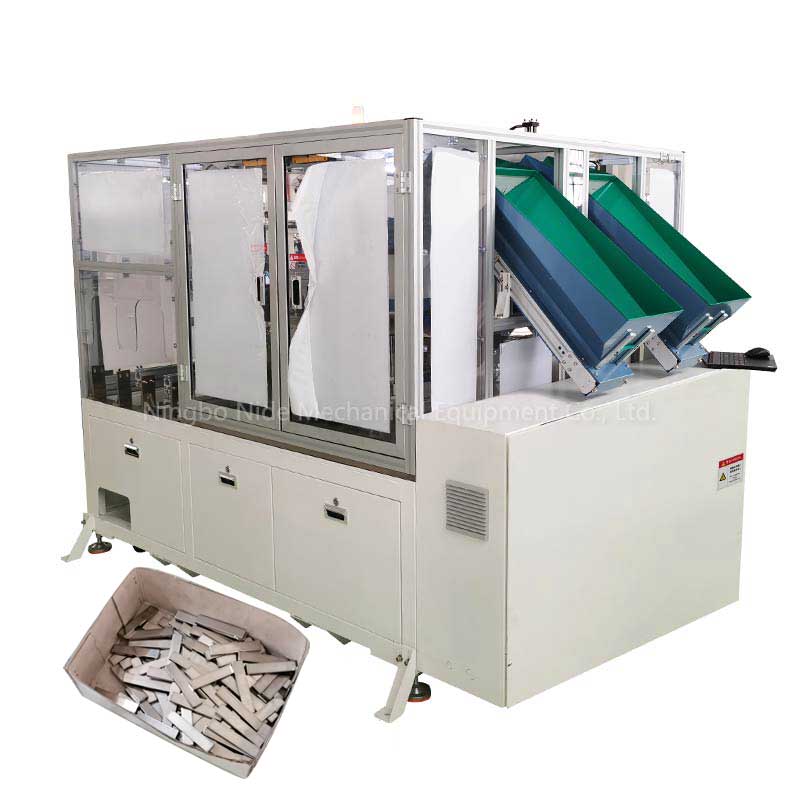
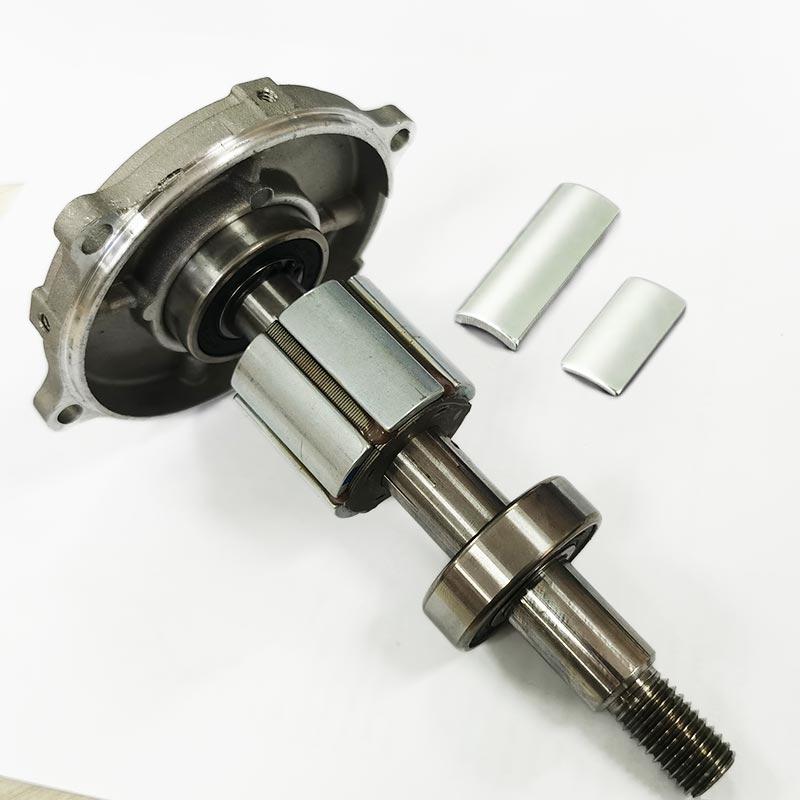
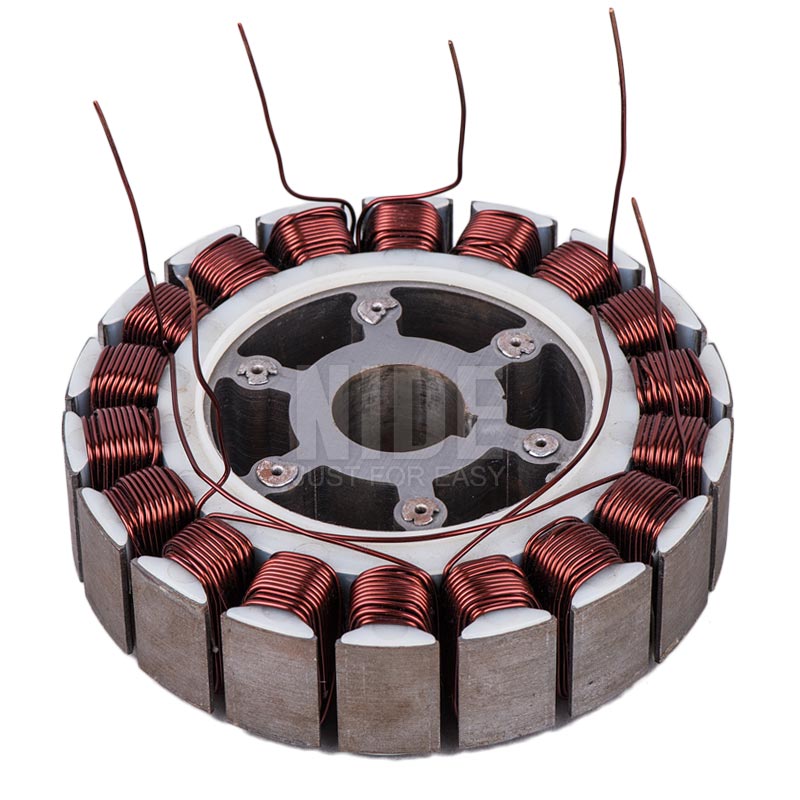
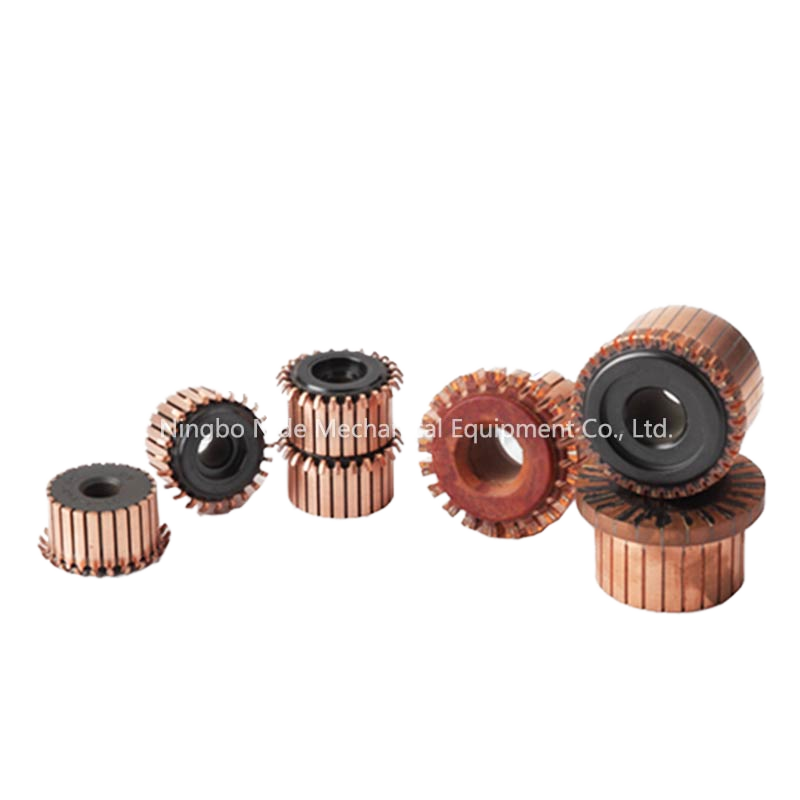
Explore precision-machined armatures, commutators, automated winding units, and magnetic materials integrated into our complete dynamic rotor balancing lines.
Engineering Rotor Balancing Technology in Larissa, Greece
A technical overview of static and dynamic rotor stabilization, localized Thessalian operating conditions, and machine-tool integration for Greek industrial operators.
1. The Kinematics of Unbalance: G 1.0 vs. G 2.5 Standards
Rotational machinery operating within the agro-industrial and manufacturing corridors of Larissa (Thessaly, Greece) faces stringent mechanical stress criteria. Rotor unbalance stems from three fundamental physical deviations: mass asymmetry in electrical steel stampings, non-uniform distribution of copper windings, and micro-voids in resin impregnations or permanent magnet bonding. According to ISO 1940-1, rotor balance quality grades determine the permissible residual specific unbalance ($e_{per} = U_{per} / m$), where angular velocity directly multiplies operational centrifugal loads:
$$F_{centrifugal} = m \cdot r \cdot \omega^2$$
When an uncorrected agricultural borehole submersible pump or industrial fan rotor spins at 3,000 RPM in the industrial zones of Larissa, a mere 5 grams of residual offset at a radius of 80 mm exerts over 394 Newtons of continuous dynamic radial load. This cyclical excitation accelerates bearing cage fatigue, deteriorates mechanical face seals, and generates airborne acoustic emissions exceeding EU occupational limits. Our automated rotor balancing lines utilize dual-plane hard-bearing measurement cradles equipped with piezoelectric quartz force transducers, achieving residual unbalance detection down to ≤ 0.05 g·mm/kg, matching the G 1.0 threshold for high-speed EV rotors and precision pump drives.
2. Regional Application Scenarios Across Thessaly
Larissa serves as the primary engineering, agricultural equipment, and logistics capital of central Greece. Rotor balancing solutions provided to this regional cluster serve four distinctly critical sectors:
- Agricultural Irrigation & Deep-Well Pumps: The intensive agricultural plain of Thessaly relies heavily on multi-stage centrifugal borehole pumps and surface irrigation equipment. Rotors operating submerged in deep aquifers cannot afford bearing wear caused by dynamic eccentricity, which leads to stator bore rubbing and motor burnouts during peak summer watering cycles.
- Agro-Food Processing Plants: Industrial facilities around Larissa, Giannouli, and Tyrnavos house massive decanters, separator centrifuges, grain elevators, and industrial refrigeration compressors. High-volume continuous operation demands G 2.5 balance grades on fan blowers, hermetic compressor motors, and conveyor drive armatures to prevent unscheduled seasonal downtime.
- Automotive Tier & Heavy Fleet Thermal Management: Positioned at the intersection of Greece's primary north-south transport corridor (PATHE highway), Larissa houses critical assembly and repair facilities for commercial vehicle cooling fans, radiator blower armatures, and alternators running continuous thermal cycles in elevated Mediterranean temperatures.
- Heavy Industrial Maintenance & Motor Rewinding: Independent electromechanical workshops and rewinding factories in Larissa require versatile, rapid-changeover balancing lines capable of accommodating varying stack lengths (40 mm to 600 mm) and shaft diameters without extensive pneumatic retooling.
3. Dynamic Correction Methodologies: Milling, Drilling & Weight Addition
Our turnkey balancing systems supplied to Larissa incorporate integrated, closed-loop material correction stations, eliminating the latency of transferring parts to standalone machine tools:
Automatic Axial Drilling
High-speed servo-guided drilling heads calculate exact angular positions (θ) and penetration depths based on dynamic sensor vectors, removing precise weight from balancing rings or lamination cores.
Radial End-Milling
Utilized for small armatures and BLDC outer-rotor assemblies, programmable circular milling cutters mill shallow balancing arcs, preserving lamination insulation and eliminating loose metal chips.
Weight Addition & Putty
For universal motor armatures and sensitive permanent magnet traction rotors, automated pneumatic dispensers meter precise epoxy putty quantities or press calibrated counterweight clips directly into balancing slots.
Local Development Trends in Larissa & Northern Greece
How the green transition, European industrial automation initiatives, and e-mobility modernization are shaping rotor balancing investments across Thessaly.
Transition to IE4 & IE5 Efficiency
With EU Ecodesign directives mandating super-premium efficiency (IE4) for industrial electric drives, Greek motor manufacturers are shifting toward permanent magnet synchronous motors (PMSM) and synchronous reluctance motors. Higher magnetic energy densities make magnetic center alignment and mechanical balancing critical to prevent torque ripple and audible harmonics.
Digitization & Industry 4.0 Telemetry
Manufacturing facilities across central Greece are upgrading standalone mechanical workstations to fully networked Industry 4.0 production cells. Our balancing lines feature integrated OPC-UA interfaces, real-time unbalance vector logging, statistical process control (Cp/Cpk analysis), and remote diagnostic links back to engineering support desks.
Agro-Industrial Modernization & Repair Autonomy
Following recent infrastructure modernization programs across Thessaly, regional pump manufacturers and electromechanical repair centres are investing in in-house balancing lines to shorten delivery lead times, eliminating reliance on foreign contract testing facilities in Athens or Thessaloniki.
Why Engineers Choose Our Rotor Production Lines
Integrated machinery manufacturing, custom tooling capabilities, and full ISO 9001 certified build standards.
Turnkey Vertical Manufacturing & Components
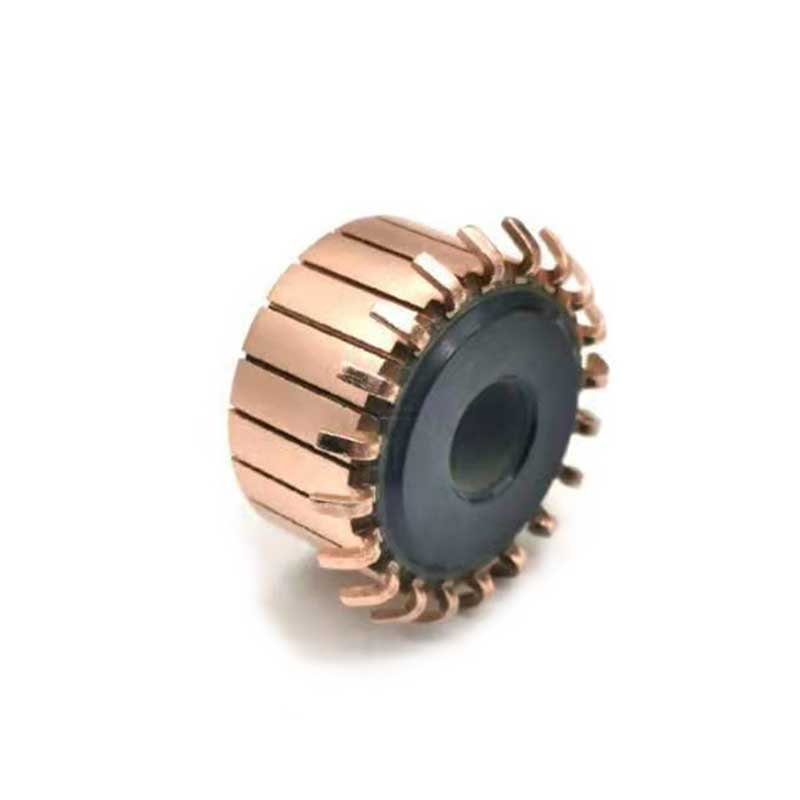
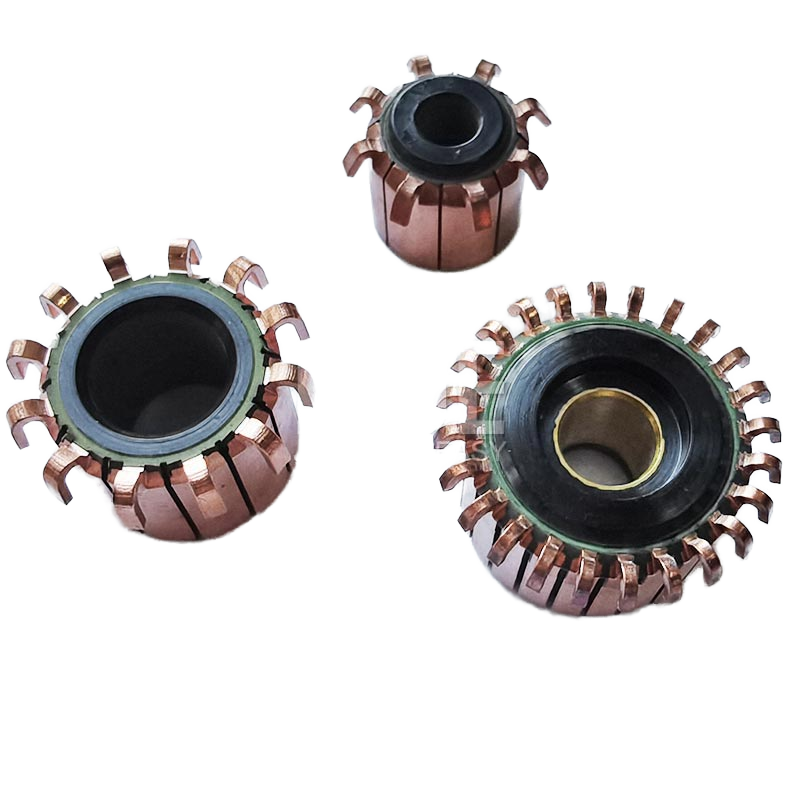
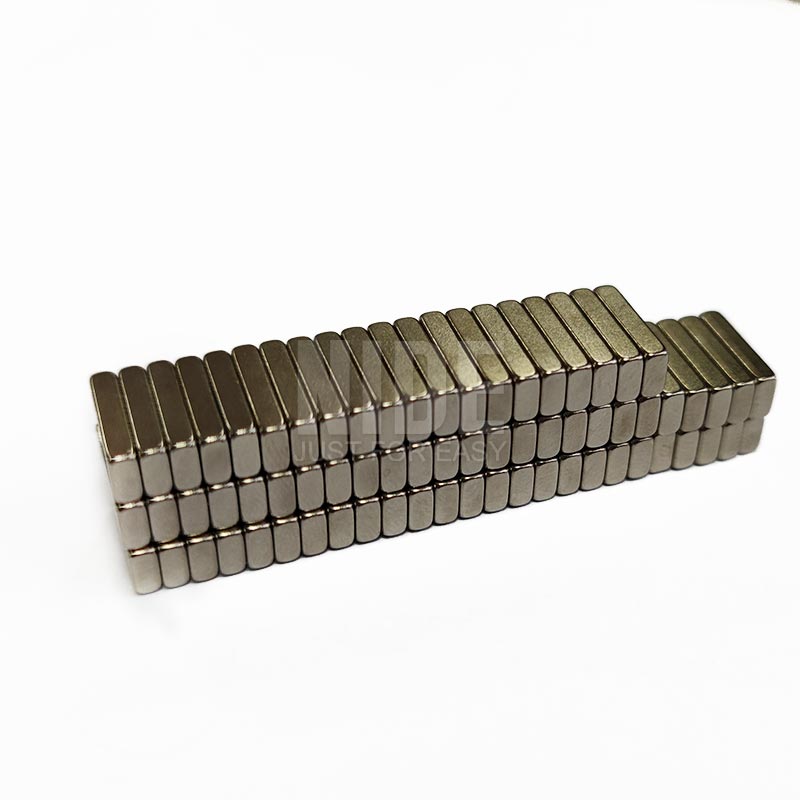
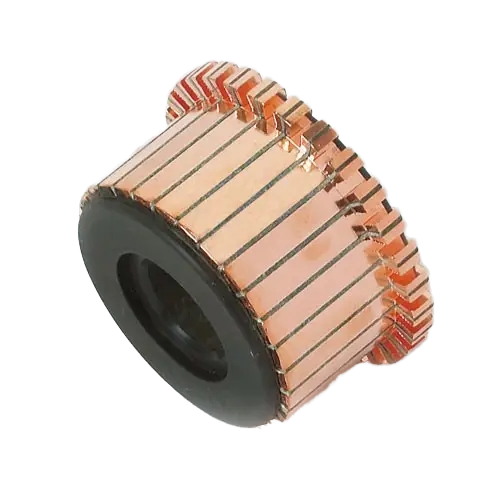
Unlike suppliers that merely resell third-party balancing units, we engineer the entire rotor manufacturing sequence. From shaft insertion, commutator pressing, insulation paper insertion, and high-speed flyer winding to dynamic balancing and final electrical surge testing, our complete ecosystem includes high-grade commutators, NdFeB magnets, and precision winding tooling designed to work in continuous harmony.
Custom Tooling, Fixtures & Quick Changeovers
Every rotor balancing cradle, driving belt drive, or end-face pneumatic chuck is custom engineered around your part geometry. We supply modular tooling sets that enable Greek production managers to execute complete model changeovers in under 15 minutes, accommodating varied armature stack heights, shaft tapers, and bearing journals.
Factory Acceptance Run-Off With Your Actual Parts
Prior to sea or overland transit to Larissa, each balancing cell undergoes a 100% full-load trial run using your supplied laminations, shafts, and armatures. High-resolution run-off videos, calibration certificates, and dimensional accuracy reports are submitted for formal engineering sign-off before crate dispatch.
Global Export Experience Across 50+ Countries
With more than 13 years of export operations, our equipment operates reliably across Europe, the Middle East, and the Americas. We provide multi-lingual HMI interfaces (English/German/Greek upon request), CE conformity documentation, and robust seaworthy export packaging tailored for long-distance transport.
Frequently Asked Questions for Buyers in Larissa
Essential guidance on importing, installing, calibrating, and maintaining dynamic rotor balancing equipment in central Greece.
What balance quality grades can your rotor lines achieve?
Our balancing lines achieve ISO 1940-1 grade G 1.0 and G 2.5 tolerances, with residual unbalance sensitivities down to ≤ 0.05 g·mm/kg. This precision satisfies demanding applications from automotive radiator fans to precision borehole pump impellers and high-speed BLDC spindles.
How do you handle shipping, customs clearance, and delivery to Larissa?
We deliver under standard international commercial terms including FOB, CFR, and CIF (Port of Piraeus or Port of Thessaloniki), as well as direct DAP/DDP delivery to your industrial facility in Larissa. Machines are secured in moisture-barrier vacuum packaging within reinforced fumigated wooden crates.
Can a single balancing line handle both agricultural pump rotors and small DC armatures?
Yes. We configure multi-range balancing systems featuring adjustable bearing support pedestals, dual sensitivity amplification circuits, and interchangeable belt/drive mechanisms to accommodate rotor weights ranging from 0.1 kg up to 50 kg on a single unified frame.
What technical support and operator training are available in Greece?
We provide full technical documentation, wiring schematics, and video tutorials. Commissioning can be completed via on-site field engineers or guided remote commissioning via high-definition video link. Our service desk provides rapid remote PLC diagnostics and next-day dispatch of standard consumable spare parts.
What power supply and factory utilities are required on site?
Our standard electrical control cabinets are designed for European 400V, 3-phase, 50Hz electrical distribution. Pneumatic stations require clean, dry compressed air at 0.5 – 0.7 MPa. All industrial controllers utilize internationally standard Siemens or Mitsubishi PLC platforms for seamless local maintenance.
Can you customize the machine for automatic material removal?
Absolutely. Depending on your rotor architecture, we integrate automated single- or dual-axis drilling units, radial milling heads, or automatic epoxy dispensing units that execute real-time closed-loop correction based on unbalance vector angle and magnitude calculations.
Modernize Your Rotor Balancing Production Line Today
Submit your rotor drawings, annual production volume targets, and balance grade requirements. Our application engineering team will provide a comprehensive line layout, cycle time simulation, and commercial quotation tailored for your factory in Larissa.
