Featured Machinery & Critical Stator Components
Modular assembly stations, lamination handling tooling, and high-conductivity sub-assemblies built to strict ISO 9001 and CE standards for electric vehicle traction drives and auxiliary systems.
Industrial Context: Transitioning Central Portugal to E-Mobility
An architectural evaluation of stator manufacturing requirements, supply chain realignments, and engineering standards for Tier 1 and Tier 2 automotive producers in the Coimbra District.
The District of Coimbra, situated at the core of Portugal’s central industrial corridor along the A1 highway and connected directly to the ports of Leixões and Lisbon, represents a critical nexus for precision mechanics, advanced plastics, and clean-tech manufacturing. As the European automotive industry undergoes a structural shift away from internal combustion architectures toward battery electric vehicles (BEVs) and hybrid drivetrains under stringent Euro 7 and EU Fit for 55 directives, the regional manufacturing ecosystem around Coimbra, Cantanhede, and Figueira da Foz faces an urgent imperative to deploy automated electric motor production assets.
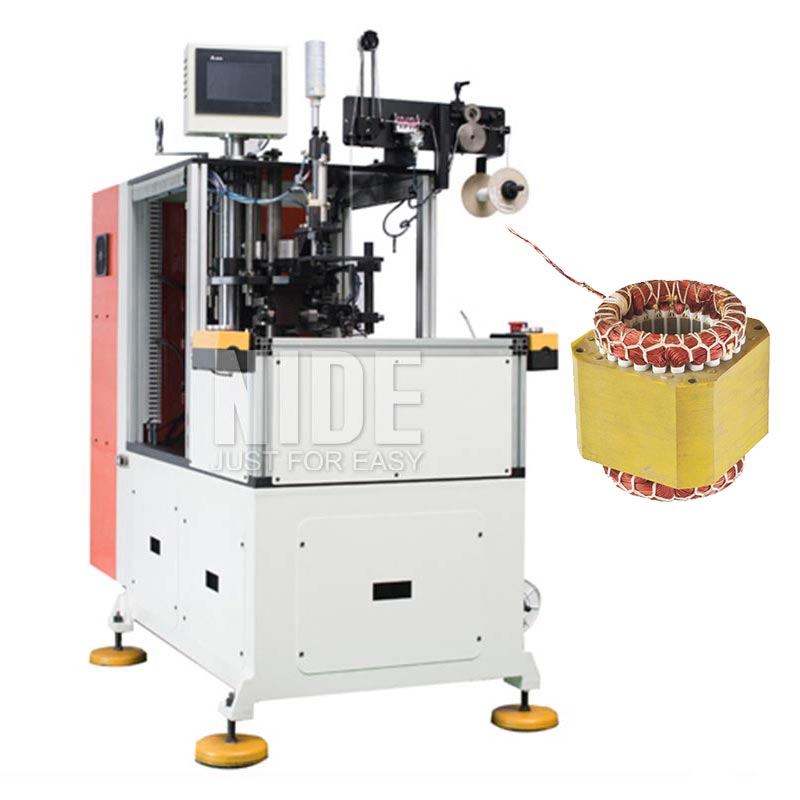
Electric vehicle stators represent the electromagnetic heart of modern traction inverters and e-axles. Unlike traditional alternating-current (AC) industrial motor stators characterized by round enameled wire, low slot-fill factors, and manual varnish impregnation, modern EV stators demand exceptionally tight process tolerances, extreme thermal endurance, and high copper slot-fill ratios exceeding 70%. Achieving such parameters at industrial volume requires automated turnkey stator lines capable of handling complex sequences: high-precision lamination stacking, slot liner insertion using Nomex or polyimide films, servo-driven hairpin bending and inserting, 3D optical laser welding of copper hairpin crowns, and continuous trickle impregnation under vacuum-pressure conditions.
73%+
Copper Slot-Fill Ratio (Hairpin)
≤ 45s
Traction Stator Tact Time
±0.02mm
Hairpin Stripping Tolerance
100%
Inline Partial Discharge Testing
Localized Application Scenarios in Coimbra & Central Portugal
Deploying specialized motor production technology across localized automotive clusters, industrial pump manufacturing, and university research spin-offs.
Tier 1 EV Powertrain Supply
Producers serving major assembly hubs in the Iberian Peninsula (such as Stellantis Mangualde and Volkswagen Autoeuropa) require high-volume automated lines for hairpin wound stators configured for 400V and 800V architectures with extreme vibration resistance.
- Automated 2D/3D copper wire CNC forming
- Vision-guided slot paper and pin insertion
- Fiber laser end-turn crown welding
- Trickle and vacuum impregnation systems
Micro-Mobility & Light Commercial Hubs
Central Portugal’s active two-wheeler, cargo bike, and agricultural robotic clusters benefit from compact, multi-spindle needle winding lines designed for outer-rotor BLDC stators and high-torque direct-drive wheel motors.
- High-speed multi-axis flyer & needle winding
- Optimized for concentrated pole architectures
- Rapid changeover fixtures under 20 minutes
- Integrated Hall sensor soldering and potting
R&D Pilot Lines with University Ecosystems
Synergies with the University of Coimbra’s Faculty of Sciences and Technology (FCTUC) and the Pedro Nunes Institute (IPN) necessitate agile pilot lines for prototyping axial-flux motors, synchronous reluctance rotors, and low-loss magnetic alloys.
- Semi-automatic parametric assembly cells
- Advanced dynamometer test benches
- Inline thermographic and partial discharge logging
- Full raw data export for academic benchmarking
Technological & Regulatory Trends Impacting Coimbra’s Factories
Key regulatory and engineering trajectories shaping equipment procurement in Portugal over the 2025–2030 cycle.
1. Transition to 800V Architecture
Higher operating voltages require pin-hole free slot insulation (Nomex-Kapton-Nomex laminates) and 100% inline surge and partial discharge testing to eliminate corona discharge failure risks.
2. Flat Wire Hairpin Dominance
Displacing traditional round wire winding, continuous hairpin and I-pin designs maximize electromagnetic efficiency, lower thermal resistance, and shorten end-turn heights for compact e-axles.
3. Digital Twin & OPC-UA Connectivity
European factories require full SCADA integration, automated MES traceability via laser-engraved 2D DataMatrix codes on every stator core, and real-time tooling wear diagnostics.
4. Net-Zero & Recyclability Protocols
In line with Portugal’s PNEC 2030 national energy framework, modern stator machines integrate energy-regenerative drives and non-polluting solvent-free epoxy powder coating stations.
Turnkey Automated Stator Production Line Sequence
A comprehensive overview of an automated, 12-station automotive electric motor stator manufacturing workflow.
| Station ID | Operation Stage | Primary Technology | Key Process Parameters & Tolerances |
|---|---|---|---|
| ST-01 | Lamination Pack Assembly | Hydraulic/Servo Cleating & Laser Welding | Stack height tolerance ±0.05 mm; skew angle control ±0.1° |
| ST-02 | Slot Insulation Insertion | Automatic Paper Feeding & Edge Creasing | B-stage insulation paper or aramid film, feed speed ≤0.35s/slot |
| ST-03 | Hairpin Wire Forming | High-Speed Multi-Axis CNC Bending & Stripping | Laser enamel strip without copper loss; bend angle ±0.15° |
| ST-04 | Hairpin Nesting & Insertion | Multi-Layer Insertion Ring with Servo Grippers | Zero scuffing on insulation paper; simultaneous 48-72 slot insertion |
| ST-05 | End-Turn Twisting & Forming | Dual-Direction Multi-Jaw Servo Twisting Tool | Symmetrical radial offset; precision pitch preservation |
| ST-06 | Laser Crown Welding | Vision-Guided High-Power Fiber Laser (3-6kW) | Real-time seam tracking; bead height ±0.1 mm; void ratio <2% |
| ST-07 | Busbar Integration | Ultrasonic or Micro-Resistance Fusing | Phase connector joints; temperature monitored during joining |
| ST-08 | Trickle / Vacuum Impregnation | Controlled Resin Dispensing & Induction Curing | Zero bubble entrapment; high thermal classification (Class H/R) |
| ST-09 | End-of-Line (EOL) Diagnostics | Surge, Hi-Pot, Resistance & Partial Discharge | Dielectric breakdown ≥3.5 kV; Kelvin bridge resistance balance |
Why Automotive Manufacturers Choose Our Equipment
Combining over a decade of specialized motor equipment engineering with turnkey European supply chain integration.
Drawing on the established machinery heritage of Ningbo Nakro Intelligent Equipment Co., Ltd. and the global technological ecosystem of the NIDE brand, we provide industrial manufacturers in Portugal and greater Europe with an end-to-end competitive advantage. Established in 2010 and operating across modern facilities exceeding 30,000 square meters, our engineering groups have delivered stator manufacturing machinery, armature lines, and precision automation modules to automotive and industrial clients in more than 50 countries.
Unlike purely trading intermediaries or fragmented single-machine vendors, our value proposition spans complete mechanical design, in-house CNC tooling fabrication, proprietary PLC/PC software architectures, factory trial run validation using your proprietary laminations and wire, and direct on-site commissioning supported by European regional service partners.
ISO 9001 Certified Quality
Every cell is assembled according to strict ISO 9001:2015 frameworks, CE safety directives, and automotive EMC standards for dependable industrial reliability.
Custom Tooling & R&D
Our dedicated R&D department engineers customized winding needles, insertion tooling, and clamping jaws tailored directly to your stator slot geometry.
One-Stop Component Ecosystem
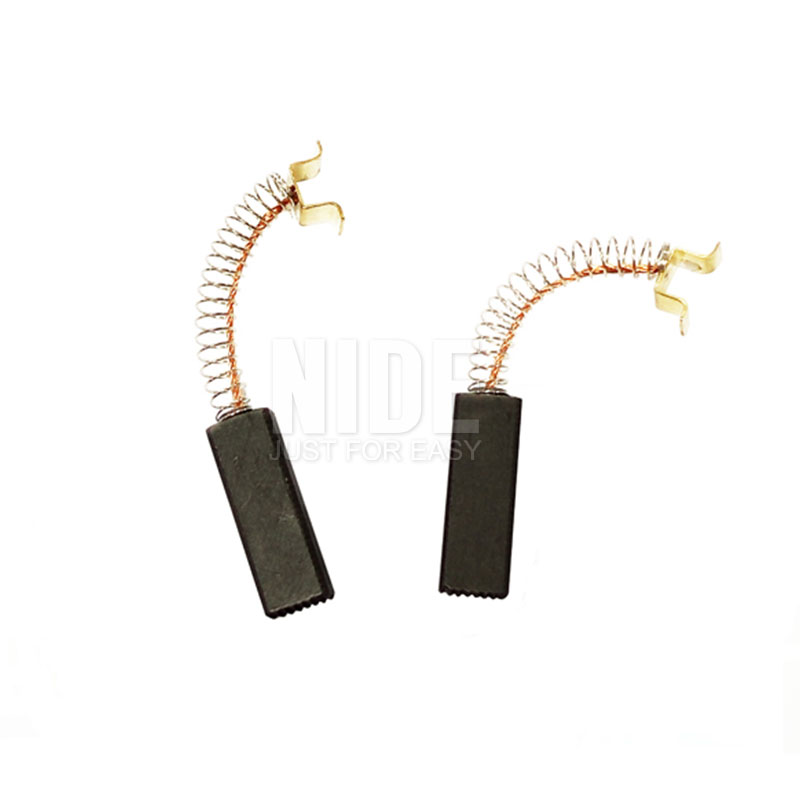
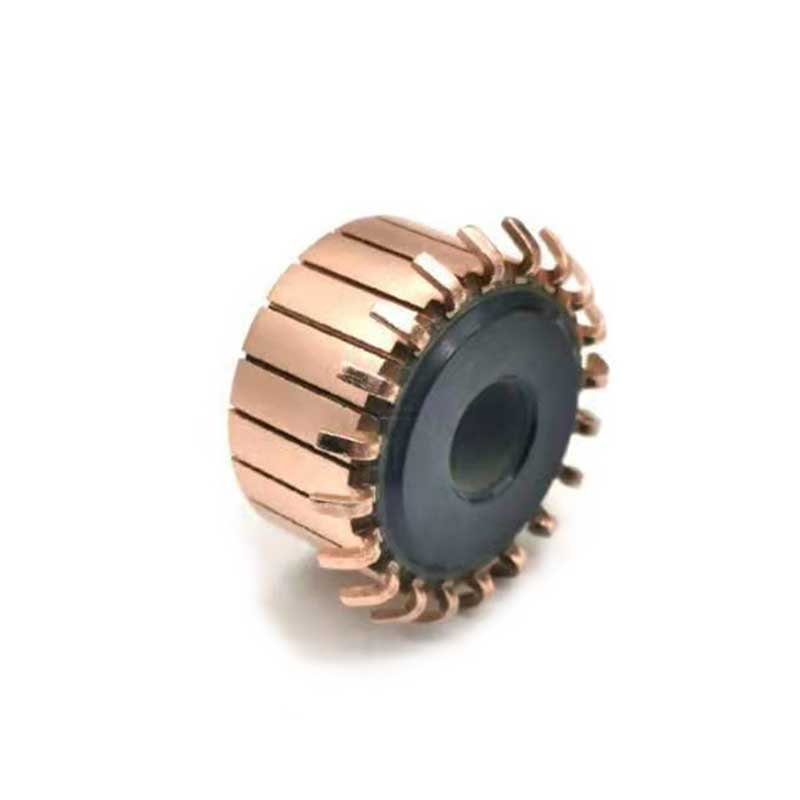
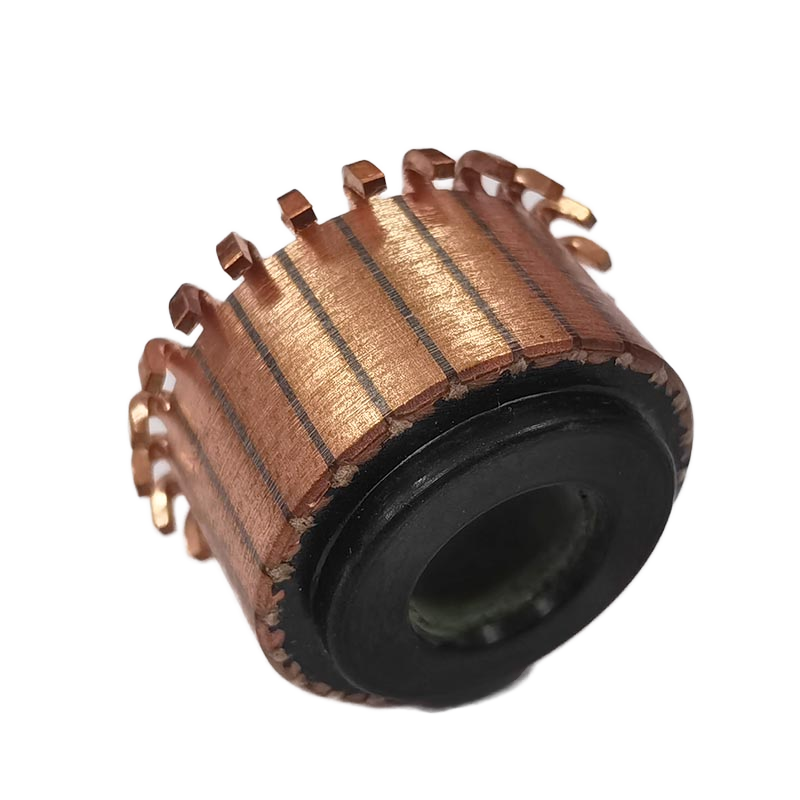
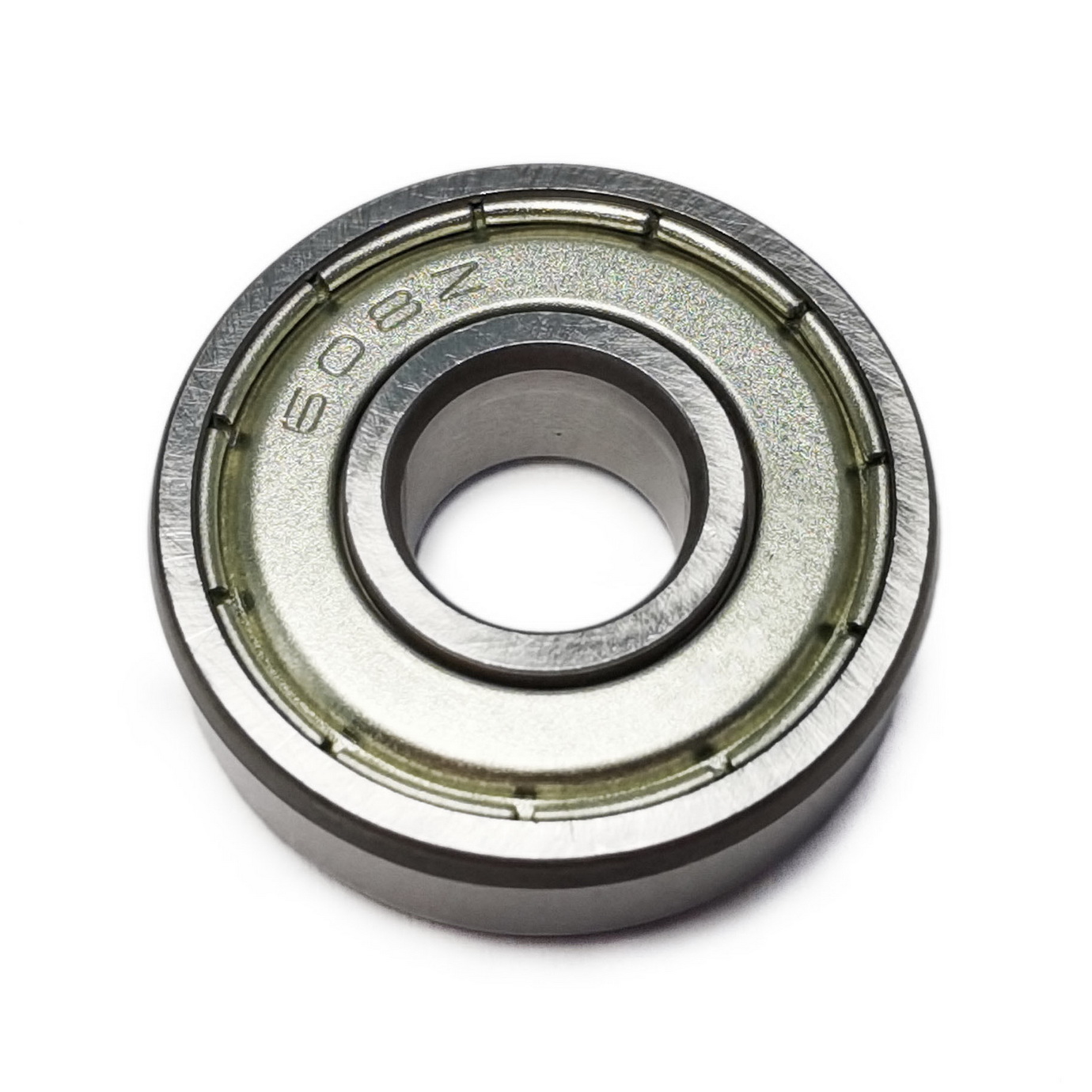
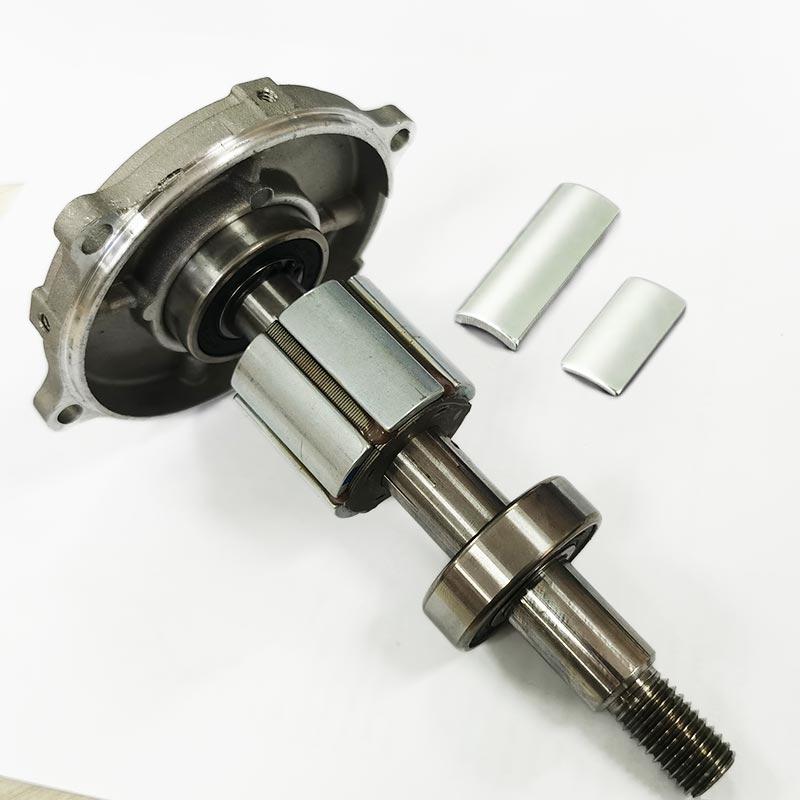
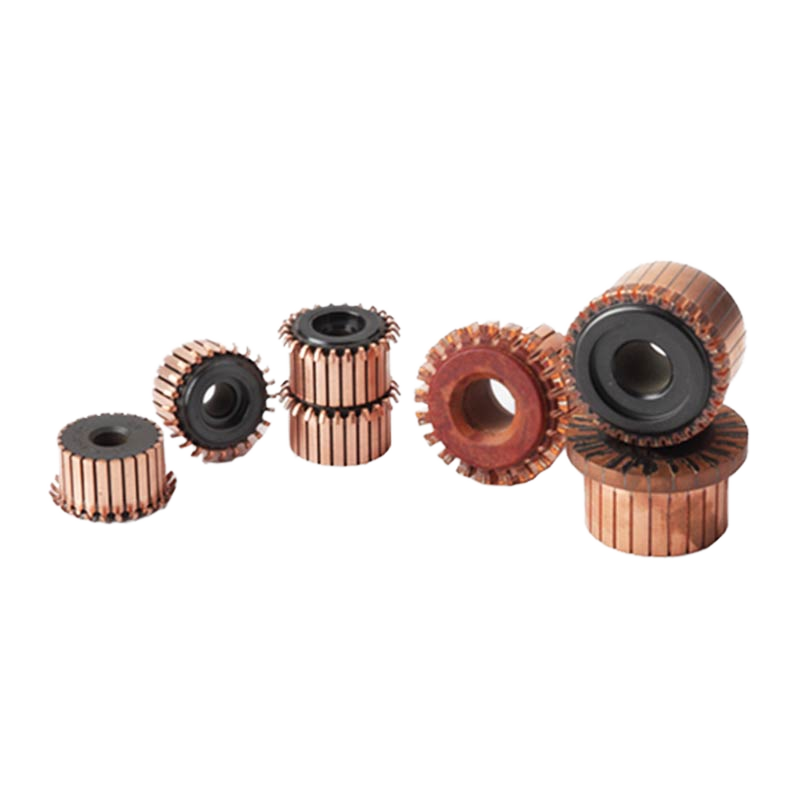
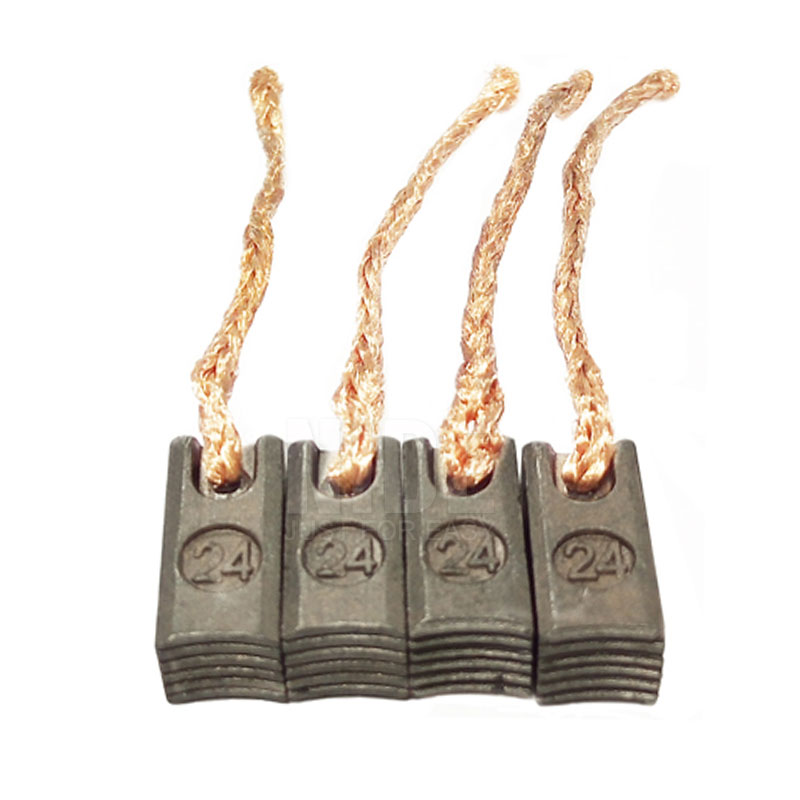
Seamless sourcing integration: beyond machines, we supply verified commutators, N52 neodymium magnets, precision carbon brushes, and high-speed bearings.
Dedicated Global Support
Over 13 years of overseas equipment export expertise, offering remote augmented reality (AR) diagnostics, fast-response spare parts, and on-site support in Europe.
Frequently Asked Questions by Industrial Buyers in Portugal
Direct technical answers addressing compliance, logistics, commissioning, and customization for engineering directors and procurement managers.
Are the stator assembly lines and machines fully compliant with European CE Directives?
Yes. All production equipment supplied to Portuguese and European Union clients is engineered to meet CE machinery safety directives (2006/42/EC), Low Voltage Directive (2014/35/EU), and Electromagnetic Compatibility (2014/30/EU). Safety circuits feature dual-channel interlocks, light curtains, emergency stops compliant with ISO 13849-1 (Category 4 / PL e), and integrated electrical cabinets utilizing standard European components such as Siemens, Schneider Electric, or Omron. Full technical files and Declarations of Conformity are delivered with every machine.
What are the logistics routes, delivery timeframes, and customs handling for Coimbra?
For clients in the Coimbra industrial area, equipment is shipped via containerized maritime freight directly to the Port of Leixões (Porto, approximately 120 km north) or the Port of Lisbon (approximately 200 km south). Typical maritime transit from Ningbo Port is between 28 and 38 days. Machines are packed inside export-grade vacuum-sealed barrier foils with moisture desiccant, bolted to reinforced steel frames, and crated in fumigated ISPM-15 compliant wooden cases. We operate under FOB, CFR, CIF, and DDP terms with comprehensive transport insurance coverage.
How do you handle Factory Acceptance Testing (FAT) and Site Acceptance Testing (SAT)?
Before equipment dispatch, we conduct a rigorous Factory Acceptance Test (FAT) at our production plant. Clients are strongly encouraged to ship batches of their actual production laminations, magnet wire, slot paper, and terminals. We execute continuous production runs to prove tact time, slot-fill performance, dimensional tolerances, and electrical safety. Clients may attend in person or via high-definition multi-camera live video streaming. Upon delivery to your factory in Coimbra, our field engineers manage the physical installation, machine leveling, utility hookup, line balancing, and Site Acceptance Testing (SAT) followed by hands-on operator and maintenance training.
Can lines be adapted to both round wire needle winding and flat wire hairpin configurations?
While the physical insertion mechanism for flat-wire hairpin stators differs substantially from continuous round-wire needle or flyer winding, our modular line architectures allow manufacturers to deploy hybrid cells or scalable stations. For manufacturers running multiple product lines—such as high-voltage traction stators alongside low-voltage auxiliary pumps or cooling fan motors—we build dedicated winding modules that share common impregnation, lamination stacking, and end-of-line electrical testing conveyors, significantly reducing overall capital expenditure.
How do you support spare parts availability and emergency maintenance in Portugal?
We maintain a standardized bill of materials where non-wear pneumatic, electrical, and control components (such as Festo or SMC cylinders, Siemens PLCs, and THK guides) are readily sourced directly from local Portuguese and European industrial distributors. For proprietary custom tooling—such as tungsten-carbide wire guides, insertion blades, and twisting dies—we supply a recommended 2-year consumable spares pack during shipment and maintain blueprint archives for rapid CNC remanufacture and dispatch via air courier within 72 hours. Remote diagnostic VPN gateways on all PLC cabinets allow our senior automation engineers to troubleshoot program logic in real time.
Can you collaborate on R&D prototyping projects with local universities like the University of Coimbra?
Yes. We frequently support academic-industrial joint research programs, innovative spin-offs, and pilot lab initiatives. We offer flexible, semi-automated benchtop winding, coil insertion, and electrical characterization cells specifically configured for rapid parameter tweaking, variable slot depths, unusual pole counts, and novel magnet orientations, providing complete parameter control without requiring high-volume commitment.
Accelerate Your E-Mobility Stator Production in Coimbra
Submit your stator cross-section drawings, lamination stack dimensions, annual volume targets, and electrical performance criteria. Our specialized engineering division will deliver a detailed line layout, tact time simulation, and commercial quotation within 48 business hours.
Get Catalog