Industrial Metrology & Manufacturing Engineering

CE Certified Rotor Balancing Line Factories & Suppliers Serving the Guyana Market

Engineering dynamic equilibrium precision, automated armature balancing cells, and turnkey electric motor production lines engineered for harsh equatorial extractive and maritime operations.

ISO 9001 CE Compliant Quality Controls
≤ 0.1g·mm/kg Dynamic Residual Imbalance Target
50+ Countries Global Industrial Export Track
13+ Years Turnkey Line Engineering Experience

Precision Rotor Balancing Units & Integrated Winding Solutions

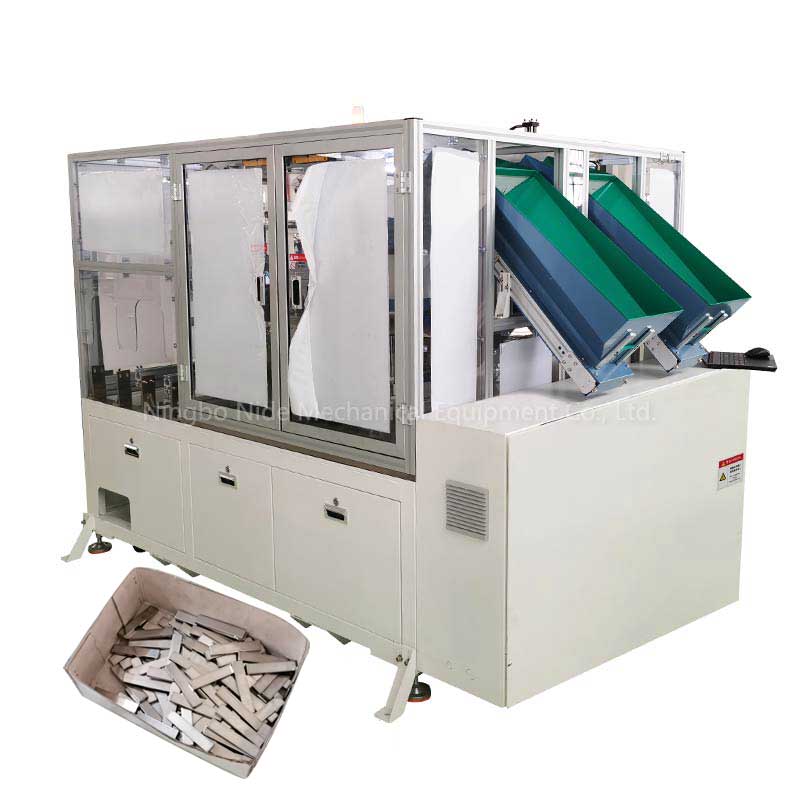
Engineered for high-volume manufacturing throughput and high-reliability industrial maintenance. Fully integrated with automated PLC diagnostics and precision dynamic sensors.

The Metrology of Dynamic Residual Imbalance in Severe Operating Environments

Rotating mechanical assemblies in industrial electric motors undergo centrifugal forces proportional to the square of their angular velocity (ω²). In dynamic systems, even a minuscule eccentricity between the rotor’s geometric center and its principal mass axis generates intense oscillating forces, leading to accelerated fatigue fracture of bearing raceways, catastrophic brush commutation sparking, and early dielectric breakdown in stator windings.

ISO 1940-1 / ISO 21940 Grade G1.0 to G2.5 Compliance: Our automated dynamic balancing equipment measures unbalance vectors across two analytical correction planes, determining both static and couple unbalance within fractions of an angular degree using piezoelectric accelerometer pick-ups.

For industrial operators supplying or serving continuous production in the Guiana Shield, environmental variables such as ambient humidity (regularly exceeding 85%), high salinity in maritime ports, and fluctuating grid frequencies place extraordinary harmonic stresses on mechanical drivetrains. A rotor balanced solely under static gravitational parameters will experience parasitic dynamic couples as soon as it enters operational speed ranges, leading to premature downtime in high-stakes mining dredges, sugar cane processing mills, and offshore support vessels.

Our CE certified rotor balancing line solutions integrate microprocessor-controlled dual-plane polar displays, automated polar indexing, and closed-loop milling or drill-depth calculation. This ensures residual imbalance levels safely align with G1.0 boundaries, extending bearing longevity by up to 300% under demanding equatorial workloads.
Dynamic Balancing Performance Matrix

  • Balancing PrincipleDynamic Dual-Plane Hard-Bearing
  • Measurable Rotor Weight0.10 kg to 500.00 kg (Scalable)
  • Minimum Achievable Residual Imbalance (MARI)≤ 0.1 g·mm/kg
  • Measuring Speed Range450 – 12,000 RPM (Inverter Driven)
  • Correction MethodsAutomated Radial Milling / Axial Drilling
  • Control ArchitectureSiemens / Mitsubishi PLC + Industrial PC
  • Safety & ComplianceCE Machinery Directive 2006/42/EC
  • Vibration Transducer TypePiezoelectric Crystal Sensor Array

Localized Applications Across Guyana’s Heavy Industry Sectors

Guyana’s economic expansion—driven by deepwater offshore discoveries, extensive gold and bauxite extraction, agricultural processing, and modernized public infrastructure—demands zero-downtime electromechanical installations.

Offshore Oil Support & Marine Operations

Auxiliary thrusters, bilge drainage pumps, seawater cooling turbomachinery, and heavy-duty generators deployed aboard offshore support vessels (OSVs) operating in the offshore basins of Guyana require strict rotor balancing. Imbalance introduces vibration harmonics that rapidly deteriorate maritime bronze bearings exposed to salt spray.

Our balancing lines deliver high balancing grades (G1.0/G2.5), shielding marine auxiliary prime movers from vibration-induced cavitation and unexpected operational shutdowns at sea.

Extractive Mining: Gold, Bauxite & Quarrying

In the interior regions such as Linden, Mahdia, and the Mazaruni river basin, slurry pump impellers, rock crusher rotors, and trommel drive shafts suffer severe abrasive slurry wear. Uneven erosion generates significant dynamic mass imbalance within hours of abrasive tailings transport.

Installing localized dynamic balancing workshops powered by our turnkey systems enables in-country refurbishment of heavy rotor assemblies, eliminating costly international air freight delays.

Agro-Industrial: Sugar Mills & Rice Refining

Guyana’s staple agricultural refining infrastructure—including sugar cane bagasse boiler draft fans and commercial rice mill aspirators—relies on high-diameter impellers running under seasonal 24/7 operating cycles. Sticky particulate build-up creates massive mass displacements.

Our dual-plane balancing machines provide rapid weight correction calculations, ensuring industrial exhaust blowers and milling cutterheads operate without tripping vibration switches.

Emerging Trends Accelerating Guyana’s Rotor Metrology Demands

An in-depth perspective on why precision motor balancing infrastructure has shifted from an operational luxury to a core national development requirement.

The Gas-to-Energy (GtE) Paradigm Shift

With Guyana's monumental Wales Gas-to-Energy project on the West Bank of Demerara nearing integration, the cost of industrial baseload power is projected to decrease sharply. This change is stimulating domestic manufacturing, localized metal fabrication, and mechanical service workshops.

Enterprises are pivoting toward domestic electromechanical refurbishment plants, requiring precision balancing facilities to service motors locally rather than importing complete replacement drive trains.

Stringent Local Content Law (LCA) Targets

Guyana's Local Content Act mandates that international operating consortiums prioritize registered Guyanese engineering and maintenance firms. Specialized technical capabilities—such as ISO 1940 dynamic balancing, laser alignment, and certified electrical rewinding—command premium contractor status.

Deploying our CE-certified balancing cells positions local machine shops to secure long-term Tier 1 and Tier 2 contractor certifications within the energy supply chain.

Electrification of Rural River Transport

With national green infrastructure incentives expanding across the Essequibo, Demerara, and Berbice regions, electric propulsion for river craft and commercial light transport is advancing. Outer-rotor BLDC wheel and hub motors require high-volume automated manufacturing lines.

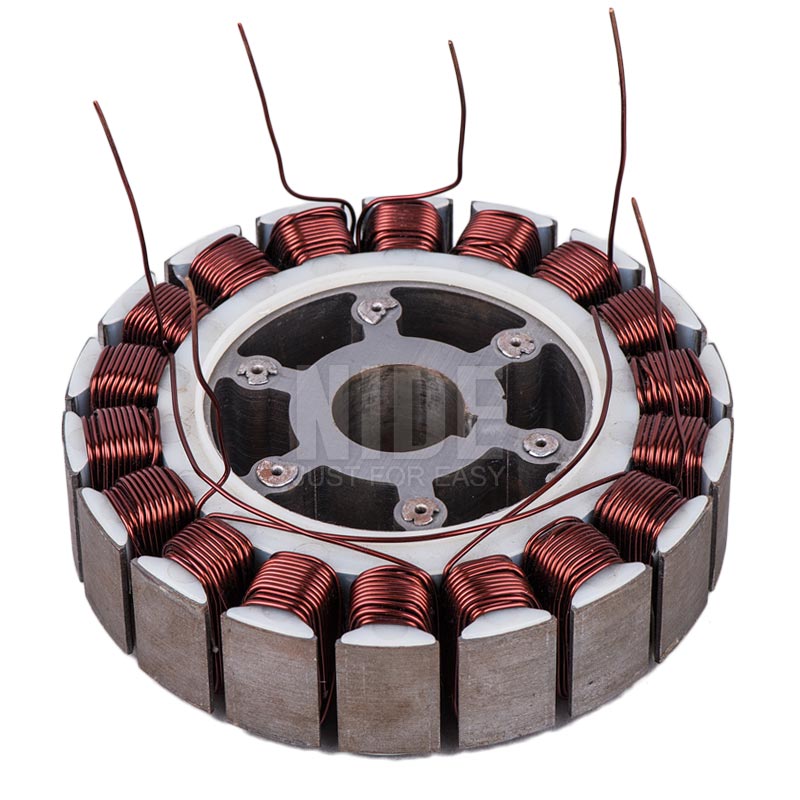
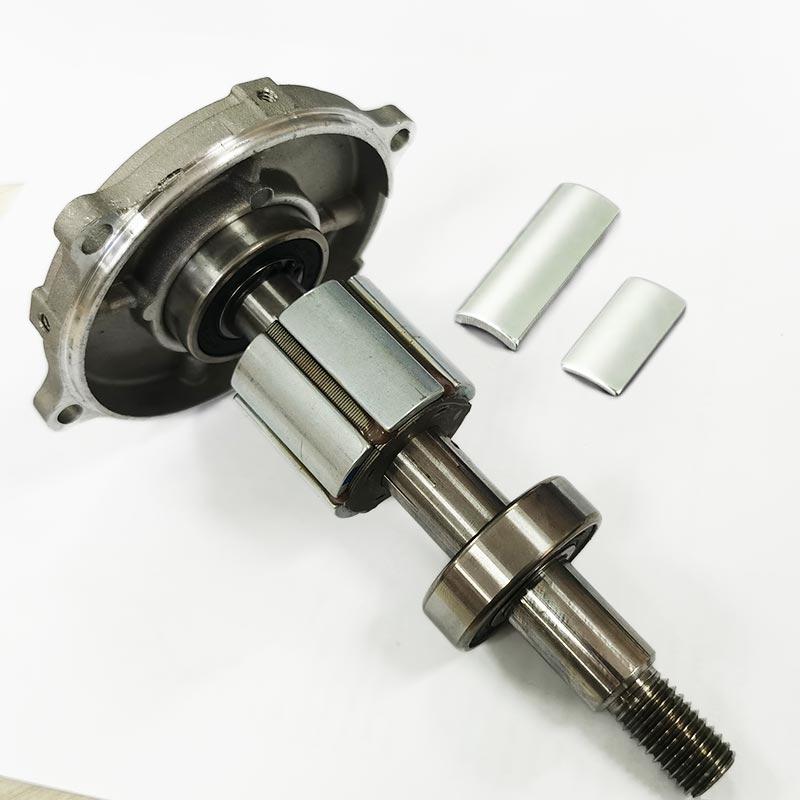
Our integrated systems streamline the complete lifecycle: from armature winding and magnet insertion to computerized final balancing under high angular acceleration.

Why Tier-1 Engineers Partner with Ningbo Nakro Intelligent Equipment

Combining over a decade of dedicated machine design, in-house tooling manufacturing, and global factory automation commissioning.

ISO 9001 & CE Certified

Full conformance with the CE Machinery Directive 2006/42/EC and Low Voltage Directive 2014/35/EU, ensuring workplace safety and electrical reliability.

Export Proven in 50+ Nations

Over 13 years of overseas industrial supply track record across Southeast Asia, Eastern Europe, South America, and the Caribbean basin.

Turnkey In-House R&D

Custom dynamic balancing software, programmable servo-controlled milling fixtures, and customized nozzle winding tooling tailored to client drawings.

Complete Component Supply

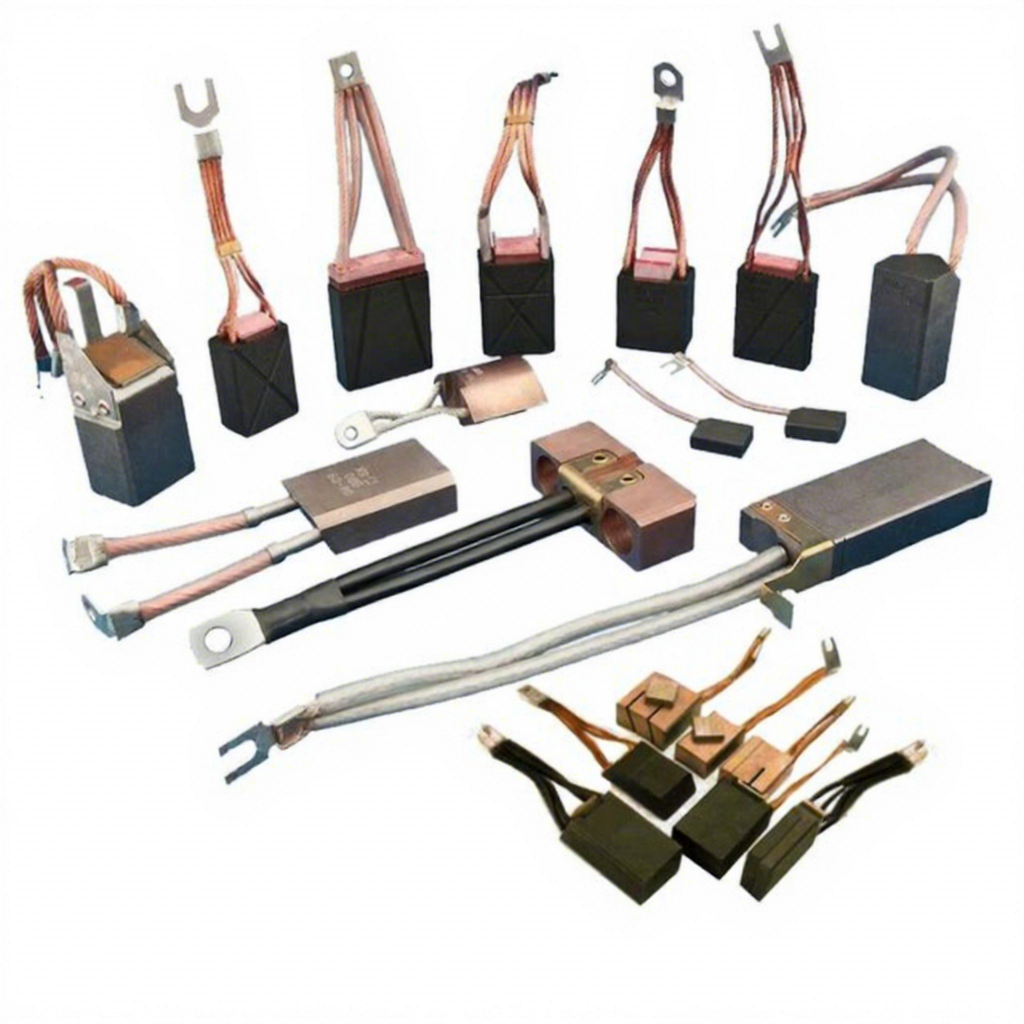
One-stop supply chain integration providing matching commutators, N52 magnets, carbon brushes, shafts, and motor housings alongside machinery.

Equipping an Electromechanical Balancing Facility in Guyana?

Connect directly with our senior process engineers. We evaluate your rotor physical dimensions, batch output rates, and target ISO grades to deliver a comprehensive layout and quotation.

Get a Quote

Frequently Asked Questions by Industrial Buyers in Guyana

Clear, direct technical answers covering power supply interfaces, shipping logistics, acceptance testing, and ISO certification requirements.

Can your balancing equipment adapt to Guyana's dual grid frequencies (50Hz and 60Hz)?
Yes. While Georgetown and historic commercial zones traditionally operate on a 120V/240V 60Hz standard, certain mining concessions, self-generating sugar mills, and industrial estates utilize 50Hz diesel microgrids or European-sourced 380V-415V configurations. Our rotor balancing lines and motor assembly stations feature industrial wide-band Variable Frequency Drives (VFDs) and multi-tap industrial transformers engineered to operate reliably across 380V-480V, 3-phase, 50Hz or 60Hz without loss of metrology accuracy.
How is the machine's precision calibrated and verified prior to shipping across ocean routes?
Every machine is built and verified under our ISO 9001 certified quality protocol at our Ningbo manufacturing plant. We execute factory run-off trials utilizing customer-supplied rotors or standard test armatures. Dynamic unbalance measurement repeatability is verified using calibrated master test weights in accordance with ISO 21940 standards. Customers receive full video documentation, calibration certificates, and run-off data before seaworthy anti-corrosive vacuum packaging.
What are the logistics, shipping times, and ports of entry for Guyana cargo?
Shipments are routed from Ningbo or Shanghai port via ocean freight directly to the Port of Georgetown or the Demerara River terminals. Typical maritime transit schedules range between 35 to 48 days depending on transshipment hubs. We provide full export documentation including commercial invoices, packing lists with HS code specifications, Certificate of Origin, and CE conformity declarations to streamline clearance with the Guyana Revenue Authority (GRA).
How do you provide field commissioning and operator training in interior locations (e.g., Linden, Bartica)?
We provide comprehensive installation options. For turnkey projects, our bilingual service engineers deploy on-site to assist with leveling, anchoring, calibration, and hands-on maintenance crew training. For regional machine shops preferring self-installation, our industrial PC systems feature pre-loaded interactive English operating guides and remote diagnostic telemetry through secure Ethernet links, supported directly by our engineering headquarters.
What is the difference between dynamic dual-plane balancing and static single-plane balancing?
Static balancing corrects for gravitational center mass displacement (static unbalance) on narrow discs (such as thin single-stage pulleys). However, elongated cylindrical rotors (such as armature shafts, multi-stage pump impellers, and alternator rotors) have length that allows unbalance forces to exist at opposite ends 180 degrees apart. This "couple unbalance" can only be detected when the rotor is spinning at dynamic speeds. Dual-plane dynamic balancing lines isolate and neutralize both static and couple unbalance vectors simultaneously.
Can your lines integrate automated material removal stations (milling vs. drilling)?
Yes. Depending on your component specifications and production volume, we equip our balancing lines with either automated multi-axis milling heads (optimal for commutator and armature core laminations) or programmable drill-depth spindles (ideal for casting rings, motor fans, and solid rotors). The machine automatically calculates the exact angular coordinate and depth required to eliminate the unbalance mass without manual operator calculation.

Have a custom motor frame or specialized armature balancing requirement?

Get a Quote