High-Precision Components & Assembly Machinery
Featured Equipment & High-Tolerance Components for Motor Assemblers
Configured to strict European Machinery Directive compliance standards, our integrated systems and precision motor parts empower manufacturing plants in Riga and the wider Baltic corridor to achieve automated, high-yield production runs.


Engineering Rigor & Semantic Deep-Dive
Turnkey Automation Architectures for High-Efficiency Electric Motor Manufacturing
As European industry accelerates toward IE4 and IE5 Super Premium Efficiency thresholds, traditional manual winding and discrete mechanical insertion fail to meet tight tolerances, slot fill consistency, and coil insulation integrity.
Technical Insight for Engineering Directors: Ningbo Nakro Intelligent Equipment delivers closed-loop automated winding, pressing, inserting, and testing lines engineered specifically to eliminate mechanical copper stress, hot spots, and partial discharge vulnerabilities. Through multi-axis servo synchronization, precision needle winding nozzles, and automated slot paper insertion, Nakro production platforms achieve copper slot fill factors exceeding 78% while guaranteeing strict adherence to IEC 60034-30-1 and EU Ecodesign Directive (EU) 2019/1781.
Automated Armature Assembly Cell
Engineered for high-volume automotive auxiliary drives, power tools, and universal appliance motors, linking seven discrete manufacturing stages into one unified, operator-light transfer cell.
- Shaft and lamination core optical alignment and servo press-fit
- Insulation slot liner forming, cutting, and insertion with zero-burr tolerance
- Dual-flyer micro-tension flyer winding reaching 3,000 RPM
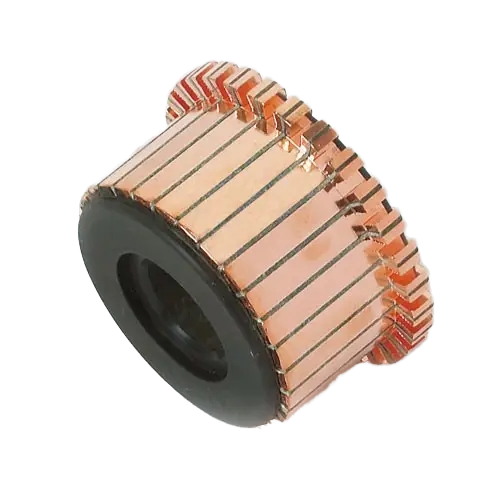
- Hot-staking / micro-fusing hook commutator welding with closed-loop resistance feedback
- Dynamic laser-calibrated two-plane balancing and end-of-line electrical hipot verification
Induction Motor Stator Production Line
Designed for three-phase and single-phase industrial pump, fan, and compressor drives requiring maximum thermal endurance and minimal harmonic distortion.
- Simultaneous coil winding and automated slot wedge inserting in one continuous index
- Multi-station hydraulic intermediate expanding and pre-forming mechanisms
- Dual-needle stator coil diamond lacing with programmable pitch and knot tensioning
- Final dimensional calibration fixture ensuring exact outer diameter and bore concentricity
- Integrated surge comparison, DC winding resistance, and high-potential breakdown testing
BLDC & Permanent Magnet Hub Assembly
Purpose-built for e-mobility drives, light electric vehicles (LEVs), automated guided vehicles (AGVs), and high-torque direct-drive robotics.
- CNC multi-axis needle winding directly into inner-stator or outer-rotor poles
- Automated terminal strip soldering, ultrasonic wire splicing, and thermistor potting
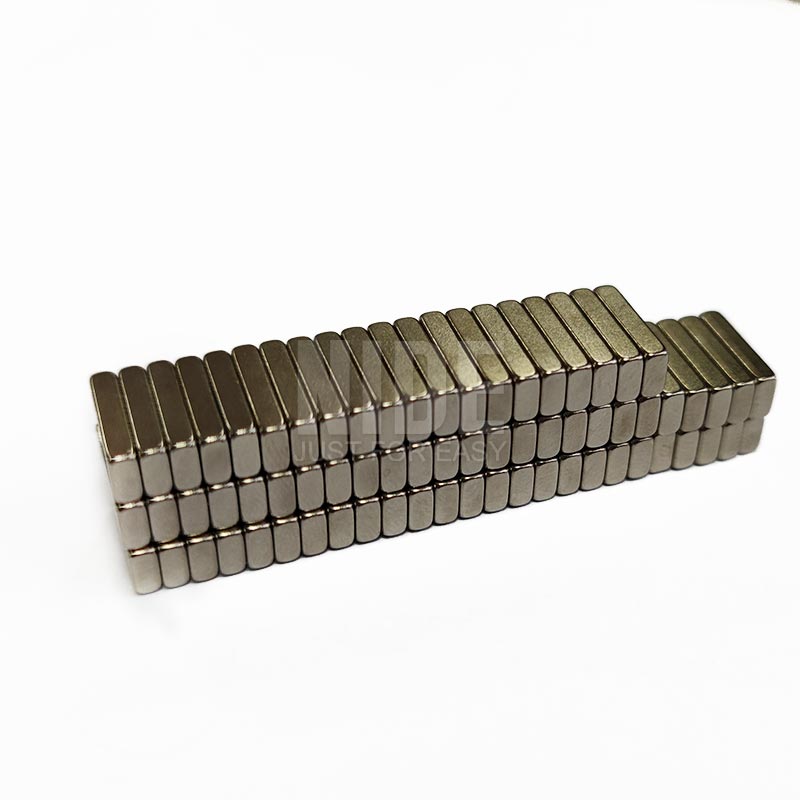
- Automated robotic NdFeB / SmCo permanent magnet insertion, orientation, and UV-glue curing
- Precision concentricity press-fit of rotor shells, bearings, and planetary drive reduction gearsets
- Computerized back-EMF wave shape analysis, cogging torque profiling, and Hall sensor calibration
| System Architecture | Applicable Motor Geometry | Cycle Time (Sec/Unit) | Automation Level | Integrated Quality Validation Checkpoints |
|---|---|---|---|---|
| Armature Line (Rotor-Flex) | OD 15mm – 95mm; Stack Height: 10mm – 120mm | 1.8 – 4.2 sec | Fully Automatic / Turnkey | Wire tension optical check, hook weld millivolt drop, 100% dynamic unbalance inspection |
| Stator Line (Induct-Pro) | Stator OD 60mm – 260mm; Stack Height: Up to 250mm | 12 – 28 sec | Semi-Auto / Full CNC Cell | Slot liner dielectric puncture test, surge waveform cross-check, hipot 2,500V AC testing |
| BLDC Needle Winder (Direct-Pole) | Stator ID 20mm – 180mm; Wire: 0.15mm – 1.8mm | 8 – 35 sec | CNC 4/6-Axis Interpolation | Multi-channel DC resistance balancing, phase inductance L/R profiling, Hall position offset |
| Hub Motor Line (E-Drive LEV) | Rotor Hub OD 120mm – 450mm; Multi-Pole (16P–56P) | 45 – 90 sec | Robotic Pallet Conveyor | Magnet polarity flux density gaussmeter check, cogging torque test, no-load vibration audit |
Baltic Market Integration
Localized Application Scenarios Across Riga's Industrial Ecosystem
Riga stands as the primary logistics hub and manufacturing nerve center of the Baltic states. With proximity to the Freeport of Riga, rapid access to rail transit networks, and an expanding electrotechnical engineering sector, automated motor manufacturing addresses distinct regional imperatives.
1. Rail Baltica & Modern Rolling Stock Auxiliary Subsystems
As the trans-European Rail Baltica infrastructure connects Latvia, Estonia, and Lithuania to Western Europe, tier-1 and tier-2 railway component suppliers in the Riga metropolitan area require ruggedized, vibration-proof auxiliary electric motors. Nakro automated stator inserting and precision potting equipment manufactures high-reliability blower motors, pantograph actuators, dynamic HVAC compressors, and door opening mechanisms adhering to strict EN 50155 and EN 45545 fire and mechanical protection standards.
2. Maritime, Port Equipment & Cold-Chain Logistical Systems
The Port of Riga and the Daugava shipping waterway drive heavy demand for marine-grade, salt-spray-resistant induction motors and specialized hoist drives. Nakro stator manufacturing equipment supports vacuum pressure impregnation (VPI) compatibility, heavy-gauge wire winding, and anti-corrosive stator lamination pressing for electric winches, ballast water treatment pumps, and refrigerated container ventilation units operating under harsh Baltic sub-zero marine environments.
3. Industrial Pumps, Agritech Machinery & Water Management Drives
Latvia’s expansive agriculture, timber processing, and water purification sectors rely heavily on continuous-duty single-phase and three-phase induction pumps. Producing stators using Nakro coil insertion and automatic lacing machinery allows local manufacturers in Riga, Jelgava, and Valmiera to produce IE3/IE4 standard asynchronous motors characterized by minimal stator copper losses, reduced heat dissipation, and extended bearing operational lifespans.
4. E-Mobility, Urban Micro-Transporters & Commercial LEVs
With municipalities across the Baltic and Nordic regions incentivizing emissions-free urban logistics, Riga is emerging as an agile cluster for electric cargo bikes, electric mopeds, and specialized delivery platforms. Nakro outer-rotor hub motor winding and automated rotor magnet insertion systems give local innovators the capability to assemble high-efficiency permanent magnet synchronous motors (PMSM) locally, reducing dependence on long lead-time fully built motor imports.
5. HVAC, High-Efficiency Heat Pumps & Building Ventilation
Nordic thermal building standards and soaring energy tariffs across Northern Europe have catalyzed an unprecedented demand for variable-speed, electronically commutated (EC) and BLDC fans in heat recovery systems and commercial air handlers. Our needle winding and high-precision commutator assembly cells allow manufacturers serving the Latvian and Scandinavian building efficiency markets to achieve silent operation, low acoustic vibrations, and high energy-saving performance.
6. Industrial Automation, Packaging Machinery & Conveyance
Riga’s strong cluster of specialized machinery builders, food processing equipment developers, and wood manufacturing integrators requires custom servo motors, gearhead motors, and precise stepper drives. Nakro multi-pole automated rotor and armature lines provide flexible changeover fixtures, enabling rapid batch transitions between varied stack heights, core diameters, and voltage parameters.
Macroeconomic & Regulatory Drivers
Key Strategic Trends Driving Industrial Motor Line Investments in Latvia
Understanding structural market transformations enables purchasing executives and plant managers in Riga to deploy capital expenditures that maintain compliance, capture nearshoring contracts, and lower production costs.
European Nearshoring & Supply Chain Resilience
Geopolitical turbulence and historical component shortages have exposed the vulnerability of extended offshore supply chains. Industrial enterprises in the Baltics are repatriating core manufacturing capacities. Setting up captive automatic motor production lines in Riga empowers enterprises to build localized stocks of stators, armatures, and assembled drives, cutting lead times from 16 weeks to on-demand deliveries across the EU single market.
The Imperative of IE4 / IE5 Ecodesign Benchmarks
European Regulation (EU) 2019/1781 sets stringent minimum energy performance standards (MEPS) for electric motors operating within the EU. Achieving these efficiency tiers is unattainable with imprecise manual coil winding. Nakro automated inserting machines maintain wire strand parallelism, optimize slot fill coefficients, and reduce copper turn friction, directly curtailing parasitic I²R thermal losses.
Transition to Industry 4.0 & Factory Traceability
Modern Baltic manufacturing centers are deeply integrated with Enterprise Resource Planning (ERP) and Manufacturing Execution Systems (MES). Nakro automated lines feature industrial PLC systems (Siemens / Omron compatible), OPC-UA communication architecture, and barcoded pallet tracking. Every single motor stator or armature manufactured records torque, weld millivolts, balance residuals, and hipot resistance in a digital product passport.
2010+
Year Founded & Engineering Heritage
50+
Global Export Countries Served
30,000m²
Modern Production & R&D Facilities
100%
Pre-Shipment Factory Trial Run with Real Parts
Experience, Expertise, Authoritativeness & Trust
Why European Industrialists Partner with Ningbo Nakro Intelligent Equipment
Founded in 2010, Ningbo Nakro Intelligent Equipment Co., Ltd. has developed into a premier designer, builder, and international exporter of motor winding machines, stator inserting systems, armature cells, and complete turnkey assembly lines.
One-Stop Turnkey Project Delivery
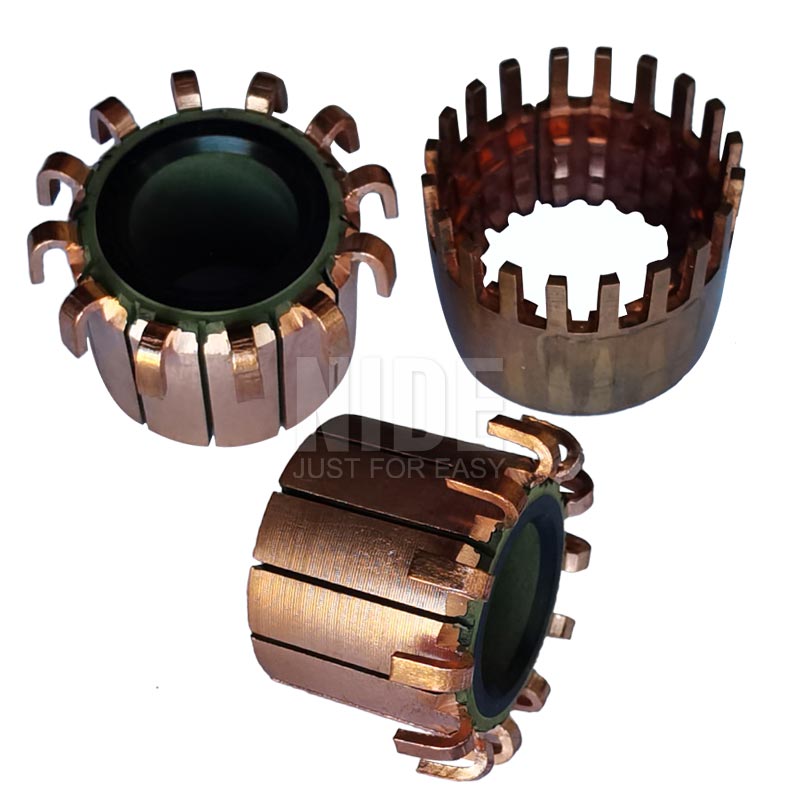
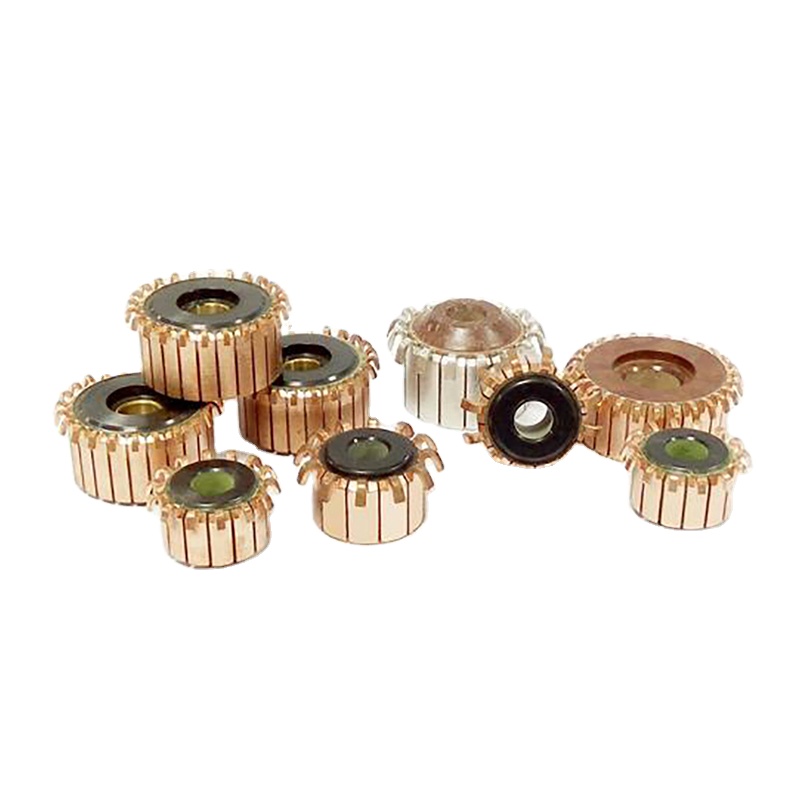
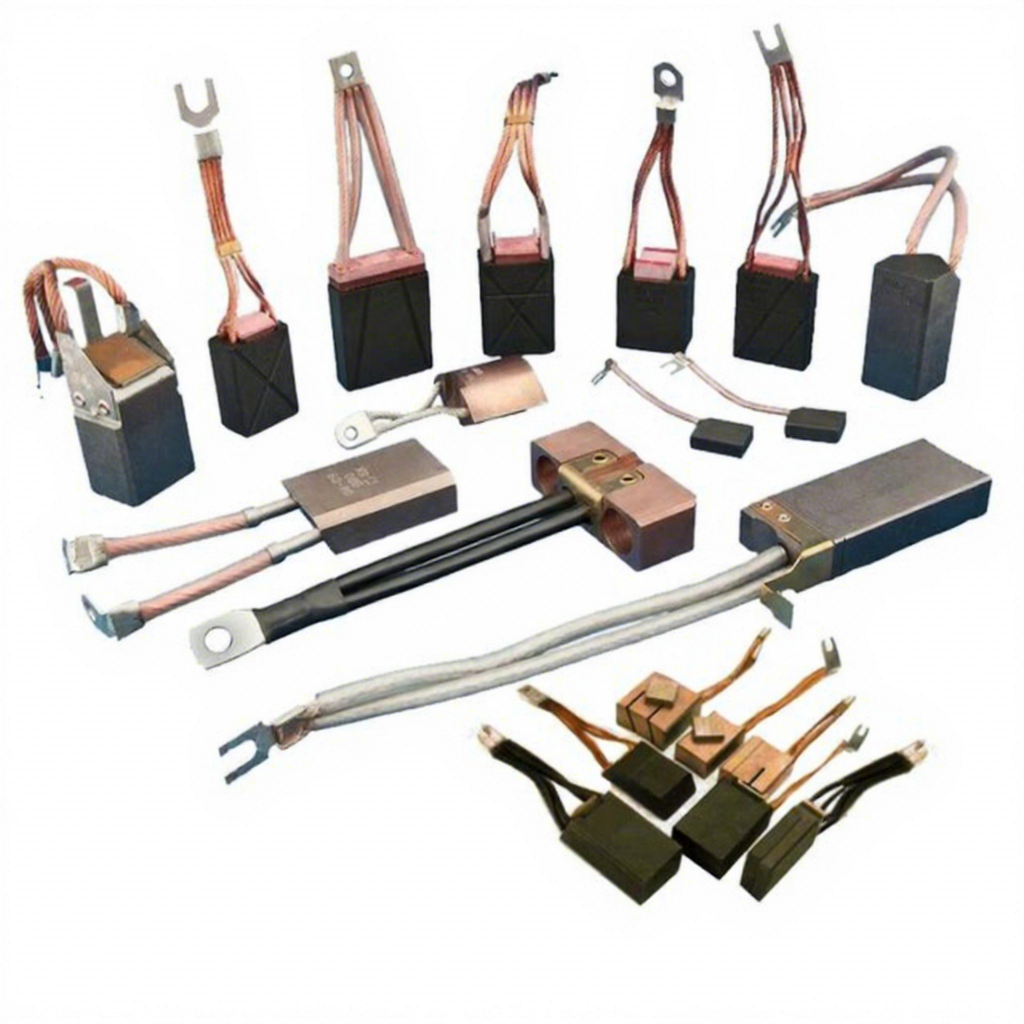
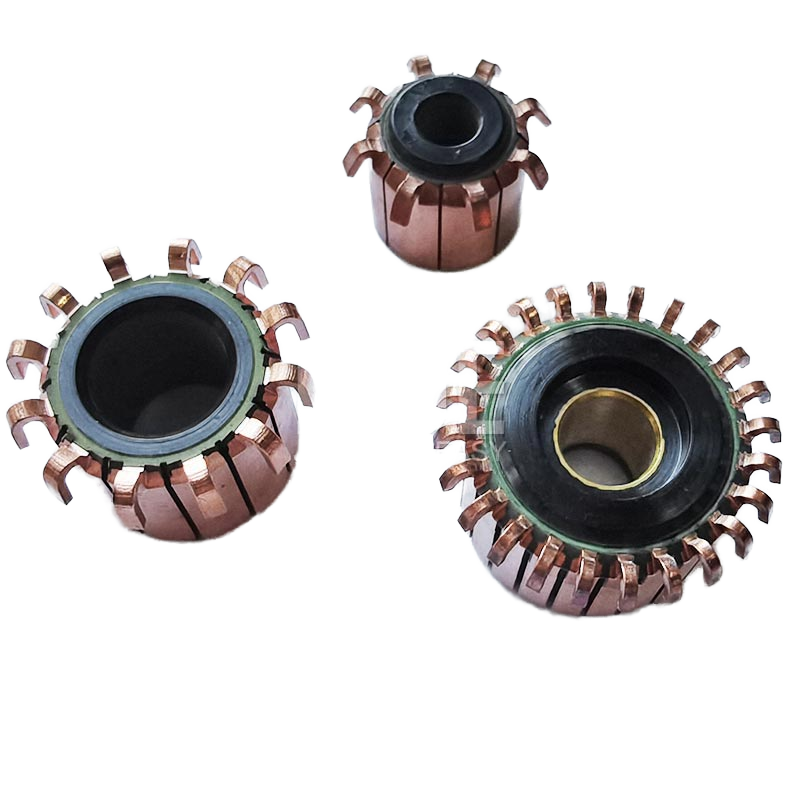
Unlike standard machinery brokers, Nakro provides end-to-end engineering: from custom component design (commutators, magnets, shafts, insulation laminates) to custom-tooled automated cells, factory site layout planning, line integration, and commissioning.
- Holistic supply of compatible motor components & stamping cores
- Customized tooling, winding nozzles, and insertion tooling designed to custom slot geometry
- Single-point accountability from drawing feasibility to line sign-off
ISO 9001 & Independent Verification
Every operational process in our 30,000–50,000 m² factory operates under an accredited ISO 9001 Quality Management System, bolstered by verified supplier credentials on major international trade indices.
- On-site verified manufacturing facilities with full material traceability
- CE-compliant electrical layouts, emergency cut-offs, and light-curtain safeguarding
- Rigorous 6-stage Quality Control Protocol governing every export shipment
Global Export Pedigree & Lifelong Support
With over 13 years of machinery export experience spanning 50+ countries throughout Europe, South America, and Asia, Nakro offers specialized logistics and lifecycle service frameworks tailored to overseas operations.
- Pre-shipment trial run video run-offs using the buyer’s actual laminations and copper magnet wire
- Rapid dispatch of mechanical wear components (fusing blades, insertion fingers, winding tooling)
- Remote PLC diagnostics via secure gateway, supported by engineering field specialists
Procurement, Compliance & Engineering Diligence
Frequently Asked Questions for Motor Line Procurement in Riga
Key answers addressing electrical compatibility, CE certifications, freight shipping to the Freeport of Riga, customs documentation, and long-term technical service.
Q1:
Do your automatic motor production lines comply with EU Machinery Directives and CE standards for operation in Latvia?
Yes. Every automated production cell, standalone winding machine, and assembly workstation built for the European Union market complies strictly with the EU Machinery Directive (2006/42/EC), Low Voltage Directive (2014/35/EU), and Electromagnetic Compatibility (EMC) Directive (2014/30/EU). Standard safety features include dual-channel safety relays, ergonomic physical barriers with interlocked safety switches, photoelectric light curtains, and EN 60204-1 electrical compliance for machine tool safety.
Q2:
How are machines configured for local power grid and pneumatic specifications in Riga?
Machines built for Latvia and the European market are customized for standard EU electrical grids: 3-Phase 400V AC, 50Hz (TN-S earthing). Control cabinet architectures feature 24V DC safety voltages and incorporate internationally recognizable industrial control brands (including Siemens, Schneider, and Omron components). Pneumatics are engineered around standard 0.5–0.7 MPa dry filtered air systems utilizing Festo or SMC pneumatic cylinders, solenoids, and air preparation regulators with BSPP metric thread connections.
Q3:
What are the typical shipping routes and delivery lead times to the Freeport of Riga?
Equipment is securely packed in vacuum-sealed, moisture-barrier wrapping and placed inside heavy-duty, ISPM 15 heat-treated fumigated seaworthy wooden cases. Shipments depart directly from the Port of Ningbo or Shanghai, routed via modern container vessels to the Freeport of Riga (Rīgas brīvosta) or via transshipment ports such as Klaipėda or Rotterdam. Typical ocean transit takes approximately 35–45 days. We handle FOB, CFR, and CIF incoterms and furnish all commercial invoices, packing lists, bill of lading, and CE Certificates of Conformity required for smooth EU customs clearance.
Q4:
How do you handle factory acceptance testing (FAT) before shipment from China?
Risk elimination prior to shipment is central to our engineering protocol. We strongly encourage buyers to dispatch their actual rotor shafts, stator laminations, copper magnet wire, and commutator samples to our Ningbo factory. We perform an exhaustive Factory Acceptance Test (FAT) under continuous production speeds, measuring cycle time, winding tension uniformity, and electrical tolerances. Buyers can inspect testing either by visiting our plant in person or via high-definition live video feeds and complete run-off inspection documentation.
Q5:
What on-site commissioning, installation, and operator training options are available in Latvia?
We offer flexible commissioning models. For full turnkey production lines, Nakro dispatches senior mechanical and software commissioning engineers directly to your plant in Riga or neighboring industrial districts to manage mechanical anchorage, electrical interfacing, pneumatic hookups, tooling adjustments, and line startup. In addition, we provide hands-on training for your maintenance personnel and line operators covering recipe programming, tooling changeovers, preventative maintenance schedules, and fault diagnostics. For single standalone machines, interactive remote video commissioning backed by comprehensive English manuals is also available.
Q6:
Can one machine handle multiple motor models, and how complex are tooling changeovers?
Our equipment is built on modular quick-change architecture. Tooling sets—including insertion blades, push fingers, winding flyers, and commutator chucks—are modularly indexed. Parameter variations such as stack height, turn counts, winding speeds, and slot configurations are saved as password-protected recipes within the color HMI touchscreen. Physical mechanical tooling changeovers typically take between 15 to 45 minutes, allowing high-mix, low-to-medium-volume manufacturers in the Baltic region to switch seamlessly between varied commercial motor product lines.
Have a specific stator or rotor drawing you would like our R&D team to evaluate?
Send an Inquiry