OEM & Direct Exporter Solutions
Essential Stator Equipment & Premium Motor Components
Explore our precision-machined motor components and automated lacing-compatible assembly line hardware. Every component and sub-assembly complies with international mechanical, electrical, and thermal standards.
Engineering Whitepaper: Precision Kinematics and Tension Control in Stator Lacing
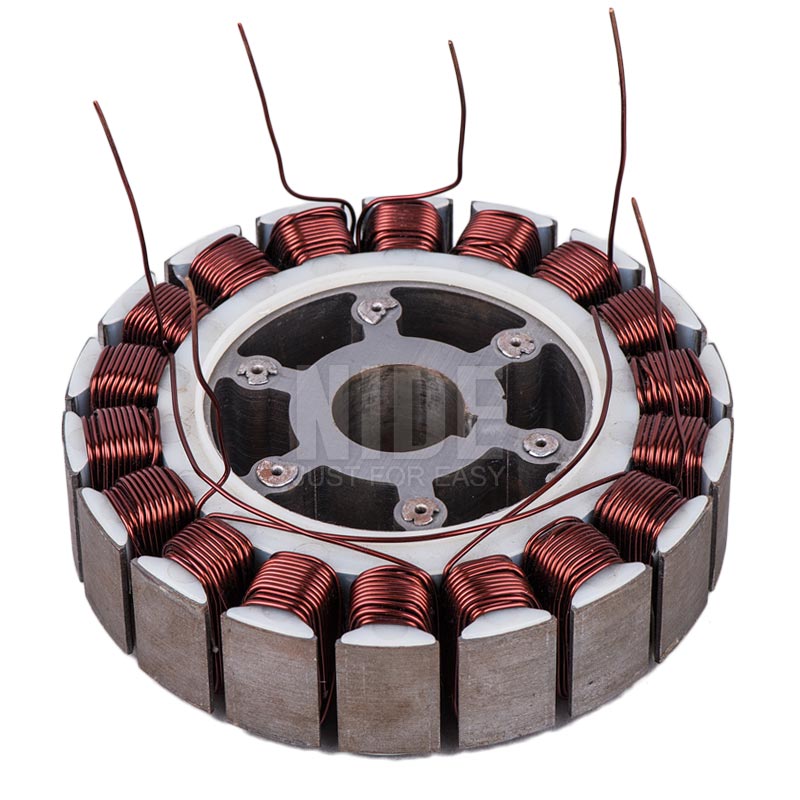
In electric induction motor, BLDC, and permanent magnet synchronous motor (PMSM) manufacturing, the stator coil lacing process serves as the definitive mechanical stabilization phase. Once copper magnet wire coils are inserted into the silicon steel lamination slots via high-speed vertical inserting tooling, the overhang bundle remains vulnerable to displacement, vibration, and phase-to-phase electrical failure. Stator lacing machines mechanical bind the coil overhang using specialized non-abrasive polyester, Nomex, or Dacron binding cords. This mechanical binding stabilizes conductors against excessive electromagnetic Lorentz forces encountered during hard starts, continuous reversing cycles, and pulse-width modulation (PWM) inverter harmonics.
Modern lacing machinery leverages multi-axis industrial CNC architectures driven by synchronized absolute servo systems. By linking the high-speed needle reciprocating axis, the oscillating needle rotation axis, and the rotary indexer via high-speed EtherCAT or PROFINET industrial buses, modern machines achieve lacing speeds upward of 220 to 260 stitches per minute. Programmable digital closed-loop tensioners maintain constant string tension within ±0.5 N, completely eliminating insulation jacket damage (such as micro-cracking of polyester-imide enamel) while guaranteeing that every knot and stitch remains taut over decades of motor operation across demanding thermal classes (Class F to Class H).
Future Industry Trajectory
Emerging Stator Lacing & Assembly Trends
How global market evolutions, new efficiency standards, and automated modular assembly are rewriting the technical requirements for stator lacing exporters.
Simultaneous Dual-End Servo Lacing
Traditional manufacturing lines utilized single-ended indexing lacing stations, necessitating stator turnover or secondary handling. The industry benchmark has rapidly shifted to simultaneous double-sided horizontal or vertical lacing cells. Both ends of the stator coil overhang are laced synchronously, cutting cycle times by over 50% while mitigating asymmetric stack tension.
Variable Pitch & Selective Stitching
Next-generation stator architectures incorporate irregular slot profiles and dense lead arrangements. Today's top exported machines feature fully programmable stitch routines—enabling continuous single-stitch, slot-skipping, segment-interval lacing, and double-binding around lead terminal breakouts directly within the HMI recipe without mechanical cam adjustments.
Closed-Loop Optical AI Inspection
Inline machine vision systems integrated into the lacing carriage now inspect cord position, knot retention, and wire containment in real-time. Stray enamel wires protruding beyond the core clearance profile are flagged instantly, preventing downstream interference during rotor insertion and decreasing post-varnishing quality rejections to near-zero levels.
Procurement Analysis
Buyer's Strategic Evaluation Matrix
Evaluate key operational specifications when procuring automated stator lacing machinery from primary Chinese manufacturing exporters.
| Evaluation Parameter | Legacy Mechanical Cam Lace Systems | Semi-Automated Pneumatic Lacing | High-Tier Multi-Axis CNC Servo Systems |
|---|---|---|---|
| Stitching Speed | 80 - 120 stitches/min | 100 - 140 stitches/min | 200 - 260+ stitches/min |
| Tooling Changeover Time | 3 to 5 Hours (Mechanical Cam Swap) | 1.5 to 2.5 Hours | 15 to 25 Minutes (Recipe Selection & Quick Clamp) |
| Tension Constancy | Friction Pads (±3.0 N Variance) | Simple Pneumatic Cylinder (±2.0 N) | Closed-Loop Torque Feedback (±0.5 N Precision) |
| Slot Configuration Flexibility | Fixed slot counts per cam disc | Limited manual indexing switch | Any slot combination (8-72 slots), programmable skipping |
| Line Integration Level | Stand-alone manual station | Stand-alone with foot pedal | Fully turnkey; AGV / conveyor palletized integration ready |
Future Procurement Trends: Total Cost of Ownership (TCO) & Footprint Optimization
Global original equipment manufacturers (OEMs) and Tier-1 automotive sub-suppliers are restructuring their capital expenditure (CapEx) calculations. Rather than focusing exclusively on initial procurement pricing, tier-one buyers evaluate total lifecycle yield, tool change versatility, and energy consumption per finished stator. Procurement teams in Southeast Asia, Europe, and the Americas now prioritize modular universal machine beds that can handle diverse stator outer diameters (OD from 40mm to 260mm) and varying stack heights (10mm to 300mm) through simple tool cassette replacement.
Furthermore, supply chain resilience has elevated the demand for complete one-stop turnkey procurement. Procuring individual machines from disassociated vendors introduces significant integration hazards regarding PLC handshake protocols, transfer heights, and cycle synchronization. By partnering with unified manufacturers capable of engineering the complete sequence—slot insulation paper insertion, coil winding, coil inserting, intermediate forming, overhang lacing, and final hydraulic 3D forming—motor producers secure single-point warranty accountability and substantially shorter production commissioning timelines.
Global Manufacturing Infrastructure
Why Global Motor Manufacturers Rely On Our Solutions
Combining over a decade of dedicated machine export engineering with end-to-end component manufacturing capabilities.
Unified Turnkey Authority: From Core Machinery to Precision Subcomponents
Ningbo Nakro Intelligent Equipment Co., Ltd. (operating alongside trusted strategic alliances with NIDE Brand hardware networks) provides an integrated manufacturing paradigm that bridges the gap between sophisticated automation equipment and precision motor consumables. Founded in 2010 in Ningbo, Zhejiang, our enterprise maintains between 30,000 to 50,000 m² of modern production facilities, supported by an advanced engineering workforce of over 100 to 200 dedicated specialists.
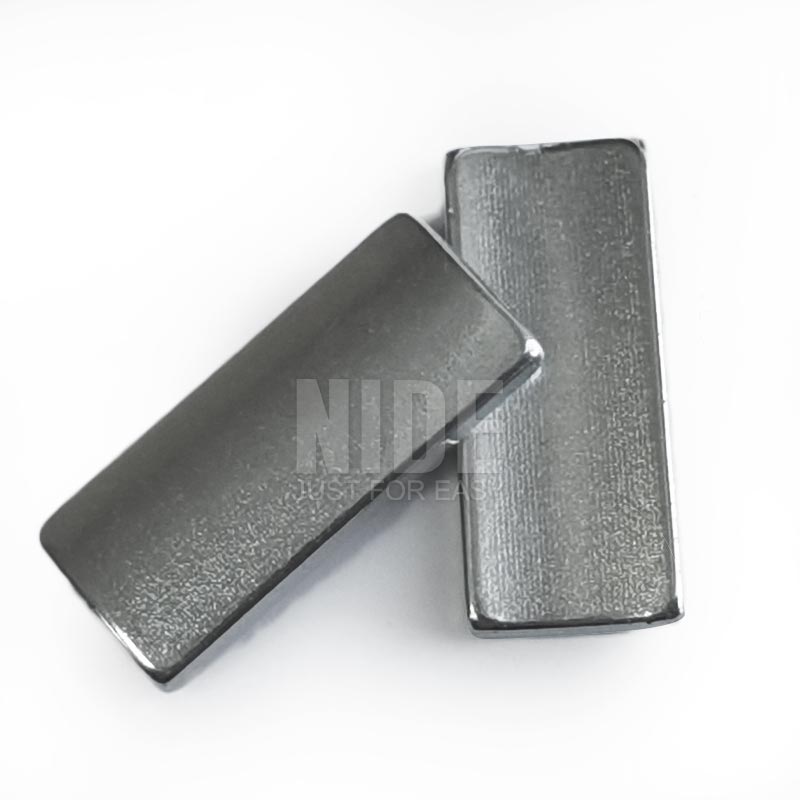
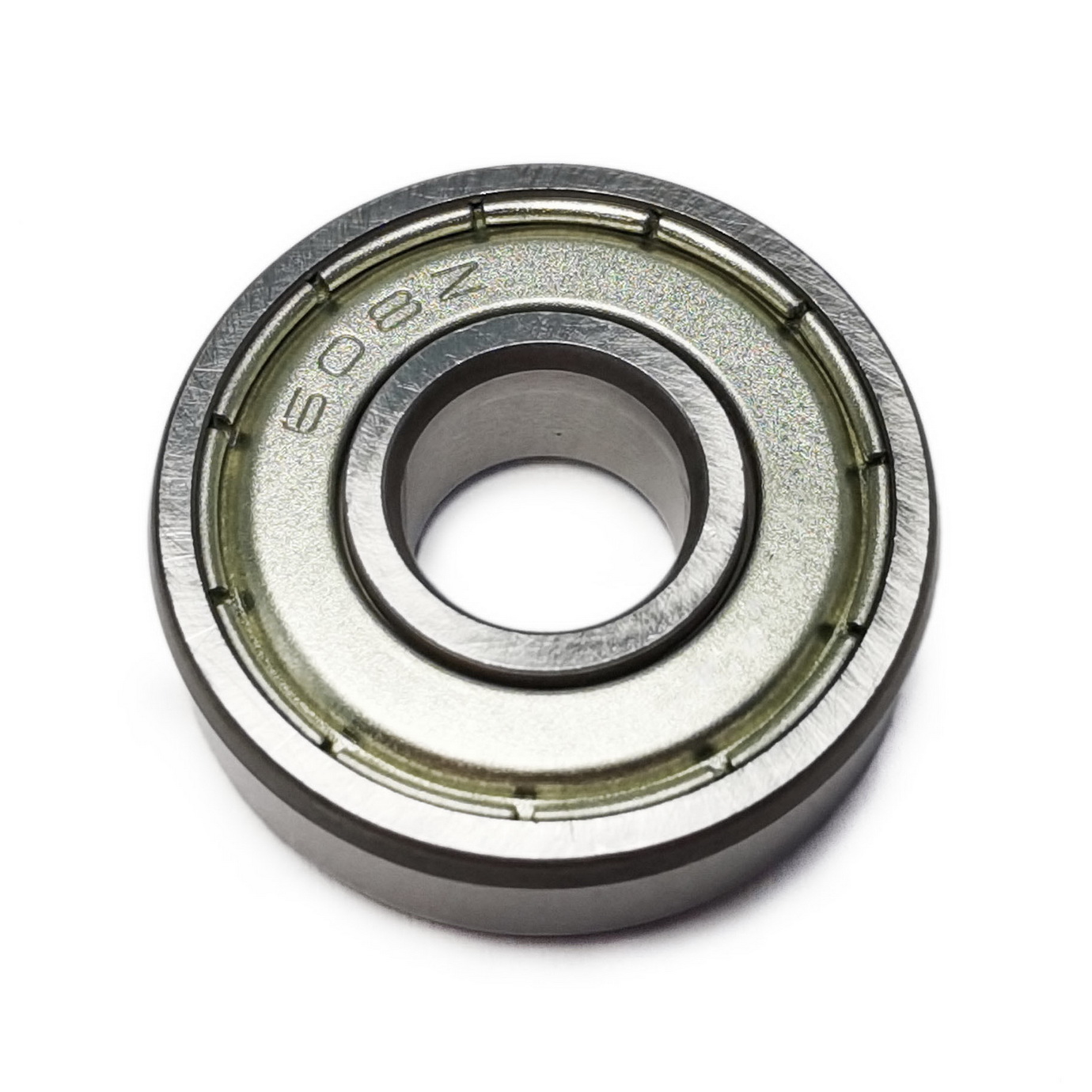
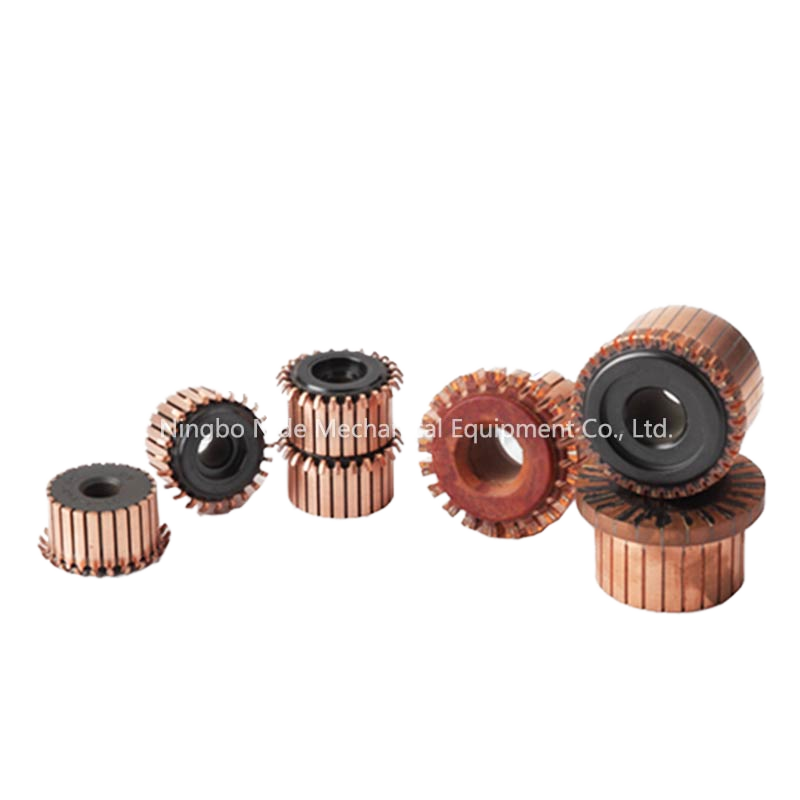
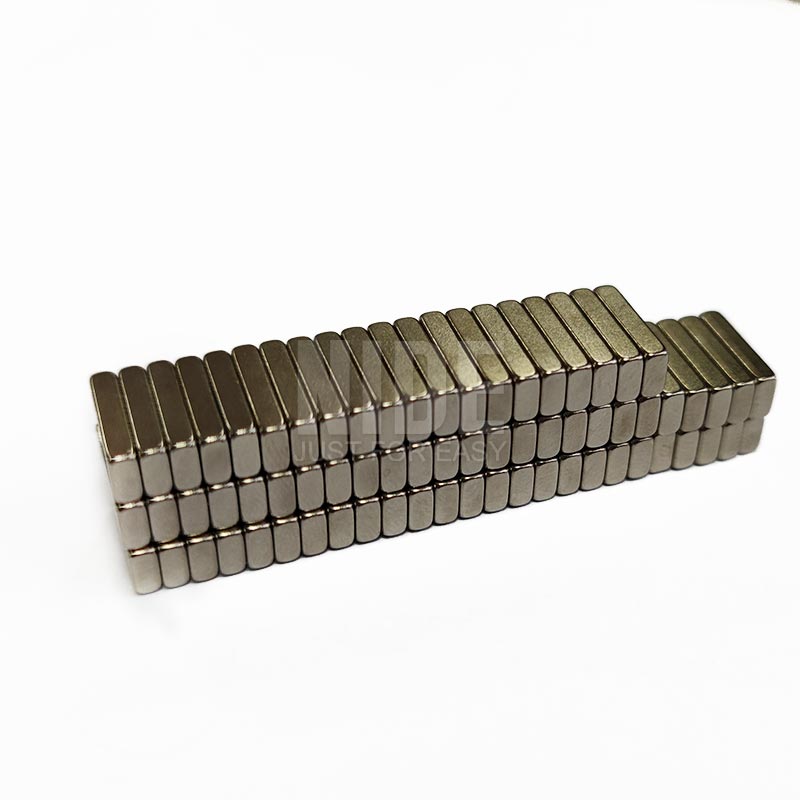
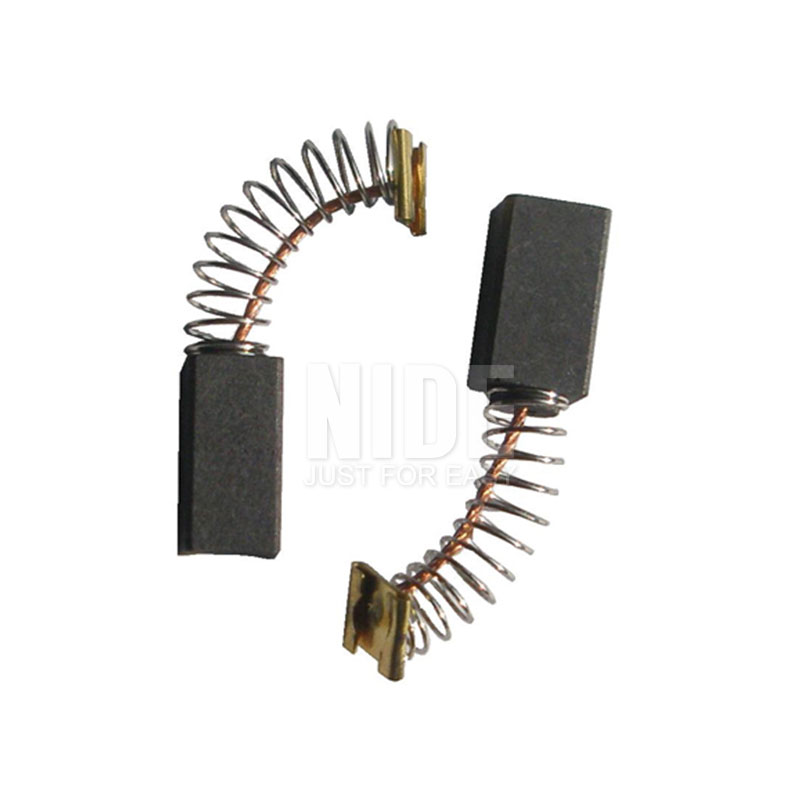
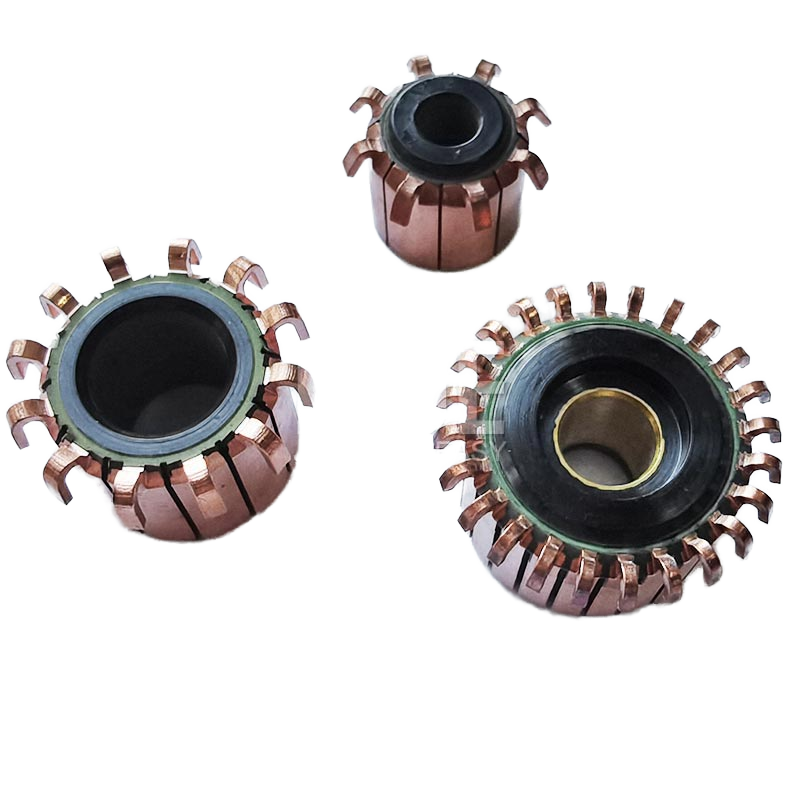
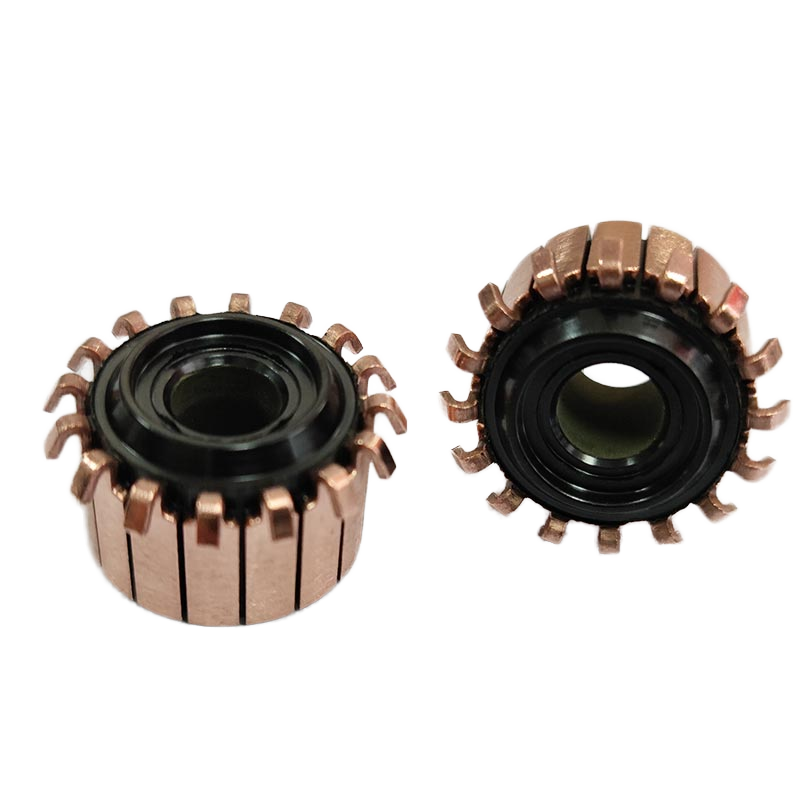
Unlike standard trading intermediaries, our manufacturing facility designs, machines, assembles, and programs turnkey automated production lines in-house. Furthermore, we supply our global clients with the exact structural components necessary to test and validate their production cells—including high-grade N52 Neodymium rare-earth magnetic blocks, micro-tolerance deep groove ball bearings (608ZZ), precision commutators, and low-friction carbon brushes. This holistic supply chain depth ensures that machine clearances, needle radiuses, and inserting grippers are mathematically matched to your exact raw material properties before freight dispatch.
2010
Year Established
50+
Countries Supplied Worldwide
13+
Years Machine Export Experience
50,000
m² Industrial Facility Scale
ISO 9001 Certified System
Every lacing station, inserting fixture, and winding mandrel undergoes stringent internal dimensional, dynamic balancing, and electrical isolation testing adhering to verified international quality protocols.
Global Technical Commissioning
Backed by field service partners across Southeast Asia, Europe, South America, and the Middle East, our technical teams conduct on-site mechanical alignment, commissioning, and deep operator training programs.
Rapid Custom Tooling Center
Our dedicated R&D CAD/CAM machining center fabricates customized lacing needles, hooking blades, and stator locating rings custom-contoured to your proprietary silicon lamination geometries within tight timeframes.
Knowledge Base
Frequently Asked Questions on Stator Lacing Procurement
Practical technical answers addressing real-world engineering, tooling lead times, and factory acceptance procedures.
What parameters are required to design custom stator lacing tooling? +
To customize the lacing needle path, stroke length, and stator clamping fixtures, our engineering team requires: (1) Stator 2D/3D drawings indicating outer diameter (OD), inner diameter (ID), and stack height range; (2) Slot cross-section geometry and total slot count; (3) Wire gauge (SWG/AWG), number of parallel strands, and coil overhang height after pre-forming; (4) Preferred lacing cord type (material, flat/round, diameter or denier); and (5) Lead terminal routing positions and required stitching pattern (continuous, interval, or selective skipped slots).
How does the machine prevent enamelled wire insulation scratches during high-speed lacing? +
Insulation integrity is protected through a four-part mechanism: First, our reciprocating needles and thread guides are manufactured from hardened tungsten carbide or mirror-polished SKD11 tool steel (Ra < 0.2 µm) to eliminate micro-burrs. Second, digital servo-tensioners dynamically modulate yarn braking force during needle piercing strokes. Third, precision mechanical guard fingers gently depress the inner slot wire bundle away from the needle travel vector. Fourth, the CNC indexer executes anti-backlash positional moves, preventing premature needle contact with slot exits.
Can a single stator lacing machine accommodate multiple motor product models? +
Yes. Our multi-axis CNC machines are engineered for flexible mixed-model batch manufacturing. Stators with identical outer diameters but variable stack heights require only quick HMI touch-screen adjustments—the servo drive automatically resets the bottom needle stroke and stack indexing height. For stators with divergent lamination diameters, our quick-change tooling concept enables complete replacement of the locating arbor, lower support plate, and needle cassette in less than 20 minutes without specialized alignment jigs.
What acceptance testing (FAT/SAT) is conducted prior to international export? +
Our standard Factory Acceptance Testing (FAT) protocol requires running minimum continuous trial batches of 50 to 100 customer-supplied stator cores using production-grade wire and binding cord. We record and measure: cycle time, knot holding tensile force, coil overhang dimensional consistency via optical gauges, and hipot/surge insulation resistance before and after lacing. Comprehensive uncut HD run-off test videos and CMM inspection reports are dispatched to overseas procurement managers for written approval prior to seaworthy vacuum packaging and container loading.
What international trade, currency, and warranty terms are supported? +
We provide export shipments under Incoterms 2020 including FOB (Ningbo/Shanghai), CFR, and CIF to major global seaports. Transactions can be settled in USD, EUR, or CNY via Telegraphic Transfer (T/T) or confirmed irrevocable Letters of Credit (L/C at sight). Every machine is backed by an extensive 12 to 24-month comprehensive mechanical and electronic warranty. We maintain an international inventory of critical spares (PLCs, servo drivers, linear guideways, pneumatic valves) ready for expedited 48-hour air courier dispatch.
Consult With Our Stator Automation Engineering Team
Planning to build a new high-efficiency electric motor manufacturing line or upgrading manual lacing workstations to high-speed CNC automation? Submit your stator blueprints, lamination dimensions, and cycle requirements for a turnkey layout and commercial proposal.
Contact Us