Featured Rotor Assemblies, Components & Testing Stations
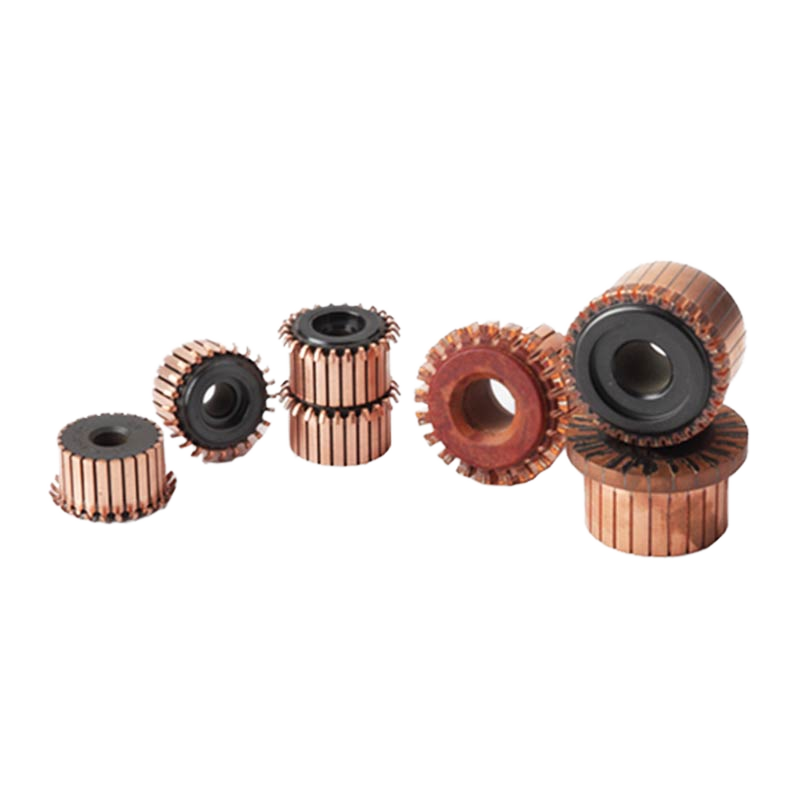
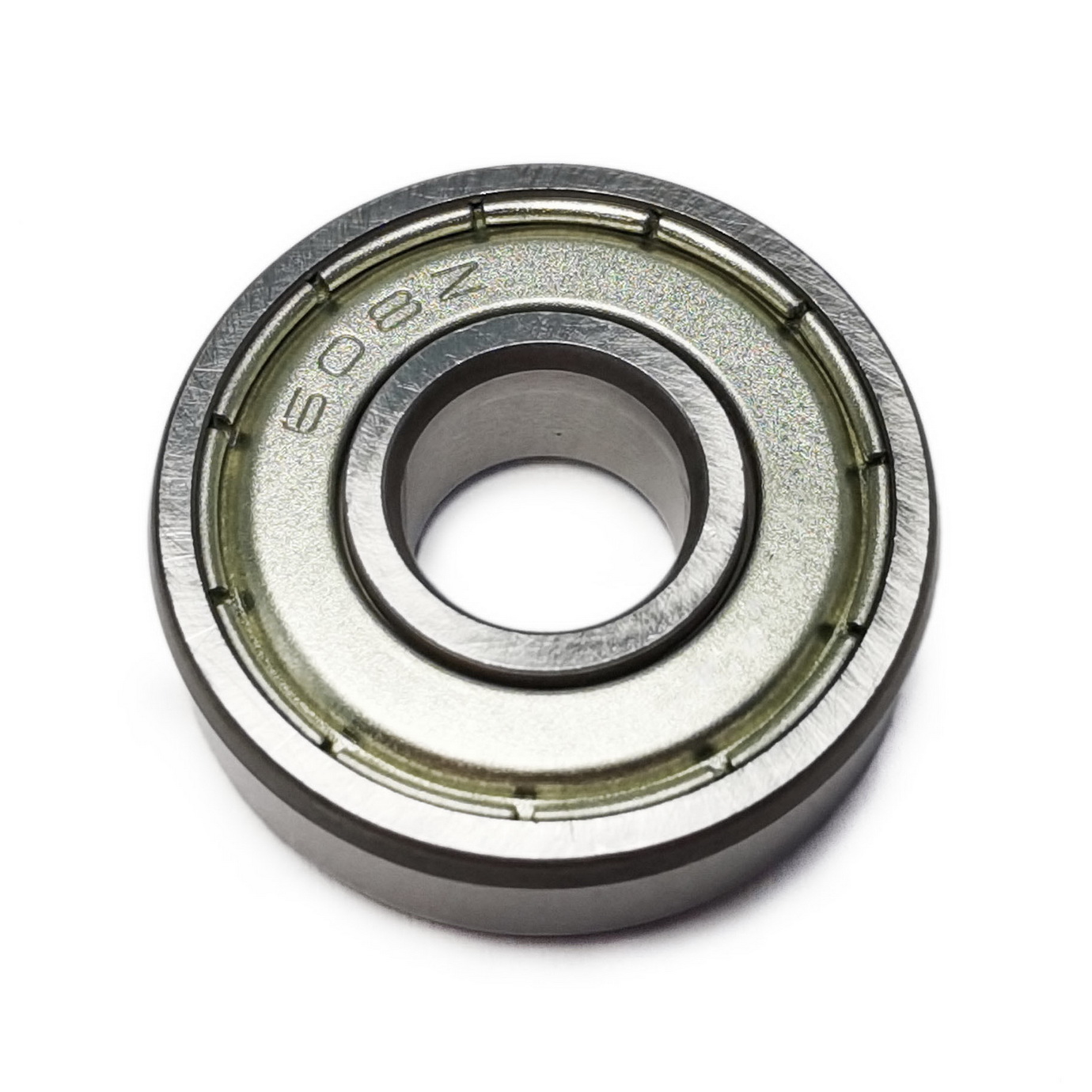
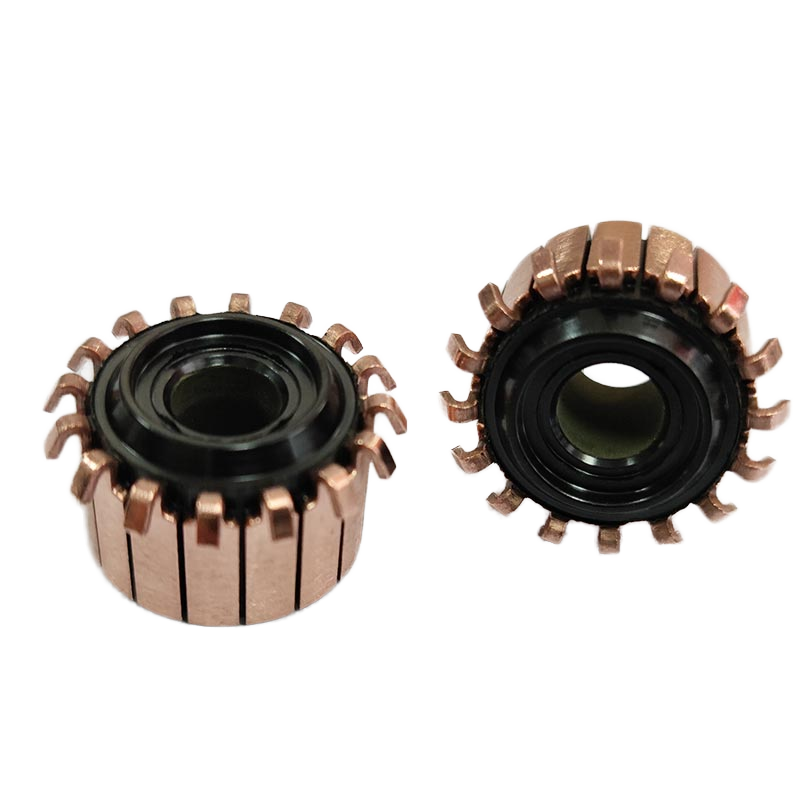
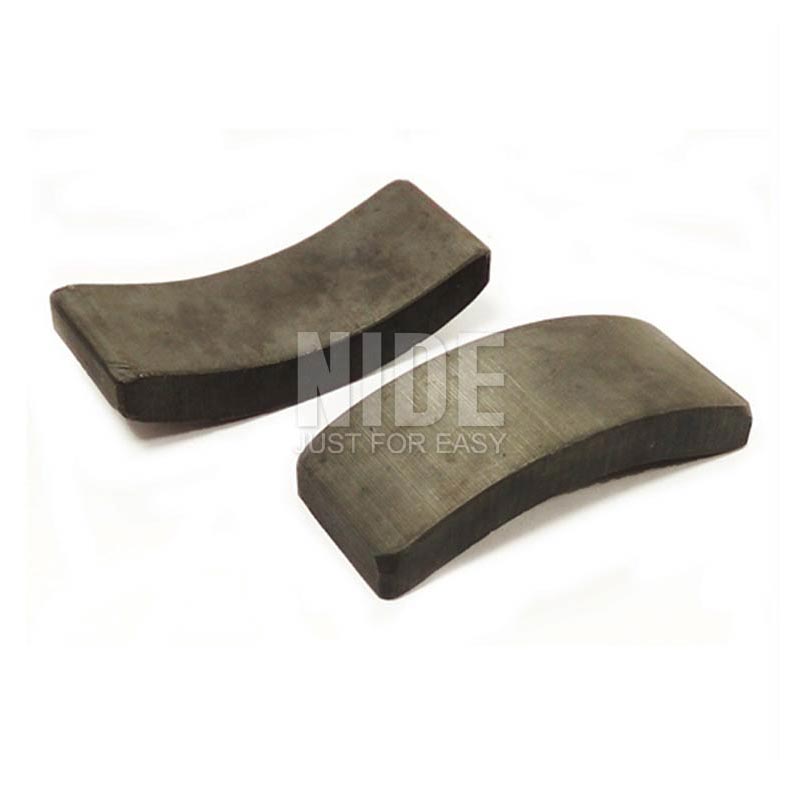
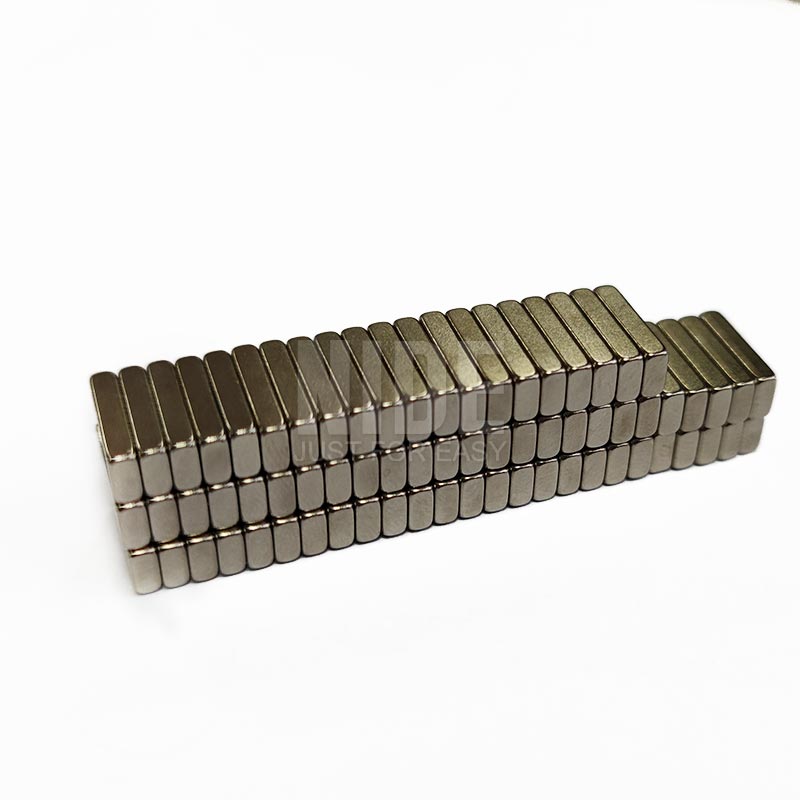
Engineered for automotive drives, industrial automation, power tools, and high-efficiency BLDC motor lines. Each unit is integrated with verified manufacturing precision, high electrical insulation, and rigorous dynamic run-out tolerances.
Comprehensive Engineering Guide: Rotor Validation & End-of-Line (EOL) Testing Protocols
Modern electric machine production requires absolute consistency across mechanical, electromagnetic, and thermodynamic axes. A defect embedded within an unvalidated rotor—whether an microscopic micro-crack inside copper hook staking, dynamic unbalance exceeding ISO 1940 tolerances, inter-turn winding breakdown under high PWM du/dt transient voltage, or magnetic eccentricity—compromises system life, increases NVH (Noise, Vibration, and Harshness), and risks inverter breakdown.
Core Parameters Evaluated by Industrial Rotor Testing Equipment
When selecting a rotor test system from certified Chinese manufacturers, engineering procurement teams must evaluate the tester's capability to diagnose the following critical failure modes under standard takt times (typically 8–18 seconds per rotor):
Bar-to-Bar Winding Surge
Executes precision impulse comparison against a golden reference waveform. Detects turn-to-turn insulation micro-punctures, wrong wire connections, hook contact weld resistance shifts, and wire stretch degradation.
Multi-Plane Dynamic Balancing
Measures vibration amplitude and phase angle across two planes at speeds up to 15,000 RPM. Automatically integrates with CNC milling, V-cut, or epoxy dispensing systems to achieve ISO G1.0 balancing grades.
Dielectric Strength & Hipot
Applies high AC/DC voltages (0.5 kV to 5.0 kV) between windings and the rotor core stack to verify slot liner integrity, epoxy overmold insulation, and clearance gaps against destructive ground faults.
Commutator & Shaft Runout
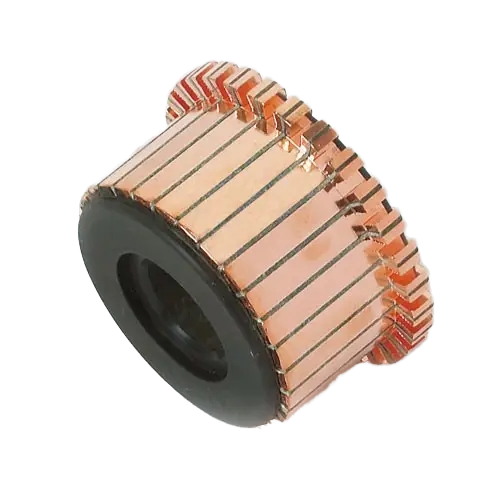
Non-contact laser displacement triangulation gauges radial runout, axial float, segment step-height differential (≤ 0.0015mm), and bar bevel concentricity to ensure spark-free brush commutation.
Permanent Magnet Flux Field
For BLDC and PMSM outer or interior permanent magnet (IPM) rotors, multi-channel Hall sensor arrays capture peak flux, pole pitch symmetry, total harmonic distortion (THD), and back-EMF amplitude.
High-Speed Spin & Retention
Cold and hot centrifugal overspeed test rigs spin rotors up to 120% of rated RPM to verify carbon sleeve, stainless banding, or structural adhesive retention against high G-force lamination delamination.
Rotor Testing Station Architecture vs. Operational Standards
Benchmarking standard Chinese factory production configurations across automation tiers, inspection parameters, and cycle-time capabilities.
| Testing Station Tier | Core Measurement Parameters | Typical Cycle Time | Automation & Interfacing | Target Industry / Motor Type | Compliance Standards |
|---|---|---|---|---|---|
| Benchtop Electrical Rotor Tester | DCR (0.1mΩ–20kΩ), Hipot (AC/DC 3kV), Insulation Resistance (500V/1000V), 500V Surge | 12 – 18 sec / unit | Manual load / pneumatic clamp, RS232 / USB export | Universal power tools, blender & vacuum armatures | IEC 60034-1 |
| Dual-Station Dynamic Balancing Cell | Two-plane residual unbalance (mg·mm), angle resolution 0.1°, vibration velocity | 6 – 10 sec / unit | Automatic indexing, servo V-milling or manual weight addition | Automotive wiper, starter, HVAC blower rotors | ISO 1940-1 G1.0 |
| Comprehensive Integrated EOL Station | DCR, Surge, Hipot, Commutator Bar Runout (≤1μm), Bar Step, Welding Quality Check | 8 – 12 sec / unit | Inline pallet pass-through, SCADA, MES, barcode scanning | Tier-1 automotive DC brushless & brushed rotors | AEC-Q200 / ISO 9001 |
| High-Speed BLDC/PMSM Magnetic Rig | Back-EMF wave symmetry, Cogging torque, Pole angle, THD, Thermal demagnetization check | 15 – 25 sec / unit | Robot arm (SCARA) load/unload, automated clamping chuck | EV traction rotors, drone motors, servo spindles | IEEE 112 / CE |
Future Procurement & Technological Trends in Rotor Testing (2025–2030)
As the global electrification transformation shifts into higher gear, rotor manufacturing has moved past simple wound-armature architectures. Factory engineering teams in China are heavily modernizing their test stations to handle specialized vehicle powertrains, micro-mobility, robotic actuators, and high-efficiency appliance platforms. Procurement directors should incorporate these four overarching technological trajectories into their capital expenditure roadmap:
1. 800V High-Voltage Architecture Demands Partial Discharge Inception Voltage (PDIV) Testing
Silicon Carbide (SiC) and GaN inverters operate with ultra-fast switching frequencies (dv/dt exceeding 15 kV/μs). Under these rapid voltage transients, standard dielectric Hipot testing fails to expose micro-voids in rotor slot liners or poor varnish impregnation. The procurement of rotor testing lines with inline high-frequency partial discharge detection (detecting charges below 10 pC) is becoming mandatory for automotive-grade supply contracts.
2. Transition from Subtractive Milling to High-Speed Laser Balancing
Traditional mass correction relies on mechanical end-milling or drilling, which introduces metal burrs, vibration shock, and oil mist into the cleanroom assembly environment. The latest Chinese dynamic balancing equipment utilizes multi-axis pulsed fiber lasers to vaporize excess balancing balance material on-the-fly without cutting fluids, tool wear, or structural stress on delicate hairpin or magnet-embedded rotor stacks.
3. 100% Comprehensive Digital Twin & Closed-Loop MES Integration
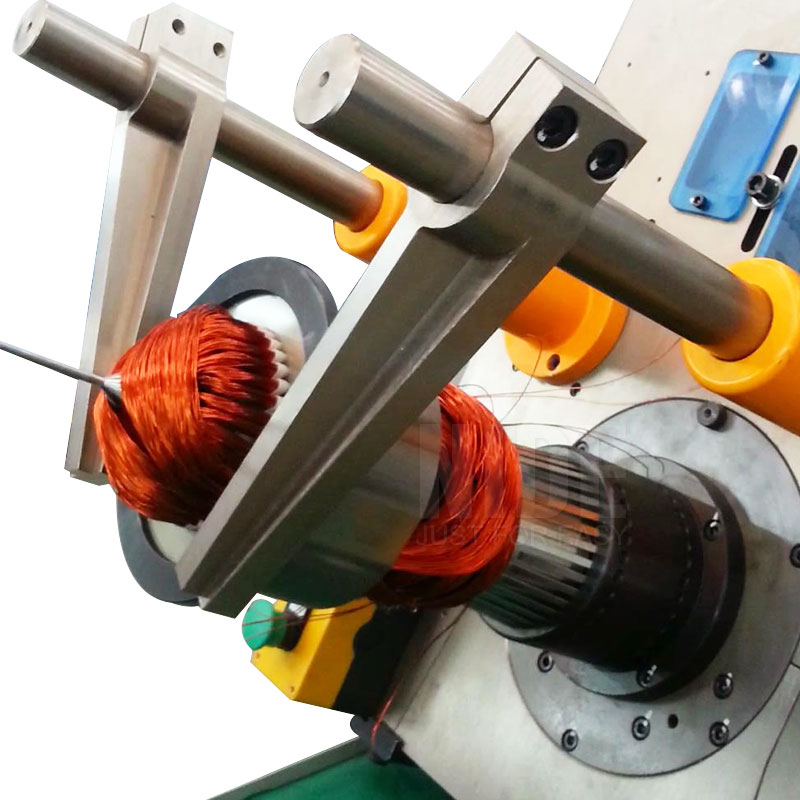
Forward-thinking overseas motor manufacturers are bypassing isolated testing kiosks. Future-ready Chinese testing machines feature built-in OPC UA, Modbus TCP, and MQTT protocols. Test profiles—including individual bar-to-bar resistance, unbalance angle, back-EMF curves, and ambient thermal compensations—are bound to laser-etched 2D DataMatrix codes on each rotor shaft. This provides total traceability and automatically feeds correction data backward to flyer winders, commutator turning lathes, and hook welders.
4. Multi-Physical Non-Destructive Magnetic Field Scanning
For interior permanent magnet (IPM) rotors common in hybrid and battery electric vehicles, physical glue bonding and magnet placement accuracy are non-negotiable. Modern test benches now integrate circumferential magnetic flux scanners that measure each pole’s angular displacement and magnetic strength in a single 360-degree rotation, flagging cracked, misaligned, or demagnetized rare-earth magnets before final stator insertion.
Why Global Tier-1 Manufacturers Partner with Nakro & NIDE
Over 14 years of dedicated industrial equipment innovation, delivering complete motor lines, automated testing systems, and high-precision motor components to 50+ countries worldwide.
Frequently Asked Questions: Sourcing Rotor Testing Equipment
Clear, direct engineering answers to help procurement managers, plant directors, and quality leads make confident technical investments.
What is the standard cycle time (takt time) for a fully automated rotor testing station?
How do you guarantee measurement accuracy and Gage R&R on high-speed balancing rigs?
Can the test station accommodate multiple rotor models with different shaft and stack sizes?
What electrical safety and communication certifications accompany the machinery?
What are the standard international payment and delivery terms?
Upgrade Your Motor Production Line with Certified Rotor Testing Equipment
Send your motor drawings, rotor samples, and target annual volume. Our sales engineering team in Ningbo will evaluate your technical specifications and provide a tailored machine proposal within 24 hours.
