ISO 9001:2015 Engineered Precision Automation

OEM/ODM Stator Paper Inserting Machine Manufacturers & Exporters

Turnkey slot insulation systems, high-speed multi-phase insertion tooling, and complete smart assembly architectures designed for global tier-1 motor manufacturing.

14+
Years Engineering Expertise (Est. 2010)
50+
Export Destined Countries & Regions
30,000+
m² Specialized Assembly Facility
<0.5%
Slot Cell Insulation Rejection Rate

Engineered Motor Manufacturing Solutions & Precision Assemblies

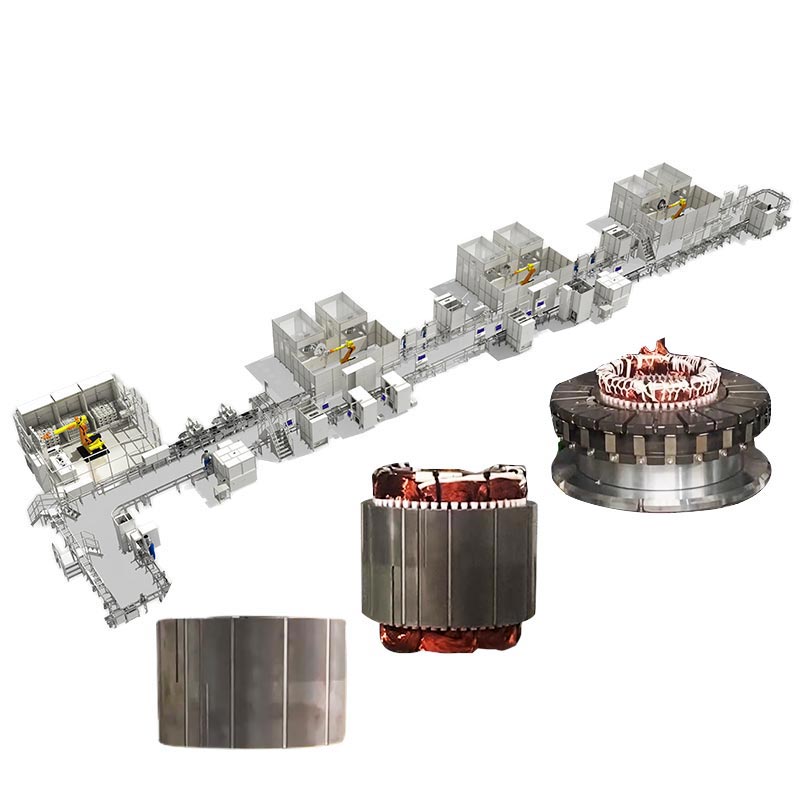
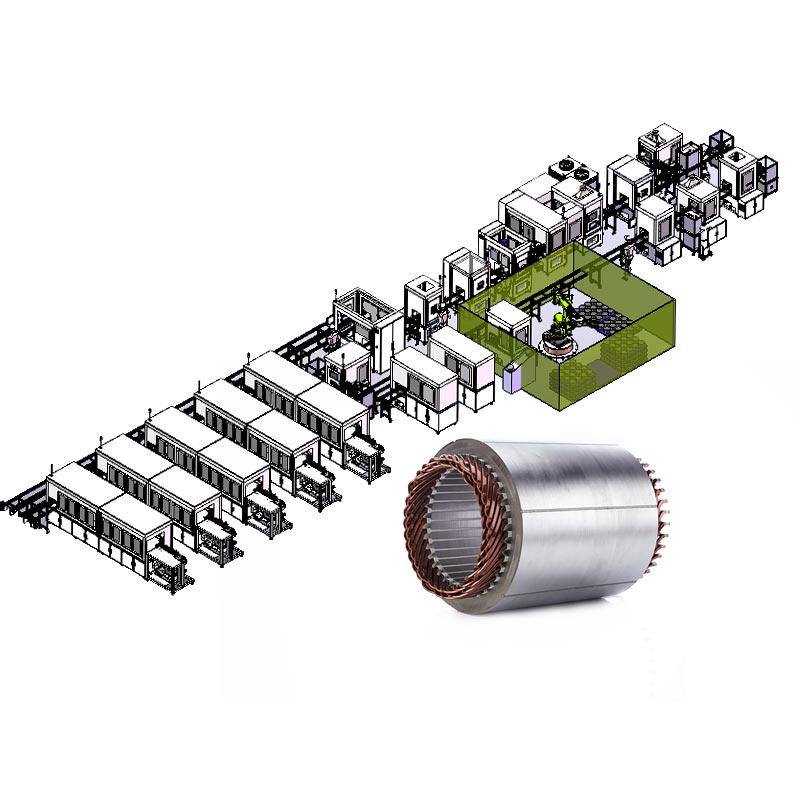
Explore our flagship heavy-duty stator processing equipment, automated flat-wire EV production lines, and precision electromechanical components engineered for zero-defect insulation reliability.
Technical Whitepaper: Stator Slot Paper Insertion & Advanced Dielectrics

An authoritative engineering analysis of dielectric insulation thermodynamics, mechanical shear tolerances, and evolving manufacturing paradigms in low-voltage industrial and high-voltage e-mobility stators.

1. Mechanical Kinematics of Modern Stator Paper Inserting

The stator slot paper inserting process represents the single most critical quality barrier in electric motor fabrication. A micro-fracture or edge crimp within the insulation cell typically results in catastrophic dielectric breakdown during subsequent needle winding, coil insertion, or varnish curing. Contemporary high-speed machines utilize multi-axis CNC servo synchronization to execute uncoiling, edge cuffing, precision feed length metering, guillotine shearing, cross-sectional forming, and axial insertion within fractions of a second.

Edge Cuffing & Stress Relief

Precision bidirectional or single-edge folding provides structural resistance against axial displacement during winding insertion, increasing edge tear threshold by up to 320% under high coil-push loads.

Geometric Profile Forming

Multi-stage forming fingers compress Class B, F, or H composite papers (DMD, NMN, Nomex) into exact slot contours, preserving nominal phase air gaps and eliminating volumetric spring-back inside deep stator slots.

Servo Dynamic Indexing

Direct-drive torque motors and absolute optical encoders govern circular stator rotation, maintaining sub-degree position repeatability (±0.02°) even during variable-pitch asymmetric slot indexing sequences.

2. Future Procurement & Technological Trends (2025–2030)

Procurement directors are shifting focus from standalone insertion machines to holistic digital cell ecosystems. Industrial electrification, wide-bandgap SiC inverters, and high-density hairpin flat-wire stators demand transformative enhancements across automation hardware:

  • 800V+ High-Dielectric Insulation Compatibility: Traditional round wire stators operate under moderate dV/dt stress. Emerging 800V/1200V automotive silicon-carbide drives generate aggressive high-frequency transient switching spikes. Machines must process specialized multi-layer Nomex/Polyimide laminates with tight boundary seal profiles to suppress partial discharge and corona degradation.
  • B-Type and S-Type Hairpin Slot Insertion: Flat-wire motors eliminate conventional round wire phase insertion. Stator paper inserters must form asymmetrical, multi-pocket, or B-type slot liners that segregate parallel conductors, demanding extreme tool hardening and micron-accurate insertion clearances.
  • Real-Time Vision & In-Line Optical Inspection: Future-proof turnkey lines integrate telecentric lens assemblies directly over the indexed stator core. Optical inspection modules instantly flag paper protrusion variances (±0.15mm), cuff ruptures, and skewed slot liners before coils enter the core.
  • Rapid Universal Changeover Tooling: High product mix across pump, appliance, and e-bike sectors requires zero-tooling or modular quick-change stations. Programmable stack height adjustability (10mm to 300mm) via HMI recipe loading cuts changeover downtime from 4 hours to under 15 minutes.

Why Global Tier-1 Motor Manufacturers Partner With Us

Combining over a decade of custom mechanical engineering, comprehensive components integration, and rigorous ISO 9001 certified build protocols.

ISO 9001 Quality System

Strict quality assurance protocols govern every mechanical sub-assembly, ensuring CNC-machined insertion blades, guides, and servo linkages maintain extreme mechanical endurance.

Custom Tooling & OEM/ODM

Our dedicated R&D team customizes inserting wedges, push tooling, and wire guides around your exact lamination drawings, skewed slot angles, and stack heights.

Global Export Experience

Exporting to over 50 countries across Southeast Asia, Eastern Europe, South America, and the Middle East with established localized service partners for rapid response.

Integrated Ecosystem Sourcing

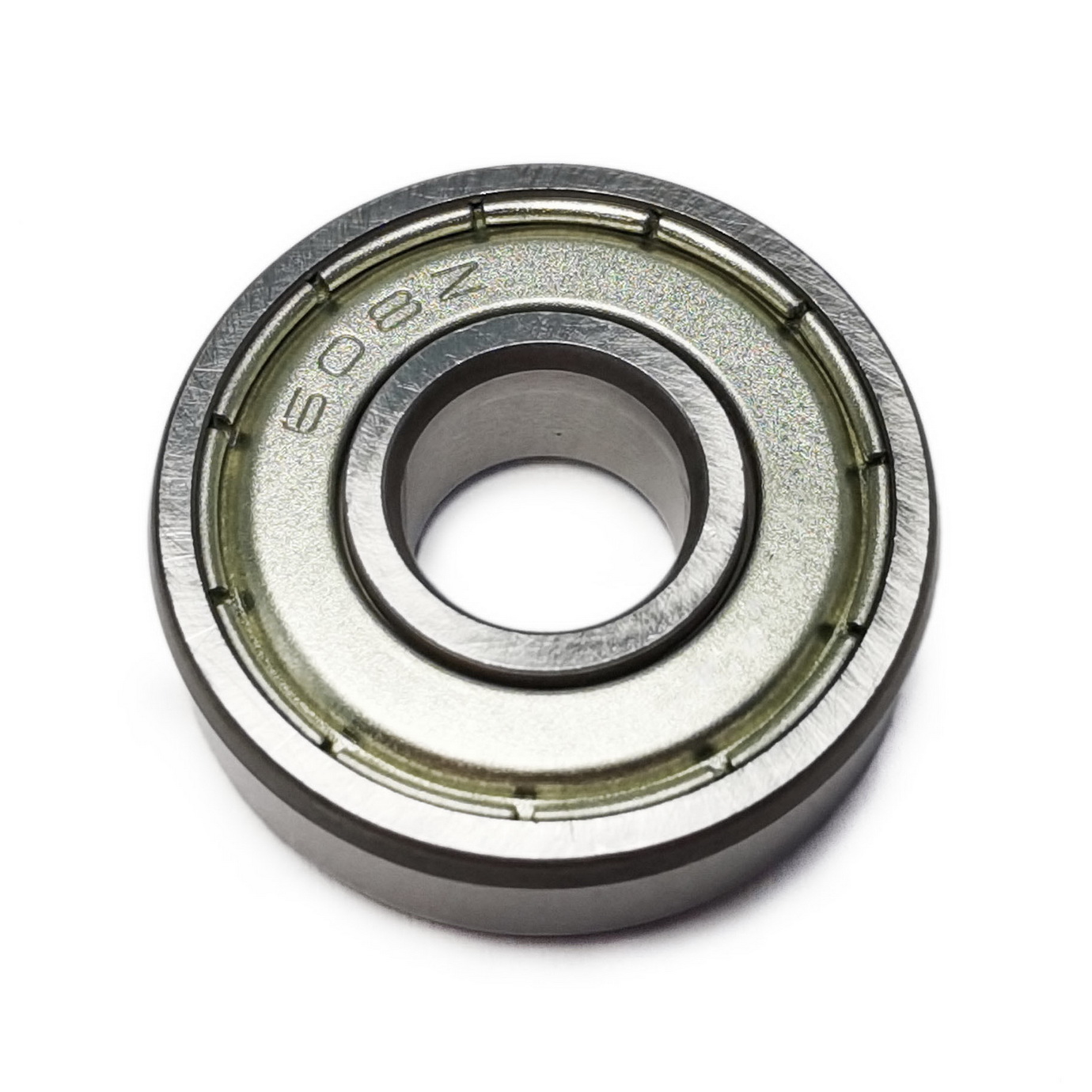
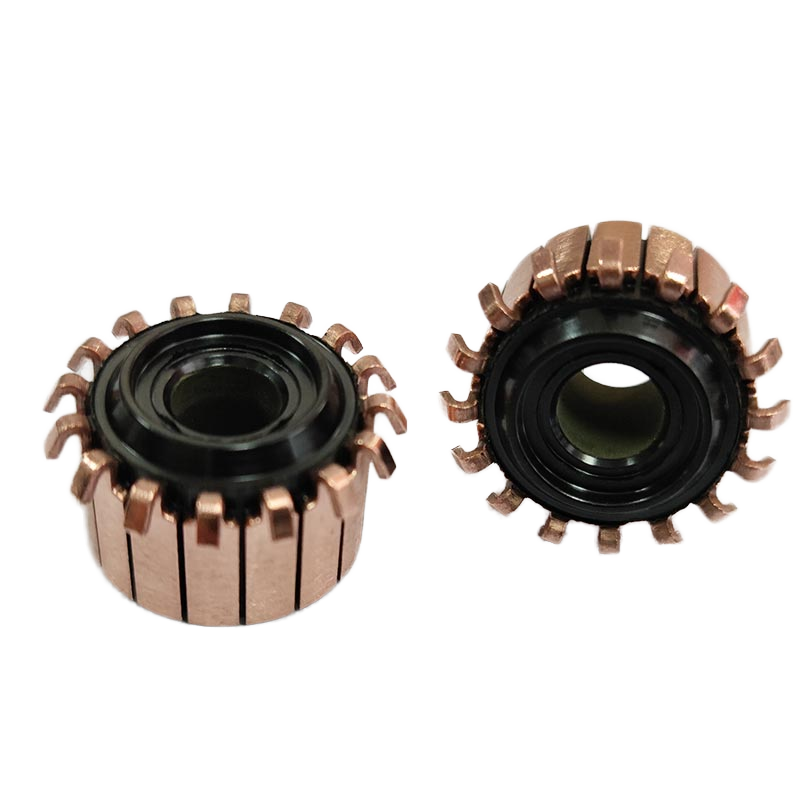
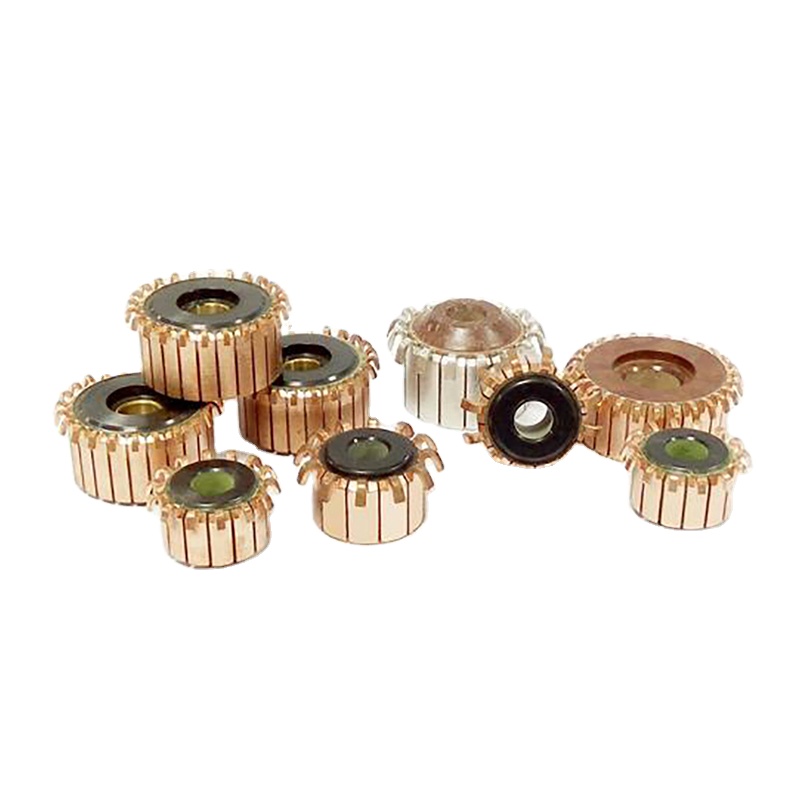
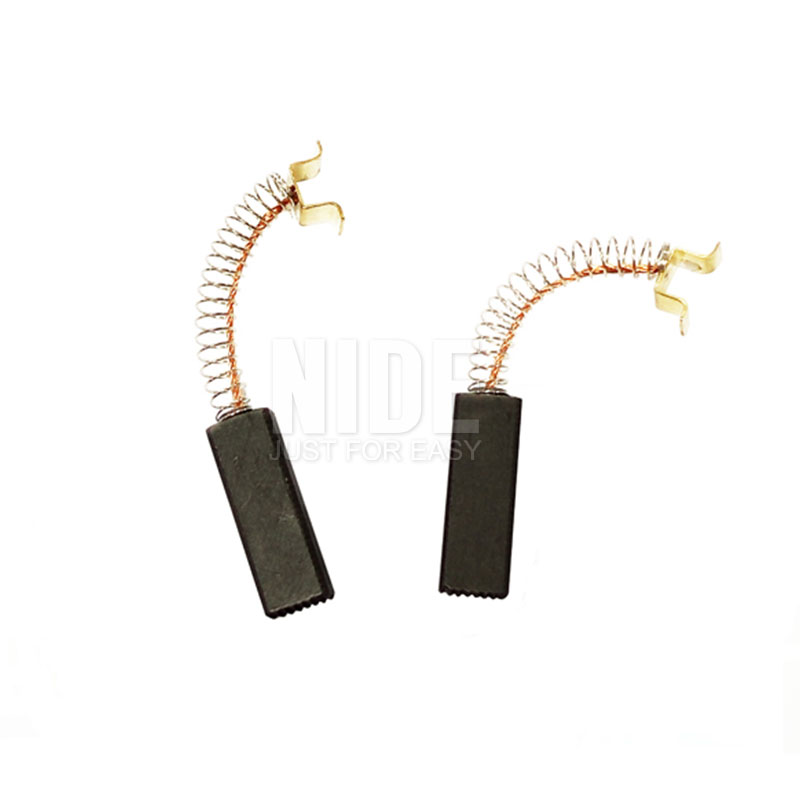
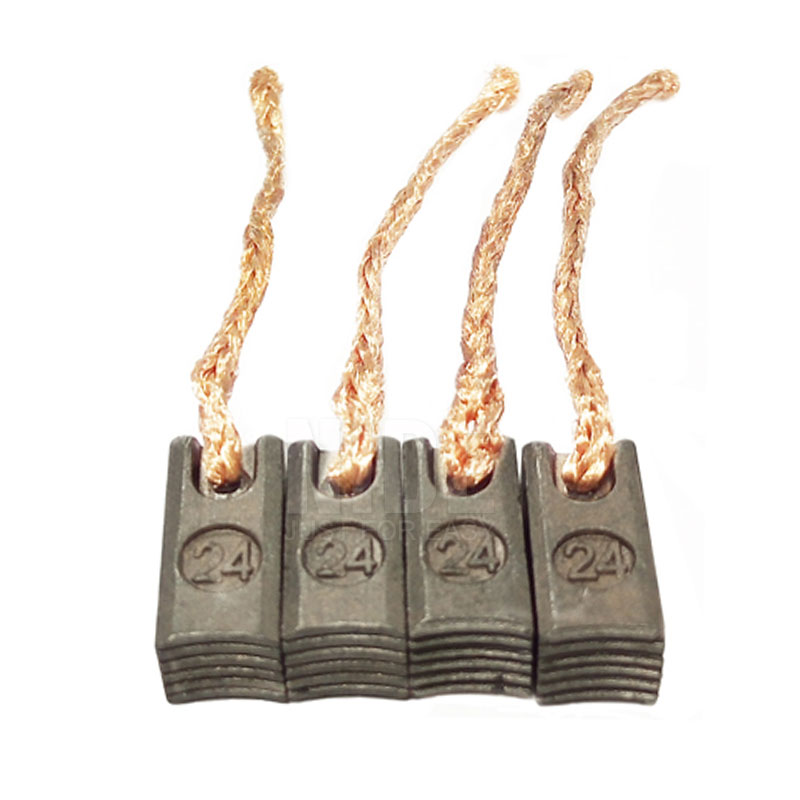
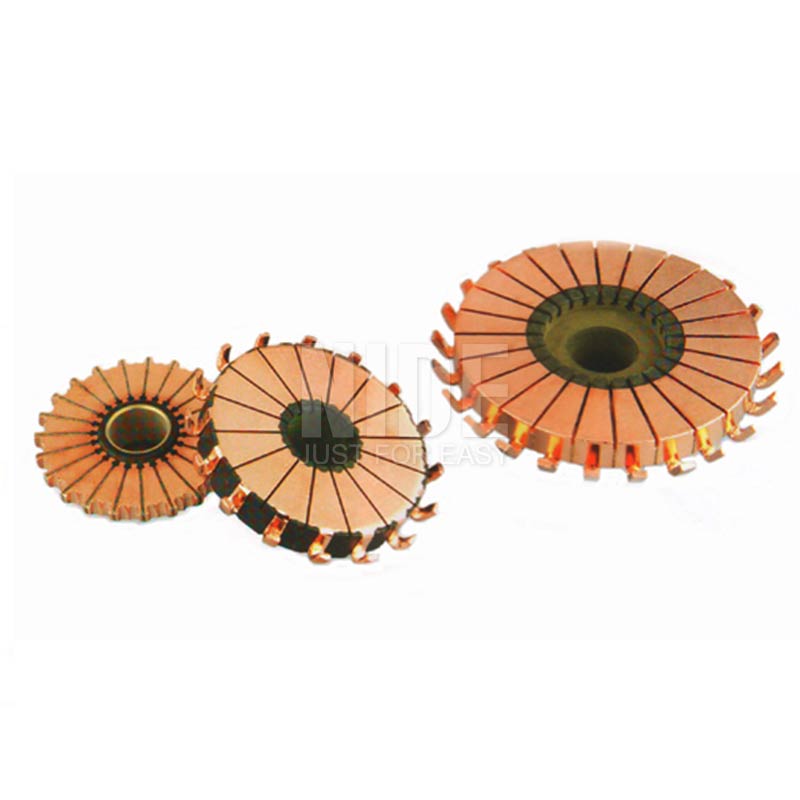
Beyond machinery, source precision-matched motor components including commutators, deep groove bearings, carbon brush blocks, and shafts under unified factory warranties.

Frequently Asked Questions on Stator Inserter Procurement

Clear, direct answers regarding mechanical compatibility, FAT verification protocols, lead times, and global on-site commissioning.

What types of insulation paper can your machines reliably process?
Our inserting machines are engineered to handle a broad range of dielectric materials, including DMD (polyester film/fiber composite), NMN, Nomex®, NHN, PET film, and Vulcanized Fiber. Tooling can be calibrated for sheet thicknesses spanning 0.125mm to 0.500mm, maintaining clean shear edges without mechanical flaking or micro-burrs.
Can the machine process stators with skewed or asymmetric slots?
Yes. Through direct-drive servo-controlled indexing tables and customized twisting insertion tooling, our equipment effortlessly tracks continuous slot skew angles up to ±15°. For asymmetric slot patterns (common in multi-speed appliance motors), custom recipe tables in the PLC instruct the indexing motor to execute varying rotation intervals in a single run.
How is Factory Acceptance Testing (FAT) conducted before overseas export?
Prior to dispatch, we request physical samples of your stator laminations and insulation roll stock. We execute a continuous 100% full-speed trial run of at least 500 to 2,000 cycles. We verify slot cell retention, cuff integrity, and perform in-line high-potential (Hipot) insulation tests. High-definition run-off video recordings and CMM inspection reports are submitted for your formal sign-off.
What is the standard cycle time per slot for automatic paper inserting?
Standard standalone servo inserters achieve operating speeds of 0.35 to 0.55 seconds per slot, allowing a standard 24-slot automotive or industrial stator to be completely insulated, cuffed, and indexed in approximately 8 to 12 seconds, including automated pneumatic part clamping and eject cycles.
What after-sales service and spare parts support do you provide internationally?
With over 13 years of machinery export experience, we maintain regional after-sales partnerships across key industrial hubs. Support packages include English HMI interfaces, remote diagnostic VPN connectivity, on-site commissioning by field engineers, and standardized wear packs (guillotine blades, forming fingers, cuff pushers) guaranteed for next-day dispatch.
What are your typical trade, delivery, and payment terms?
We flexibly support FOB Ningbo/Shanghai, CFR, and CIF destination ports worldwide. Standard payment structures include T/T and irrevocable L/C at sight in USD, EUR, or CNY. Machines are packaged in moisture-barrier vacuum foil inside solid fumigated seaworthy wooden crates engineered for extreme ocean transit protection.

Modernize Your Stator Line With Engineered Accuracy

Submit your stator 2D/3D part drawings (.STP/.DWG), lamination stack specifications, and target output. Our senior mechanical application engineers will formulate a comprehensive machine layout, cycle-time simulation, and commercial quotation within 24 hours.