Precision Motor Assemblies & Stator Production Core Machinery
Direct supply of precision electro-mechanical stator and rotor accessories, commutators, engineered bearings, and non-standard manufacturing assembly lines engineered in Ningbo, China.

High-Efficiency Stator Production Systems: Modular Architectures
Balancing cycle-time compression, copper slot fill factors, dielectric isolation integrity, and Overall Equipment Effectiveness (OEE) across varied motor topologies.
In modern electrical drive manufacturing, the stator represents up to 65% of the total electromagnetic motor value. Producing stators that adhere to strict international efficiency standards—such as IEC 60034-30-1 (IE3, IE4, and Super Premium IE5) as well as automotive NEMA Premium criteria—demands an automated manufacturing line capable of sub-micron machining tolerance, uniform coil tension, and zero-defect dielectric insulation. Ningbo Nakro Intelligent Equipment delivers turnkey engineering systems that convert cold-rolled electrical steel laminations and magnet wire into fully tested, ready-to-assemble stators.
Core Engineering Principle: Maximizing the slot fill factor while eliminating enamel abrasion during high-speed insertion reduces thermal losses (I²R copper loss) by up to 18%, significantly elevating motor thermal dissipation and energy performance index.
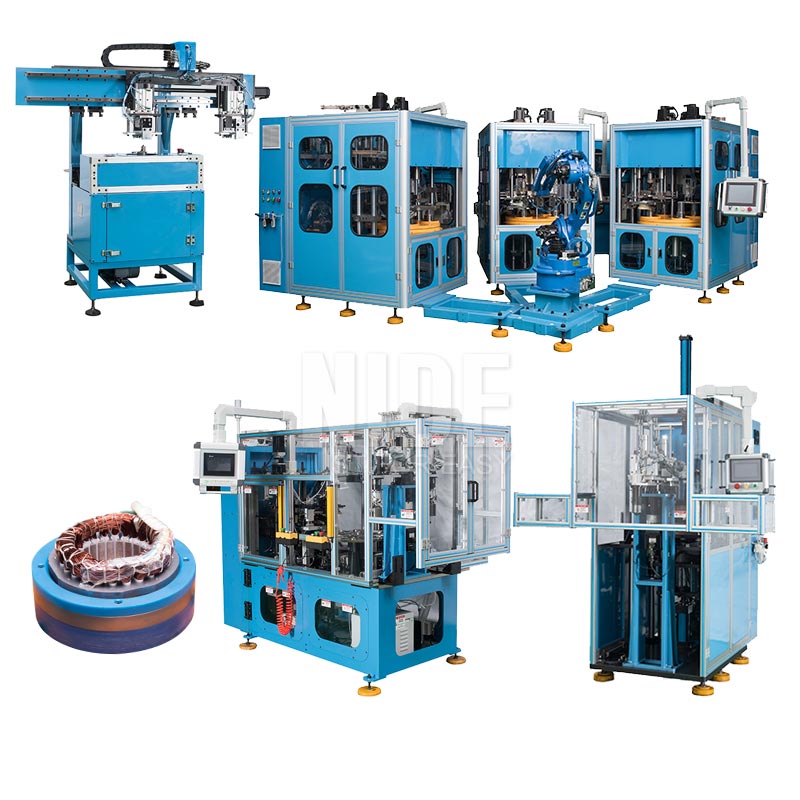
Induction Stator Line
Designed for three-phase & single-phase industrial pumps, HVAC compressors, and industrial fans. Features high-speed slot paper insertion, coil winding, simultaneous coil & wedge insertion, intermediate expanding, and CNC dual-end lacing.
- 0.25mm - 1.6mm Wire
- Slot Fill > 78%
- IEC / NEMA Frame
BLDC / PMSM Stator Line
Optimized for brushless DC appliance drives, robotic actuators, and drone propulsion. Integrates multi-axis CNC needle winding systems directly over segmented or unsegmented internal stators with precision lead wire termination and potting.
- Needle Winding
- Zero Scrap Lead
- Auto Fusing
Wheel Hub Stator Line
Engineered for e-bikes, electric motorcycles, and light commercial electric rickshaws. Manages outer-rotor stators with multi-strand parallel winding, automatic magnetic ring insertion, Hall sensor PCB soldering, and dynamic end-cover pressing.
- Outer-Rotor Core
- Parallel Coils
- E-Mobility Class
EV Hairpin Stator Line
The flagship solution for xEV traction motors. Highlighting CNC rectangular copper wire 2D/3D forming, paper slot B-side cuffing, automatic basket insertion, twisting/crowning, and high-speed vision-guided fiber laser welding with zero spatter.
- Flat Wire Tech
- Slot Fill > 82%
- Laser Welding
Selecting the optimal stator assembly topology hinges on balancing unit production economics with batch flexibility. Below is an engineering trade-off matrix curated by our lead R&D architects to guide engineering procurement managers in selecting line configurations:
| Technology Type | Target Motor Classes | Slot Fill Factor | Standard Tact Time | Dielectric Safety Margins | Tooling Changeover |
|---|---|---|---|---|---|
| Conventional Inserter Line | Standard Induction, Pump Motors, Fan Blowers | 48% – 68% | 18 – 28 sec/unit | Surge > 2.5kV | < 45 Minutes |
| CNC Needle Winding Line | BLDC Motors, Compressor Motors, Robotics | 55% – 72% | 12 – 22 sec/unit | Hipot > 3.0kV | < 20 Minutes (Recipe) |
| Flyer Winding System | Universal Armatures, Power Tools, Automotive DC | 45% – 62% | 8 – 15 sec/unit | Class H / 180°C | < 30 Minutes |
| Hairpin Flat-Wire System | EV Traction, Hybrid Transmissions, Aero-Propulsion | 73% – 85%+ | 35 – 55 sec/unit | Partial Discharge Free | Modular Tooling Swap |
Future Procurement & Manufacturing Trends (2025–2030)
How digital transformation, material sciences, and automation re-shape the stator manufacturing landscape.
Global procurement executives and production heads are experiencing rapid structural shifts in electric motor supply chains. Driven by strict carbon border adjustment mechanisms (CBAM), regionalization of critical manufacturing, and surging adoption of electric mobility and smart factory IoT platforms, capital investments in stator manufacturing machinery are evolving beyond sheer unit velocity toward verifiable intelligence, traceable quality records, and adaptable floor layouts.
Hairpin & Continuous Wave Dominance
Automotive EV traction is overwhelmingly prioritizing rectangular hairpin technology. Stators with flat copper wires provide higher thermal conductivity, minimized phase end-turn heights, and optimal heat paths. Procurement demands are pivoting heavily toward laser beam oscillation (wobble) welding units, automated optical wire-stripping verification, and zero-defect varnish trickle/impregnation lines.
MES-Integrated Traceability & Closed-Loop AI
Tier-1 OEMs now require serialized part-level traceability. Modern stator lines must feed OPC UA / MQTT data straight to industrial Manufacturing Execution Systems (MES). Every single stator stack height, inserting force curve, winding tension deviation, resistance measurement, and surge wave comparison is logged to create a digital twin pedigree preventing field recall liabilities.
Flexible Reconfigurability & Modular Cells
Fixed, monolithic production lines are being superseded by agile, AGV-connected manufacturing islands. Production managers demand machine tooling sets capable of switching between different stack heights, slot counts, and wire configurations within 30 minutes via servo recipes and quick-lock mechanical changers, maximizing ROI in fast-shifting consumer markets.
From an engineering perspective, technological innovations in copper insulation handling have revolutionized line yield. Historically, single-station wire insertion caused microscopic enamel tears leading to premature partial discharge failures. Nakro's proprietary continuous tension monitoring systems maintain servo-governed back-tension within ±0.5N throughout the winding arc, virtually eliminating localized wire stretching and micro-fissures in enamelled wire coatings.
Ningbo Nakro Intelligent Equipment: Engineering Excellence Since 2010
An integrated turnkey partner providing machine engineering, custom precision tooling, and high-reliability electro-mechanical components.
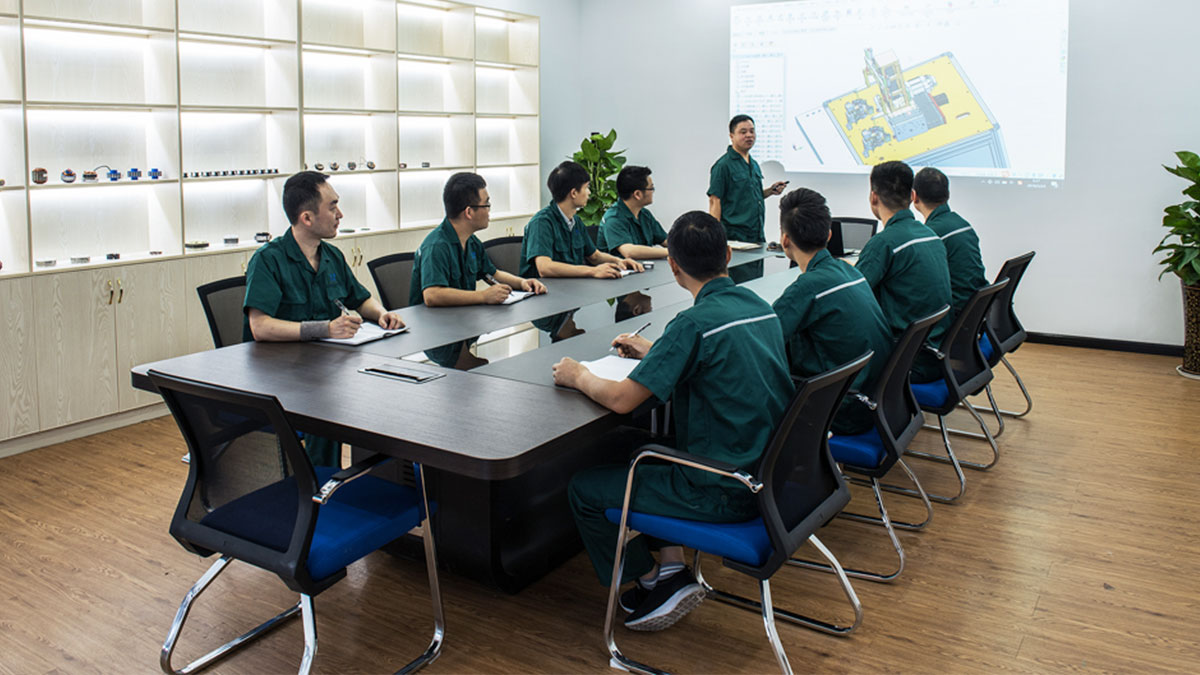
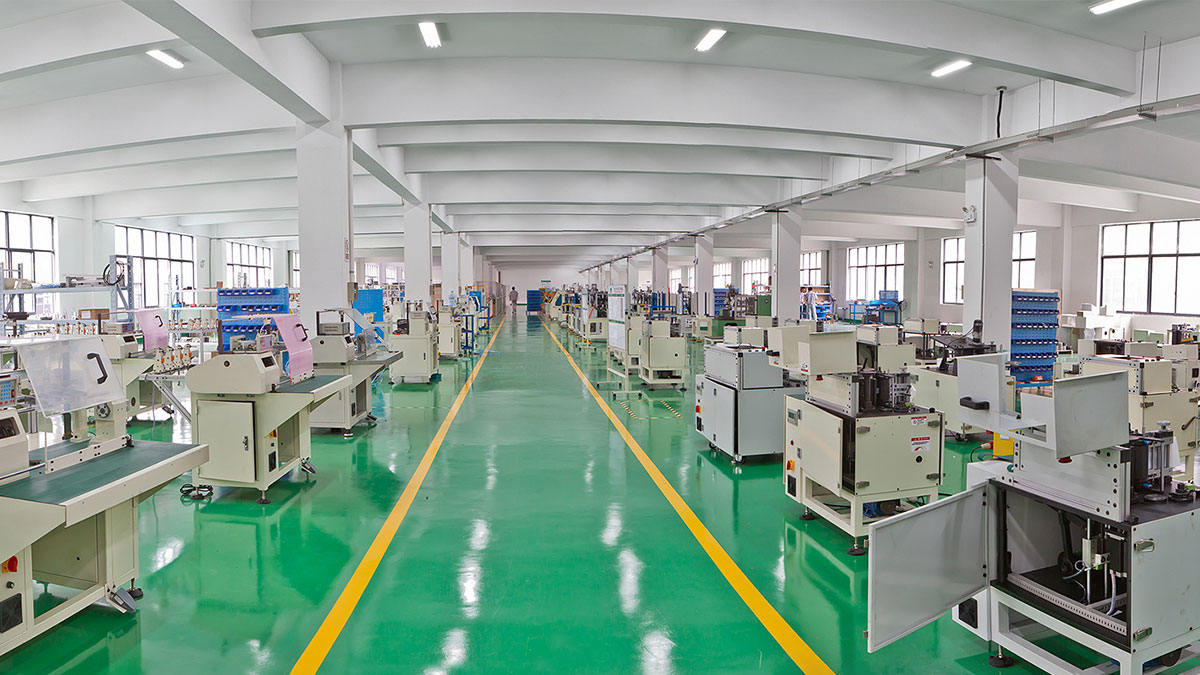
One-Stop Synergy: Machinery, Process Design & Precision Components
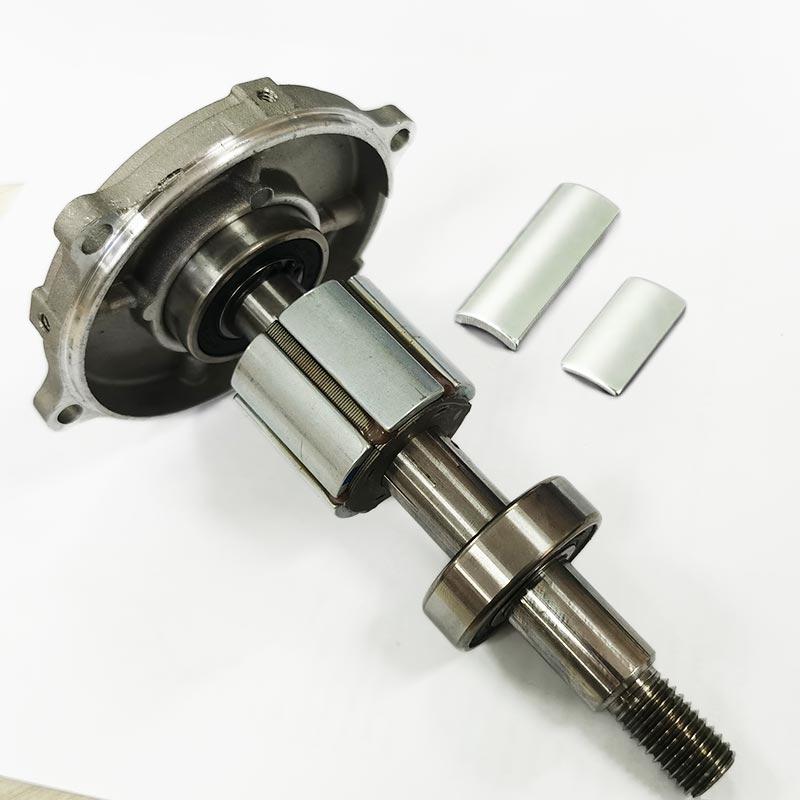
Unlike standard machine brokers or localized assembly shops, Ningbo Nakro Intelligent Equipment Co., Ltd. delivers end-to-end motor manufacturing mastery. We bridge the engineering gap between machine kinematics and raw component behavior. By deeply understanding how copper wire grades, high-grade silicon steel lamination stress, commutators, ball bearings, and N52 neodymium magnets interact on the line, we engineer assembly stations that eliminate manufacturing bottlenecks before they arise.
- Custom Tooling & In-House CNC R&D: Bespoke inserting blades, wedge pushers, and winding nozzles precision-machined from hardened tungsten carbide and premium tool steel.
- Comprehensive Pre-Shipment Run-Off (FAT): Every automated cell is validated with your specific lamination stacks, copper wire, and insulation paper at 100% line capacity prior to dispatch.
- Global Field Engineering: On-site SAT commissioning, electrical cabinet calibration, PLC programming, and thorough operational training backed by multilingual service teams.
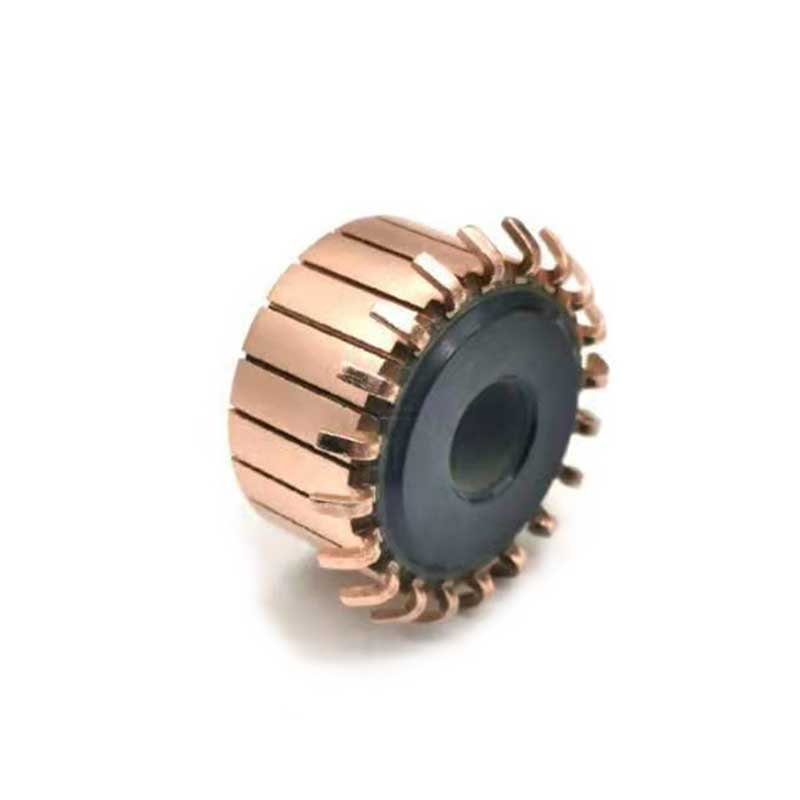
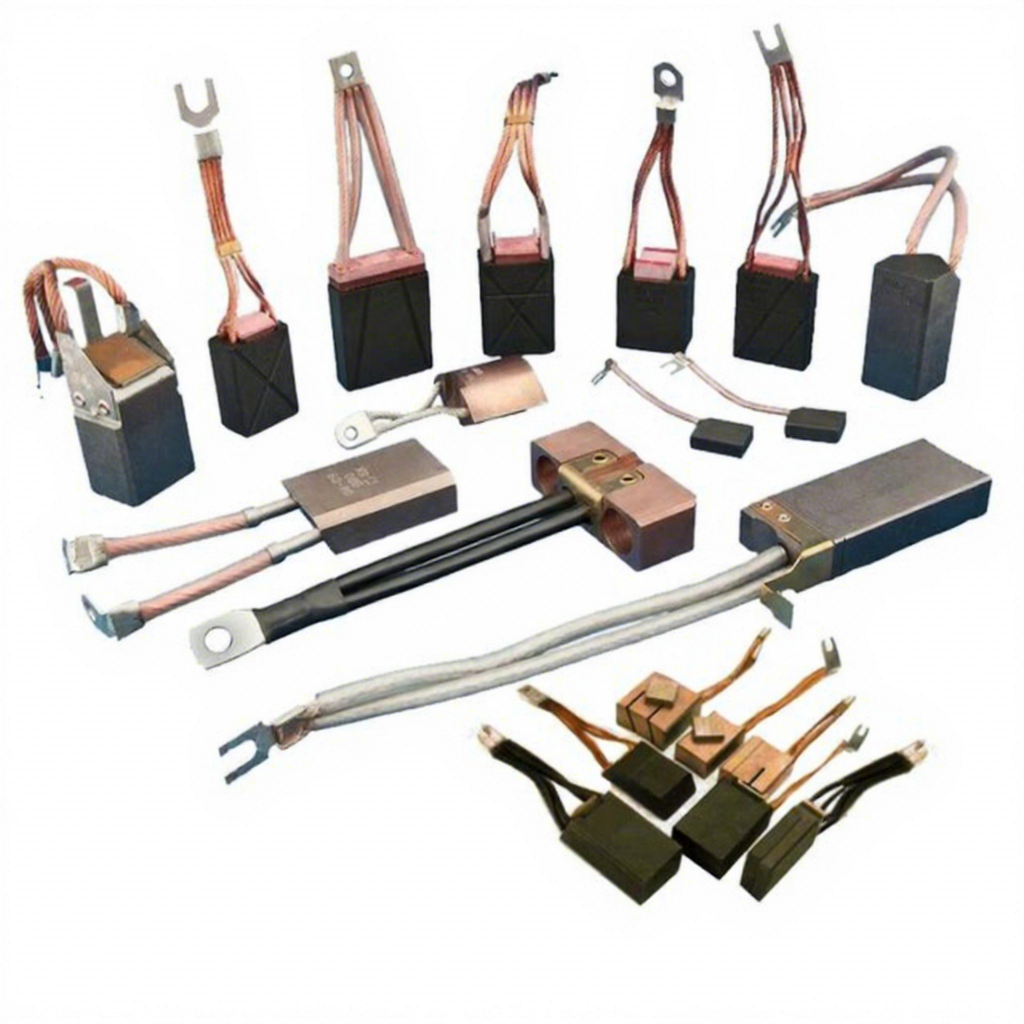
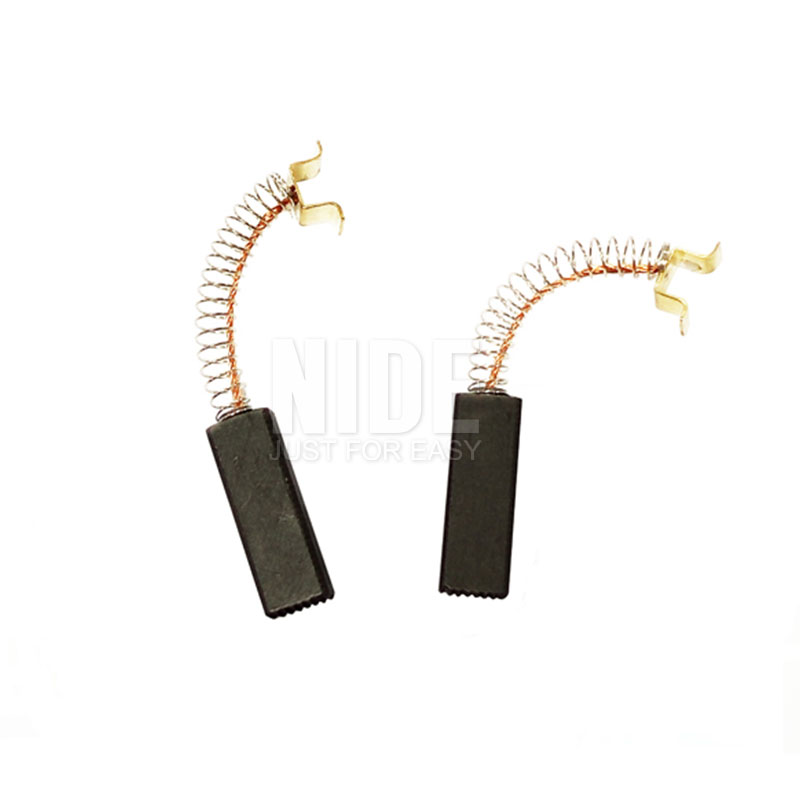
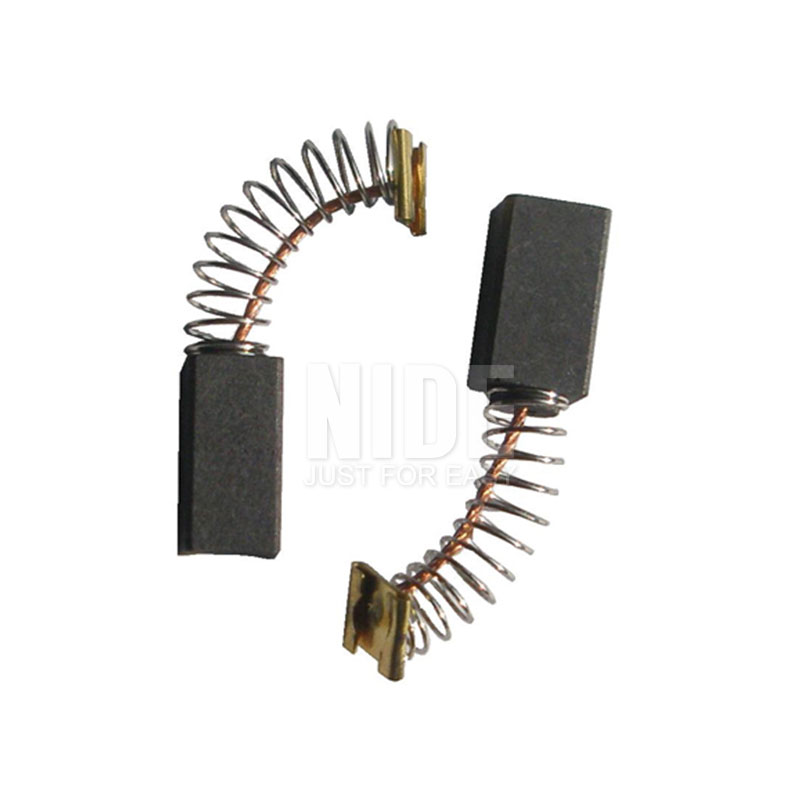
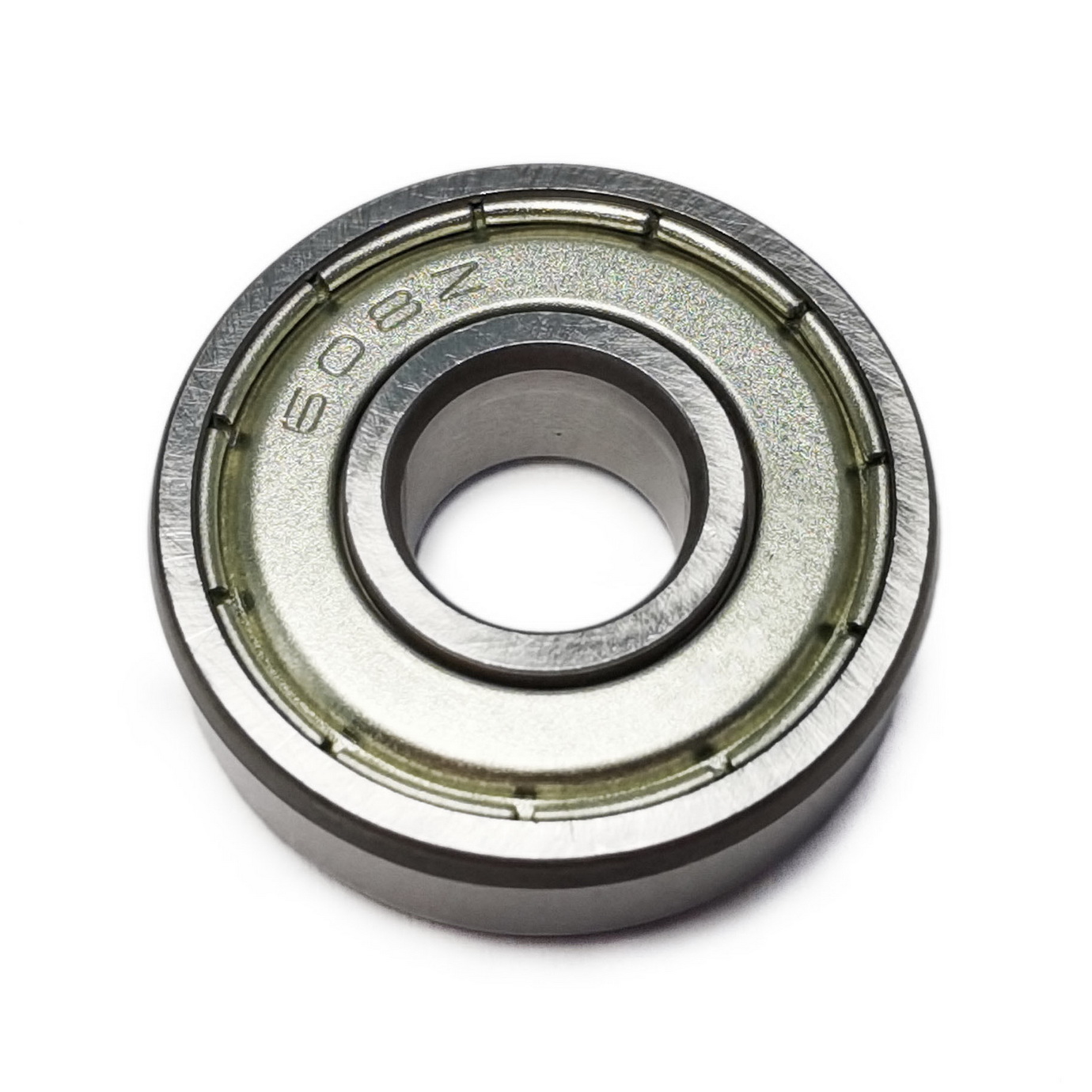
- Motor Component Supply Integration: Direct provisioning of hook commutators, electrical carbon brushes, bearings, and magnets to ensure total component-to-tooling compatibility.
Frequently Asked Questions on Stator Line Procurement
Direct technical answers addressing critical parameters, risk management, and qualification protocols.
What documentation and technical inputs are required to initiate a customized line quotation?
To formulate an accurate proposal, our process engineering team requires: (1) 2D/3D technical drawings of the bare stator lamination pack and finished wound stator; (2) Slot cross-section geometry, stack height ranges, and inner/outer diameter (ID/OD); (3) Wire specification data including bare copper diameter, enamel thermal grade, and insulation type; (4) Winding diagram indicating slot pitch, coil turns, and lead wire connection schematic; and (5) Your target takt time or required annual throughput capacity.
How does Nakro ensure zero enamel insulation scratch during stator coil inserting?
Enamel protection is governed by our proprietary inserting blade profile and multi-axis servo coordination. Insertion blades are machined with micron-level contouring and finished with diamond-like carbon (DLC) surface polishing to minimize frictional drag. Simultaneously, a closed-loop servo push rod synchronizes wedge feeding with coil advancement, ensuring zero wedging stress or slot liner pinch during high-speed insertion.
What is the standard Factory Acceptance Testing (FAT) protocol before shipment?
We adhere to a rigorous 3-stage validation: (1) Dry cycle mechanical dry-run verifying all pneumatic, hydraulic, and servo axes across continuous 72-hour operation; (2) Live material run-off utilizing customer-supplied laminations and copper magnet wire, producing minimum 100 consecutive sample stators; (3) Electrical validation testing 100% of finished samples for inter-turn surge, AC Hipot dielectric withstand (up to 5kV), DC resistance balance, and insulation resistance. High-resolution run-off videos and full inspection certificates are delivered prior to packing.
Can a single automated stator assembly line accommodate multiple motor stack heights?
Yes. Our intelligent production lines feature quick-changeover mechanical designs. Stack height variance (e.g., from 25mm to 160mm) is adjusted via programmable HMI recipe selection that automatically sets servo homing positions. When changing between differing slot geometries or wire diameters, modular tooling cassettes (inserting blades, guide strips, and push rods) can be exchanged in under 30 minutes without re-wiring.
What after-sales service and spare parts support are guaranteed for overseas buyers?
All production equipment comes with a standard 12 to 36-month warranty framework. We maintain dedicated regional engineering service partners across Southeast Asia, South America, the Middle East, and Eastern Europe. Furthermore, every machine is equipped with an integrated industrial VPN modem for secure remote diagnostics, PLC troubleshooting, and firmware upgrades. We guarantee critical wear tooling spare shipments within 48 hours.
What international electrical and safety standards do Nakro machines comply with?
Our manufacturing machines comply fully with the European Machinery Directive 2006/42/EC, Low Voltage Directive 2014/35/EU, and Electromagnetic Compatibility (EMC) Directive 2014/30/EU. We standardly employ world-recognized component architectures including Siemens or Mitsubishi PLCs, Schneider safety relays, SMC/Festo pneumatics, and Yaskawa servo drives, ensuring CE and UL compliance across global facilities.
Ready to Modernize Your Motor Stator Production?
Connect with our senior technical engineering team. Receive a turnkey line layout simulation, process cycle-time analysis, and a comprehensive budgetary quote within 24 hours.
