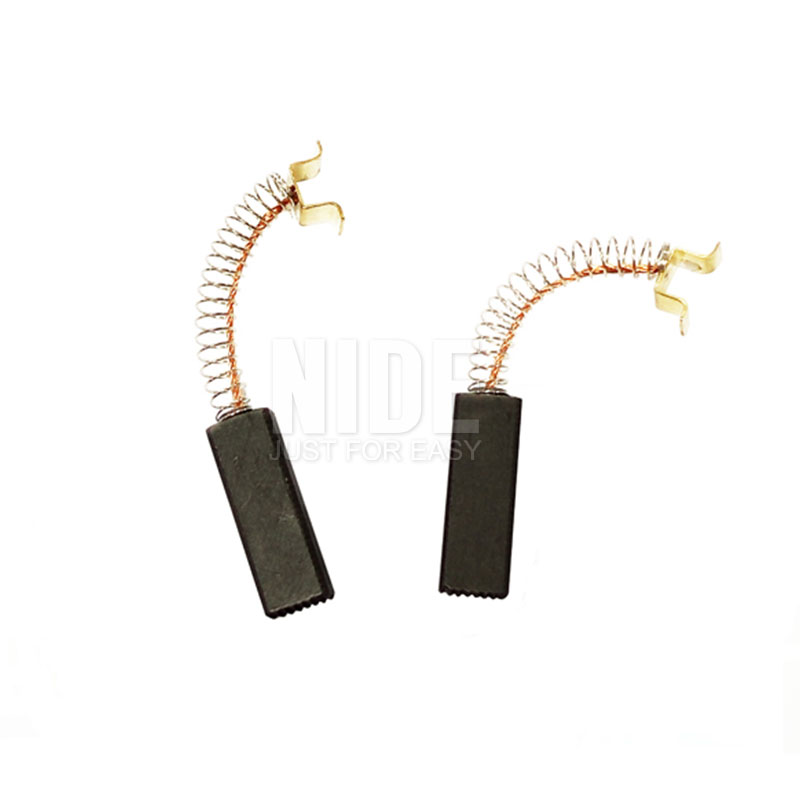
DC Motor Parts
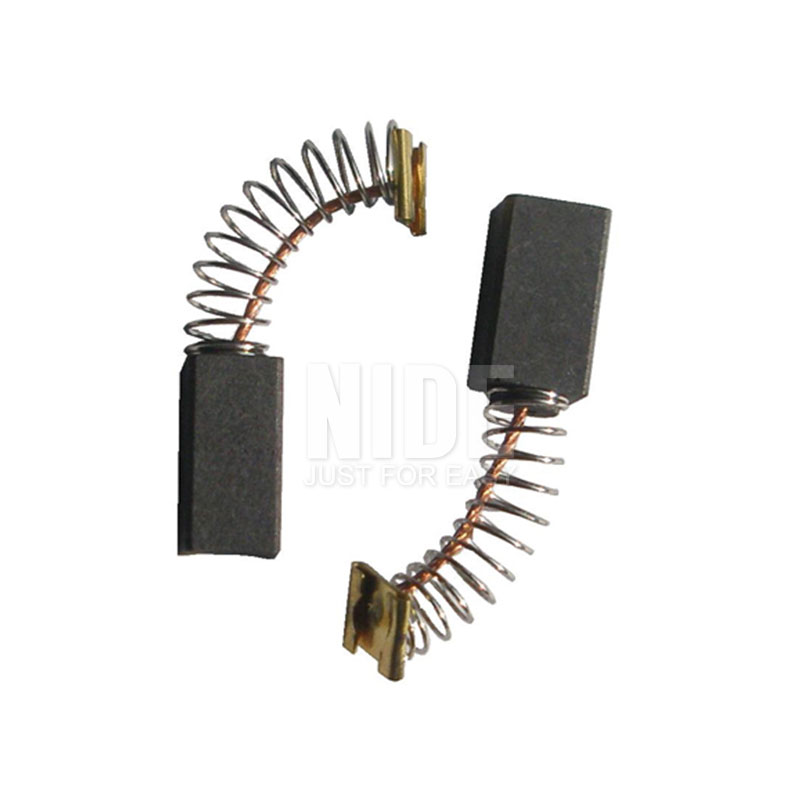
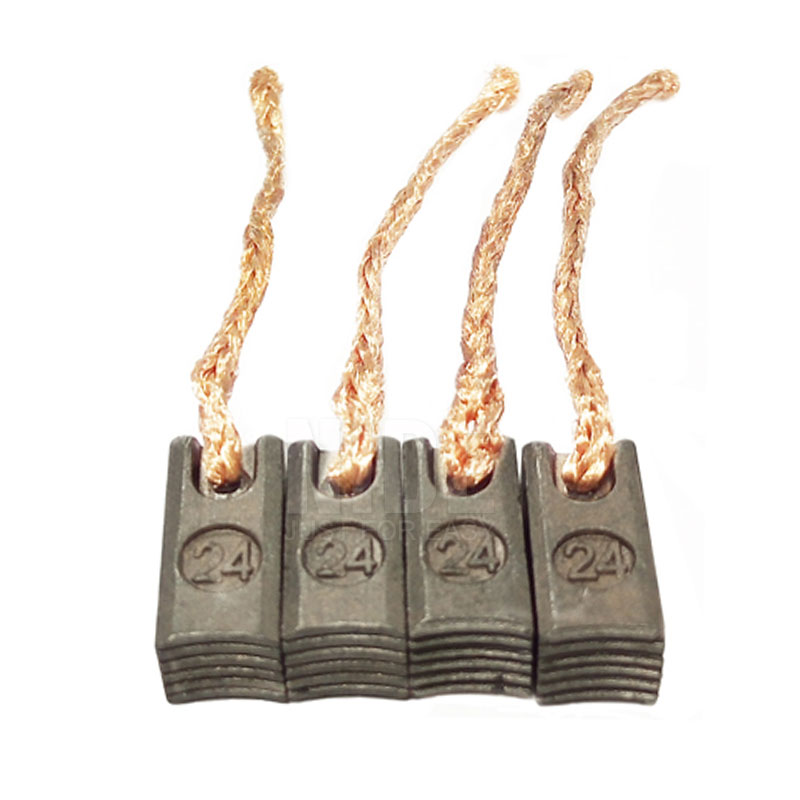
Nide NDPJ-TS-1 Automobile Electrical Carbon Brush for DC Motors
High conductivity, wear-resistant electro-graphite alloy.
Send an Inquiry
Explore our top-tier rotor, stator, and auxiliary components engineered to complement integrated motor assembly lines, guaranteeing high electrical conductivity, mechanical durability, and strict thermal compliance.
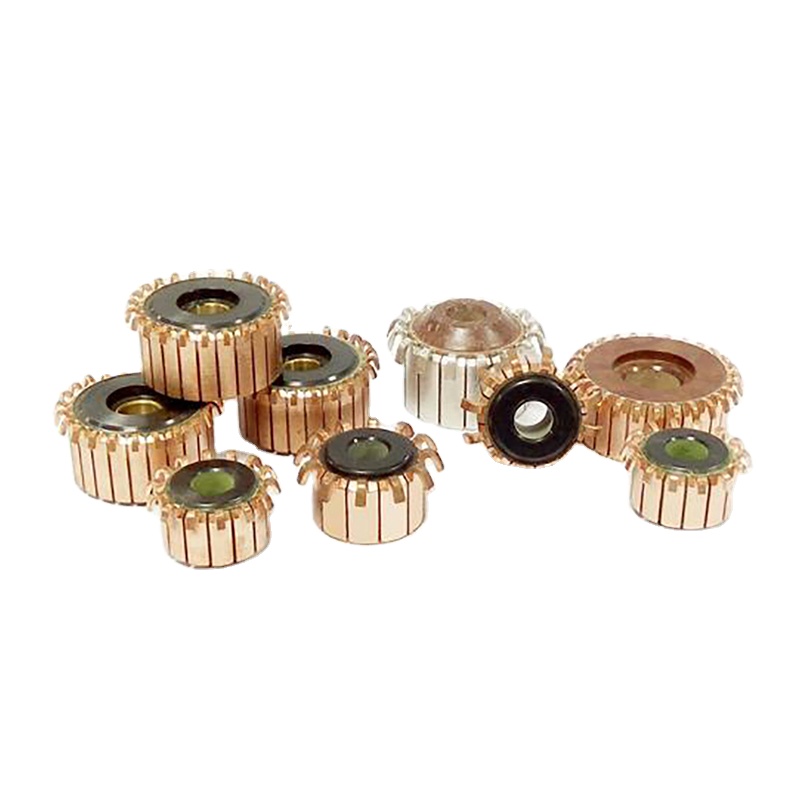
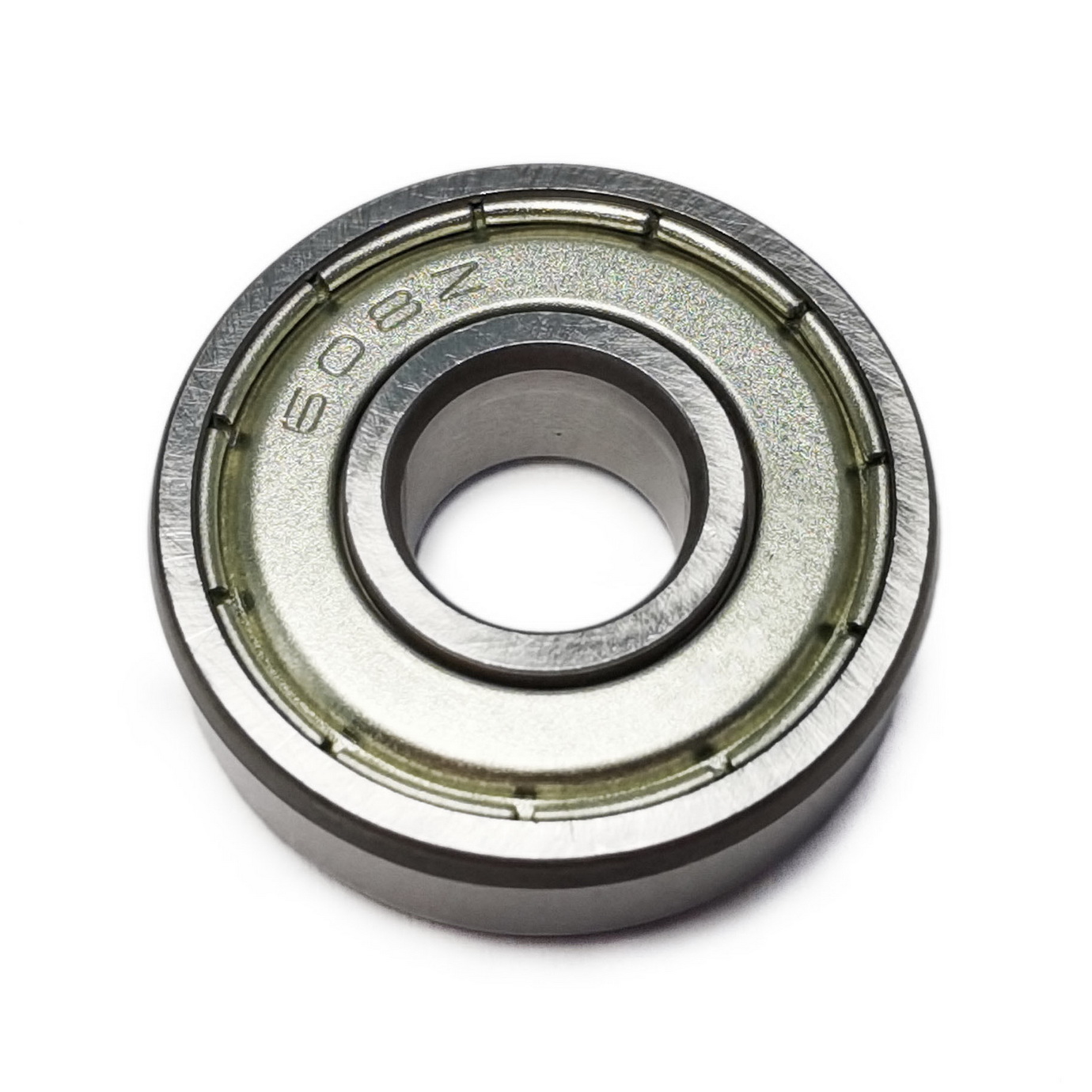
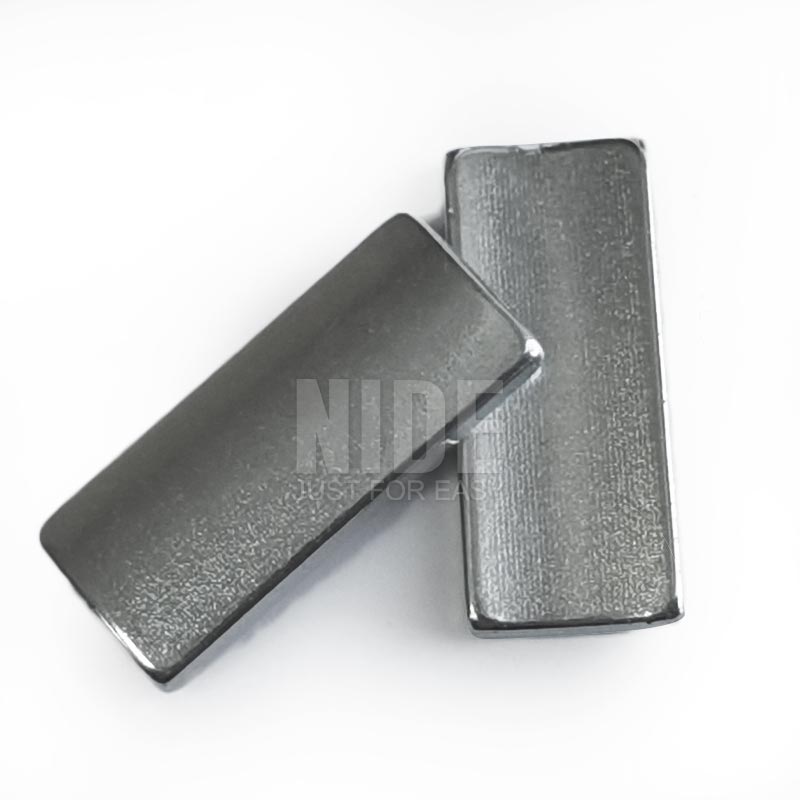
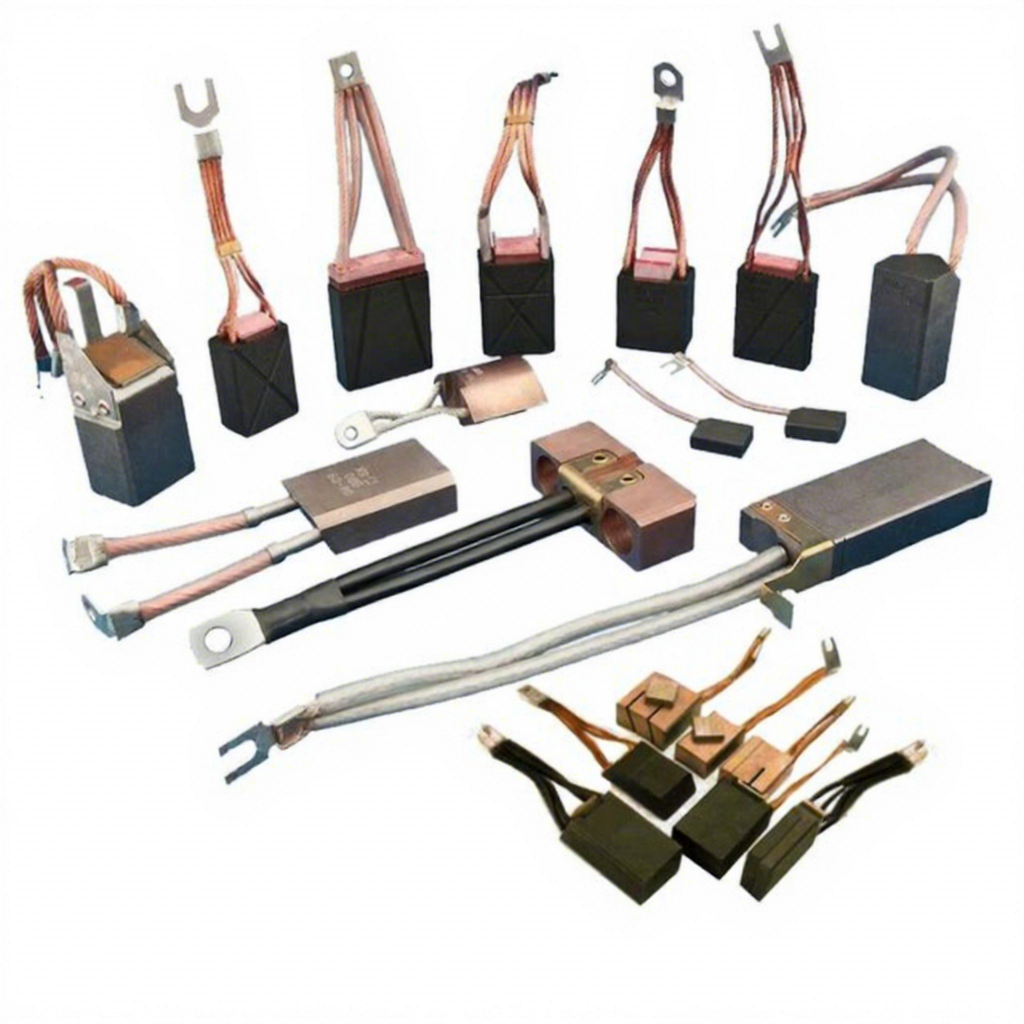
Integrating 14+ years of specialized motor manufacturing automation, tooling customization, and complete component ecosystems to drive production efficiency and lower total cost of ownership (TCO).
From individual semi-automatic workstations to fully automated cells, we deliver integrated solutions for armature production, induction motor stator inserting, BLDC needle winding, and e-bike wheel hub assembly.
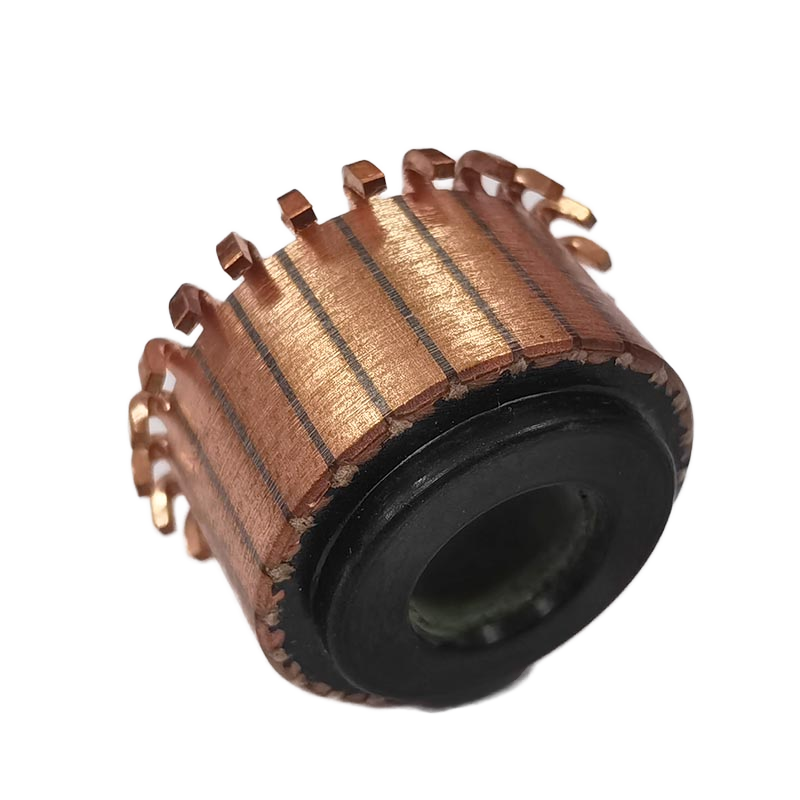
Avoid vendor fragmentation. Along with assembly automation, we manufacture and supply precision-matched commutators, ball bearings, NdFeB permanent magnets, shafts, and specialized insulation papers.
Operated strictly under ISO 9001 certified protocols, every assembly module undergoes 100% factory runoff testing with customer-supplied laminations and wire before seaworthy export packaging.
Strategic guidance for production directors, industrial automation engineers, and global sourcing officers managing high-volume motor lines in an evolving manufacturing paradigm.
The global demand for electric motors across e-mobility, HVAC, robotics, and industrial machinery is fundamentally altering equipment procurement benchmarks. Plant managers are moving away from modular procurement toward single-source turnkey line contracts.
Technological progression in motor manufacturing centers around high slot fill rates, high thermal survivability, and precise magnetic flux alignment.
Our engineering team designs complete assembly configurations mapped specifically to the customer's mechanical drawings, annual volume, and floorplan layout.
Precision hydraulic shaft press-fitting, automatic slot paper insertion, and end-insulation molding with zero lamination burr deformation.
High-speed flyer or multi-nozzle needle winding with continuous wire tension control, hook indexing, and automatic lead trimming.
Commutator hook hot-stacking resistance welding, pneumatic wedge insertion, coil intermediate and final geometric forming.
100% inline Hipot dielectric testing, surge resistance, commutator dynamic balancing, and complete EOL performance validation.
Detailed answers regarding technical integration, overseas commissioning, and quality validation.
Our automation systems and standalone machines process universal DC motor armatures, AC single-phase and three-phase induction stators, permanent magnet synchronous motors (PMSM), high-torque brushless DC (BLDC) stators, and outer-rotor wheel hub motors for two- and three-wheel light electric vehicles.
Every machine undergoes a full factory trial run in our Ningbo facility utilizing the customer's actual lamination stacks, wire gauges, and component samples. We record runoff videos, generate CPK statistical process capability data, and welcome third-party visual inspections before seaworthy crating.
Yes. Our modular platform allows clients to replace winding flyers, inserting tooling, and positioning fixtures when launching new motor stack heights or slot dimensions. We maintain all CAD blueprints on file for expedited tooling manufacturing and delivery.
Backed by over 13 years of machinery export experience, we deploy English-speaking commissioning engineers worldwide for physical installation, line integration, and operator training. Furthermore, remote PLC diagnostics allow instant troubleshooting for minimal operational interruption.
Standalone winding and inserting machines typically carry a build time of 30 to 45 business days. Fully customized turnkey assembly lines—including automated conveying, robotic stations, and inline EOL testing—typically range between 90 and 120 days, depending on engineering complexity.
We facilitate standard international commercial contracts under Incoterms 2020 including FOB Ningbo/Shanghai, CFR, and CIF port of destination. Supported payment structures include secure Wire Transfer (T/T) and Irrevocable Letters of Credit (L/C) across USD, EUR, and CNY currencies.
Send your motor blueprints, stack specifications, and target daily output to our chief automation engineers for an optimal turnkey assembly proposal.
