High-Precision Machinery & Stator Assembly Components
Explore our certified automated stations, core sub-assemblies, and specialized spare parts engineered for single-phase and three-phase induction motor manufacturing lines.
Stator Assembly Architecture & Industrial Adaptation in Port-au-Prince
A comprehensive examination of machinery configuration, thermodynamic resilience, electrical grid stabilization, and operational longevity in Haiti's industrial ecosystem.
Complete Turnkey Induction Stator Automation Workflow
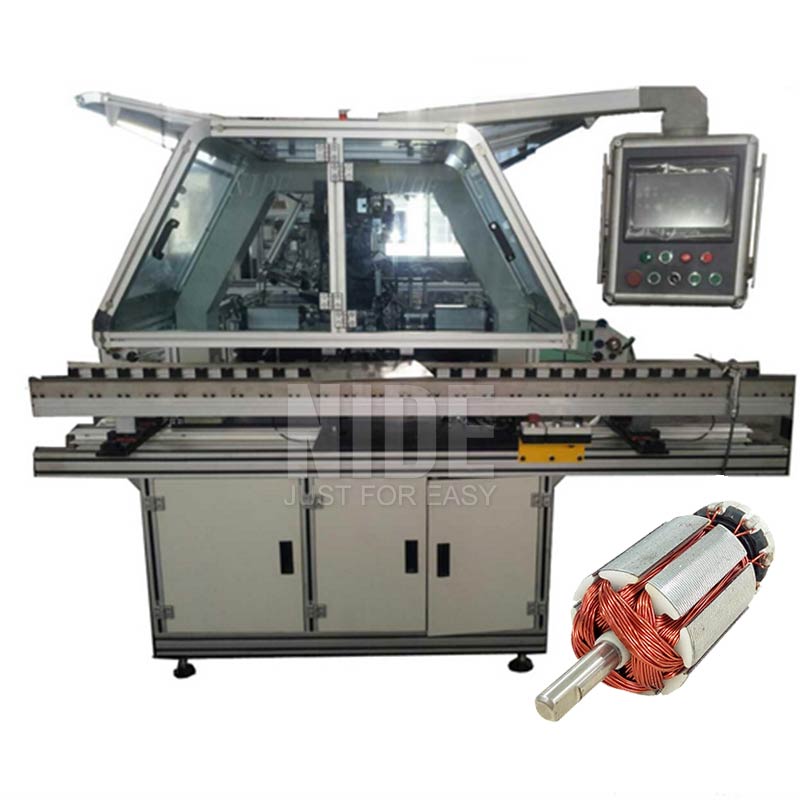
The manufacturing of single-phase and three-phase induction motor stators demands uncompromising dimensional repeatability and dielectric reliability. For manufacturing and rewinding facilities servicing the Department of the West and greater Port-au-Prince, converting raw cold-rolled silicon steel laminations into an IEC-compliant motor requires synchronized, multi-stage processing:
| Production Stage | Automated Mechanism | Technical Parameters | Quality Assurance Checkpoint |
|---|---|---|---|
| 01. Slot Cell Insulation | Automated paper feeding, creasing, cutting, and simultaneous bottom-up inserting. | Cycle time: 0.5s–1.2s/slot; accommodates Nomex, DMD, or Mylar composite film. | Edge flush check, mechanical slit clearance, and zero lamination flare tolerance. |
| 02. Precision Coil Winding | Multi-spindle flyer or CNC winding heads with dynamic servo closed-loop tensioners. | Wire Gauge: 0.15mm to 1.60mm; speeds up to 2,800 RPM with programmable indexing. | Tension uniformity monitoring to prevent copper wire necking and enamel micro-fissures. |
| 03. Simultaneous Coil & Wedge Insertion | Push-rod tooling driven by servo-hydraulic or dual-servo electromechanical actuators. | One-stroke injection of primary coils, auxiliary coils, and slot wedges simultaneously. | Zero slot overlap, no crossover strand stress, zero edge clipping on insulating wedges. |
| 04. Intermediate Forming (3D) | Radial expanding collets with pneumatic/hydraulic end-turn clamping blocks. | Preserves internal bore clearance while flaring coils away from rotor insertion path. | Air gap verification and lead terminal spatial clearance alignment. |
| 05. Automatic End-Turn Lacing | Twin-needle simultaneous diamond or chain-stitch binding via Mitsubishi/Siemens PLC. | Pitch programmable: slot-by-slot, skip-slot, or custom variable tension interlacing. | Tensile knot tie-off testing and non-abrasive lacing cord friction check. |
| 06. Final Sizing & Electrical Run-off | Hardened mold final dimensional stamping coupled with automated impulse surge testing. | Surge peak: 5kV; Hipot AC test: 2.5kV/50Hz; DC resistance precision: ±0.25%. | Inter-turn short detection, ground leakage detection, and full dimensional bore calibration. |
Port-au-Prince Industrial Environment Adaptation
Operating industrial machinery in Port-au-Prince presents unique challenges that off-the-shelf equipment rarely survives without modification. Factories situated around Boulevard Toussaint Louverture, the Port-au-Prince Industrial Park (SONAPI), and coastal maritime belts encounter severe marine humidity and airborne salt aerosols originating from the Gulf of Gonâve.
To prevent premature galvanic corrosion and control cabinet shorting, Nakro reinforces every production unit deployed to Haiti with:
- IP54 / NEMA 4X Sealed Enclosures: Fully isolated industrial electronics cooled via air-to-air heat exchangers rather than direct atmospheric ventilation.
- Conformal PCB Coating: Polyurethane vapor-proof protective layers over all PLC I/O modules, servo drives, and HMI control boards.
- Anti-Corrosive Machine Guideways: Hard chrome-plated shafting, electroless nickel-plated insertion needles, and stainless steel fasteners resisting saline oxidation.
Overcoming Power Fluctuation & Diesel Generator Microgrids
The municipal power infrastructure managed by Électricité d'Haïti (EDH) faces chronic intermittency, requiring manufacturing operations to rely heavily on self-generated island microgrids, industrial diesel gensets, and heavy-duty hybrid solar plants. These secondary power sources introduce significant challenges: line voltage sags, brownout spikes, frequency wandering (48Hz–52Hz), and total harmonic distortion (THD).
Standard CNC winding machines trip or burn their micro-controllers under such erratic conditions. Our Port-au-Prince tailored export configurations include:
- Wide-Voltage Multi-Tap Transformers: Designed to accept input line voltages fluctuating between 180V and 260V single-phase or 340V and 460V three-phase.
- Dynamic Active Front End (AFE) Drives: Isolating sensitive servo positioning motors from dirty generator waveforms and frequency drifts.
- Non-Volatile Flash Memory Retention: Automatic program resumption ensuring zero loss of winding turns or tool positioning if an emergency power cut occurs mid-cycle.
Localized Applications & Manufacturing Trends in Haiti
Why domestic motor manufacturing and overhaul capabilities are rapidly expanding in the Caribbean basin.
Agricultural Irrigation & Deep-Well Pumps
Agricultural clusters across the Cul-de-Sac plain and Artibonite rely heavily on submersible deep-well and surface booster water pumps. Induction motor stators built on Nakro equipment provide superior slot fill density, ensuring maximum efficiency and high thermal tolerances required during continuous water extraction.
Commercial Agro-Food Processing
Flour mills, sugarcane refineries, and essential oil distillation plants around Carrefour, Delmas, and Cité Soleil require heavy-duty three-phase induction drives. Stators manufactured with precision end-turn lacing resist constant mechanical vibration and eliminate premature winding burnout.
Localized Repair & Rewinding Automation
Importing finished electric motors incur extreme ocean freight tariffs and extensive maritime supply chain lead times at Port international de Port-au-Prince. Local apparatus service shops are shifting from manual hand-winding to semi-automated coil winding and wedge inserting, reducing lead times from weeks to hours.
Light E-Mobility & Three-Wheeler Conversion
Urban mobility demands across Port-au-Prince have sparked an interest in light commercial electric transit. Nakro provides hybrid line configurations capable of toggling between standard induction stators and high-torque outer-rotor wheel hub stators for electric rickshaws and utility tricycles.
HVAC, Cold Storage & Commercial Freezing
Tropical climate preservation of food staples and pharmaceutical items necessitates dependable compressor motors. Our automatic coil insertion machines handle micro-stepped, high-turn single-phase stators, minimizing inter-turn friction and ensuring pristine insulation integrity under heavy compressor startup loads.
Import Substitution & Supply Chain Sovereignty
The strategic drive by Caribbean entrepreneurs to onshore essential manufacturing has elevated stator production from a niche trade to a vital national industry, lowering reliance on erratic cargo shipments and keeping high-value engineering equity within the Haitian economy.
Why Global Manufacturers Choose Ningbo Nakro
Combining world-class equipment fabrication with comprehensive motor components supply and deep turnkey project stewardship since 2010.
13+ Years of Global Machine Export
Exporting to more than 50 countries across Southeast Asia, Eastern Europe, South America, and the Caribbean. We understand ocean logistics, customs clearances, export crating standards, and remote commissioning challenges.
Turnkey "One-Stop" Motor Ecosystem
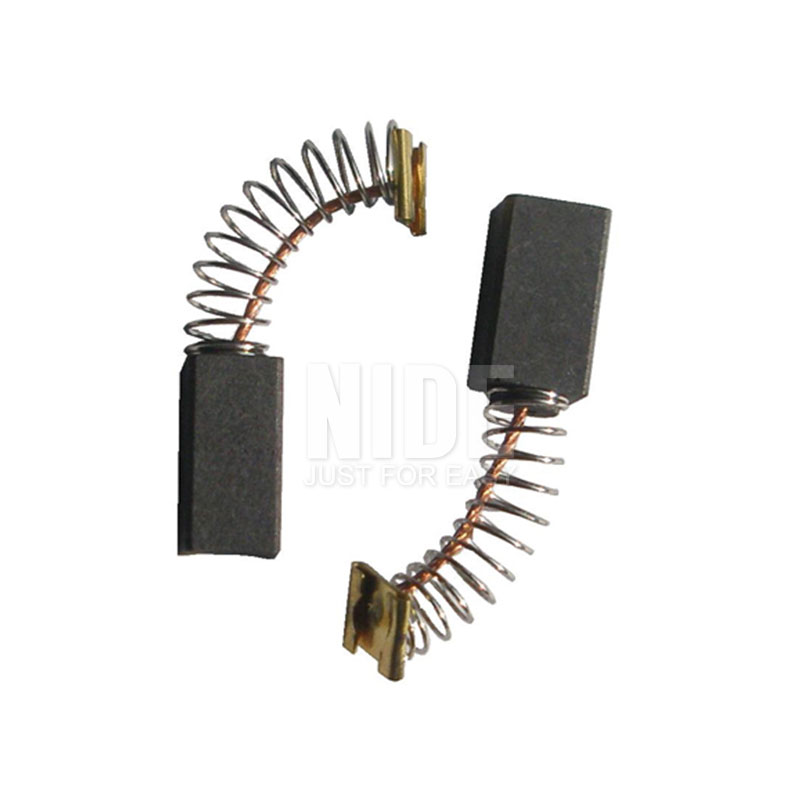
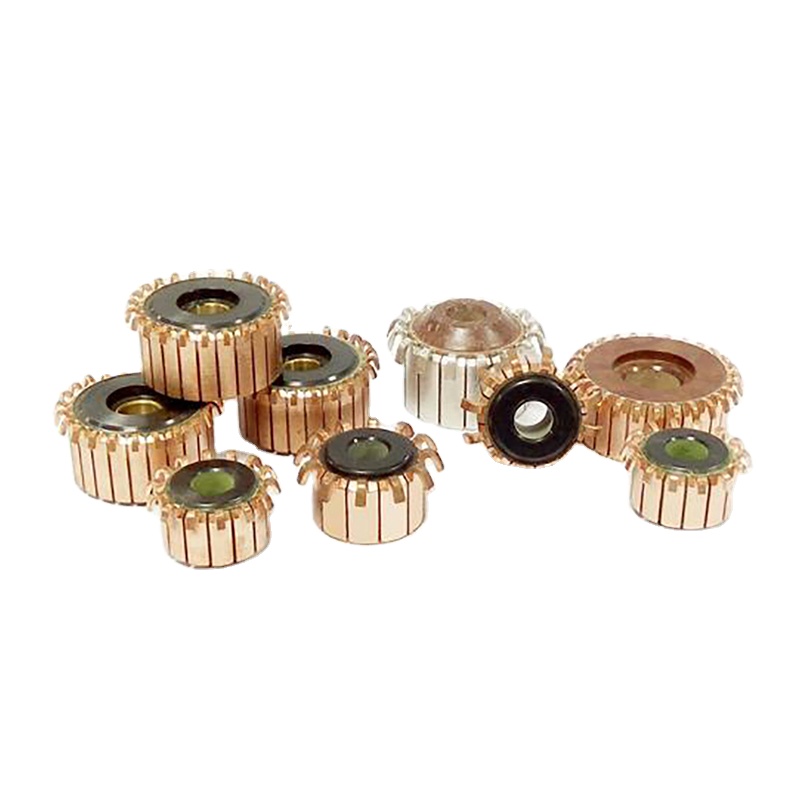
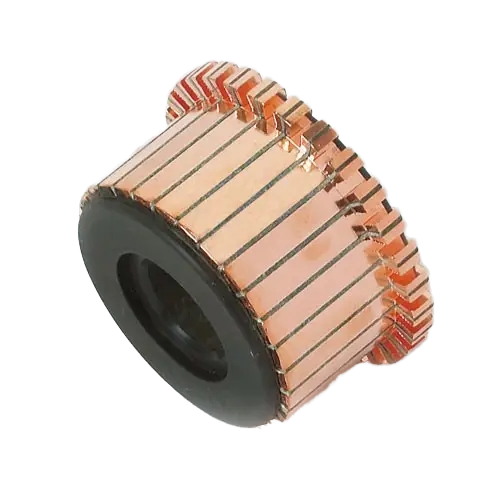
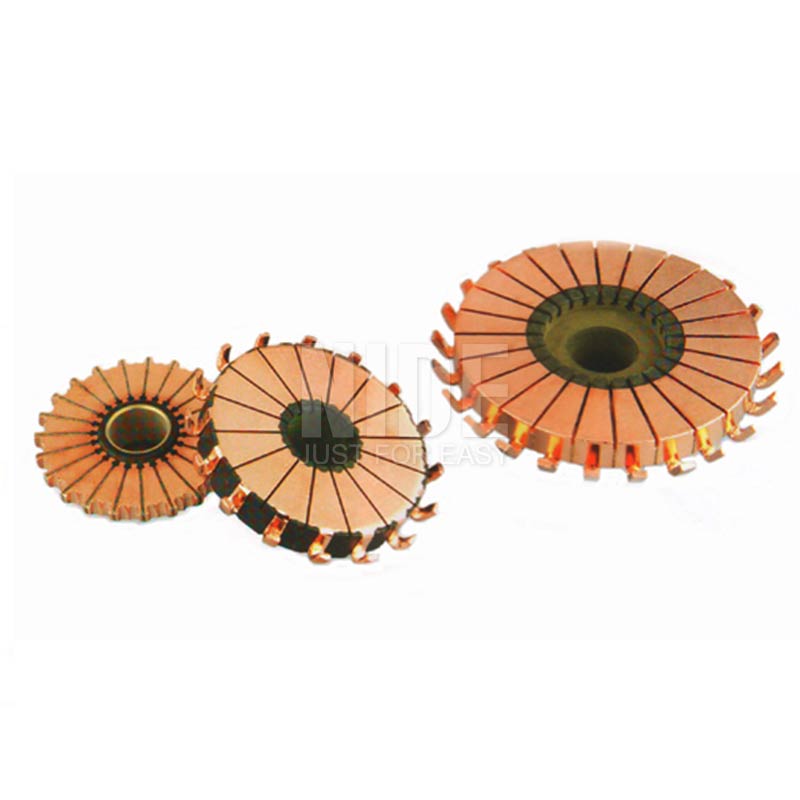
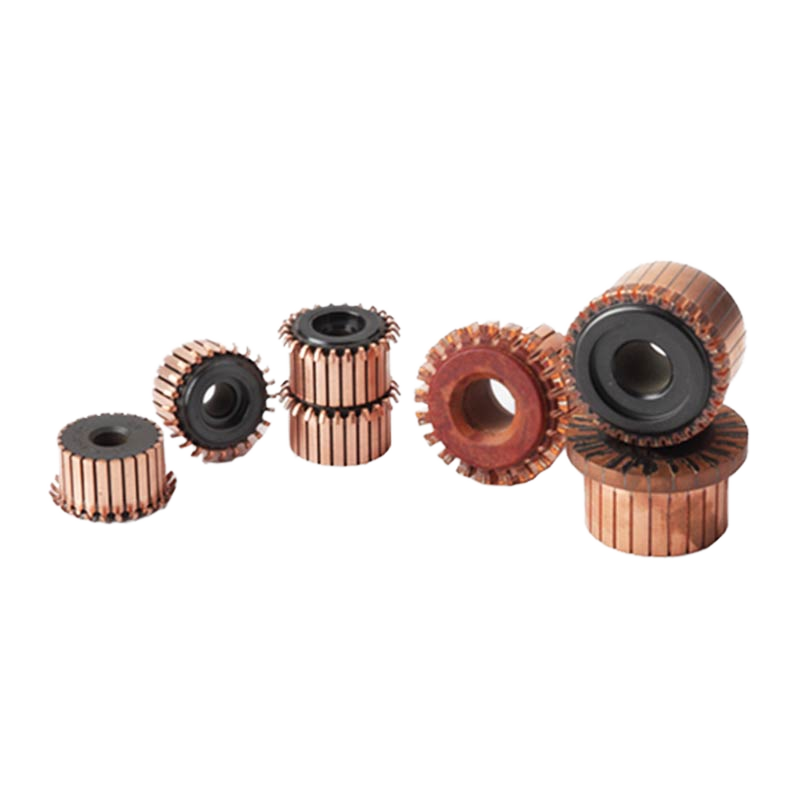
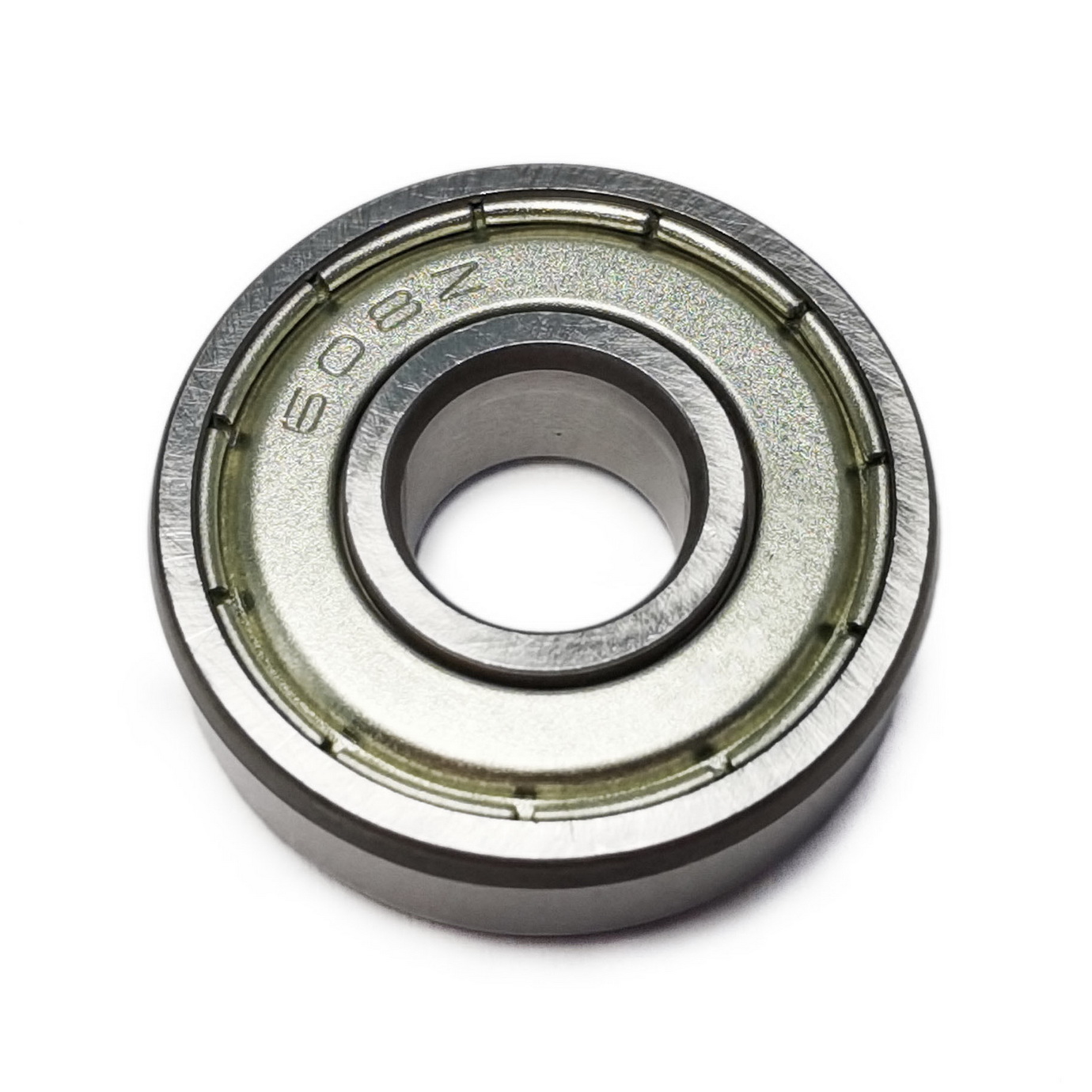
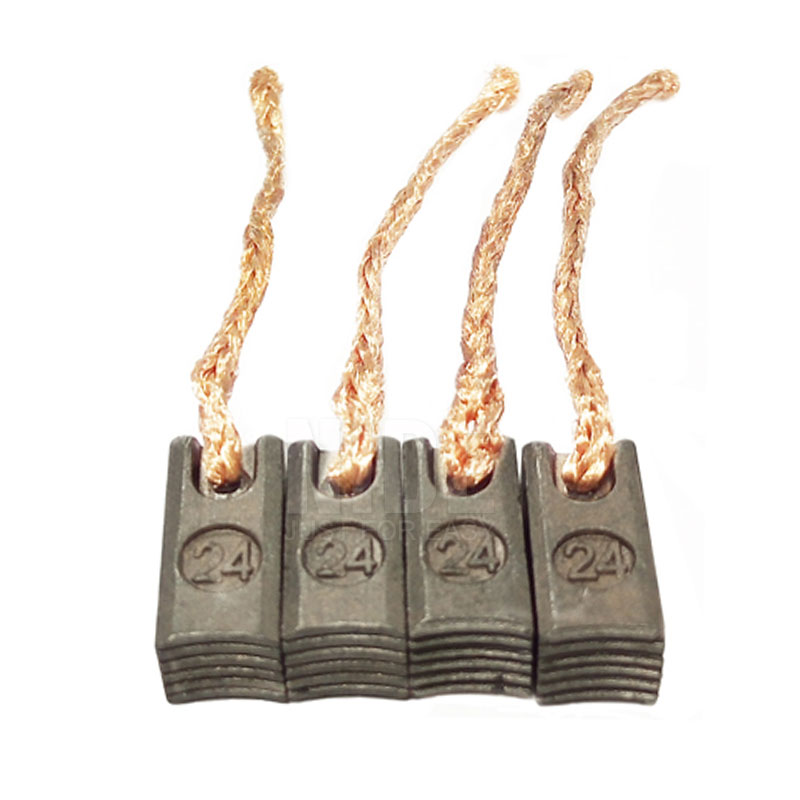
Beyond building high-speed winding and inserting machinery, we provide complete sets of matched motor components: precision commutators, 608ZZ stainless bearings, carbon brushes, shafts, laminations, and insulation materials under one reliable umbrella.
Tailored Tooling & R&D Engineering
Our in-house R&D facility designs custom inserting blades, winding heads, and lacing fingers tailored specifically to your lamination slot geometry, stack height, and target gauge, preventing wire pinching and guaranteeing smooth operation.
Factory Acceptance Testing (FAT) with Your Parts
We do not ship machinery on hypothetical tolerances. We run real-world trial runs using your specific raw laminations and magnet wire. Full-length 4K trial videos and electrically verified sample stators are submitted for your formal sign-off prior to crating.
Dedicated Overseas Engineering Service
Our engineering support combines remote IoT telemetry diagnostics, live video-assisted installation guidance, and on-site factory commissioning. We train your local operators in Port-au-Prince on mechanical calibration, tooling changeovers, and preventive maintenance.
Rigid ISO 9001 Certified Quality Control
Every sub-component, from Schneider contactors to Airtac pneumatics and Keyence optical sensors, undergoes incoming inspection. Electrical cabinets, machine frames, and tooling undergo 72 hours of uninterrupted continuous stress-testing.
Frequently Asked Questions for Port-au-Prince Buyers
Clear, direct answers regarding customs clearance, maritime shipping, technical commissioning, and electrical compatibility in Haiti.
How do you ship heavy stator production equipment safely to Port-au-Prince?
How do the machines handle voltage irregularities and diesel generator power in Haiti?
Can a single stator production line produce different motor frame sizes?
What installation and operational training support is available for Haitian personnel?
What are your payment terms and average delivery times for complete lines?
Can you supply raw materials and motor components along with the machinery?
Scale Your Electric Motor Production in Port-au-Prince
Send our senior engineering team your motor technical drawings, slot geometry, target daily output, and power grid parameters. We will configure an optimized machine proposal and complete quotation.
Get Catalog