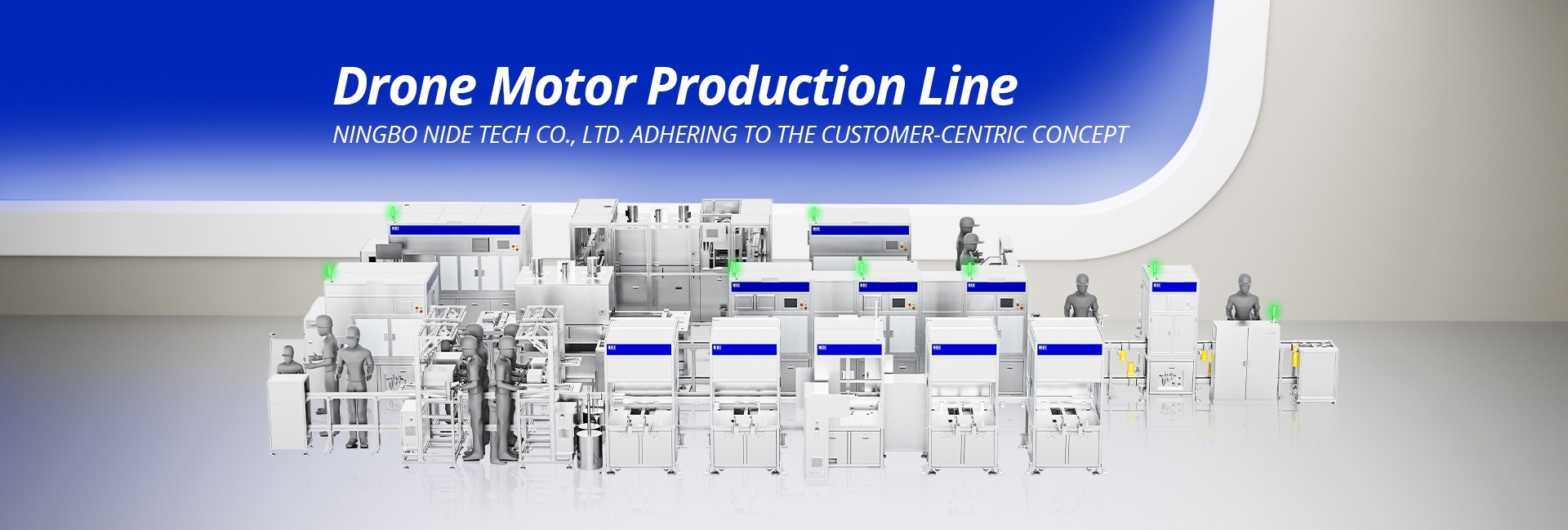
Maximize slot fill factor, compress cycle times, and automate quality control with end-to-end BLDC stator production lines engineered by Ningbo Nakro Intelligent Equipment Co., Ltd.
Engineering High-Yield Brushless Motor Stator Assembly Lines
A deep-dive technical blueprint addressing procurement queries, process bottlenecks, slot fill optimization, and high-speed multi-axis servo automation.
In the modern electric vehicle (EV), HVAC compressor, industrial servo, and smart robotic drive sectors, the shift toward permanent magnet brushless DC (BLDC) and permanent magnet synchronous motors (PMSM) is accelerating exponentially. Sourcing directors and chief manufacturing engineers evaluate a Brushless Motor Stator Assembly Line not simply as a collection of mechanical tools, but as an integrated precision ecosystem directly dictating copper fill factor, acoustic quietness, thermal performance, and per-unit production cost.
Unlike brushed motors, brushless stators rely on either inner-slotted lamination stacks or concentrated outer-rotor topologies requiring microscopic tension consistency. Any micro-scratch on the wire enamel causes insulation breakdown during high-frequency pulse-width modulation (PWM) inverter switching. Ningbo Nakro Intelligent Equipment Co., Ltd. resolves this industrial challenge through multi-axis CNC needle winding synchronization, closed-loop servo tension regulation, integrated hot-wire fusing, and comprehensive inline dielectric analysis.
From automatic slot paper insertion or epoxy powder coating to precision wire lead routing, multi-point hot spot resistance welding, and end-of-line (EOL) electrical quality gates, Nakro designs scalable modular production systems matching both prototype validation and high-volume multi-shift operations.
Key Technical Benchmark Targets
Slot Fill Factor: Up to 55% - 68% with optimized precision neat-layer needle winding.
Tension Fluctuation: ≤ ±1.5% via high-speed electronic servo closed-loop tensioners.
Winding Precision: Sub-0.01 mm servo repeat positioning accuracy on needle flyer nozzles.
Cycle Time (6-12 Slot): 12 to 28 seconds per stator completion depending on stack height.
MES Connectivity: Native OPC-UA / Profinet data streaming for full component traceability.
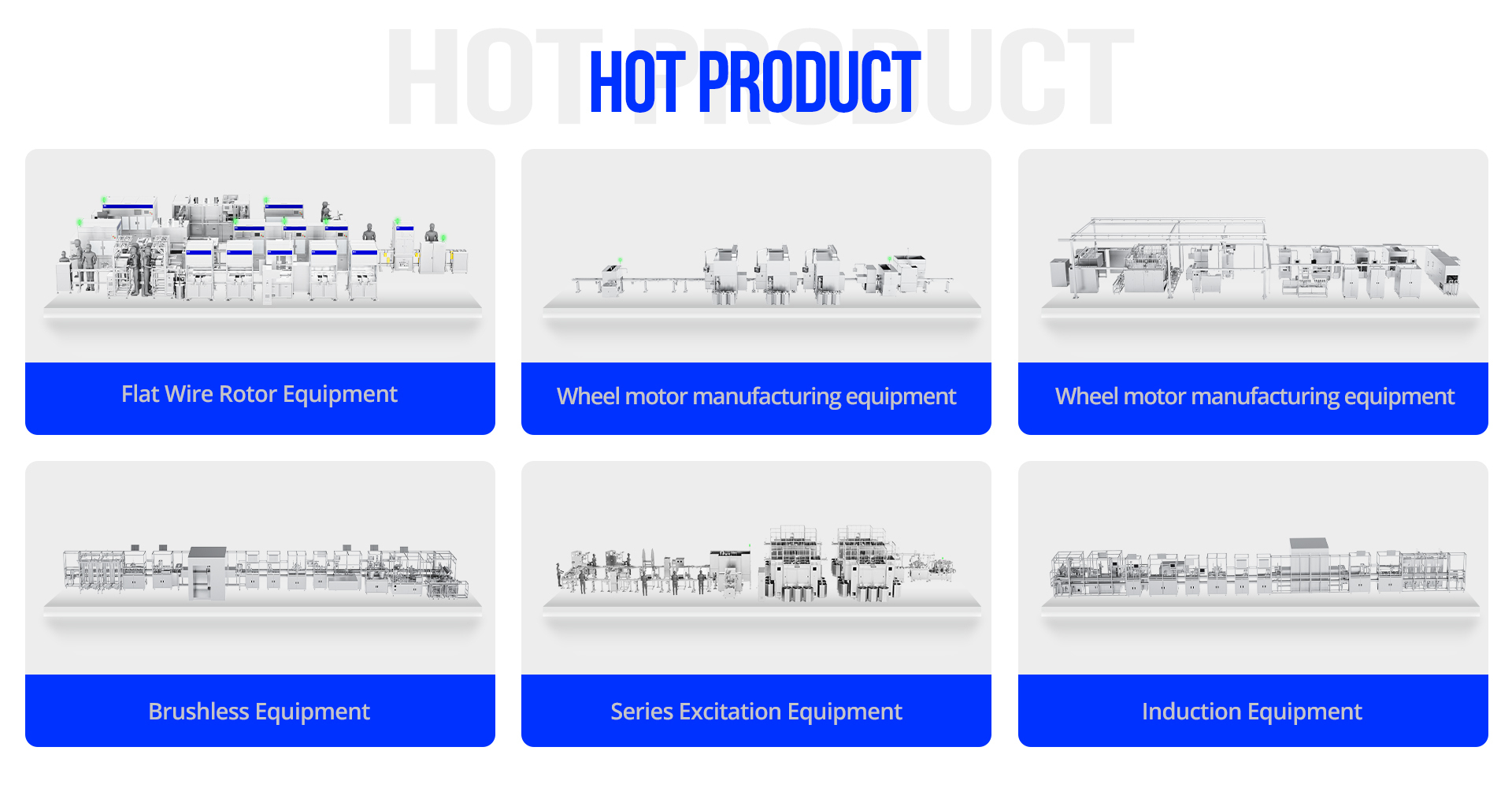
Tailored for high-pole-count electric scooter, light EV, and drone stators. Utilizes precision rotary tables and programmable flyer heads to wind high-gauge magnet wire into tight tooth profiles with zero wire crossover.
A comprehensive multi-station production environment pairing BLDC stator winding with automatic permanent magnet insertion, epoxy bonding, magnetic flux density testing, and robotic rotor-stator automated closing.
Future Procurement & Technology Trends in BLDC Stator Lines
Crucial manufacturing evolution points global tier-1 buyers, motor architects, and plant managers must anticipate over the next decade.
1. Transition to Segmented & Segment-Core Stators
To push copper slot fill factors beyond 70% and reduce harmonic copper losses, leading BLDC motor producers are moving away from monolithic stator stacks toward segmented pole teeth. Once wound separately on high-speed CNC bobbin spindles, these segments are automatically interlocked via robotic pick-and-place indexing cells. Procurement teams are heavily prioritizing assembly lines with tooling flexibility to handle both continuous inner lamination stacks and segmented core interlocking with ultra-tight geometric tolerances.
2. Ultra-Precise Electronic Servo Tensioning
Mechanical friction tensioners are being completely phased out of high-spec BLDC production. Next-generation assembly equipment integrates dual-stage electronic active servo tensioners with real-time feedback loops. By sensing wire speed, instantaneous nozzle acceleration, and reel runout, the system prevents micro-fracturing of the polyimide/polyester enamel insulation layer. This eliminates partial discharge anomalies and phase-to-phase short-circuits during stringent 1500V Hipot or surge testing in high-voltage e-mobility applications.
3. Full MES Traceability & In-Line Vision AI
Automotive IATF 16949 compliance and stringent warranty expectations now require 100% digital cradle-to-grave traceability. Modern lines incorporate laser QR code engraving on each raw lamination core. High-resolution CCD vision cameras verify turn counts, neat-layer positioning, and solder joint wetness at every indexing station. Process parameters—including peak hot-fusing temperature, terminal crimp displacement force, and dielectric leakage values—are recorded and bound directly to the stator's digital twin.
Over a decade of dedicated engineering, certified manufacturing excellence, and global service support.
2010ESTABLISHED
Your Turnkey Engineering Partner for Advanced Electric Motor Production
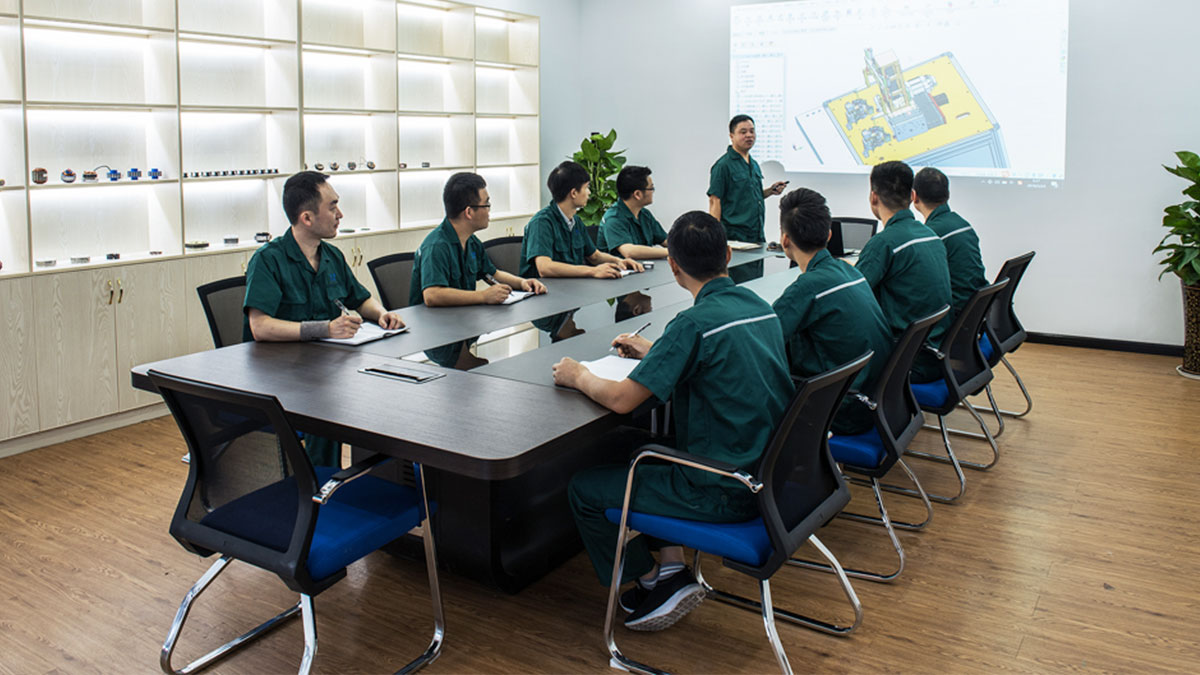
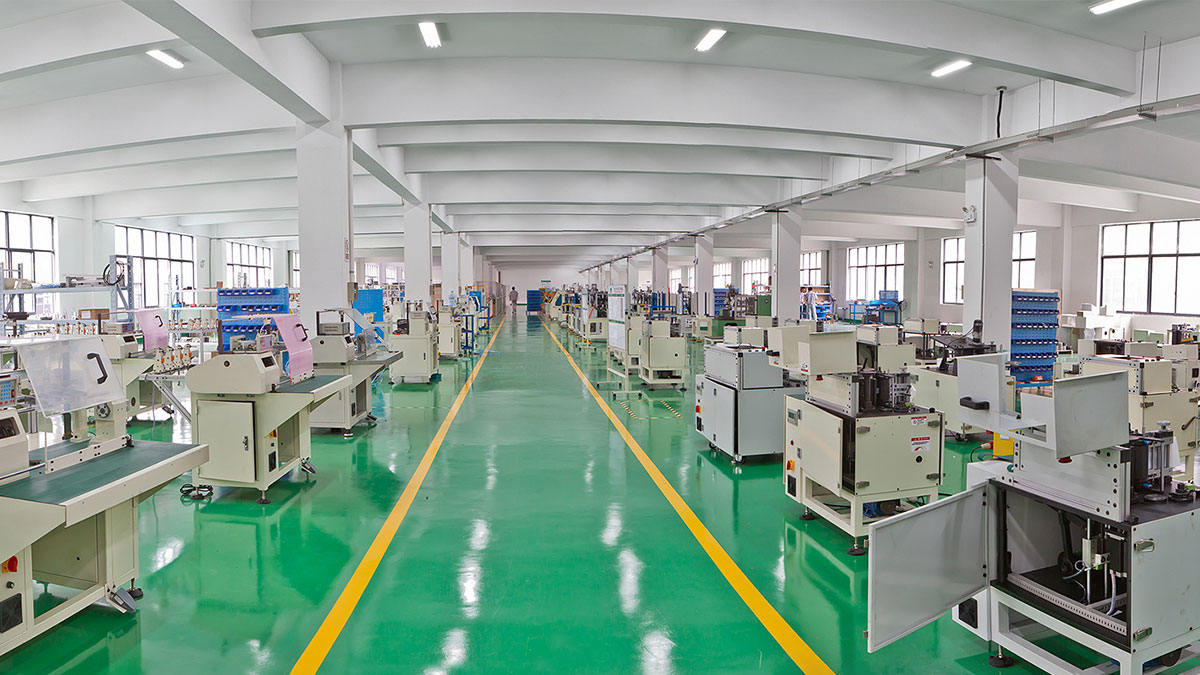
Founded in 2010 in Ningbo, Zhejiang, Ningbo Nakro Intelligent Equipment Co., Ltd. has established itself as an authoritative leader in electric motor manufacturing technology. Spanning a modern production infrastructure of 30,000 to 50,000 m², our engineering teams design, manufacture, and integrate turnkey assembly cells exported to more than 50 countries worldwide.
What differentiates Ningbo Nakro is our comprehensive vertical integration. Rather than operating merely as a machine integrator, our in-house mechanical R&D center machines proprietary winding nozzles, ceramic tooling, hardened inserting blades, and automated testing jigs tailored precisely to each buyer's lamination blueprint.
Beyond capital machinery, we maintain an entire supply division providing high-grade motor components—including precision commutators, custom shafts, thermal insulation paper, ball bearings, rare-earth neodymium magnets, end covers, and cooling fans. This allows overseas clients to execute complete production line transfers with a single accountable vendor taking full responsibility from pilot drawing verification to full mass production.
Turnkey automated BLDC, PMSM & induction motor production lines
In-house CNC precision machining for custom winding tooling & fixtures
Full motor component supply chain integration (magnets, bearings, copper)
Global field engineering, overseas service partners & remote support
Frequently Asked Questions: Brushless Motor Stator Assembly Lines
Detailed engineering and procurement answers to the most common questions raised by industrial buyers.
What is the typical cycle time of a fully automated Brushless Motor Stator Assembly Line?
The line cycle time is governed by the stator stack height, slot dimensions, and total turns per tooth. For high-volume automotive auxiliary, drone, or appliance BLDC stators (such as 6-slot, 9-slot, or 12-slot architectures), our multi-nozzle CNC servo needle winding machines and integrated transfer pallets deliver total cycle times of 12 to 28 seconds per stator. High-speed multi-spindle winders wind up to four stators concurrently, dramatically multiplying output per operator footprint.
How does Ningbo Nakro prevent copper wire enamel damage during high-speed needle winding?
Enamel scratching or micro-stretching can compromise partial discharge inception voltage (PDIV) ratings. Ningbo Nakro deploys closed-loop electronic active servo tension controllers that continually modulate wire pay-off resistance in response to real-time angular flyer accelerations. Furthermore, all critical contact points, guide pulleys, and needle nozzles feature diamond-like carbon (DLC) finishes or mirror-grade ceramic bushings with surface roughness under Ra 0.05 μm, maintaining wire elongation strictly under 1.5%.
Can one assembly line be configured for multiple stator geometries and stack heights?
Yes. Ningbo Nakro designs modular quick-change tooling fixtures and digital recipe management systems. Changing stator stack heights (e.g., from 15 mm to 80 mm) requires only digital HMI parameter recall and minor mechanical spacer adjustment taking less than 15 minutes. Swapping between different slot geometries involves modular tooling cassettes that can be exchanged and recalibrated within one shift, allowing flexible high-mix, low-to-medium-volume production.
What Factory Acceptance Test (FAT) standards must be met before international shipment?
Prior to packing, our ISO 9001 quality framework mandates an exhaustive FAT protocol. We invite your engineering team (in person or via real-time high-definition video inspection) to verify machine operation using your supplied copper wire, insulation material, and lamination stacks. The line executes a continuous 72-hour trial run at rated speed. CPK values for winding DC resistance must exceed 1.67, with a 100% first-pass yield on Hipot, surge, and insulation resistance tests.
How do the machines interface with Industry 4.0 and factory MES networks?
Our automation control cabinets feature Siemens S7-1500 or Mitsubishi iQ-R series PLCs equipped with native industrial Ethernet protocols (OPC-UA, Profinet, EtherCAT). Each stator is tracked via its 2D laser-etched DataMatrix code, binding individual winding tension graphs, hot-fusing peak temperatures, resistance values, and Hipot test logs to your central factory MES database for complete traceability.
What overseas after-sales support and installation services does Ningbo Nakro provide?
We offer comprehensive global commissioning support. Ningbo Nakro dispatches senior automation engineers directly to customer production facilities across Southeast Asia, Europe, the Middle East, and the Americas to oversee mechanical installation, line balancing, and operator training. Furthermore, all control cabinets incorporate secure industrial remote-access gateways, enabling our software engineers in Ningbo to diagnose PLC logic, update programs, and assist your technicians 24/7.