A Motor Manufacturing Line is more than a row of machines. It is a connected production system that shapes quality, output, and operating costs. For global buyers, choosing the right configuration means looking beyond headline speed. Winding accuracy, rotor balancing, insulation testing, and traceability all matter on the factory floor.
The scale of automation offers useful context. The International Federation of Robotics reported 541,302 industrial robots installed worldwide in 2023, with 4,281,585 operating across factories. These figures cover many industries, not motor plants alone, but they show how widely automated production has spread. The International Energy Agency has estimated that electric motor-driven systems account for about 45% of global electricity use. That makes efficient motor production an important industrial concern. Small details matter.
This guide examines seven motor manufacturing line options for different products, capacities, and investment goals. It considers practical features such as automated winding, assembly flexibility, testing coverage, and integration with existing equipment. A line built for high-volume induction motors may not suit a compact permanent-magnet motor program. Buyers should also check local service support, spare-parts access, and commissioning requirements. A polished specification sheet can still leave questions unanswered. Public reports rarely compare suppliers on identical terms, and published performance figures may depend on product design and operating conditions. Treat the options as a starting point, then verify claims through factory references, sample testing, and a clear acceptance plan.
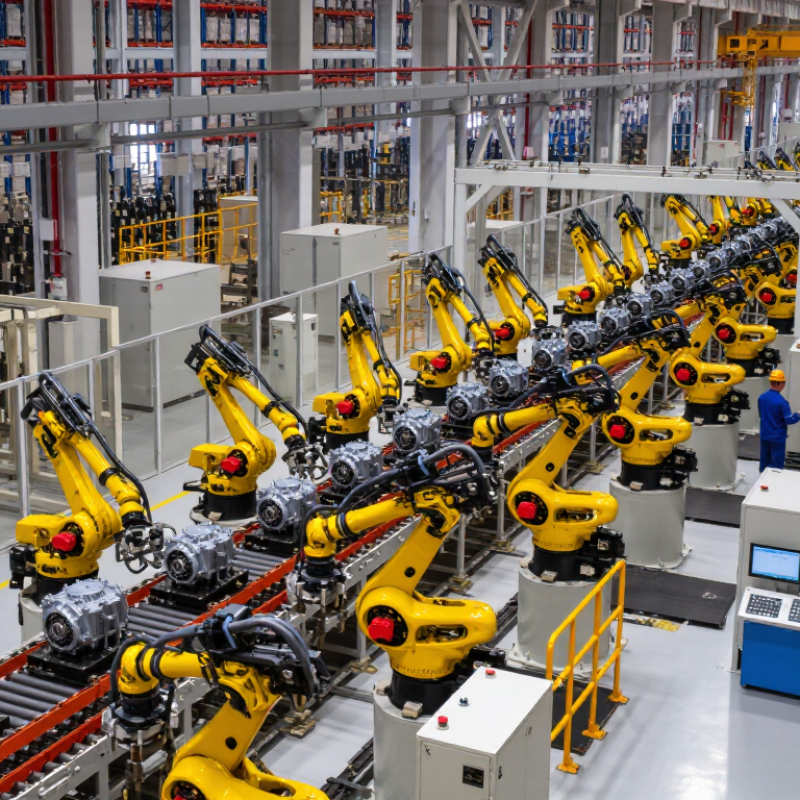
How Global Buyers Evaluate Motor Manufacturing Lines
Global buyers should assess a motor manufacturing line as a complete production system, not a list of machines. Ask for verified output by motor type, shift length, and changeover frequency. A line rated for 600 units daily may deliver less when winding, balancing, or final testing becomes a bottleneck. Request recent run data and observe a representative production cycle, including rejected units. Numbers need context.
Tips: Compare quoted capacity with a witnessed acceptance run. Check whether tooling, gauges, test fixtures, and operator training are included. Ask who handles calibration and how quickly common spare parts can arrive. Small details matter.
Review process control at each station: winding tension, rotor balance, insulation checks, and traceable test records. Confirm that the line can handle your voltage, frame sizes, and tolerances without extensive rework. Discuss installation utilities, floor space, guarding, maintenance access, and data interfaces before approving specifications. A polished factory video is useful, but it cannot replace seeing samples tested under agreed conditions. Speak with a comparable buyer if possible. Still, references can be selective; validate claims against records. Some gaps only appear after commissioning, so leave room for a practical ramp-up plan.
FAQS
Treat it as a complete production system, not a list of machines. Ask for verified output by motor type, shift length, and changeover frequency. A line rated for 600 units daily may produce less when testing becomes a bottleneck. Numbers need context.
Observe a representative production cycle using agreed conditions. Check actual output, changeover time, and rejected units. If possible, use your own drawings and materials. A polished video is not enough.
Review winding tension, rotor balance, insulation performance, and electrical test records. Ask how failed motors are separated from accepted units. Sample records can reveal gaps, but they do not prove every shift runs equally well.
No. Automatic coil insertion and controlled fastening can make repetitive steps more consistent. But complex systems may need specialist maintenance. A simpler line could suit frequent product changes better.
Check voltage, torque range, annual volume, and product variants. Small appliance motors may need quick changeovers. Traction motors can require tighter control of insulation and rotor balancing. A fixture that takes twenty minutes to change can disrupt a busy schedule.
Ask whether records identify individual motors and recurring defects. Confirm who owns the data and checks it routinely. Records help, but only when someone reviews them.
Check utilities, floor space, guarding, maintenance access, and data interfaces. Ask whether gauges, tooling, test fixtures, and operator training are included. Confirm calibration responsibility and spare-part delivery times.
Leave time for training, tool changes, and production variation. Incoming steel or magnets may not behave consistently. I would still question forecasts based on peak output every shift. Some problems appear only after commissioning.
Conclusion
Choosing the right Motor Manufacturing Line starts with understanding the product, target market, expected output, and available investment. Global buyers can compare seven configurations, from flexible setups suited to varied product mixes to higher-capacity lines designed for consistent, large-scale production. Each option involves different levels of automation, equipment integration, and operational flexibility, so the best fit depends on both current requirements and plans for future growth.
Across motor production, core processes may include component preparation, winding, assembly, testing, and inspection. Buyers should evaluate how equipment supports reliable quality, efficient workflows, manageable labor needs, and the desired production capacity. Market expectations, motor specifications, factory space, and the ability to adapt to changing demand also matter. A careful comparison of these factors helps buyers select a practical line that balances output, quality, and flexibility for their specific application.