Master stator slot fill rates up to 82%, eliminate enamel scratching, and integrate automated wedge pushing for three-phase, single-phase, and BLDC production cells.
Precision Mechanics of an Automatic Coil Insertion Machine
A deep technical analysis into why servo-driven simultaneous coil and wedge insertion represents the pinnacle of electric motor stator manufacturing efficiency.
In high-volume electric motor manufacturing, the stator winding insertion stage represents the most vulnerable operational juncture. The traditional manual or semi-automated insertion of pre-wound copper or aluminum coil bundles into narrow stator lamination slots frequently creates severe production bottlenecks, mechanical deformation of phase coils, and microscopic scratches across the insulating enamel layer.
An industrial Automatic Coil Insertion Machine engineered by Ningbo Nakro Intelligent Equipment Co., Ltd. resolves this critical engineering challenge through the synchronized mechanical alignment of tooling guide blades (commonly referred to as insertion fingers), wedge guiding strips, and multi-axis servo pushers. In a single continuous vertical or horizontal thrust cycle, our machines drive both phase coil bundles and dielectric slot wedges (Nomex, DMD, polyester film, or composite laminates) cleanly into the stator slots.
By maintaining microscopic tolerances (±0.01 mm) across the entire blade magazine assembly, the mechanical friction exerted upon the magnet wire is drastically reduced. This mechanical precision prevents hairpin pinching, avoids inter-turn insulation micro-cracking, and guarantees that dielectric breakdown thresholds exceed standard high-potential (hipot) quality benchmarks (typically >2500V AC testing).
Engineered for three-phase standard and premium IE3/IE4 industrial induction motors. Features simultaneous copper coil bunch and slot wedge insertion driven by dual servo actuators. Eliminates wire crossovers and supports varied slot configurations.
Optimized for single-phase compressor, fan, water pump, and washing machine motor stators. High-precision mechanical indexing and automated wedge length cut-to-length feed minimize manual handling and achieve rapid, repeatable production cycles.
A fully integrated turnkey production system linking slot insulation paper insertion, coil winding, automatic coil insertion, intermediate expansion, coil lacing, final forming, and comprehensive electrical surge/hipot testing stations.
Emerging technological shifts and procurement imperatives dictating capital investment in stator automation machinery.
High Slot-Fill Demand
Global efficiency mandates (IEC 60034-30-1 IE4/IE5 super-premium efficiency) require stator copper fill factors to exceed 78%–82%. Global procurement directors are replacing hydraulic presses with dynamic closed-loop servo inserters that compress coils smoothly without tearing slot liners.
Agile Multi-Stack Tooling
Modern motor manufacturers can no longer afford hours of mechanical downtime. Procurement trends emphasize quick-disconnect blade cages and programmable servo height adjustments that cut stack changeovers from 2 hours to under 25 minutes.
Digital Traceability & MES
Insertion machines are transforming from isolated mechanical tools into IoT-connected assets. Buyers demand real-time telemetry: insertion thrust curves, servo torque logging, cycle timings, and automatic rejection of stators exhibiting resistance abnormalities.
Turnkey Total Cost of Ownership
Procurement teams increasingly avoid unbundled machine purchases. They prioritize single-source suppliers like Ningbo Nakro Intelligent Equipment Co., Ltd. that engineer the complete line, supply custom-matched tooling, and guarantee fast spare parts delivery.
How automatic coil insertion machines evolved from mechanical-hydraulic systems into intelligent servo-robotic cells.
From Cam-Driven Rigs to Closed-Loop Servo Insertion
Over the past three decades, electric motor coil insertion technology has undertaken three distinct generational leaps. Early generation inserters relied on fixed hydraulic pistons or mechanical eccentric cams. While robust, these systems lacked acceleration control, often causing severe stress spikes during insertion that snapped thin slot teeth and fractured magnet wire insulation.
The contemporary standard championed by Ningbo Nakro Intelligent Equipment Co., Ltd. utilizes digital servo drive architectures. Each axis—the coil pushing ram, the wedge pusher bar, and the rotary indexer—is independently commanded by high-bandwidth motion controllers. The machine dynamically adapts its velocity and torque envelope as wire bundles travel through the stator bore, ensuring uniform insertion pressure regardless of wire bundle compaction.
Looking toward the future, the next horizon includes automated in-situ optical vision checking prior to stroke launch, AI-driven adaptive thrust correction to offset coil springback variations across different copper lots, and collaborative robotic integration for completely lights-out automated motor plants.
Engineering answers to the most common questions international buyers and plant engineers ask when evaluating coil inserting equipment.
How does an automatic coil insertion machine prevent enameled wire damage and phase-to-phase short circuits?
Damage prevention is rooted in mechanical tooling craftsmanship and motion control synchronization. First, Ningbo Nakro Intelligent Equipment Co., Ltd. machines utilize insertion blades (fingers) machined from Japanese SKD11 or DC53 tool steels, vacuum heat-treated to HRC 60–62 and finished with a mirror polish (Ra < 0.1 μm). This micro-smooth surface eliminates burrs that cause enamel peeling. Second, our multi-axis servo controllers maintain smooth, progressive acceleration profiles that push coils through the slot openings without sudden velocity surges, preserving the enamel film thickness and dielectric integrity.
What is the maximum slot fill factor achievable with an automatic coil inserting machine?
Under standard industrial setups, modern servo-driven insertion machines achieve gross copper fill factors between 75% and 82%. Achieving the upper threshold depends upon the lamination slot opening width, the ratio between slot area and wire bundle diameter, and the choice of slot liner materials (e.g., thin Nomex vs. thicker multilayer composite insulation). Ningbo Nakro's R&D engineering team designs custom blade profiles to optimize wire nesting, enabling motor manufacturers to build ultra-efficient IE4 and IE5 stators.
Can a single automatic coil insertion machine accommodate multiple motor frame sizes and stack heights?
Yes. Our machines are engineered with flexible modular tooling platforms. Stack height adjustments (for example, between 40 mm and 180 mm) are completed digitally via HMI servo recipe selection in under 60 seconds without mechanical dismantling. When converting between different stator bore diameters or slot numbers (e.g., transitioning from a 24-slot IEC 80 frame to a 36-slot IEC 90 frame), operators swap the quick-release insertion blade magazine, wedge guide assembly, and stator locating ring within 25 to 40 minutes.
How does the machine synchronize simultaneous coil and slot wedge insertion?
The machine integrates a dedicated servo-pneumatic wedge processing module situated adjacent to the insertion tooling. As the coil pusher ascends, raw insulation paper from an unwinding roll is pulled, precisely cut to length, creased into a tailored "U" or "B" channel profile, and loaded into individual wedge guide tracks. In the primary stroke, the wedge pushers travel directly behind the coil insertion fingers, driving the wedges across the slot mouth immediately behind the wire bundles to seal the slot and prevent any loose wire strands from snagging on the lamination edges.
What are the primary wear components and what maintenance regimen is recommended?
The primary consumables in coil inserting machines are the insertion guide blades (fingers), wedge push needles, wedge creasing dies, and cutting guillotines. Because Ningbo Nakro employs vacuum cryogenic-treated high-grade alloy steel, our blade tooling sets typically exceed 2,000,000 to 3,000,000 insertion cycles before requiring maintenance. We recommend routine weekly cleaning of copper dust residues, automated daily pneumatic oil-mist lubrication, and scheduled blade gap inspections every 500,000 cycles. We provide complete replacement spare packs with every production line shipped.
What electrical specifications and safety interlocks are integrated into the machine?
Our machines comply with CE safety guidelines and international electrical standards. Equipment can be wired for 380V/415V/480V 3-phase, 50/60Hz depending on destination factory standards. Standard safety equipment includes dual optical safety light curtains across the operator loading zone, interlocked safety doors, ergonomic dual palm buttons to initiate the cycle, comprehensive over-current/over-torque electronic cutoffs, and emergency stop circuits that freeze all motion axes in under 20 milliseconds.
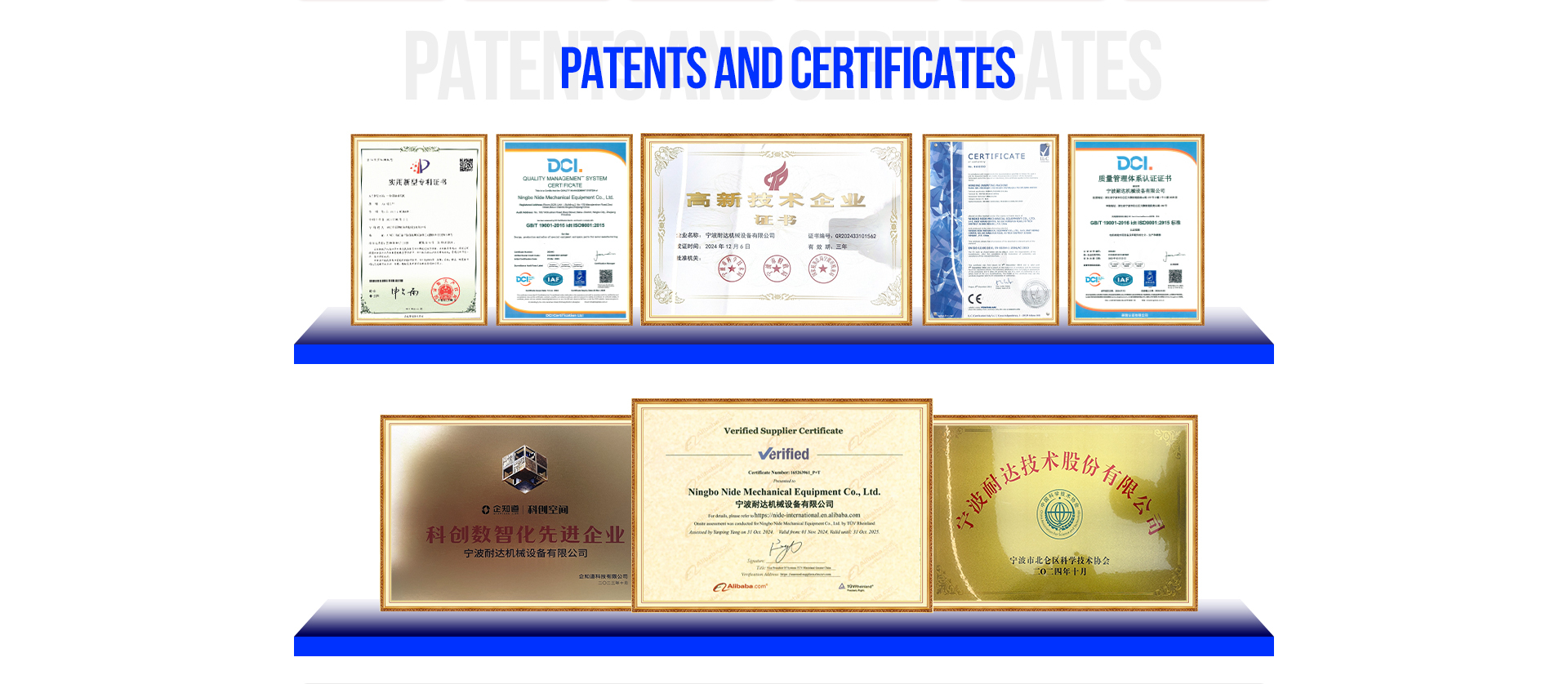
Fourteen-plus years of motor process know-how, packaged into precision machinery you can verify.
50+COUNTRIES
Turnkey Engineering & Stator Automation Mastery
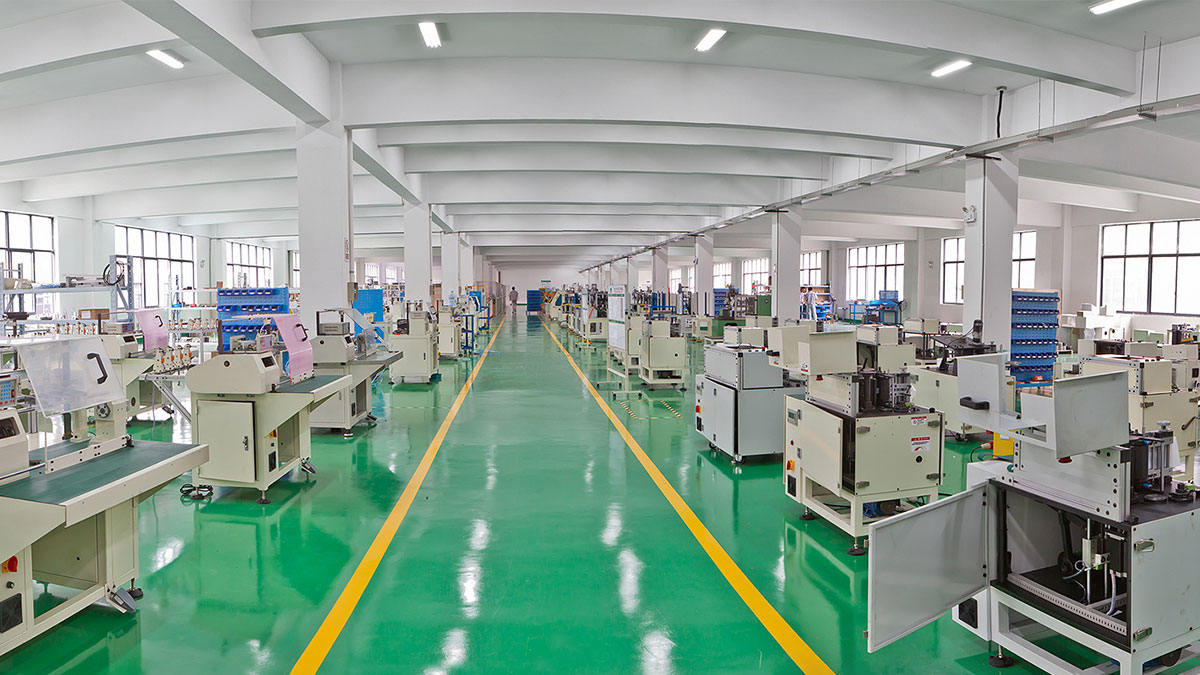
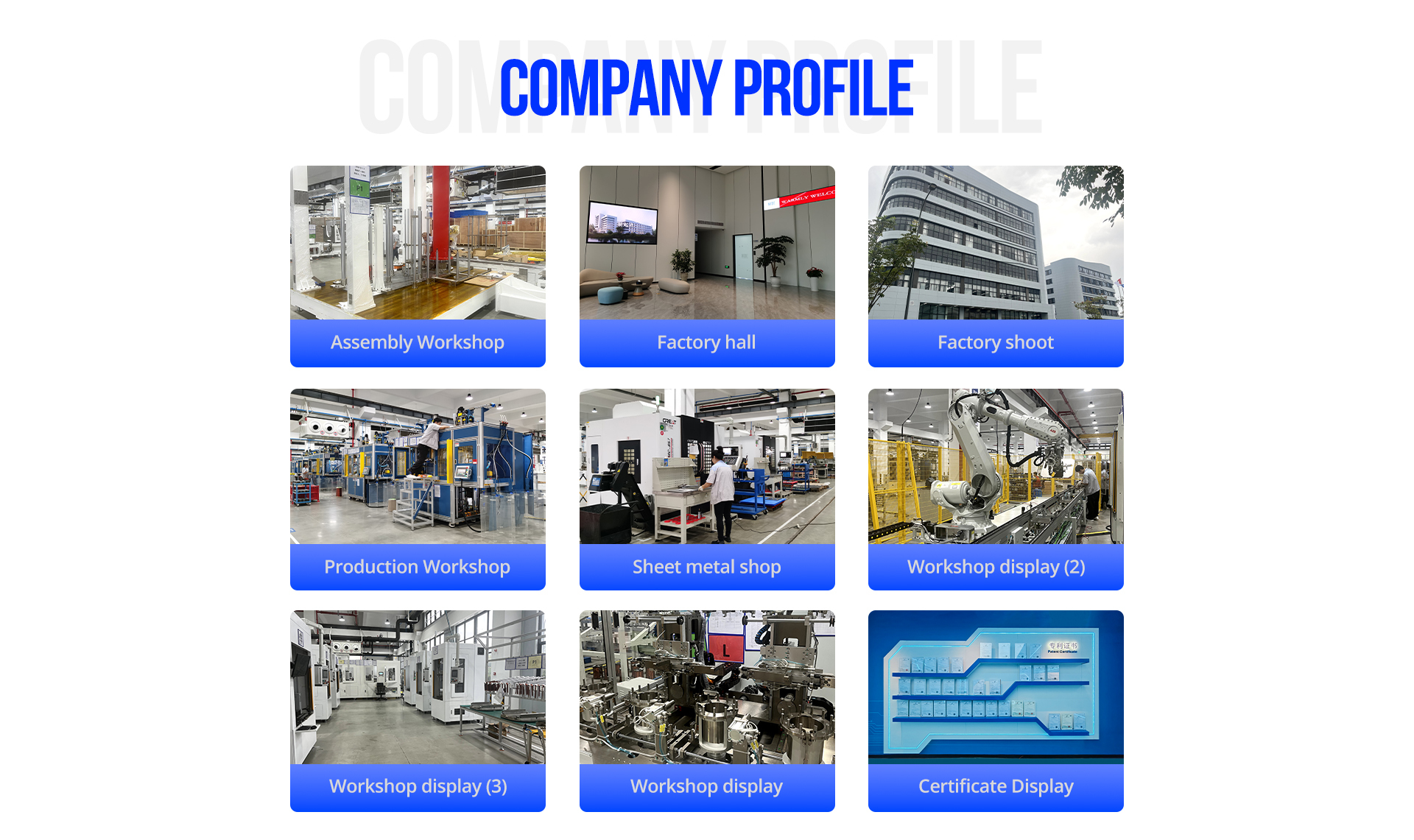
Founded in 2010 in Ningbo, Zhejiang, Ningbo Nakro Intelligent Equipment Co., Ltd. focuses on one singular mission: making electric motor production streamlined, reliable, and cost-effective for global manufacturers. Operating across a facility area of over 30,000 m² with an expert engineering team, we deliver stand-alone machines, semi-automatic manufacturing cells, and fully automated stator and armature assembly lines.
Beyond our machinery, we offer deep technological consulting for new motor projects, from initial slot geometry review to custom tooling design. Furthermore, buyers can source matching high-quality motor components—including commutators, ball bearings, carbon brushes, insulation paper, shafts, permanent magnets, cooling fans, and motor covers—directly through our supply ecosystem. This unified approach eliminates finger-pointing between equipment builders and component vendors, ensuring that the first motor off your new line meets exact engineering tolerances.
More than 13 years of specialized machine export experience
Southeast Asia, Eastern Europe, South America, Middle East, Western Europe
Factory Audit Availability
Onsite Inspection & Live Video Factory Audits
Accelerate Your Production Line ROI
Partnering with Ningbo Nakro Intelligent Equipment Co., Ltd. means accessing deep domain expertise in electric motor engineering. Our dedicated technical teams support you from conceptual layout to factory commissioning.
Fast-response engineering support (< 12 hours)
Complete custom tooling sets tailored to your stator blueprint
Lifetime spare parts and tooling replenishment service
Onsite installation, training, and remote telemetry setup
Ready to Automate Your Stator Coil Insertion Process?
Send your stator lamination drawings, wire dimensions, and target output. Our application engineers will return a complete mechanical proposal and budget estimate within 24 hours.